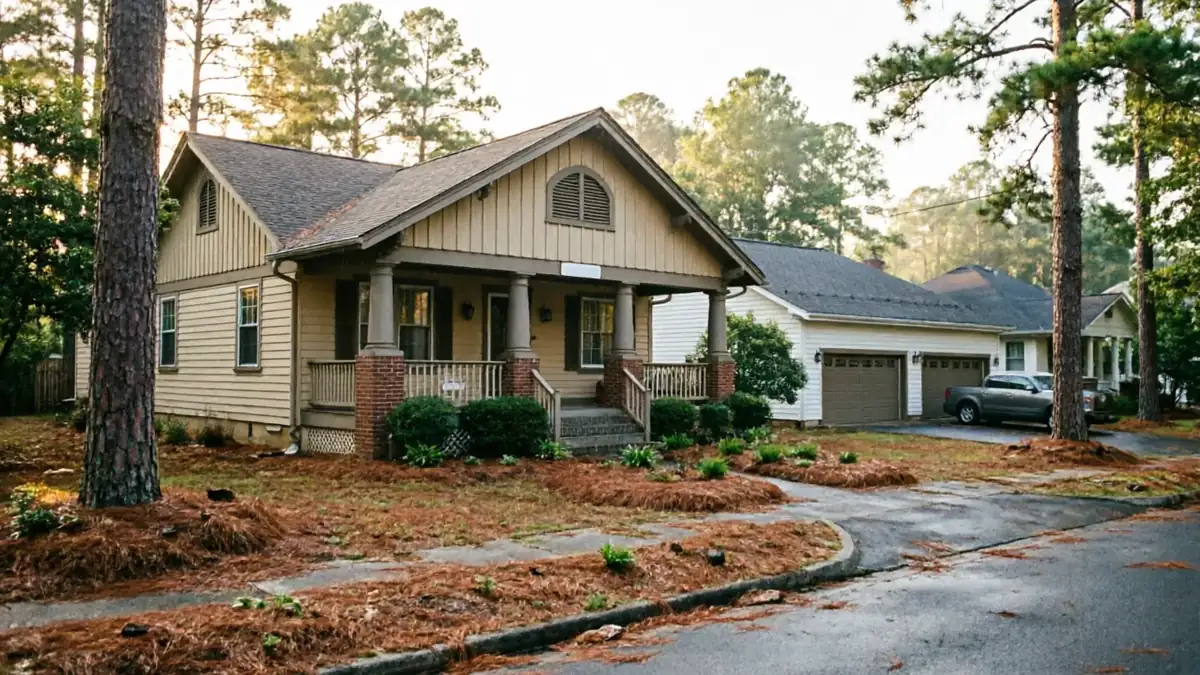
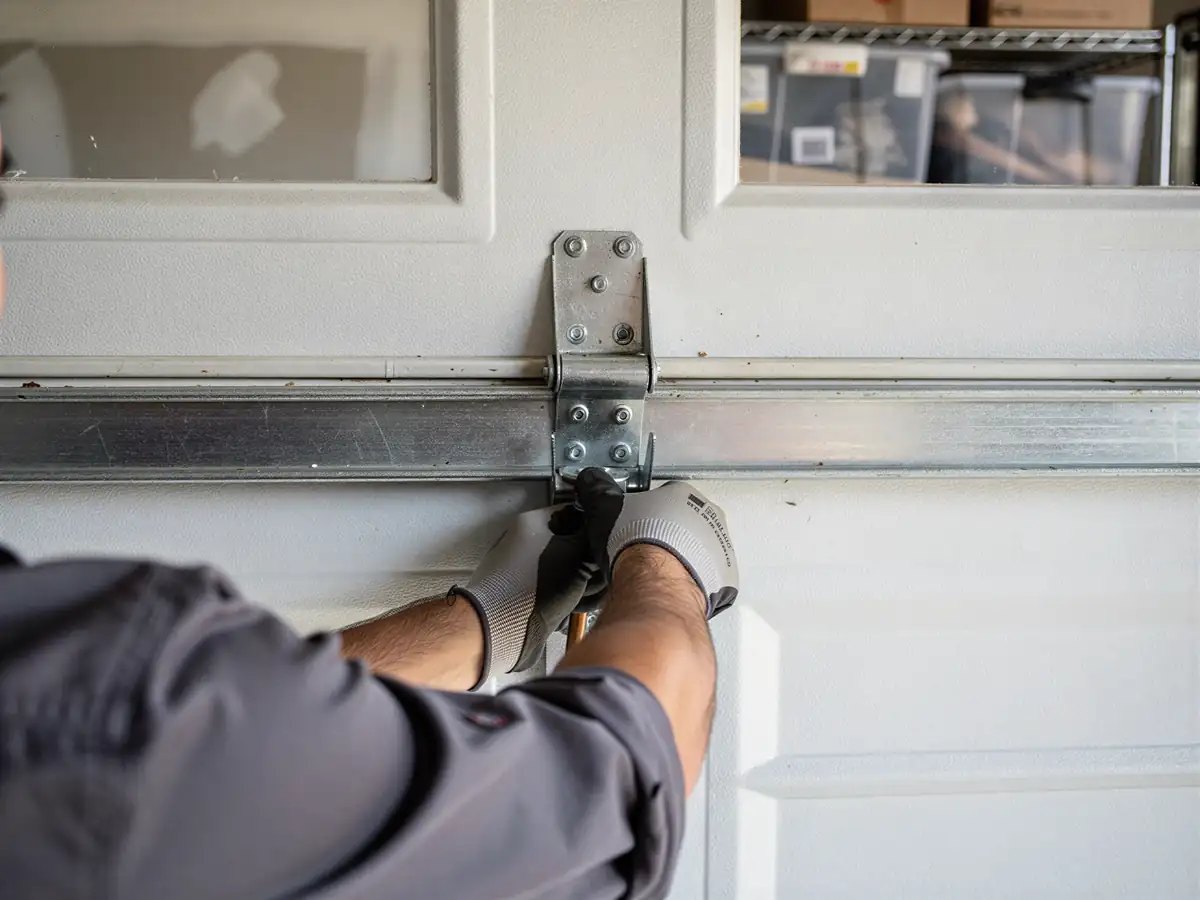
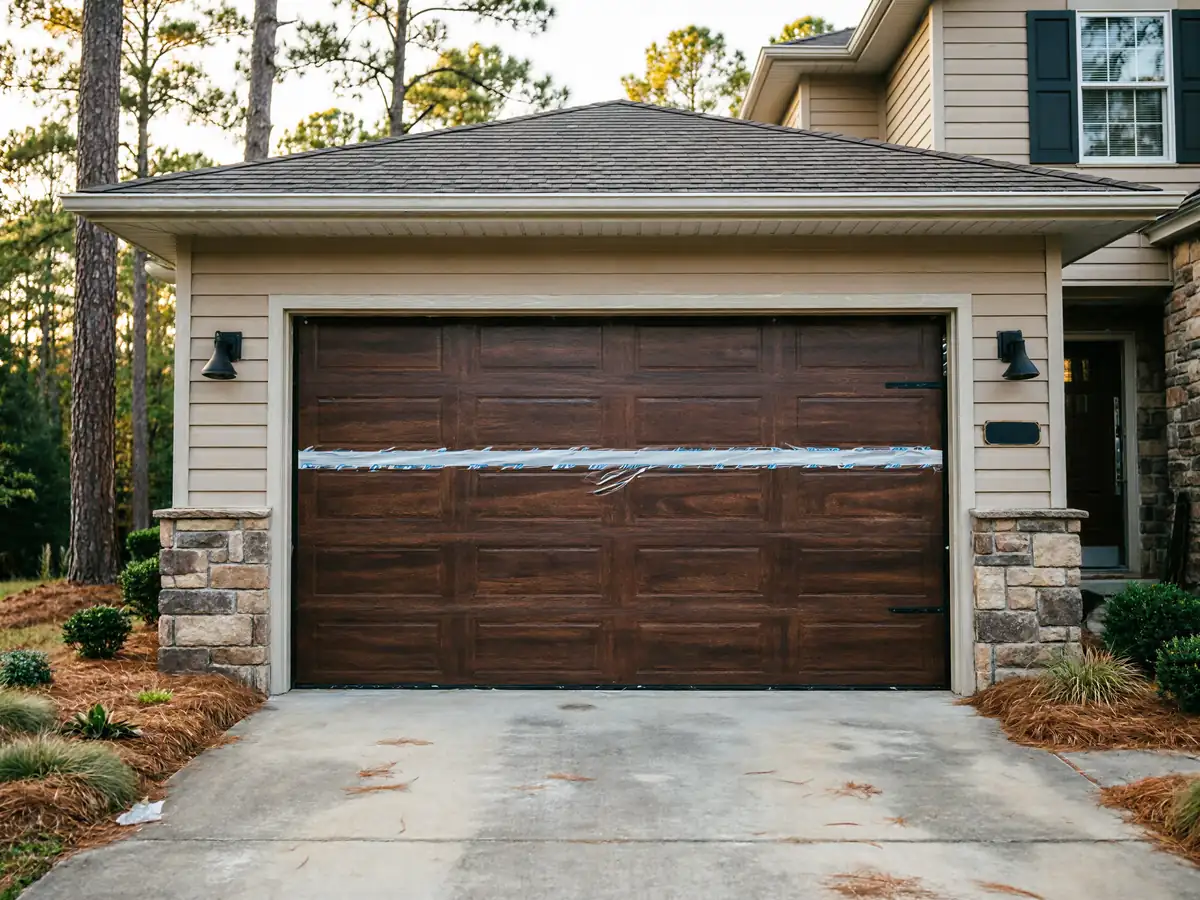
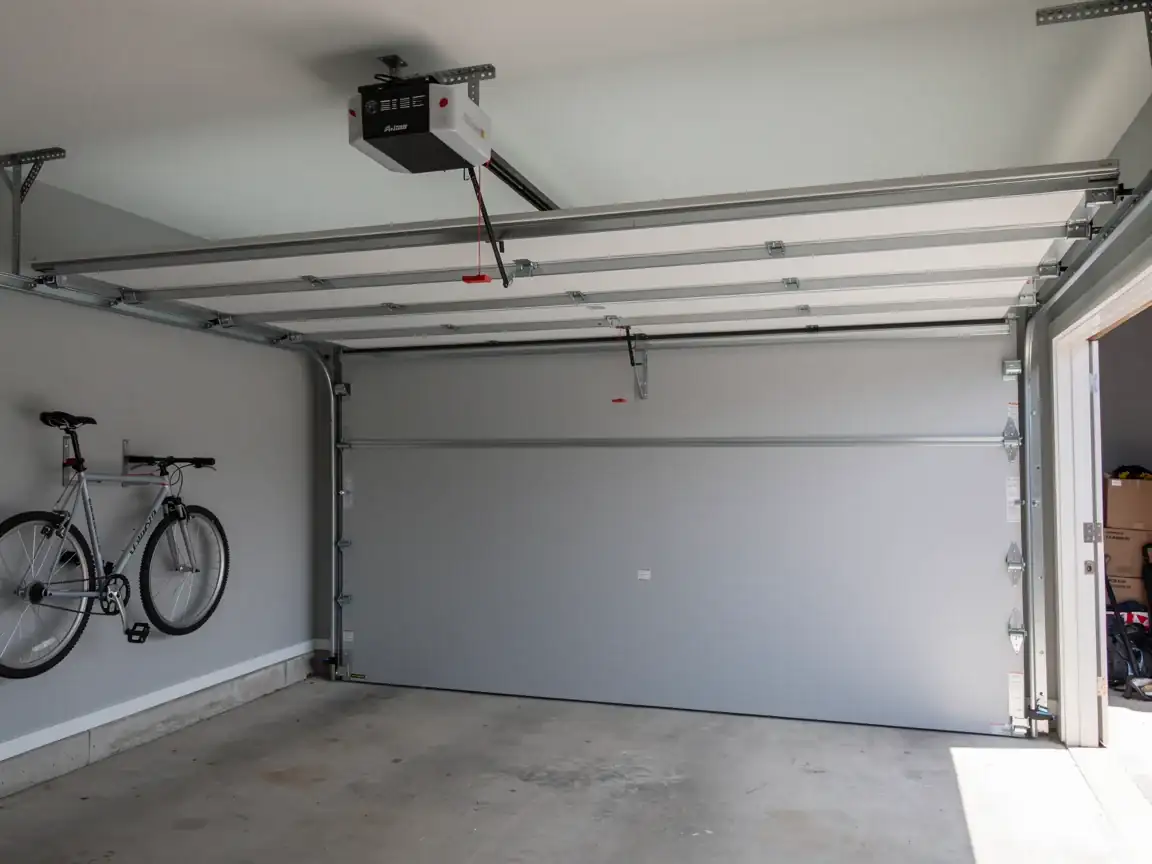
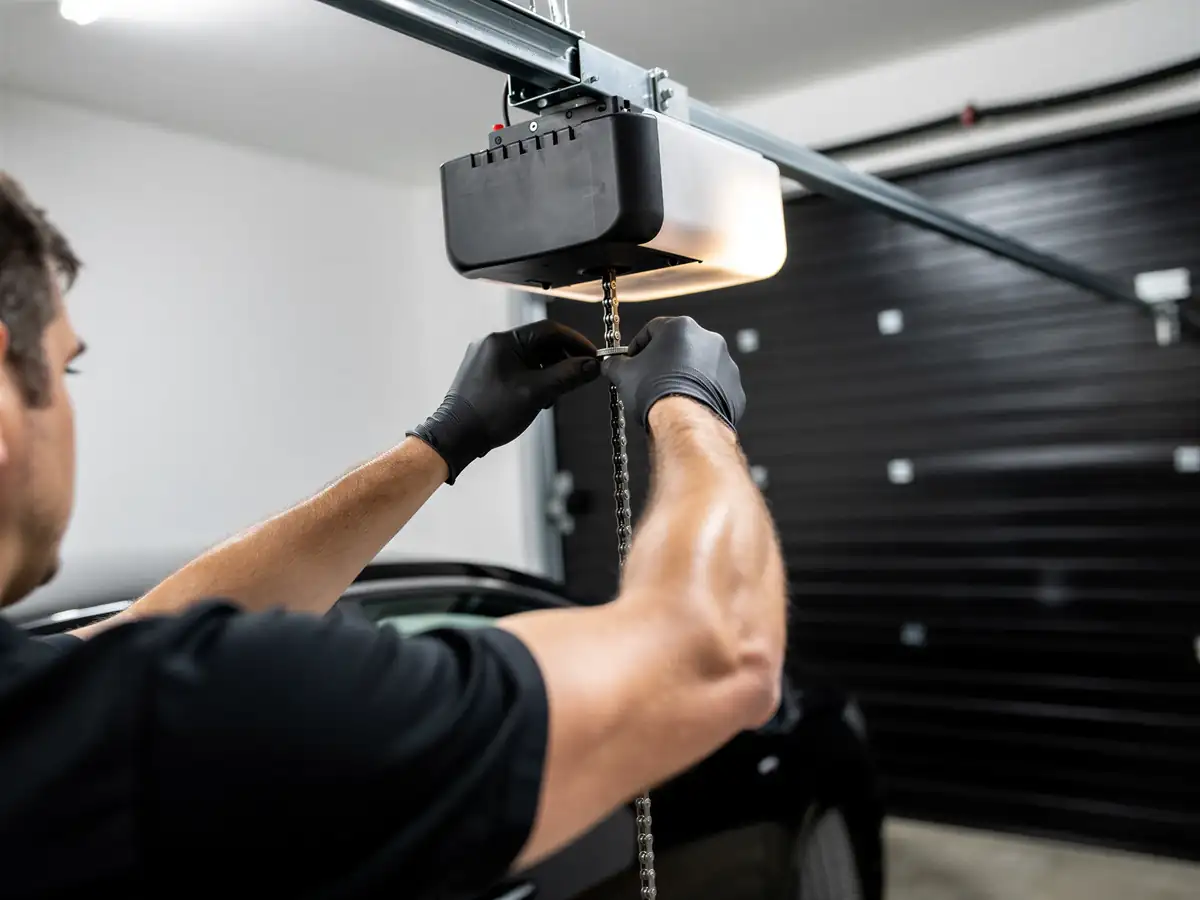
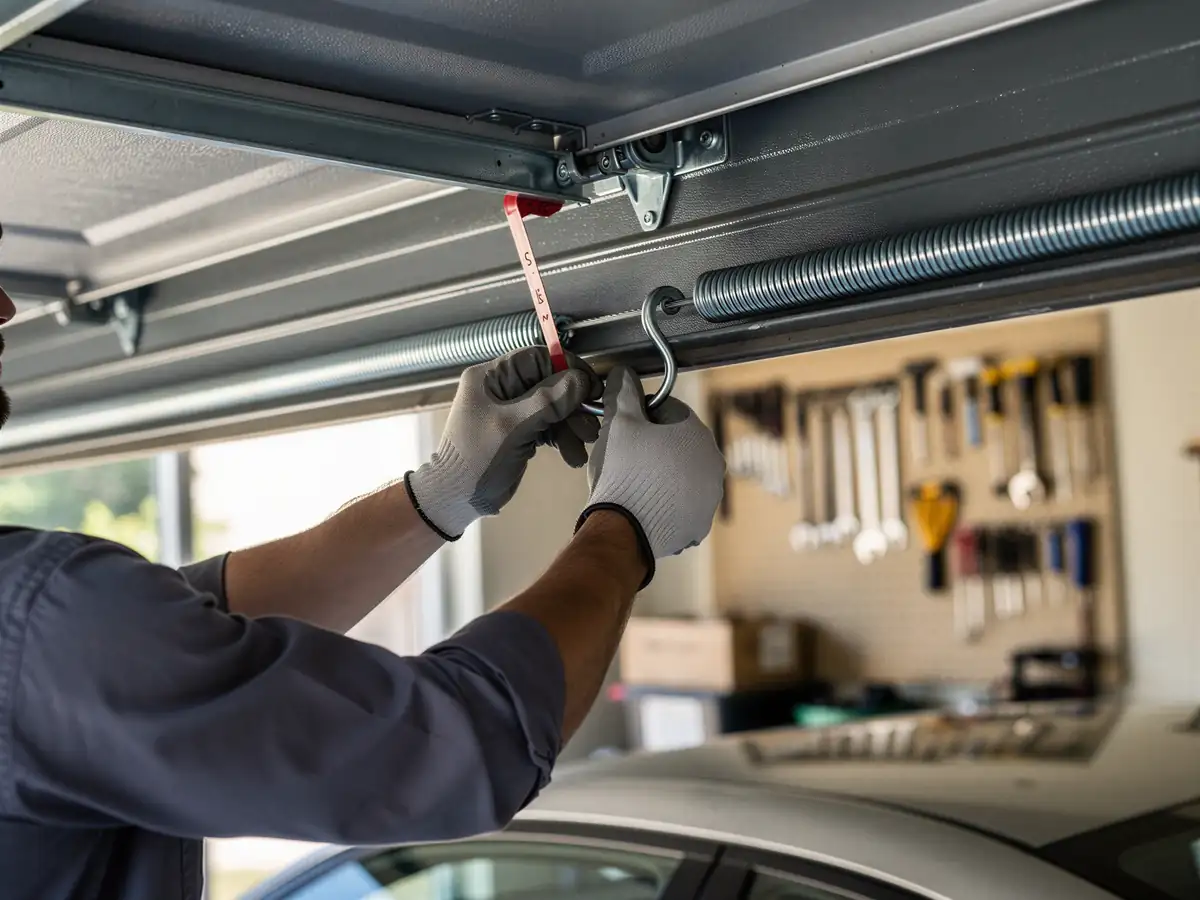
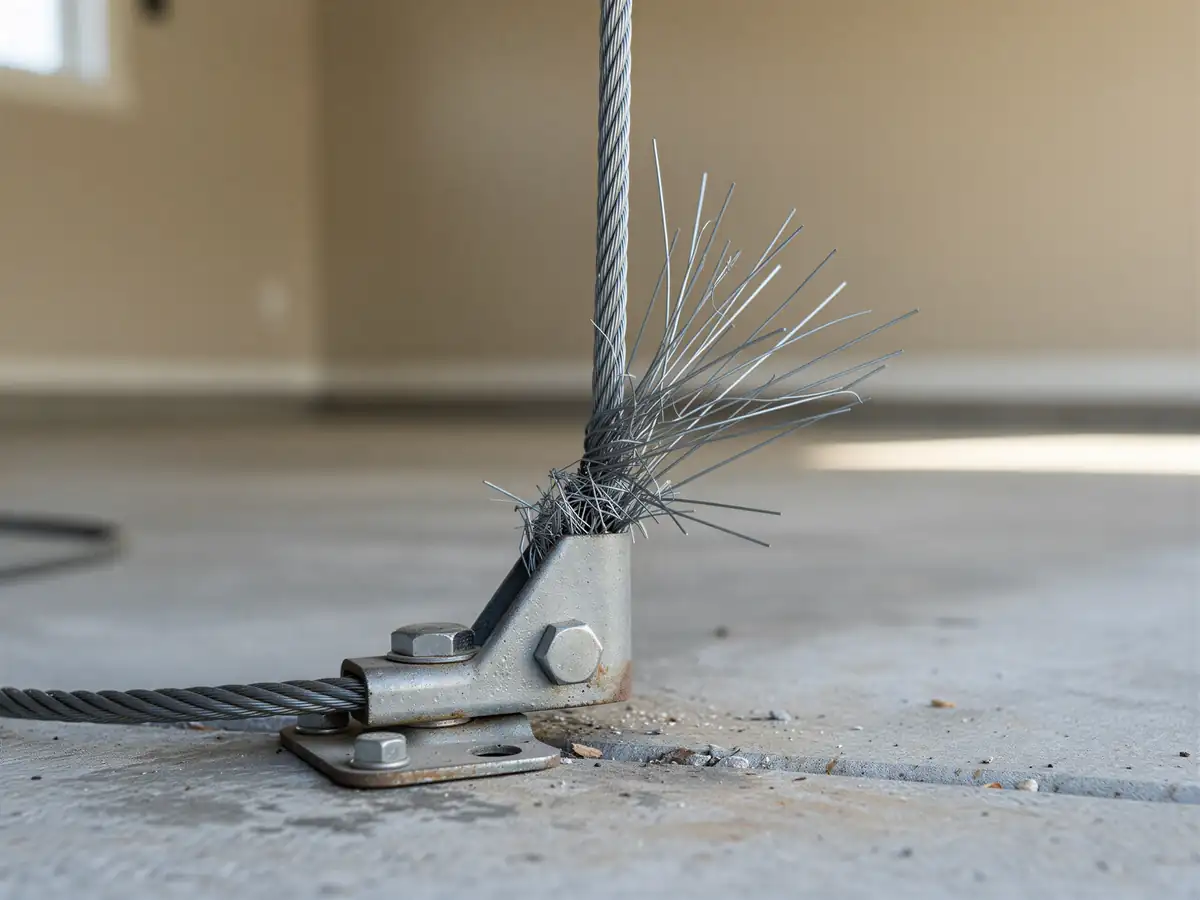
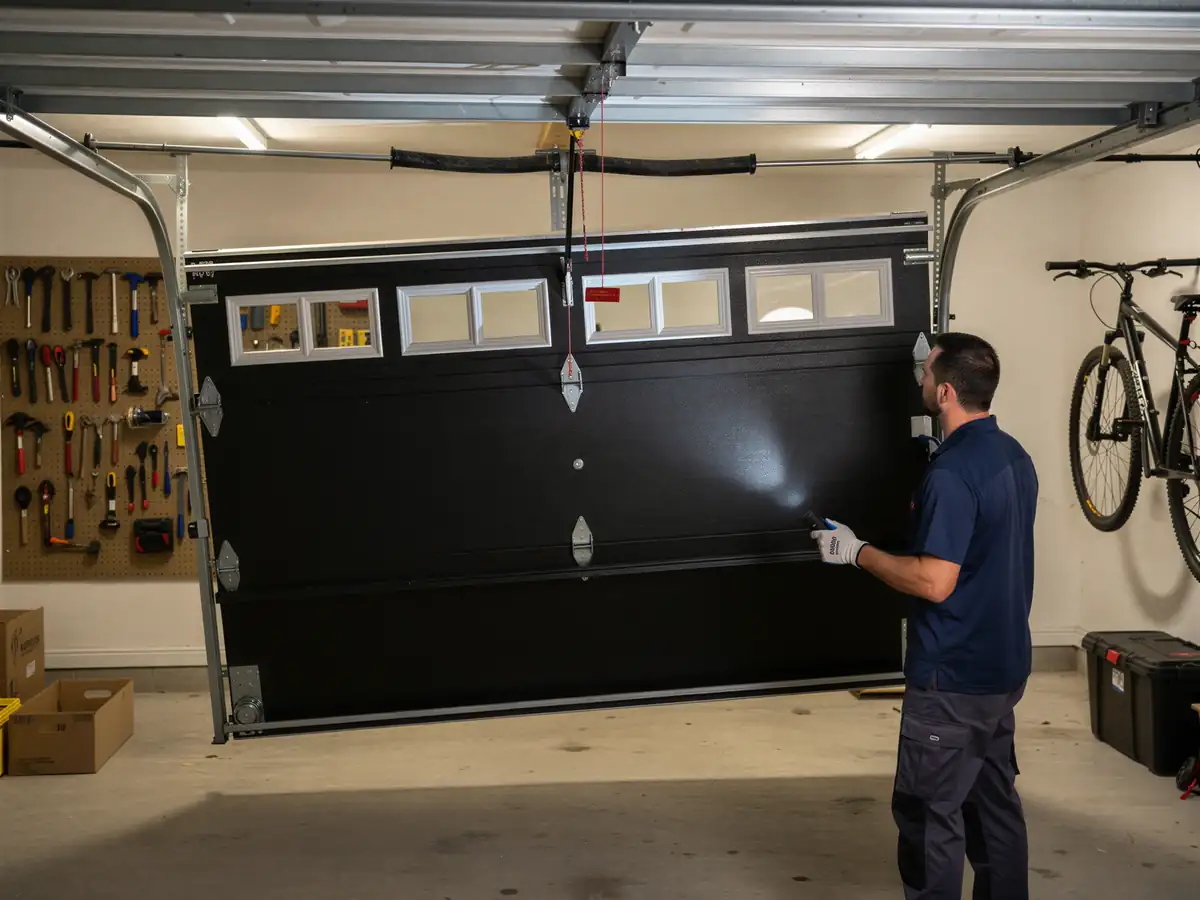
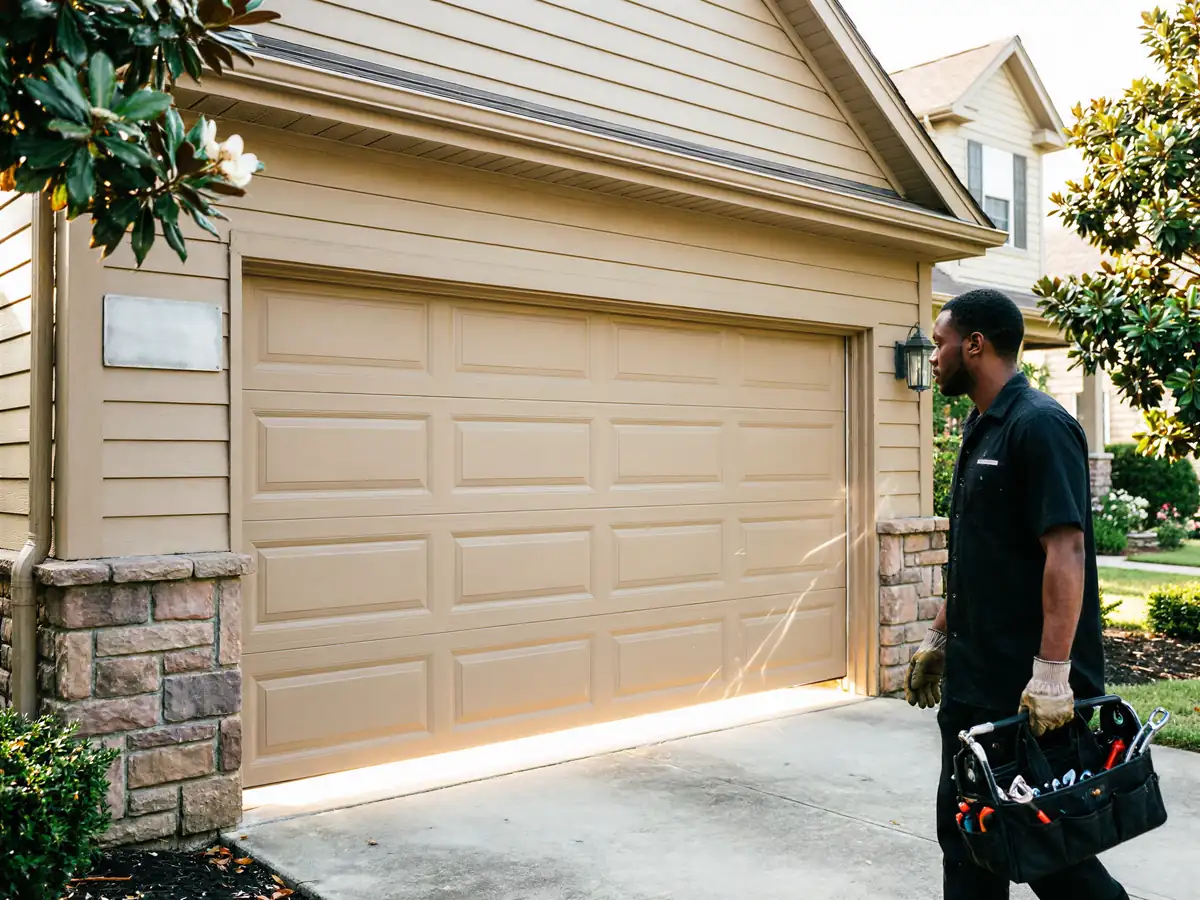
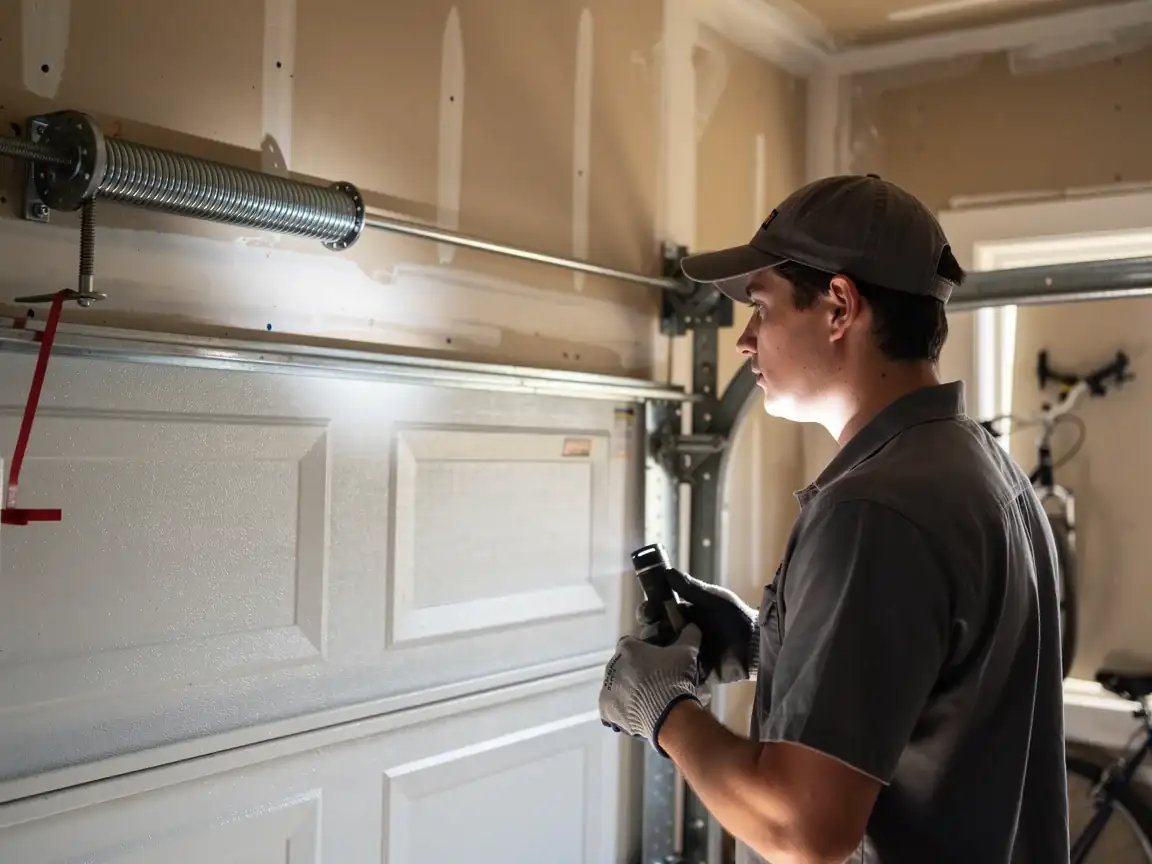
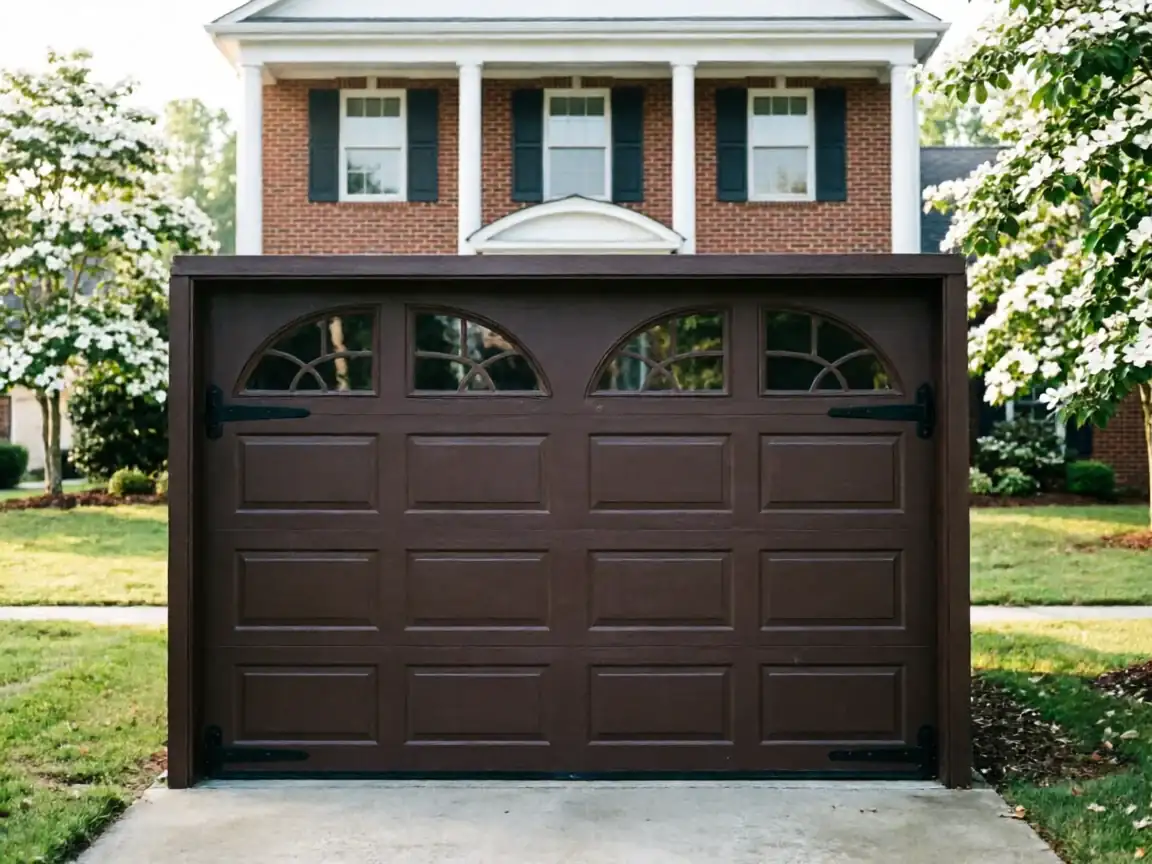
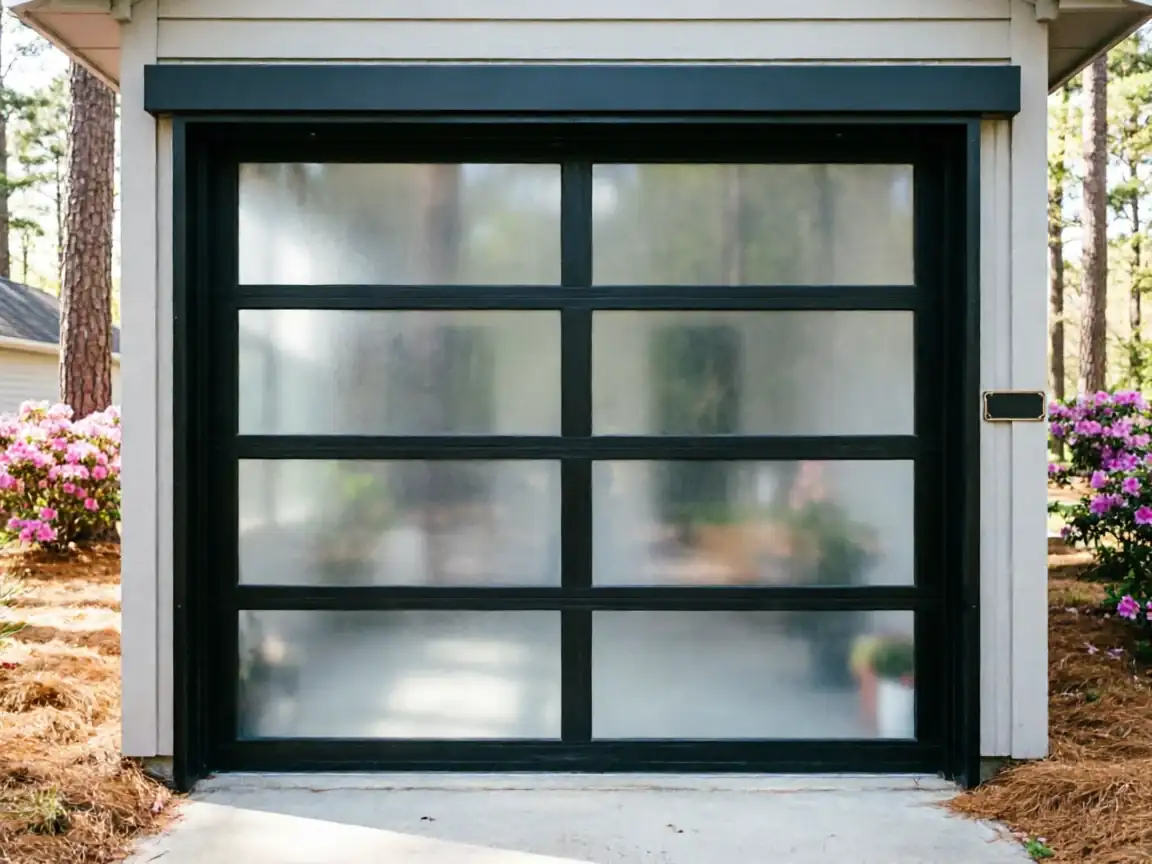
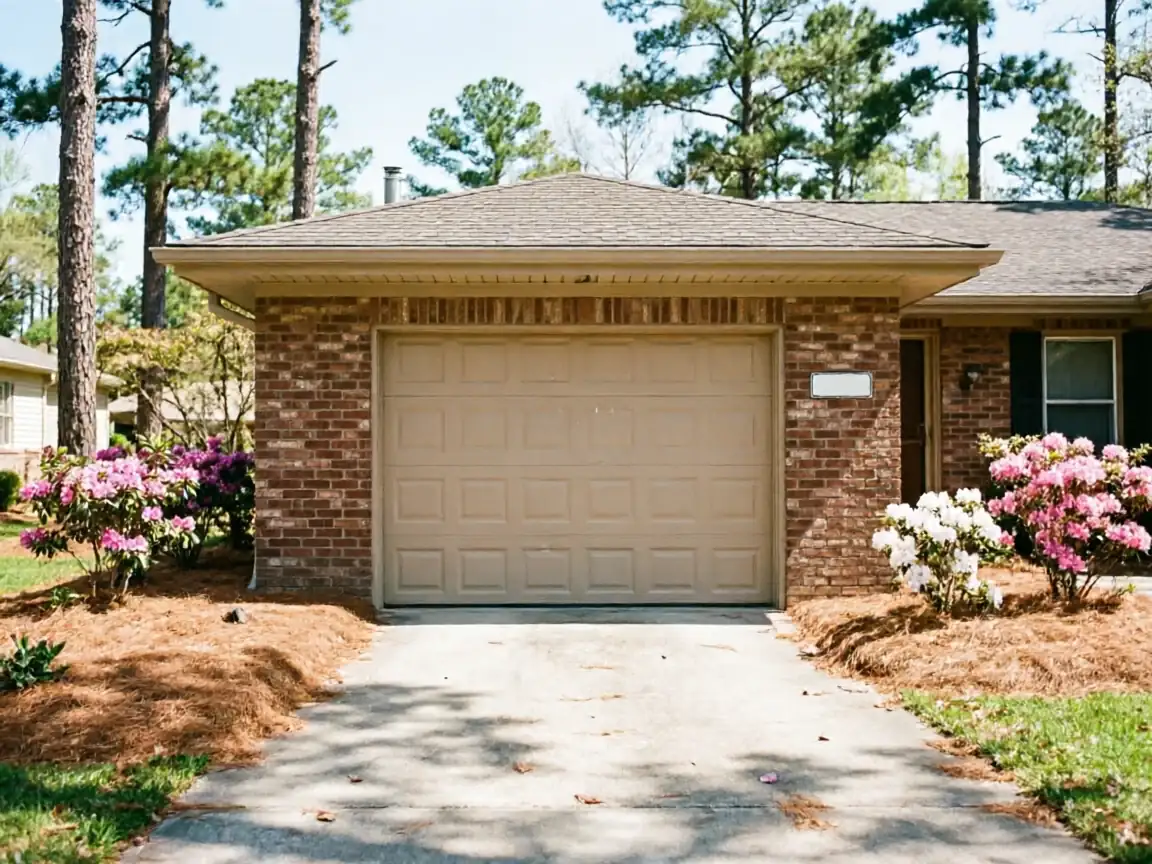
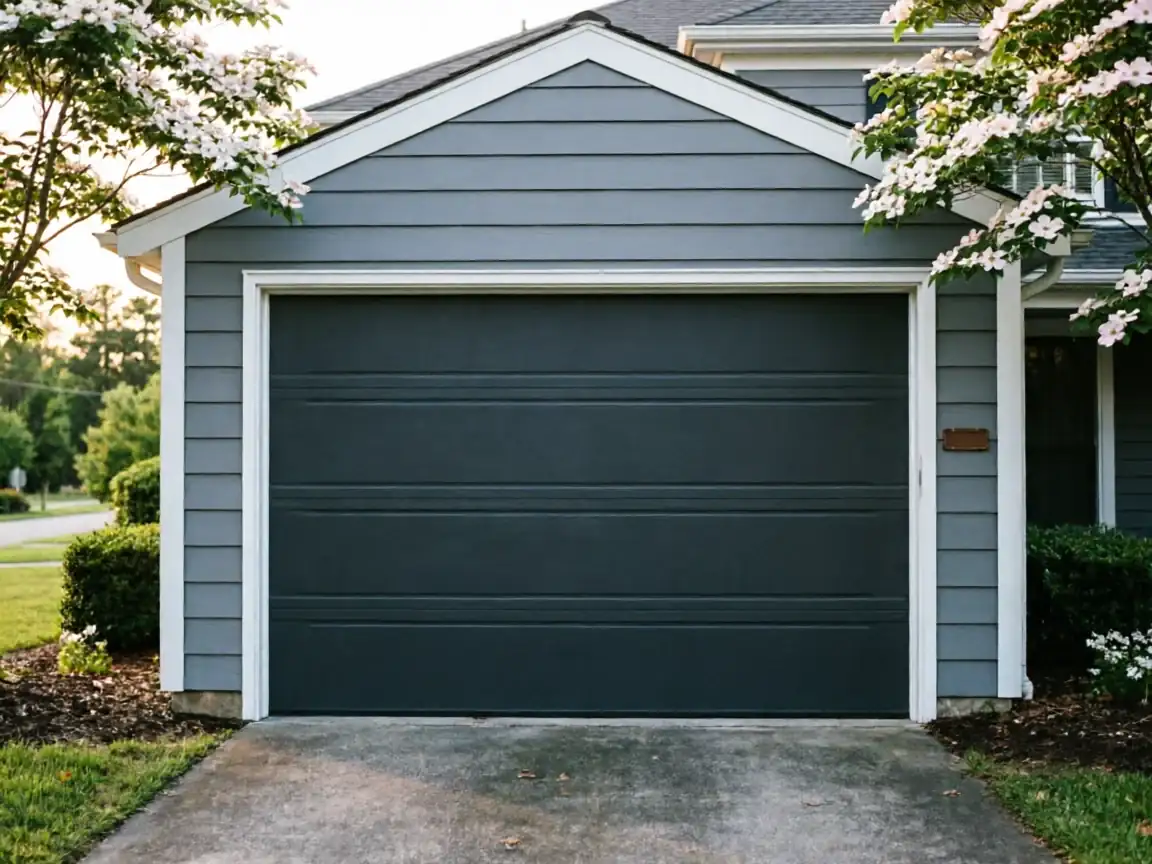
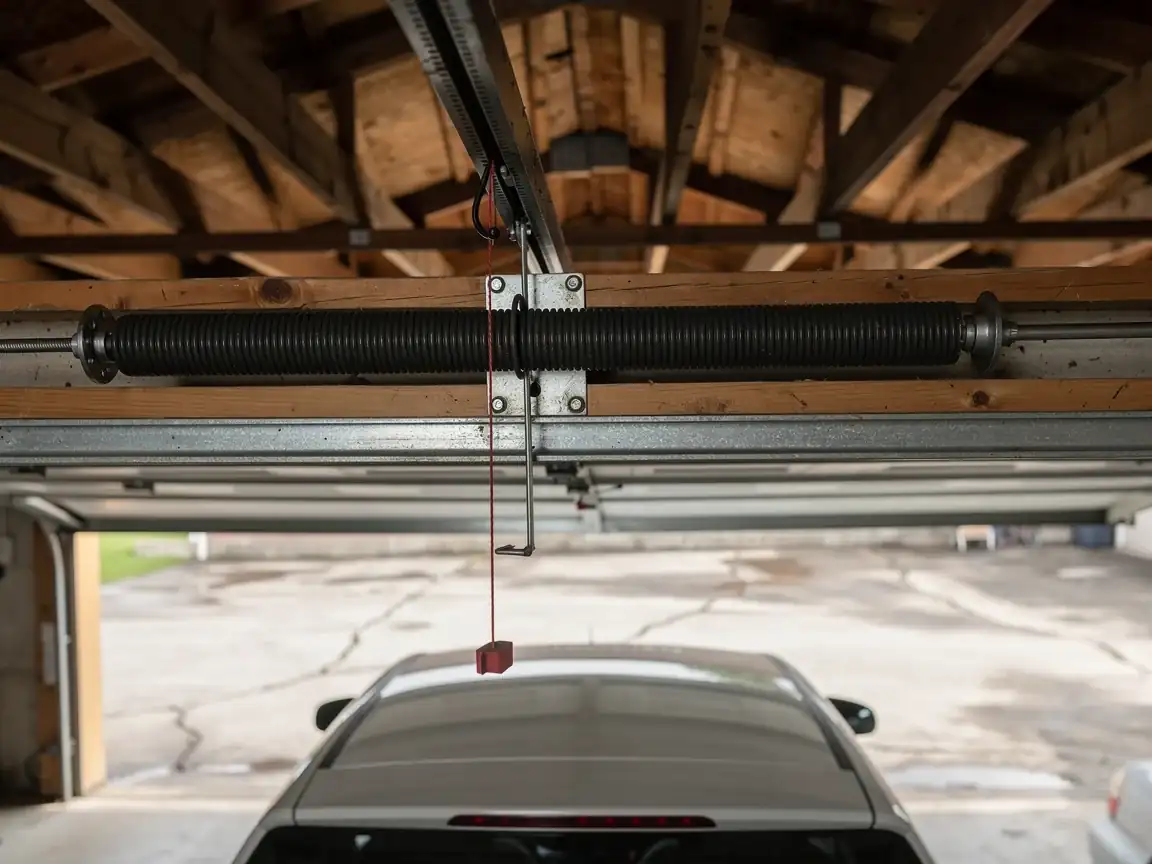
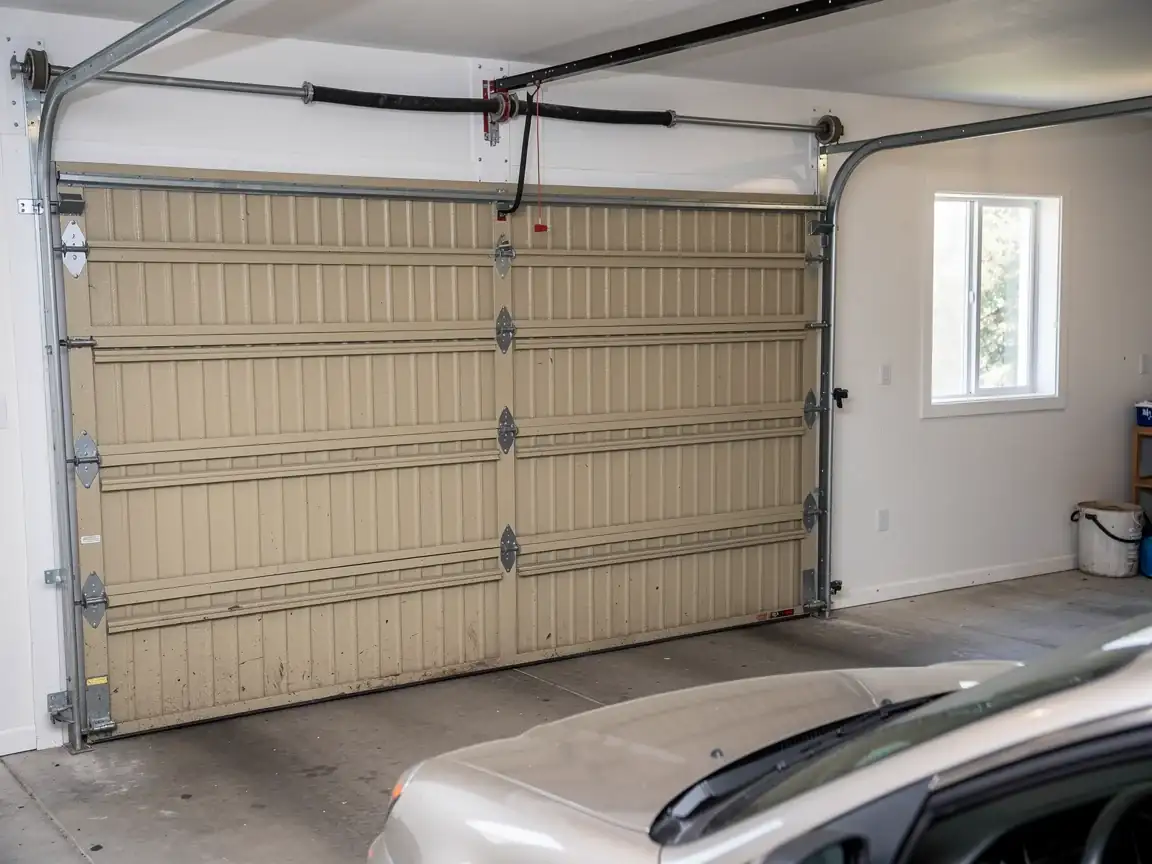
Burke sits about 11 miles out from our Arlington shop, and the work we get called out for here skews a bit different from the older neighborhoods closer in. Most houses in Burke went up around 1979, which puts the bulk of the housing stock into the late-70s and early-80s builder-grade door era rather than the 1960s one-piece doors you still find scattered through the wider service area. That means more steel sectional doors on standard extension or torsion springs, more early chain-drive openers that have since been swapped out once or twice, and more owners dealing with worn rollers and bent tracks than with the genuinely antique hardware we see elsewhere. We still get the occasional cable snap, bent bottom panel from a bumper tap, and opener logic board that's just quit. The repair calls here tend to be straightforward parts-and-labor jobs rather than the custom-fit work older doors sometimes demand, since 1979-era door openings are closer to today's standard sizes.
This Area's Housing
Across the wider service area the typical house dates to around 1976, with stock stretching from 1940 up through 2001 over 37 named communities. Burke runs a few years younger than that median, centered closer to 1979. It's a small gap on paper, but it matters at the garage door: doors and openers installed in that narrower window were more likely to be factory sectional steel units rather than the older wood or fiberglass one-piece doors that show up in the 1960s-built pockets nearby. With roughly 13,768 households in Burke and a median household income of $179,063, well above the wider service area's $137,878, we also see more owners opting to replace an aging door outright with an insulated model rather than keep nursing along original hardware. That's a choice, not a necessity - a well-maintained 1979 door can still run fine with new springs and rollers.
How Soon We Can Come Out
We run out of Arlington, roughly 11 miles from Burke, so getting to you means driving the distance rather than dispatching from a depot in town. We don't promise a same-day window or a fixed response time here - that depends on the day's schedule and how far out the truck already is when you call. What we can tell you is that Burke is a regular stop on our route through this part of the service area, not a special trip, so it's not treated as out of the way. If your spring snaps on a Tuesday afternoon, call and we'll tell you honestly where you land in the day's lineup rather than guess at a number we can't back up.
What the Housing Means for Your Door
The climate here falls into a cold-severe band, which is the bigger factor for door performance than build year alone. Cold snaps stiffen grease in rollers and bearings, shrink weatherstripping away from the slab, and make an underpowered opener strain harder on cold mornings - all things that show up as noise or a door that hesitates partway up. On Burke's 1979-era doors, the more common failure point is the torsion spring reaching the end of its cycle count or a steel panel that's started to rust at the bottom seam where runoff sits against it. Compare that to the older 1960s stock elsewhere in the service area, where the springs and tracks are often original and simply undersized for a door that's been replaced once already. One honest limitation: if your door and opener are both original to a 1979 build and the opener logic board has failed, we may not be able to source an exact-match replacement part - at that age it's usually more practical, and often cheaper, to replace the opener than chase a discontinued board.
How it works
From “it’s stuck” to “it’s fixed”
1
Tell us what’s wrong
Describe the symptom - won’t open, loud bang, opener runs but the door won’t move.
2
On-site diagnosis
A technician tests the door under power and by hand and finds what actually failed.
3
Clear, up-front plan
You get the fix that’s needed and what drives the cost - before any work starts.
4
Repaired & tested
The repair is done, the door is set true and tested, and the work area left clean.
Not sure which repair your door needs in Arlington, VA? Describe what it’s doing - every job starts with a diagnosis.
Is my 1970s-era garage door worth repairing or should I replace it?
Depends what's actually wrong. A worn spring, cable, or roller set is almost always worth fixing on a door that's otherwise sound. If the panels are rusted through at the bottom or the opener's logic board has failed and the model is discontinued, replacement usually costs less in the long run than chasing parts.
Do you have a shop in Burke?
No. We run out of Arlington, about 11 miles away, and cover Burke as a regular part of our service area. We don't keep a local depot here, so we can't promise a fixed arrival window - just an honest estimate when you call.
Why does my door stick in cold weather?
This area sits in a cold-severe climate band, and cold thickens the grease in rollers and bearings while shrinking the weatherstripping away from the slab. That combination makes a door feel stiff or hesitate partway up on the coldest mornings, even when nothing is actually broken.
Are Burke's garage doors different from the rest of the service area?
Somewhat. The wider service area's housing typically dates to around 1976, but Burke runs a bit younger at roughly 1979. That later build year means more factory steel sectional doors and standard-size openings, and fewer of the older one-piece wood doors you'll find in earlier-built pockets nearby.
Ready to get your garage door sorted?
Tell us what it’s doing and where you are in Arlington - we’ll take it from there.