New Garage Door Installation Built for Arlington's Older Housing Stock
Garage door installation in Arlington, VA, matched to 1960s-70s homes and this service area's severe cold climate, built on 1940-2001 construction norms.
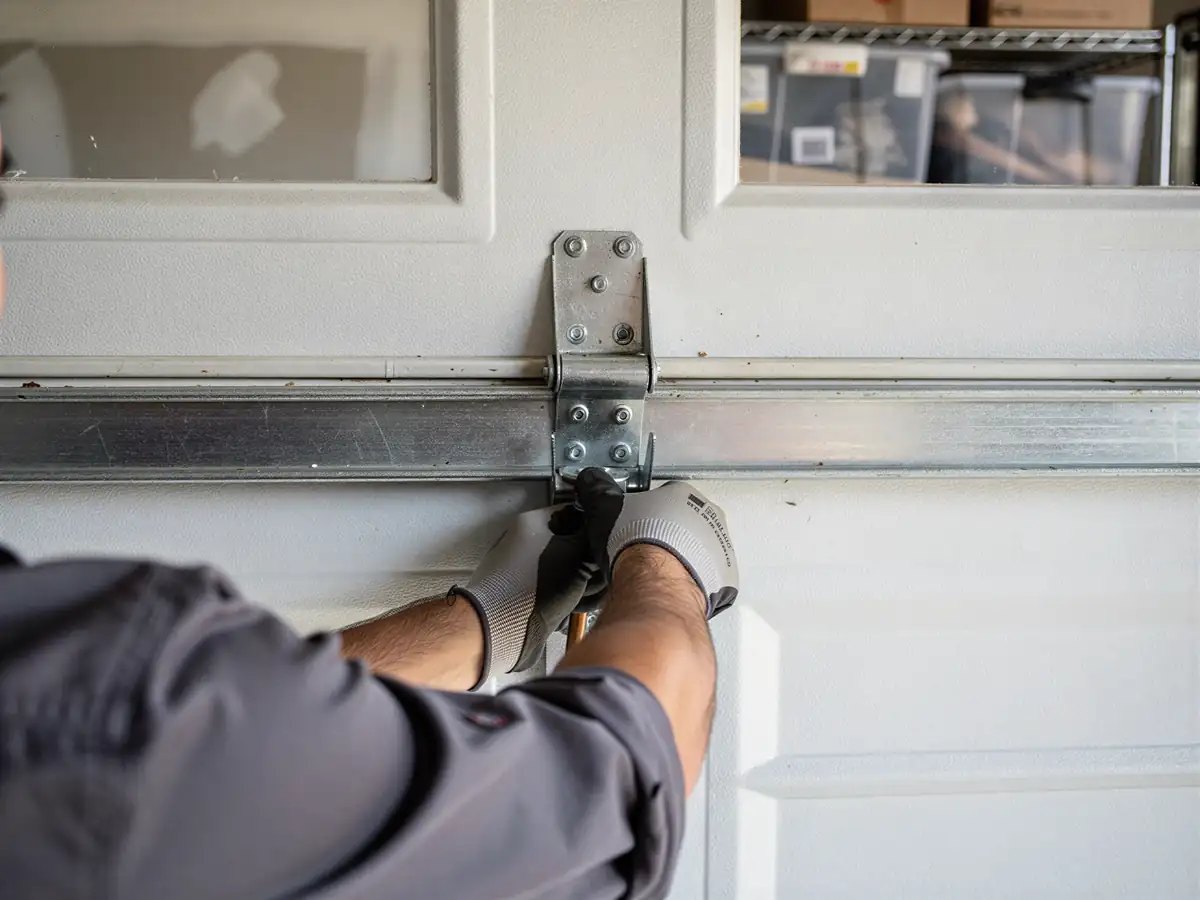
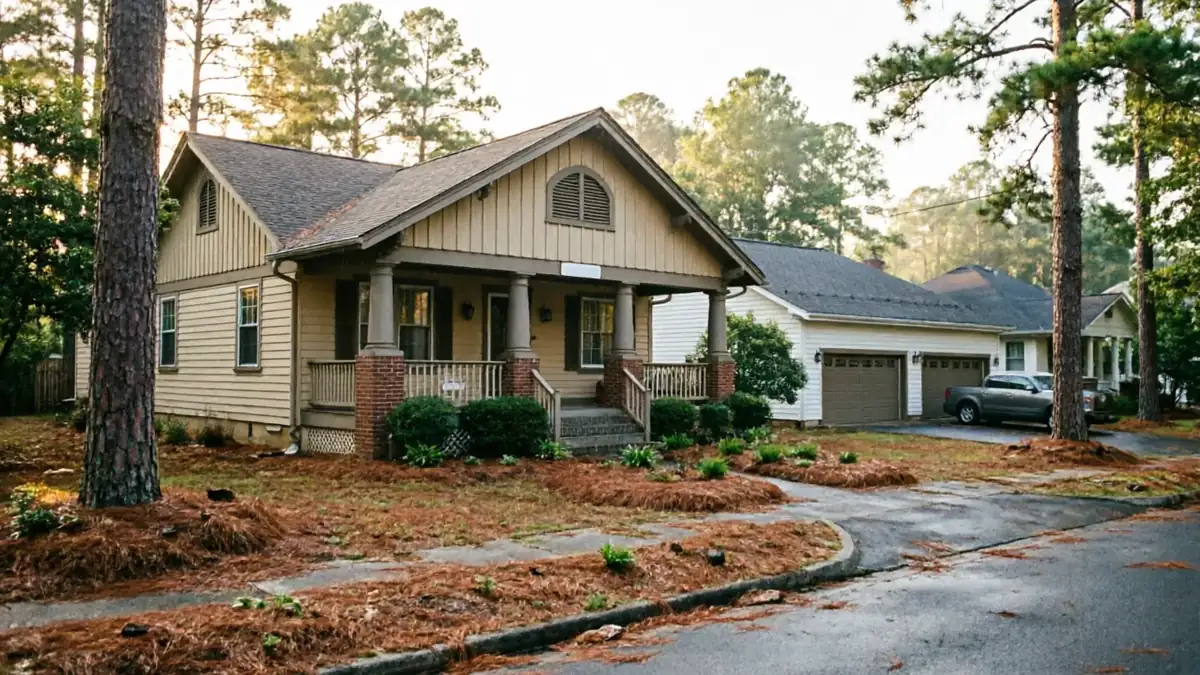
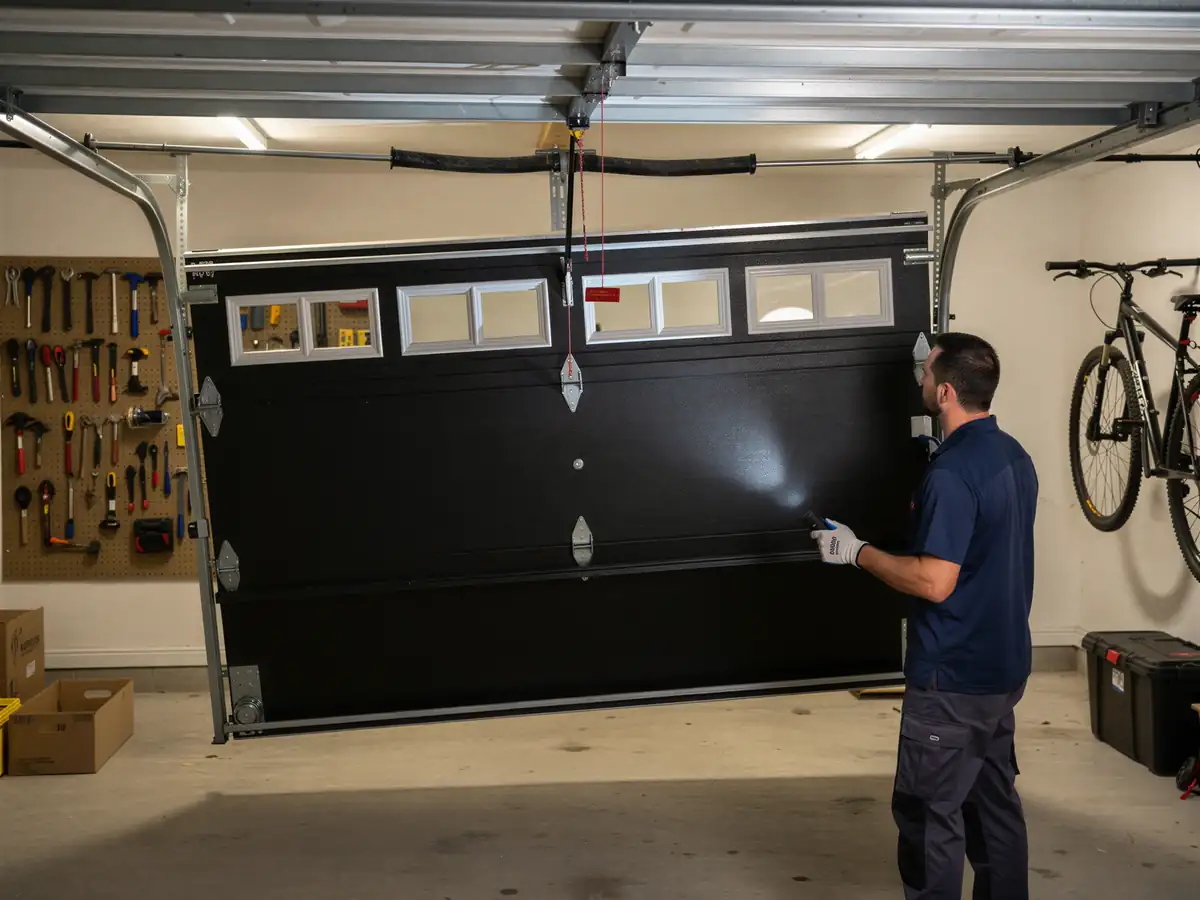
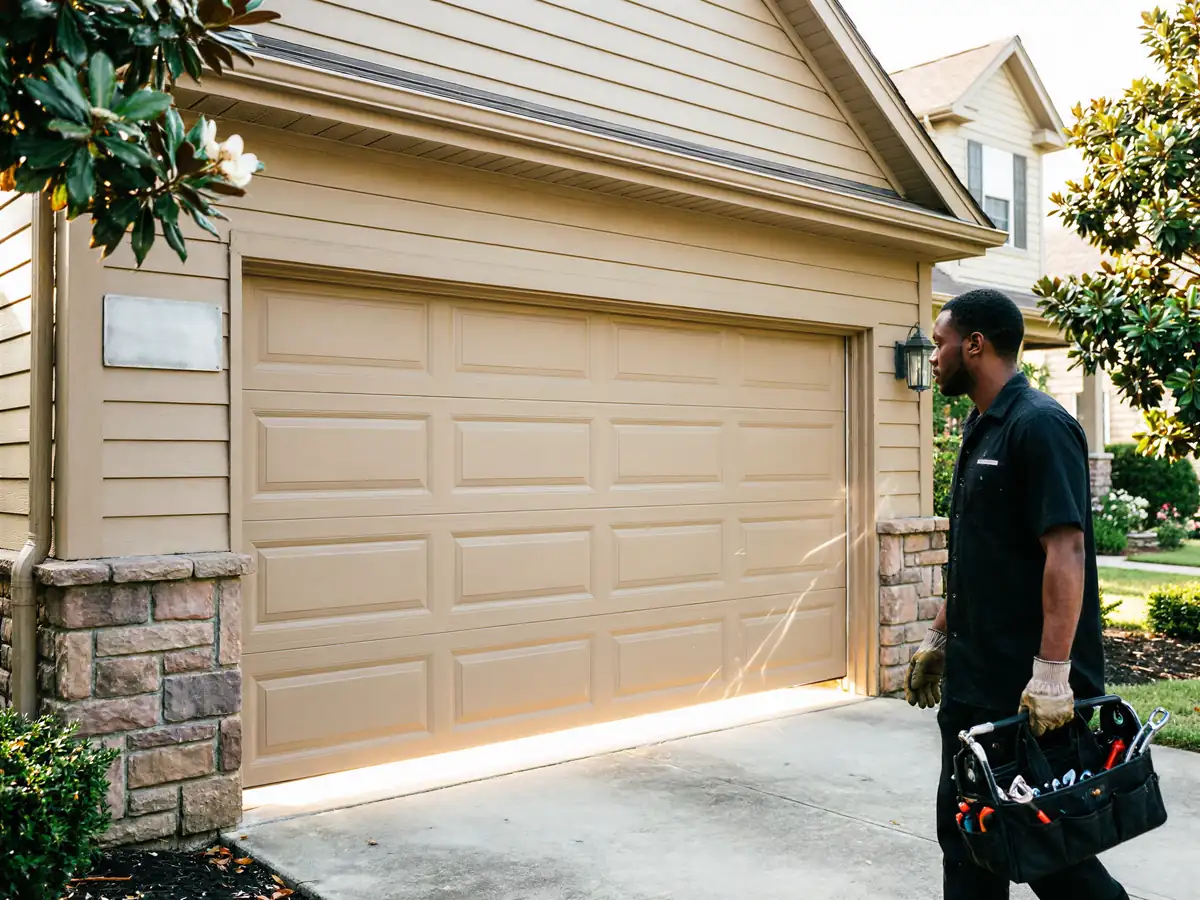
The timeline on an install depends less on the door itself and more on what's behind it. A lot of the garages we open up here date to the 1940-2001 building window, with the typical house on the street landing around 1976. That means the header, the track mounts, and sometimes the framing itself were built to a spec nobody uses anymore. If the opening is square and the old track pulls off clean, swapping the door and running new track is a straightforward day's work. If the jamb has shifted over fifty-some years, or the old hardware was bolted into framing that's since been furred out or insulated over, we spend extra time squaring the opening before the new door ever goes up. We won't quote you a single number for every house, because every house in this age range is a little different once we get the old door off the hinges. What we will tell you up front, before the truck leaves, is whether your opening looks like a clean swap or a framing job.
Can You Do This Yourself
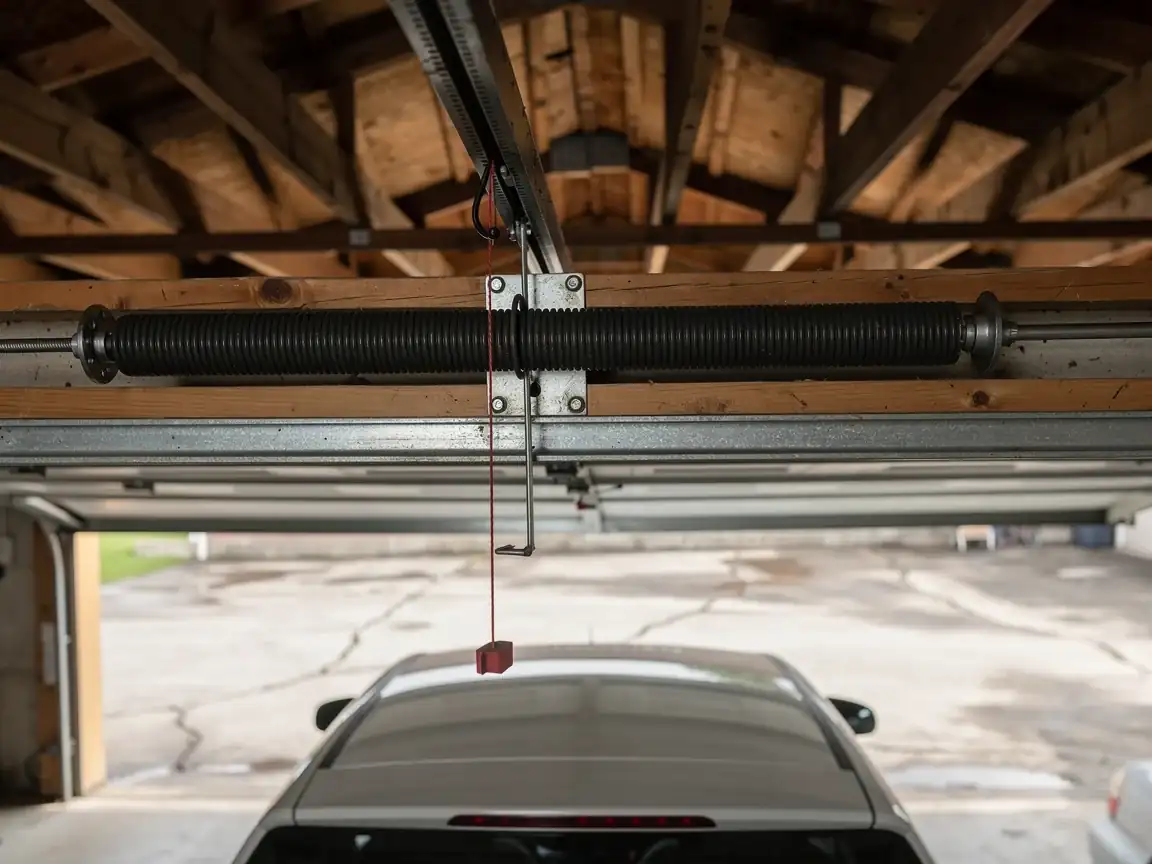
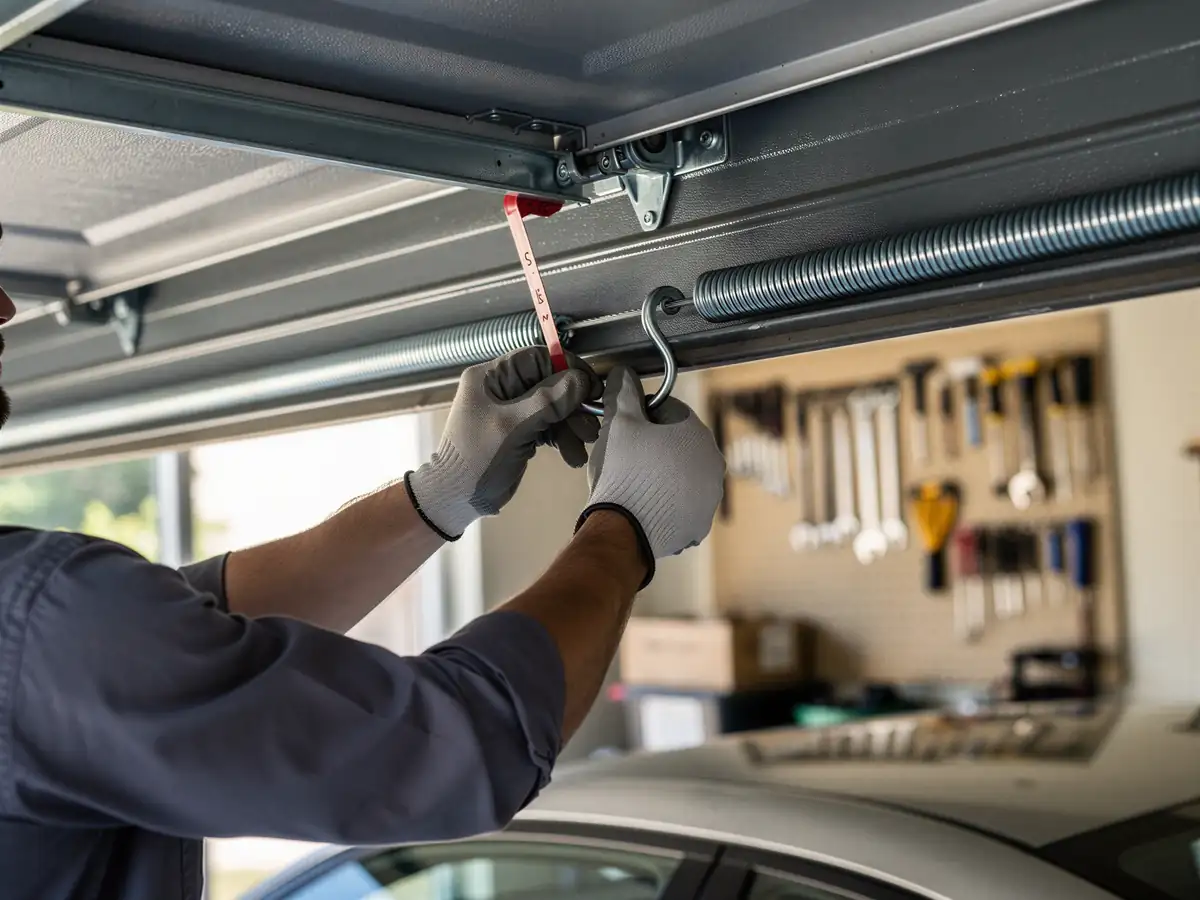
A torsion spring under load can put someone in the hospital, and that's true whether the door is brand new or came out of a house built in 1976. That part we won't talk you into doing yourself, full stop. Where it gets harder on older Arlington stock specifically is the framing. A lot of 1960s-70s garages were built with narrower rough openings and track mounted directly to studs that have since settled or been re-sided over. A take-it-off-the-shelf big-box door can look right in the showroom and still not seat square against a sixty-year-old jamb. If you've got a detached, newer-built shed or a garage that's already been reframed, swapping a door yourself is more realistic. If your house still has its original opening from whenever it was built, we'd rather look at it first and tell you honestly whether it's a two-person Saturday job or something that needs the header reset. That's not us protecting work - it's that a door hung slightly out of square on old framing will bind, drop a roller, or walk the opener off track within a year.
How It Shows Up
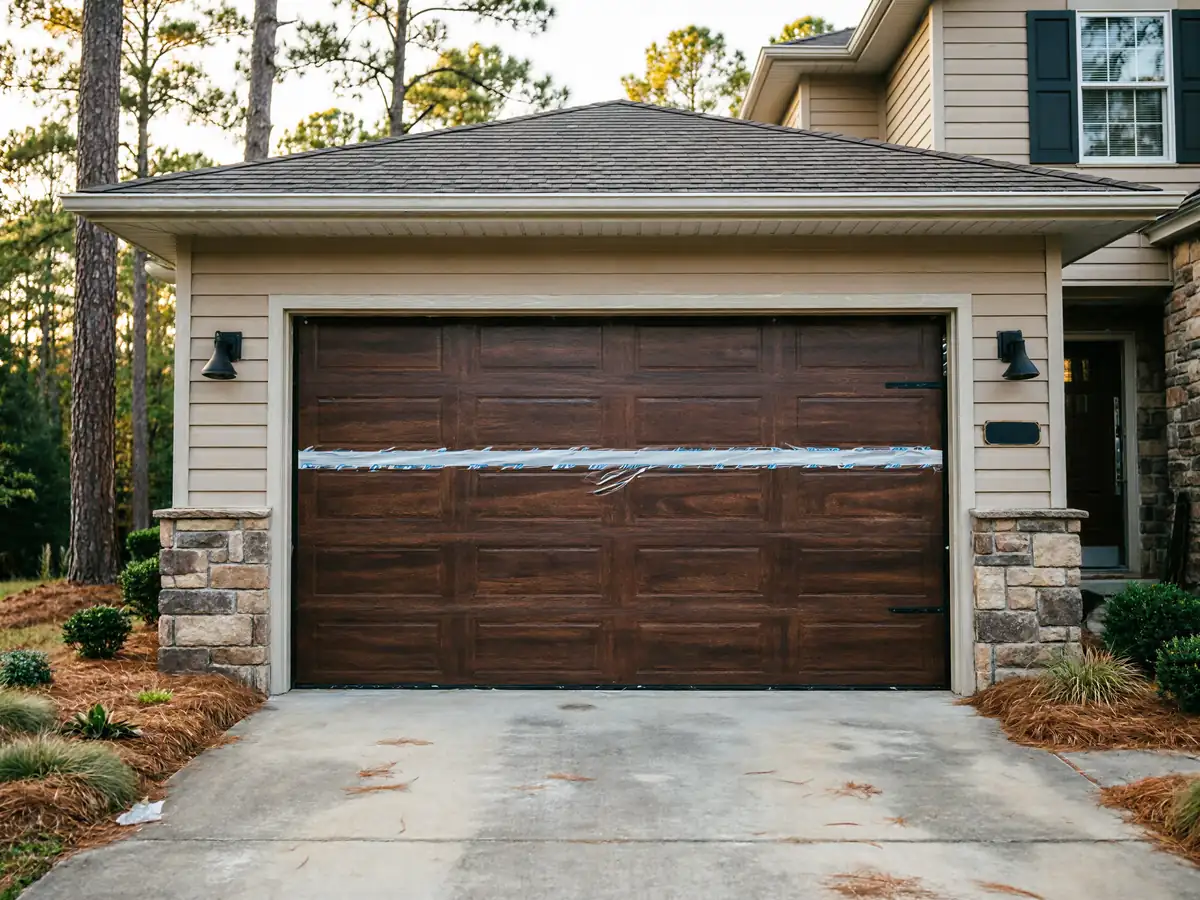
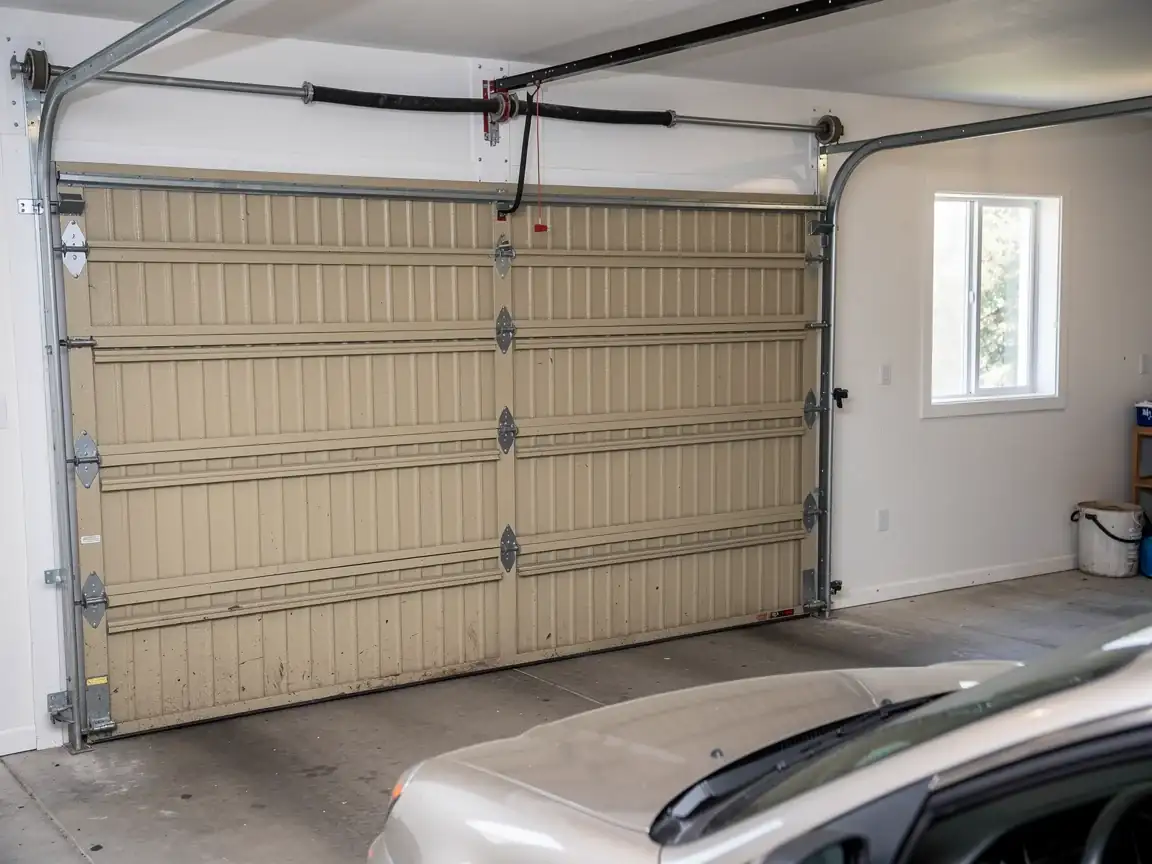
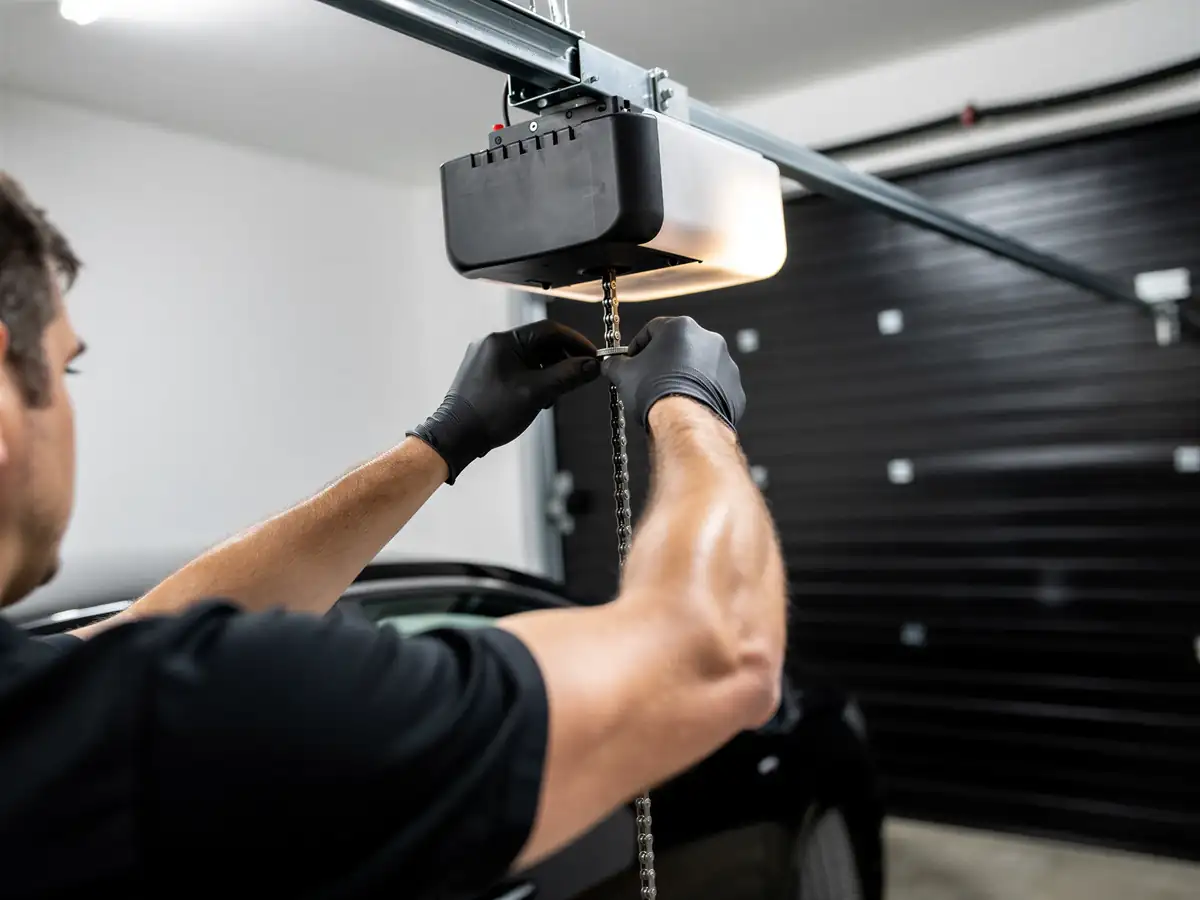
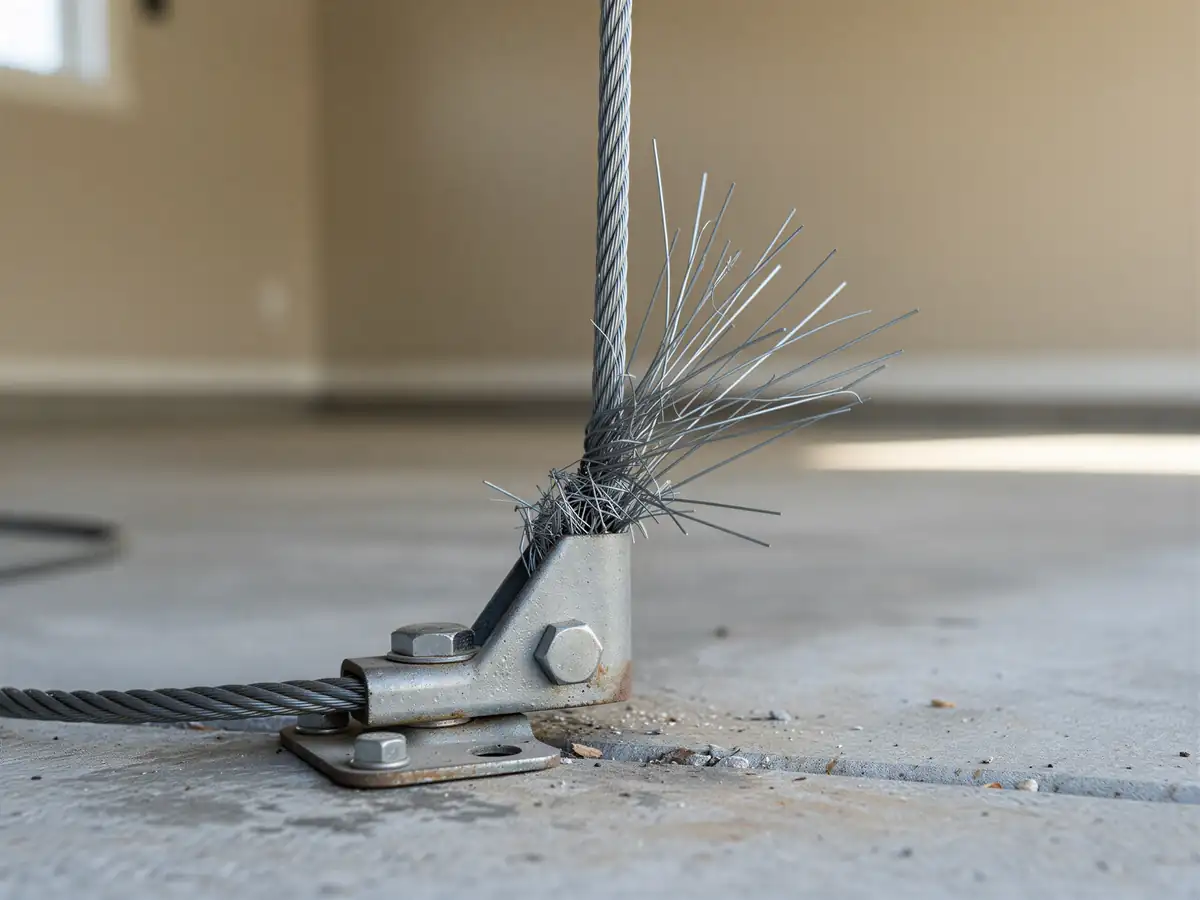
Most people don't wake up and decide they need a new garage door. It shows up as the door getting harder to lift by hand on a cold morning, or the bottom panel not sealing flush anymore so you can see daylight at the corners. On the older end of the stock here - anything close to that 1976 median build year - the common pattern is a single-layer steel door that's thinned and dented over the decades, with weatherstripping that's cracked and shrunk away from the frame. In a cold-climate winter, a thin uninsulated door doesn't just look rough, it lets real cold into the garage and whatever's on the other side of that shared wall. Other times it's simpler: the opener is straining, making a grinding noise it didn't used to make, because it's fighting a door that's heavier and more out of balance than it was new. By the time a homeowner calls, it's usually one of those two things - cold coming through, or the door fighting the opener every time it runs.
Why It Happens Here
This comes down to two things stacked on top of each other: the age of the housing and the climate band it sits. Most of the stock across the 37 named areas we work near - from Bailey's Crossroads and Falls Church out to Burke and Lorton - went up in the 1960s and 70s, inside a broader 1940-2001 building window with a median year around 1976. Doors from that era were built to the standards of their time: single steel skin, minimal insulation, narrower track tolerances. Arlington sits in a cold-climate band with real seasonal severity, and a door that wasn't designed with that in mind contracts and expands more than a modern insulated door does. Over enough winters, that movement works screws loose, cracks weatherstripping, and throws hardware out of alignment faster than it would in a milder climate. None of this means every older door needs replacing today - plenty are still sound - but it's why installation calls here cluster around houses from that same stretch of decades rather than being spread evenly across every build year.
How it works
From “it’s stuck” to “it’s fixed”
1
Tell us what’s wrong
Describe the symptom - won’t open, loud bang, opener runs but the door won’t move.
2
On-site diagnosis
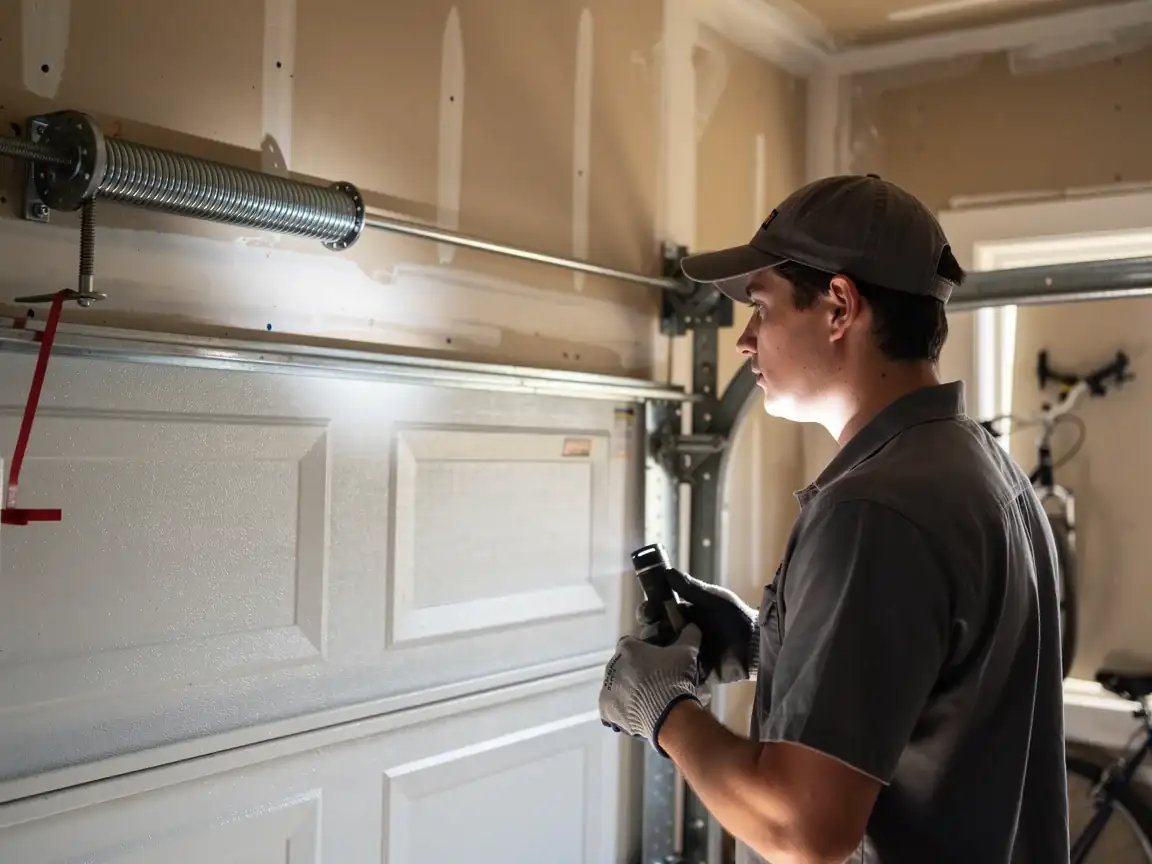
A technician tests the door under power and by hand and finds what actually failed.
3
Clear, up-front plan
You get the fix that’s needed and what drives the cost - before any work starts.
4
Repaired & tested
The repair is done, the door is set true and tested, and the work area left clean.
Not sure which repair your door needs in Arlington, VA? Describe what it’s doing - every job starts with a diagnosis.
How do I know if my garage door needs replacing instead of repair?
If the door is original to a house built anywhere near the 1960s-70s range common in this area, and you're seeing daylight gaps, panel rust-through, or an opener that strains every cycle, replacement usually makes more sense than patching. A single new spring or roller on an otherwise sound door is still worth repairing - it's the combination of age, cold-weather wear, and worn-out insulation that tips it toward a new install.
Will a new door fit my old 1960s or 70s opening without reframing?
Often yes, if the original opening hasn't shifted. We measure the jamb and header before quoting anything. Some older openings in this area have settled enough over the decades that the header needs resetting for a new door to seat square - we'll tell you which situation you're in before work starts, not after.
Do insulated doors actually matter in a cold climate like this?
For an attached garage, yes. A single-layer steel door from the 1970s does little to stop cold air from moving into the space, and if you've got living space or plumbing on the other side of that wall, an insulated door cuts down on that transfer noticeably more than the original door ever did.
Ready to get your garage door sorted?
Tell us what it’s doing and where you are in Arlington - we’ll take it from there.