Can You Do This Yourself
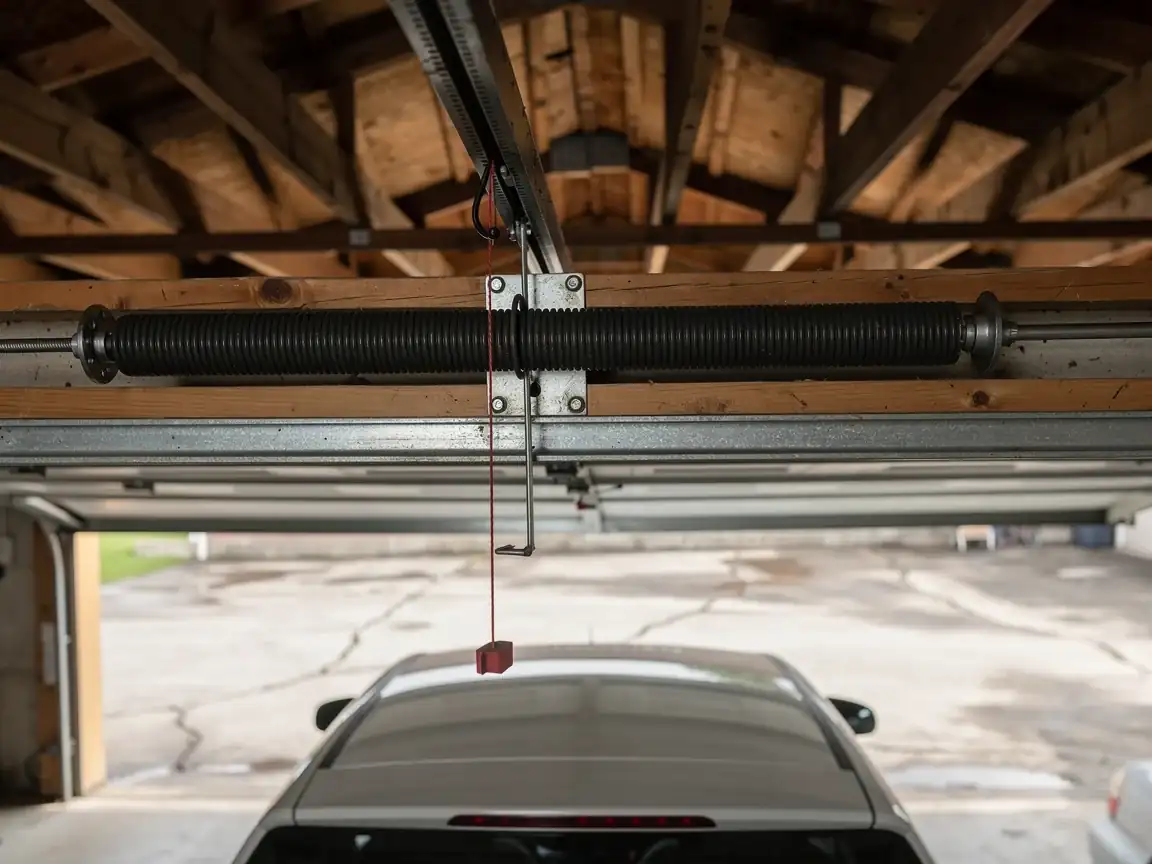
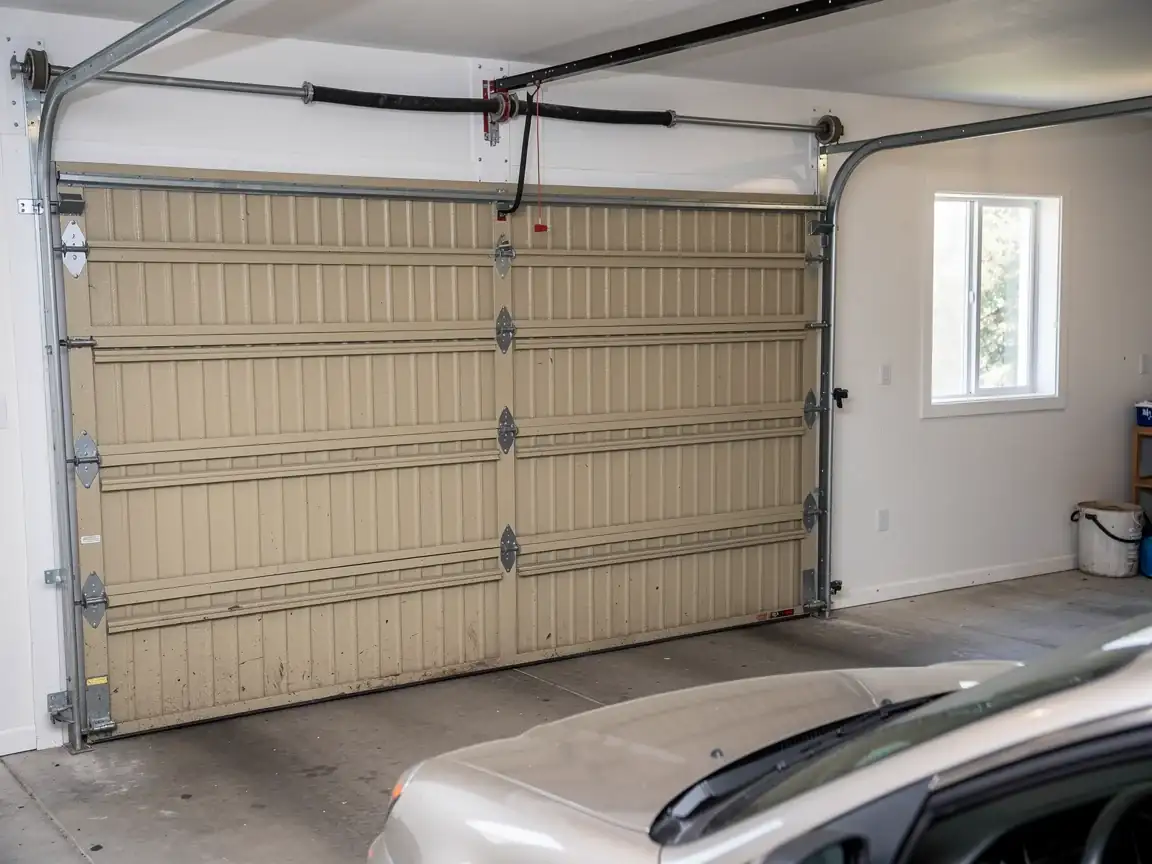
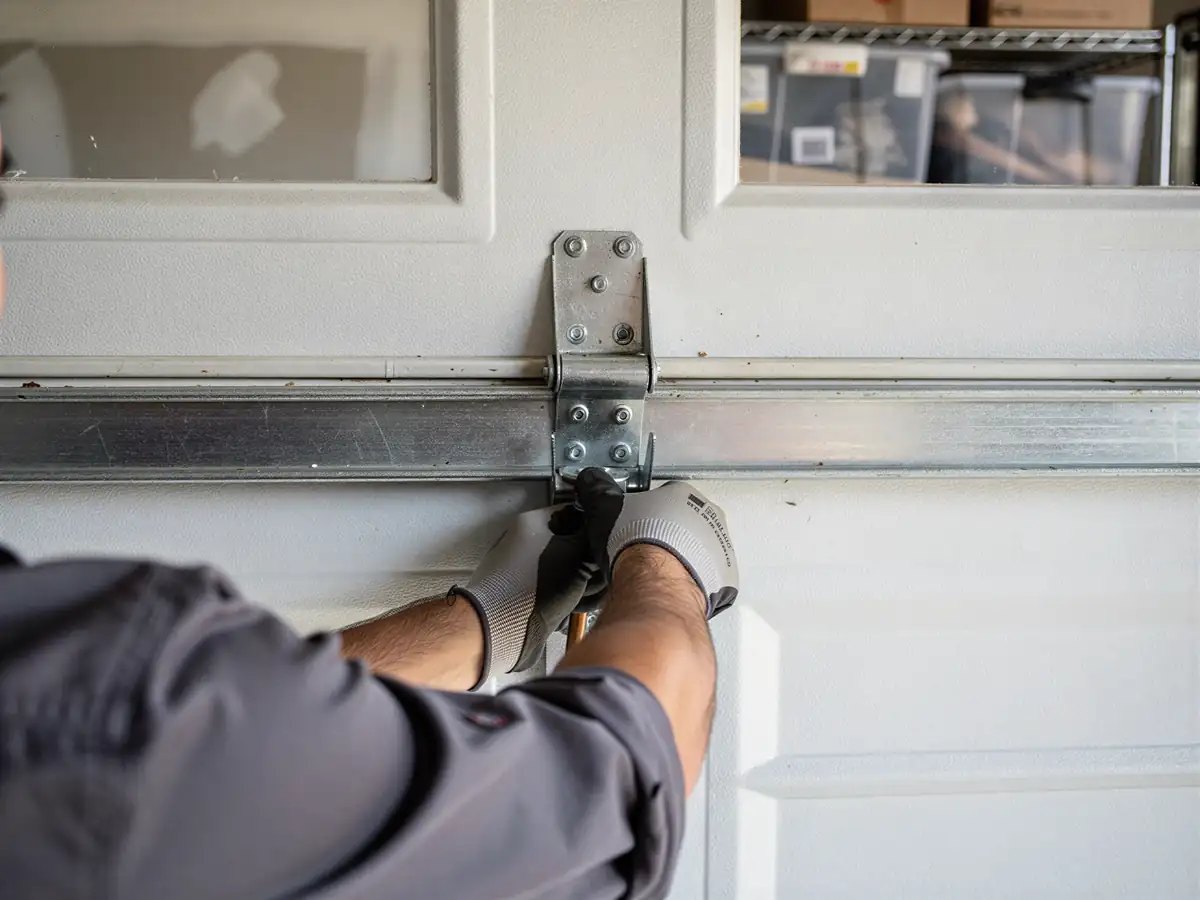
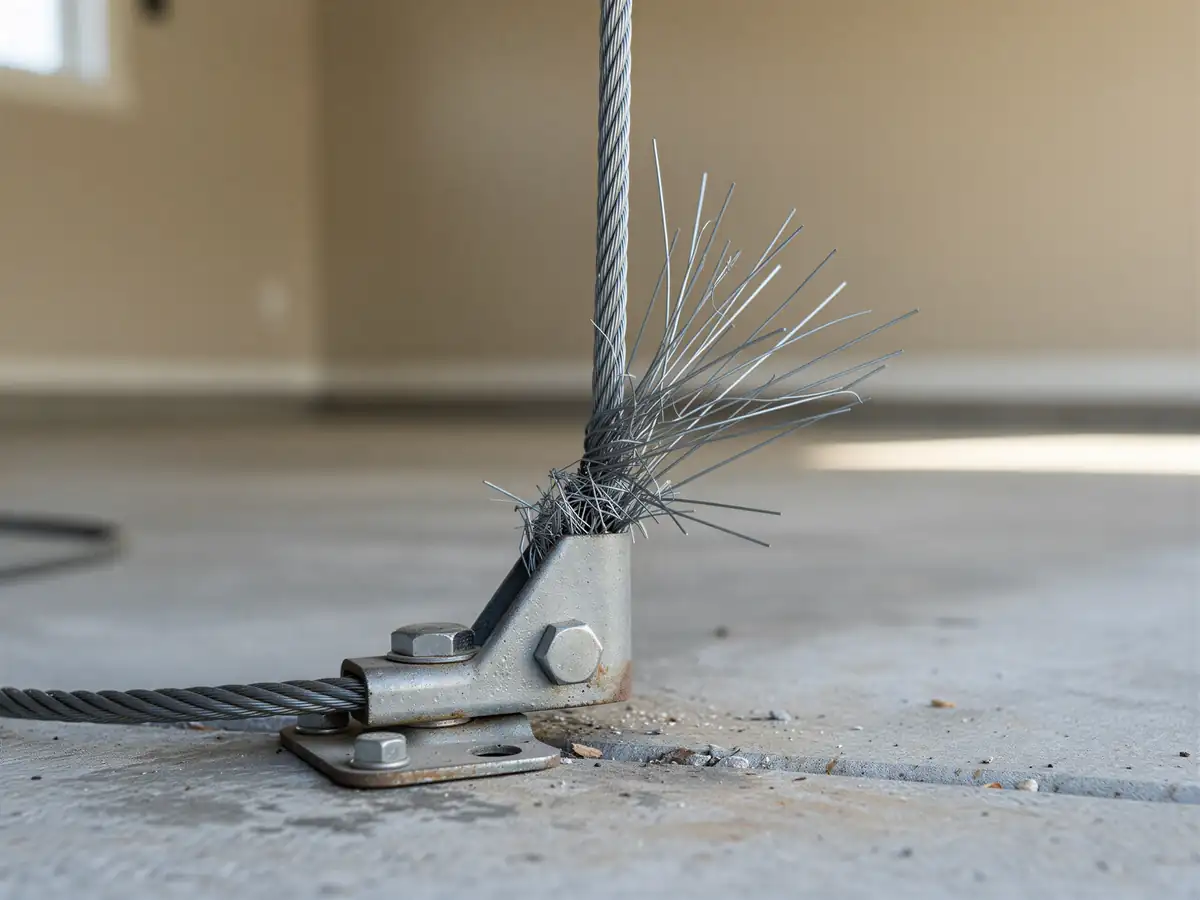
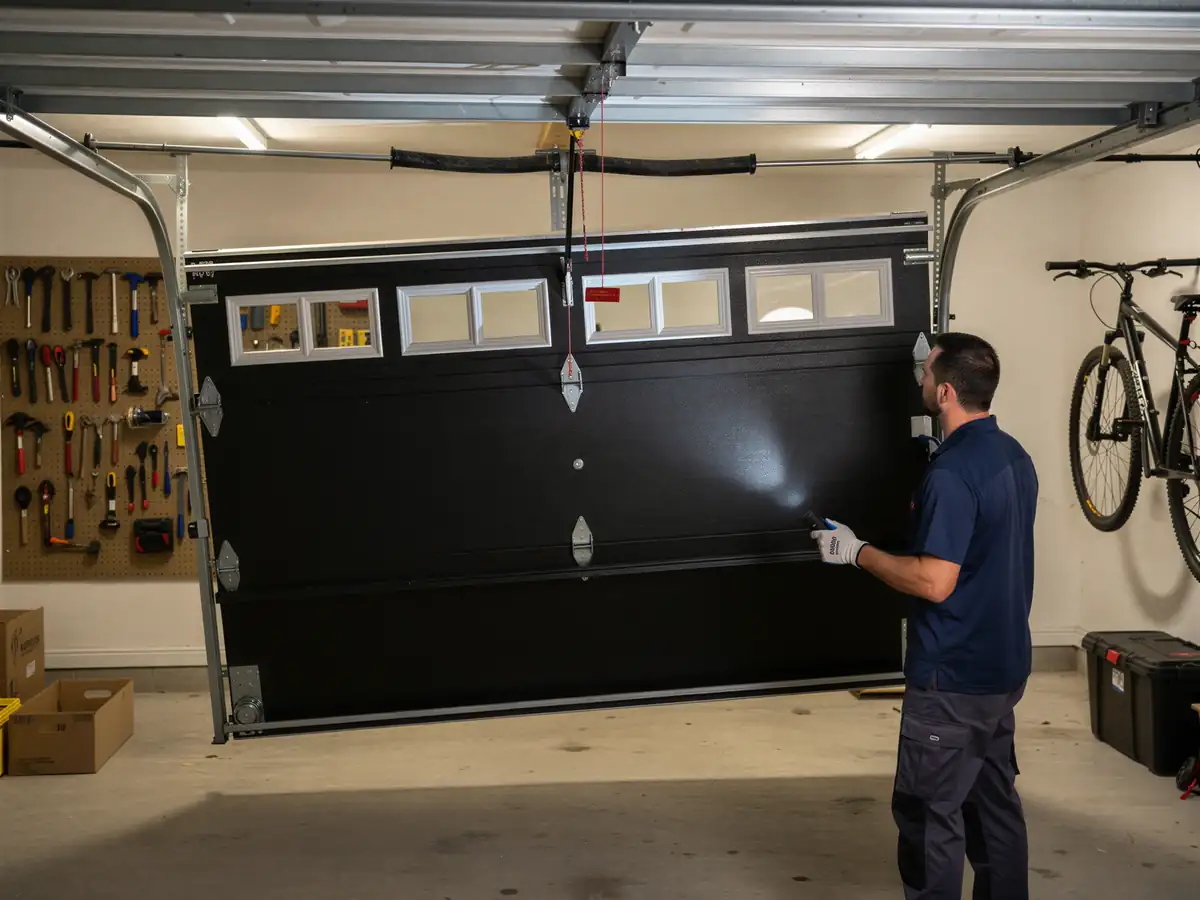
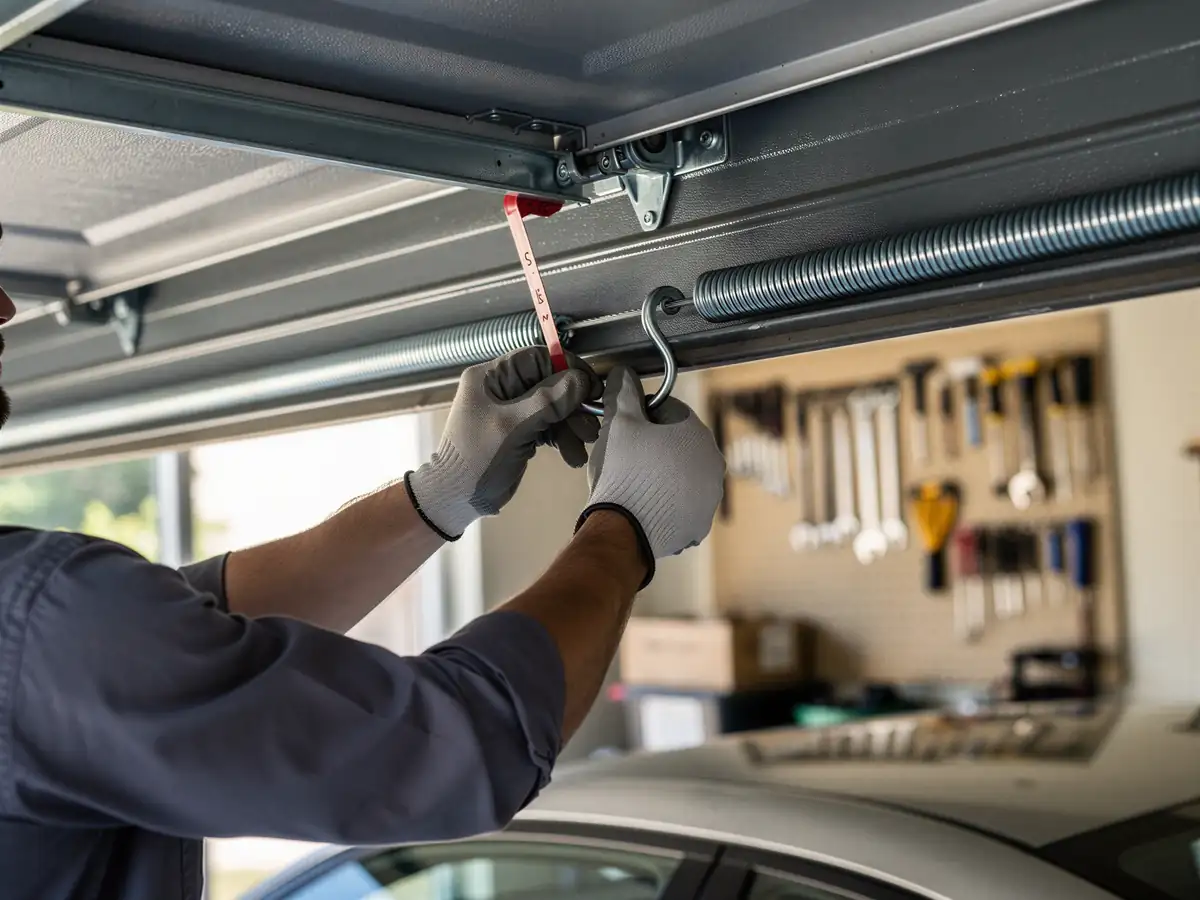
A torsion spring is wound under enough tension to snap a bar or take off a finger, and the winding bars and clamps that make it safe aren't something most garages have sitting around. Extension springs are lower-tension and more forgiving to look at, but they're also the type most often found on older openers in this area's 1960s-70s housing stock, where the safety cables that keep a broken extension spring from becoming a projectile were sometimes never added. If you can see the spring is broken - a visible gap in the coil above the door, or a door that won't lift past a few inches - that's a call, not a weekend project. What you can safely do yourself: check whether the door is actually a spring problem versus an opener problem, by disconnecting the opener and trying to lift the door by hand. If it's dead weight, immovable, or drops on its own, that's spring tension gone, and it's a job for someone with winding bars rated for the drum size. We'll say plainly when a repair isn't worth doing - a door old enough that the track and hinges are failing too is a replacement conversation, not a spring swap.
How It Shows Up
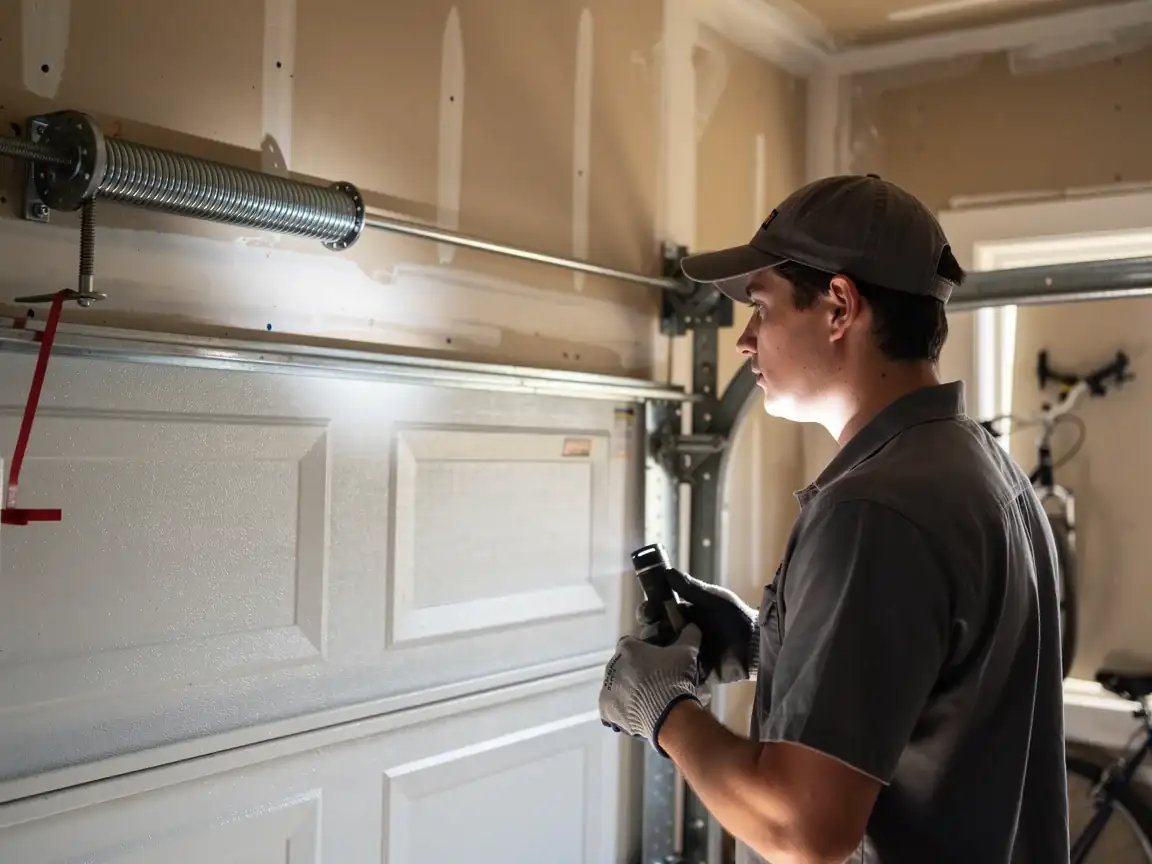
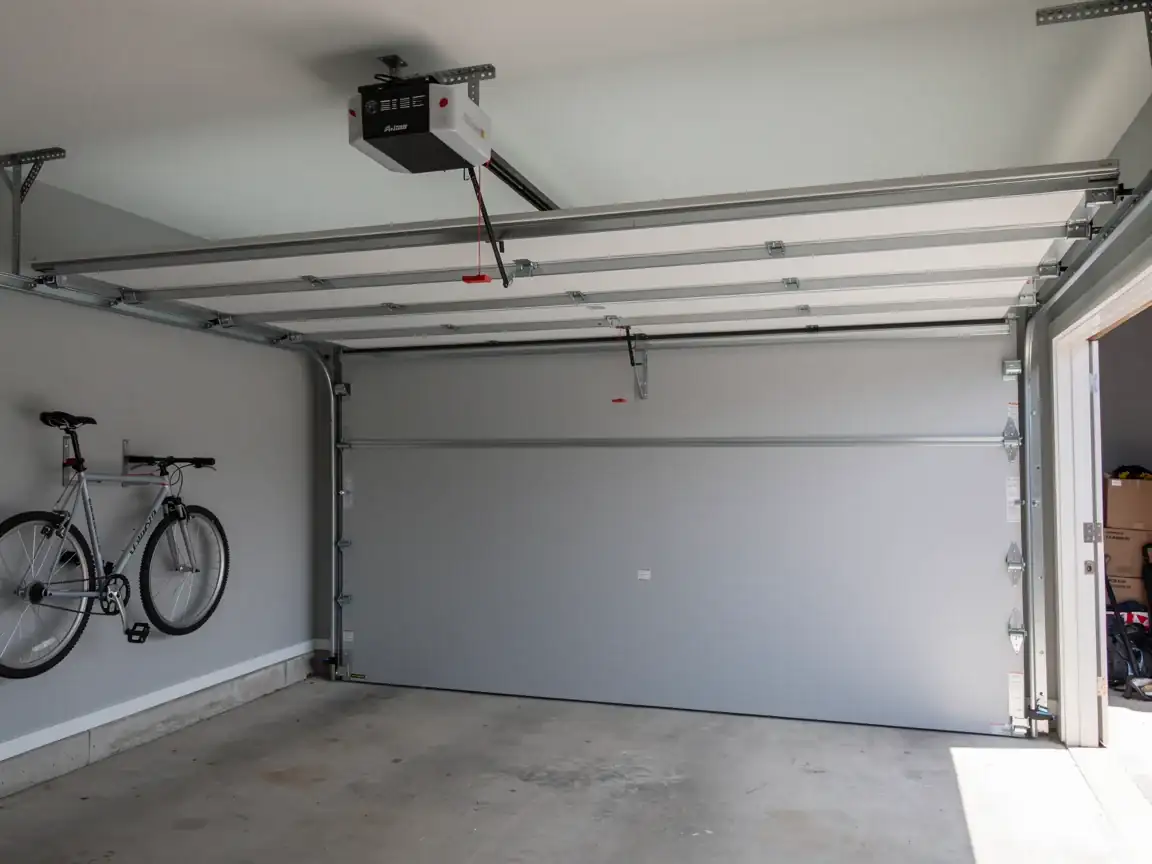
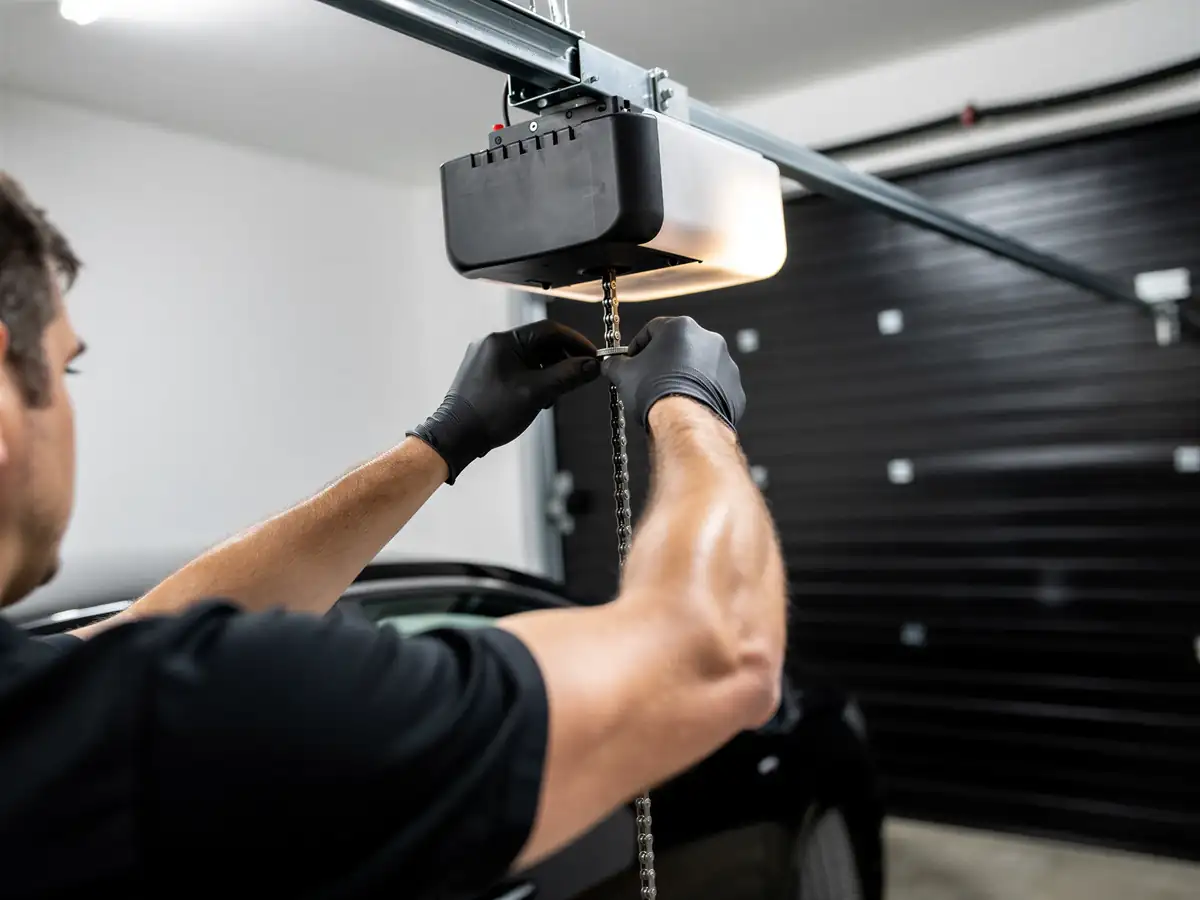
The door looks fine sitting shut, which is why most people don't notice a spring going until it fails. Early warning signs: the door feels heavier than it used to when you lift it by hand, the opener strains or reverses partway up, or you hear a loud bang from the garage - that bang is usually the spring itself letting go, not the opener. On torsion systems, look for a visible gap in the coil on the bar above the door. On extension systems, the stretched spring along the side track will hang slack or show a broken end. Once a spring breaks, the opener will try to lift the full weight of the door alone, which can burn out the motor or strip the gears if it runs more than once or twice. We'd rather get the call before that happens. Across the service area - from the denser blocks near out through Falls Church, Annandale, and the rest of the towns we cover - the failure pattern is consistent because the housing stock and the winters are consistent: original hardware aging out at roughly the same rate, under the same cold-weather stress.