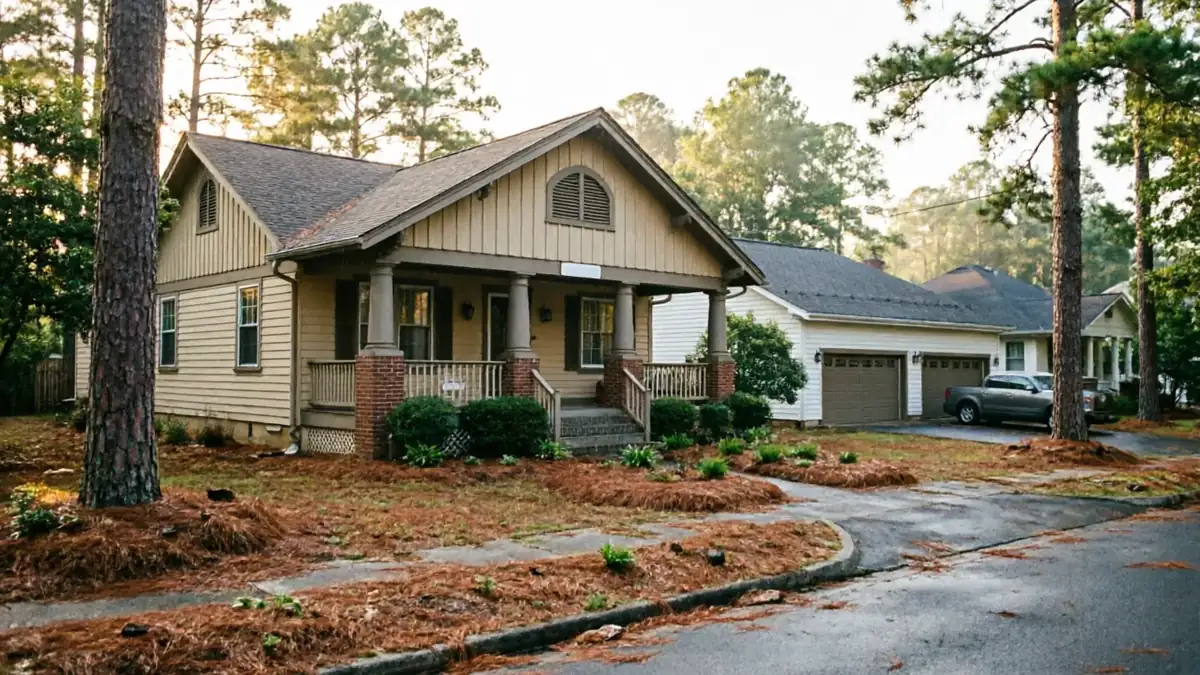
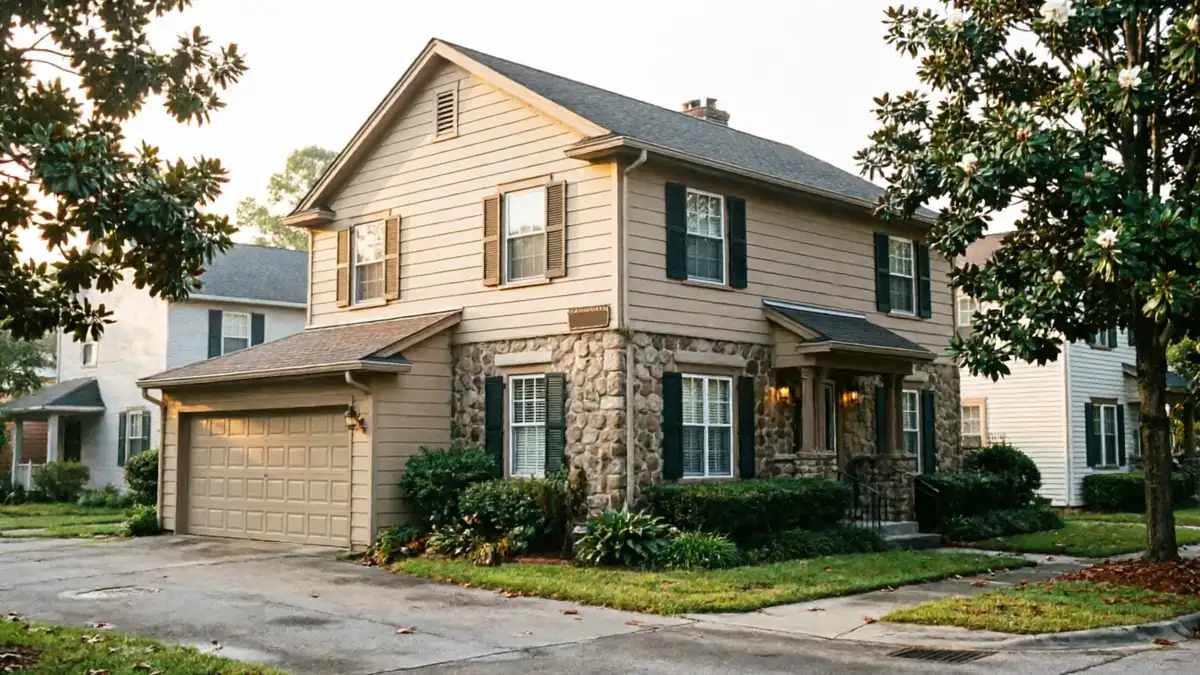
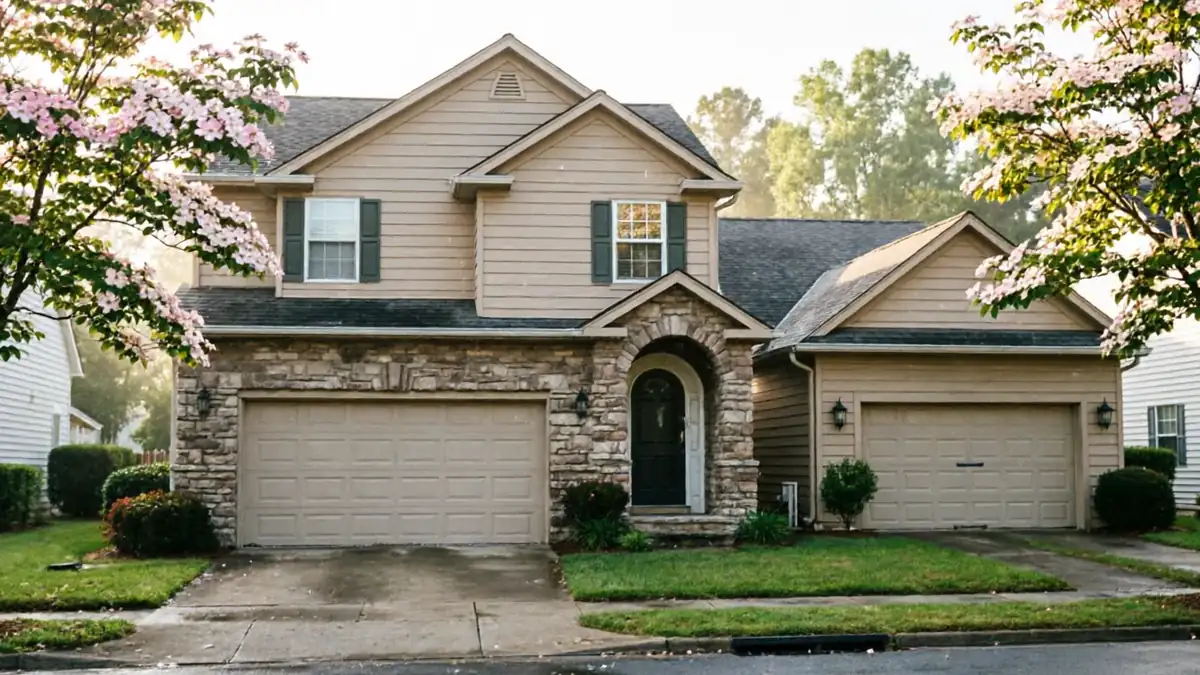
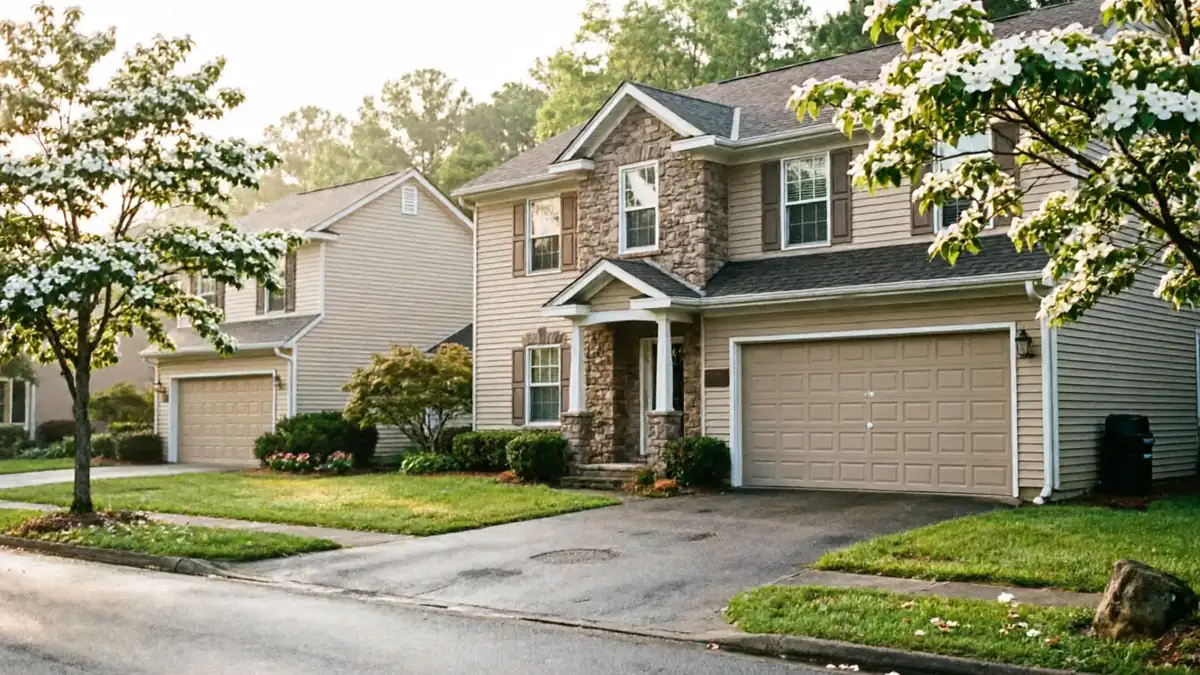
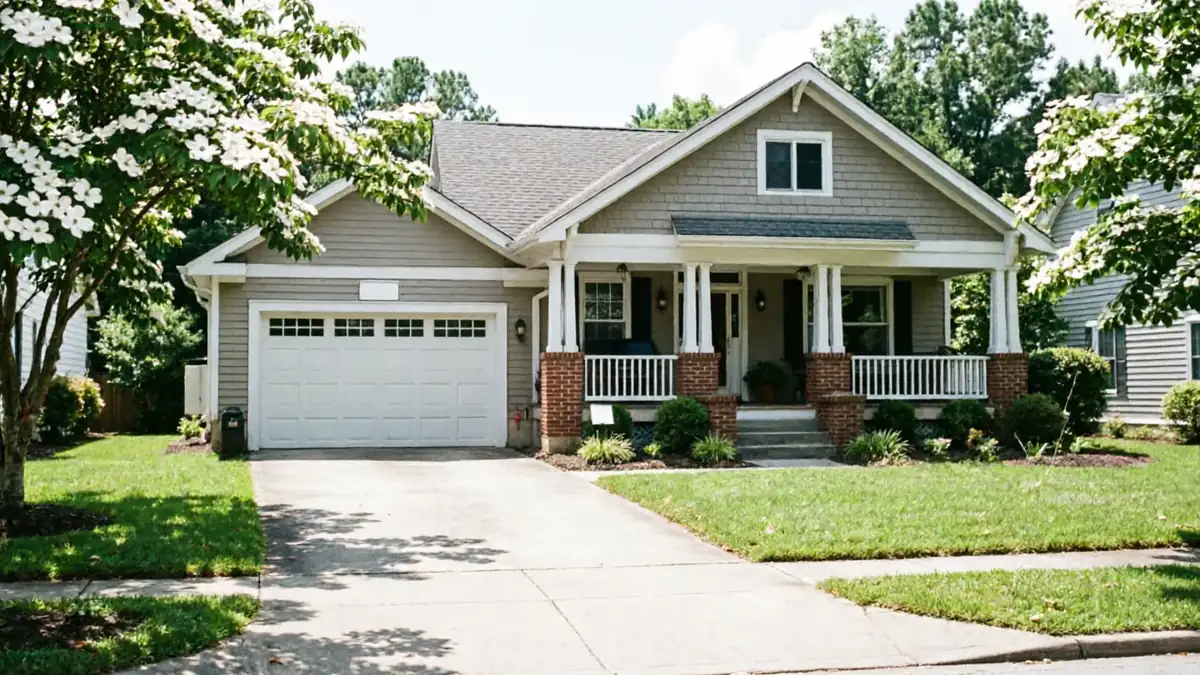
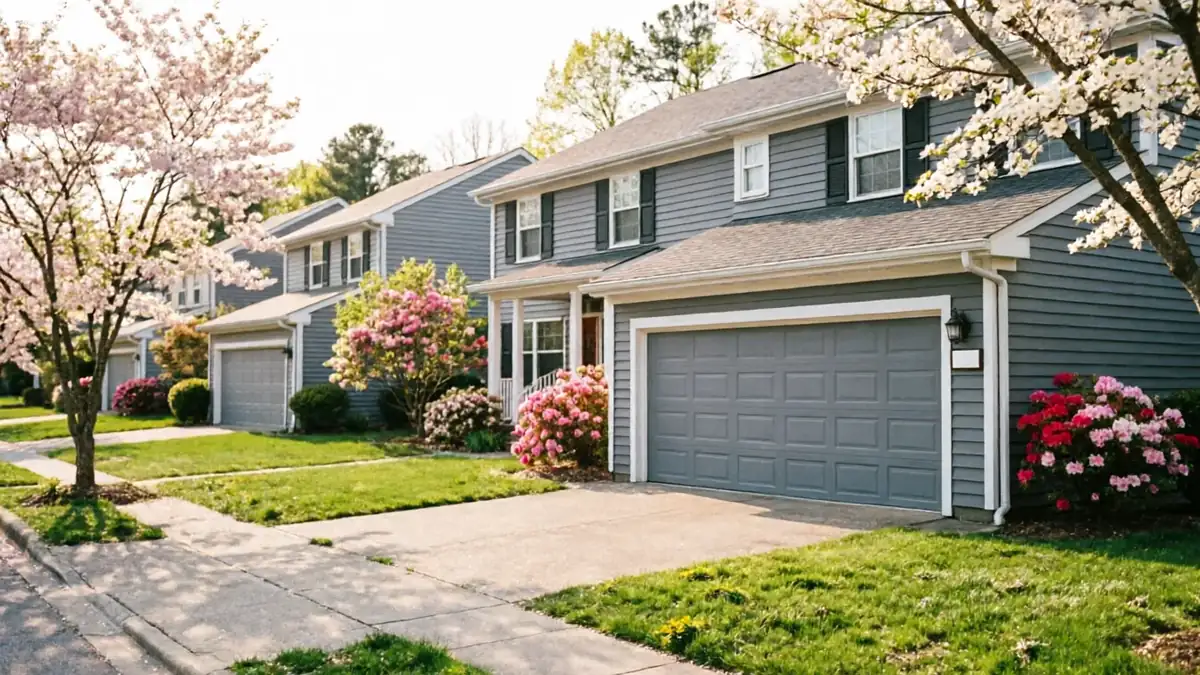
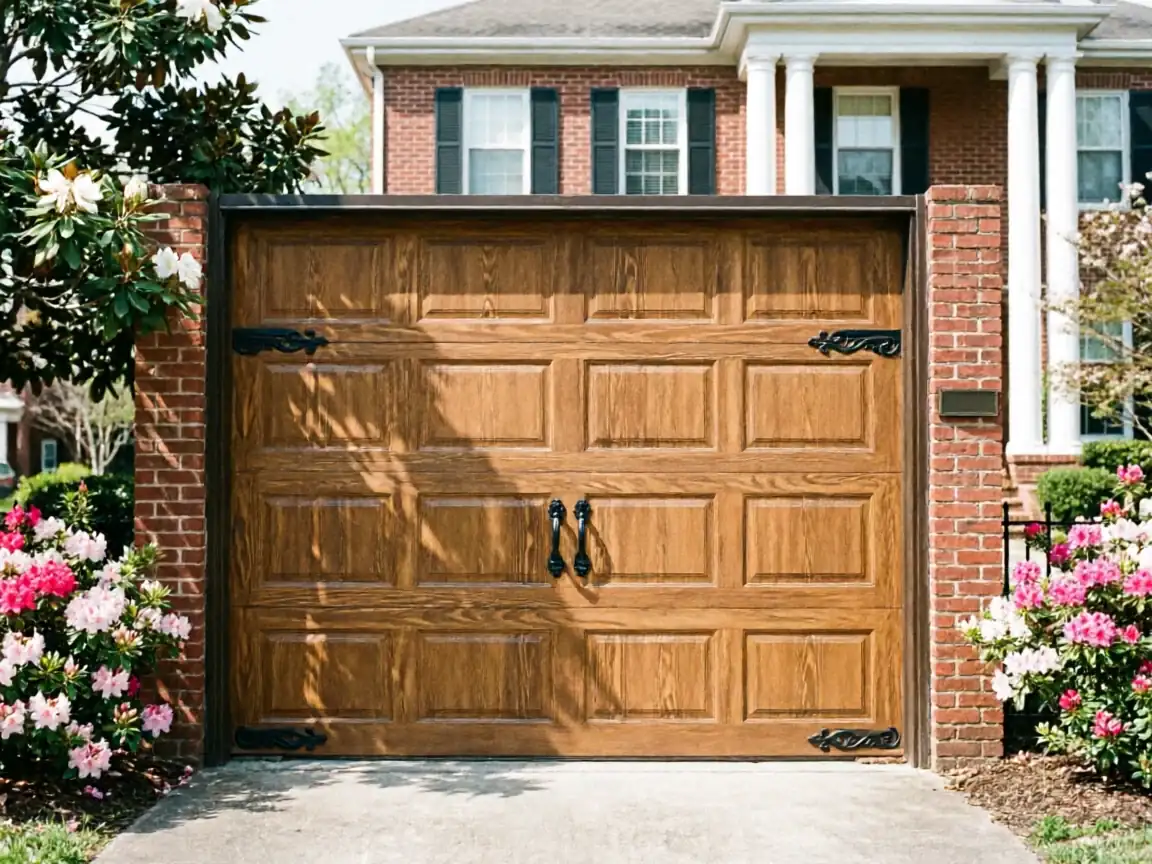
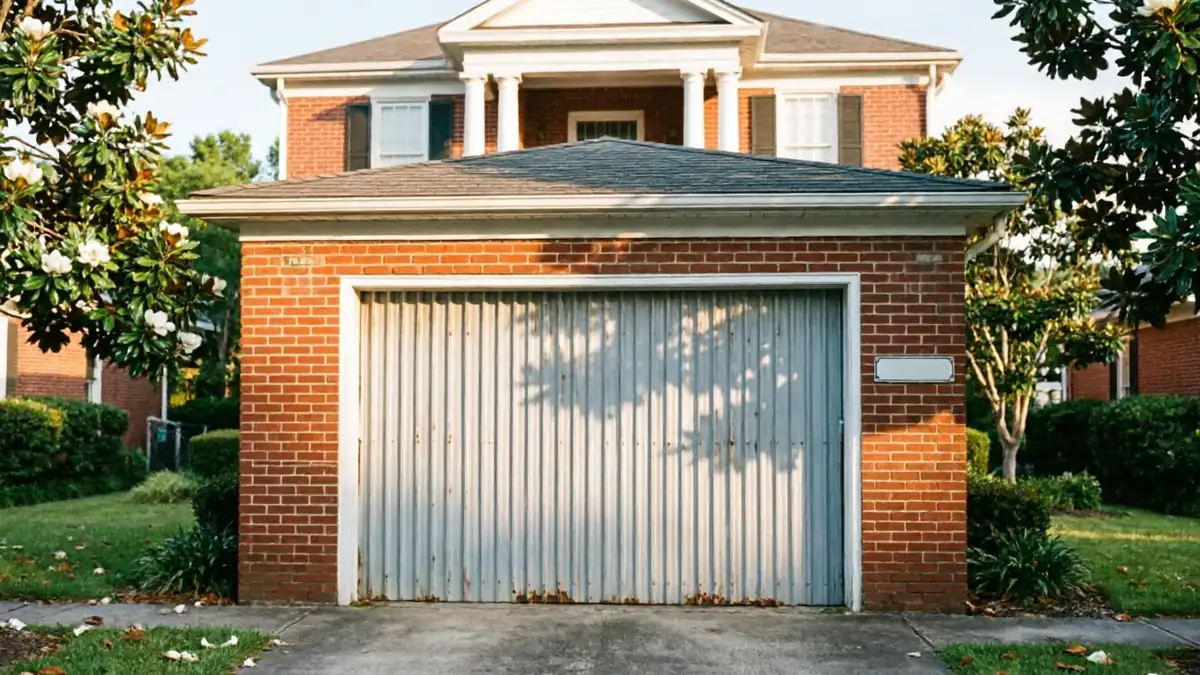
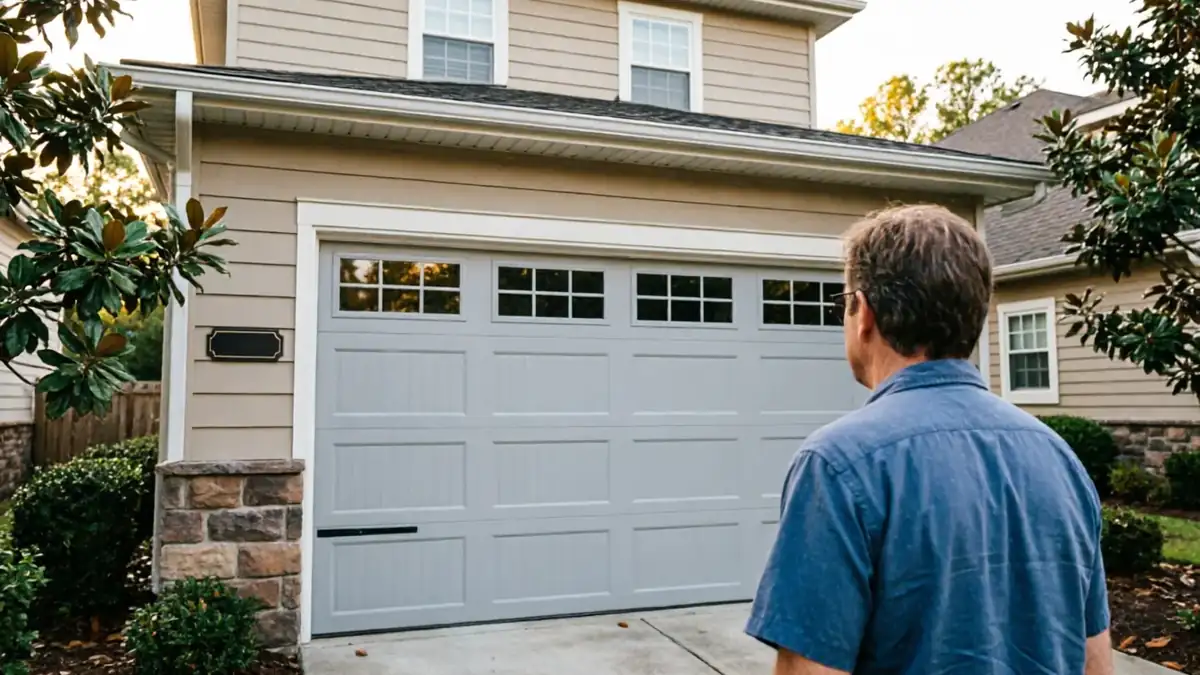
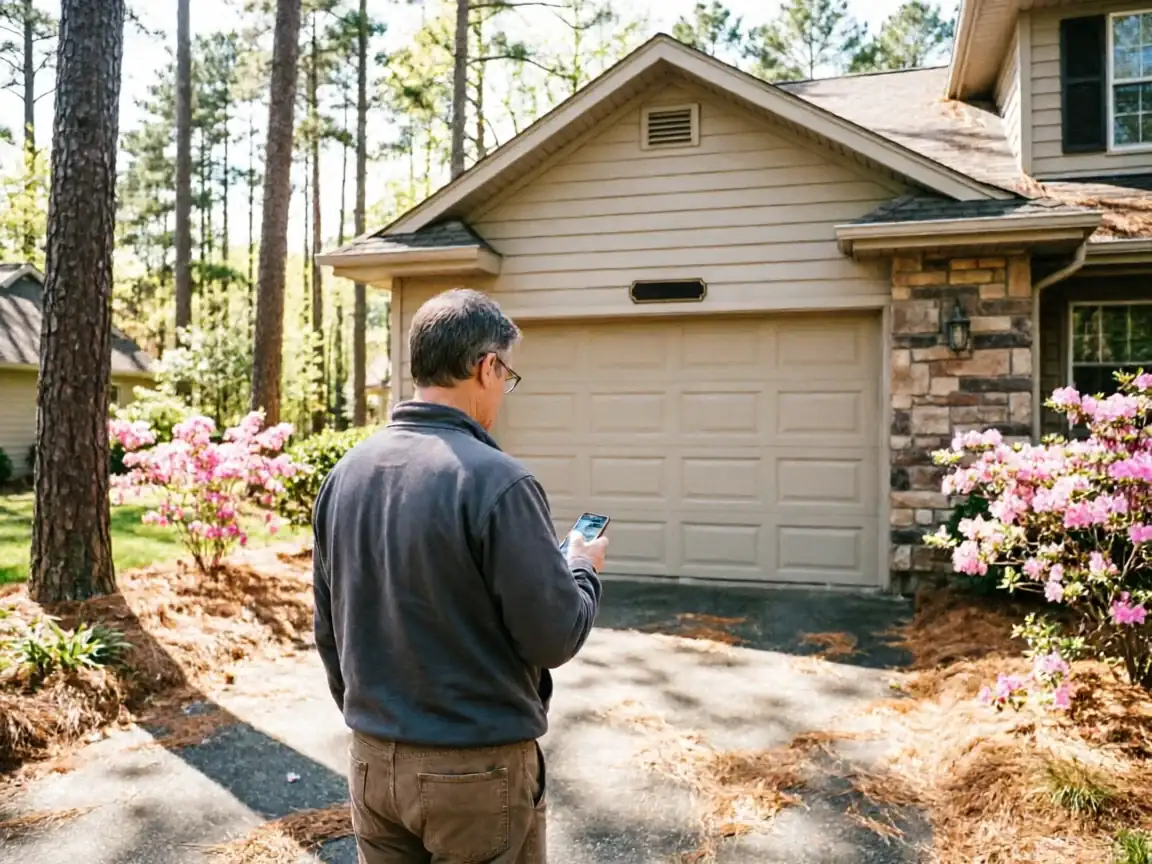
Falls Church homes mostly date to 1971, a few years past the wider area's 1976 median - which shows up in the hardware we find on doors here. We work from Arlington, 4 miles out.
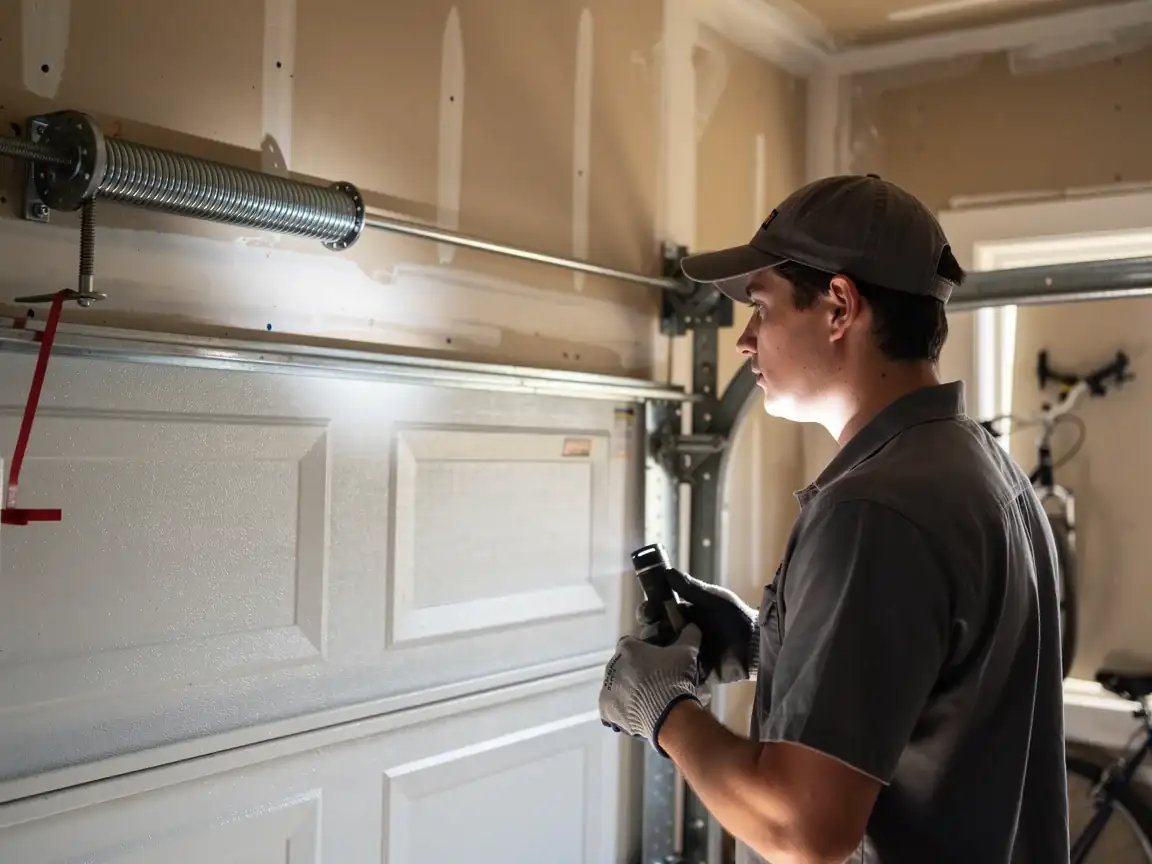
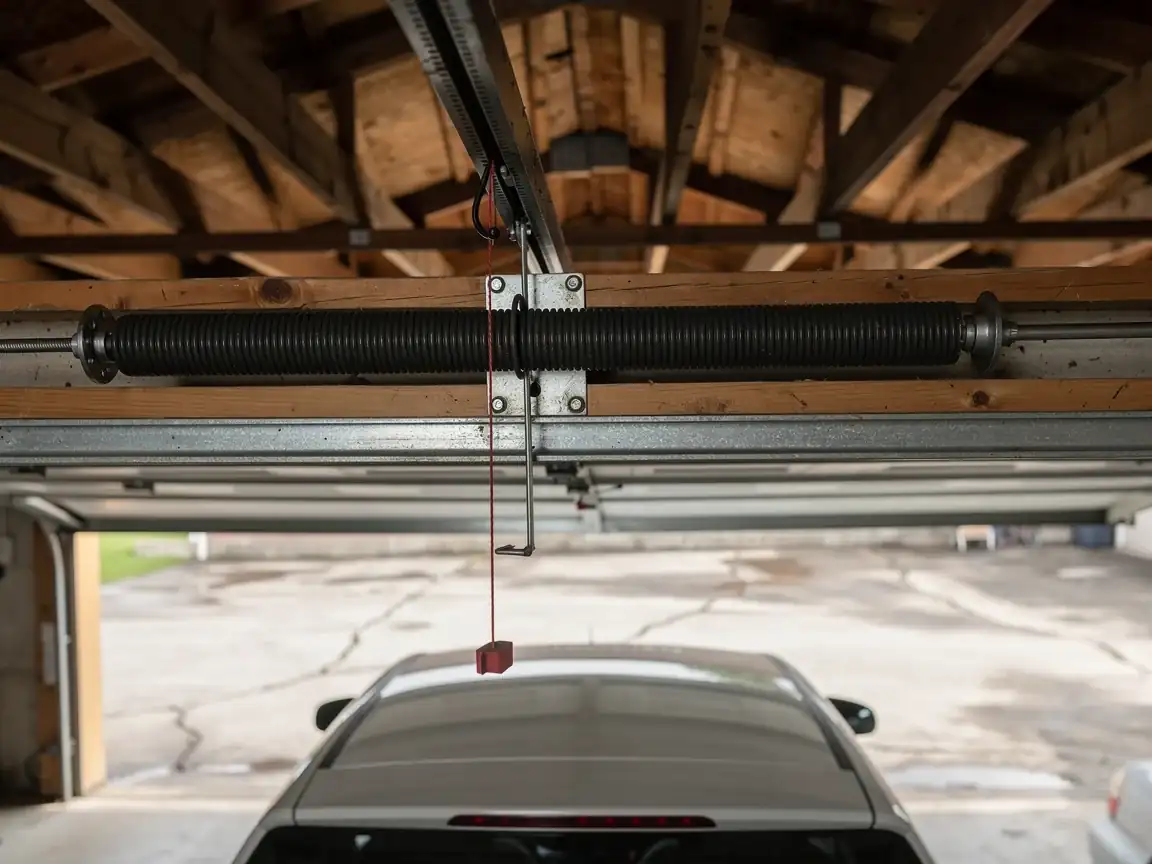
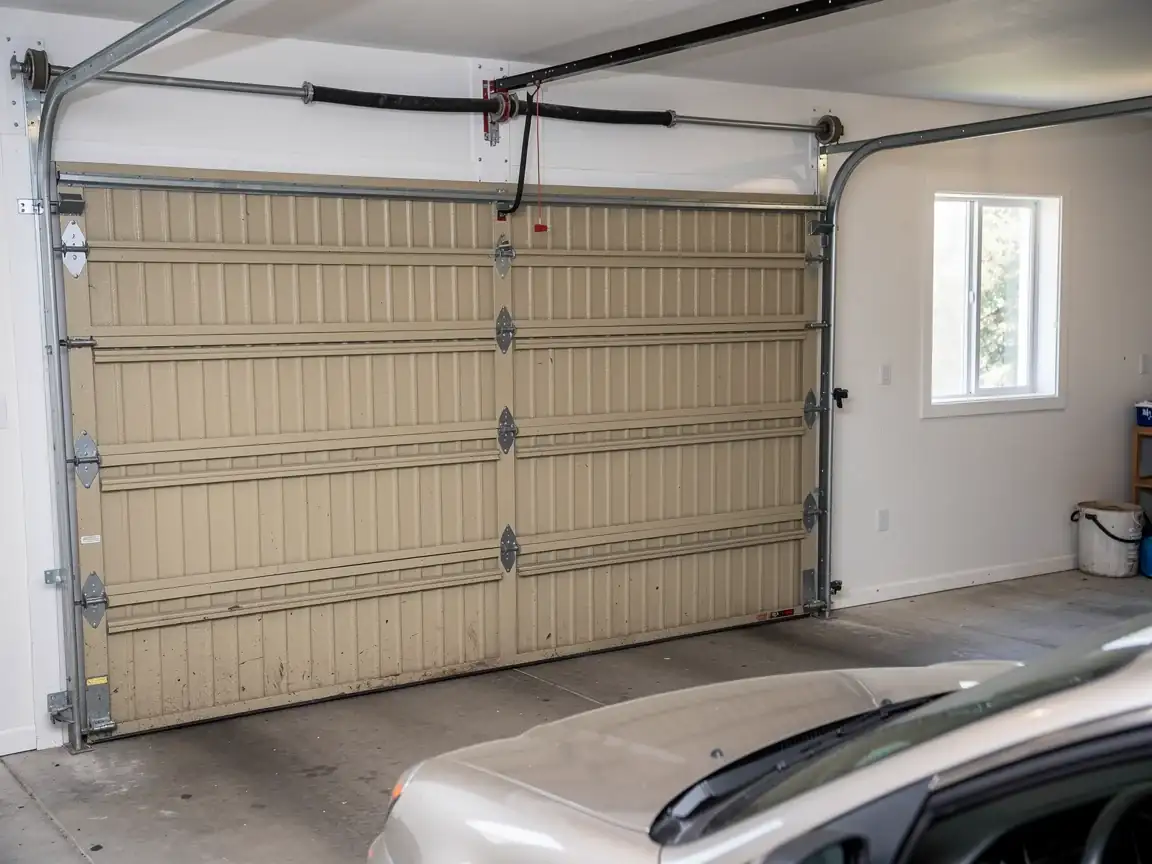
Falls Church sits about 4 miles out from our shop in Arlington, and the calls we get from this side of the service area follow a pattern tied to when the houses went up. With a median build year of 1971, a lot of these garages still have their original extension or early torsion setups, and by now the springs on those are well past the point where you want to trust them. We see snapped extension springs, worn rollers that have gone from steel-and-nylon to just plain loud, and openers that are the second or even third unit a house has had since it was framed. Panel damage from cars catching the bottom section on a slightly misaligned track is common too. None of this is exotic work - it's the ordinary wear you'd expect from a door that's been doing its job since the Nixon or Ford administration. The honest limitation: if your spring cable has frayed and jumped the drum, or the opener's logic board is fried, we're not going to pretend a 20-minute fix will hold. Some of these jobs are a full hardware swap, and we'll tell you that straight instead of patching something that'll fail again in six months.
This Area's Housing
Falls Church's housing stock centers on 1971, which puts it close to but a bit earlier than the broader area's 1940-2001 range with a median around 1976. That several-year gap matters more than it sounds like on paper. A door installed in the early 1970s is more likely to still have its first-generation torsion spring system, original steel track with the narrower radius curves builders used then, and in some cases a lighter-gauge panel than what went in during the later wave of construction in the 80s and 90s. Falls Church also sits close to several similarly aged pockets - Bailey's Crossroads, Lake Barcroft, and Idylwood are all within a few miles and share a lot of the same vintage. With 6,053 households in the area and a median income of $154,734, we see a fair number of owners who'd rather replace an aging door outright with a better-insulated one than keep nursing 50-year-old hardware along, and given the parts involved, that's often the more sensible call financially as well as practically.
How Soon We Can Come Out
We run out of Arlington, about 4 miles from Falls Church, so there's no local depot here and we're not going to claim one. What that distance means in practice: we schedule Falls Church calls the same way we schedule the rest of the coverage area, by truck availability and the order jobs come in, not by a fixed response window we can promise over the phone. If your spring has let go and the door won't move, say so when you call - a door stuck open or closed gets bumped ahead of a cosmetic panel dent. We'd rather give you a real answer about when a truck can get there than a generic promise that doesn't hold up once we're on the road.
What the Housing Means for Your Door
Because Falls Church skews a few years earlier than the area median, the practical takeaway is about parts, not aesthetics. A 1971-era garage was often built with a single-layer steel door and torsion hardware sized for that lighter panel - if a homeowner has since upgraded to a heavier insulated door without upgrading the spring to match, the opener ends up straining on every cycle, which shortens its life fast. We also factor in that this is a COLD-severe climate zone, and steel panels from this era don't have the thermal break that later doors do, so cold-weather stiffness in the track and hardened grease in old rollers show up more here than in a newer build. If you're planning a door replacement rather than a repair, matching the new unit's spring rating to the actual panel weight - not just whatever came stock - is the detail that prevents a comeback call a year later.
How it works
From “it’s stuck” to “it’s fixed”
1
Tell us what’s wrong
Describe the symptom - won’t open, loud bang, opener runs but the door won’t move.
2
On-site diagnosis
A technician tests the door under power and by hand and finds what actually failed.
3
Clear, up-front plan
You get the fix that’s needed and what drives the cost - before any work starts.
4
Repaired & tested
The repair is done, the door is set true and tested, and the work area left clean.
Not sure which repair your door needs in Arlington, VA? Describe what it’s doing - every job starts with a diagnosis.
About 4 miles from our base in Arlington. We don't keep a depot in Falls Church, so we schedule the trip around the day's route rather than promising a fixed arrival window on the phone.
Is my door likely original to the house?
Falls Church homes have a median build year of 1971, so a lot of original doors and torsion hardware from that era are still in service. If yours has never been replaced, it's a strong candidate for worn springs, old track, or a dated opener.
Does the cold affect older doors here?
Yes. This area sits in a severe-cold climate band, and doors built before thermal breaks were standard get stiffer in winter - old grease hardens, rollers bind, and track alignment issues show up more in January than July.
Should I repair or replace an older door?
Depends on what's failing. A single broken spring or roller is usually worth repairing. A door with a bent panel, a non-insulated steel skin, and original hardware from the early 70s is often cheaper to replace outright than to keep patching piece by piece.
Ready to get your garage door sorted?
Tell us what it’s doing and where you are in Arlington - we’ll take it from there.