How Long You Are Without the Door
A door off its track isn't always a same-hour fix
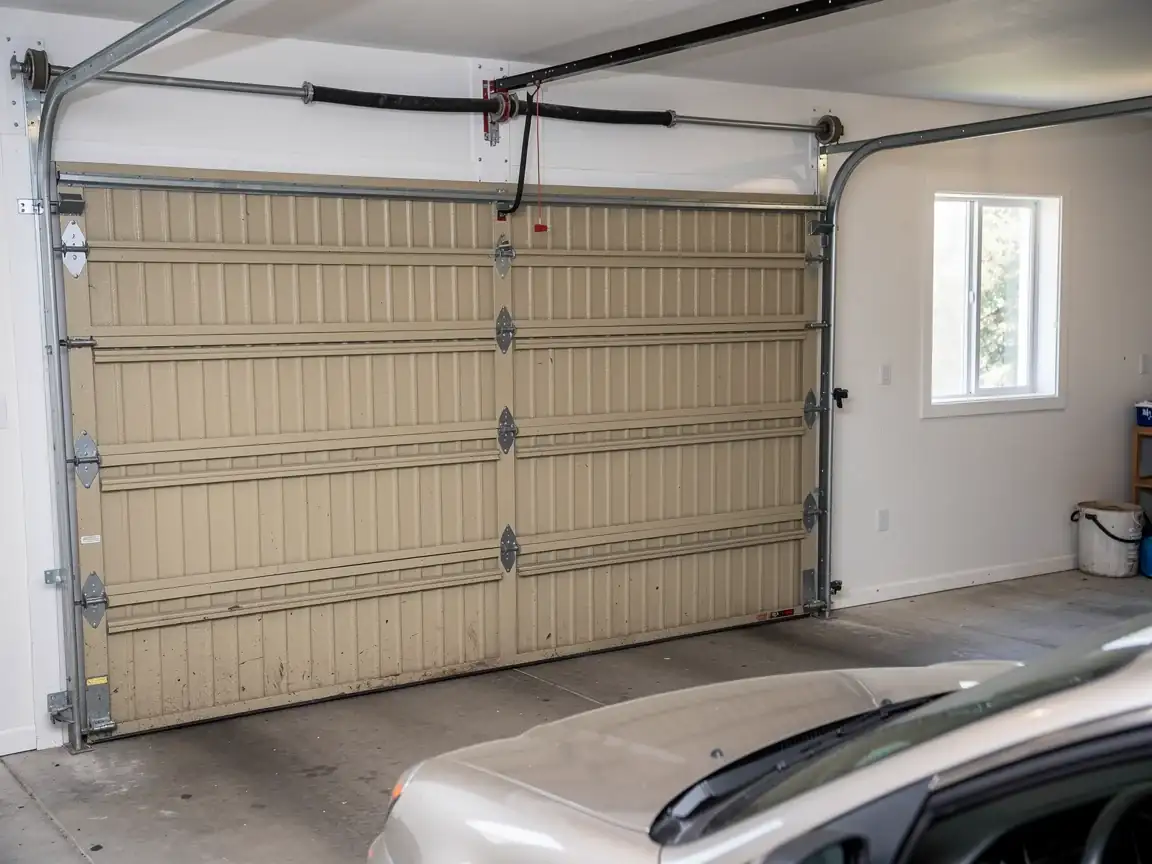
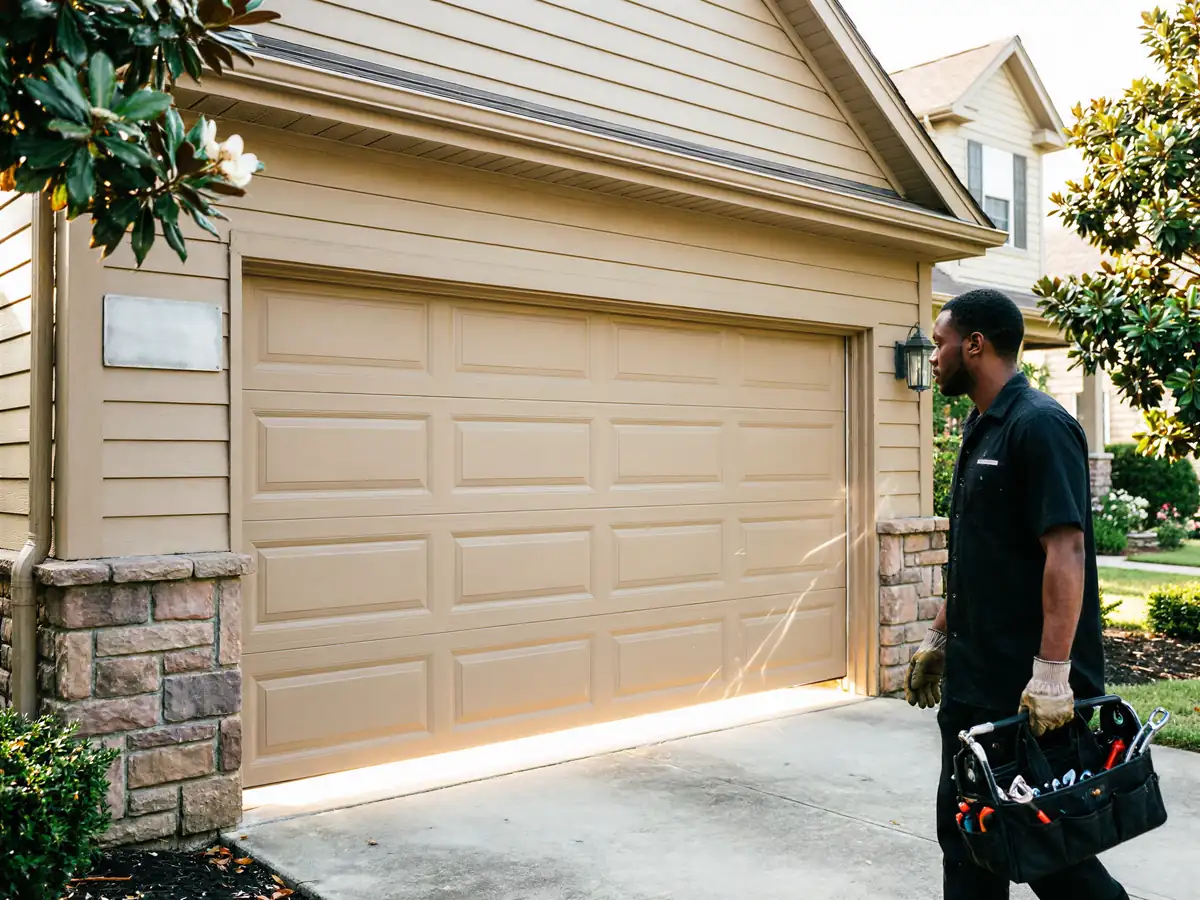
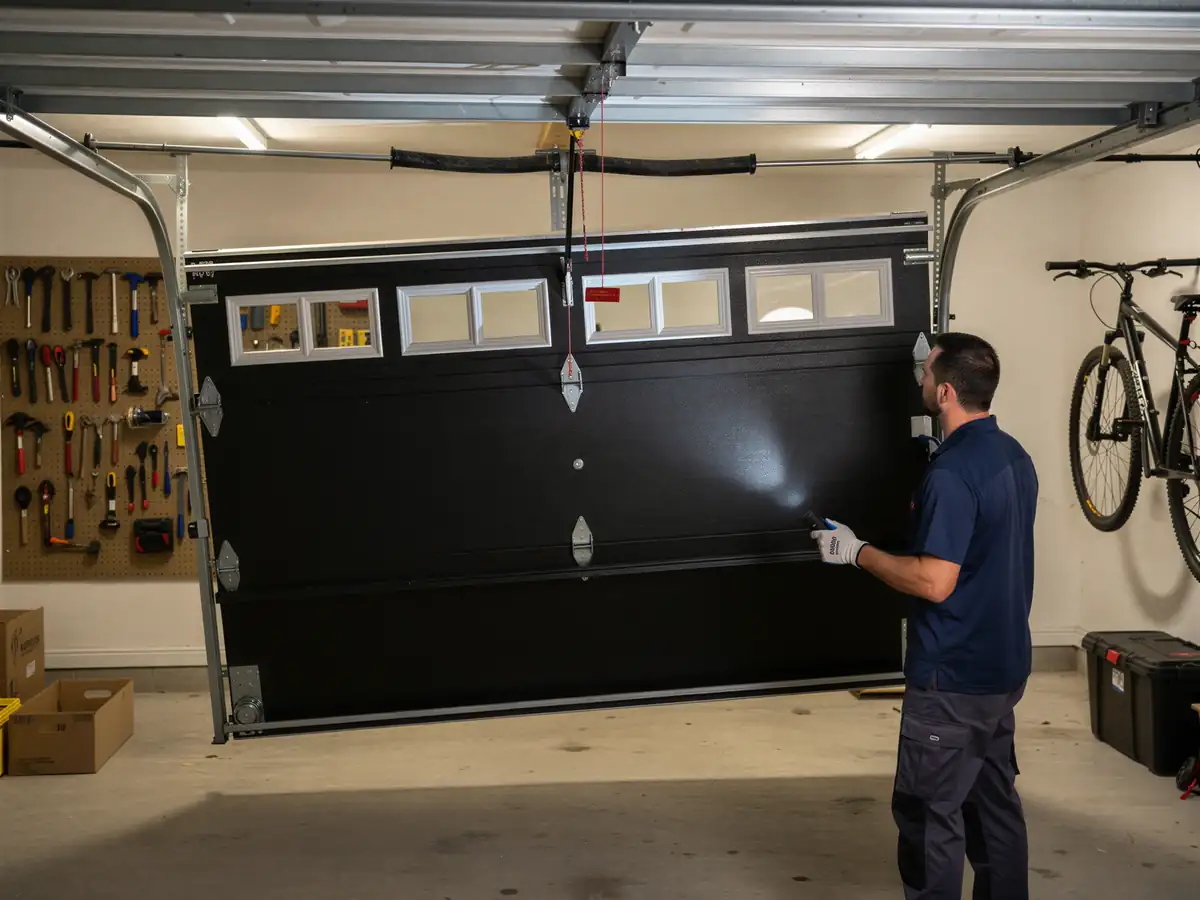
And we'd rather tell you that up front than promise something we can't deliver. If the door is just hanging crooked with the rollers popped out of the track but the track itself isn't bent, we can often get it running again in one visit. If the track has been pulled away from the jamb or crumpled - which happens more than you'd expect on the older steel track sections still in use on houses built in the 1960s and 70s across this service area - we may need to order a replacement section before the door closes right again.
Until it's fixed, treat the door as a security gap, not just an inconvenience
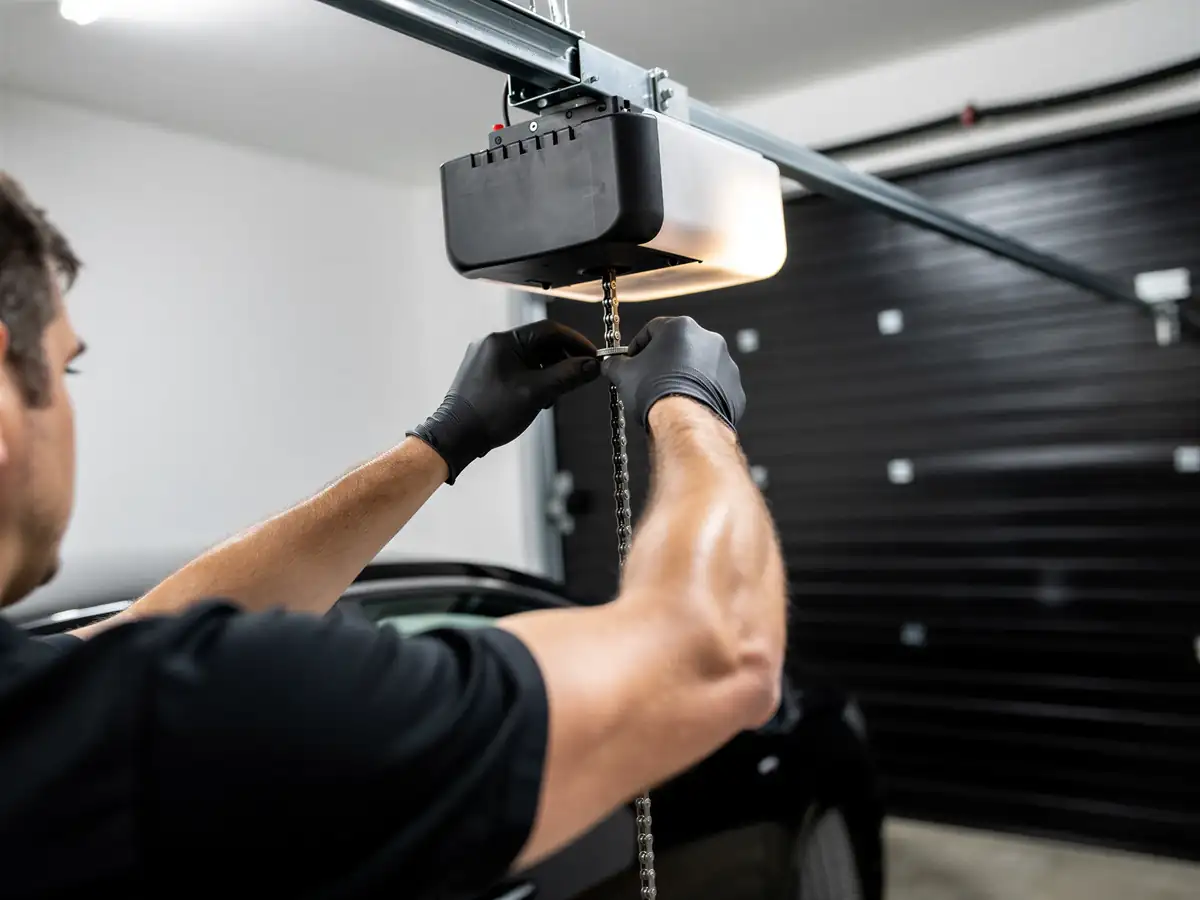
A door that's off track can look closed while leaving a gap at the bottom corner or side, and the opener will often keep straining against it, which burns out the motor or drive gear faster than the track problem itself would have. If you can get the door to stay shut, leave the opener disconnected and don't force it up and down on the track. That single step prevents a lot of the damage we see from a door that's been 'working fine, mostly' for a week before the call comes in.
Can You Do This Yourself
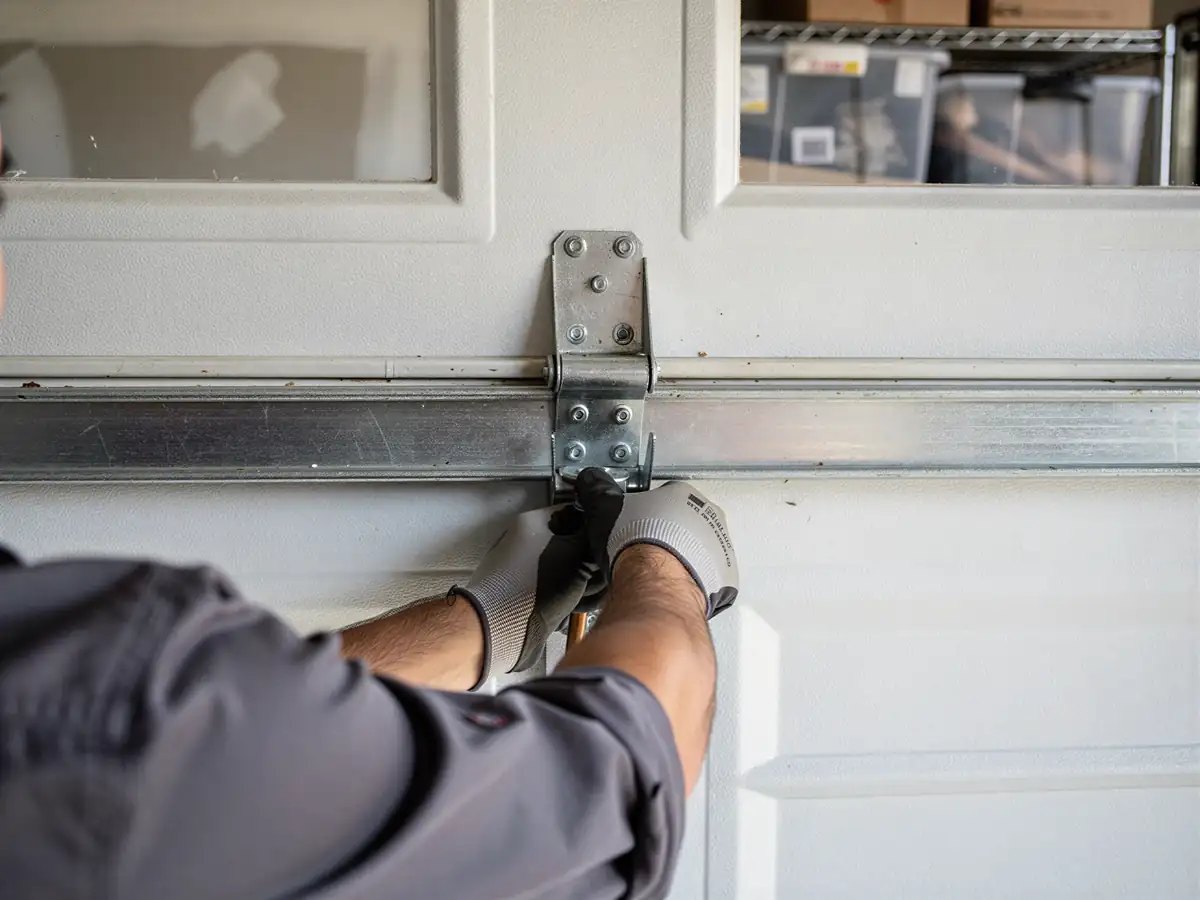
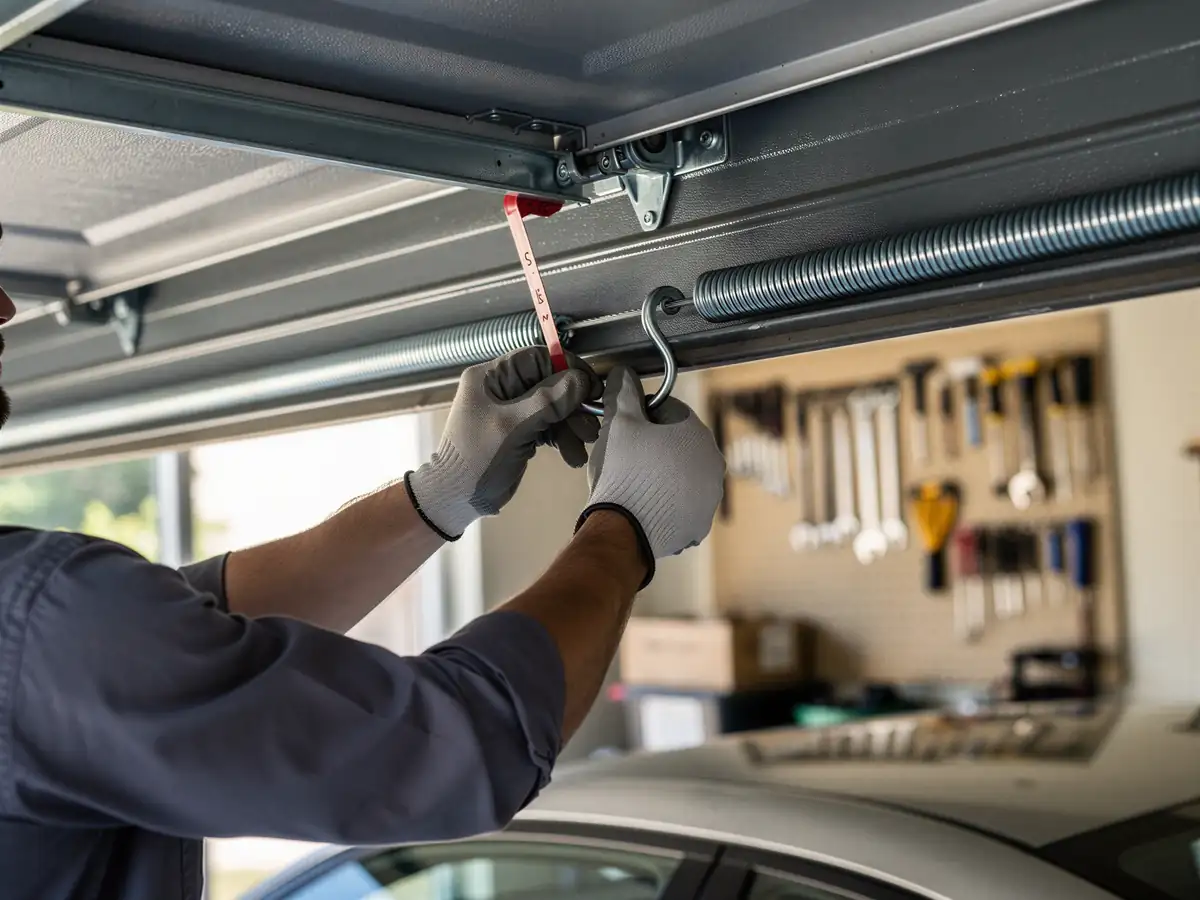
Some of this you can look at safely. If a roller has simply walked out of the track and the door is still sitting square in the opening, you can sometimes rock it back onto the rail by hand with the opener disconnected - no springs involved, no real risk. Check that the track brackets are still screwed to the frame and that nothing is bent before you try.
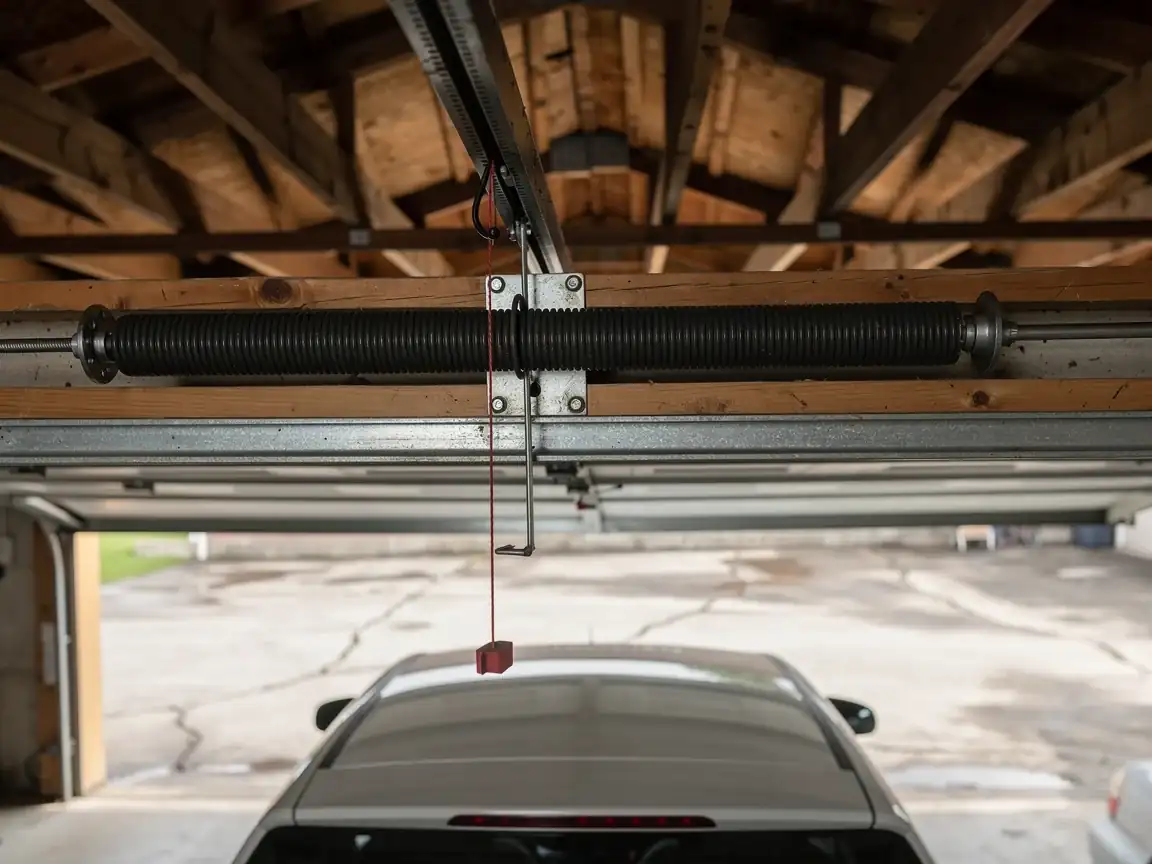
What you shouldn't touch: anything near the torsion spring above the door, or trying to force a door back onto a track that's visibly bowed or pulled loose from the wall. Steel track under tension can whip when it's released, and a door that's partway off its track is already unstable - it can fall. If the bottom panel has separated from the track entirely, or you hear the cables slapping, stop and call rather than keep working the door by hand.
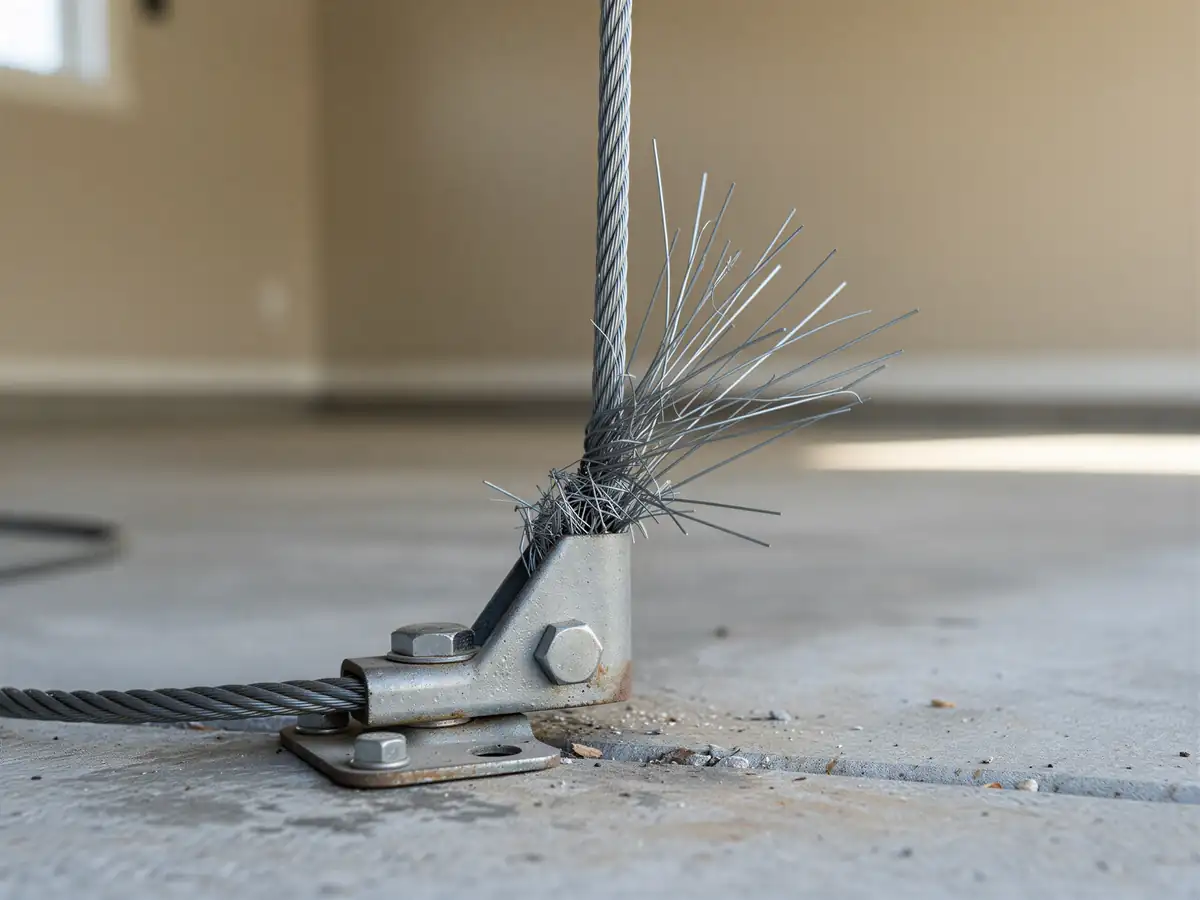
One honest limit here: we don't talk anyone through torsion spring adjustment over the phone, and we won't walk you through re-threading a cable either. Those two jobs are where most of the ER-worthy garage door injuries come from, and no amount of care offsets a spring letting go under load.
How It Shows Up
Usually it starts small. The door runs a little crooked, one side drags half a second behind the other, or there's a scrape near the bottom corner of the opening that wasn't there last month. By the time most people call, the door is either stuck a few inches open, stuck shut, or visibly tilted in the frame.
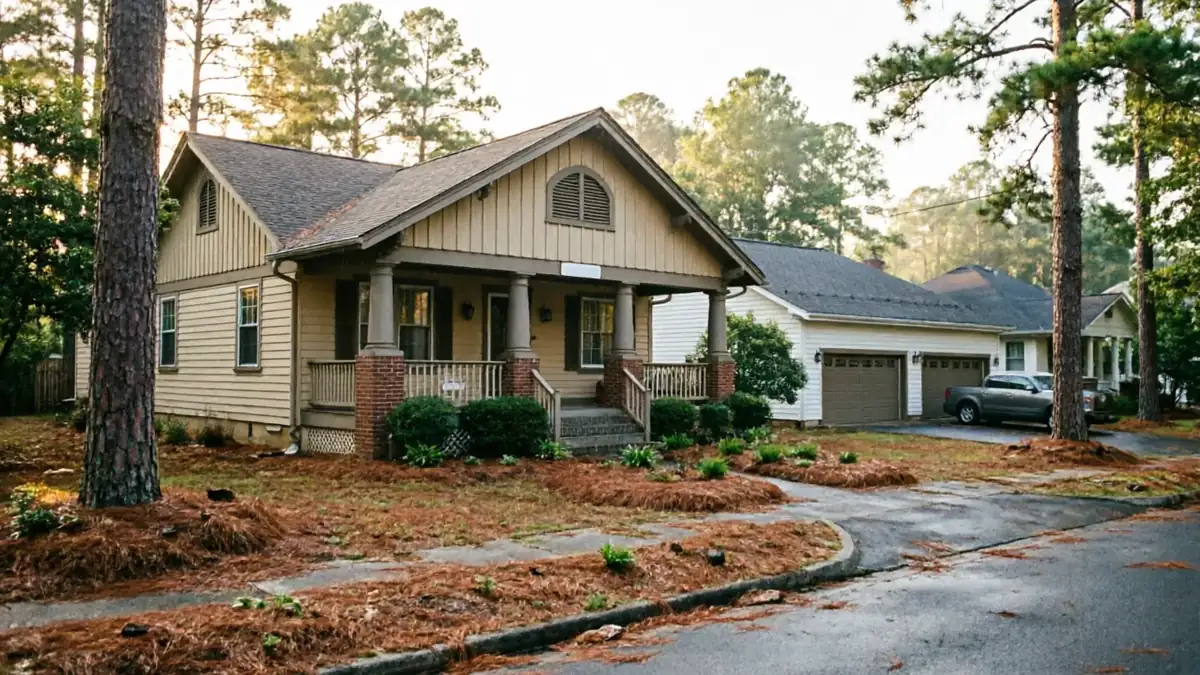
Across the houses we see in this part of Northern Virginia - median build year 1976, with stock ranging from 1940 into the early 2000s - the track hardware is frequently original or close to it. Steel track brackets that have held for forty-plus years don't fail gracefully; they loosen a little at a time until one cold morning the door finally jumps the rail. You'll often notice it right after a hard freeze: metal track contracts, old lag screws that were already backing out of worn jamb wood give up the last bit of grip, and the door that was 'a little off' yesterday is fully derailed today.
Why It Happens Here
This region sits in a cold-climate band with real seasonal swings
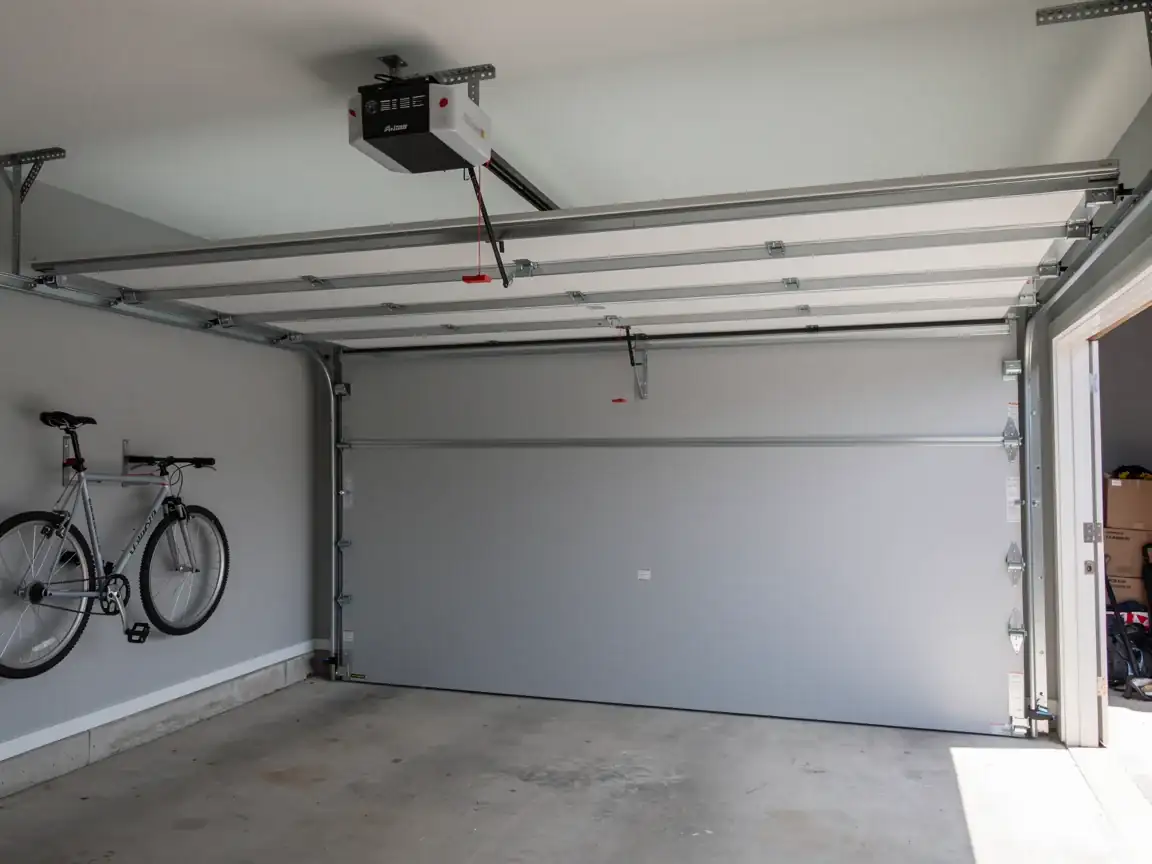
And that matters more for garage doors than people expect. Steel track and the brackets holding it to the frame expand and contract with temperature. On a door that's already decades old, that cycling works screws loose, opens hairline gaps between bracket and jamb, and eventually lets the track shift just enough for a roller to ride off the edge.
It's not just the cold - it's the age of what's holding on against it
With housing across the 37 named areas we cover mostly dating to the 1960s and 70s, a lot of garage doors are running original or first-generation replacement track, sized and mounted to specs that assumed lighter doors and less demanding daily use than today's openers put on them. Add a harder-than-usual freeze-thaw week and that combination of old hardware plus cold-driven metal movement is exactly where off-track calls spike. It's less common in newer construction with fresh track and better-anchored jamb framing, which is part of why this fault clusters so heavily in the older sections of the service area rather than showing up evenly everywhere.