When to Call Someone
If a torsion spring snaps, you'll know
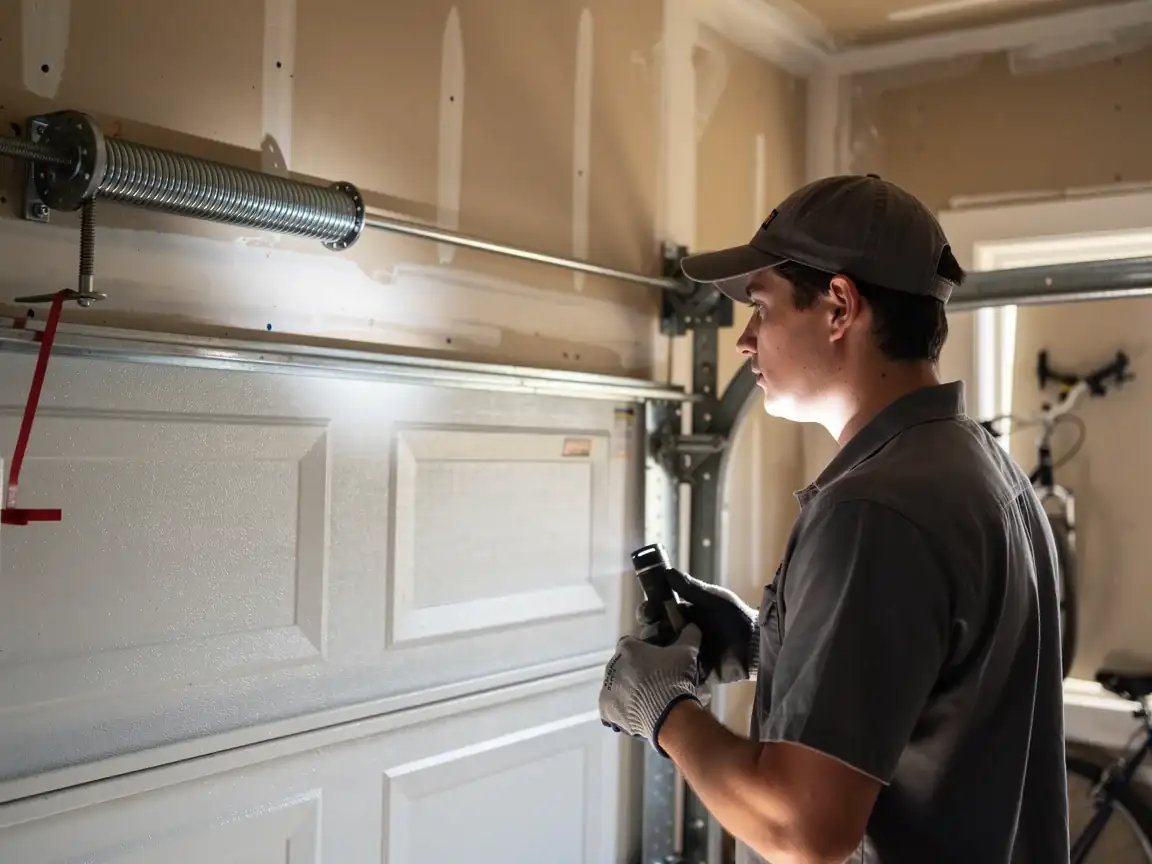
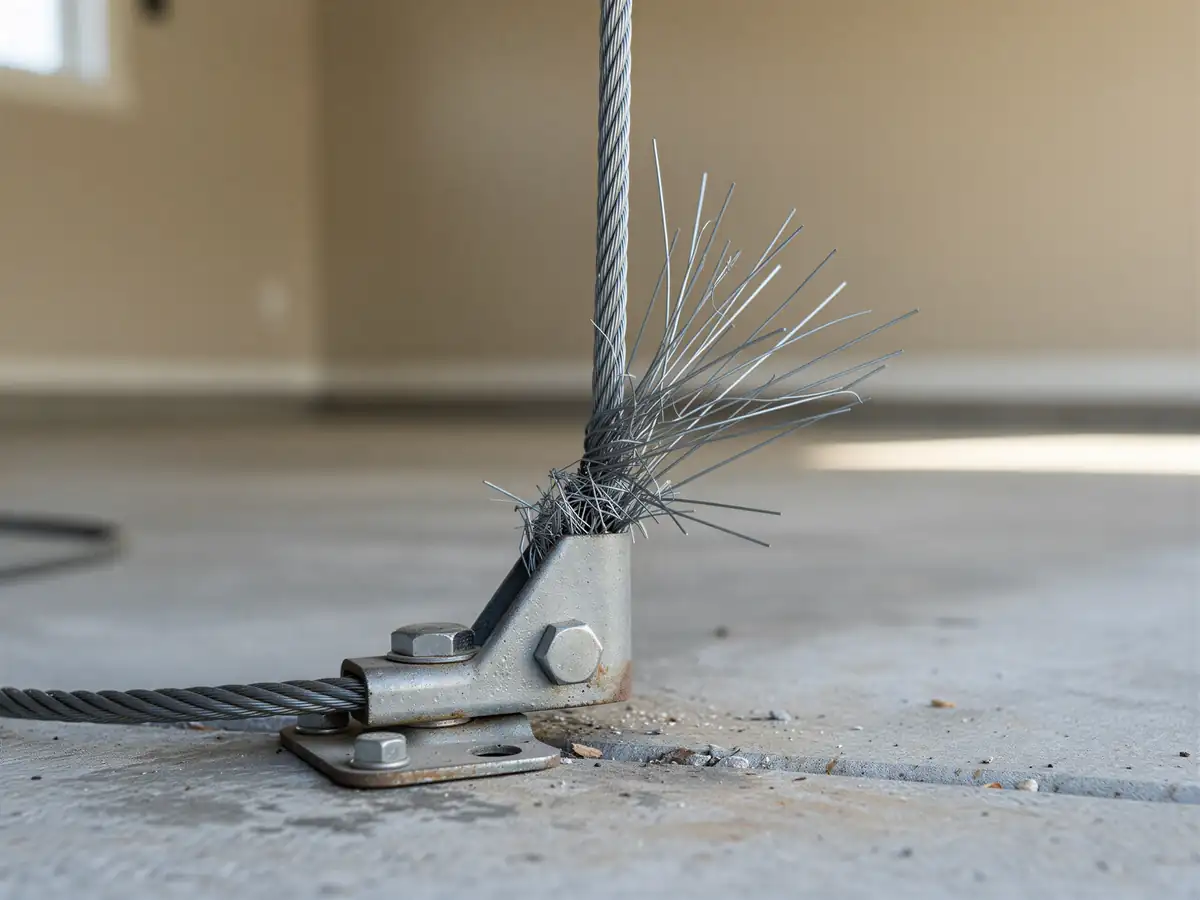
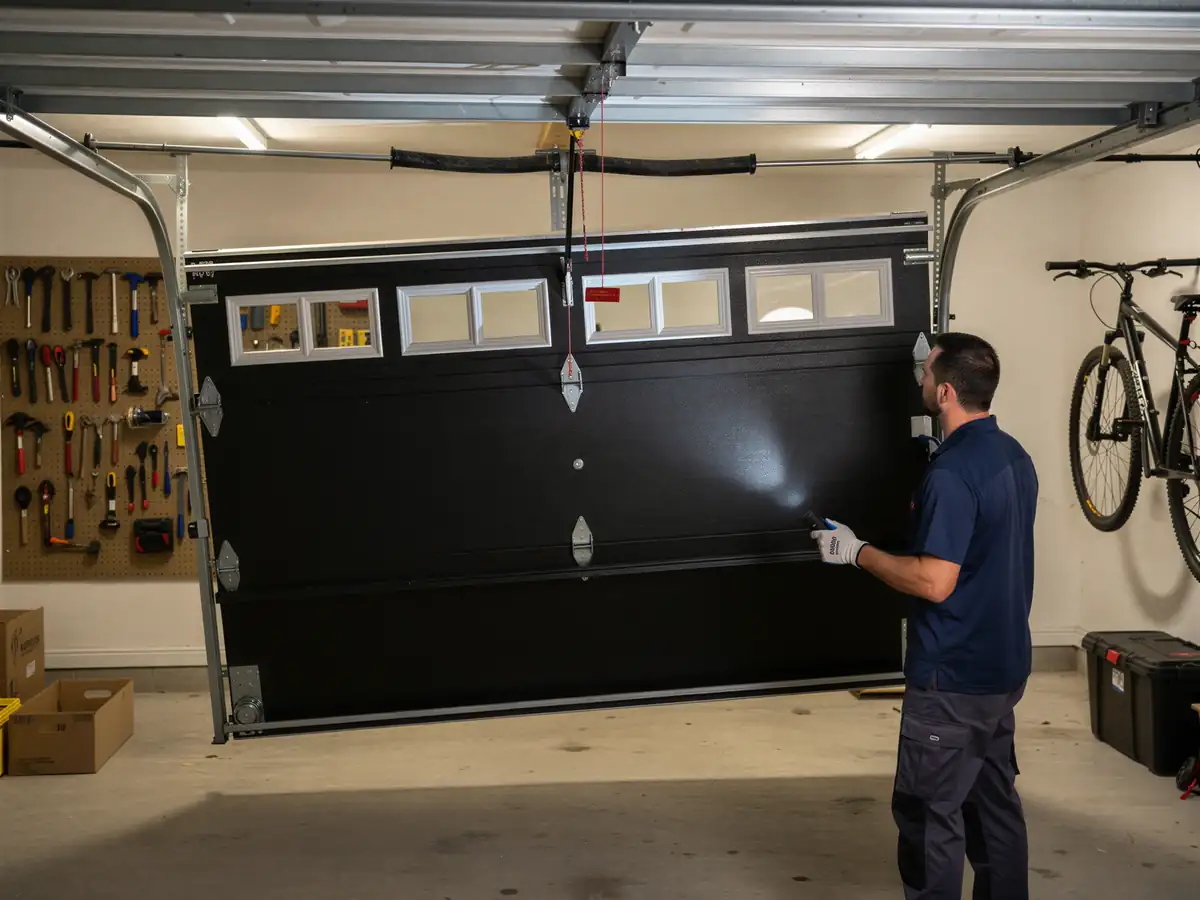
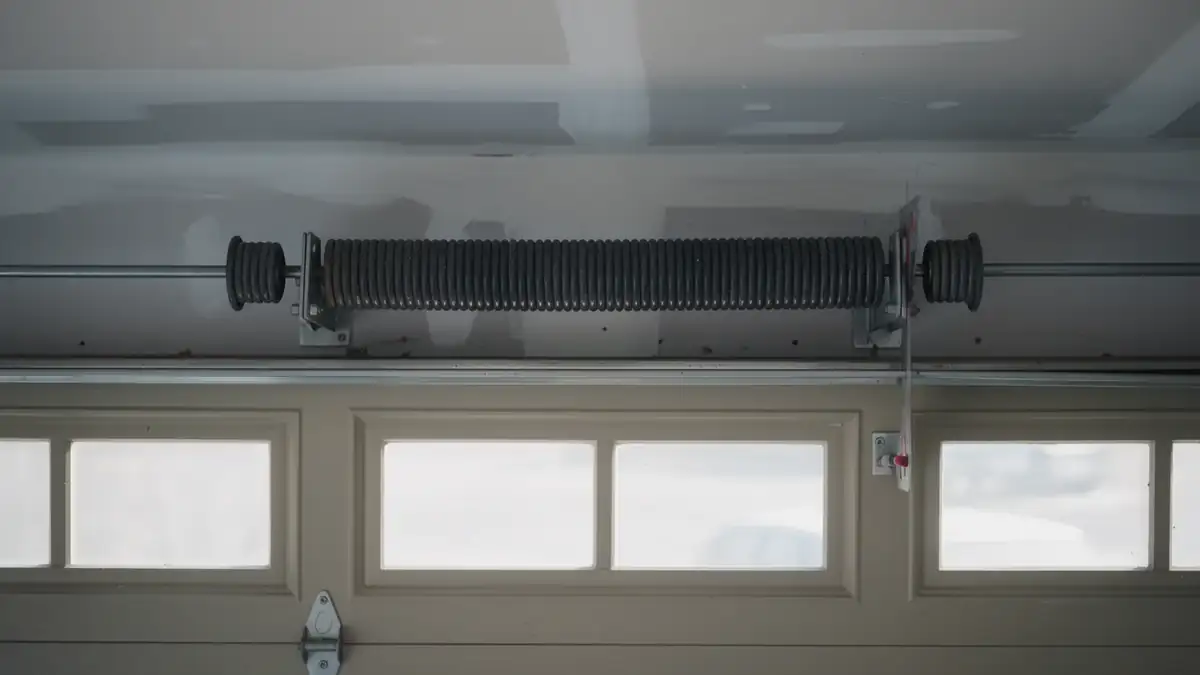
A loud bang, the door won't budge or it slams down fast when you try to lift it by hand. That's not a day to wait. A broken spring means the opener is fighting the full weight of the door alone, which can strip the gears or pull the top panel apart if someone tries to force it.
Call right away if
The door is stuck shut with the car inside, you see a gap or coil separation in the spring itself, or the door dropped suddenly while closing. Don't call emergency service for a door that's just noisy or a little slow to open - that's wear, not failure, and it can wait for a normal appointment.
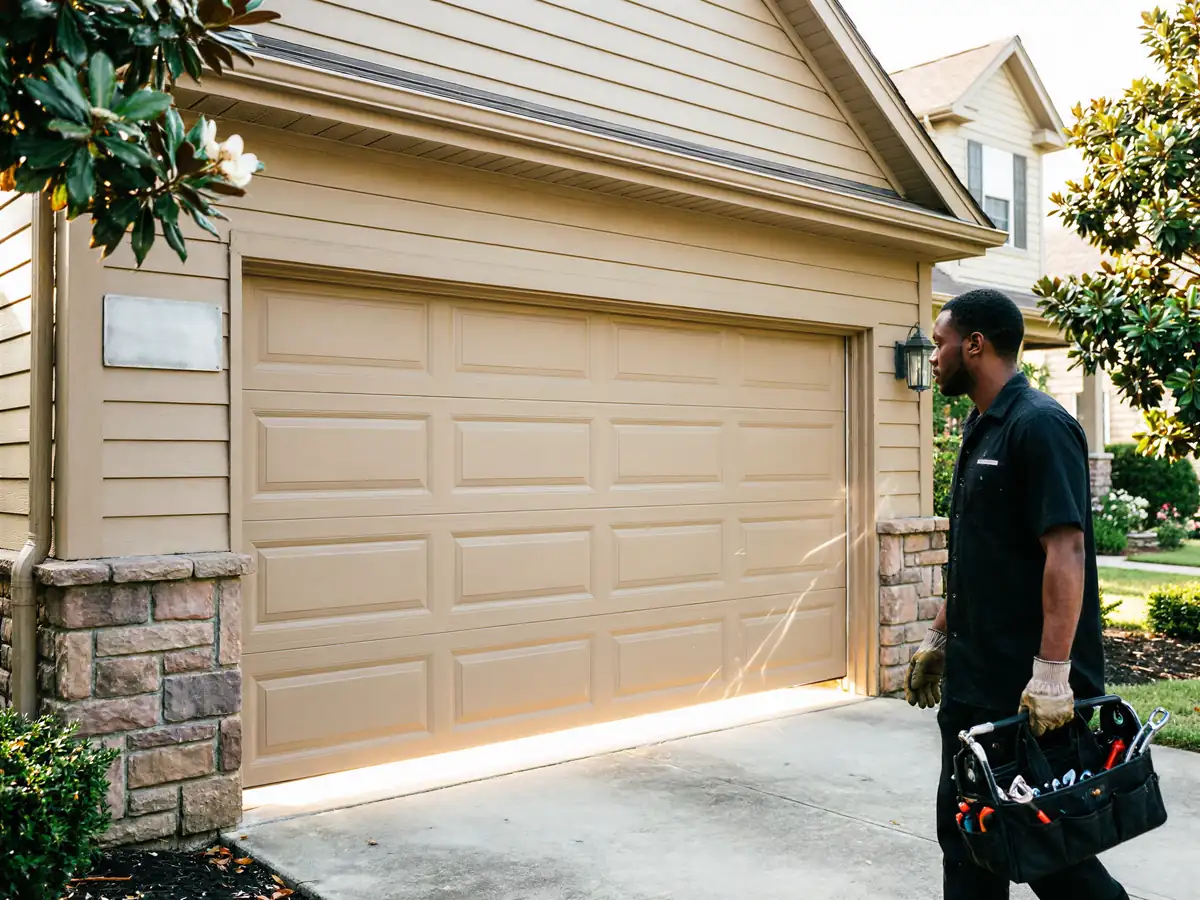
Most houses in Arlington went up between 1940 and 2001
With the median build year sitting at 1976, which means a lot of the original torsion springs are the same age as the house. If yours has never been replaced, age alone is reason enough to get it looked at before it fails on its own schedule, usually on the coldest morning of the year.
The Situation
Across the 37 named areas that make up this market, the stock leans hard toward 1960s and 70s construction, the exact era when galvanized torsion springs were standard and nobody expected them to last past 20 years. A lot of those original springs are still hanging above garage doors today, decades past the cycle count they were rated for.
At a median household income of $137,878, most owners here can afford to replace a spring properly instead of patching it, but plenty still wait too long because the door still *works*, right up until the morning it doesn't. With 88,312 owner-occupied houses in the service area, a decent share of them still carry hardware older than the people living there.
The practical issue is wire fatigue. Steel that's been wound and unwound tens of thousands of times develops micro-cracks you can't see. It holds fine for years, then one cold morning it doesn't hold at all.
What the Weather Here Does to It
Arlington sits in a climate band classified as severely cold, and that kind of cold is what makes a tired spring let go without warning. Steel contracts as it cools, and a spring that's already fatigued from decades of cycling has less give left to absorb that contraction. The same spring that would have lasted another two mild winters can snap on the first hard cold snap.
Lubrication matters more than people think in this climate. Old grease thickens in the cold, which adds drag right when the spring has the least flex to spare. A door that's been struggling all winter, lifting a little slower each week, is usually a spring on its way out, not an opener problem.
This isn't a once-a-decade event either. Every cold season puts the same strain back on whatever springs are still original to the house, which in a lot of this housing stock means springs that have already outlived their rated life several times over.
Where People Go Wrong
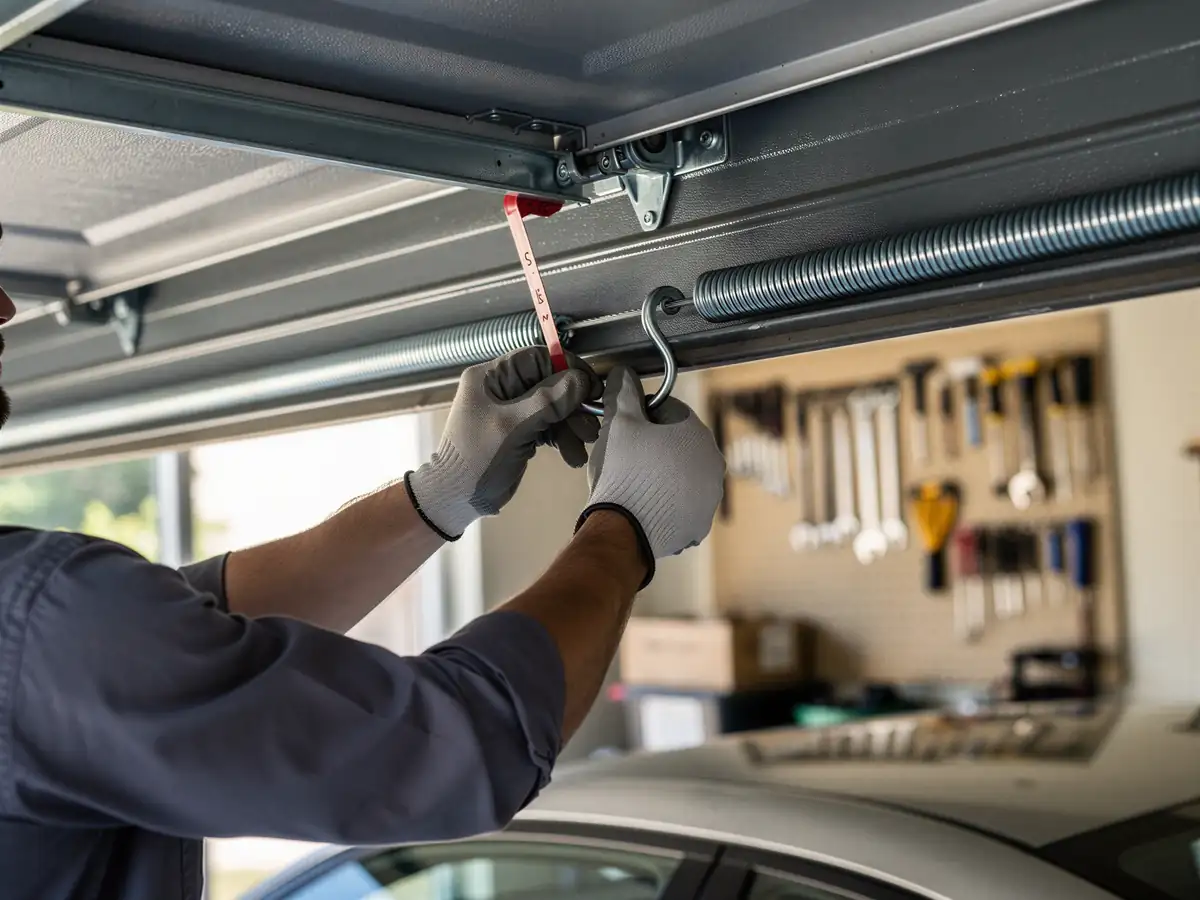
The biggest mistake is trying to loosen or wind a torsion spring without the right bars
It's not a job for a pair of pliers and good intentions - the spring is under enough tension to break a wrist or worse, and that's true whether it's new or 40 years old. If a spring has already broken, leave the door alone until someone with the right tools gets there.
- 40 years
The second mistake is replacing one spring on a double door and leaving its matching spring in place because it "still looks fine." Springs on the same door are usually close in age and wear together
Replacing only the broken one just sets up the second failure for later.
Here's the honest limit
We don't stock every spring size on the truck for every door width and wind, and a less common size can mean a short wait on parts. We'll tell you straight if that's the case rather than jam in something close enough. A spring that's slightly wrong for the door is worse than no spring at all.