The Situation
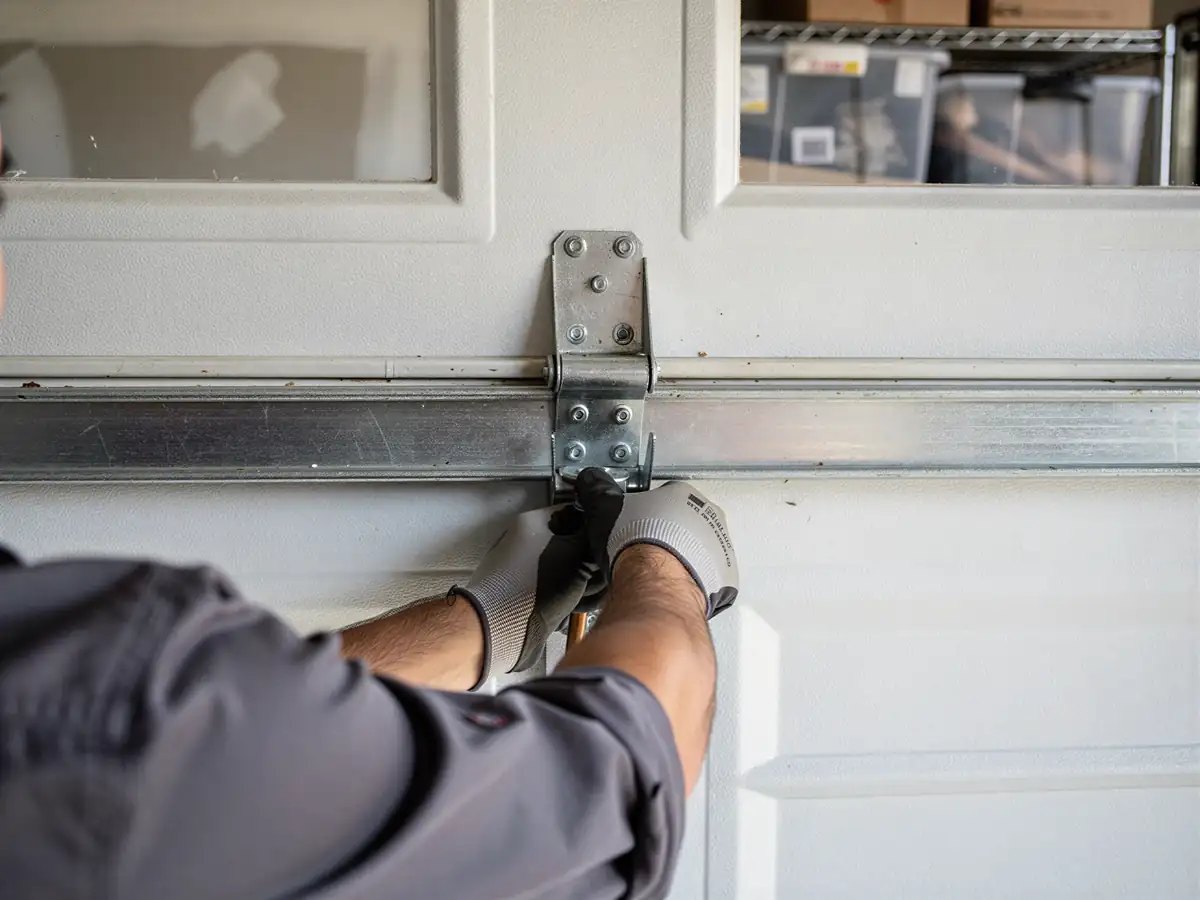
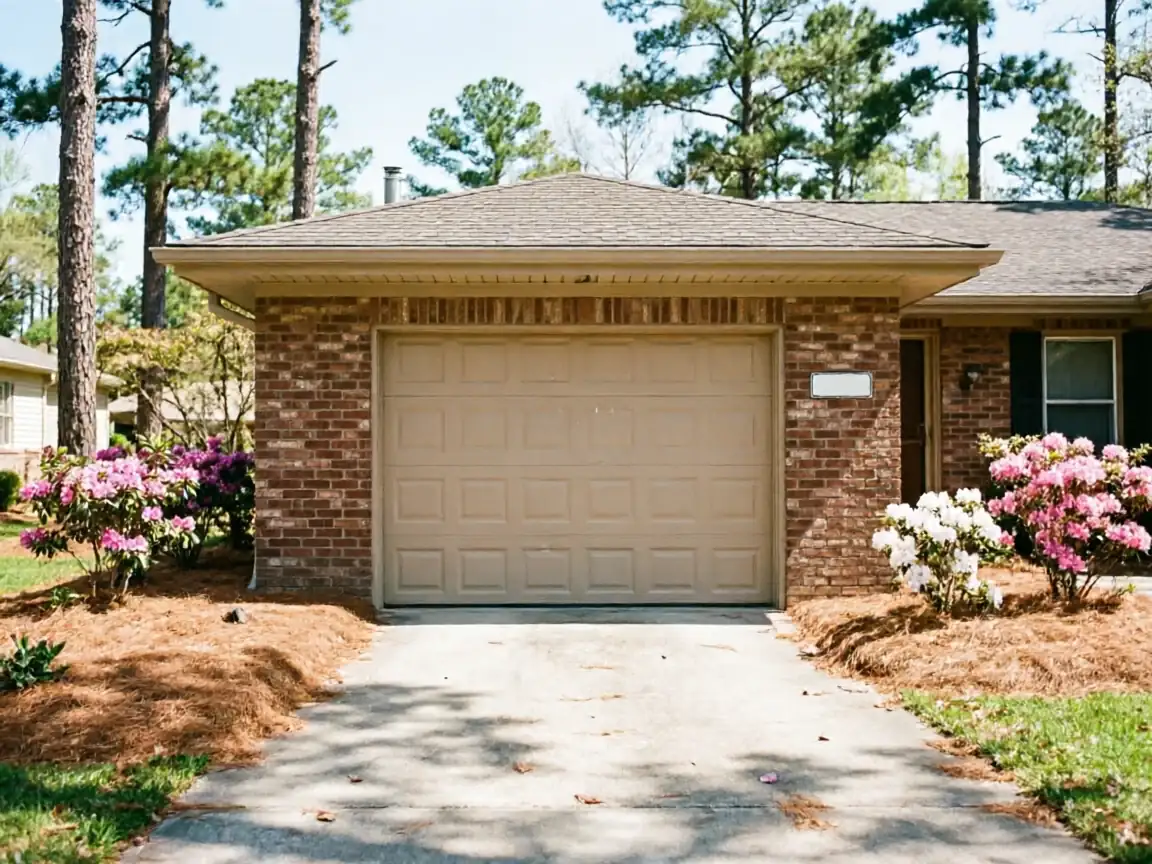
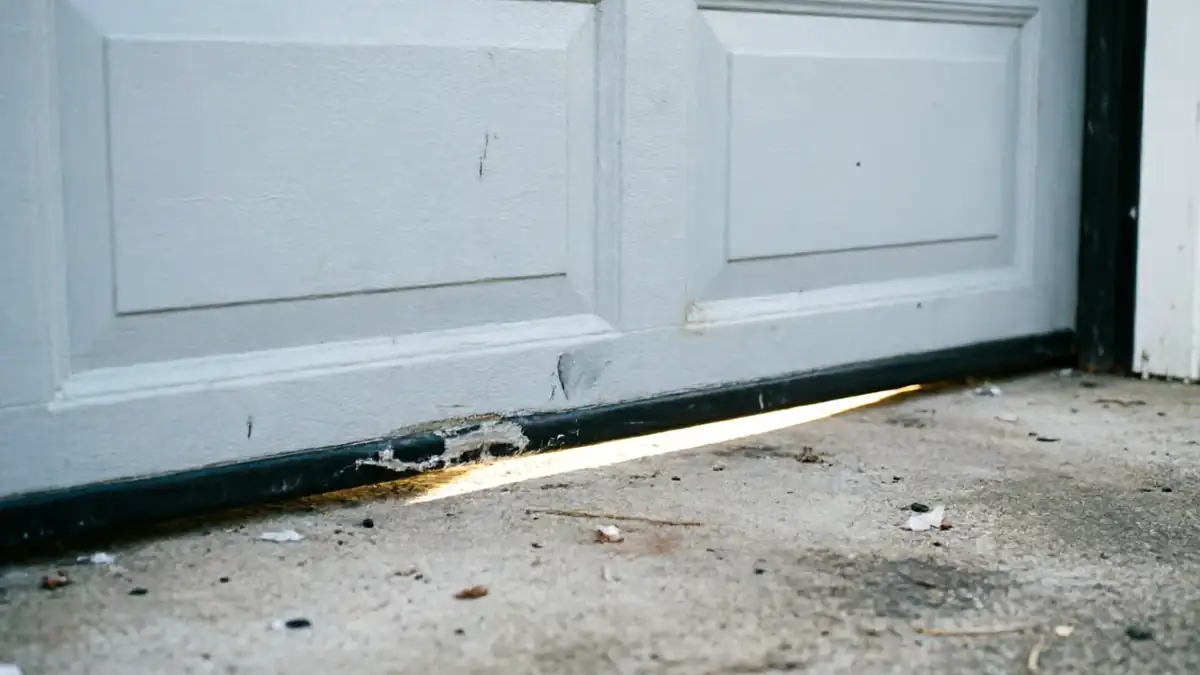
Most garages across this service area sit inside housing built in that same 1940-2001 window, with the bulk of it dating to the 1960s and 70s across the 37 named areas we work in. That matters for seals specifically because doors from that era were framed for weatherstripping standards that don't match what hardware stores sell today. A seal bought off the shelf now is often a slightly different profile than the channel it's going into, so it sits proud or gaps at the frame edges instead of compressing evenly. Owners in Bailey's Crossroads, Lake Barcroft, and the Falls Church side of things run into this constantly - a door that looks sealed but still lets a cold line of air across the slab near the hinge side. The fix isn't always a new seal. Sometimes the track itself has shifted enough over fifty-plus years that no replacement strip will sit right until the track gets reset.
What the Weather Here Does to It
This area sits in a severe cold climate band, which means the seal isn't just keeping out a draft - it's the only thing standing between a heated garage and freeze-thaw cycling that happens over and over through the winter. Vinyl and rubber weatherstripping both get brittle in sustained cold, and on a door that's already decades old, the astragal doesn't flex back after a freeze the way it did when it was new. You get hairline cracks that widen every time the temperature swings. On panel doors from the 1960s-70s stock common to this area, the steel itself contracts enough in a hard freeze that a seal sized right in July can read a quarter-inch short by February. That gap is where the real heat loss happens, not at the weatherstrip itself but at the corner returns where the strip meets the frame.