The Situation
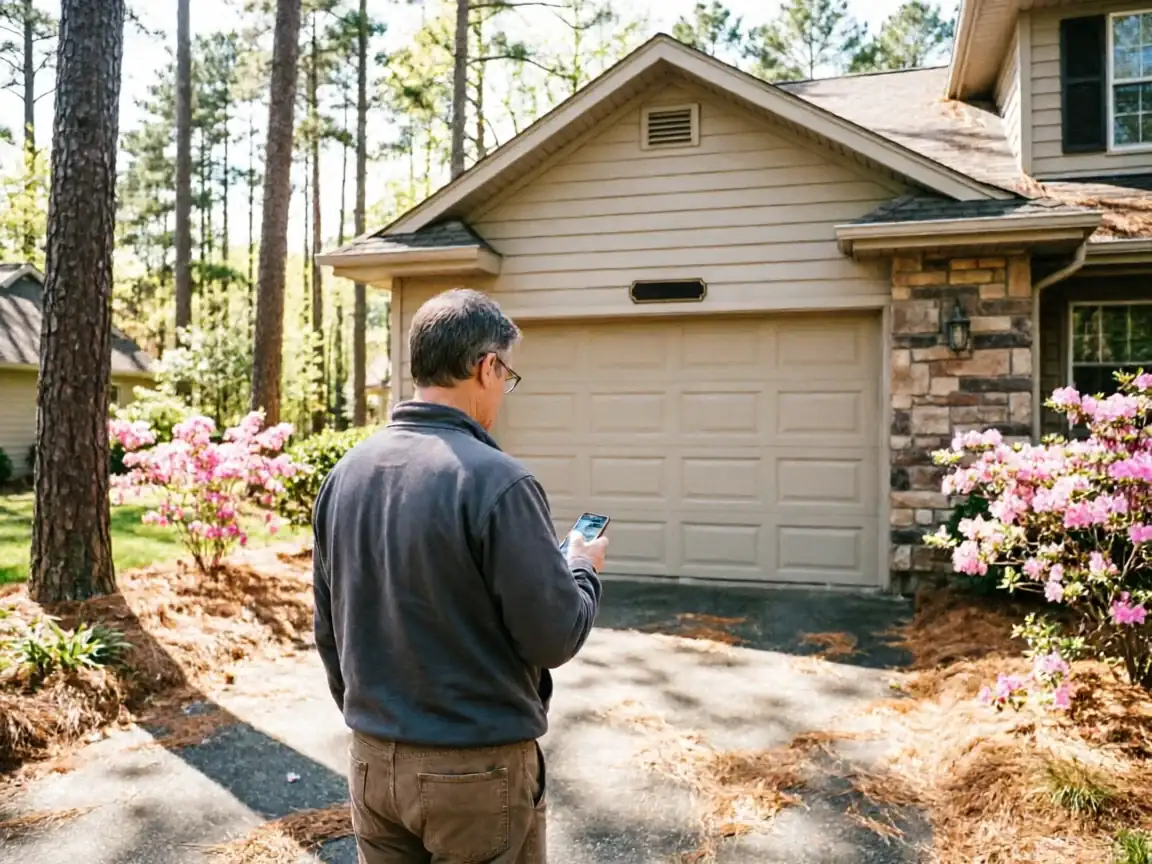
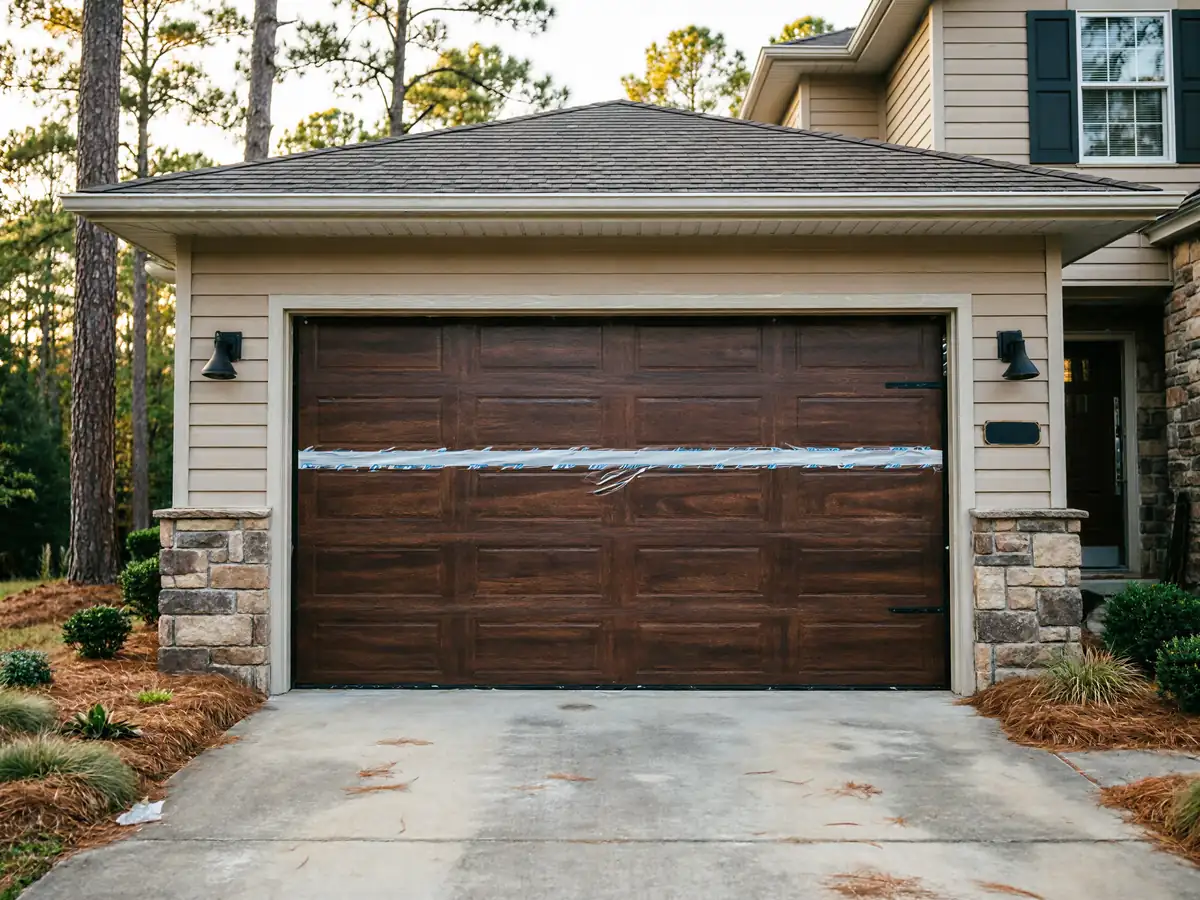
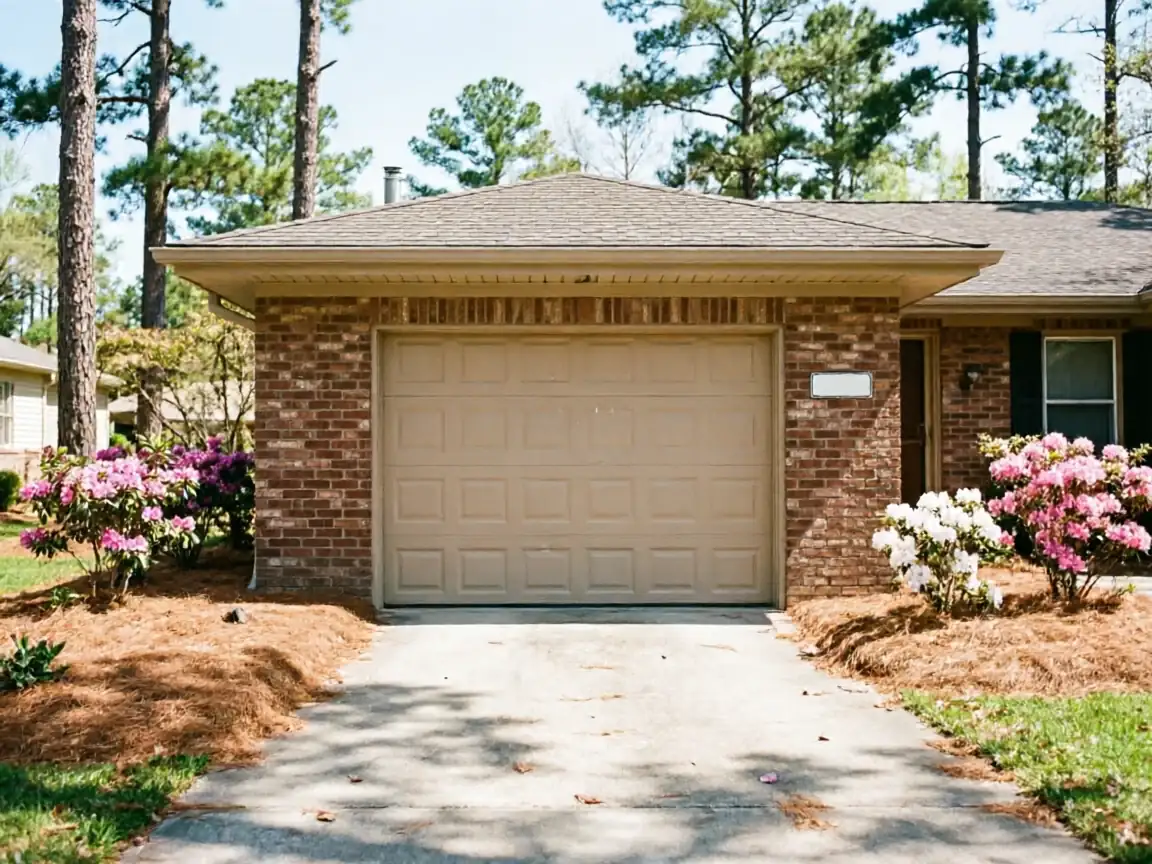
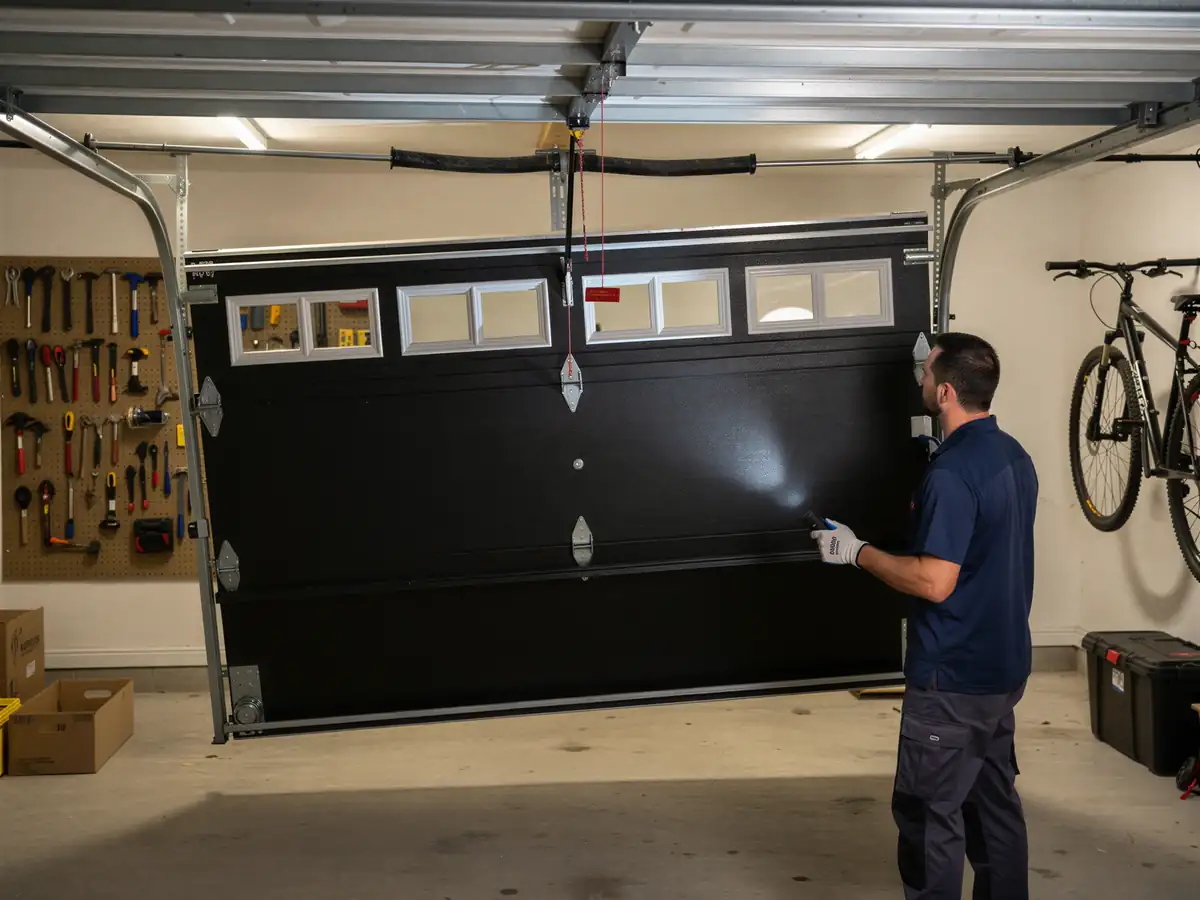
Housing stock across this part of the service area runs built between 1940 and 2001, with the median year sitting around 1976. That means a lot of garage doors predate any insulation requirement entirely - plain steel or wood panels hung on hardware that was never meant to resist a Mid-Atlantic winter. The 37 named communities we cover, from Bailey's Crossroads three miles away to Lorton fourteen miles south, and in close just a mile north-northwest, mostly carry 1960s and 70s construction. Across the service area there are 254,635 households and 88,312 owner-occupied houses, a good share of them sitting on the original door that came with the build. With median household income here at $137,878, a lot of owners can choose full replacement over patch repair when the math on an old, uninsulated door stops making sense. That's the situation we walk into most weeks: a door that's structurally fine but thermally doing almost nothing, on a house old enough that the attached garage was built as storage, not as conditioned space.
What the Weather Here Does to It
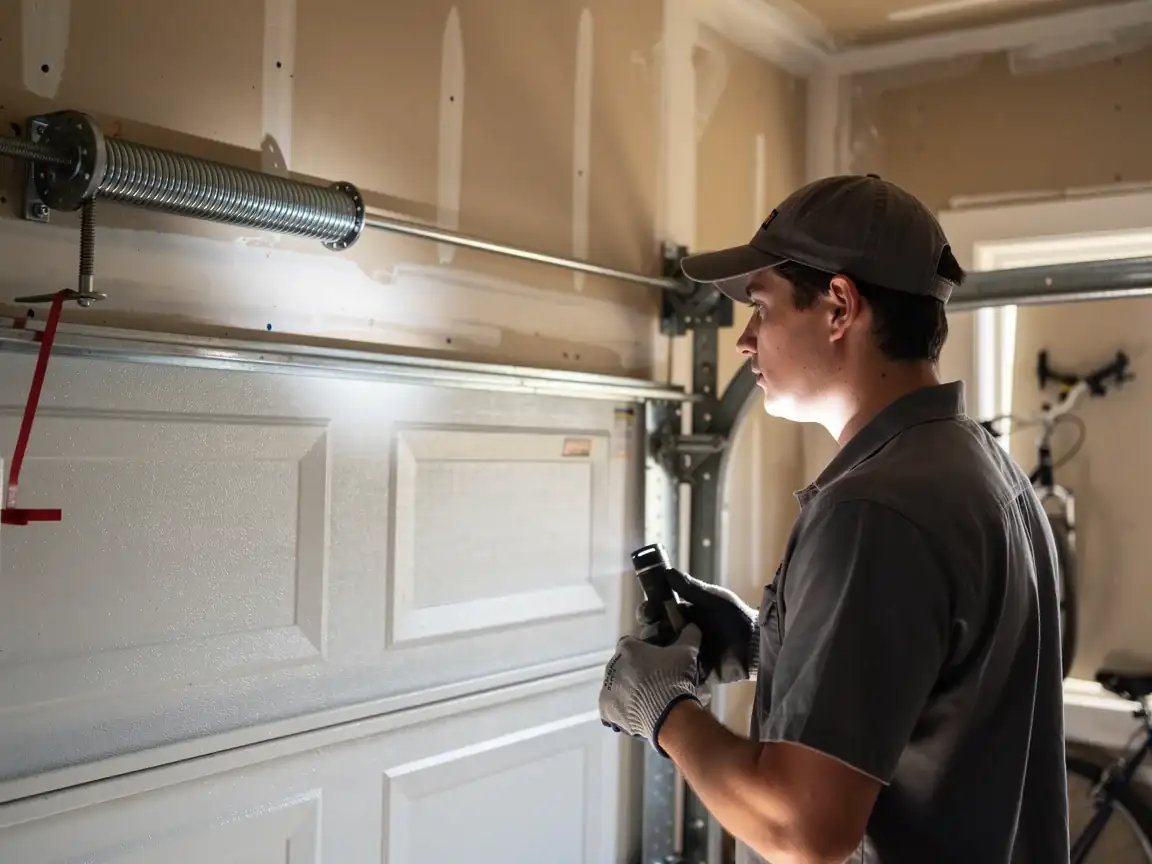
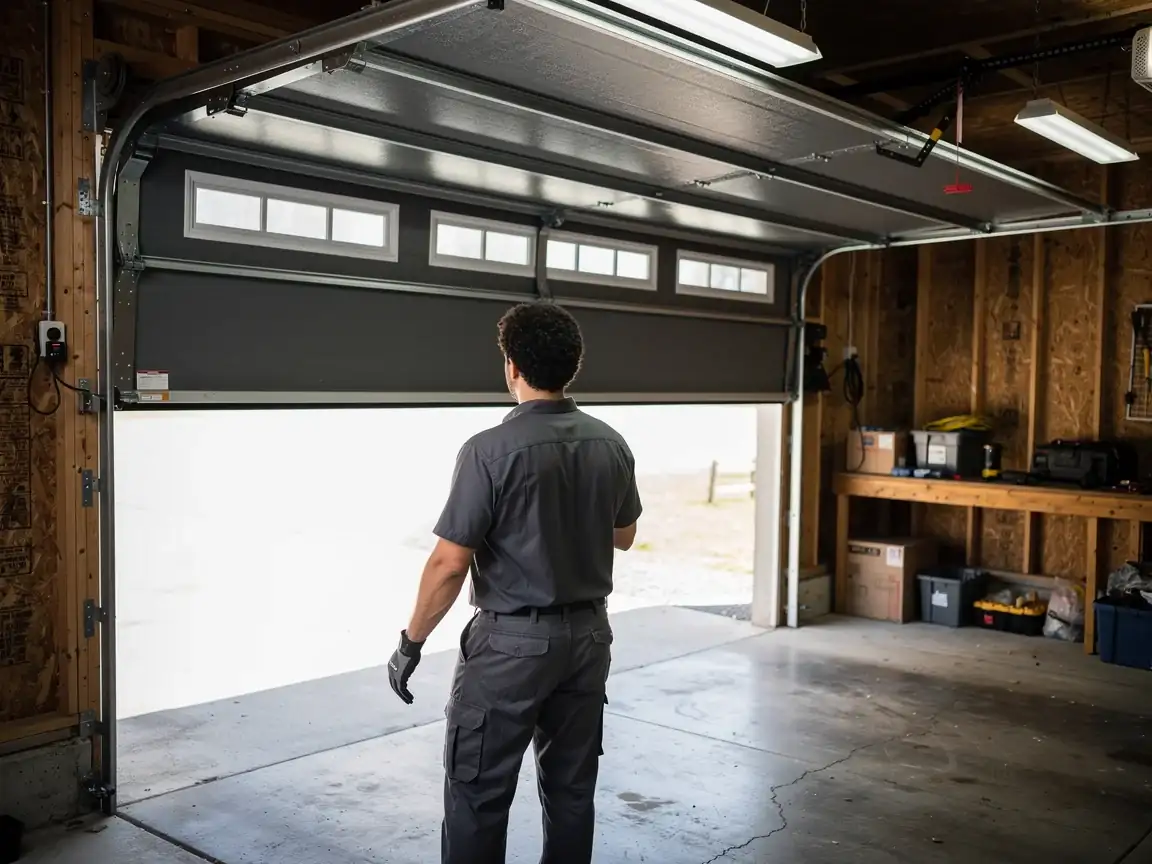
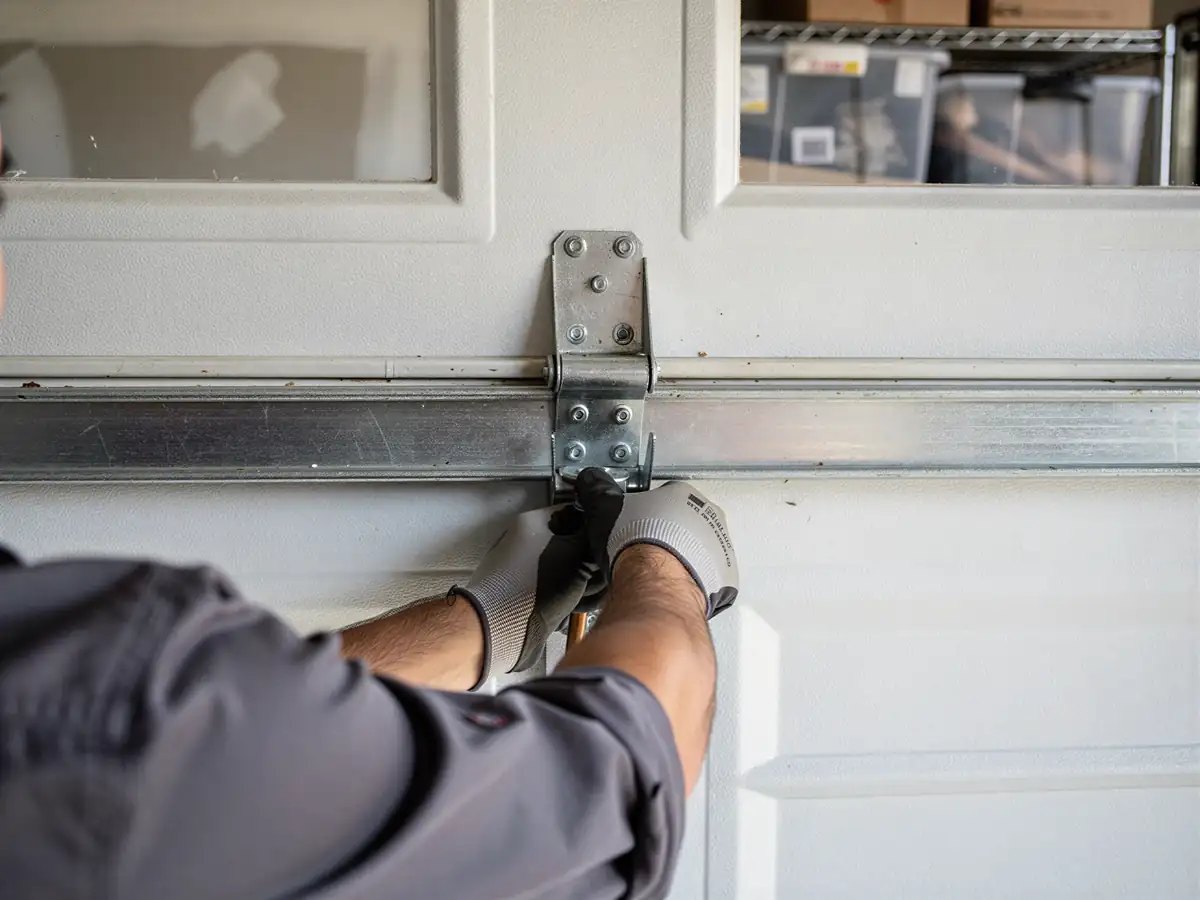
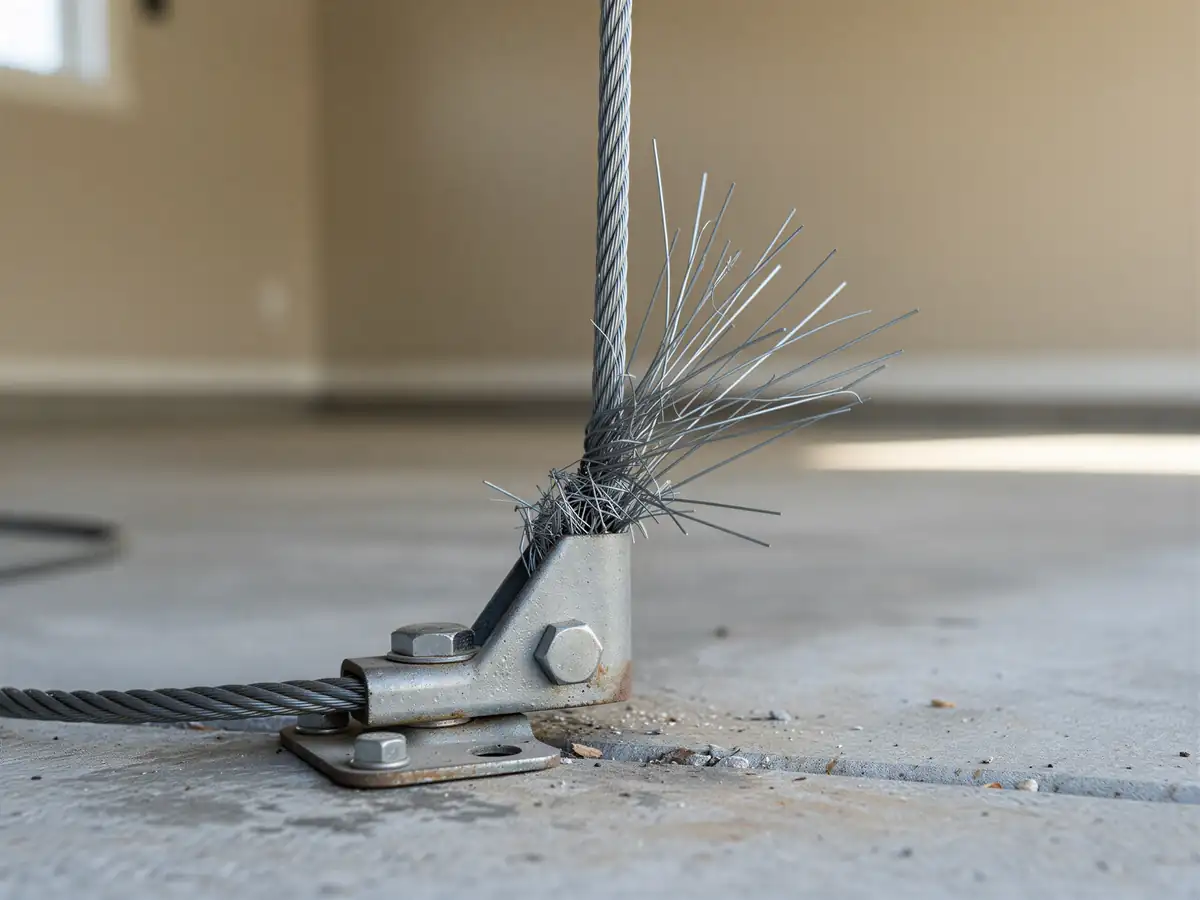
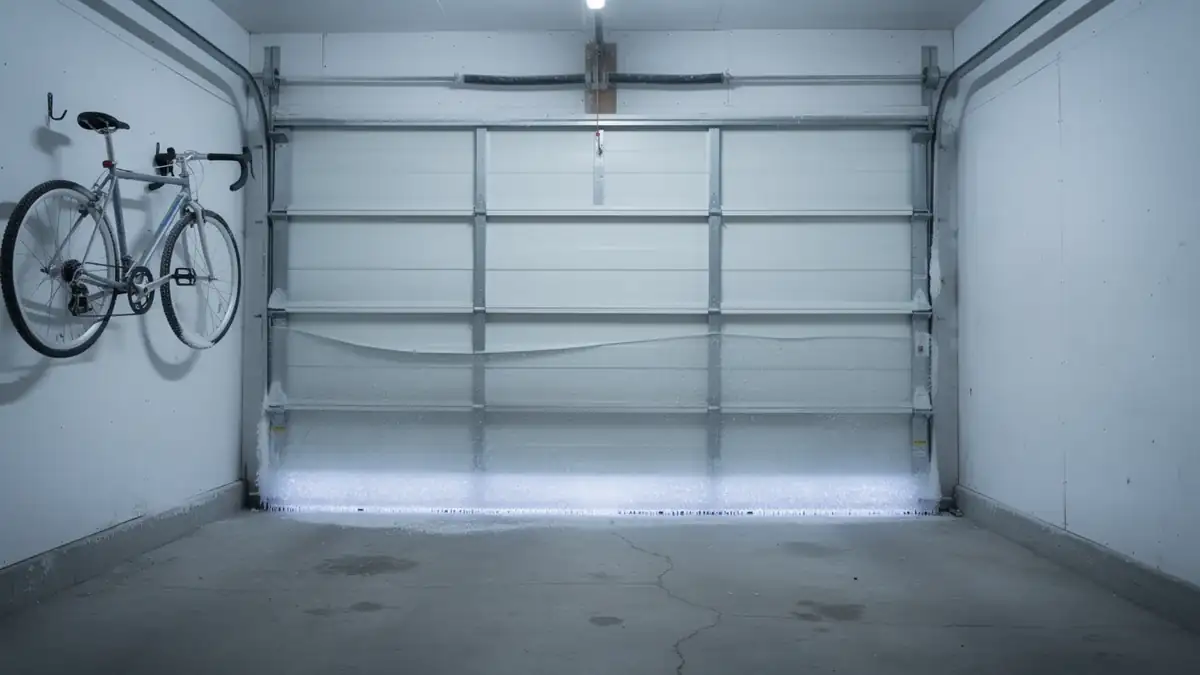
This area sits in a cold-severe climate band, and an uninsulated steel door built during that 1940-2001 run handles it badly. A single layer of steel has almost no resistance to temperature swing: it goes cold fast at night and warms fast in sun, and that daily cycle works on the seams, the weatherstrip, and the track alignment year over year. On wood doors from the same era, the same swing brings moisture into the panel face, and over decades that's warping and delamination, not rust. Torsion springs on these doors were sized for the era's construction, and cold makes the steel in an old spring more brittle right when the door is working hardest to overcome stiff, cold-contracted track. None of this is unique to one winter - it is the accumulated effect of forty to eighty years of a cold-severe climate acting on a panel that was never built with a thermal break. The honest version: insulating the door helps the garage, but it does very little for the attic or walls around it if those weren't built to a later energy code either.