Opener repair for Arlington homes built mostly in the 1960s-70s, where cold winters and aging chain drives cause the most service calls. Same service area, straight talk.
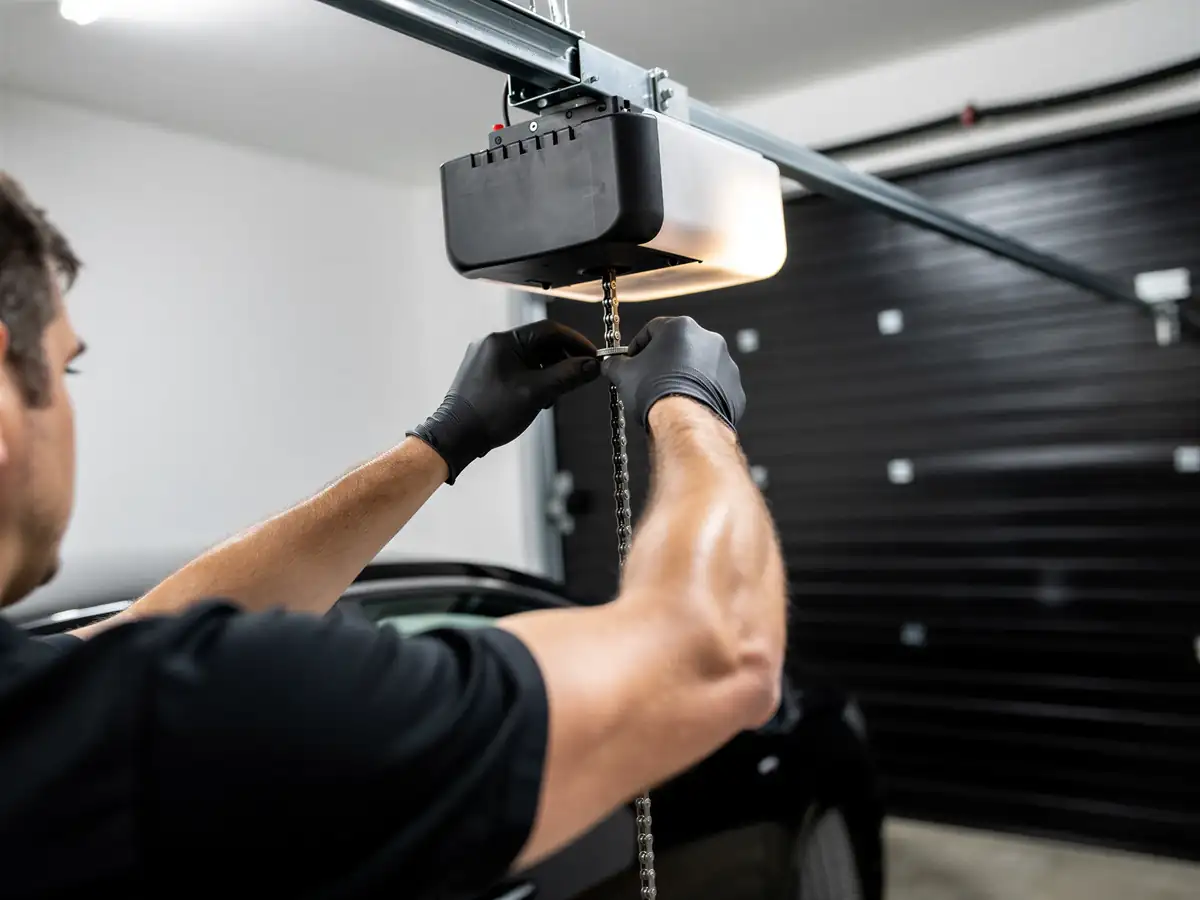
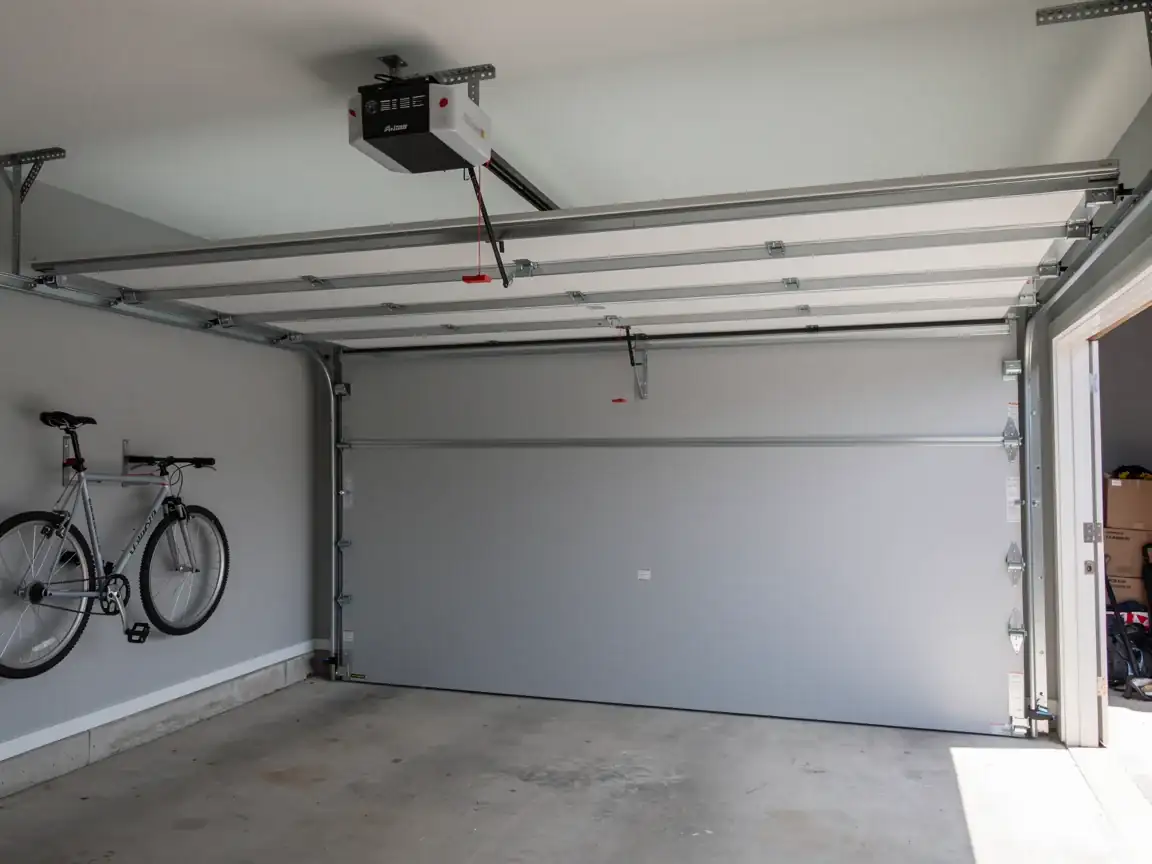
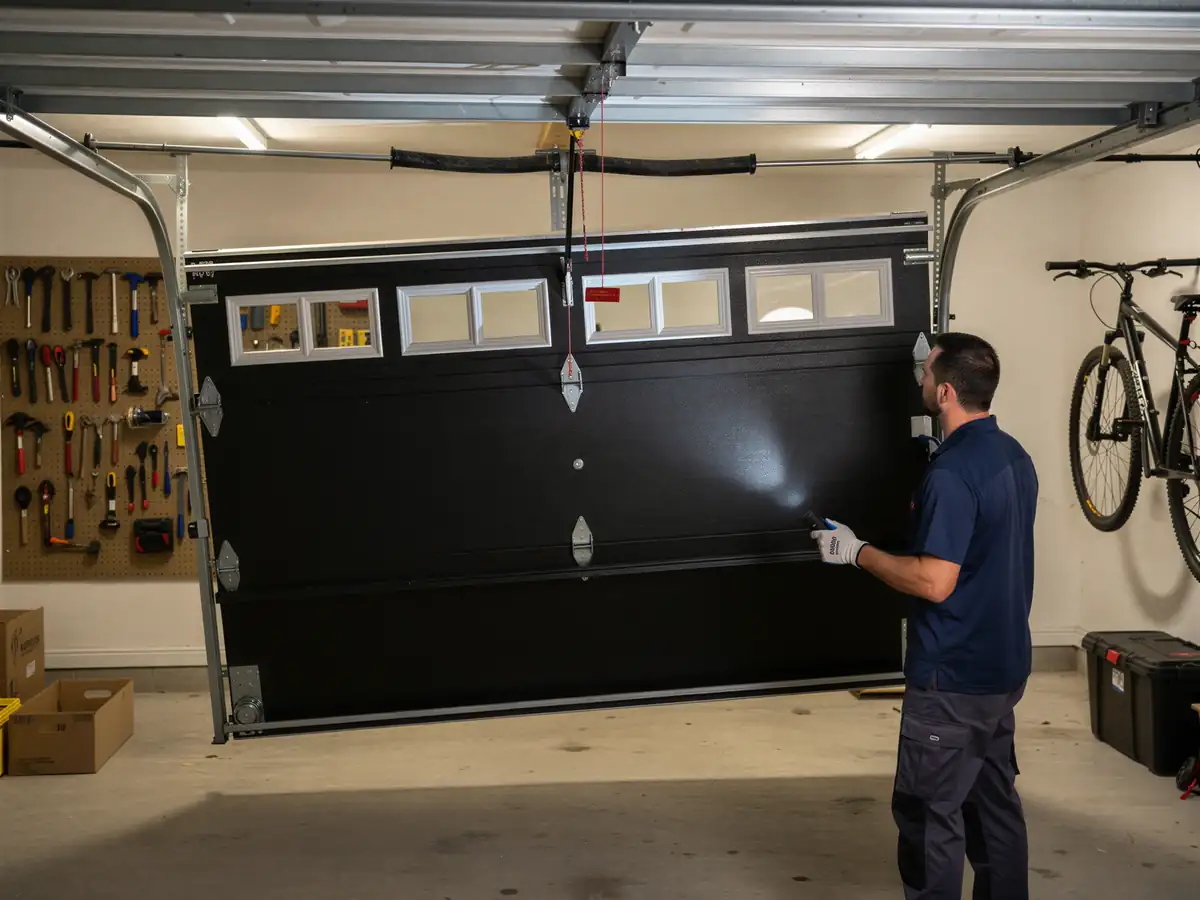
A dead opener doesn't always mean a dead door. Most garage doors in Arlington can still be lifted by hand once the opener is disconnected from the trolley, so you're rarely stuck with a car trapped inside. What takes time is diagnosing which part failed: a burned-out motor capacitor, a stripped gear inside the housing, a logic board that's stopped reading the wall switch, or a safety sensor knocked out of alignment. On a chain-drive unit from the 1980s or 90s, which is common in housing stock across this service area dating back to the 1940s-2001 build range with a median around 1976, parts sometimes have to be sourced rather than pulled off a shelf. A straightforward board or sensor swap is usually a same-visit fix. A gear or motor replacement on an older unit can mean a short wait if the manufacturer no longer stocks the exact part, in which case replacing the opener outright is often faster and not much more expensive than chasing discontinued components.
Can You Do This Yourself
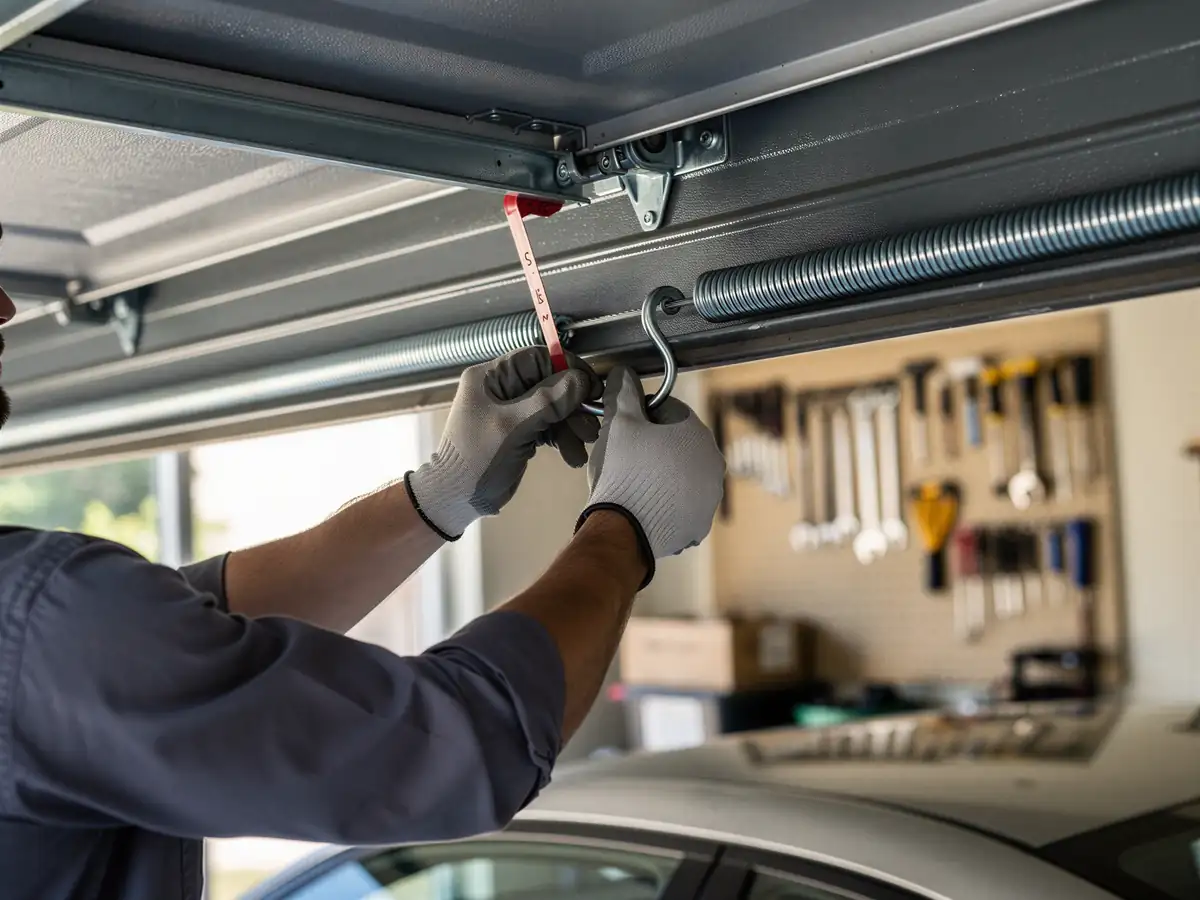
Some of it, yes. Resetting the wall console, replacing the remote battery, cleaning the photo-eye sensor lenses, and re-aiming sensors that have drifted out of alignment are all within reach for most homeowners with a screwdriver and some patience. Where we draw the line is anything involving the opener's internal gearing, the high-voltage side of the motor housing, or travel-limit adjustments on a unit paired with a torsion spring system - get the limits wrong and the door can slam or reverse unpredictably. If your opener is a belt or chain drive installed before the mid-2000s, we also won't recommend forcing compatibility with a newer smart-home add-on; the control board often can't handle it, and that's a case where replacement beats patching.
How It Shows Up
The most common call we get is a door that won't respond to the remote or wall button at all, usually traced to a failed capacitor or a board that's given out after years of cold-weather cycling. Close behind is a door that starts to close and reverses immediately, which almost always points to a dirty or misaligned safety sensor rather than the motor itself. Grinding or clicking from the opener housing without the door moving usually means a stripped drive gear, a known failure point on chain-drive units that have logged a couple decades of use. Less often, the opener runs but the door doesn't fully open or close, which is a travel-limit or force-setting issue rather than a motor problem. Each of these points to a different part, which is why a phone diagnosis only gets you so far.
Why It Happens Here
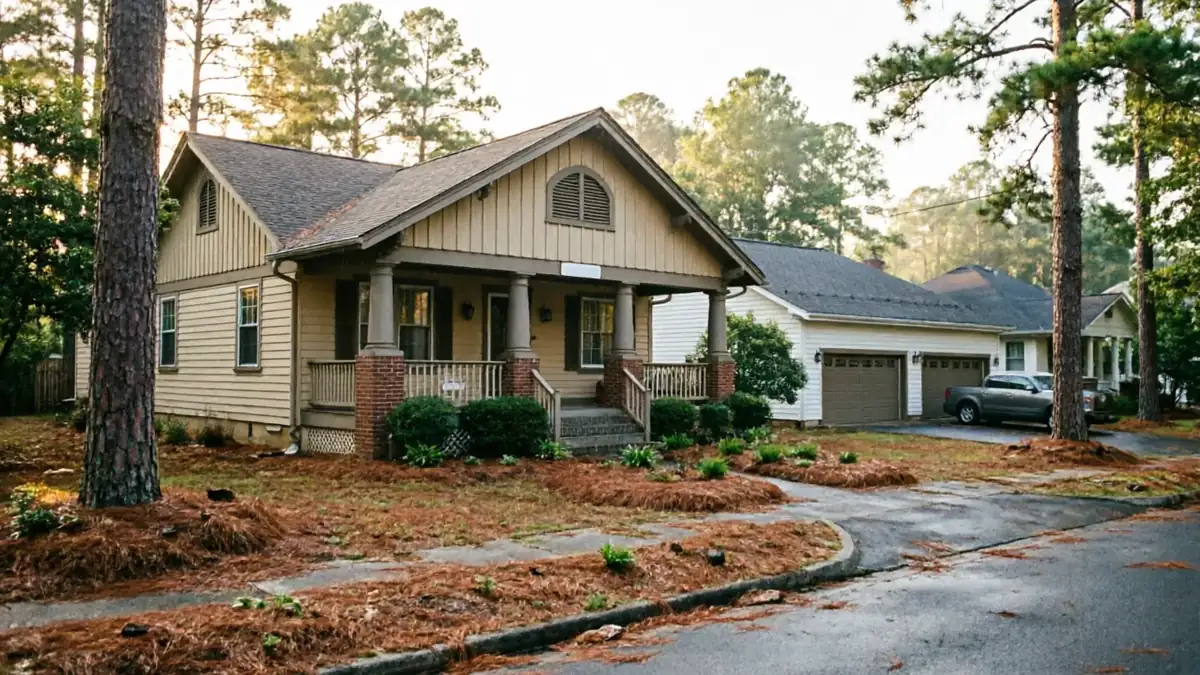
Housing across the Arlington service area was mostly built between 1940 and 2001, with a lot of it concentrated in the 1960s and 70s construction boom across the more than three dozen named communities we cover, from Bailey's Crossroads and Falls Church out to Lorton and Fort Belvoir. Openers installed during that era, or replaced once already since then, are now old enough that capacitors dry out, gears wear down, and circuit boards age past their reliable service life. Layer on a climate band classified as severe cold, and you get an added strain: winter cold makes lubricant inside the gear housing stiffen, motors draw more current to overcome that resistance, and capacitors that are already marginal tend to fail on the coldest mornings rather than in July. It's not that garage door openers break more often here than anywhere else - it's that the combination of an aging housing stock and a harsh winter climate pushes aging parts toward failure on a predictable schedule.
How it works
From “it’s stuck” to “it’s fixed”
1
Tell us what’s wrong
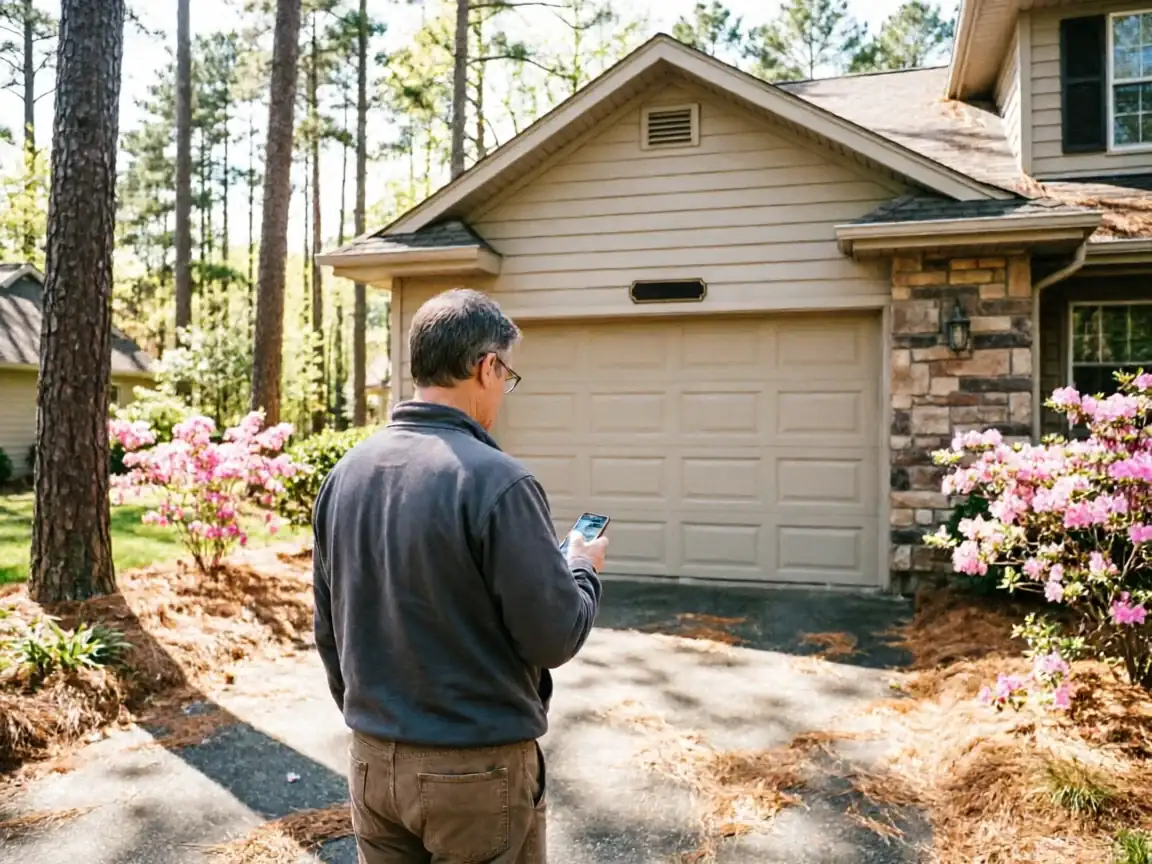
Describe the symptom - won’t open, loud bang, opener runs but the door won’t move.
2
On-site diagnosis
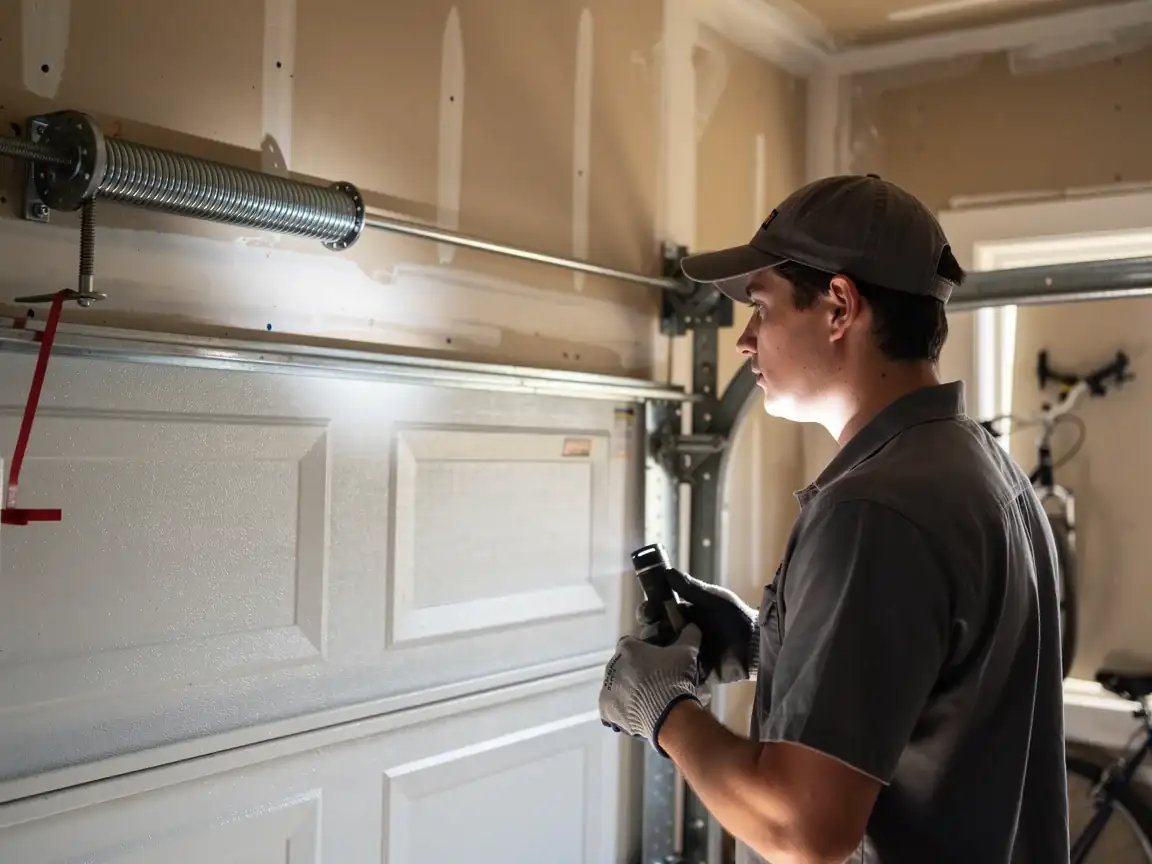
A technician tests the door under power and by hand and finds what actually failed.
3
Clear, up-front plan
You get the fix that’s needed and what drives the cost - before any work starts.
4
Repaired & tested
The repair is done, the door is set true and tested, and the work area left clean.
Not sure which repair your door needs in Arlington, VA? Describe what it’s doing - every job starts with a diagnosis.
Cold stiffens the lubricant inside the opener's gear housing and makes the motor work harder to get moving, which puts extra load on a capacitor or board that's already near the end of its life. In a climate band classified as severe cold, that extra strain during winter months is often what finally pushes a marginal part into full failure.
My door won't close and the light blinks - what does that mean?
That's almost always the safety sensors, not the motor. Dirt, spider webs, or a sensor knocked slightly out of alignment will make the opener refuse to complete a close cycle as a safety measure. Check that both sensor lenses are clean and facing each other directly before calling for a repair.
Is it worth repairing an opener from the 1990s?
Sometimes, if it's a board or sensor issue. If the motor or main gear has failed, parts for units that old are often discontinued, and a new opener with a modern safety-reversal system can cost about the same as hunting down an obsolete part.
Do you repair openers paired with older torsion spring doors?
Yes, though we're careful with travel-limit adjustments on these setups since incorrect settings can cause the door to reverse or close with too much force. We check the full system, not just the opener, before making adjustments.
Ready to get your garage door sorted?
Tell us what it’s doing and where you are in Arlington - we’ll take it from there.