How Long You Are Without the Door
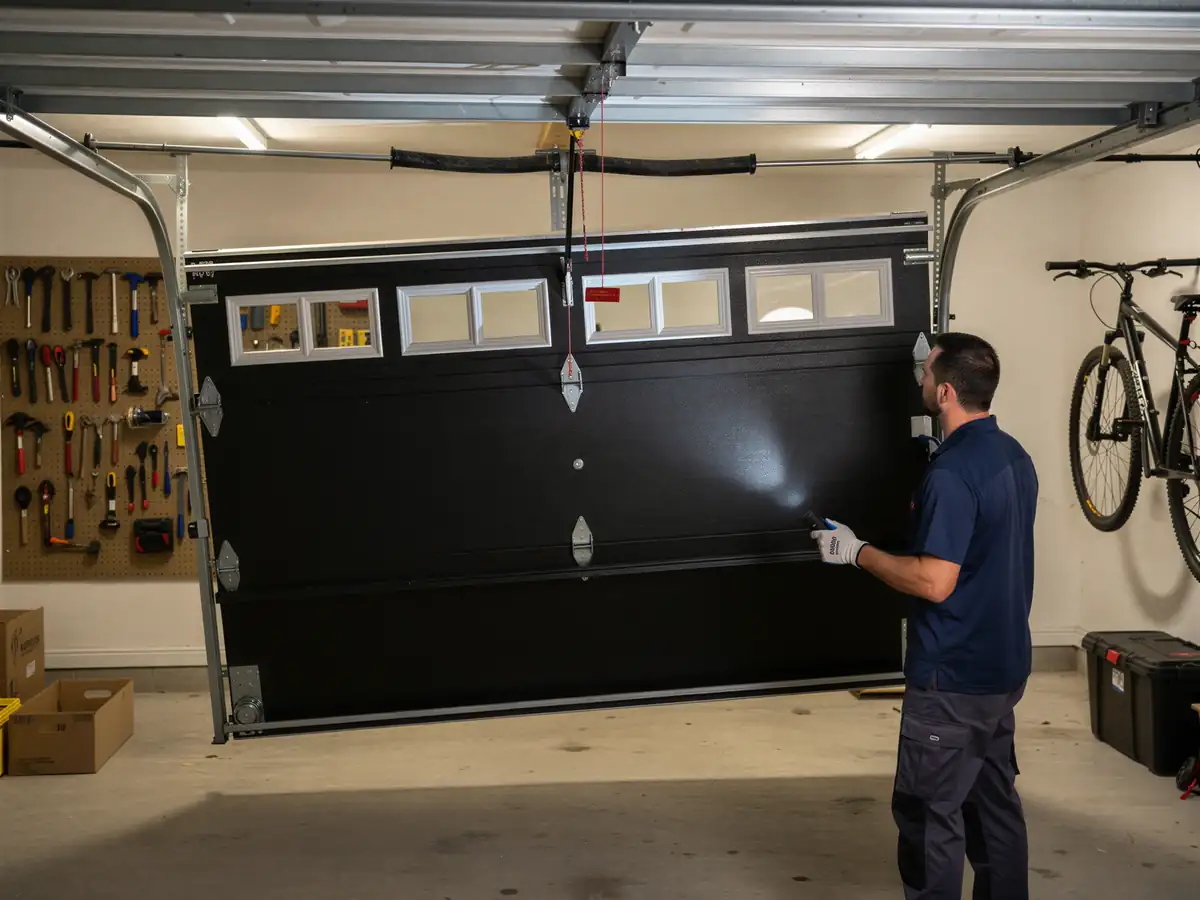
A broken lift cable almost always means the door won't move at all
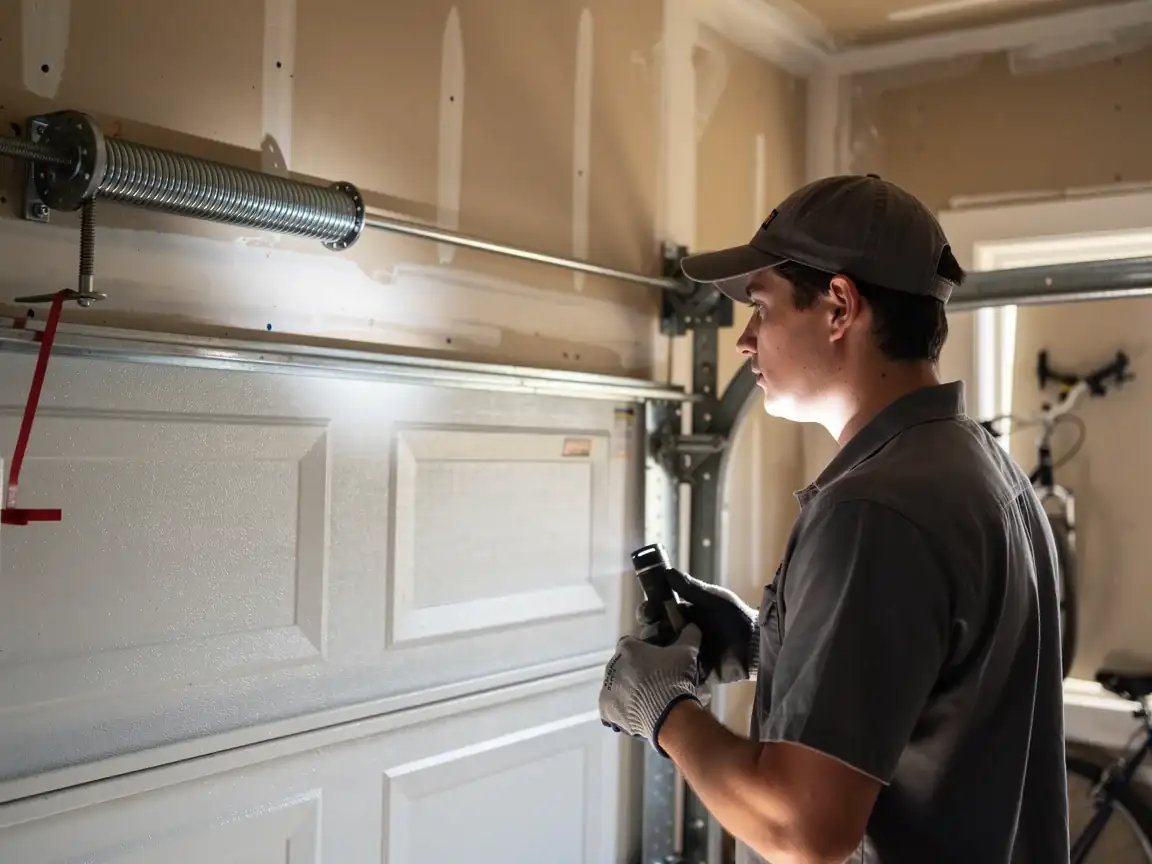
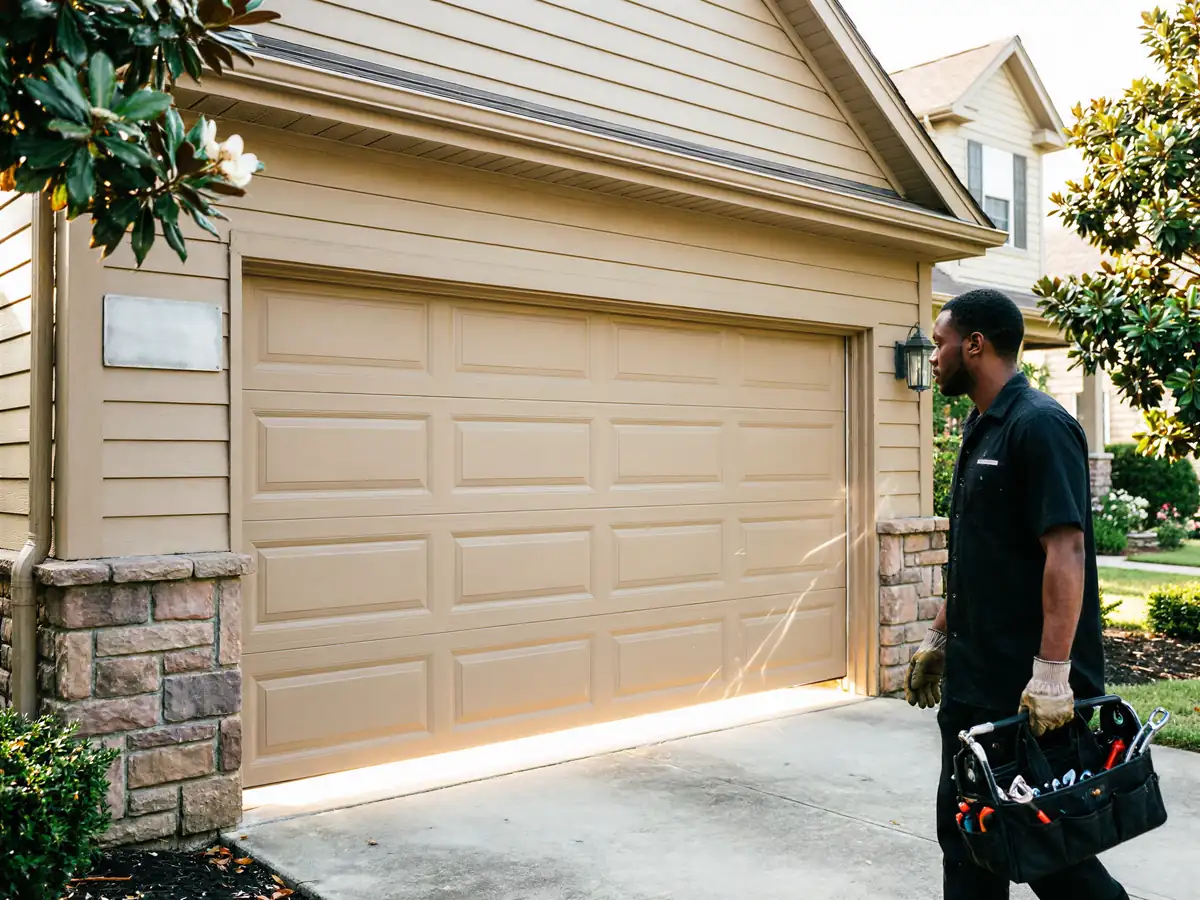
Or it moves a few inches and binds. That's the spring side still holding tension it can no longer transfer evenly, and it's not something to force past with the opener. Once we're on site, a straight cable swap on a standard double or single door is usually a same-visit job - new cable, new drum if the old one's grooved, and a balance check so the opener isn't fighting the springs afterward.
Where it runs longer is parts
Some of the older torsion setups still in use on houses from the 1960s and 70s take a cable length or drum size that isn't something every supplier stocks on the truck. If your hardware is one of those, we'll tell you straight that it might mean a short wait on a part rather than a same-day fix. We'd rather say that up front than promise a fix we can't deliver that day.
Either way, the door stays down and locked manually until the cable's replaced
Driving it on a broken or badly frayed cable risks the second cable going too, and that turns a one-side repair into a full cable and drum job on both sides.
Can You Do This Yourself
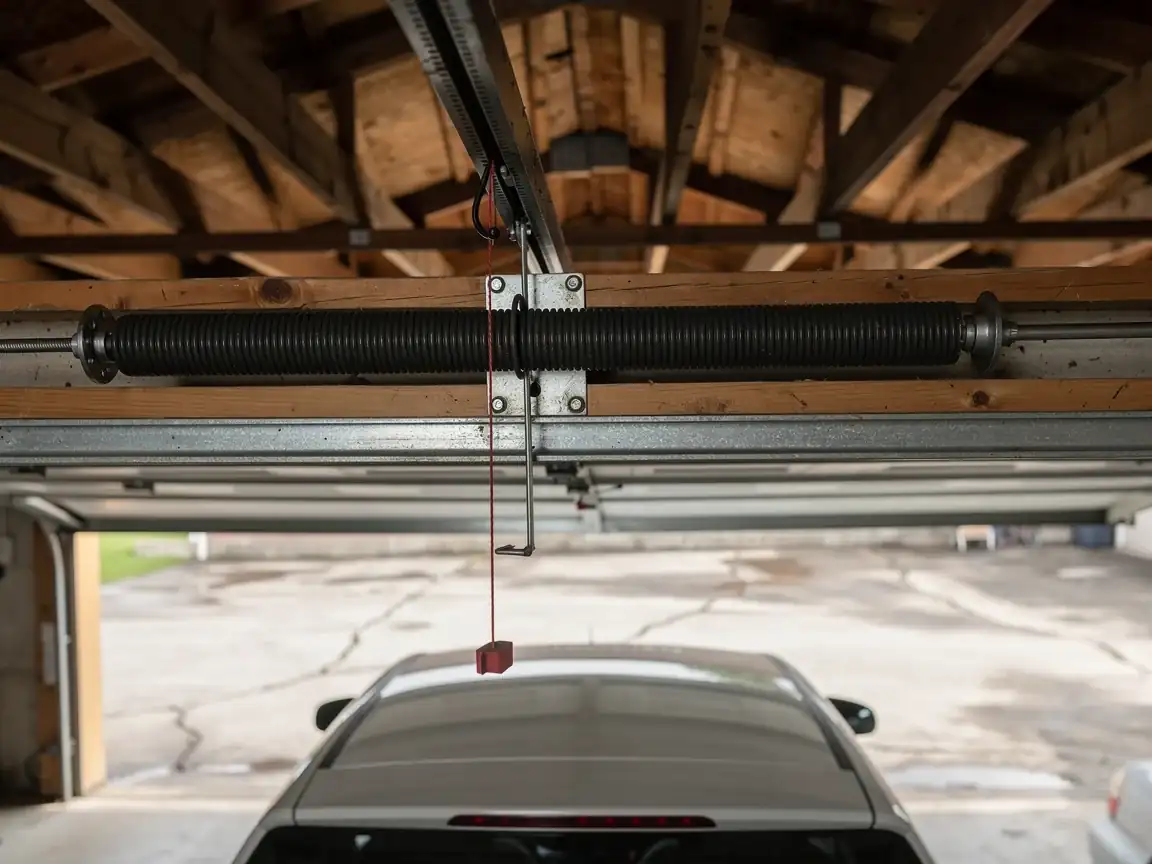
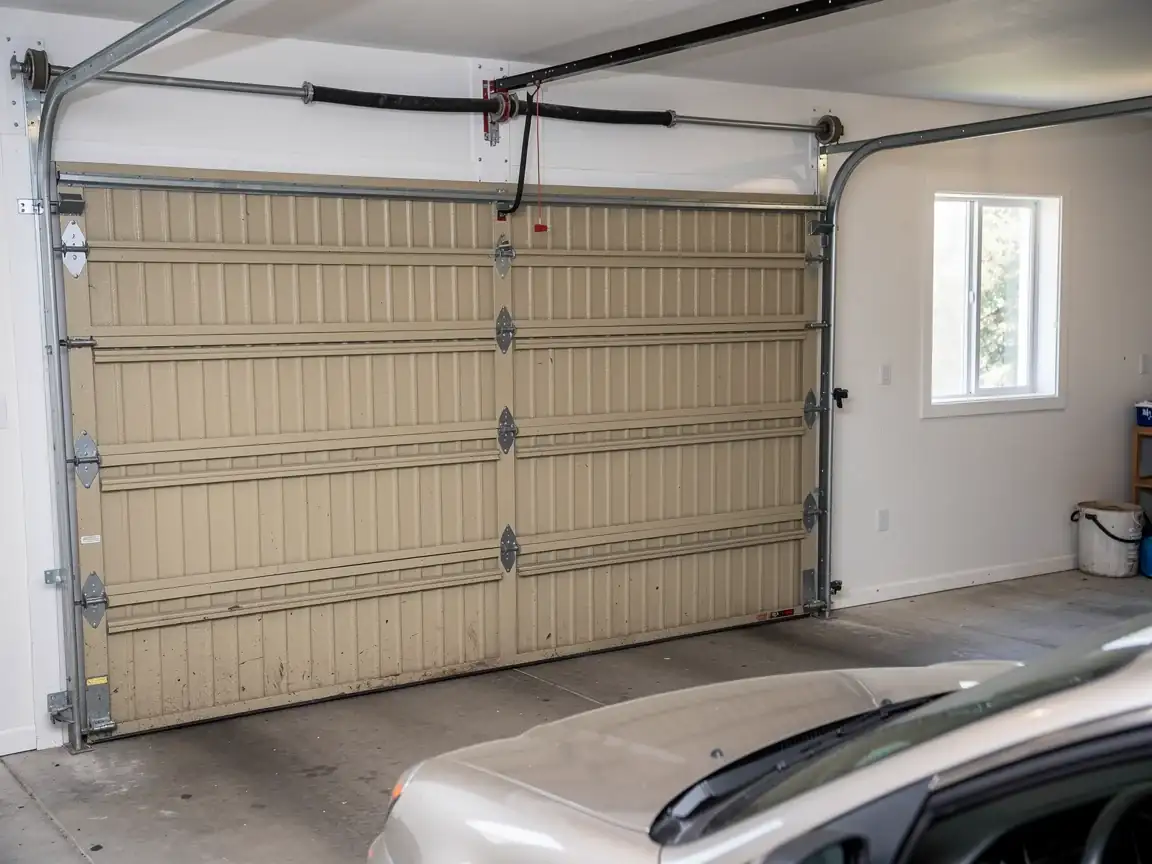
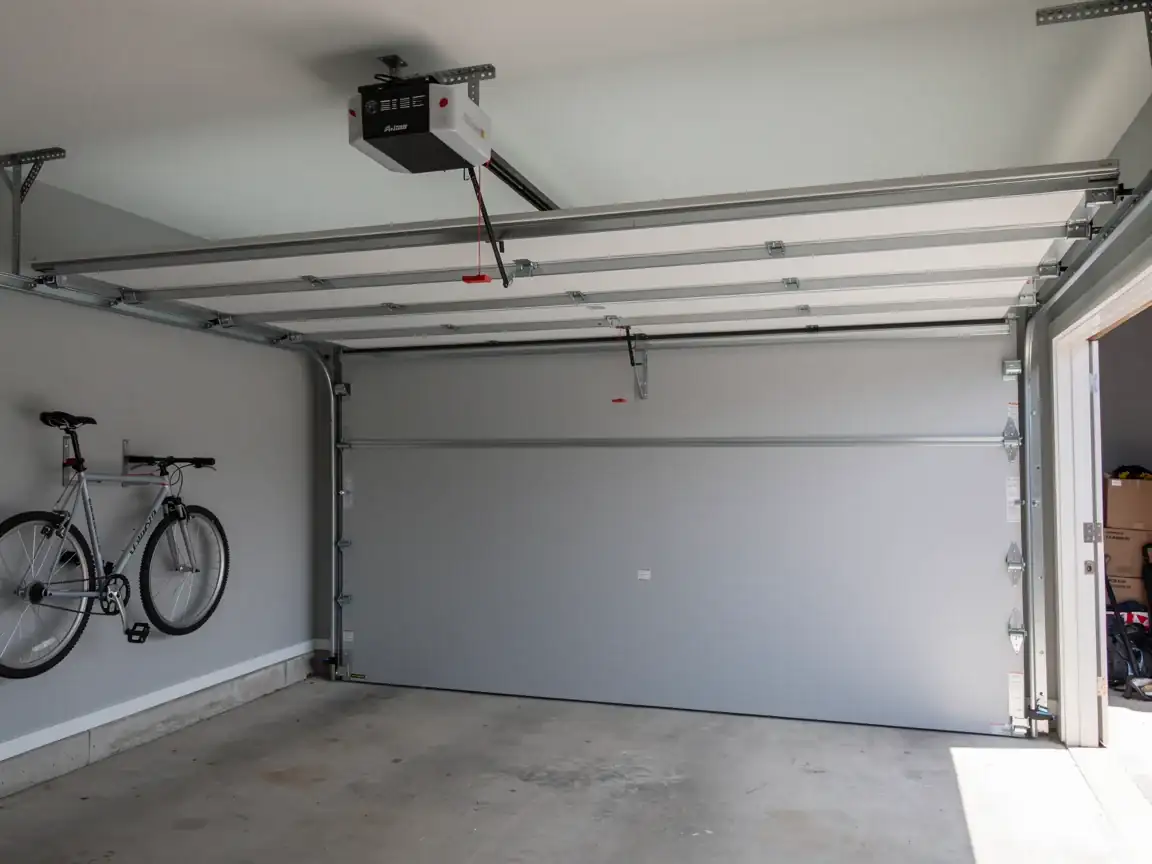
A garage door cable runs under real tension from the torsion or extension springs, and that tension doesn't go away just because the cable snapped. Pulling a sagging door open by hand, or trying to re-seat a cable that's slipped off a drum, puts you working next to a loaded spring with no idea how much force is left in it. That's the part of this job that sends people to urgent care, not the cable itself.
If the cable has simply slipped off the drum rather than broken - which happens on older, worn hardware - you can sometimes see daylight between the cable and the track and confirm that visually without touching anything. Past that, we'd tell you to leave it. There's no shame in it; this is one of the few jobs in a house where the tools matter less than the clamps and winding bars, and most owners don't have either.
One honest limit: if the cable broke because the drum itself is cracked or the shaft is bent, a cable swap alone won't hold. We'll flag that before we quote a cable-only fix, because replacing just the cable on a damaged drum means you're back to a stuck door within weeks.
How It Shows Up
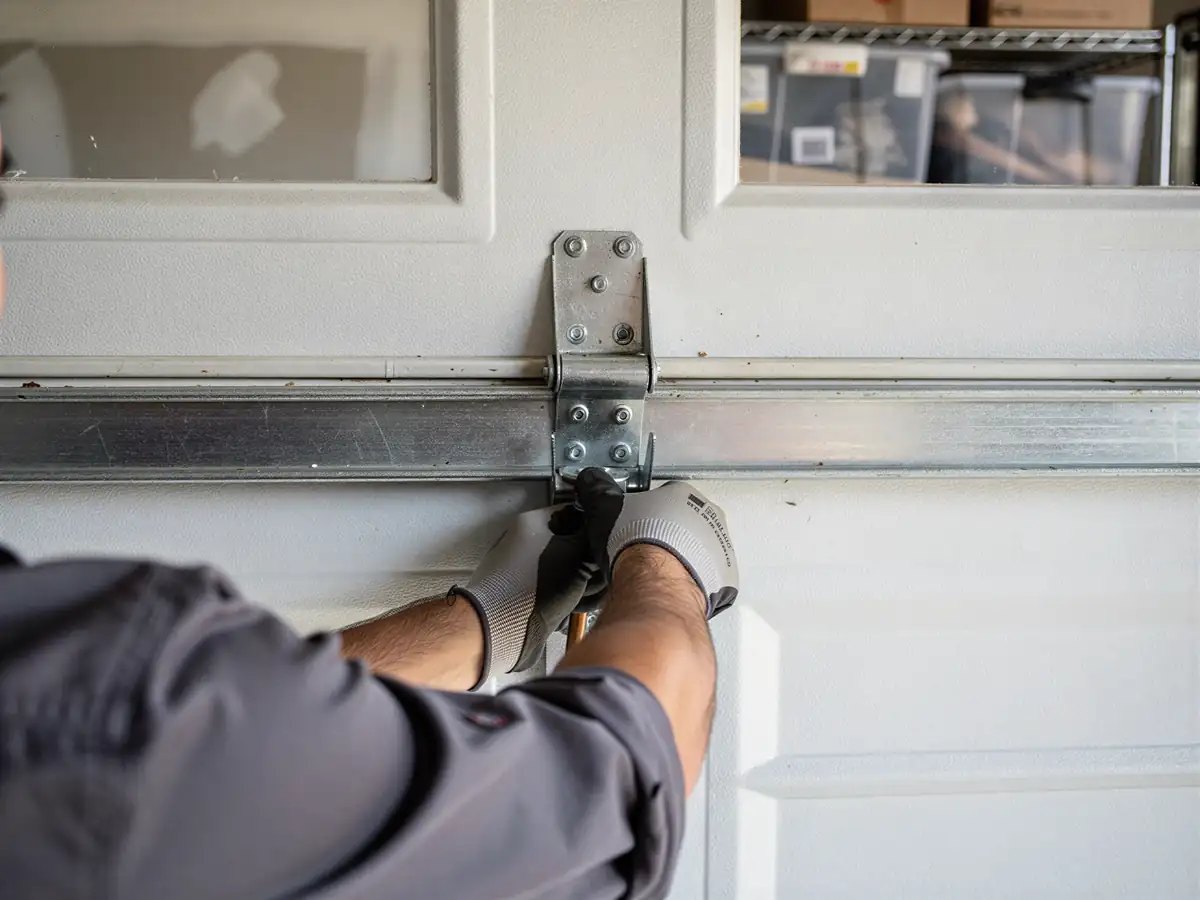
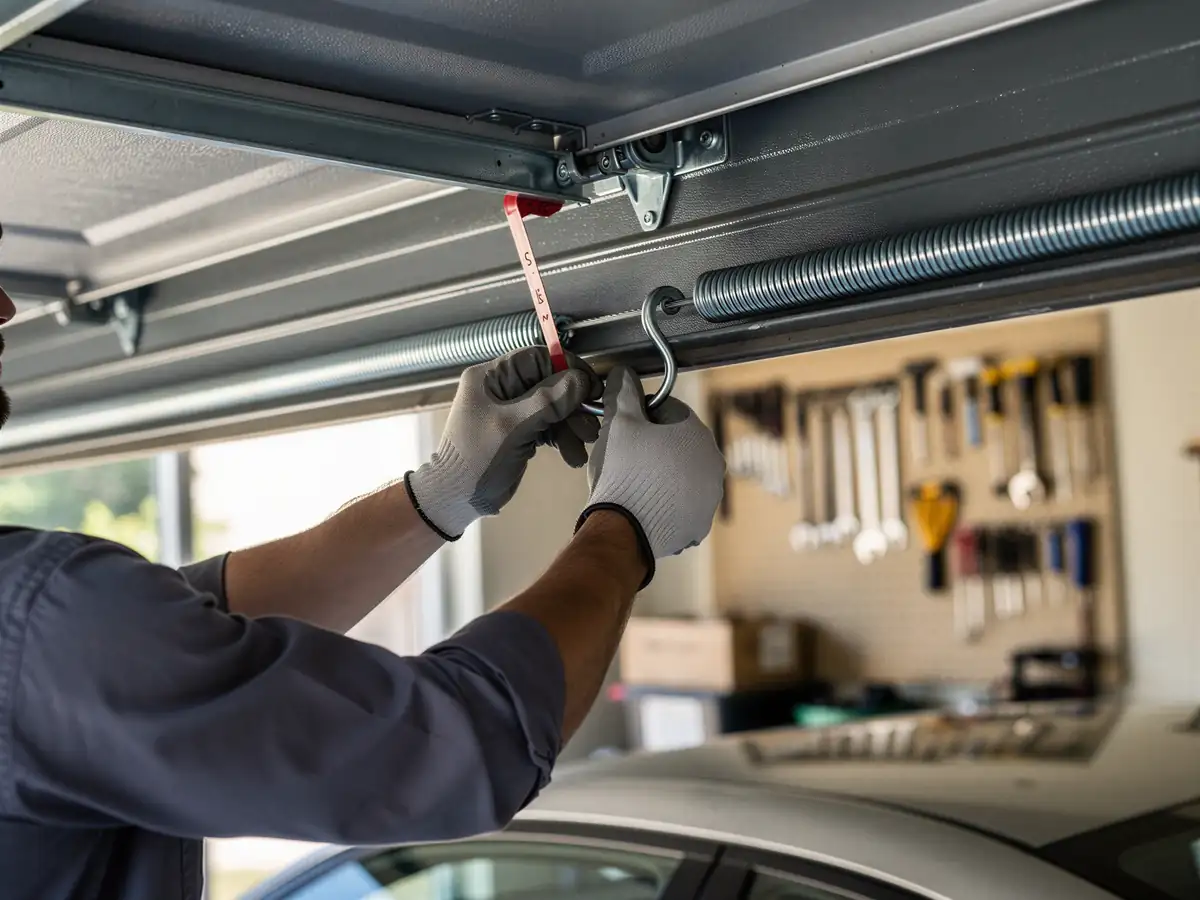
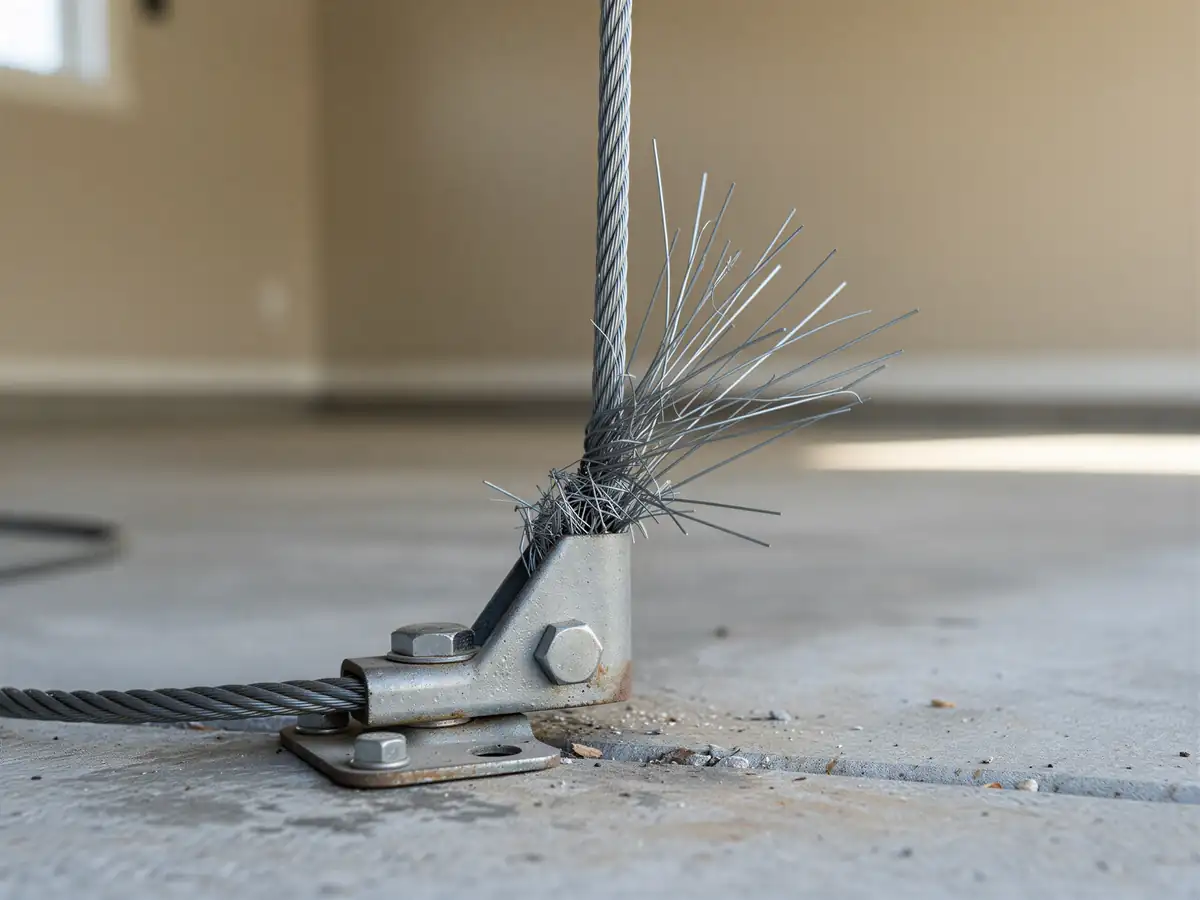
Most cable failures don't happen without warning, even if the warning gets ignored. Fraying shows as individual strands popping loose near the bottom bracket or where the cable wraps the drum - you'll see small hooks of wire standing away from the main line. A door that starts closing unevenly, dropping faster on one side than the other, usually means one cable has already stretched or partly separated and is carrying less load than its partner.
A full snap is loud. The door drops suddenly on one side, sometimes just an inch or two before the opener's safety reverse catches it, sometimes further if the door was already most of the way down. You'll often hear it before you see it - a sharp pop followed by the door sagging crooked in the track.
Rust at the cable's lower loop or around the drum is the other common sign, and on older galvanized cable it can eat through the strands from the inside before the outside looks bad. If you've noticed a grinding or clicking near the top of the door that wasn't there before, that's frequently the early stage of a cable walking off a worn drum groove - worth a look before it goes all the way.
Why It Happens Here
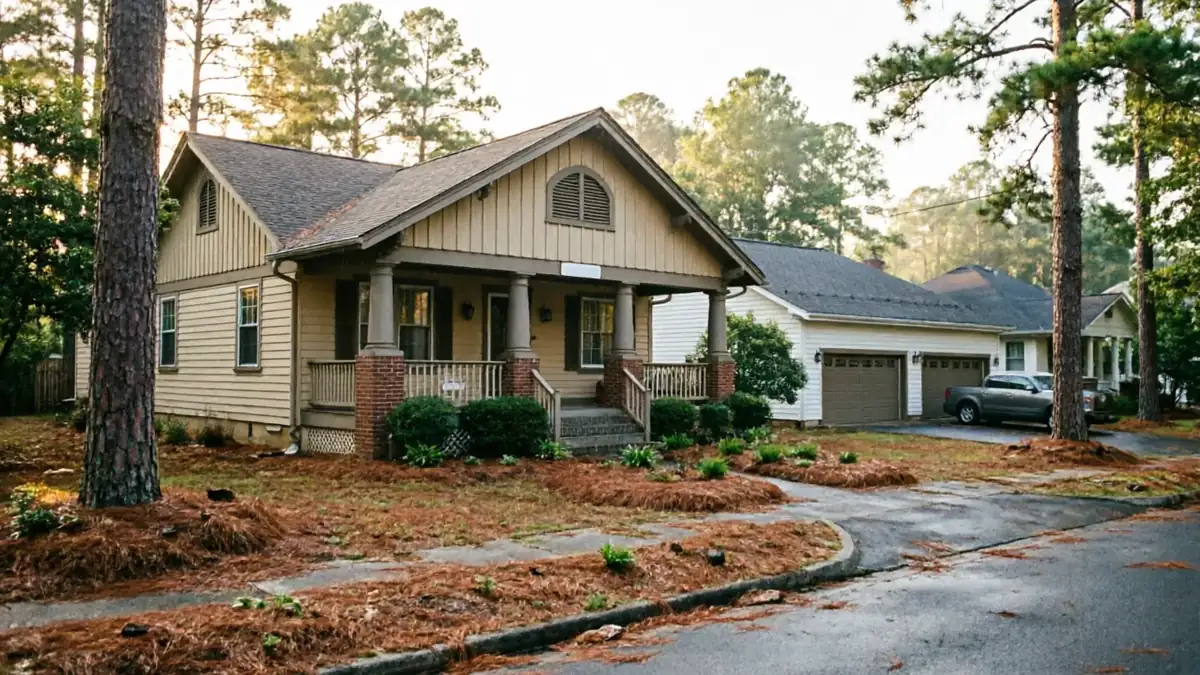
Housing across this service area was mostly built between 1940 and 2001
With the typical home dating to 1976, and a large share of that stock clustered in the 1960s and 70s across the 37 communities we cover. Doors and hardware from that era were built with galvanized steel cable that was standard for its time but isn't rated the way modern coated cable is, and a lot of it is still the original installation on houses that haven't had the door itself replaced.
- 37 communities
The climate band here is classified as cold and severe
And that matters for cable specifically: steel cable that goes through repeated freeze-thaw cycles each winter develops micro-fractures in the strands faster than it would in a milder climate, especially once the factory coating has worn thin from decades of use. Combine that with original 1960s-70s hardware that was never upgraded, and cable failure becomes one of the more common calls we get across the roughly 88,000 owner-occupied houses in this area, not an occasional fluke.
- 88,000 owner-occupied
Newer doors with modern coated cable hold up noticeably better
But swapping cable alone doesn't fix hardware that's reaching the end of its service life - sometimes the honest answer is that the cable is the symptom, not the whole problem.