When the Power Drops, Your Opener Is the Weak Link
Arlington homes built mostly in the 1960s-70s run openers that weren't built for today's outages. Here's what breaks when the power drops and when to call.
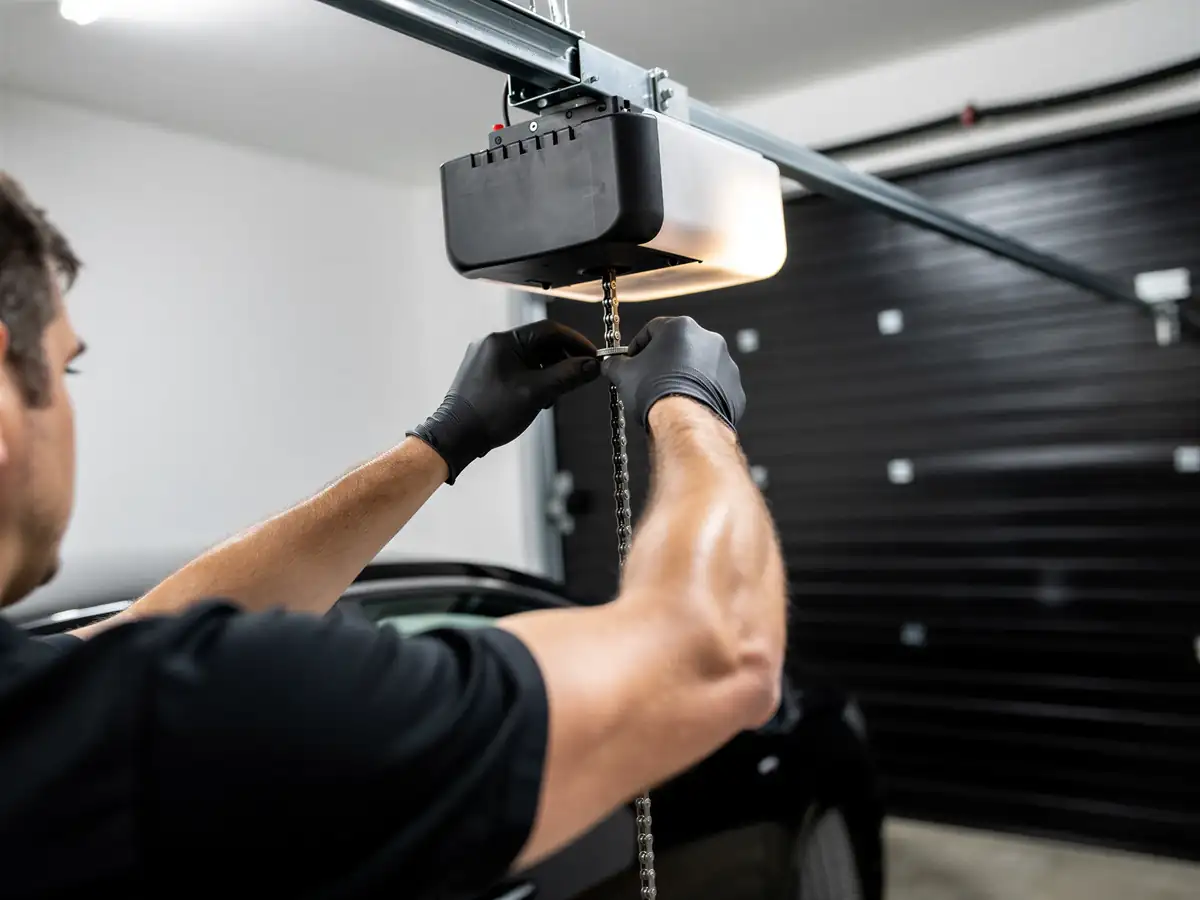
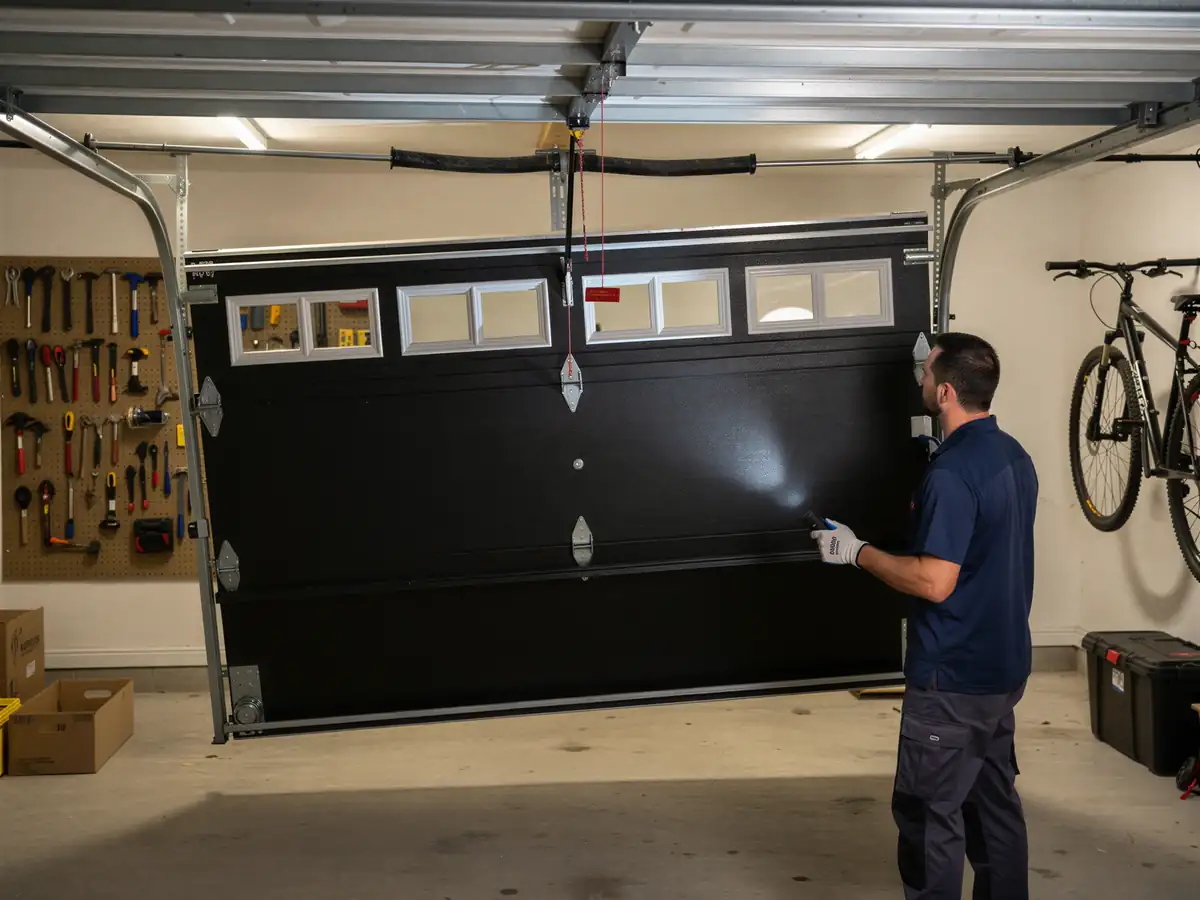
If your opener hums but the door won't move after a power cut, don't keep hitting the button. That's usually a stripped gear or a logic board that lost its memory mid-cycle, and repeated tries just grind the gear down further. Call if the door reverses on its own partway up, if the wall button does nothing but the remote half-works, or if you hear a motor running with no chain movement at all. In homes built in the 1960s and 70s across this stretch of Arlington, a lot of openers are original chain-drive units on their second or third logic board swap, and once the board goes, the motor housing often isn't worth matching parts to. We'll tell you straight if a repair is cheaper than a new unit before we start charging for either. One honest limit: we don't carry every obsolete board on the truck, so a same-day fix on a 1970s-era opener sometimes means a return trip once the part's in.
The Situation
Housing in this part of Arlington mostly went up between 1940 and 2001, with the bulk of it dating to the 1960s and 70s and a median build year around 1976. That means a huge share of garage doors here are running openers installed before battery backup was standard, wired straight into a circuit with no surge protection built in. A lot of these houses still have the original single-outlet garage circuit from that era, shared with whatever else runs off that leg - a freezer, a sump pump, sometimes both. When the power blinks, that circuit takes the hit first, and the opener's transformer or board is what absorbs it. With median household income here at $137,878, most owners can afford to replace an opener outright rather than nurse an old one along, but a surprising number keep the original unit running because nobody told them the circuit behind it is the actual problem.
What the Weather Here Does to It
This area sits in a cold-severe climate band, and that matters more for openers than most people think. Cold doesn't just stiffen springs and tracks - it's hard on the electronics too. A logic board that's been sitting in an unheated garage through a freeze-thaw cycle is more likely to drop its memory or trip its circuit breaker during a power cut than one in a conditioned space. Condensation forms on the board housing as temperatures swing, and that moisture is what actually kills a lot of these units, not the cold itself. If your opener has started losing its remote programming every time the power flickers, that's often the tell - the board's seal has given out and it's resetting itself on every surge. Doors with original 1960s and 70s hardware feel this worse, since the openers bolted to them were never sealed the way newer units are.
Where People Go Wrong
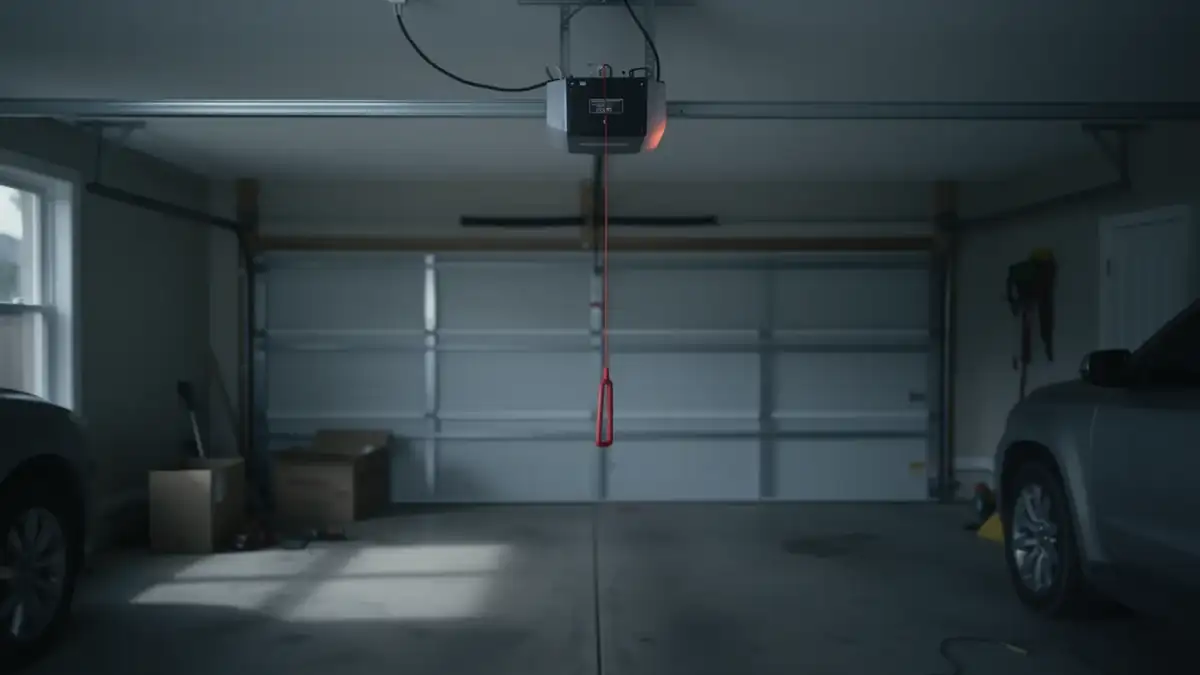
The most common mistake is assuming the manual release cord is a permanent fix. It's meant to get the door open during an outage, not to be left disengaged for days while you wait to see if the opener comes back on its own - leaving the trolley disconnected puts the full weight of the door on whoever's lifting it by hand, and on older 1960s-70s doors that weight is higher than people expect. The second mistake is replacing the opener but not the circuit feeding it, which means the new unit eats the same surge the old one did. And the third is waiting for a full opener failure before checking the wall button and sensor wiring, both of which corrode faster in this climate than most owners assume. None of that is unique to one house - it's just what this housing stock and this weather do to equipment that was never built with either in mind.
How it works
From “it’s stuck” to “it’s fixed”
1
Tell us what’s wrong
Describe the symptom - won’t open, loud bang, opener runs but the door won’t move.
2
On-site diagnosis
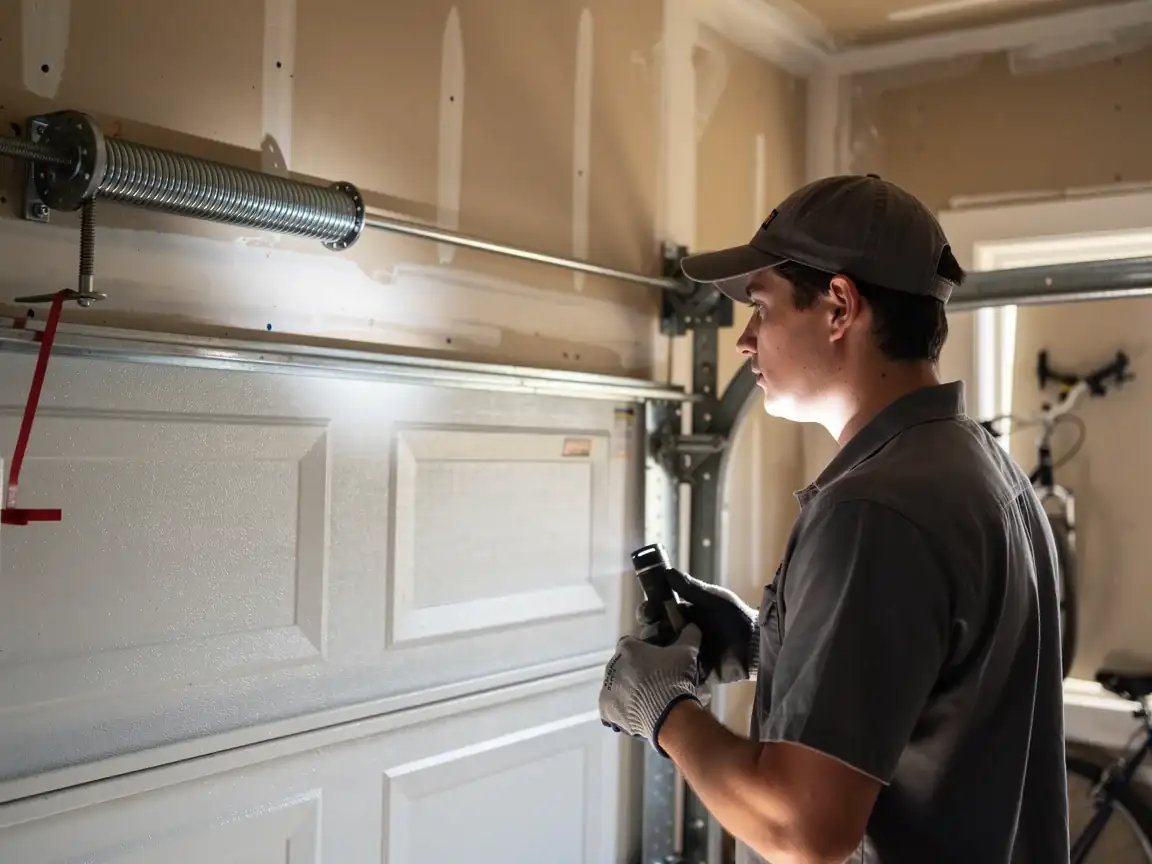
A technician tests the door under power and by hand and finds what actually failed.
3
Clear, up-front plan
You get the fix that’s needed and what drives the cost - before any work starts.
4
Repaired & tested
The repair is done, the door is set true and tested, and the work area left clean.
Not sure which repair your door needs in Arlington, VA? Describe what it’s doing - every job starts with a diagnosis.
Why does my opener lose its programming every time the power goes out?
On openers original to 1960s and 70s Arlington homes, the logic board often has a worn seal that lets in moisture during temperature swings. A power cut causes a surge, the board resets, and the memory of your remote codes goes with it. It's a sign the board - not the remote - needs replacing.
Should I replace the opener or the whole garage circuit?
If the opener is original to a 1960s or 70s build and shares a circuit with another appliance, replacing just the opener often means the new unit takes the same surge damage. We'd look at the circuit first, since that's usually the actual point of failure, not the motor.
Is it safe to leave the manual release pulled during an outage?
Only short-term. With the trolley disconnected, the full weight of the door rests on whoever lifts it, and older doors from this era tend to be heavier than current models. Reconnect it once power's back, or call if you're not sure the door is balanced enough to lift safely by hand.
Ready to get your garage door sorted?
Tell us what it’s doing and where you are in Arlington - we’ll take it from there.