How Long You Are Without the Door
A dead opener or a snapped torsion spring doesn't mean the door is stuck shut forever
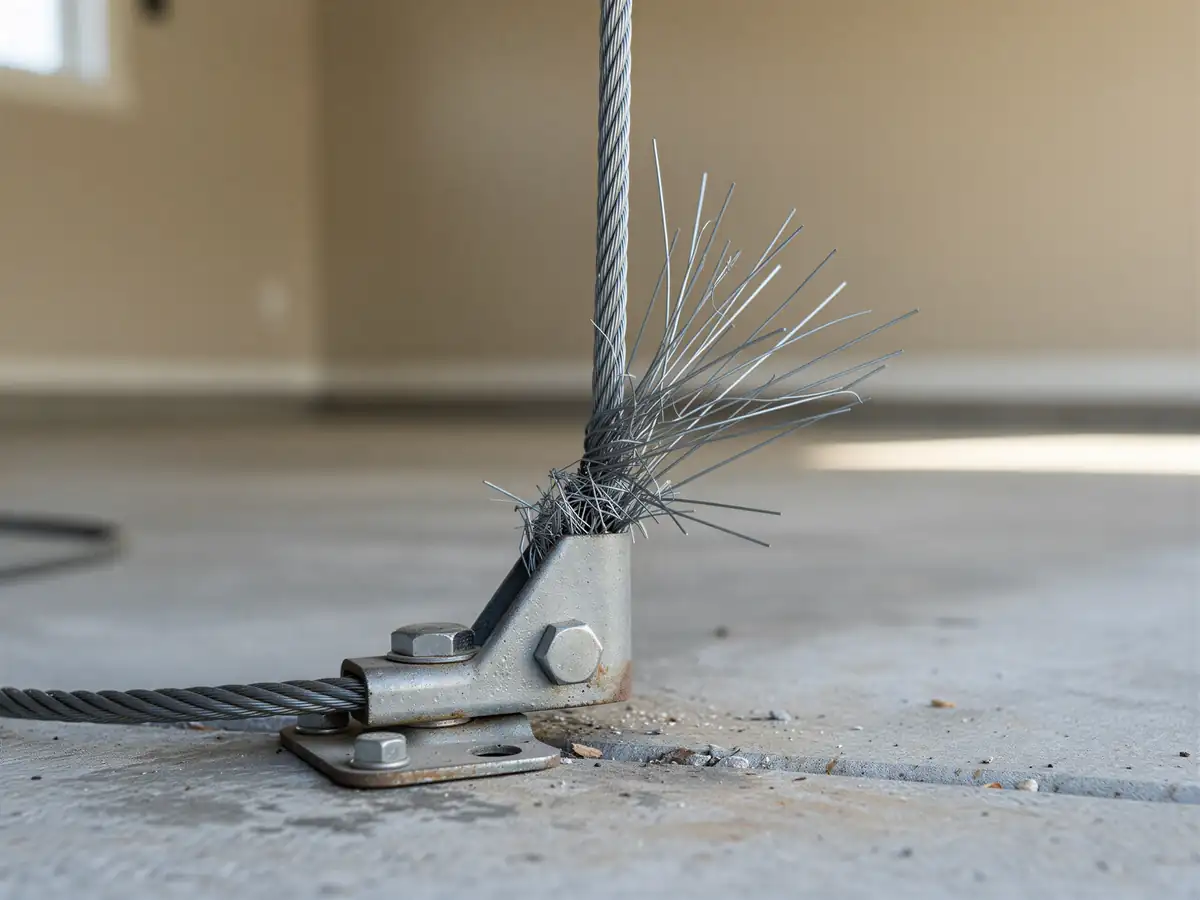
But it does mean you're not using that bay until someone gets eyes on it. Most jobs we see - a broken spring, a cable off the drum, a bent track - get fixed same visit once we're on site, because those parts are common stock.
Where it slows down is the door itself
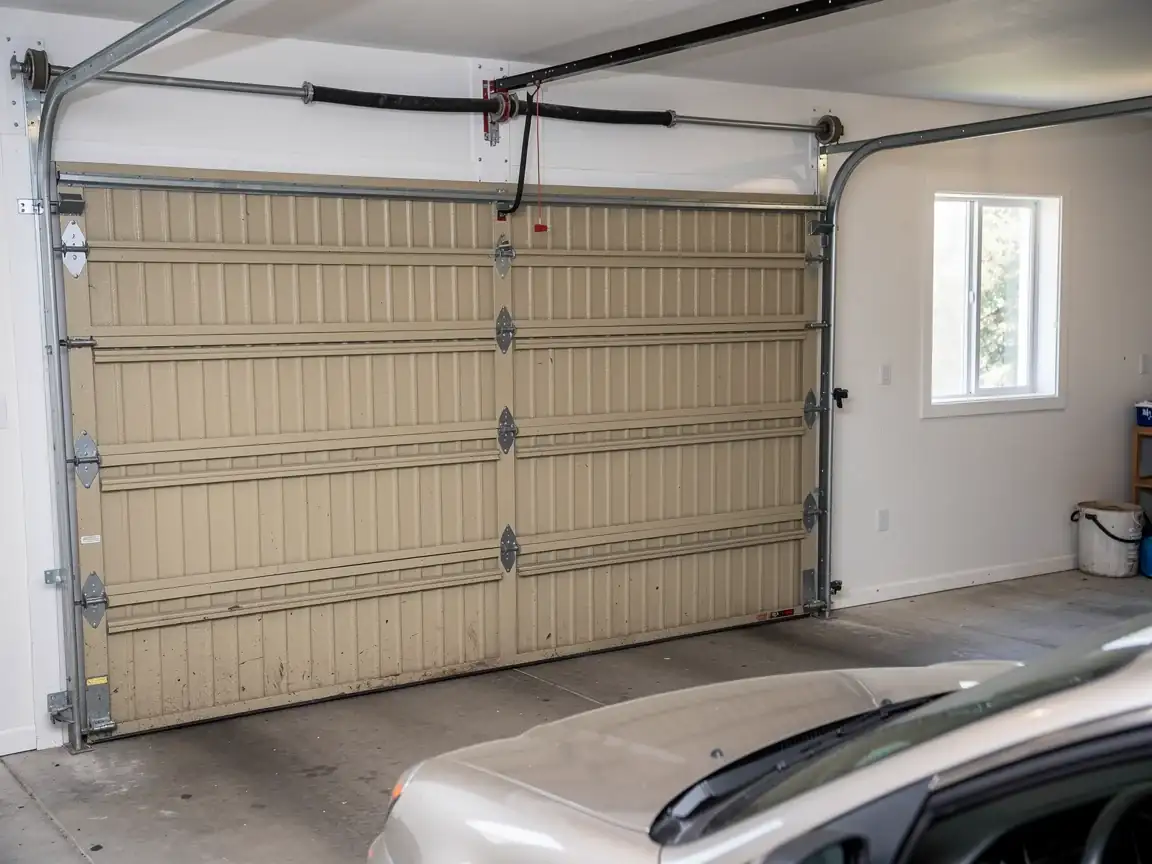
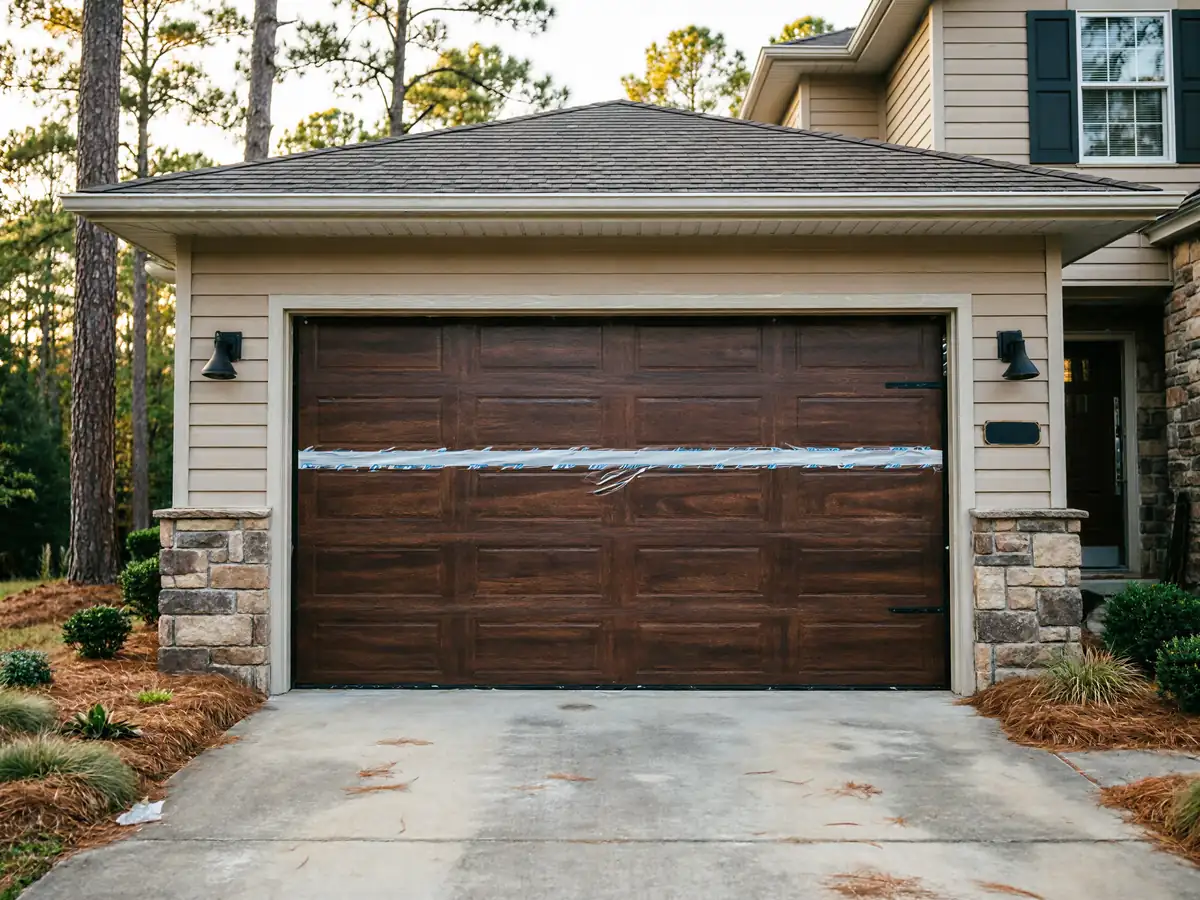
If a panel is cracked or the whole section is original to a house built back in the 1940-2001 run that makes up most of this area's housing stock, matching hardware isn't always sitting on the truck. Some of those older one-piece and sectional doors used mounting hardware nobody manufactures anymore, and that can mean a special order.
We'll tell you straight if your fix is a same-visit job or a parts-wait job before we start
Not after. That's the honest limitation here: we can usually get you moving again fast, but we won't promise a part we don't have in hand, and on a 50-year-old door, sometimes we don't.
Can You Do This Yourself
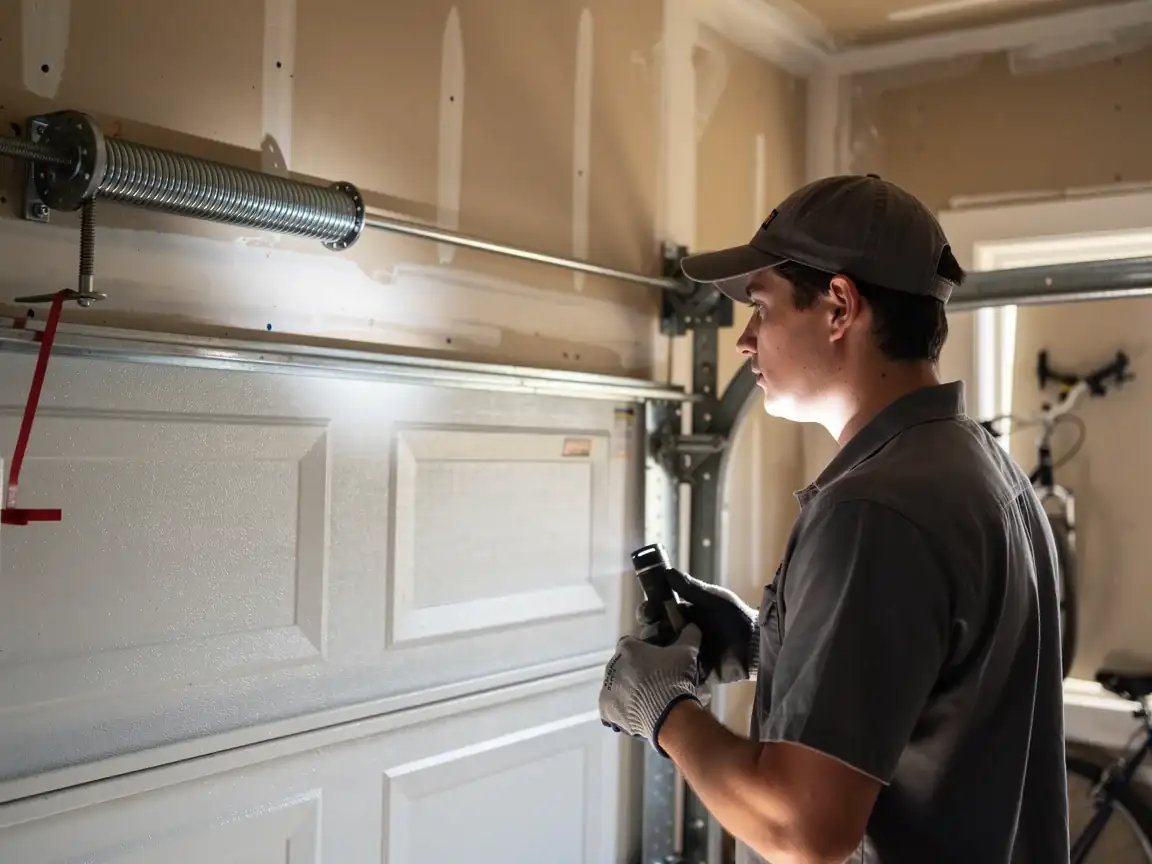
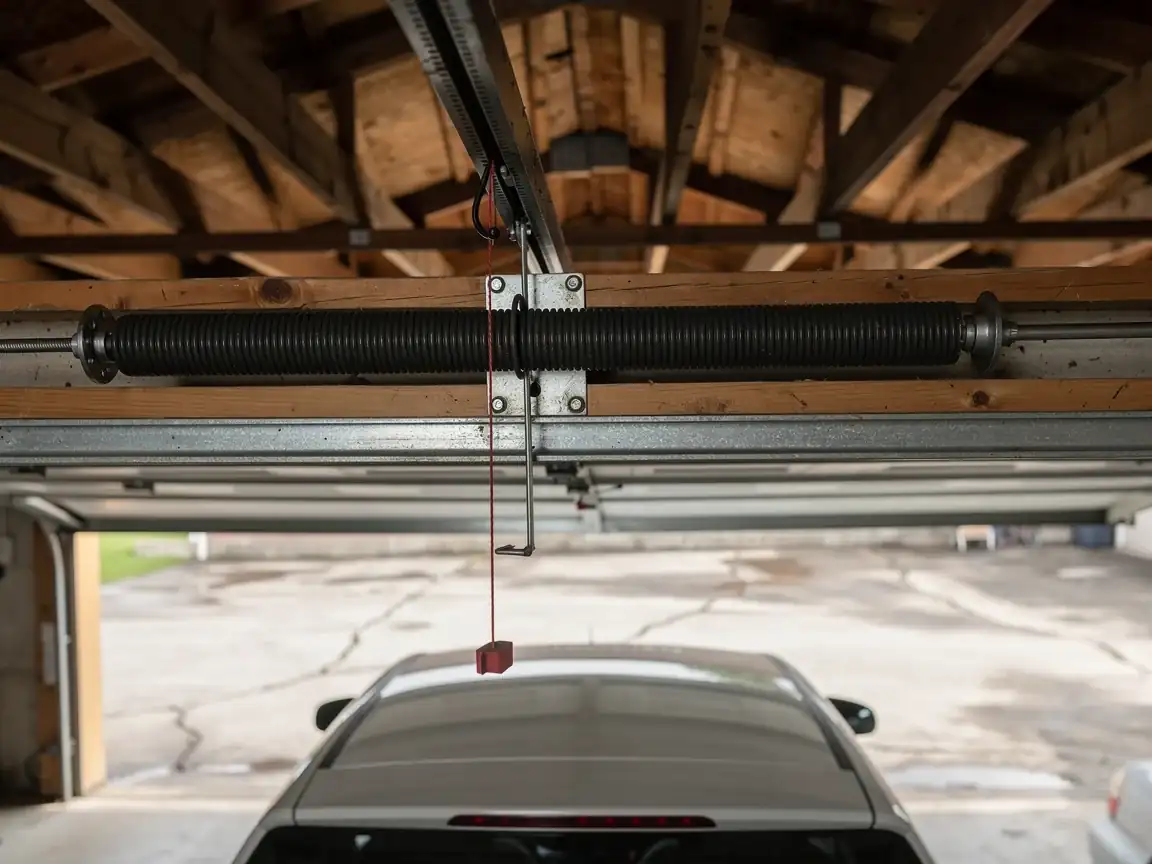
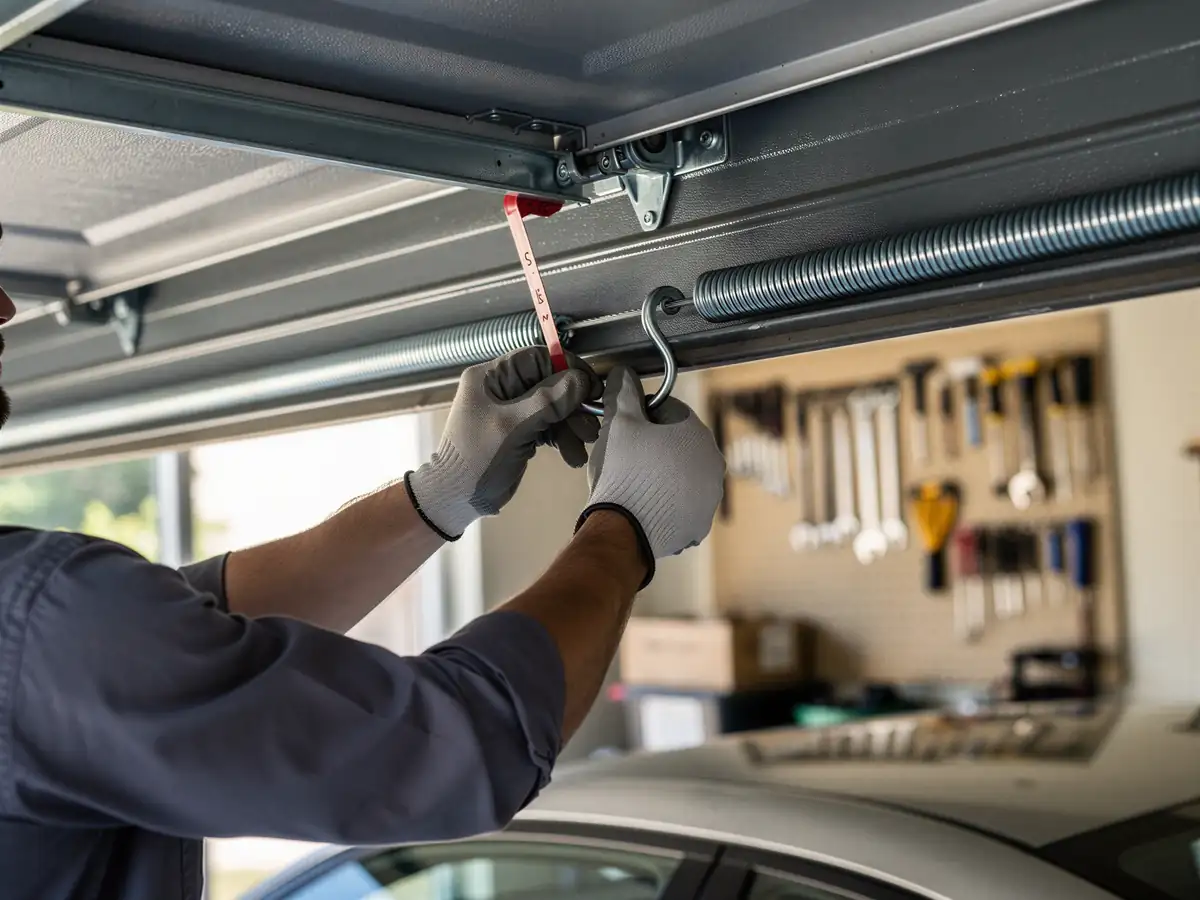
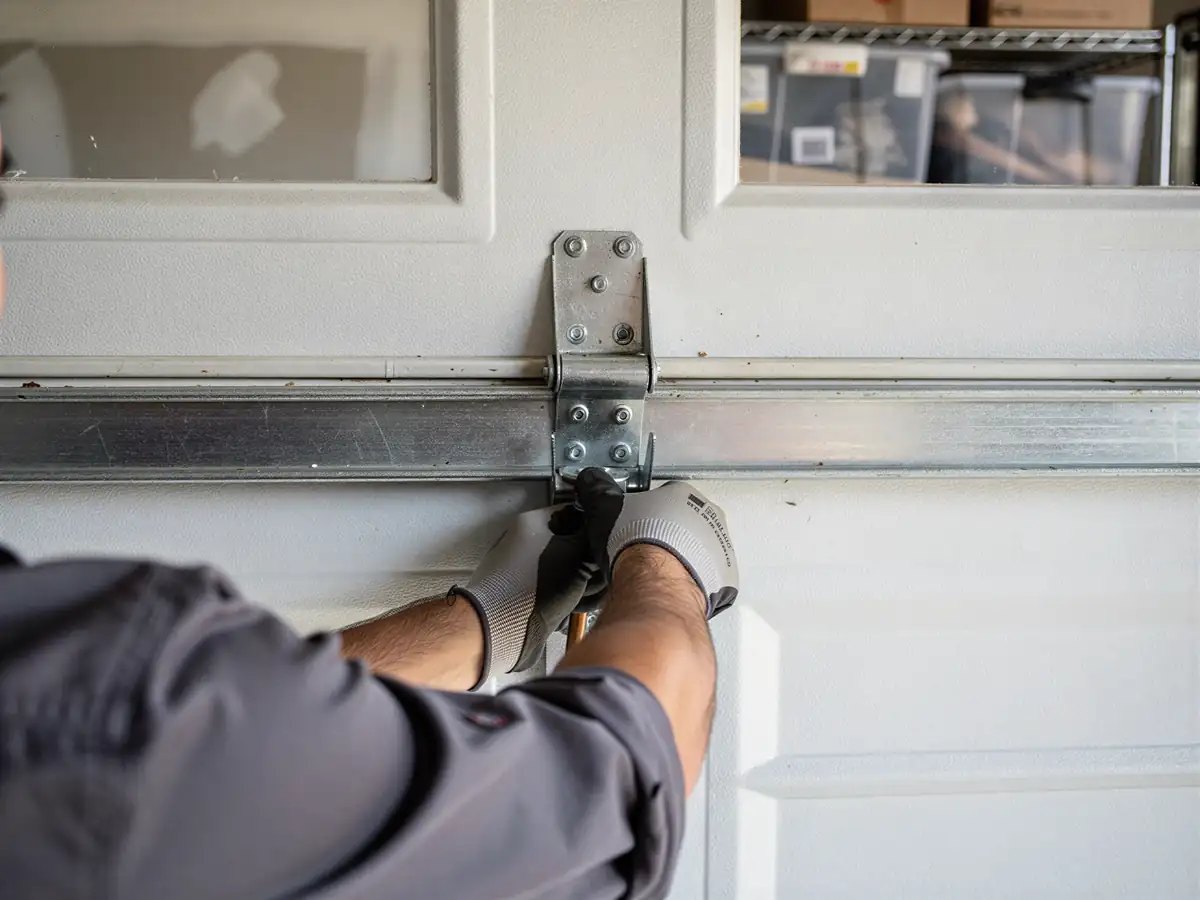
A torsion spring holds enough stored force to break a hand or worse, and that doesn't change because the door is old or new. If the fault is a spring, a cable, or anything under tension, that's not a weekend project - call it in.
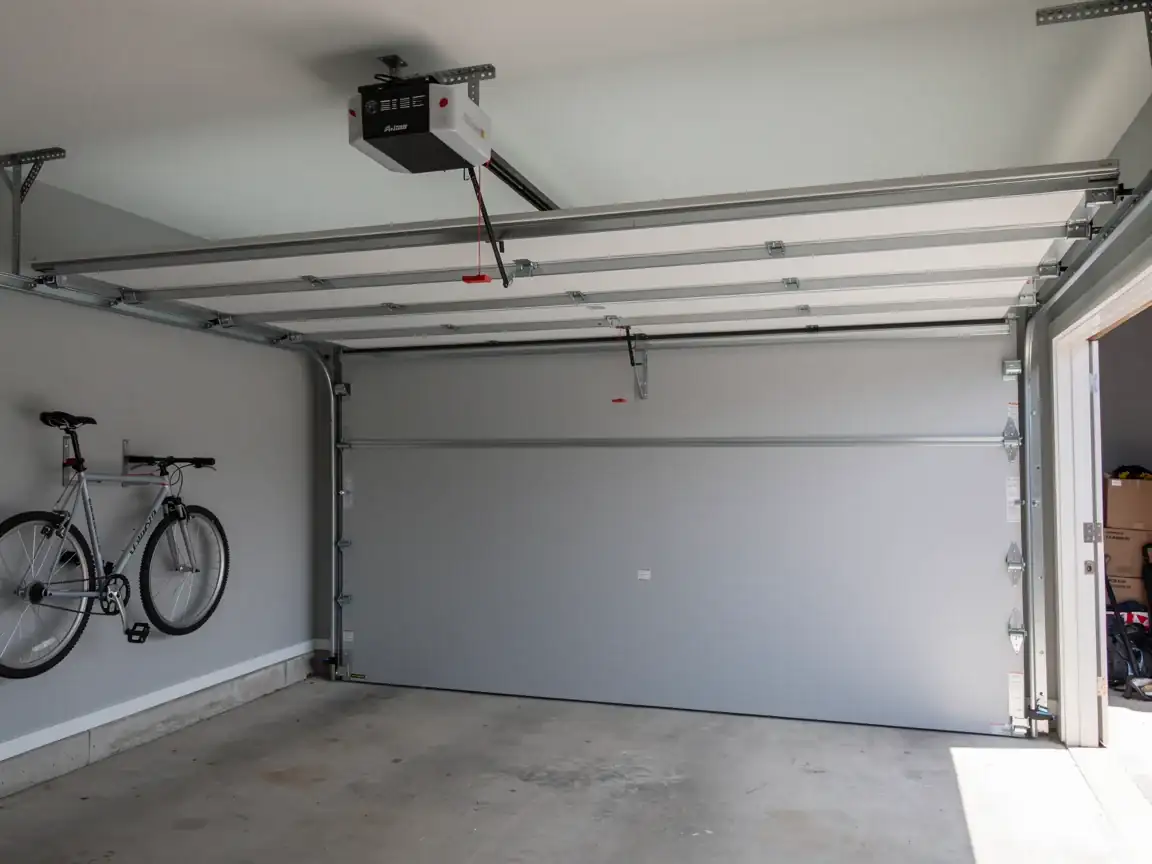
What you can check yourself first: the photo-eye sensors near the floor on each track (a bike, a box, anything blocking the beam will stop the door cold), the wall button wiring, and whether the opener has power at all. On homes from the 1960s and 70s construction era that make up a lot of this area's stock, we also see simple track misalignment from decades of settling - a visual check for a track pulled away from the wall is safe to do.
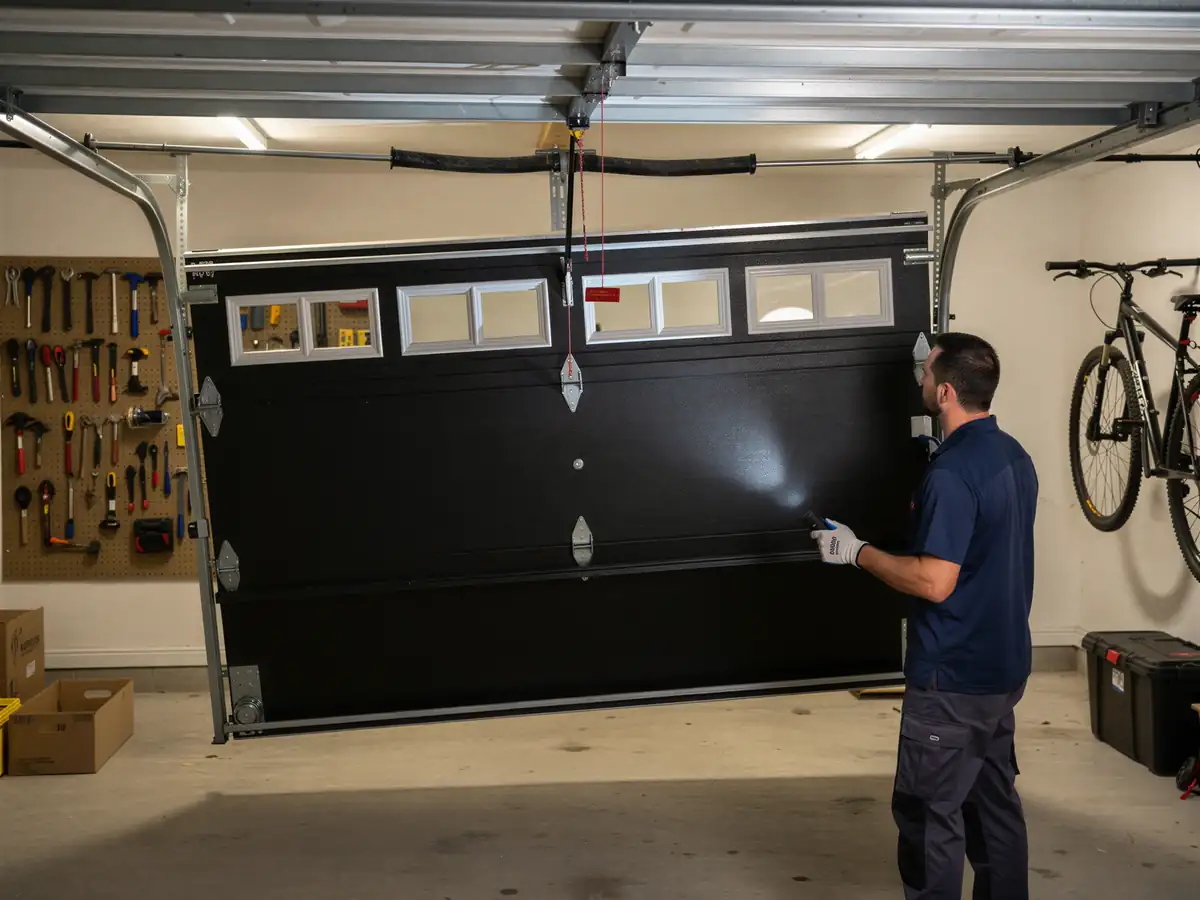
What isn't safe: loosening or adjusting a torsion spring, removing a stuck panel, or forcing a door that won't move on its own. If the door won't budge and you don't know why, leave it down and call rather than pry at it.
How It Shows Up
Cold is the pattern here. Arlington sits in a climate band rated severe cold, and steel behaves differently at 25 degrees than it does at 70. A torsion spring that's been carrying a double door's weight for decades loses tension faster in a hard freeze, and what was a slow sag in October becomes a door that won't lift at all on the first cold morning in January.
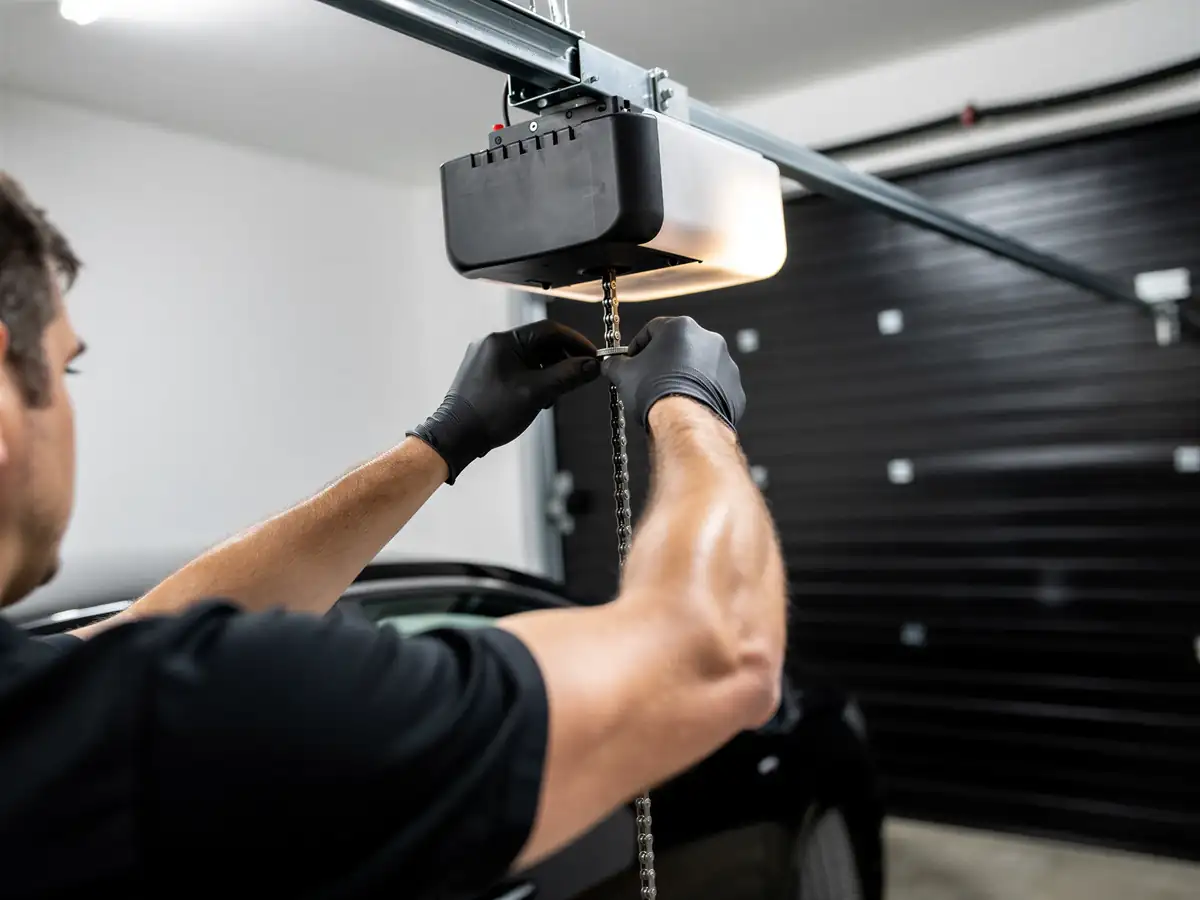
Openers show it too - nylon gears and lubricant thicken in the cold, so you'll hear the motor working harder before anything actually fails. Rollers on steel tracks bind up the same way; a door that ran quiet all summer starts grinding right around the first freeze.
On older sectional doors, cold also tightens metal-to-metal tolerances at the hinges, so panels that flexed fine in July start cracking paint or separating slightly at the seams in deep winter. None of this is damage from one storm - it's cumulative, and it tends to show up as "it got worse overnight" when really it's been loosening for months.
Why It Happens Here
Housing in this service area was mostly built between 1940 and 2001
With the median year landing around 1976, and that single fact explains most of the repair calls we run. A door and opener installed during that build-out is now 25 to 85 years old, and torsion hardware, drums, and cables all have a working life measured in cycles, not decades of calendar time.
- 85 years
Across the 37 named neighborhoods this area covers
Most of that stock dates specifically to the 1960s and 70s construction boom, which used torsion spring setups that have since been superseded twice over in design.
Layer the severe cold climate rating on top of aging steel and the failure timeline shortens
With 88,312 owner-occupied houses across this area, a large share are carrying original or first-replacement hardware that's now meeting its first few decades of hard winters at once. That combination - old door, cold snap - is the single biggest reason the phone rings in January.
- 88,312 owner-occupied