The Situation
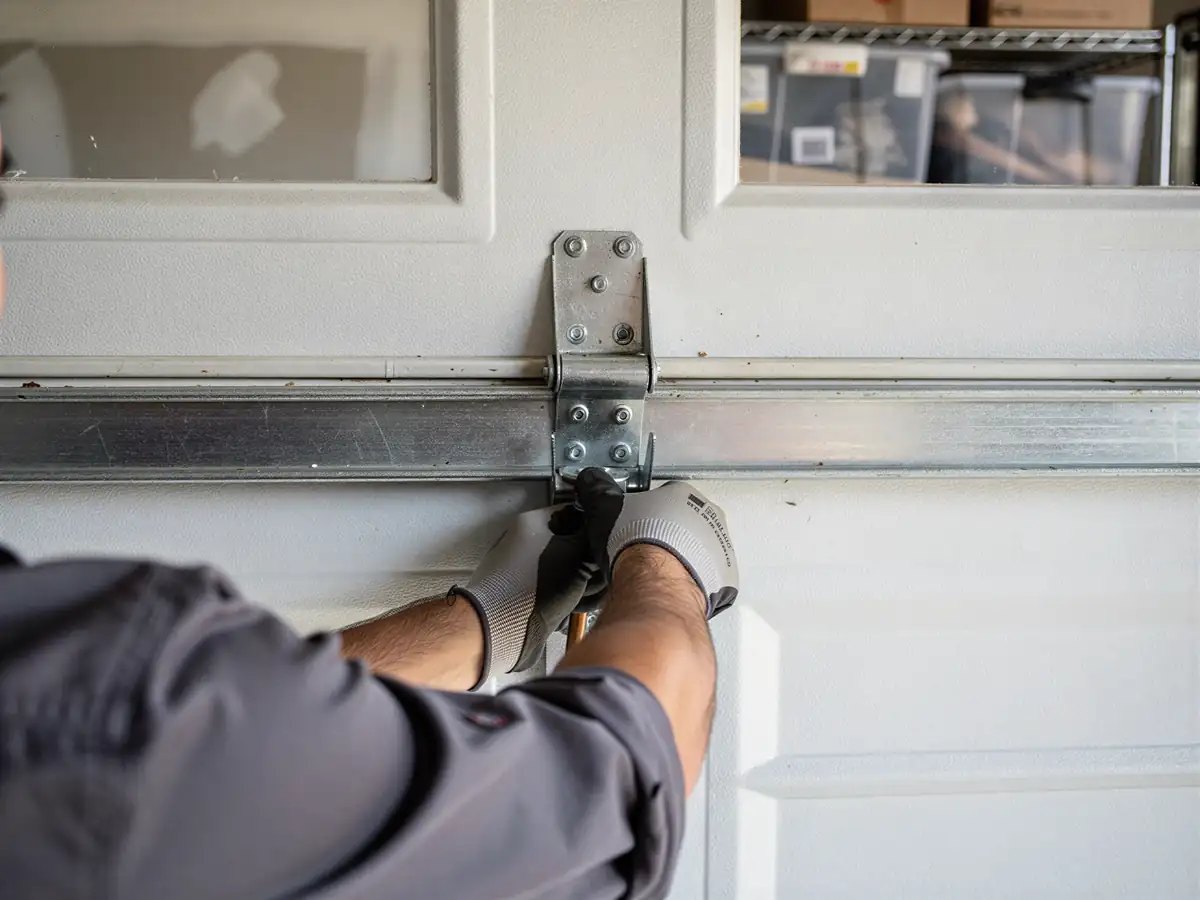
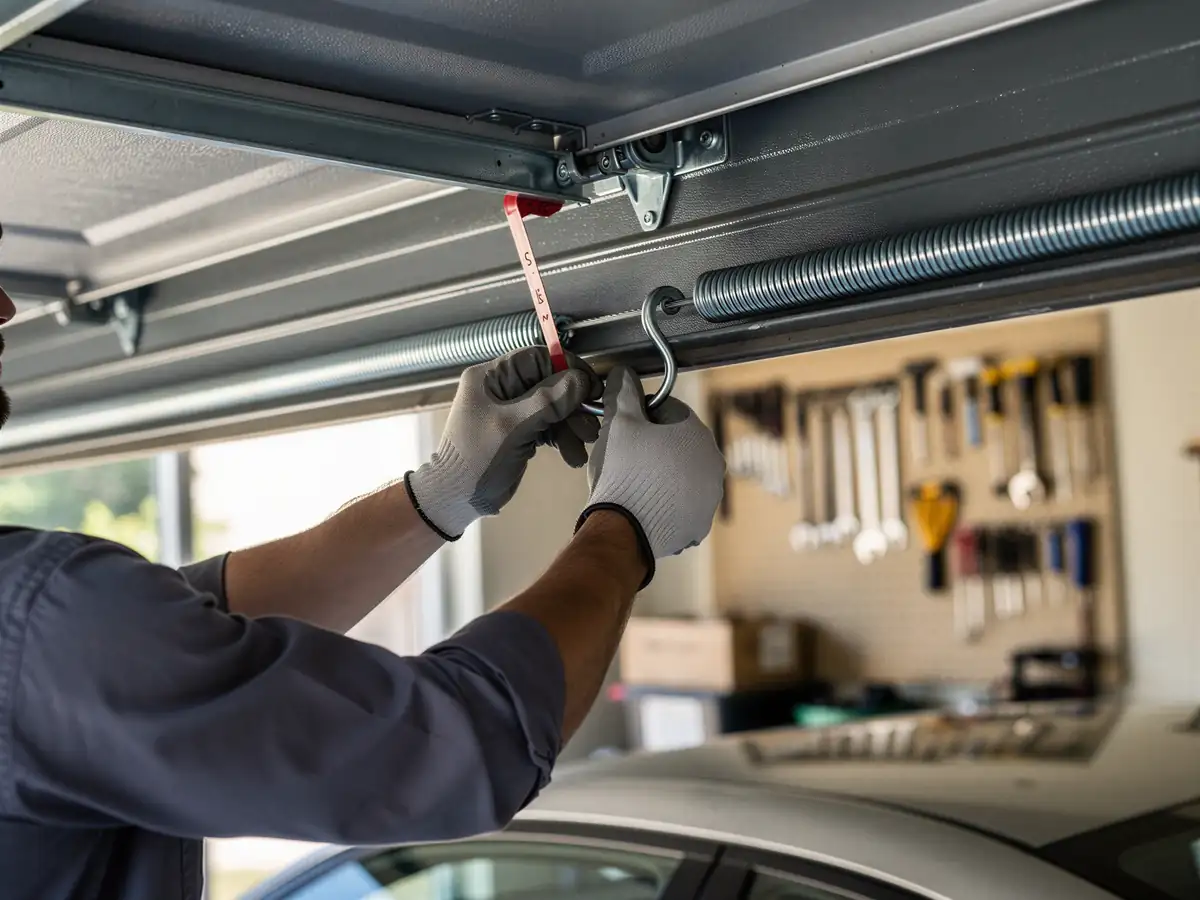
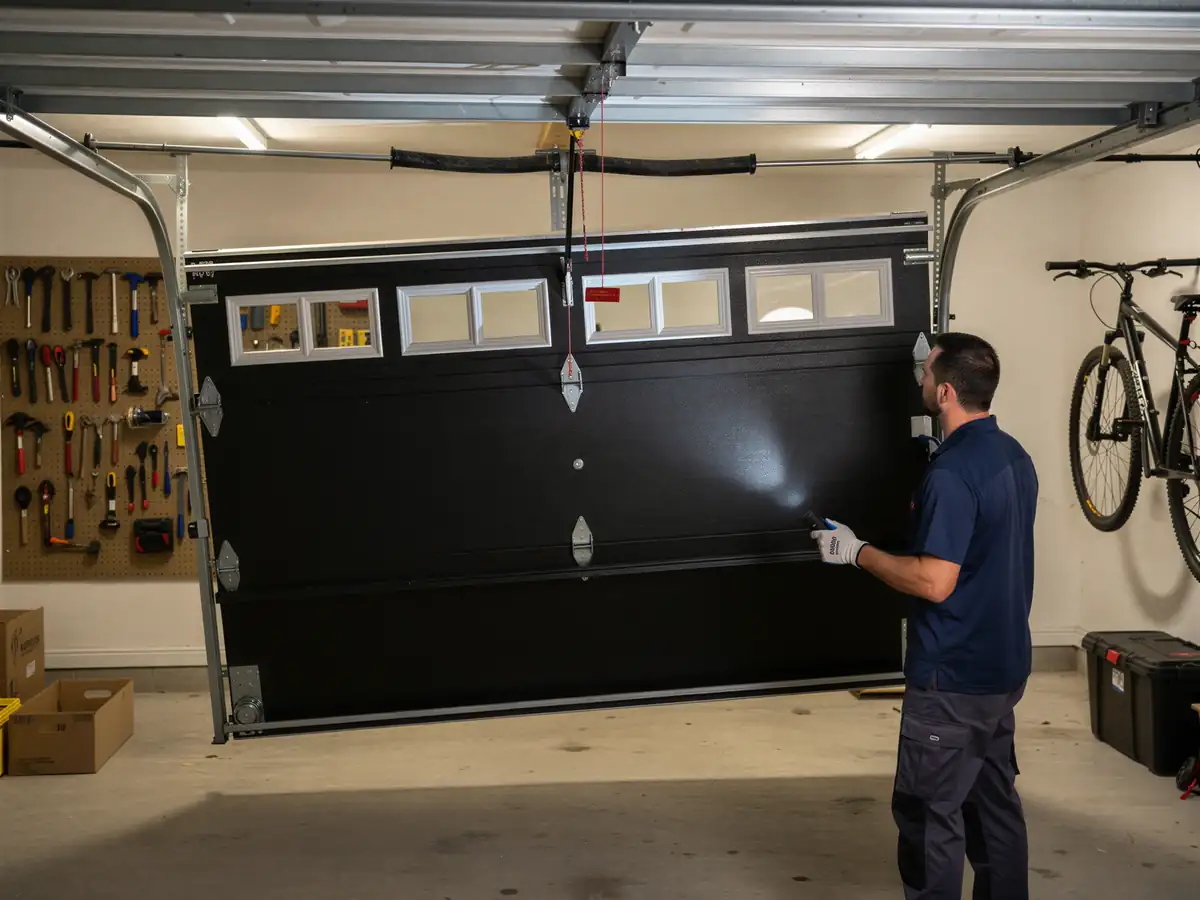
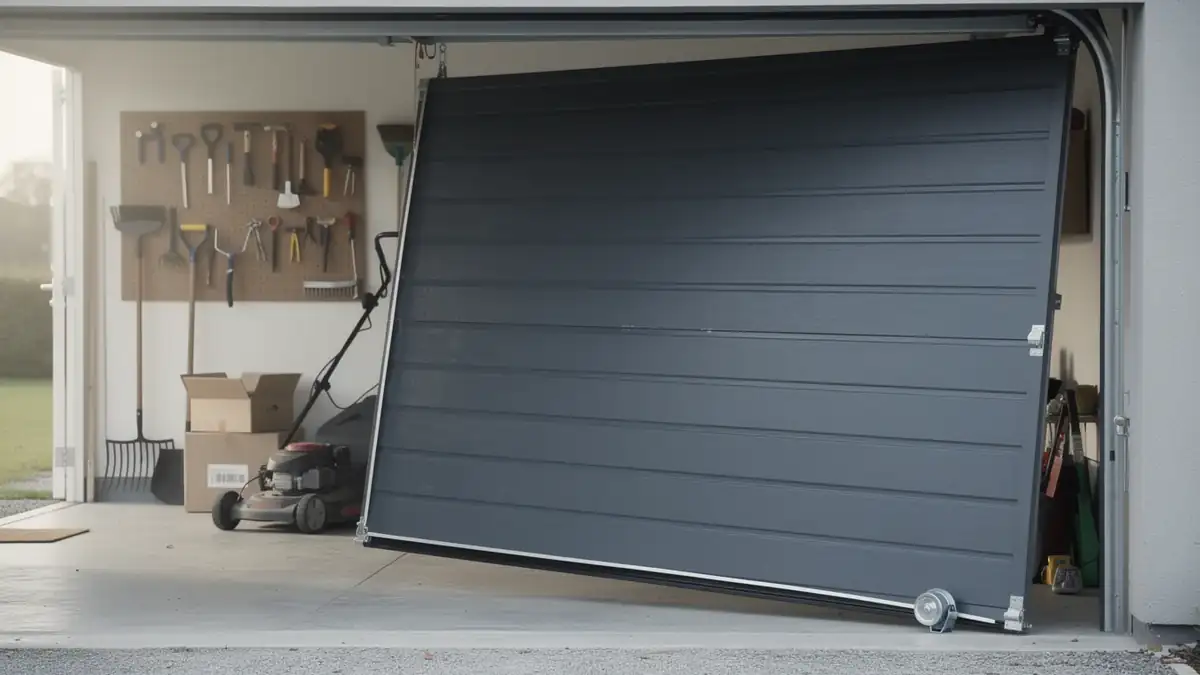
Housing in the Arlington service area was built mostly between 1940 and 2001, with a median year of 1976, and the bulk of it across the 37 named areas we cover dates to the 1960s and '70s construction boom. That matters for this specific failure because garage doors and their track hardware from that era were built to a lighter standard than what's sold today. A lot of those original steel rails were sized for single-layer doors weighing less than half of what a modern insulated double door weighs. Decades of homeowners upgrading the door itself without upgrading the track is one of the most common reasons we find a door riding loose in its rail or popping a roller on one side. The track wasn't replaced when the door was, and it's been flexing under a load it was never sized for ever since. On a lot of these 1960s and '70s houses, the vertical track sections are also held by brackets fastened directly into original framing that's shifted slightly over sixty-plus years, which throws the whole rail a few degrees out of true.
What the Weather Here Does to It
Arlington sits in a climate band we'd call cold and severe enough to matter for this kind of repair. Hard freezes stiffen the grease in older rollers and track, and a stiff roller that's dragging instead of rolling is exactly what pulls a door sideways off true. Frost heave under a garage slab can lift one side of the floor by a fraction of an inch over a winter, just enough to change the angle the door meets the track at the bottom - and once that angle is off, a roller walking the edge of the rail eventually walks right off it. We see a jump in these calls after the first hard freeze and thaw cycle each year, because that's when the slight shift finally overcomes whatever slack was left in an aging track. None of this is dramatic - no one's door explodes off the wall - but the small seasonal movement adds up on houses that have been through fifty or sixty winters of it, which is most of what's standing in this area.