Serving Arlington, VA & nearby
(571) 517-9263
Arlington, VA

What We Look At First on an Arlington Garage Door Call

In Arlington, VA, most garage doors sit on hardware installed between 1960 and 2001 - here's exactly what a technician checks first and why the order matters.

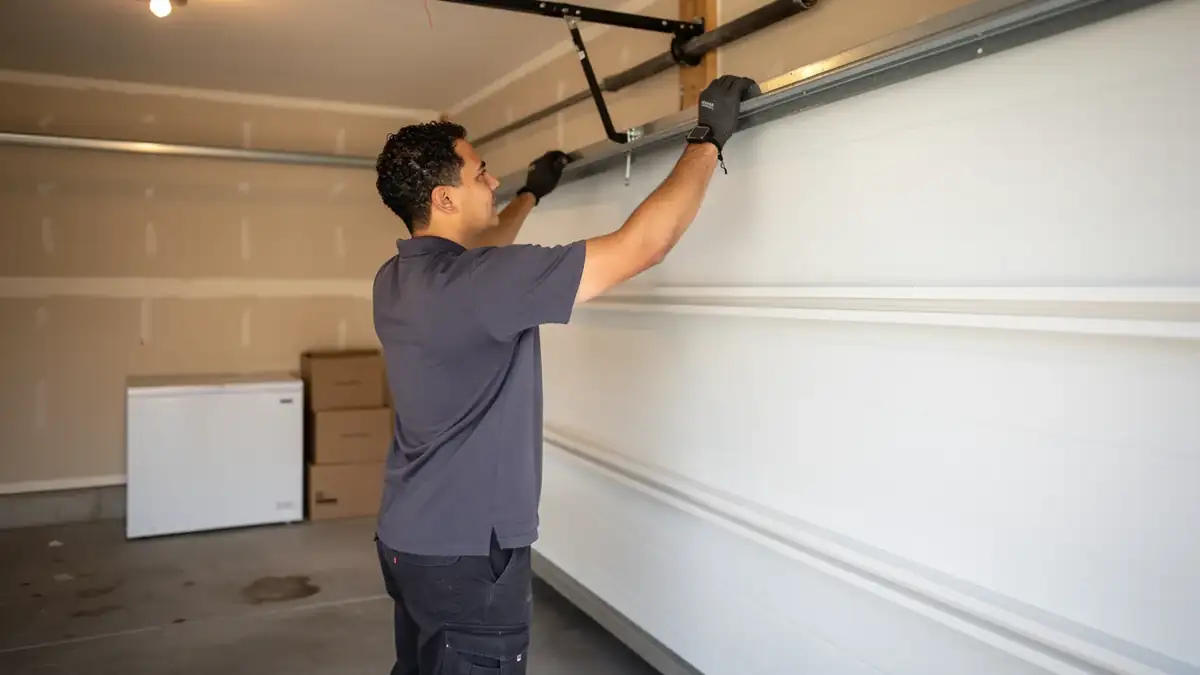
A technician in a gray shirt is adjusting the top panel of a white garage door.

When to Call Someone

Not every noisy door is an emergency, but a few signs mean you shouldn't wait. If the door drops suddenly instead of lowering on its own weight, a spring has likely let go, and that's not a weekend project - a broken torsion spring under tension can put someone in the ER. If the door is off its track, or one side is visibly lower than the other, stop opening it with the opener and call. A door that reverses every time it closes, or that takes two or three tries on the remote, is usually telling you a sensor or roller problem before it becomes a cable problem. Given how much of the housing stock here dates to the 1960s and 70s, a lot of these calls involve original hardware that's simply reached the end of its service life rather than something that broke overnight. If your garage door is original to a house built anywhere near the 1976 median age for this area, treat stiffness or grinding as a warning, not background noise.

The Situation

Housing in this service area was mostly built between 1940 and 2001, with the median landing around 1976, and the bulk of it concentrated in 1960s and 70s construction spread across 37 named neighborhoods - from Bailey's Crossroads and Lake Barcroft close in, out through Falls Church, Annandale, Springfield, and as far as Lorton. That's 88,312 owner-occupied houses sitting across a service area of 254,635 households, with a median household income of $137,878. What that means on a service call: a lot of garages still have the original torsion or extension spring setup the builder put in, not a replacement system. Some have been upgraded piecemeal over the decades - new opener, old track, newer panel on old hinges - which creates mismatches a technician has to sort out before touching anything. The age spread also means we see both ends: doors from the 1940s that have had three or four owners, and doors from the early 2000s that are only now hitting the age where springs and cables start to fail on schedule rather than by accident.

What the Weather Here Does to It

This area sits in a cold-severe climate band, and that matters more for garage doors than people expect. Cold steel is less forgiving steel - torsion springs lose a measurable amount of lifting force as temperature drops, which is why a door that opened fine in October can feel heavy or hesitant by January. Repeated freeze cycles also accelerate fatigue in galvanized cable and in the zinc coating on older springs, especially on hardware that's already 30 or 40 years old, which describes a good share of the doors on homes built around that 1976 median. Condensation inside an unheated garage during freeze-thaw swings tends to settle on track and hinge points, and without regular lubrication that turns to surface rust faster than most owners realize. None of this means the door is failing - it means cold-weather stress on old hardware shows up as noise and stiffness well before it shows up as a snapped spring, which is exactly why catching it early matters here more than in a milder climate.
Where People Go Wrong

The most common mistake we see is an owner replacing a damaged panel or roller on a door from the 1960s-70s era without checking whether the rest of the hardware is sized to match. A lot of that original equipment used dimensions and spring wind counts that newer parts aren't built around, and a mismatched repair can put uneven stress on a track that's already decades old. The second mistake is doing spring work at all without the right bars and clamps - it's the single most dangerous repair in this trade, and cold weather makes an already-tensioned spring behave less predictably. The third is ignoring a slow decline: a door that's gotten 10% louder every winter for three years is usually past the point where lubrication alone fixes it. One honest limit on our end - some original hardware from houses at the older end of that 1940-2001 range uses parts that simply aren't manufactured anymore, and in those cases we're upfront that a full hardware replacement is the better call than chasing a match for an obsolete part.

How it works

From “it’s stuck” to “it’s fixed”

1
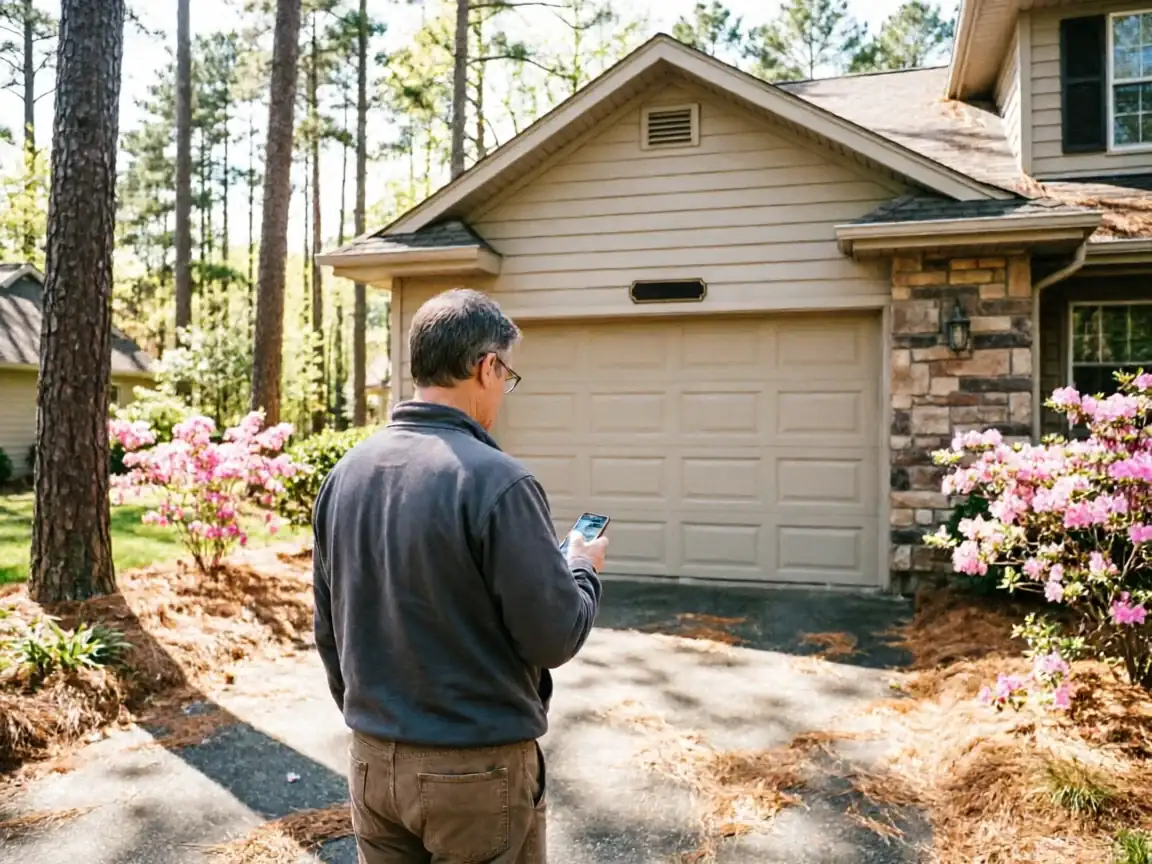
A man stands in a driveway looking at his phone in front of a garage door.

Tell us what’s wrong

Describe the symptom - won’t open, loud bang, opener runs but the door won’t move.

2
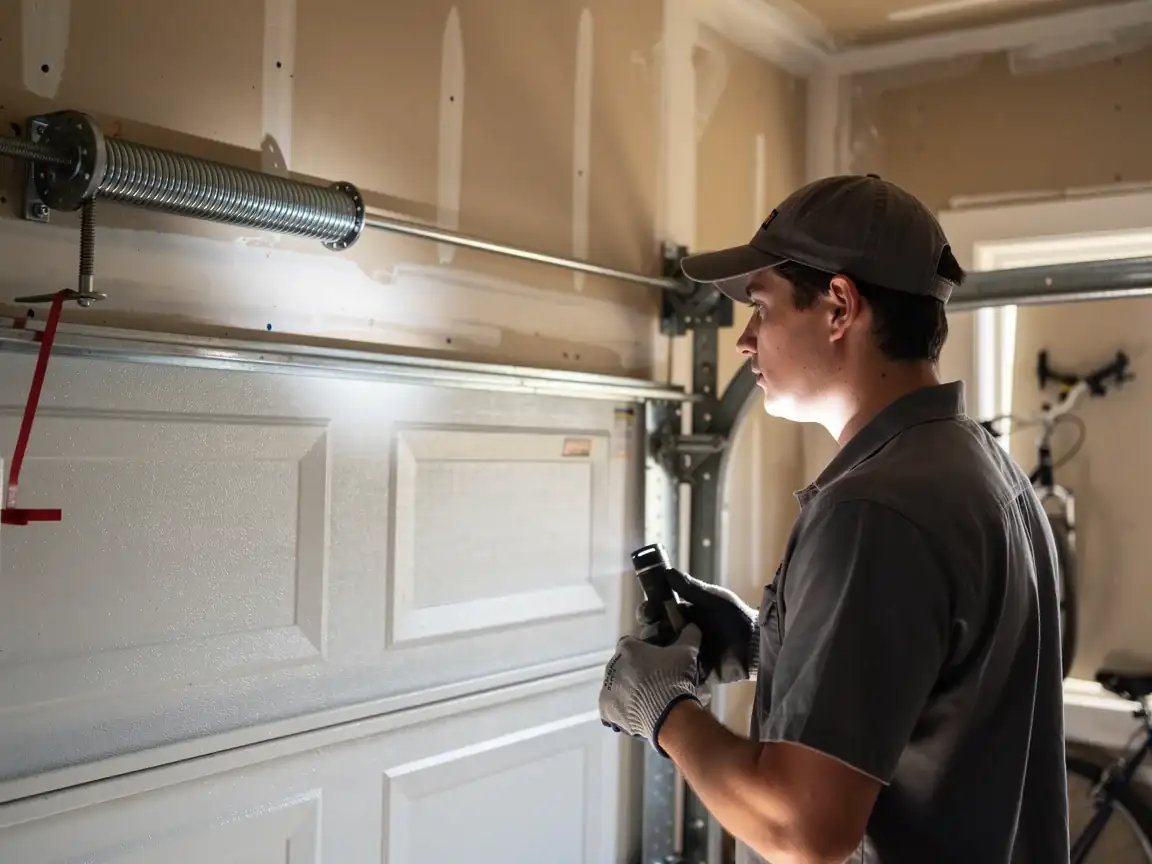
A technician in a gray shirt and cap inspects a white garage door with a flashlight.

On-site diagnosis

A technician tests the door under power and by hand and finds what actually failed.

3
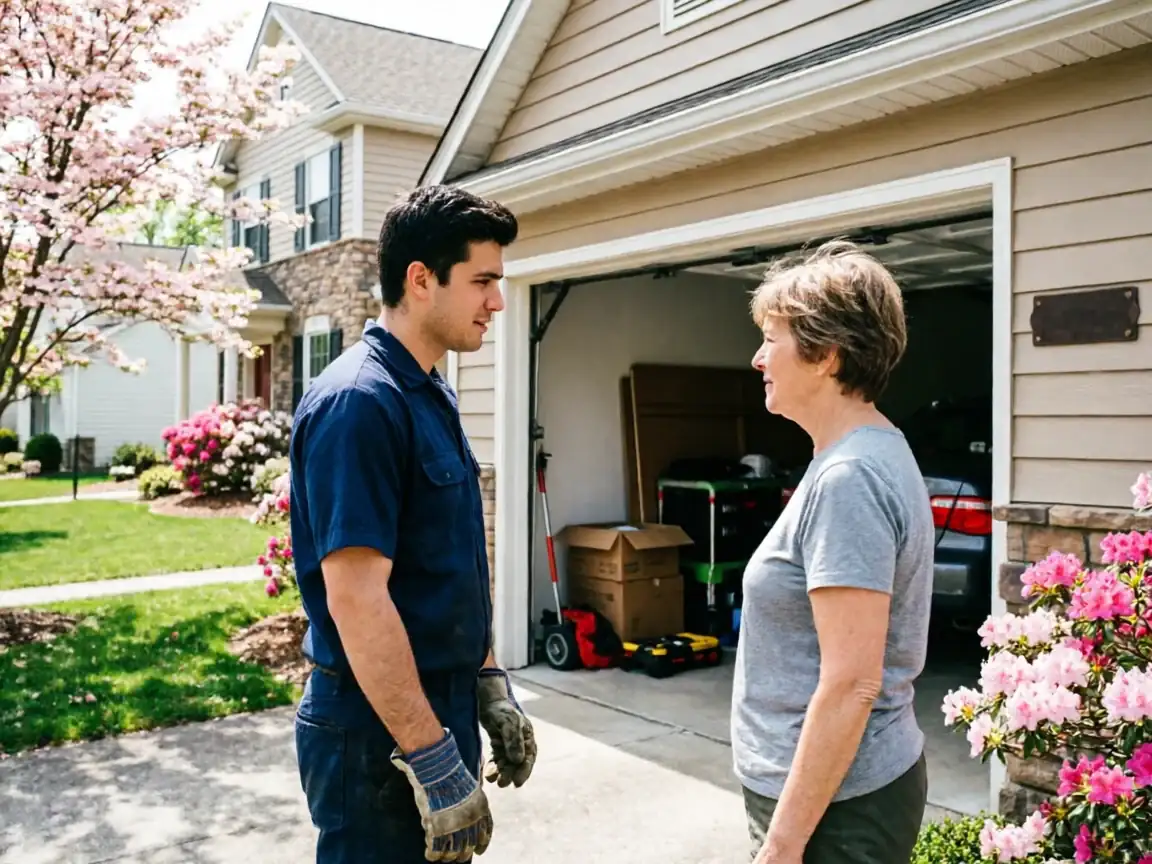
A technician and a woman stand talking in a driveway in front of a garage.

Clear, up-front plan

You get the fix that’s needed and what drives the cost - before any work starts.

4
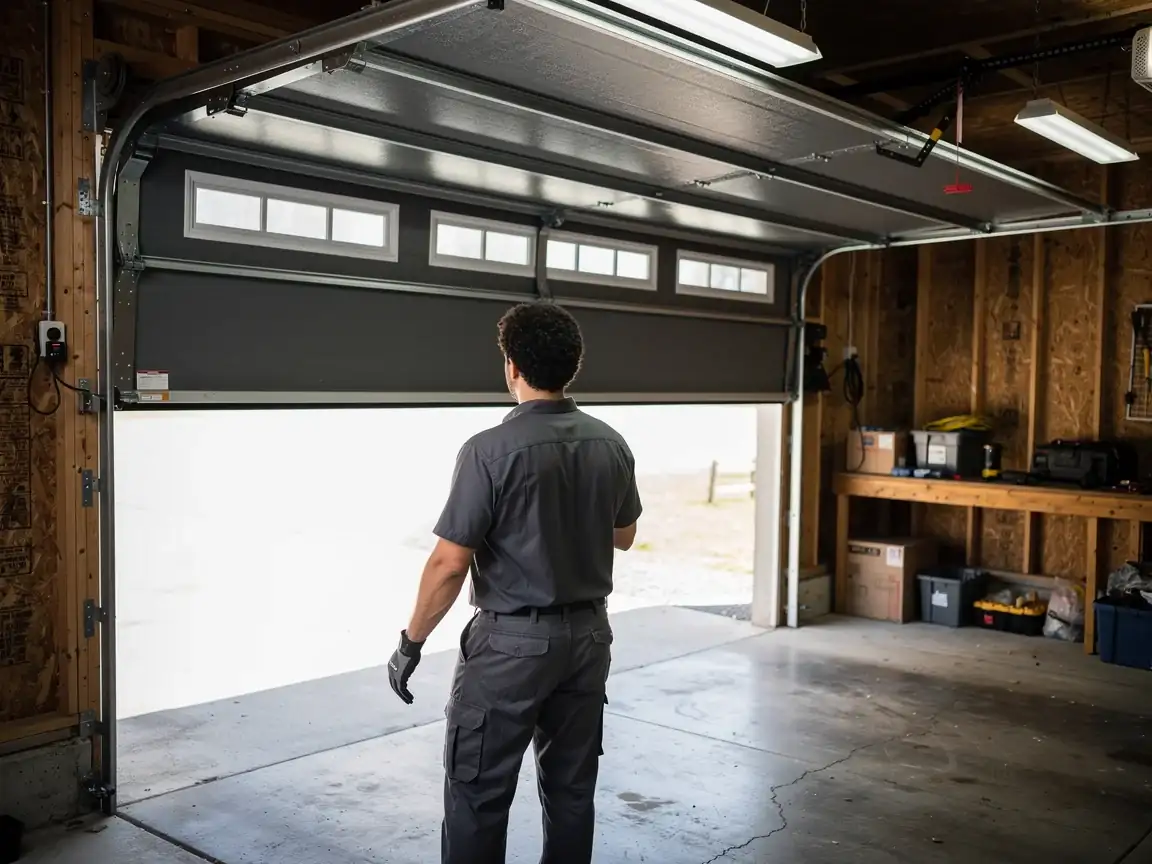
A technician stands in a garage looking at a partially open garage door.

Repaired & tested

The repair is done, the door is set true and tested, and the work area left clean.

Not sure which repair your door needs in Arlington, VA? Describe what it’s doing - every job starts with a diagnosis.

How we work

What to expect

Diagnosis firstEvery visit starts by finding what actually failed - not a pre-written parts list.
The right part for the doorSprings and openers matched to the door’s weight and age, so the fix holds up.
Straight answersWhen a repair makes more sense than a replacement - or the reverse - you hear it plainly.
Clean, careful workTension released safely, hardware set true, the door tested under power before we leave.
What we do

Garage Door Services

Repair and installation work for Arlington homes and businesses.

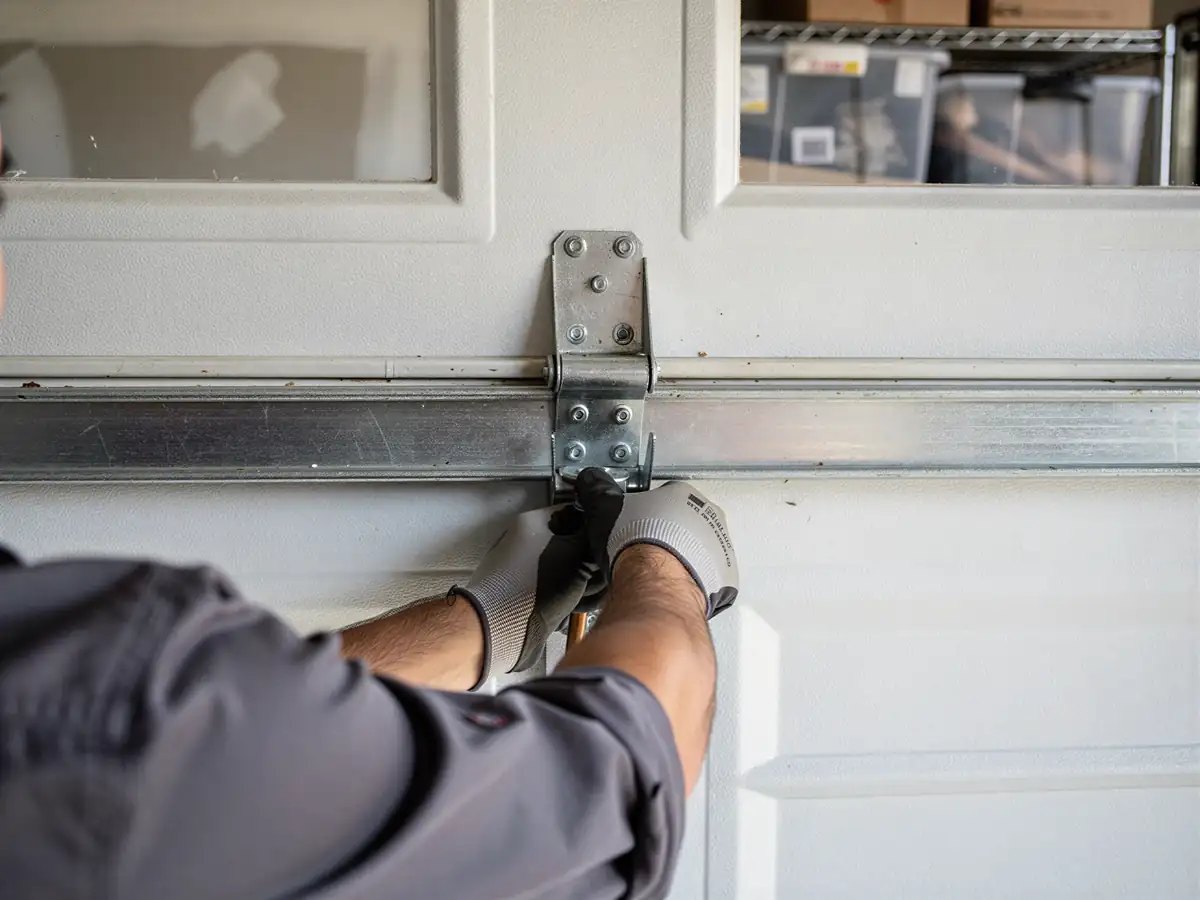
A technician in gloves works on a garage door hinge and roller.

Garage Door Repair

Repair for broken springs, openers, and tracks on Arlington's 1940s-70s housing stock, serving neighborhoods Falls Church and Lincolnia.

Learn more
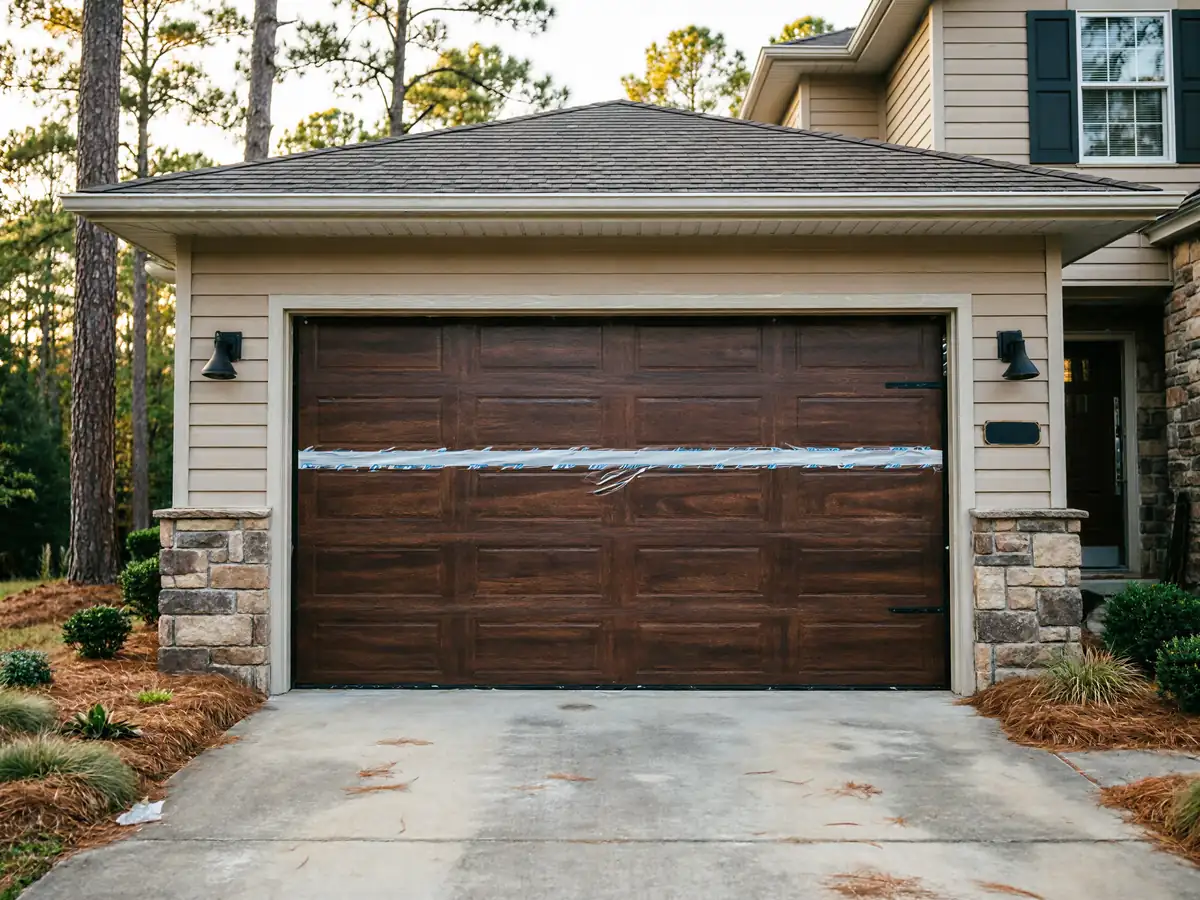
A brown garage door with a protective film is on a beige house.

Garage Door Installation

Garage door installation in Arlington, VA, matched to 1960s-70s homes and this service area's severe cold climate, built on 1940-2001 construction norms.

Learn more
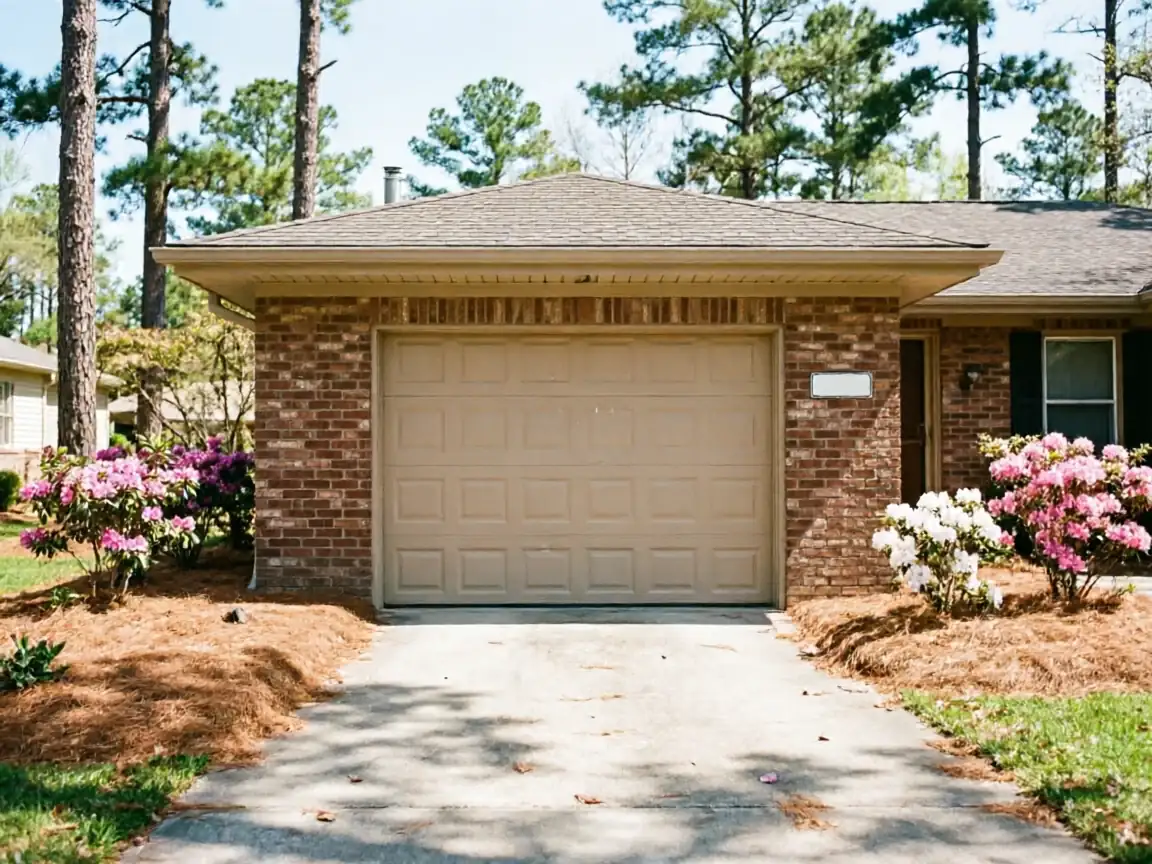
A tan garage door is on a brick house with a driveway and landscaping.

Garage Door Service

Most Arlington houses date to the 1960s and 70s, and original torsion springs and openers are reaching failure age in our cold winters. Here's what to expect.

Learn more
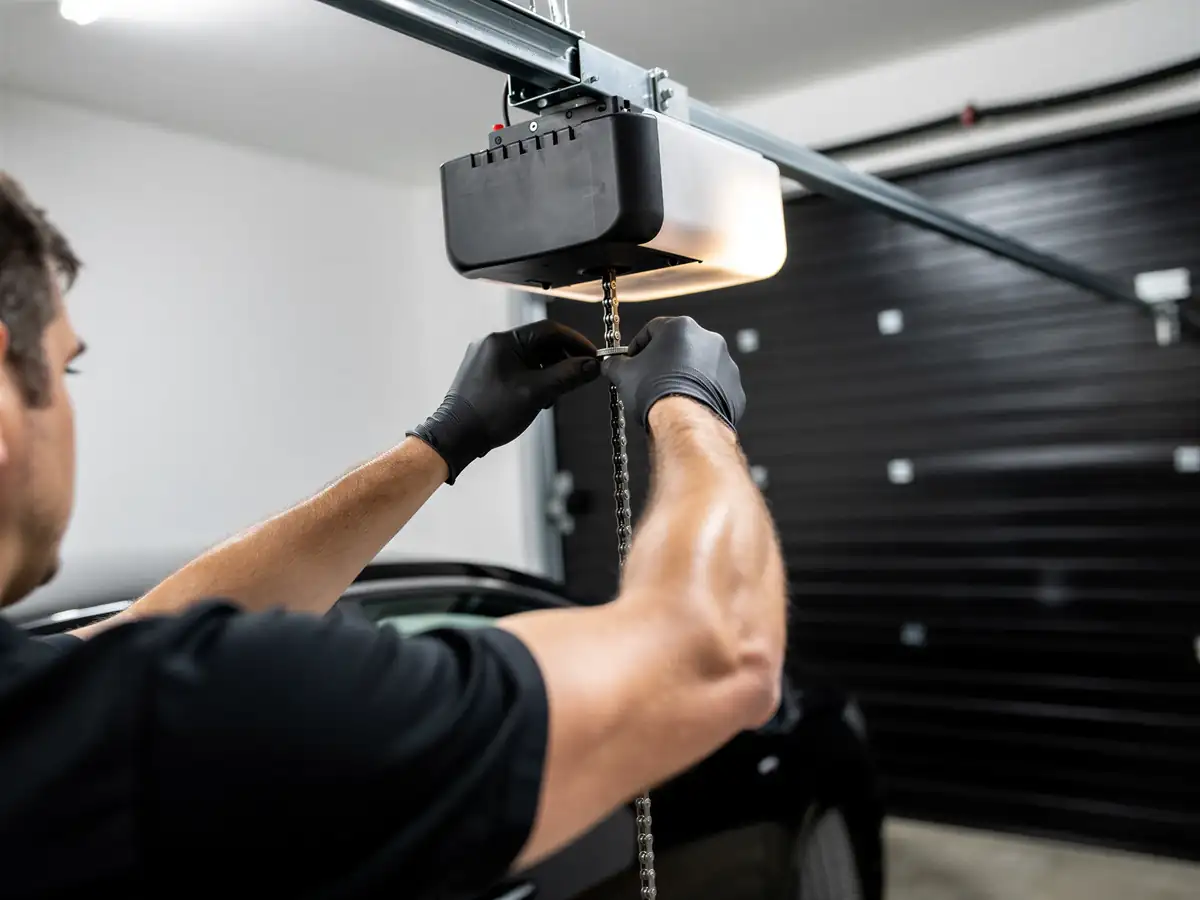
A technician in black gloves adjusts the chain on a garage door opener.

Opener Repair

Opener repair for Arlington homes built mostly in the 1960s-70s, where cold winters and aging chain drives cause the most service calls. Same service area, straight talk.

Learn more
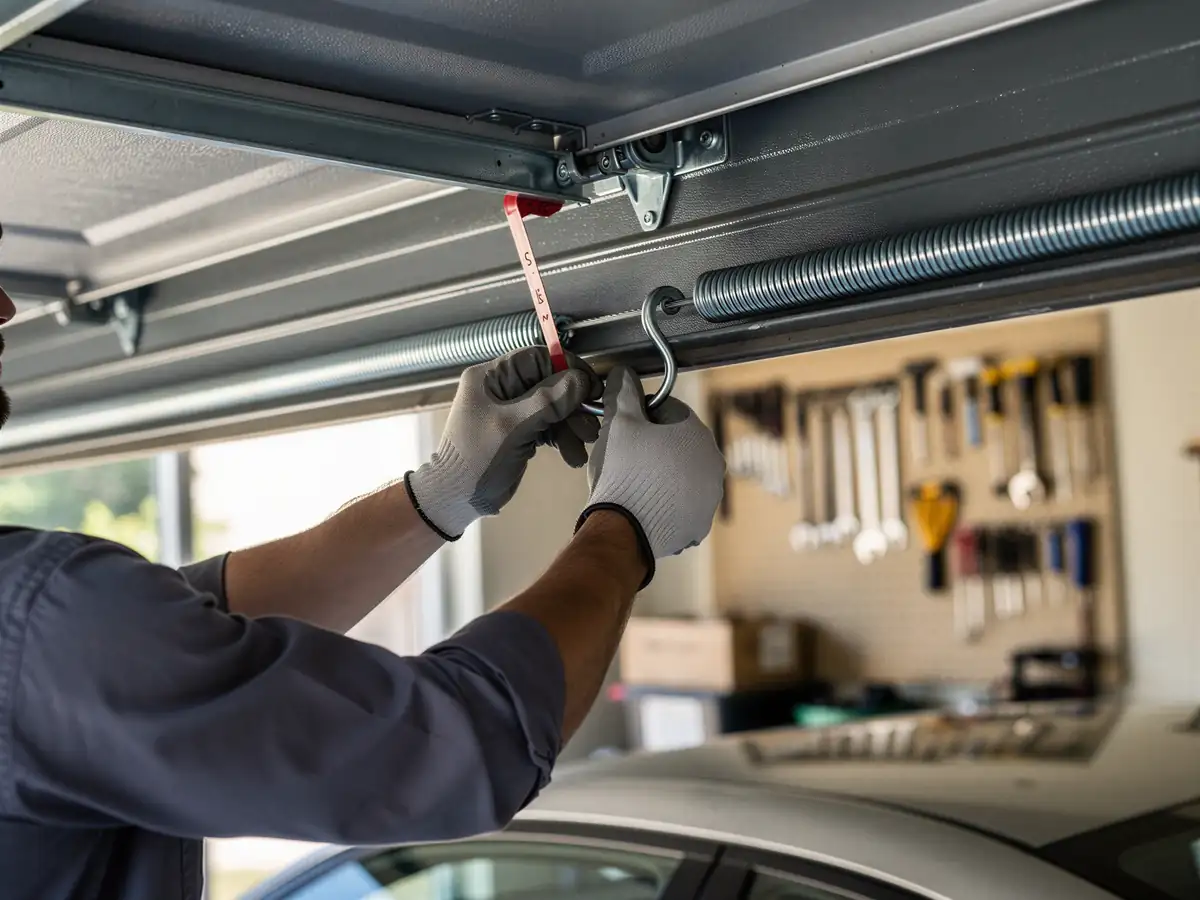
A technician in gloves works on a garage door extension spring.

Spring Repair

Torsion and extension spring repair for Arlington's 1960s-70s housing stock, built for cold-climate failure patterns across the whole service area we cover.

Learn more
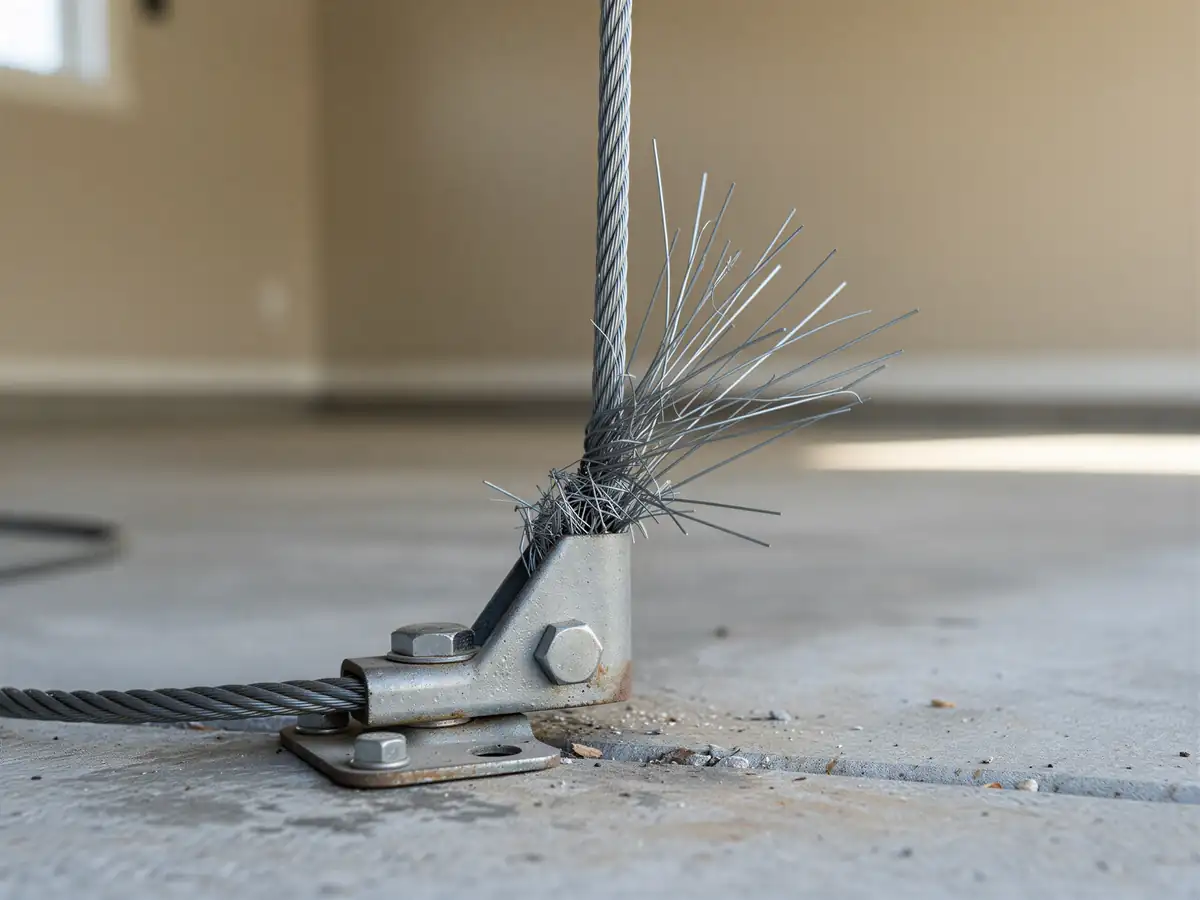
A frayed garage door cable is attached to a bracket on the concrete floor.

Cable Repair

Snapped or fraying garage door cable in Arlington, VA? We work on cars and openers across homes built from the 1940s through the 1970s, in a climate that's hard on steel cable.

Learn more
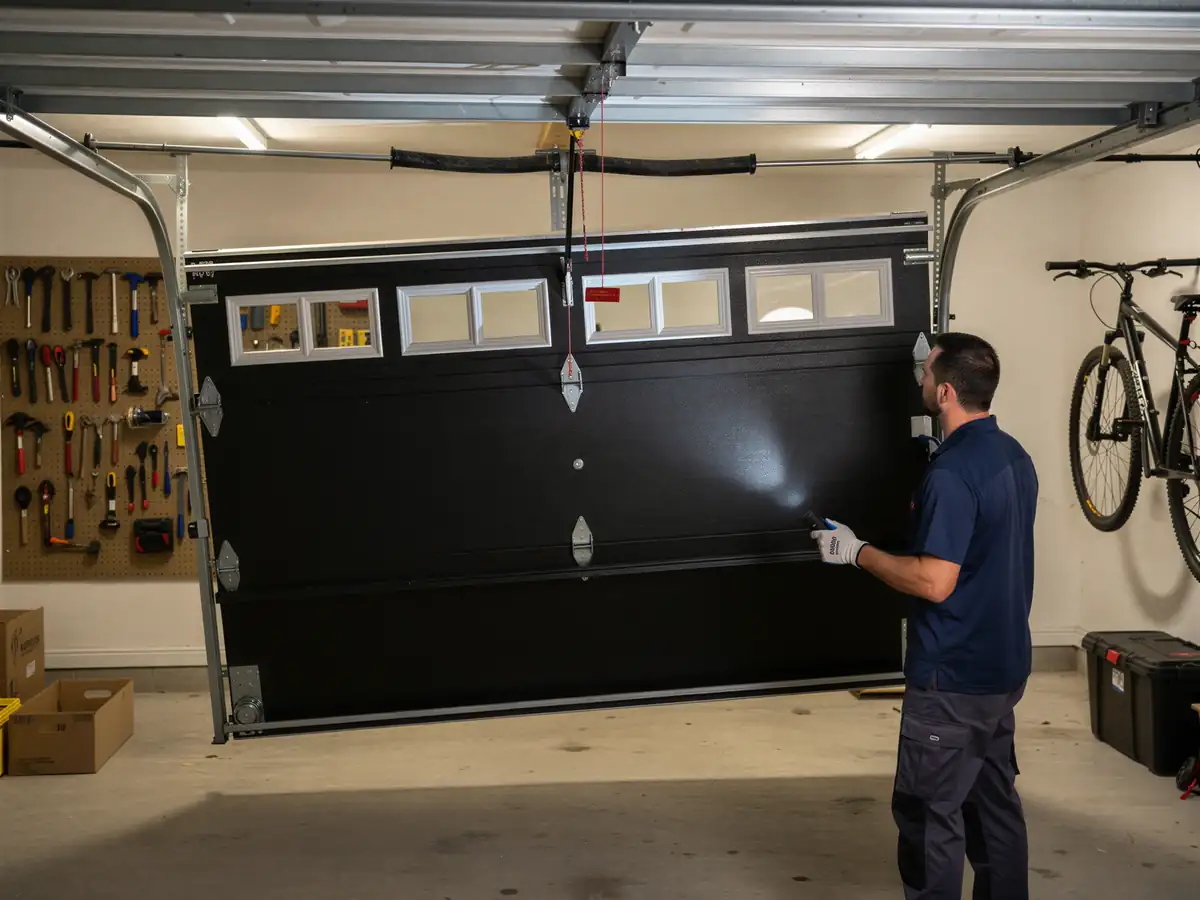
A technician shines a flashlight on a black garage door that is off its track.

Off-Track Repair

Off-track garage doors are common in Arlington's 1960s-70s housing stock, especially after cold snaps. Same-area response, straight talk on fix vs. replace.

Learn more
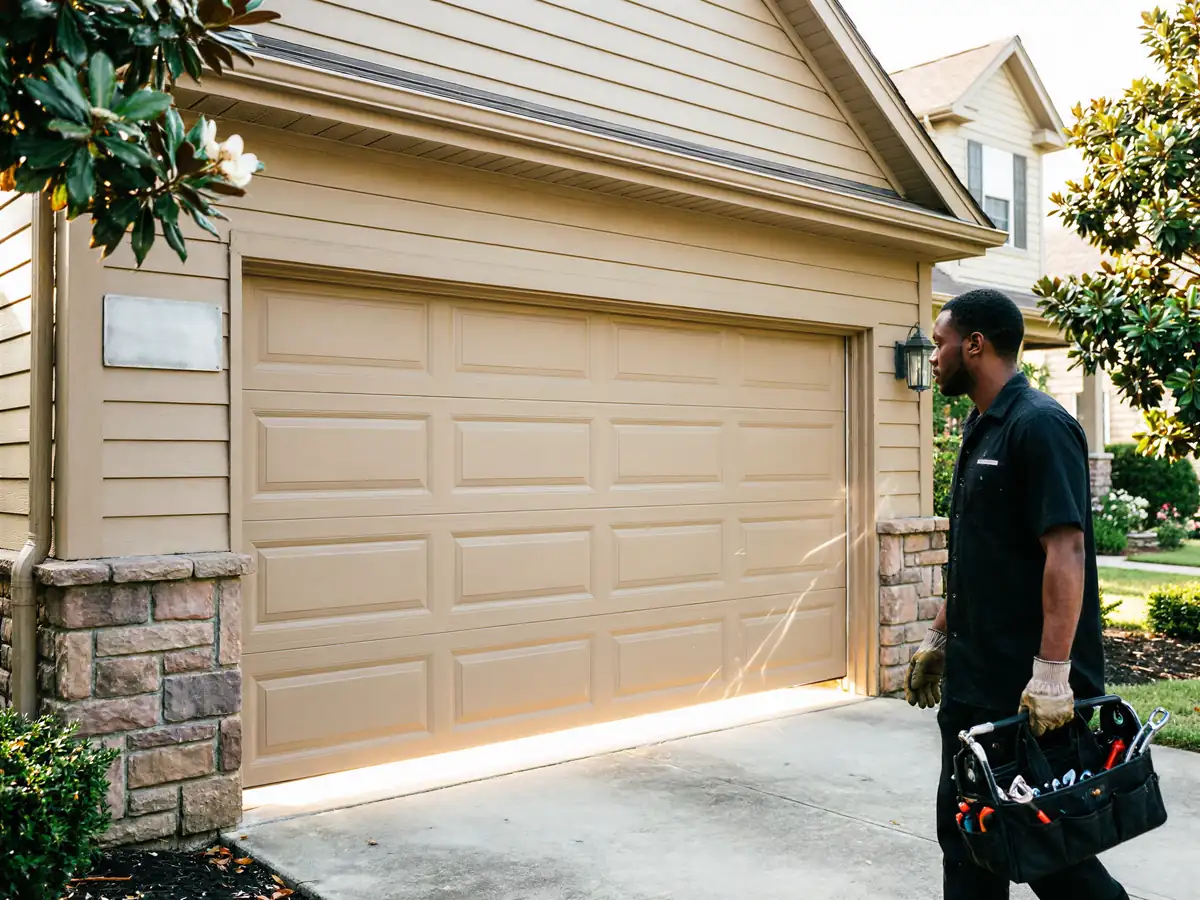
A technician carrying a toolbox walks past a beige garage door.

Emergency Garage Door Repair

Spring snapped or door stuck open overnight in Arlington? We handle emergency garage door repair across the service area, from Bailey's Crossroads to Lorton, any time of day.

Learn more
Questions

Frequently asked

Straight answers about garage door repair in Arlington. Still unsure? Ask us directly.

How old does a garage door have to be before I should stop repairing it?

There's no fixed age, but if your house falls near the 1976 median build year common across this area and the door is original, you're well past the point where most springs and cables are rated to last. At that point, a tech can usually tell you fast whether the track and opener are still sound enough to justify another repair.

Why does my door feel heavier in the winter?

This area sits in a cold-severe climate band, and torsion springs lose lifting force as steel temperature drops. On older hardware common in 1960s and 70s-built homes here, that effect is more noticeable because the spring has already lost some capacity to age before winter even starts.

Do you work on doors in Falls Church or Bailey's Crossroads too?

Yes - those areas sit within a few miles of Arlington and fall inside our service area, along with neighborhoods like Lake Barcroft and Annandale further out. The housing age and hardware issues we see there track closely with what we see in Arlington itself.

Ready to get your garage door sorted?

Tell us what it’s doing and where you are in Arlington - we’ll take it from there.

Request a QuoteCall