When to Call Someone
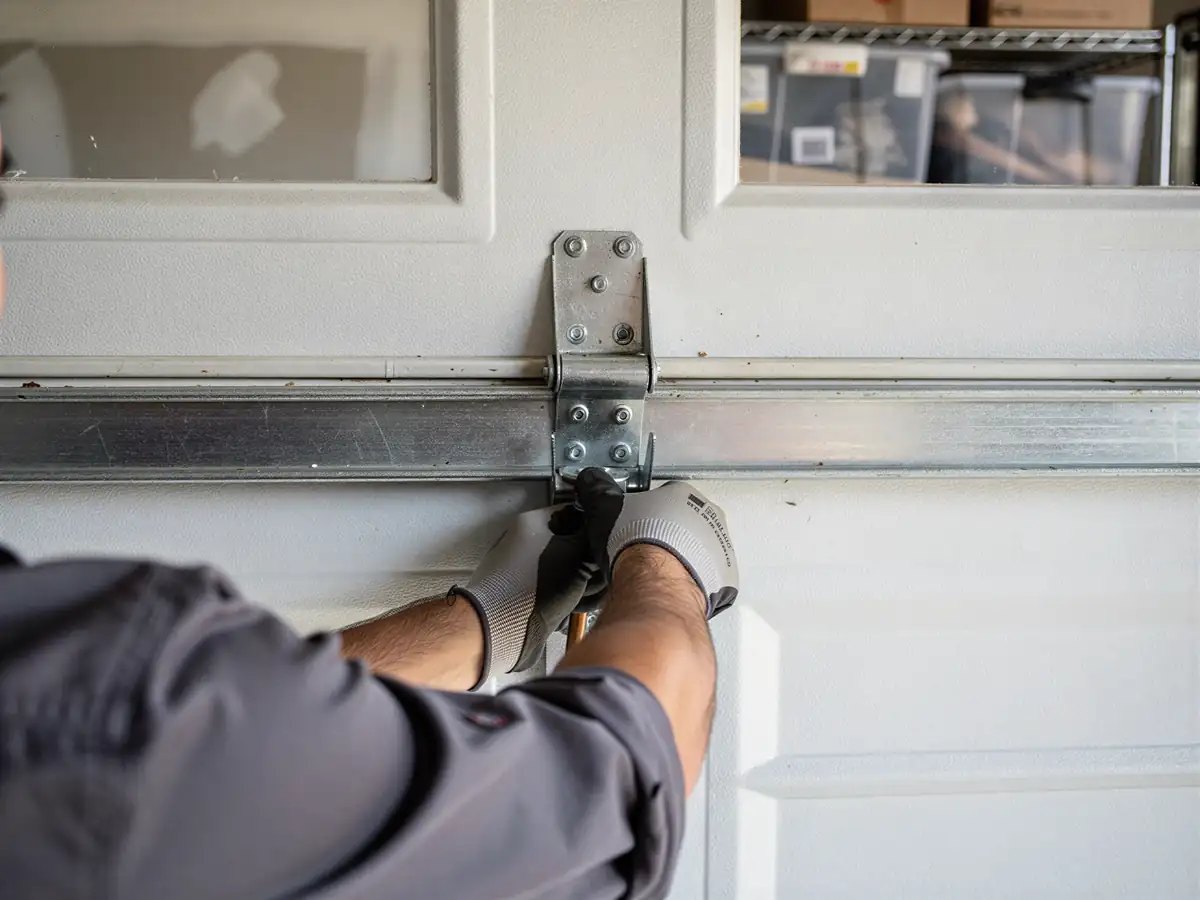
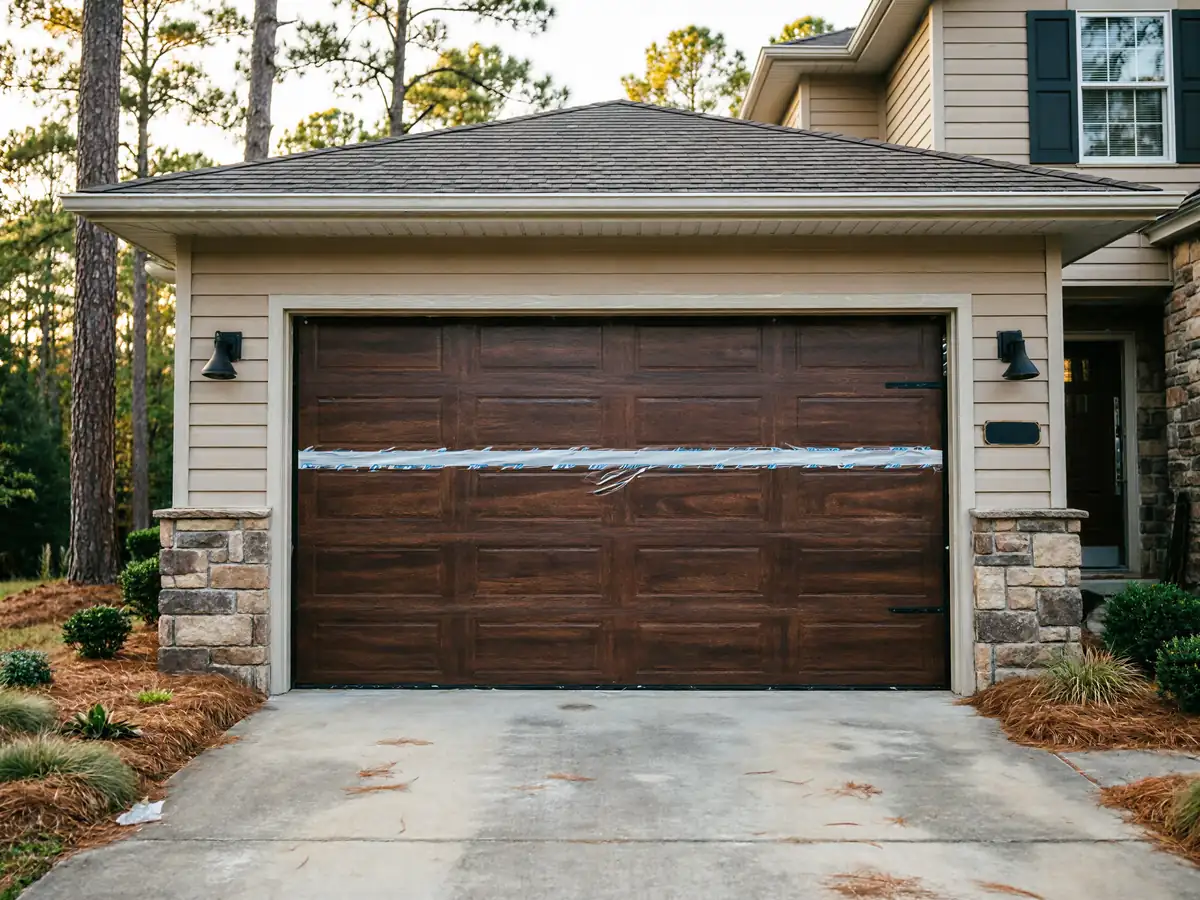
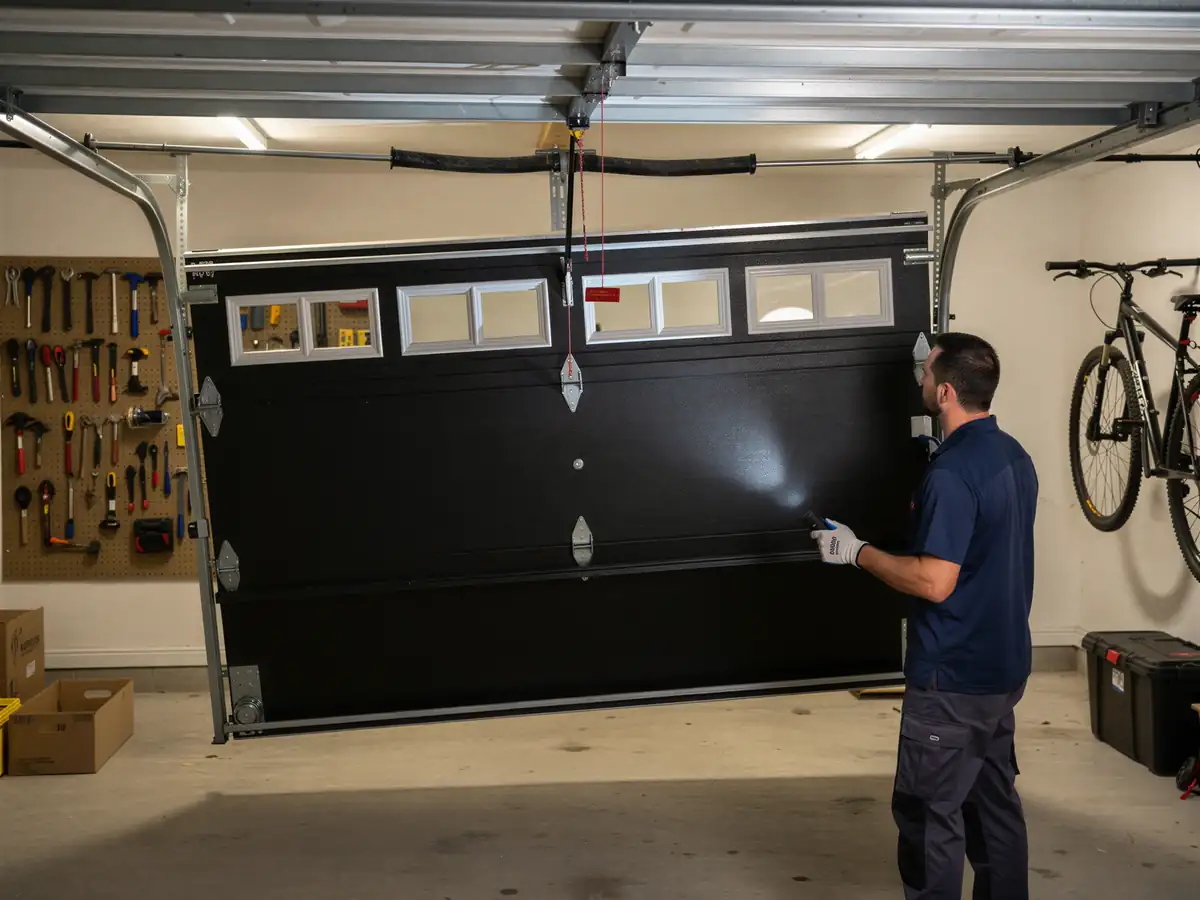
Call when a spring snaps, when the door comes off one track
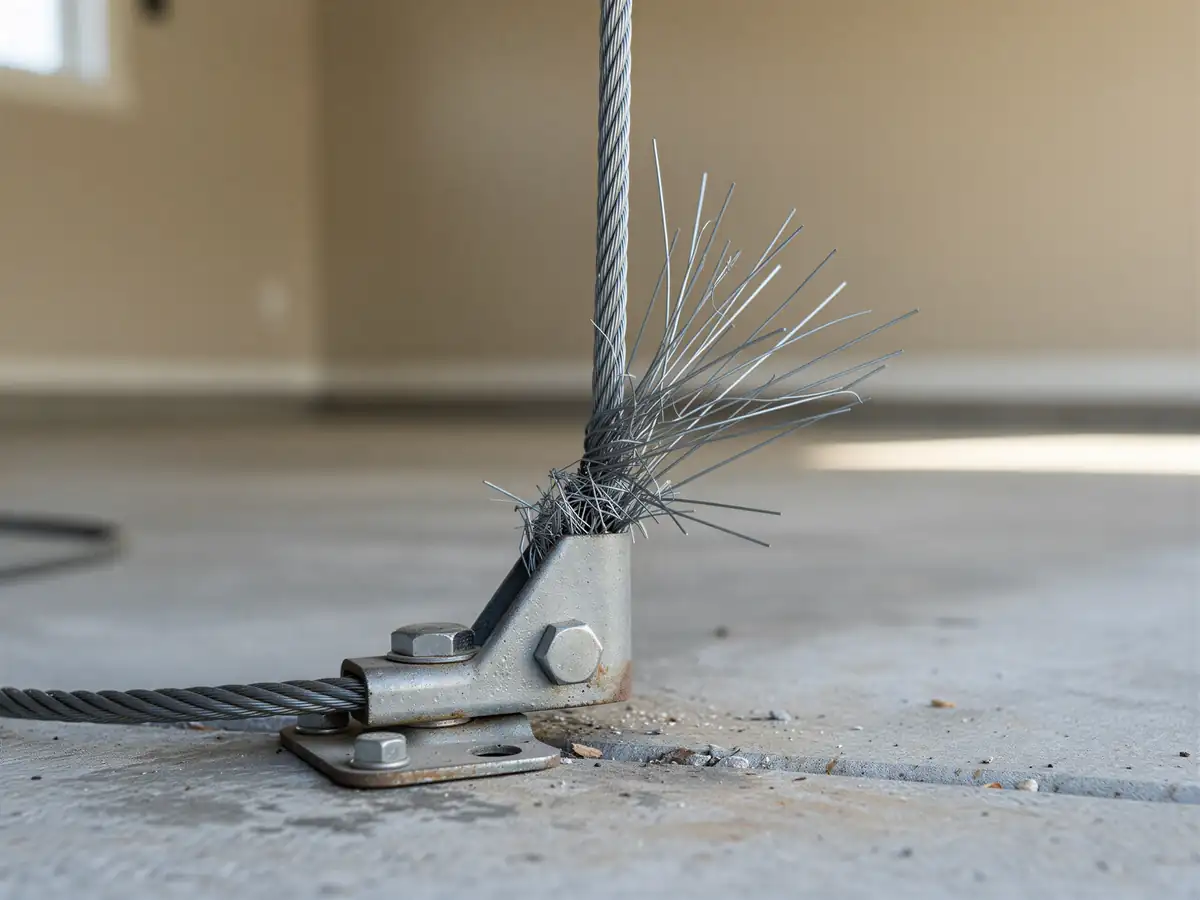
Or when a cable frays enough that the door sits crooked in the opening. Those are safety calls, not maintenance calls, and they don't wait. A door that's merely loud, slow, or stiff on cold mornings is a different kind of call - worth making, but not an emergency.
We can't tell you over the phone whether a 1970s torsion spring is worth replacing on its own or whether the whole assembly needs to come out
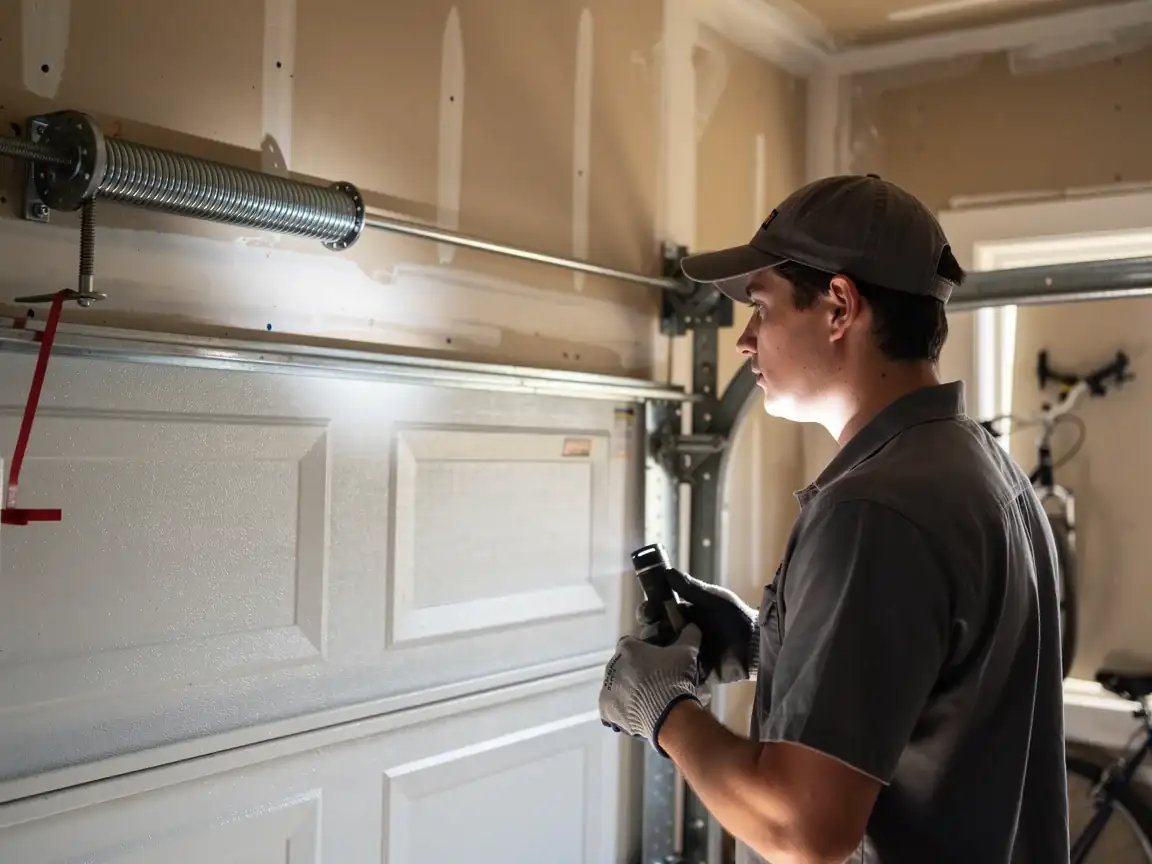
That depends on what's underneath the bracket, and on a door built during the service area's 1960s-70s wave, what's underneath varies house to house even on the same block. One honest limit: if the drum or shaft is pitted from age, we won't quote a spring-only fix just to get the job cheap - it comes back in a year and costs you twice.
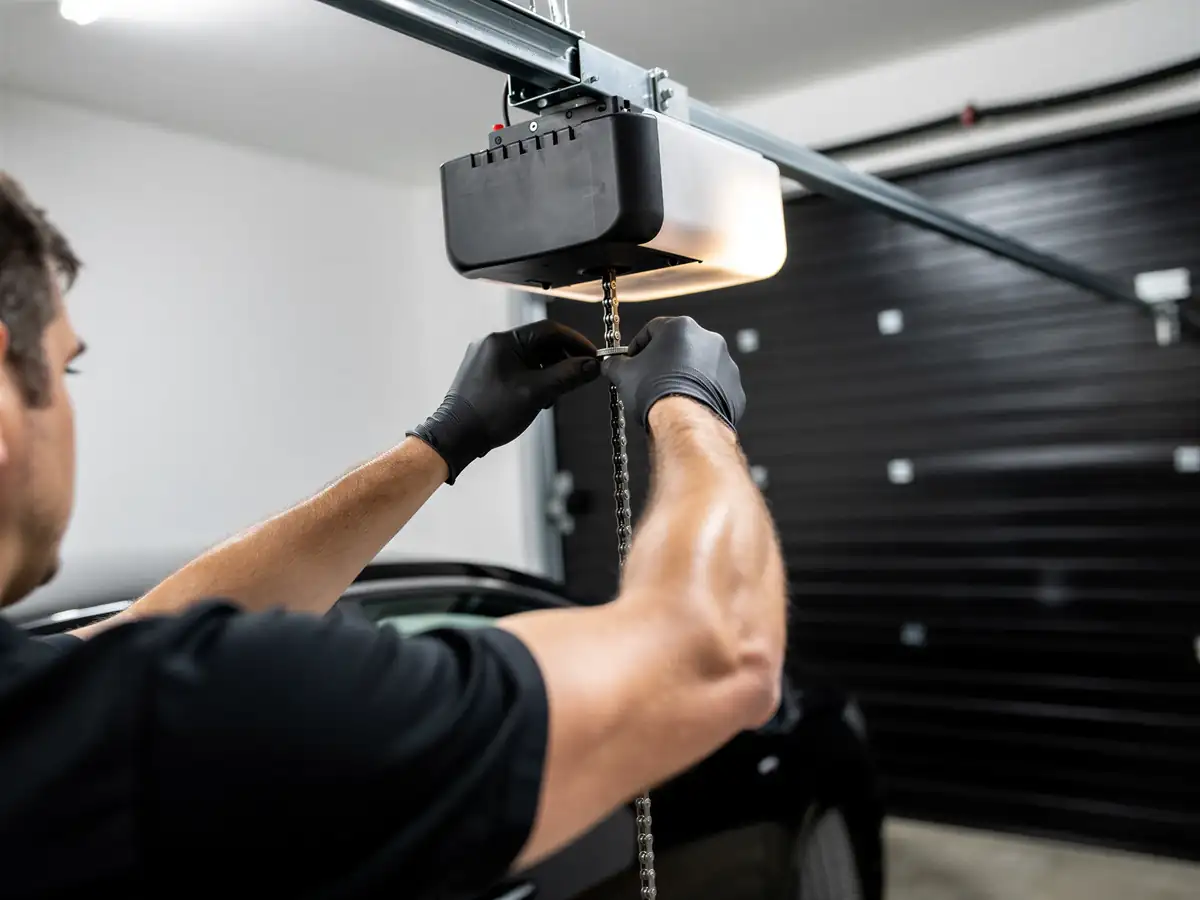
If the opener is the only thing acting up and the door itself still travels straight and quiet when you lift it by hand
That's usually a smaller job. If the door shudders, drops unevenly, or you hear metal grinding on metal, don't keep running the opener through it. That's how a $40 roller problem turns into a bent track.
The Situation
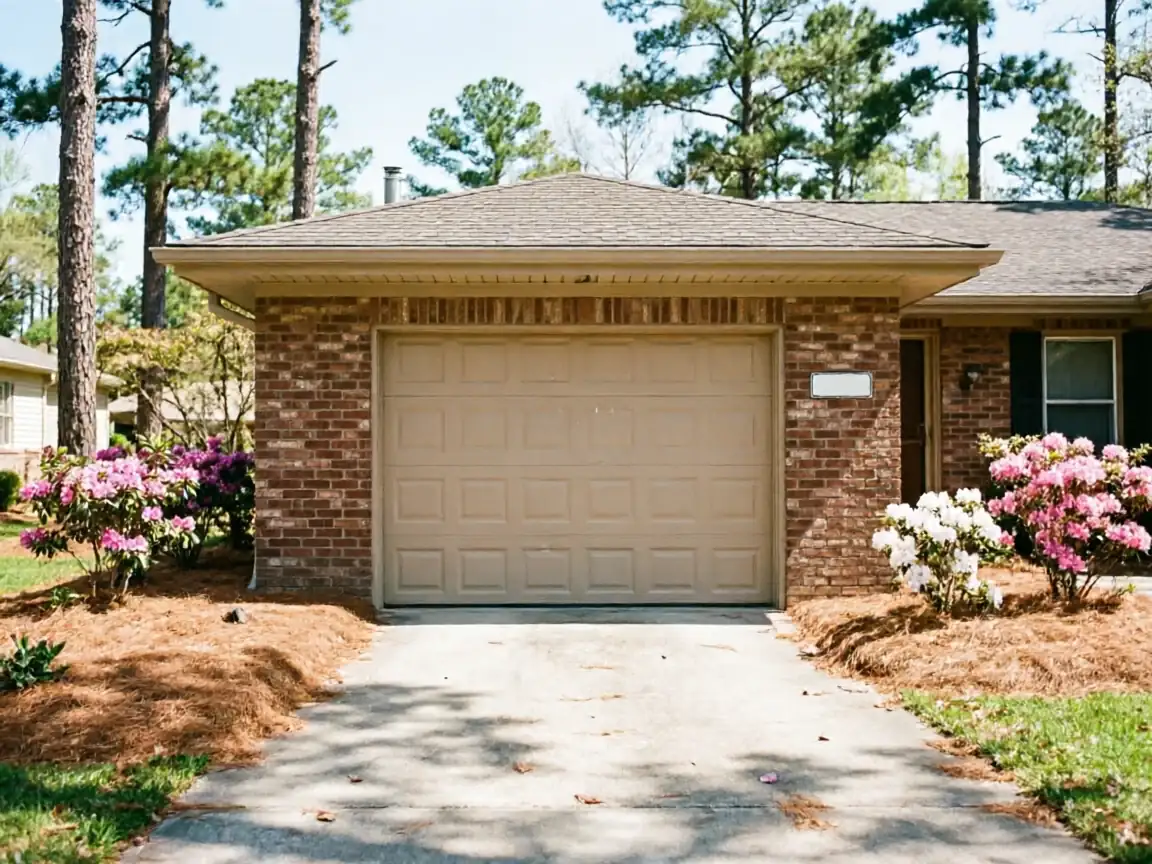
Housing across this service area was mostly built between 1940 and 2001, with a median build year of 1976, and the bulk of it clusters in that 1960s-70s stretch. That matters for a garage door because the hardware specified in 1976 was sized for a lighter, single-layer steel door - not the heavier insulated sections sold today. A lot of these original openings still carry torsion springs and track rated for loads nobody installs anymore.
Across the wider service area there are 254,635 households and 88,312 owner-occupied houses, with median household income at $137,878. That income level is part of why we see more owners here choose a clean replacement once a door crosses 30 to 40 years old, rather than keep nursing a spring or panel setup that's been patched twice already.
None of that means every older door needs to go. A lot of 1970s-era doors are still structurally sound steel, and if the track and springs were replaced at some point along the way, the door itself can keep going for years. The build era tells you what to expect under the hood - it doesn't tell you the door is done.
What the Weather Here Does to It
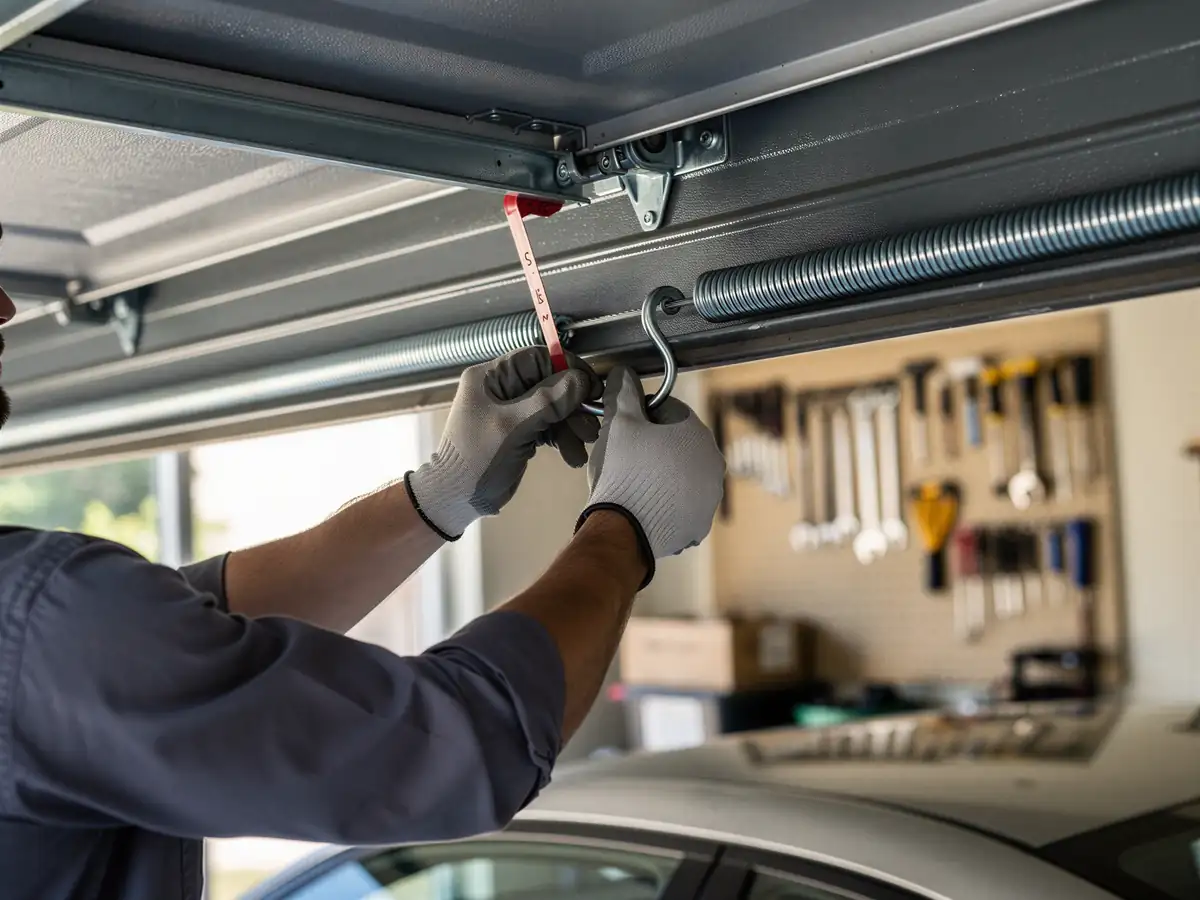
This area sits in a severe-cold climate band, and that's hard on garage door hardware in specific ways. Steel torsion springs lose tension faster in repeated hard-freeze cycles than they do in milder regions - the metal stiffens, flexes less smoothly, and the coil wears unevenly at the point where it's wound onto the shaft. On a door original to the 1960s-70s building wave, that spring has already been through decades of those cycles.
Cold also affects the door panels themselves, especially on older non-insulated steel sections. Metal contracts in the cold, and a panel that's slightly bowed or dented will bind harder against the track on a 20-degree morning than it will in July. If you've noticed your door is fine most of the year but balky and loud from December through February, that's not your imagination - that's the steel and the lubricant both stiffening at once.
We don't recommend waiting out a freeze to deal with a spring that's already showing uneven coils or rust at the mounting cone. Cold doesn't cause that damage, but it's what finally makes a weak spring fail, usually on the coldest morning of the week, which is also the least convenient one.
Where People Go Wrong
The most common mistake with an older Arlington door is lubricating the track and ignoring the spring
Track lube quiets things down for a few weeks and masks a spring that's actually losing tension - which, on hardware this area's severe-cold winters have already worked hard, is the part that actually needs attention.
The second mistake is replacing a spring on a door that's original to the 1960s-70s building wave without checking the drum and shaft for wear
Springs are cheap. Drums and shafts that have been under load for 40-plus years sometimes aren't round anymore, and putting a new spring on a worn drum just means another service call in a year.
The third is treating weatherstripping as cosmetic
In a severe-cold climate, a gapped or flattened bottom seal lets cold air and moisture into the garage, which speeds up rust on cables and hinges that are already decades old. It's a small, cheap fix that gets skipped because it doesn't look urgent - until the hinges it was protecting start to go.
We'd rather tell an owner their 1970s door still has life in it than sell a replacement it doesn't need
But once the drum, shaft, and springs are all original and all showing wear, patching one piece at a time stops making financial sense.