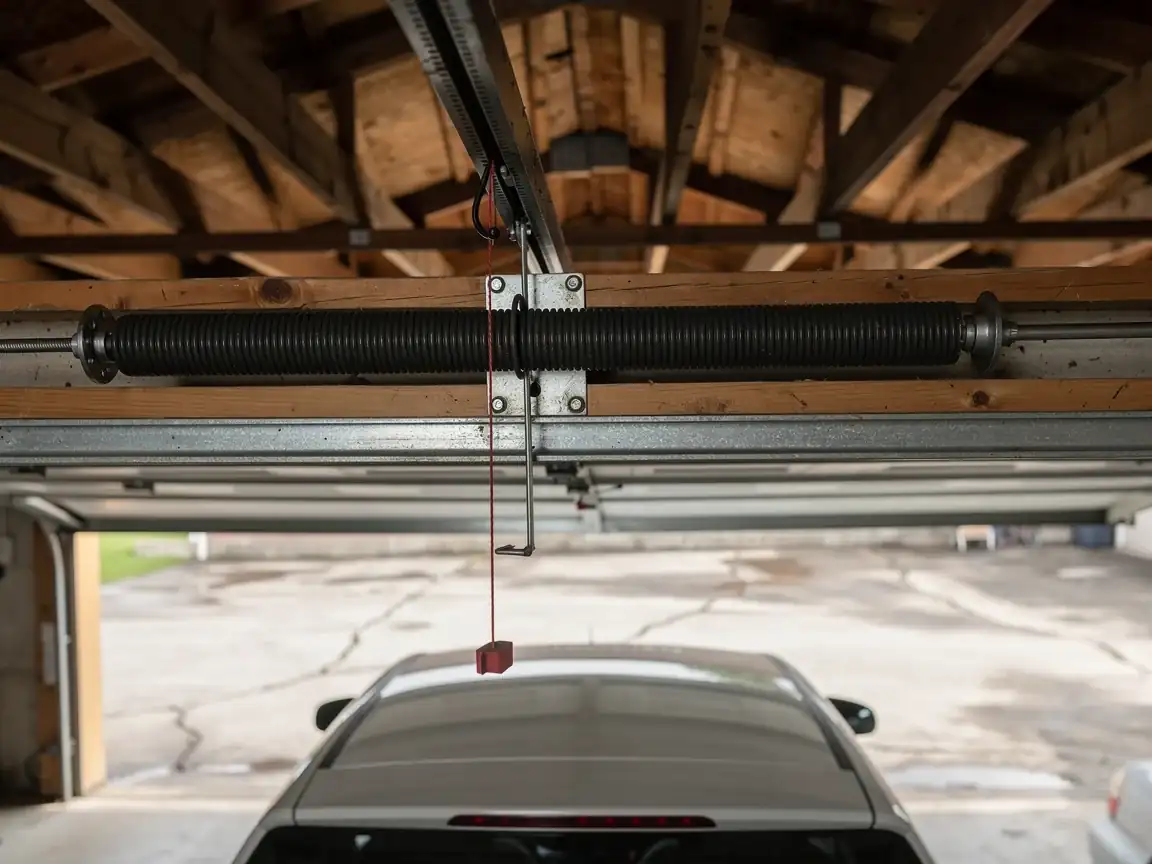
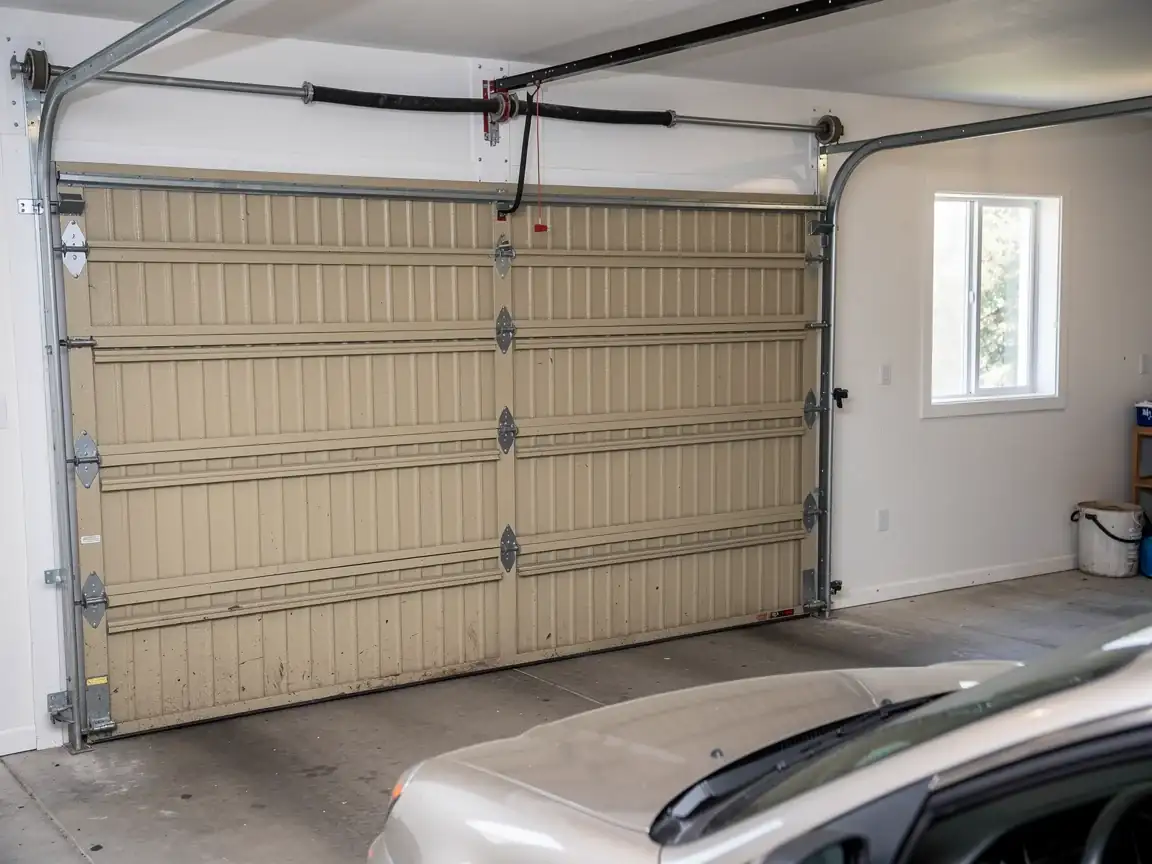
Arlington Garage Door Pros serves Fort Hunt, VA, where most doors date to the 1960s - we carry the older torsion hardware these systems need, not new stock.
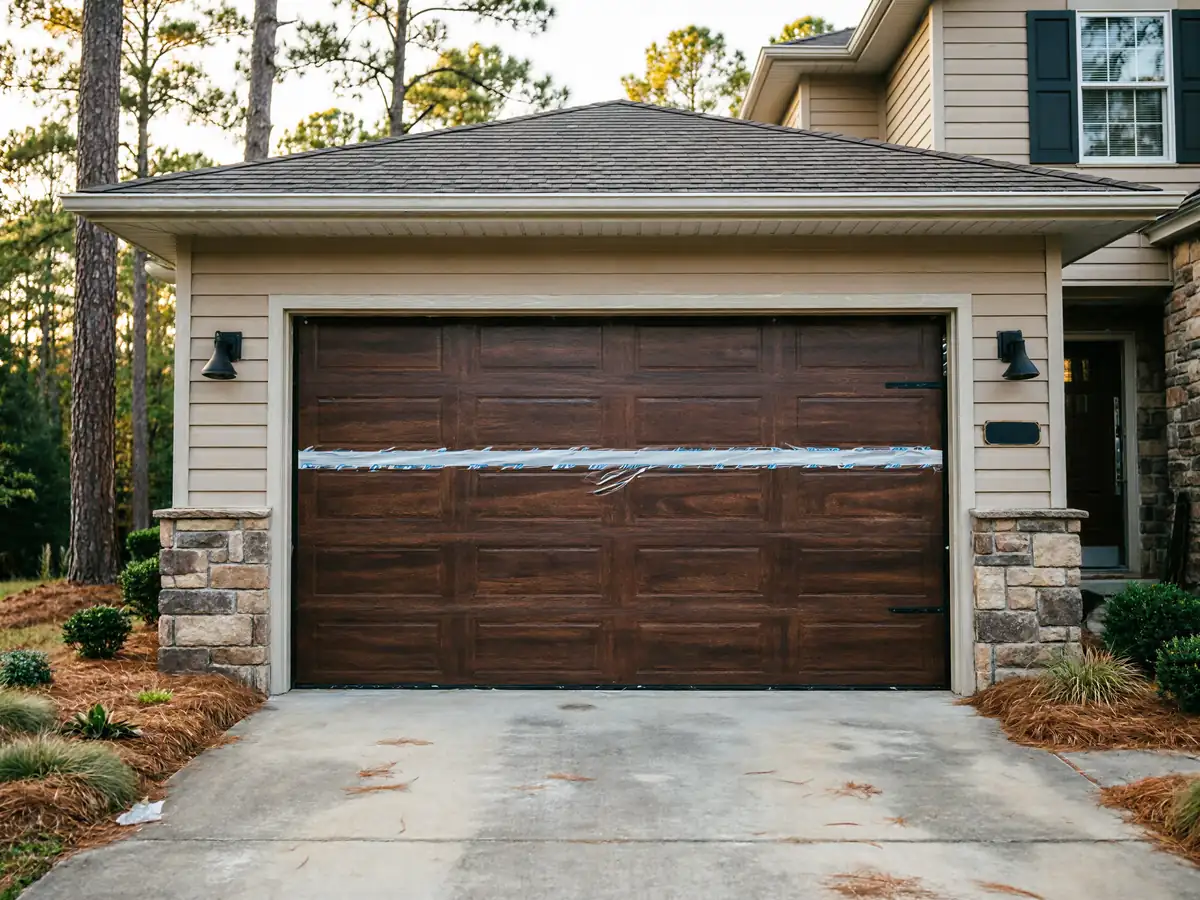
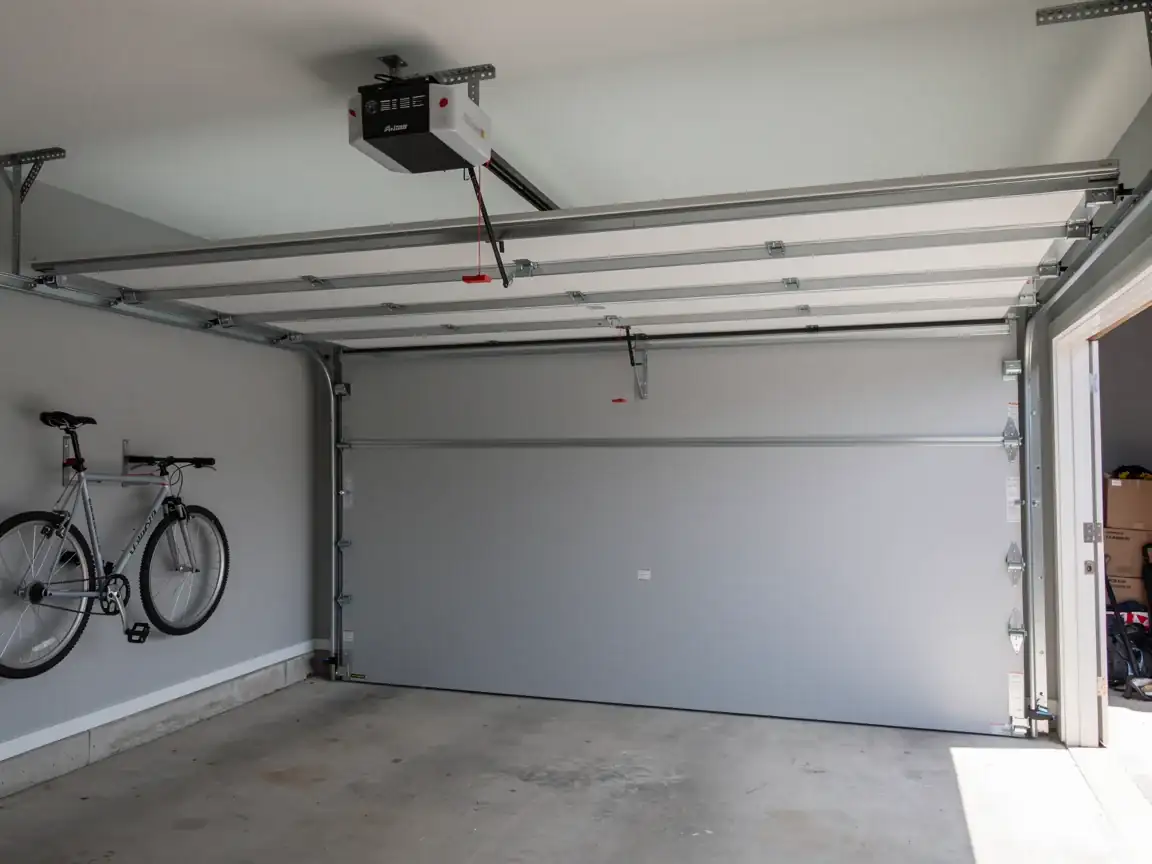
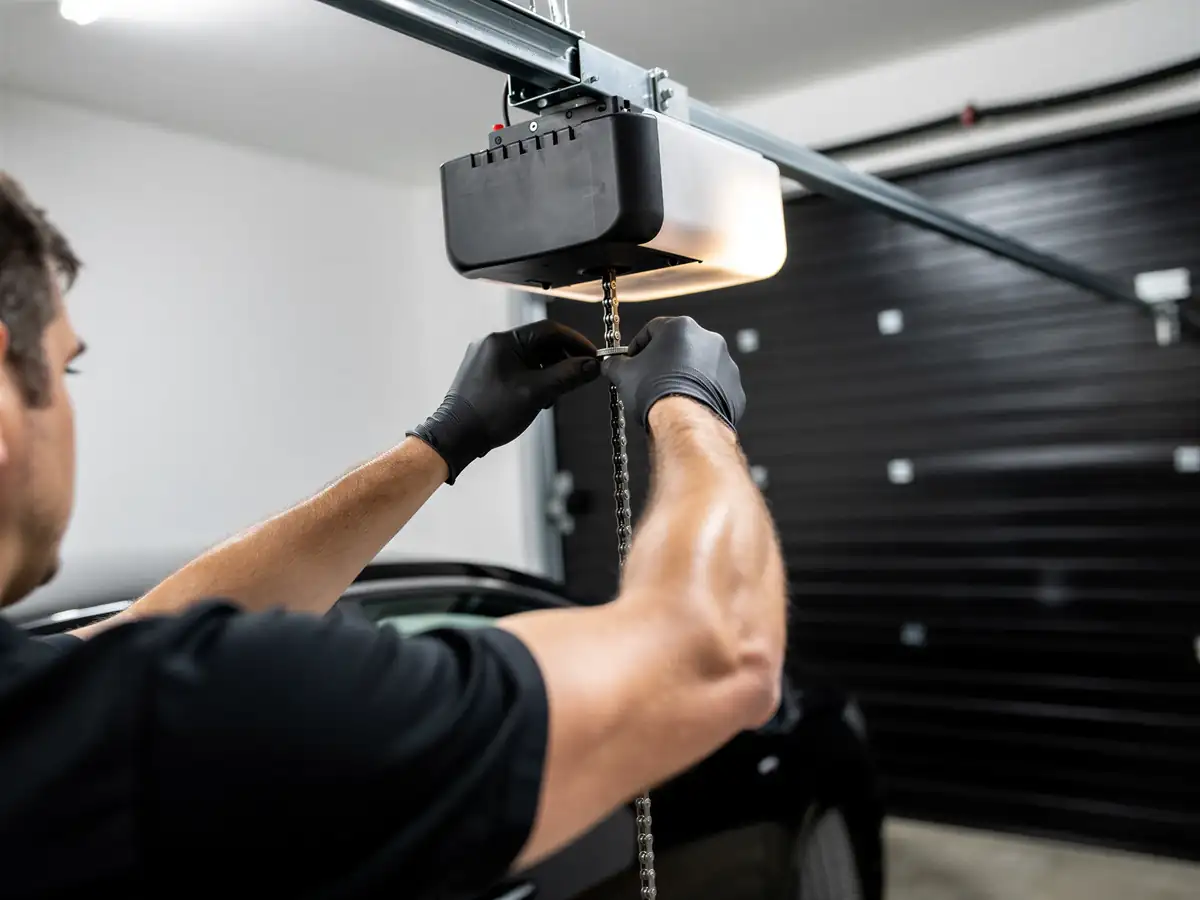
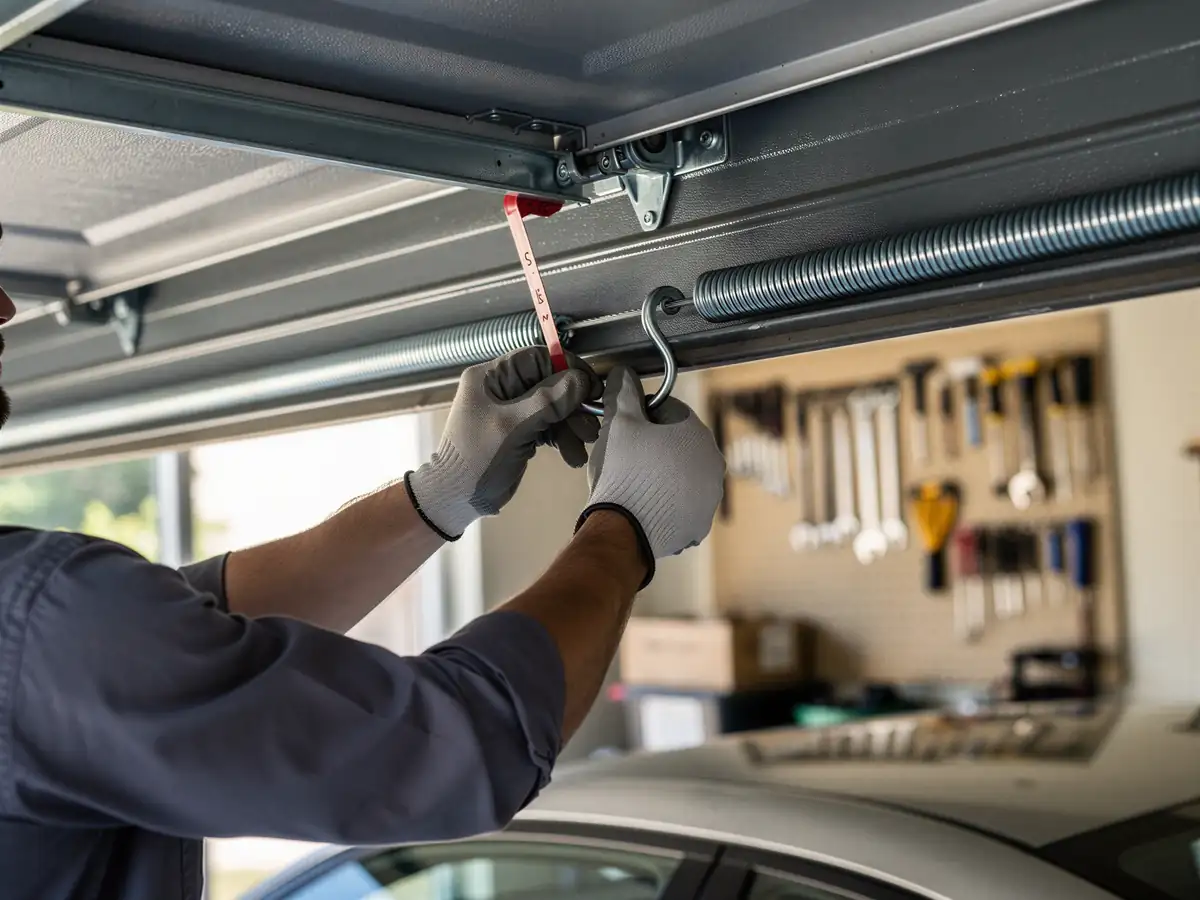
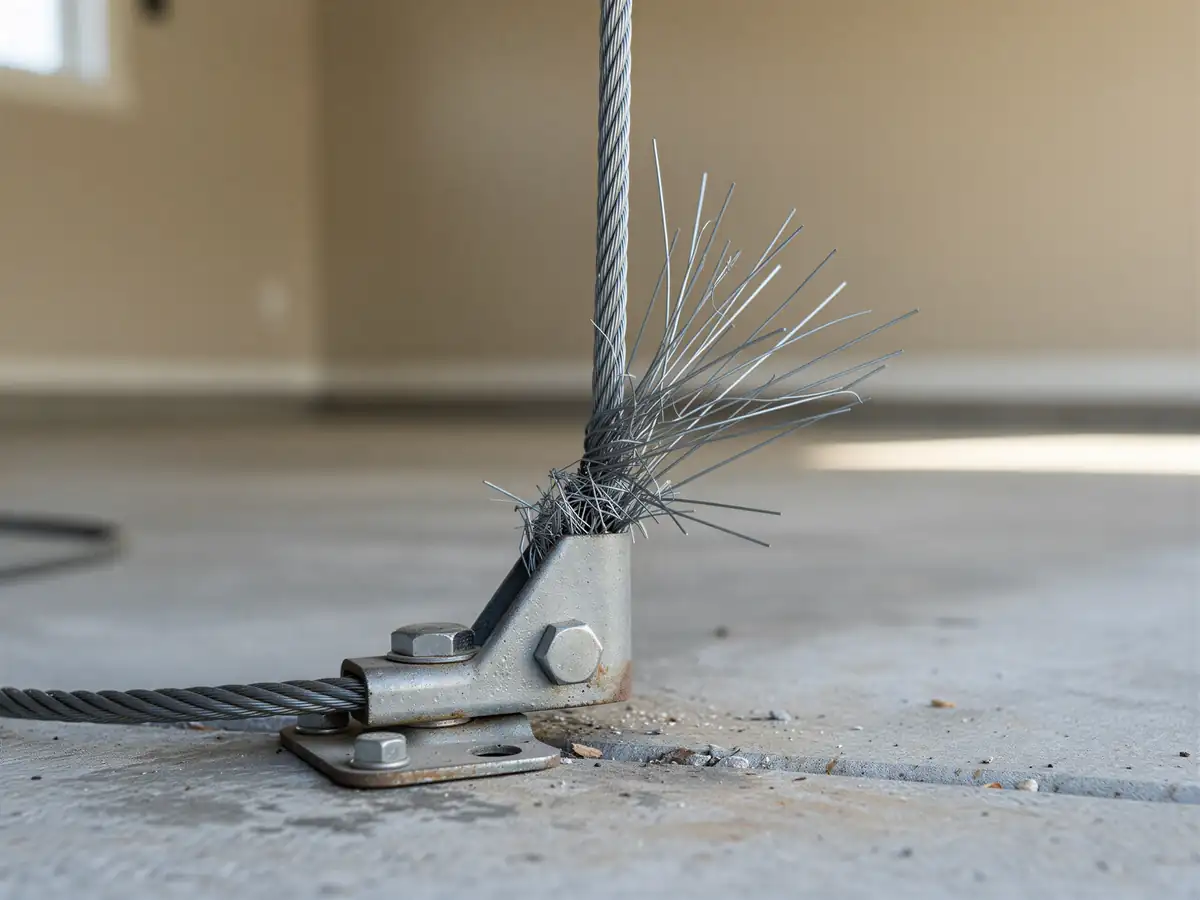
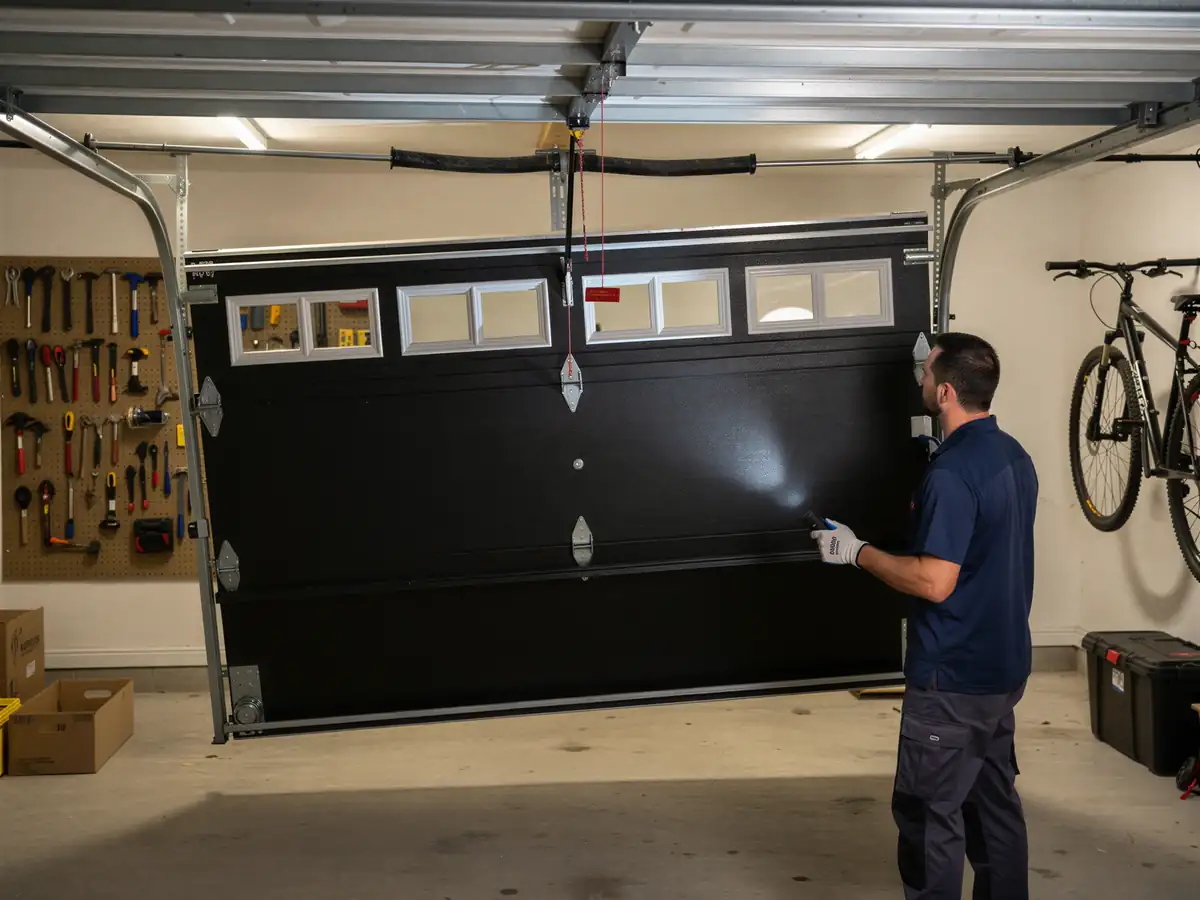
Most of the calls we get from Fort Hunt are about doors that are older than the doors we see closer to Arlington itself. With a median build year around 1963, a lot of these garages still have their original torsion setups, or a mid-life swap to an extension-spring system that someone did in the 1980s and never touched again. The common failure is a torsion spring that's simply worn out from three or four decades of cycles, or a cable that's frayed past the point of tightening. We also get calls on openers that are original to a 1990s retrofit - chain-drive units that grind instead of running quiet. Cold snaps make all of this worse. A severe cold climate band means steel contracts, lubricant stiffens, and a door that was marginal in October can bind or jump its track in January. We don't try to talk anyone into a full replacement when a spring swap and a track adjustment will get another decade out of the door. If the drum's cracked or the opener's circuit board is dead, we'll say so, but we're not going to sell a new door onto a frame that's still square and sound.
This Area's Housing
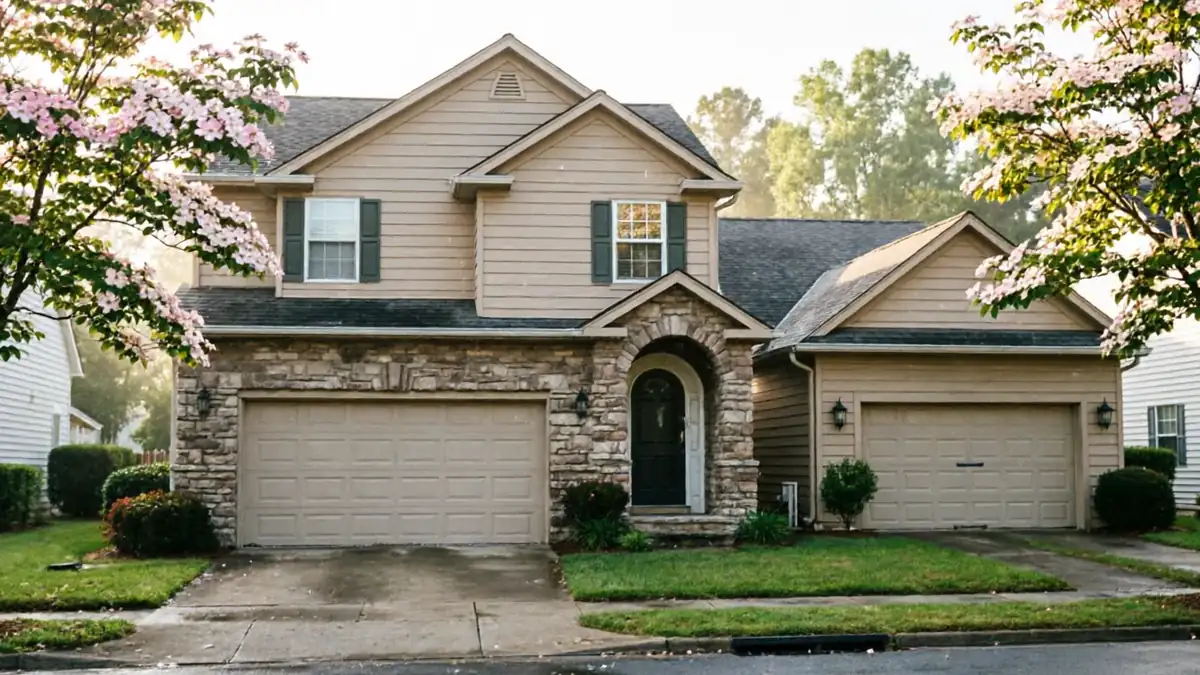
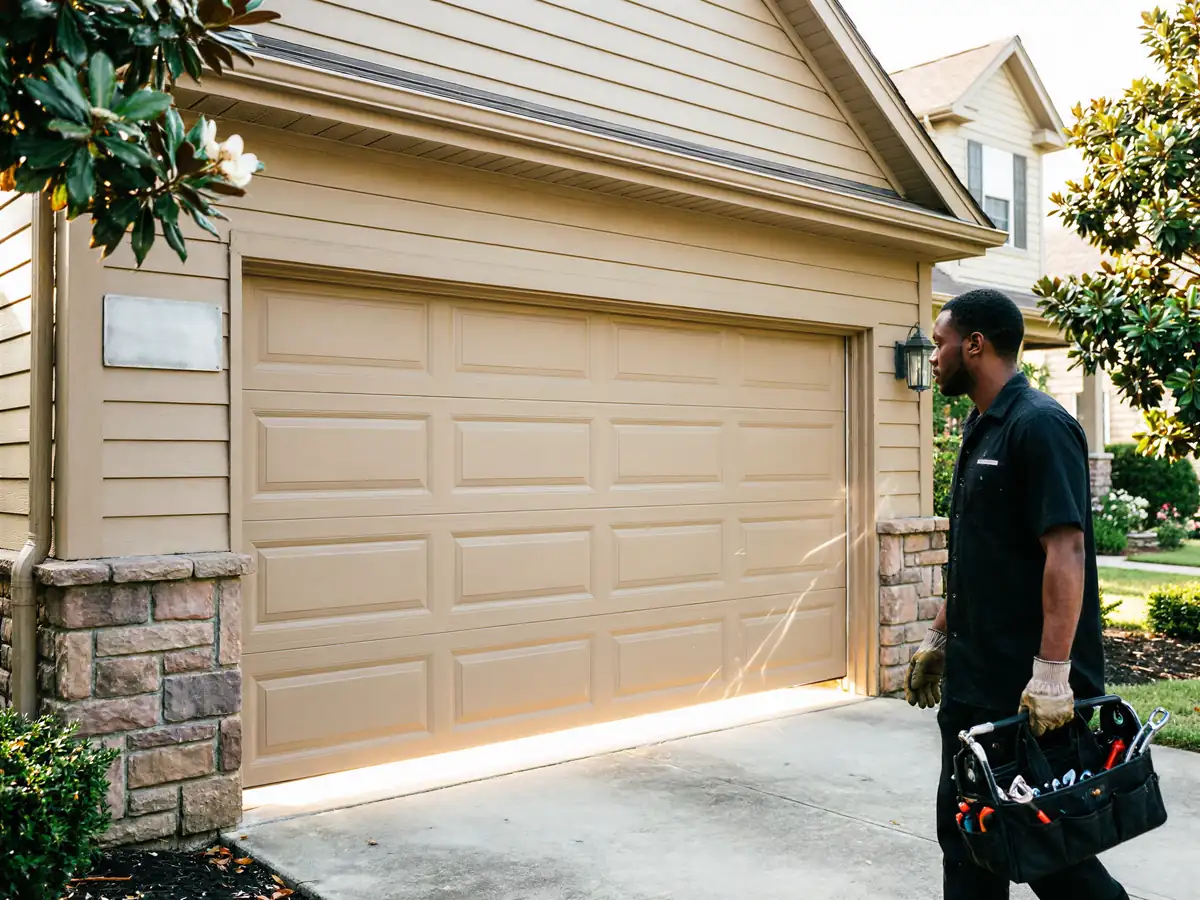
Fort Hunt's housing centers on 1963, which puts it on the older end of a service area where the overall median build year is 1976 and the stock generally runs from 1940 to 2001 across 37 named areas. That ten- or fifteen-year gap matters more than it sounds - doors and openers from the early 1960s were built to different panel widths and spring tensions than the ones installed through the 70s and 80s elsewhere in the region. Fort Hunt has about 5,974 households, a small slice next to the roughly 254,635 households and 88,312 owner-occupied houses across the full area we cover. Median household income here runs $210,471, well above the service-area median of $137,878, and that shows up in how these houses were finished and maintained - solid wood or early steel doors kept up over the years rather than swapped for the cheapest option. Nearby, Mount Vernon, Belle Haven, and Woodlawn sit in the same general band of older construction, which is part of why we see similar hardware problems across that stretch.
How Soon We Can Come Out
We run out of Arlington, and Fort Hunt sits about 10 miles south along that corridor. We don't keep a crew or a depot in Fort Hunt itself, so every job here is a truck making the drive down, not a local stop on a route. That means we can't promise a same-day window the way we might closer to home base - it depends on where the truck already is that day and what's ahead of it on the board. What we can tell you is that the trip itself isn't the bottleneck once we're scheduled; it's parts. If your door needs a spring size or a drum that matches 1960s hardware rather than what's stocked for newer doors, that part sometimes has to be ordered, and that adds a day or two beyond the visit. We'd rather tell you that up front than have a truck show up and leave with the job half-finished.
What the Housing Means for Your Door
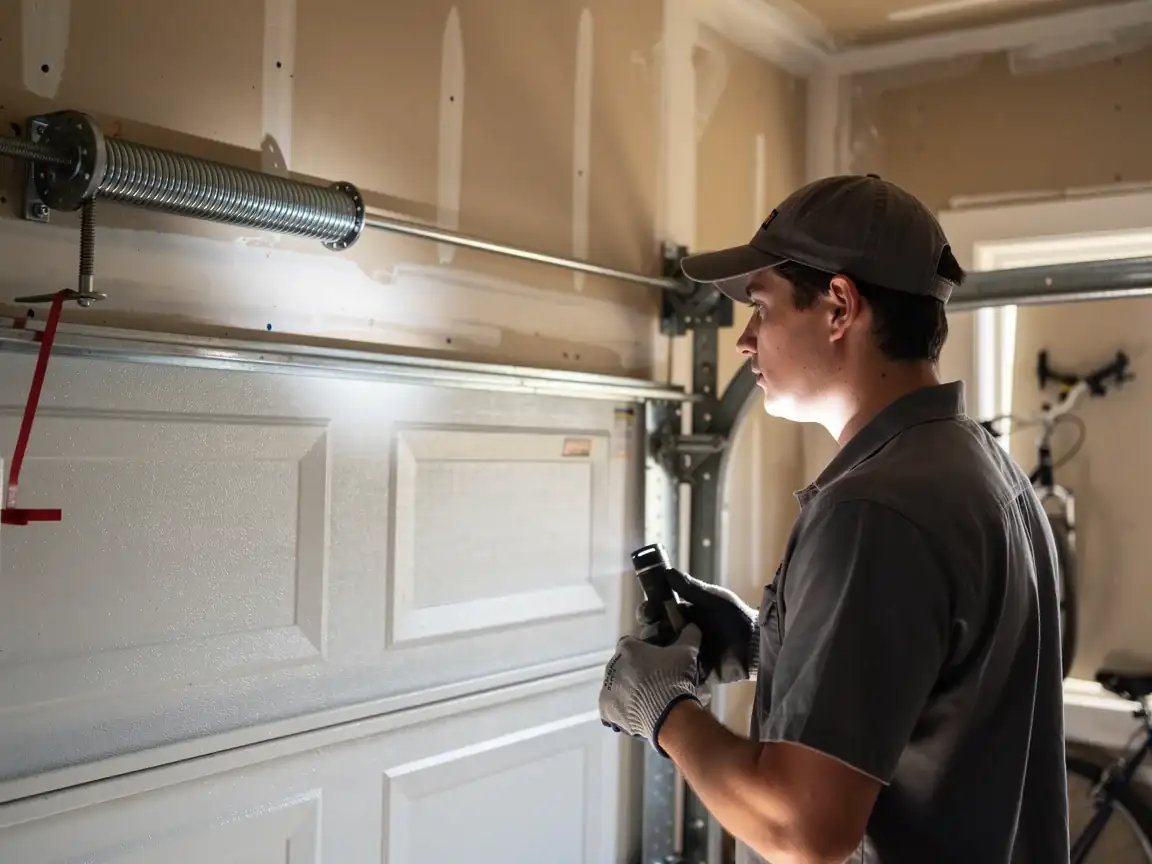
A door built around 1963 usually means one of two things under the hood: an original torsion system that's never been touched, or a replacement from decades back that doesn't match what's commonly stocked today. Either way, the spring tension calculations are different from a door installed in the 1990s or 2000s, because the panel weight and width standards shifted over time. We see a fair number of doors here still running on the original torsion shaft and bearing plates - sound steel, but bearings that are due. Cold-climate severity also means insulation matters more than it would somewhere milder; a single-layer steel door from this era with no foam core loses a lot of heat and tends to sweat and warp slightly at the bottom panel in winter. We'll point that out if we see it, but we're not going to push a full insulated replacement on a door that's structurally fine - sometimes a bottom seal and weatherstripping swap solves the draft without touching the panels at all.
How it works
From “it’s stuck” to “it’s fixed”
1
Tell us what’s wrong
Describe the symptom - won’t open, loud bang, opener runs but the door won’t move.
2
On-site diagnosis
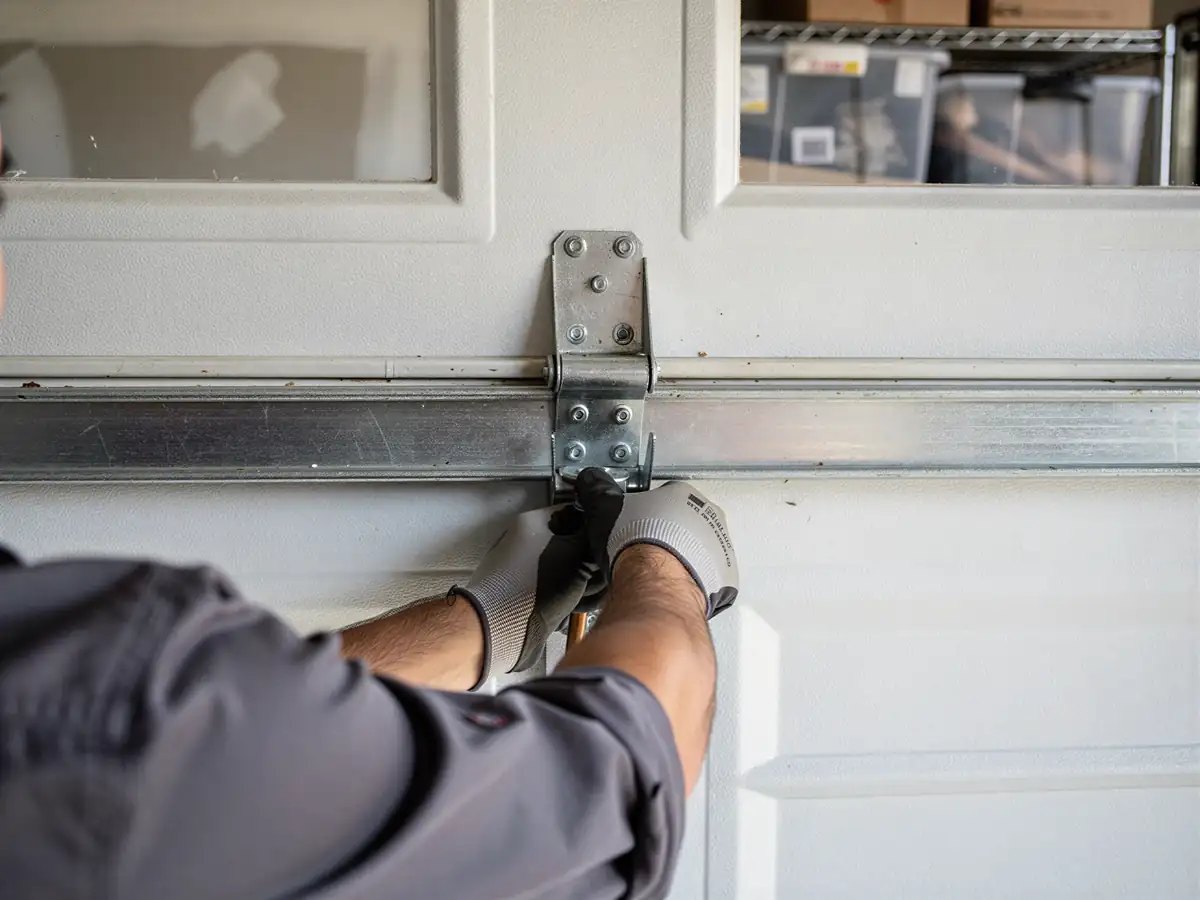
A technician tests the door under power and by hand and finds what actually failed.
3
Clear, up-front plan
You get the fix that’s needed and what drives the cost - before any work starts.
4
Repaired & tested
The repair is done, the door is set true and tested, and the work area left clean.
Not sure which repair your door needs in Arlington, VA? Describe what it’s doing - every job starts with a diagnosis.
No. We run out of Arlington and travel about 10 miles to reach Fort Hunt. We don't keep a local depot or stock truck parked in the area, so scheduling depends on the day's route, not a local presence.
Why does my 1960s door use different spring sizes than my neighbor's newer one?
Panel weight and width standards changed over the decades. A door built around 1963 often runs an older torsion spring size and drum that isn't the same as what's commonly stocked for doors built in the 80s or later, so matching parts sometimes takes an extra day to order.
Is it worth replacing an old torsion system instead of repairing it?
Usually not if the shaft and drums are still sound. We'll replace springs, cables, and bearings as they wear, but we don't push a full system swap on hardware that's still doing its job - that's a bigger cost than the problem calls for.
Does cold weather actually affect these older doors more?
Yes. This area sits in a climate band with severe cold, and steel hardware from the 1960s wasn't built with the same tolerances as modern doors. Springs and tracks that are already marginal tend to bind or stick hard in a cold snap.
Ready to get your garage door sorted?
Tell us what it’s doing and where you are in Arlington - we’ll take it from there.