How It Shows Up
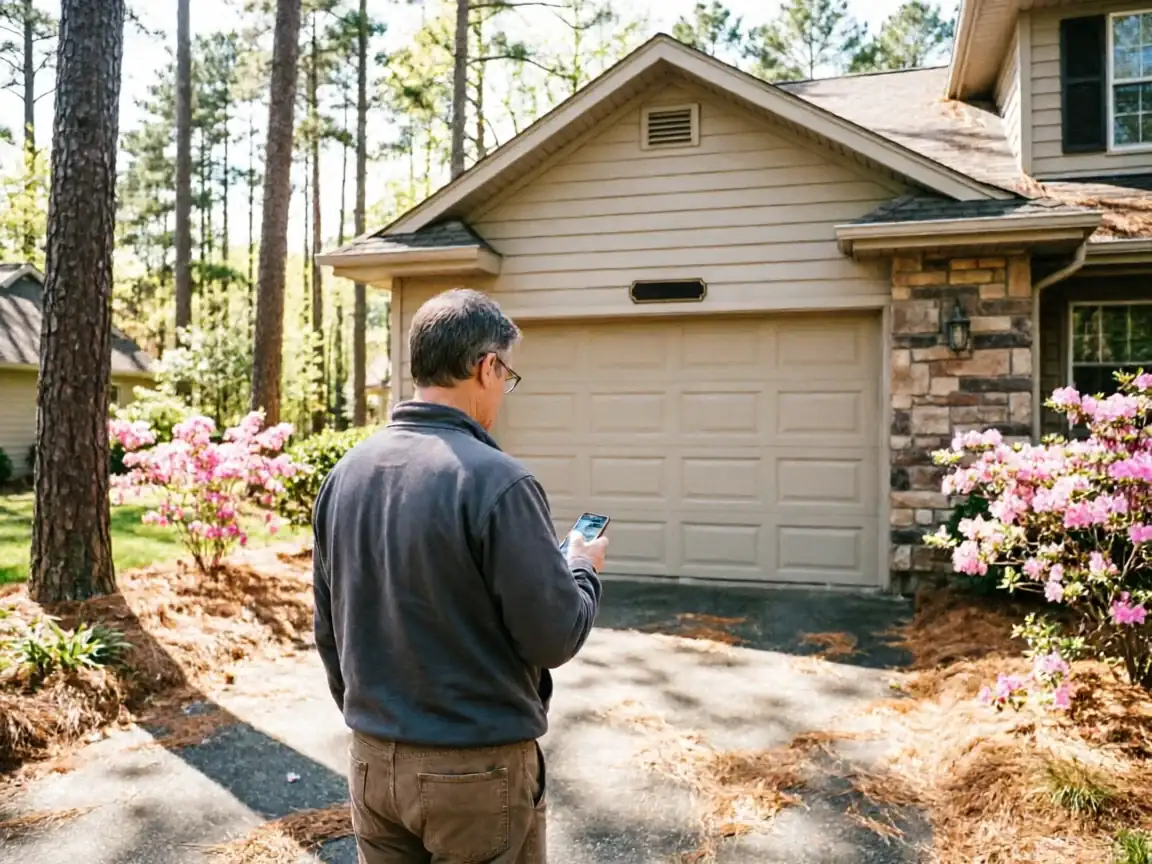
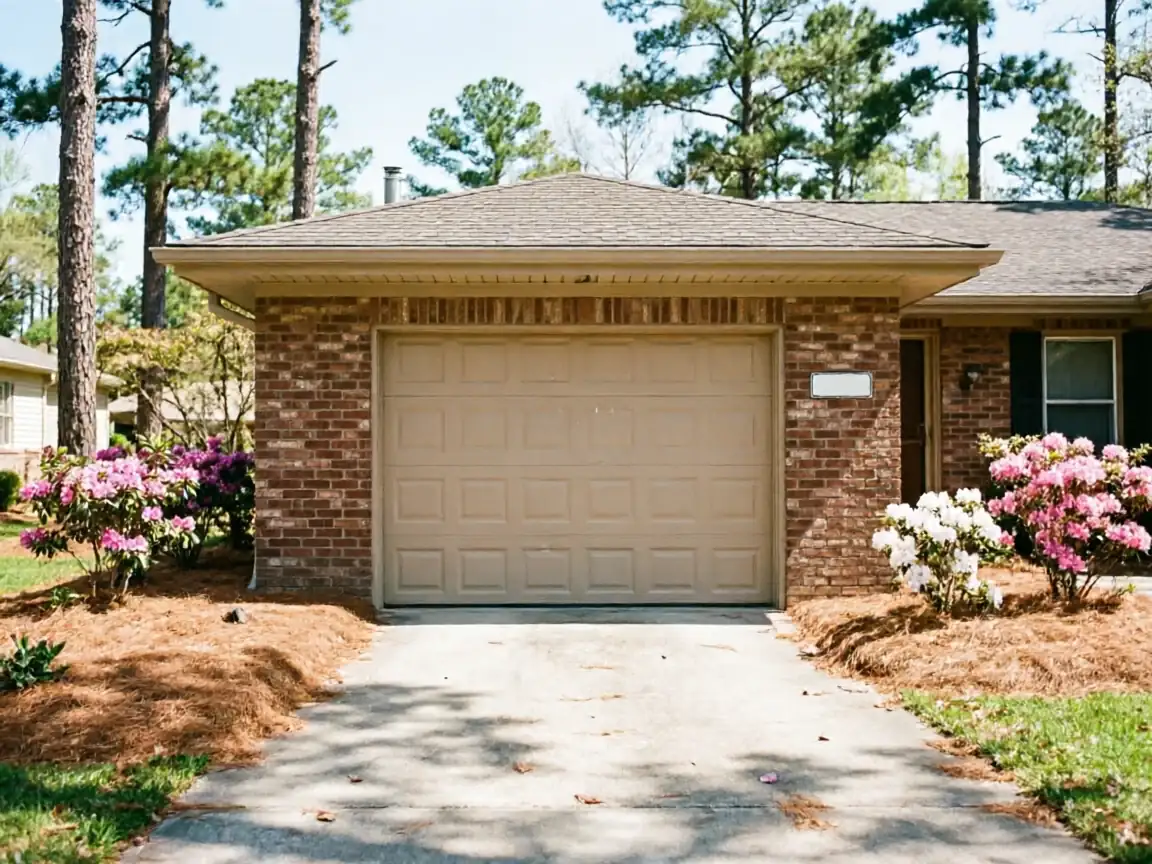
Most houses in Fort Hunt went up around 1963
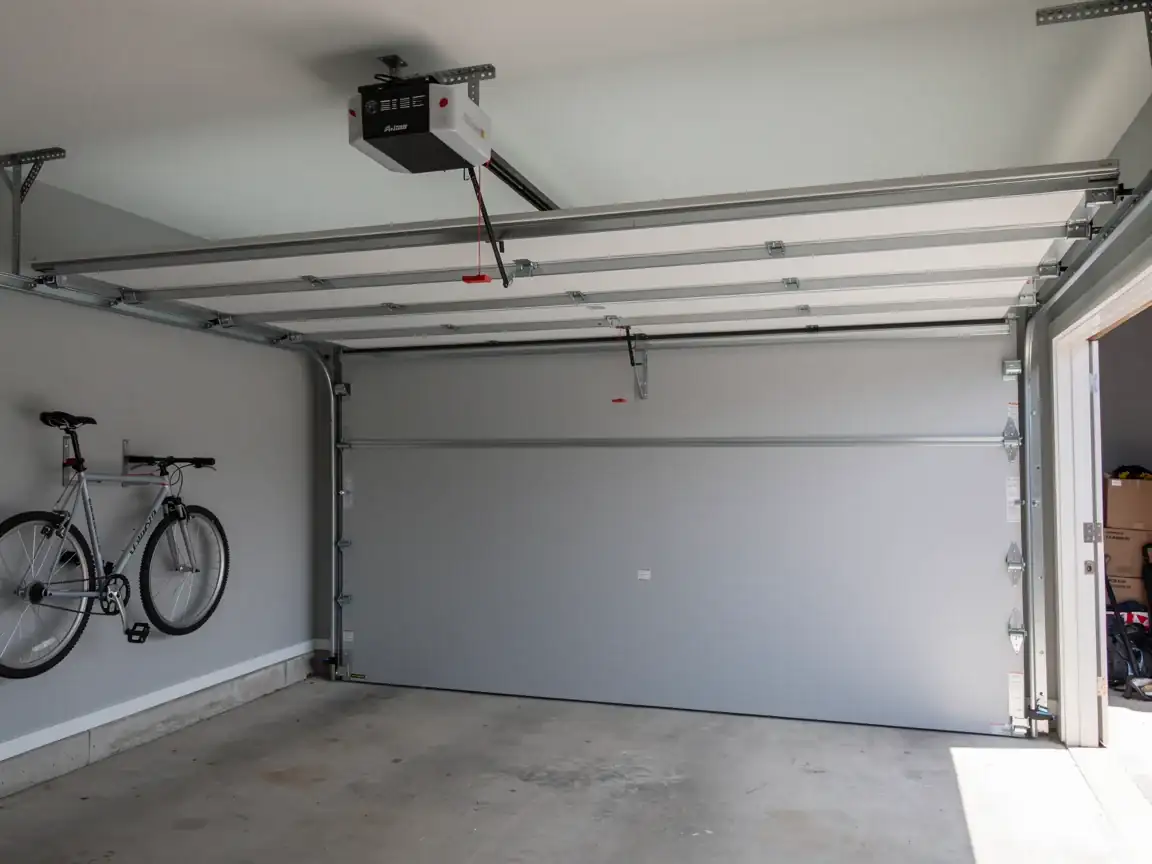
Which means the original chain-drive openers here are long retired and most homes are running their second or third unit. What we see isn't the opener that came with the house - it's whatever got bolted on in the 90s or 2000s when the first one wore out, and that unit is now aging out too.
The pattern is usually a gear set stripped from years of chain drag
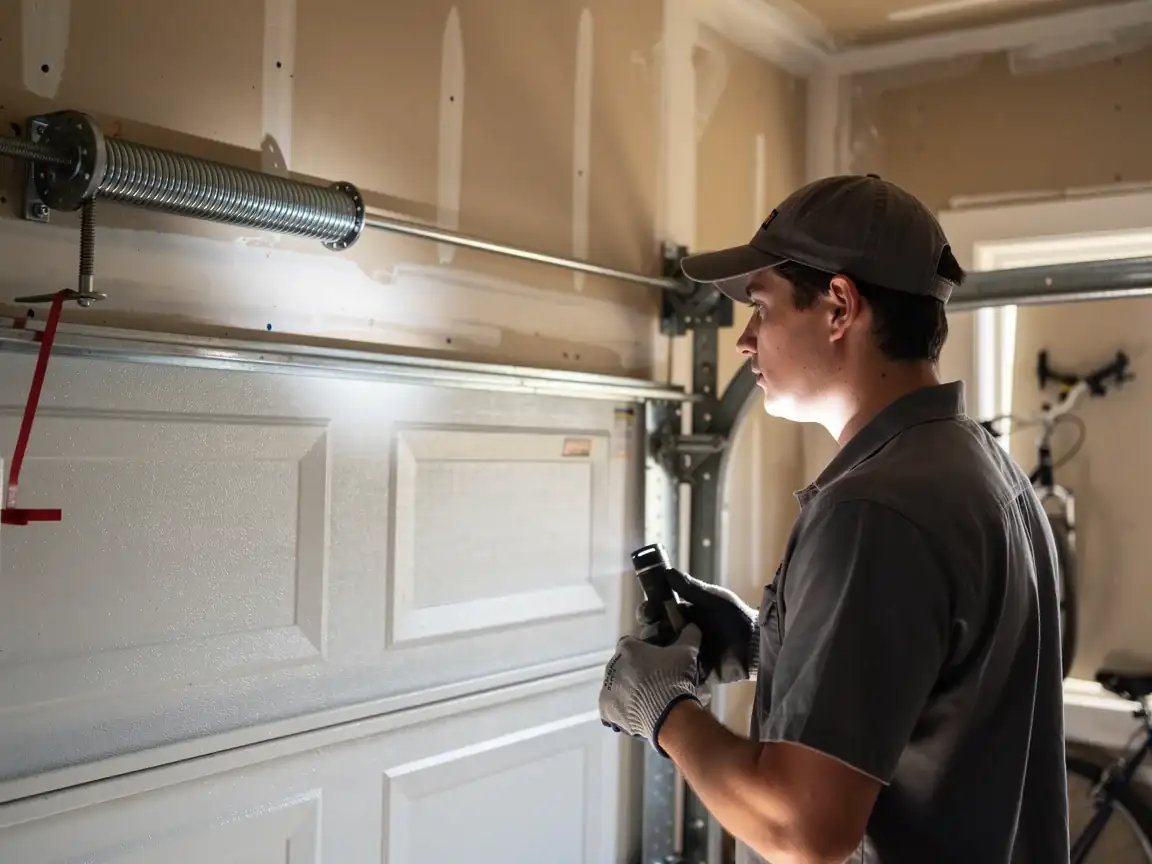
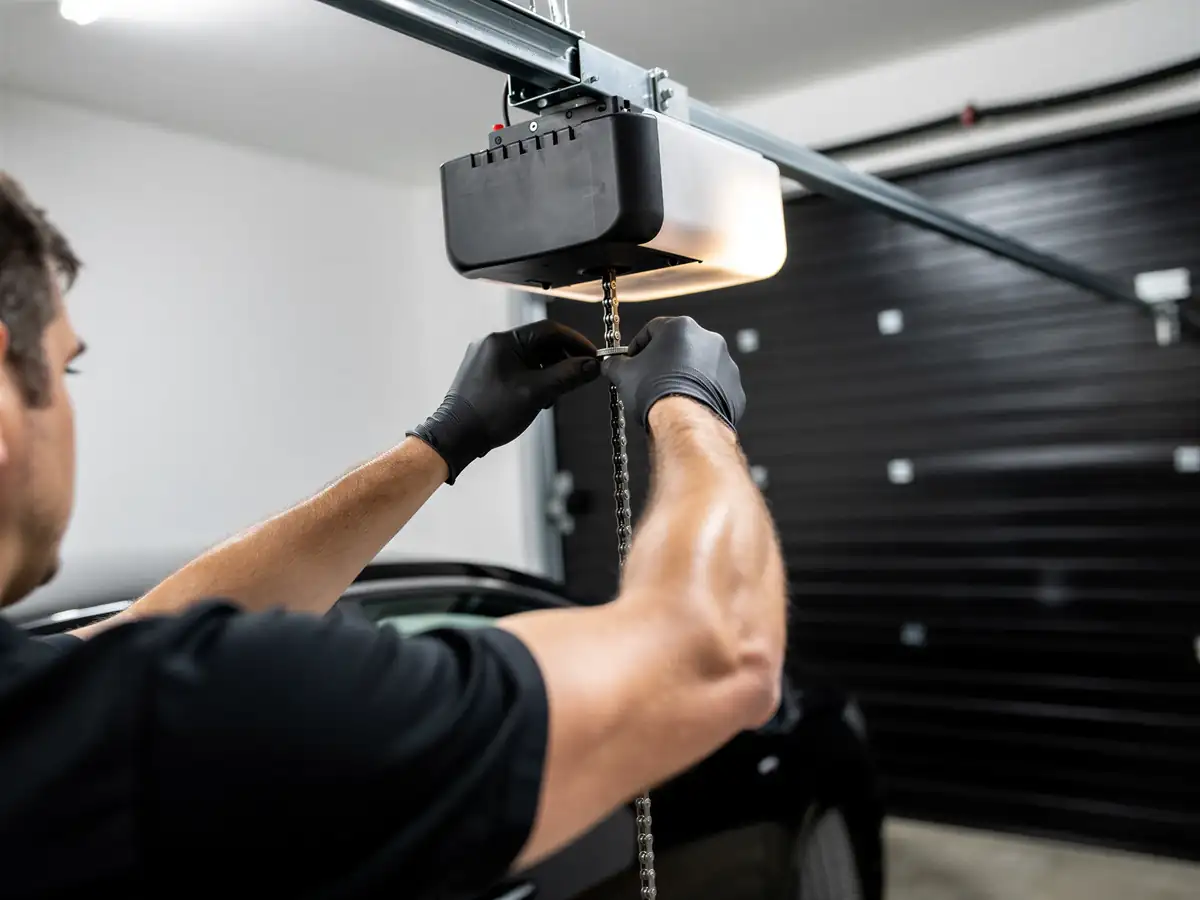
A logic board that's stopped talking to the remote, or safety sensors knocked out of alignment. On older bracket work, a retrofit opener sometimes sits on hardware that was never quite sized for it, so the door grinds or reverses for no clear reason. Across the wider area the housing stock runs from 1940 through 2001 with 1976 as the rough midpoint, but Fort Hunt sits earlier than that average, and earlier houses mean more opener generations stacked on the same door and track. That history is what you're paying to untangle, not just a broken switch.
How Long You Are Without the Door
We don't carry a branch in Fort Hunt - every job here starts with a drive from Arlington, so we can't promise a fixed response window the way a shop around the corner might. What we can tell you is that the parts we bring depend on what we expect to find, and a house from the early 1960s with a retrofit opener often needs a gear kit or board we'd rather bring on the first trip than order after the fact.
If the fault turns out to be something we didn't anticipate - a motor that's seized instead of just a worn gear, say - that can mean a second visit while the part ships in. We're upfront about that possibility rather than promising a same-day fix we can't guarantee. The honest answer is that most opener repairs close out in one visit, but the ones involving an obsolete logic board from a long-discontinued model can run longer, and there's no way to know which kind you've got until someone's looked at the unit.
Can You Do This Yourself
Some of this is fine to handle on your own. Changing a remote battery, re-pairing a keypad, or adjusting the travel limit with the opener's own dial are jobs most owners can do with the manual in hand. Cleaning the photo-eye sensors and checking that they're aimed at each other is also reasonable homeowner work, especially since misalignment is a common cause of a door that reverses without touching anything.
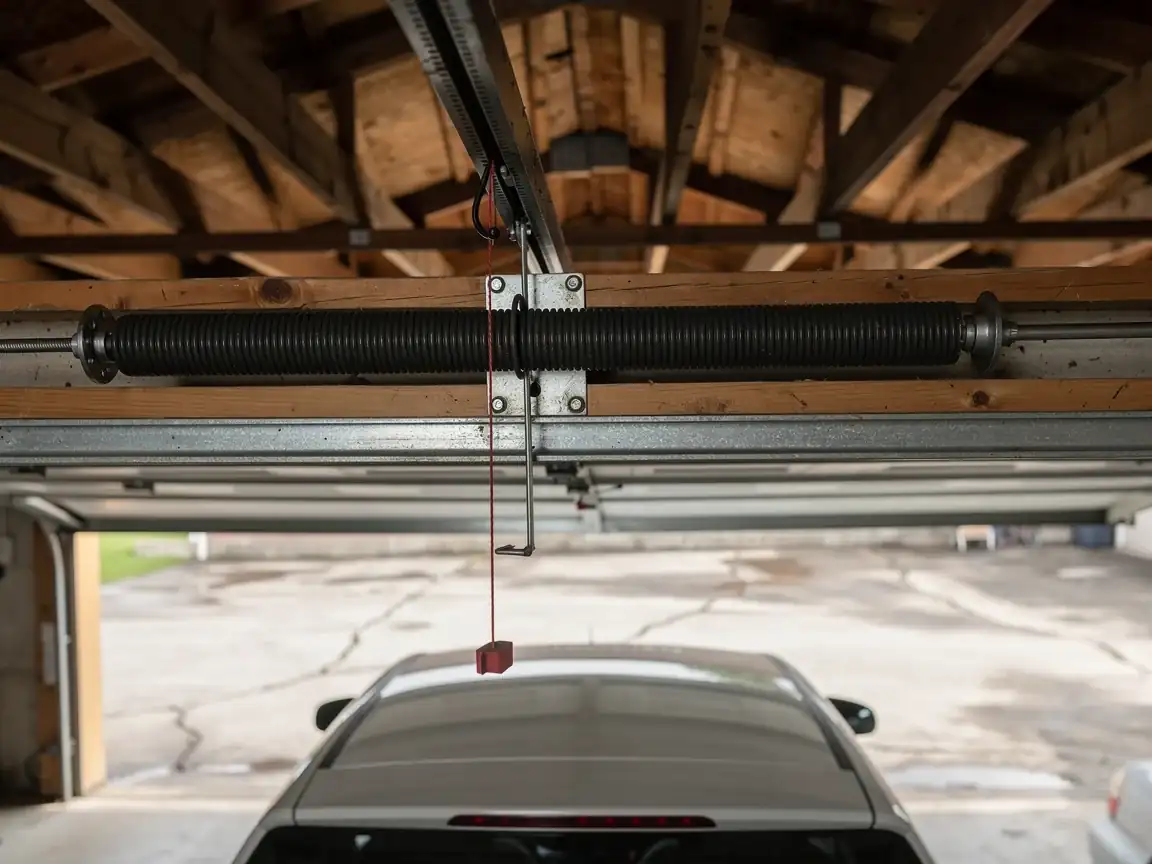
What we don't recommend doing yourself is opening the opener housing to replace a gear set or swap a circuit board. The gears sit close to a spring-loaded drive and the boards vary enough between brands and production years that ordering the wrong one is common even for people who do this for a living. Winters here fall in the severe end of the cold band, and that's enough to stiffen chain lubricant and throw off limit switch settings on openers that haven't been serviced in years - that's a seasonal check worth having someone else do rather than guessing at the adjustment yourself.
What the Repair Takes
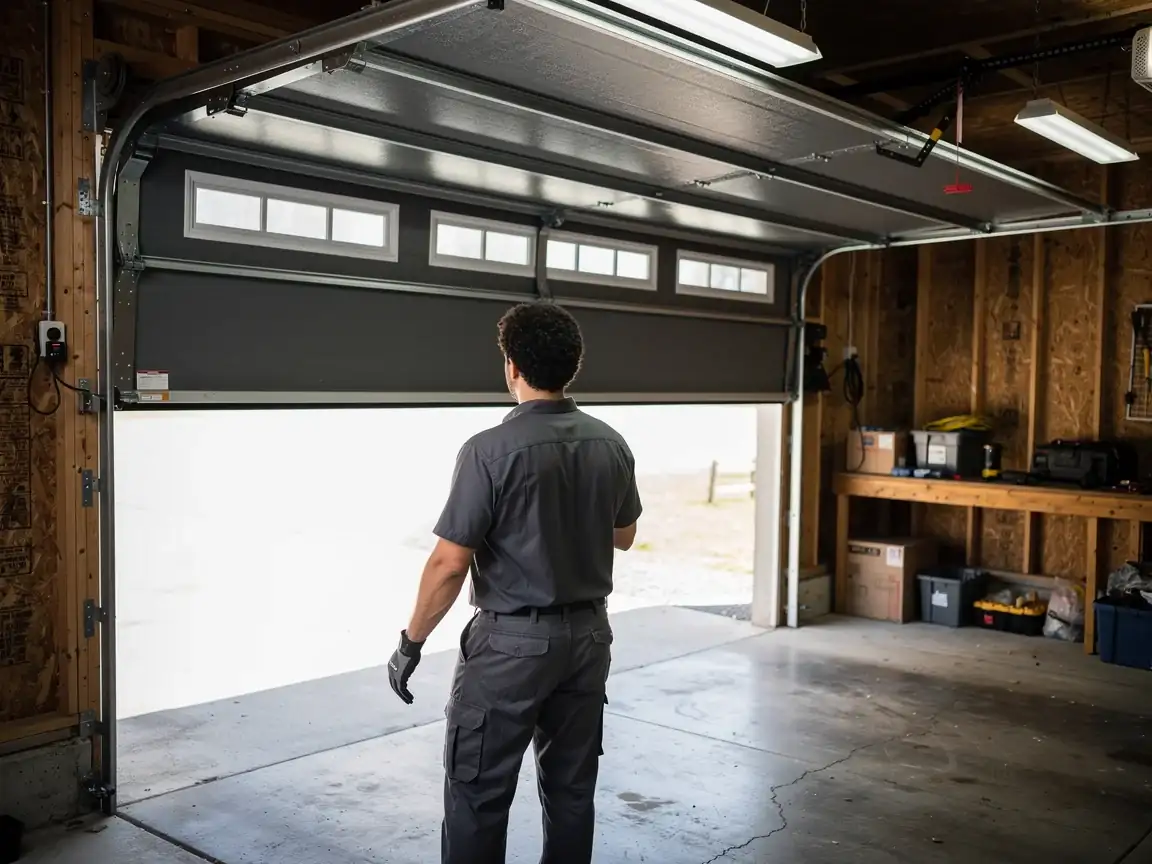
A straightforward opener repair is a gear kit, a sensor realignment, or a logic board swap, and each of those is a parts-and-labor job we can usually close in one visit once we know what's failed
At $210,471, the median household income here runs well above the $137,878 median for the wider service area, which is part of why more owners here replace a failing opener outright rather than nurse it along - once a board and a gear set are both going, a new unit often costs less over time than chasing each failure separately.
Cold-rated lubricant matters more here than in a milder climate
Standard grease gums up and slows the chain or belt once temperatures drop hard, so we use lubricant rated for that range rather than whatever's cheapest. We don't stock every discontinued board for openers from the 90s and early 2000s, so on an older retrofit unit we sometimes have to order the specific board rather than carry it on the truck. That's a real limitation, not a sales pitch for replacement - some boards are worth tracking down, and we'll tell you honestly when they're not.
Booking a Visit
We drive the 10 miles from Arlington to reach Fort Hunt, so we bring the logic board and gear kit most likely to fit instead of running back for a second part. With 5,974 households in Fort Hunt, there's no shortage of these 1960s installs still running on original brackets, which is part of why we try to diagnose the opener model and year before we head out.
If you can tell us the brand and roughly how old the unit is when you call, that saves a trip. Otherwise we'll work it out on site. See our full coverage of the area on the Fort Hunt service page, and if the issue turns out to be bigger than the opener - a spring, a cable, or the door itself - that's covered on our Arlington opener repair page.