Most Arlington houses date to the 1960s and 70s, and original torsion springs and openers are reaching failure age in our cold winters. Here's what to expect.
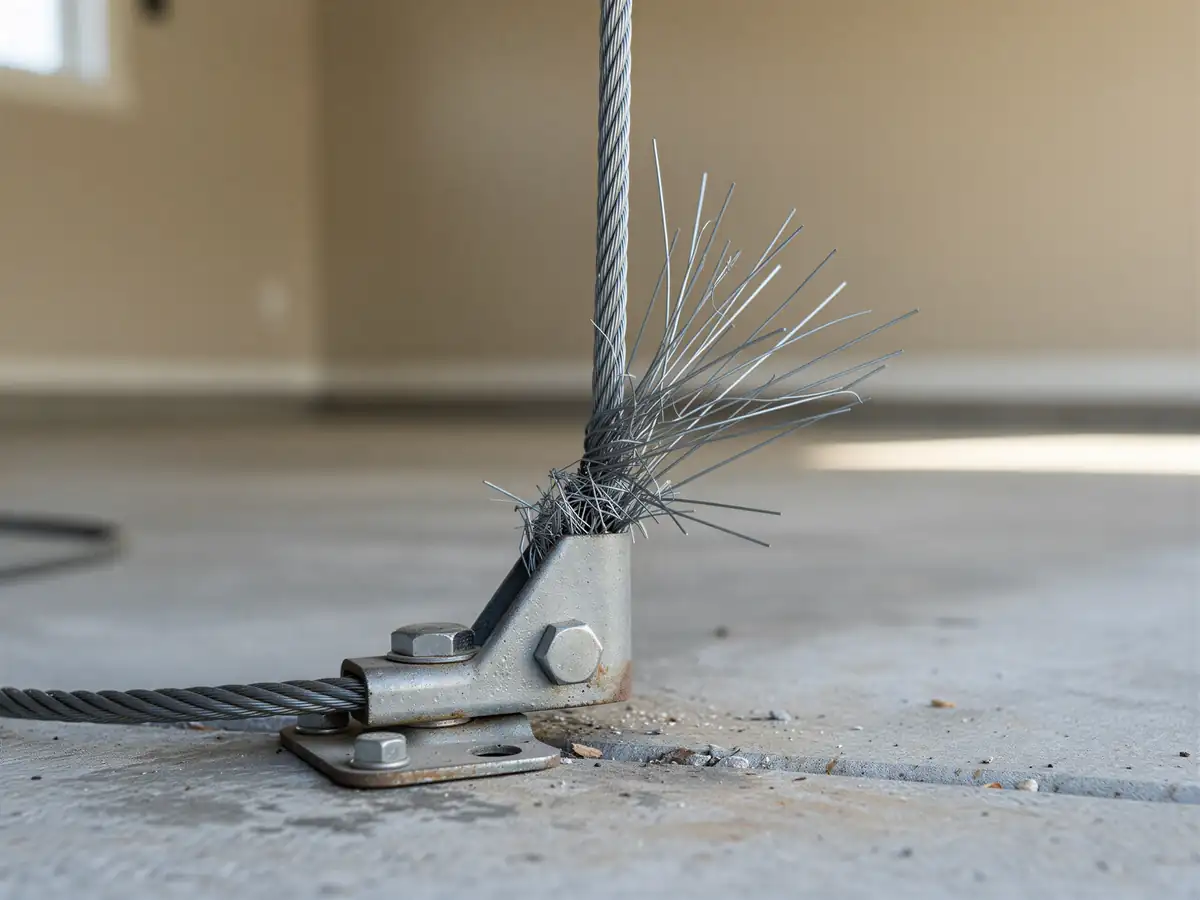
The honest answer depends on what broke and what size the part is. A torsion spring snap on a standard door is usually a same-visit fix once we're on site, because the common sizes are stock items on the truck. What slows a job down is a non-standard spring, an opener model that's been discontinued, or a door panel that needs to be special-ordered because nobody makes that exact profile anymore. Across Arlington, where most of the housing dates to 1940-2001 with a median build year around 1976, we run into a fair number of doors with hardware from an era the supply chain has mostly moved past. That's the one limitation worth saying out loud: if your door needs a part that isn't a current production size, you're waiting on a shipment, not a same-day fix. We'll tell you straight whether that's the situation before we start, so you're not guessing about whether to park outside or plan around a closed bay. For a broken cable or a dead opener capacitor, you're usually back in the garage the same day. For a bent track on an older double door, sometimes the right call is a scheduled return visit rather than forcing a patch that won't hold.
Can You Do This Yourself
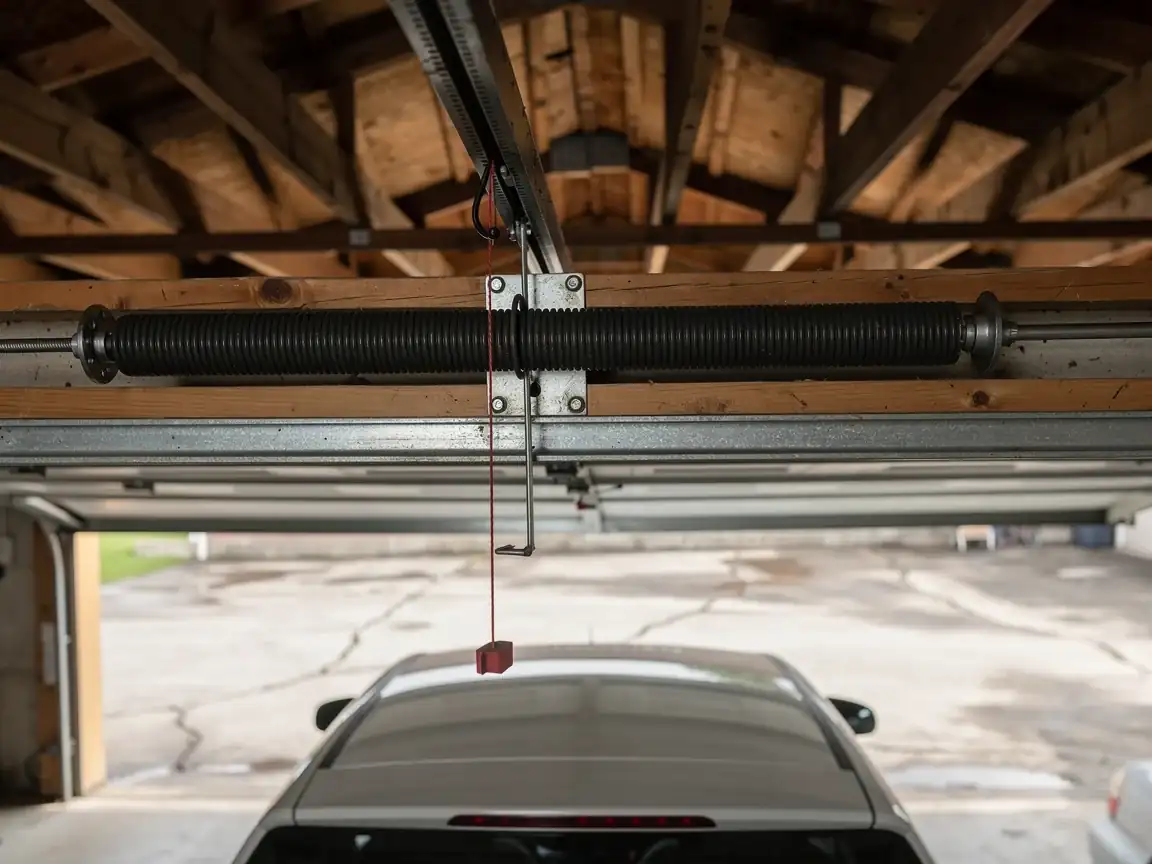
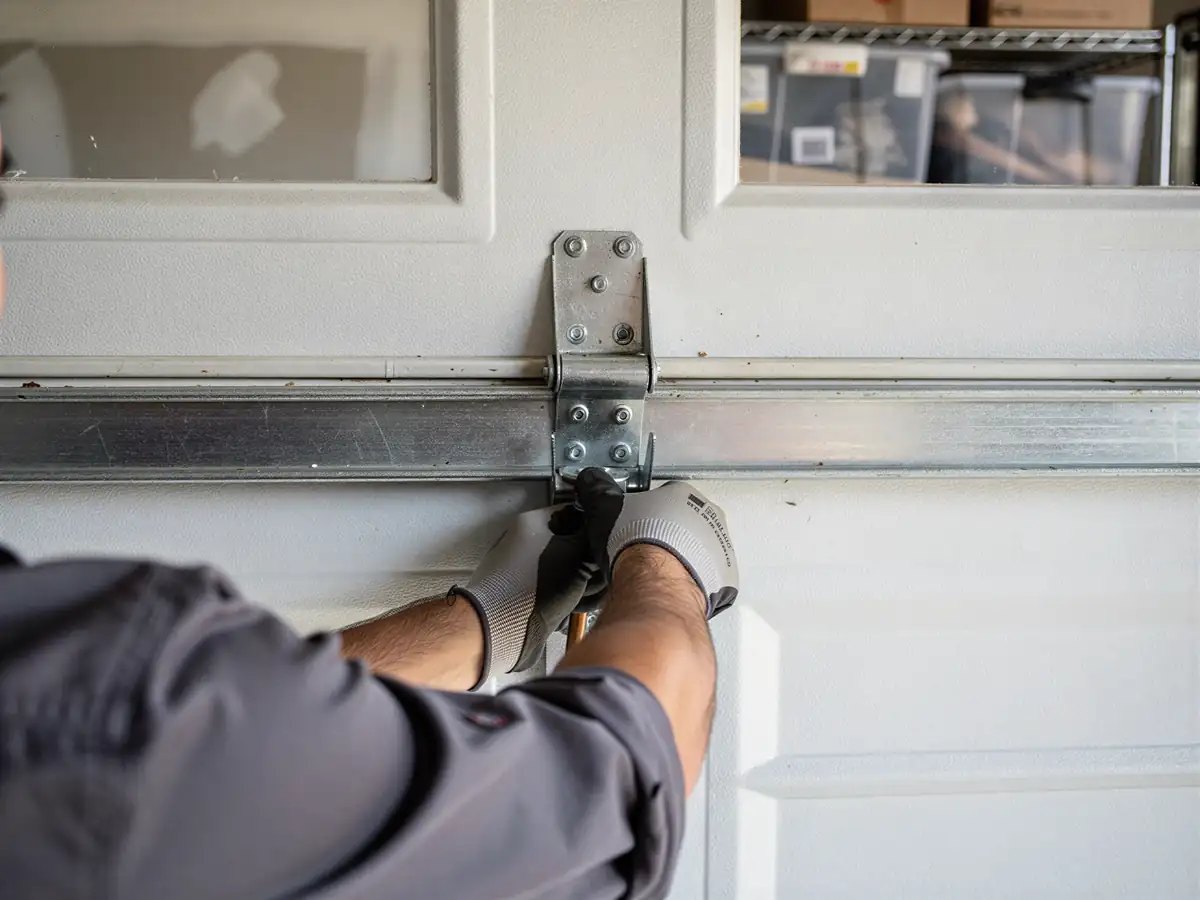
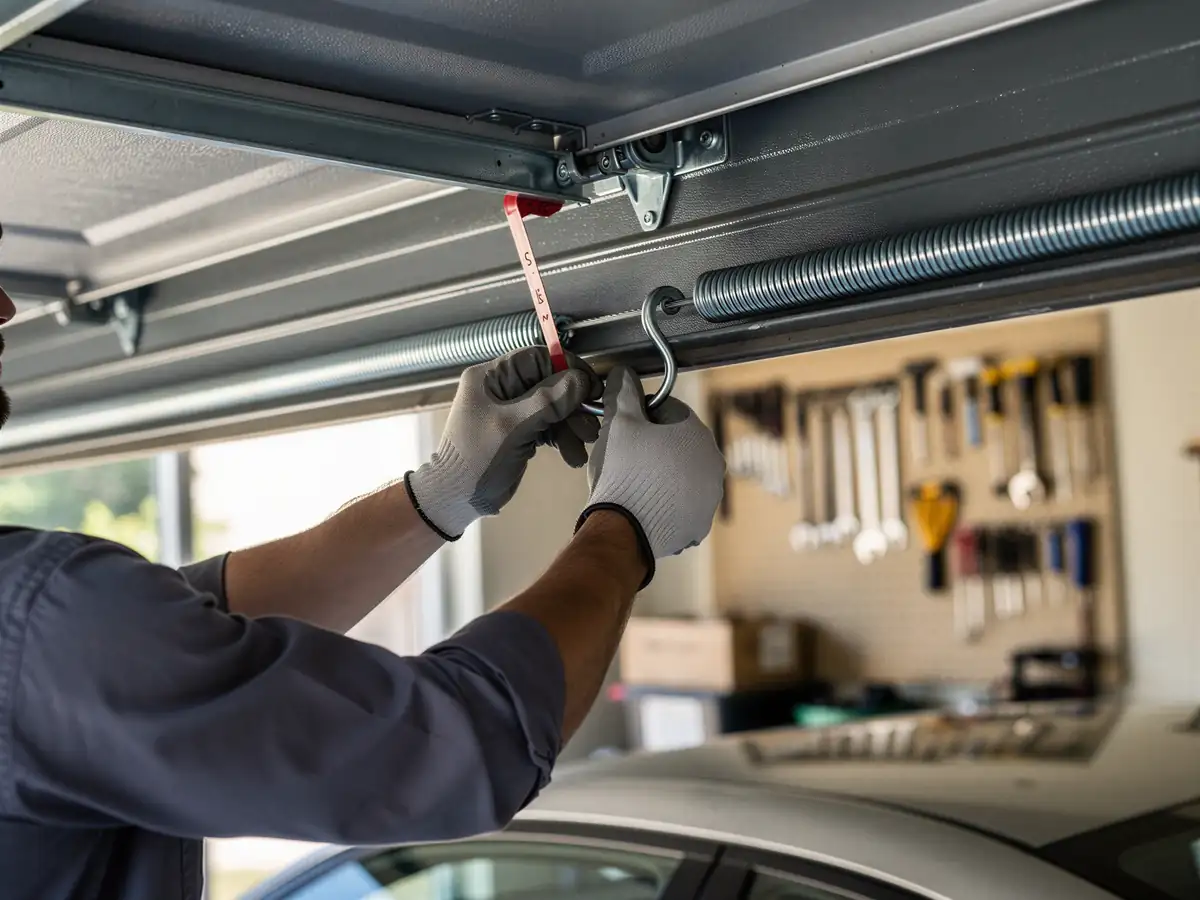
Some of this is fair game for a homeowner and some of it isn't. Lubricating rollers and hinges, checking that the photo-eye sensors are aligned, tightening loose bolts on the track brackets - all of that is reasonable weekend work and it can head off a bigger failure. Replacing a torsion spring is not. These springs store enough force to break bones or worse if the winding bars slip, and that's true whether the spring is five years old or thirty. If you're hearing a loud bang followed by a door that won't budge, that's a snapped spring - leave it alone and call. Same goes for cable replacement on a door that's still under tension. Where we draw our own line: if a door is original to a house built in the 1960s or 70s and the drum, shaft, and spring are all original, we're usually recommending a full hardware swap rather than patching one piece, since the rest of the assembly is at the same age and likely to fail next. That's not an upsell pitch, it's just what happens when one part of a matched system wears out before the others.
How It Shows Up
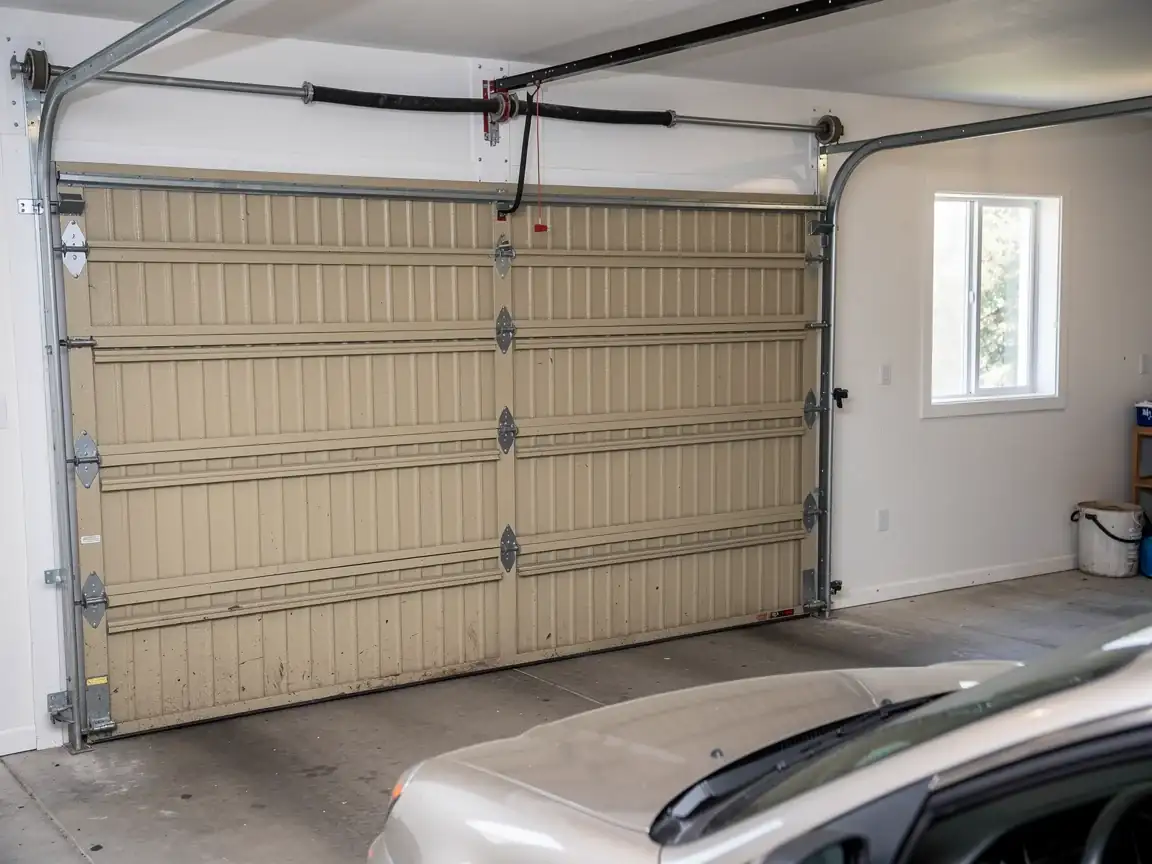
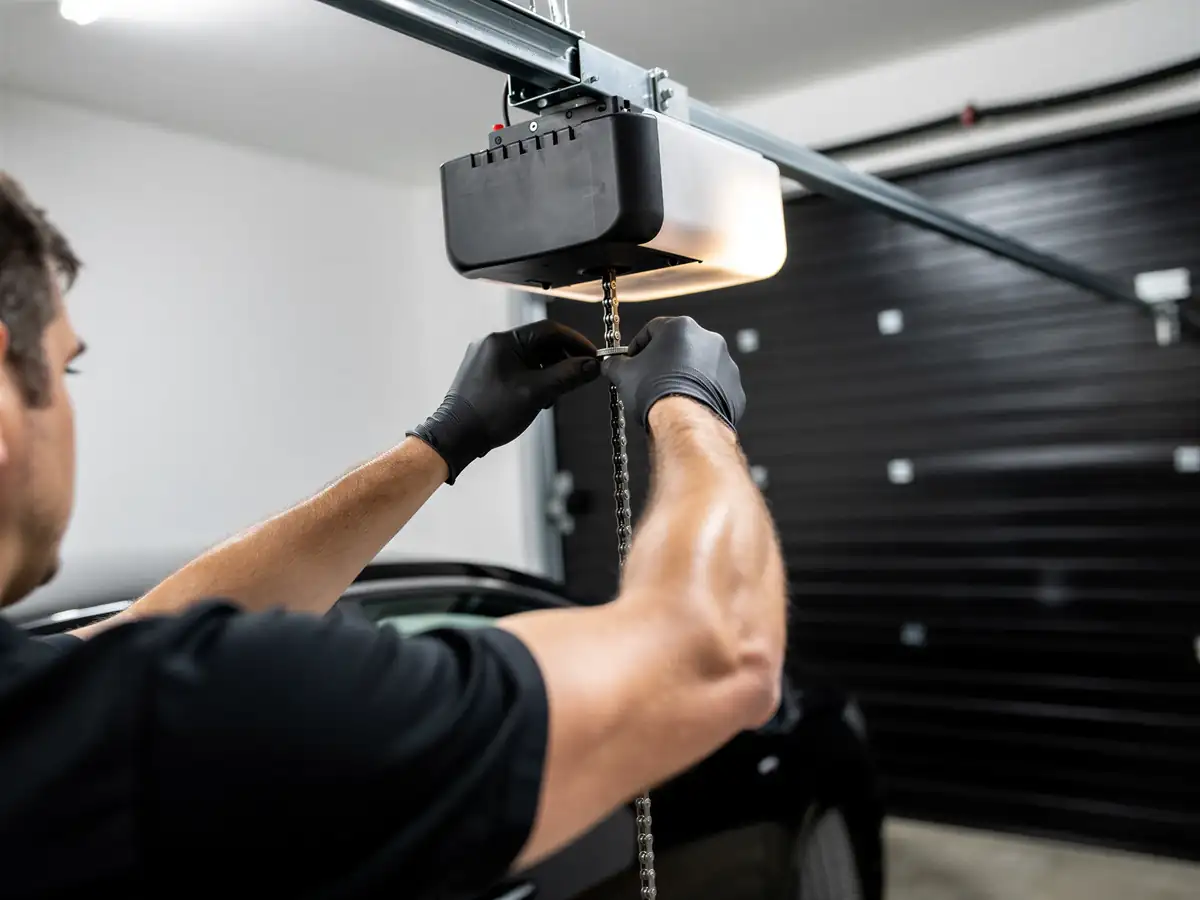
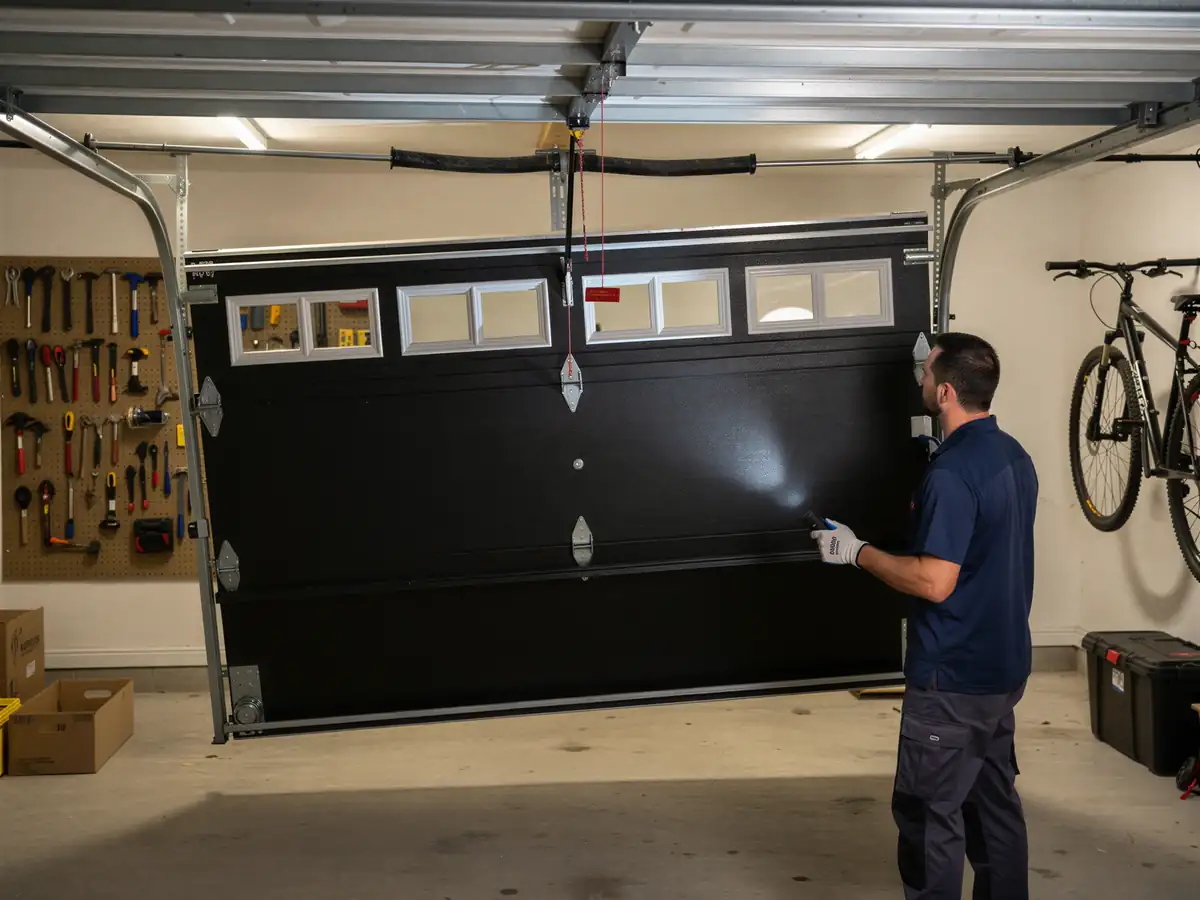
The most common call is a door that won't open at all, paired with a loud pop or bang from earlier in the day - that's a torsion spring letting go. Second most common: an opener that runs but the door doesn't move, which usually means a stripped gear or a broken drive belt, not the motor itself. You'll also see a door that closes unevenly, dropping faster on one side than the other, which points to one spring carrying more load than its partner because the other one is already weak. On older doors, we see sagging bottom panels and roller tracks that have pulled slightly out of alignment from decades of use. In homes built through the 1960s and 70s stretch of Arlington's housing stock, it's common to find the original torsion hardware still in place, just worn well past where it should've been replaced. That combination - original steel, decades of seasonal temperature swings, and a door that's opened multiple times a day - is what produces most of the service calls we take here.
Why It Happens Here
Most of the houses around Arlington went up between 1940 and 2001, with the median landing around 1976, so a lot of original torsion spring hardware is now pushing fifty years old. Across the 37 named areas we work in near Arlington, the bulk of the stock is 1960s and 70s construction, the same era that used one-size torsion springs nobody carries anymore. Arlington sits in a cold-climate band with severe winter stress on steel, which is exactly what shortens the life of a torsion spring - repeated contraction and expansion through freeze-thaw cycles fatigues the metal faster than it would in a mild climate. With 88,312 owner-occupied houses across the service area and a median household income of $137,878, most calls here are from owners choosing full replacement over a patch job, since a matched new torsion system costs less over time than repeatedly replacing one worn part of an old one.
How it works
From “it’s stuck” to “it’s fixed”
1
Tell us what’s wrong
Describe the symptom - won’t open, loud bang, opener runs but the door won’t move.
2
On-site diagnosis
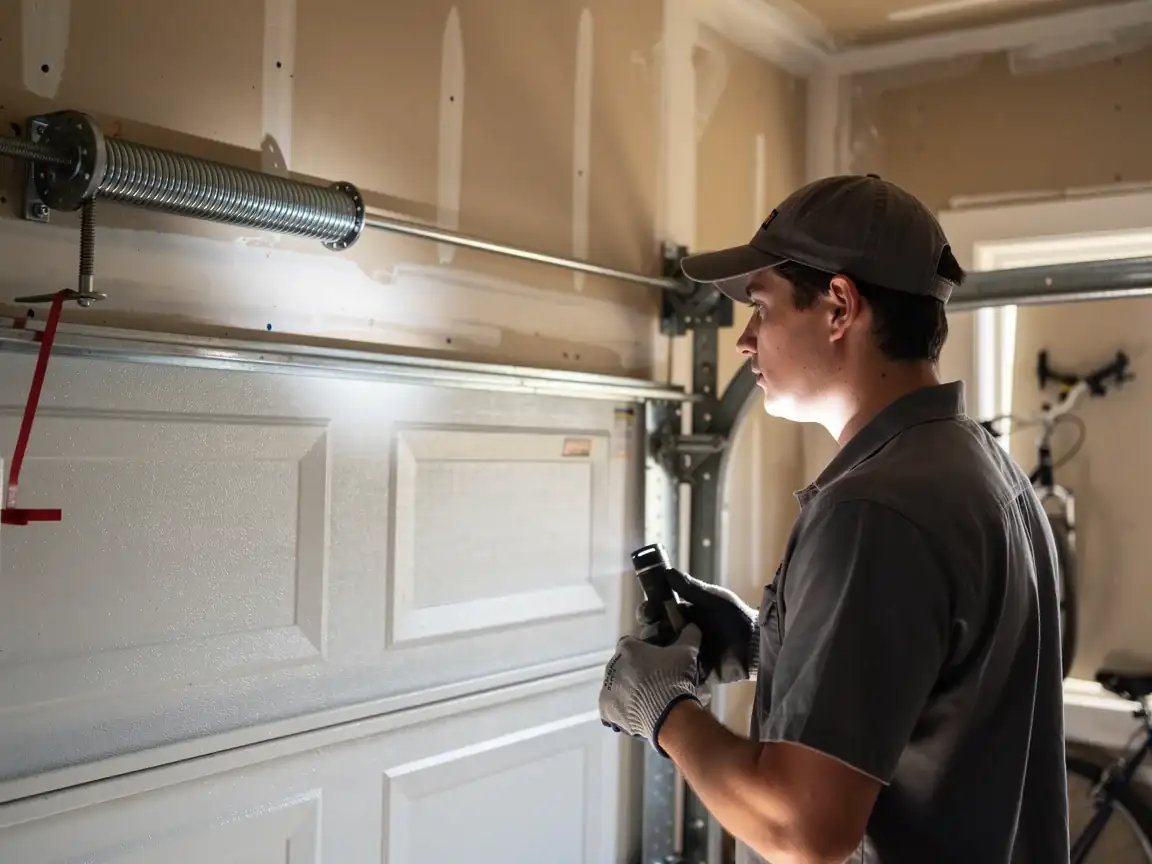
A technician tests the door under power and by hand and finds what actually failed.
3
Clear, up-front plan
You get the fix that’s needed and what drives the cost - before any work starts.
4
Repaired & tested
The repair is done, the door is set true and tested, and the work area left clean.
Not sure which repair your door needs in Arlington, VA? Describe what it’s doing - every job starts with a diagnosis.
Torsion springs fail from metal fatigue after years of winding and unwinding, and that fatigue speeds up with cold-weather temperature swings. There's usually no warning sound before the final break - you hear one loud bang and the door won't move. If your house dates to the 1960s or 70s, which covers a lot of homes in this area, the spring may simply be original and at the end of its service life.
Is it worth fixing an old opener or should I replace it?
If the motor itself still runs and the problem is a belt, gear, or sensor, repair usually makes sense. If the opener is original to an older house and the logic board or motor is failing, replacement is often the better call, since parts for older units get harder to source every year.
Can I drive on a bent track myself?
Don't force the door if the track is visibly bent - you risk the door jumping the track entirely or a roller snapping. It's safe to leave the door closed and call rather than keep cycling it.
Ready to get your garage door sorted?
Tell us what it’s doing and where you are in Arlington - we’ll take it from there.