How Long You Are Without the Door
A garage door that won't close is a security problem the moment it happens
And a garage door that won't open is a car-stuck-inside problem. Neither waits for business hours. Because this region sits in a cold-severe climate band, an open garage overnight in winter means pipes, a water heater, or a furnace closet exposed to air it was never built to handle. In summer the same open door means the garage turns into a box that cooks whatever is stored in it.
We don't have a posted response-time number to give you here
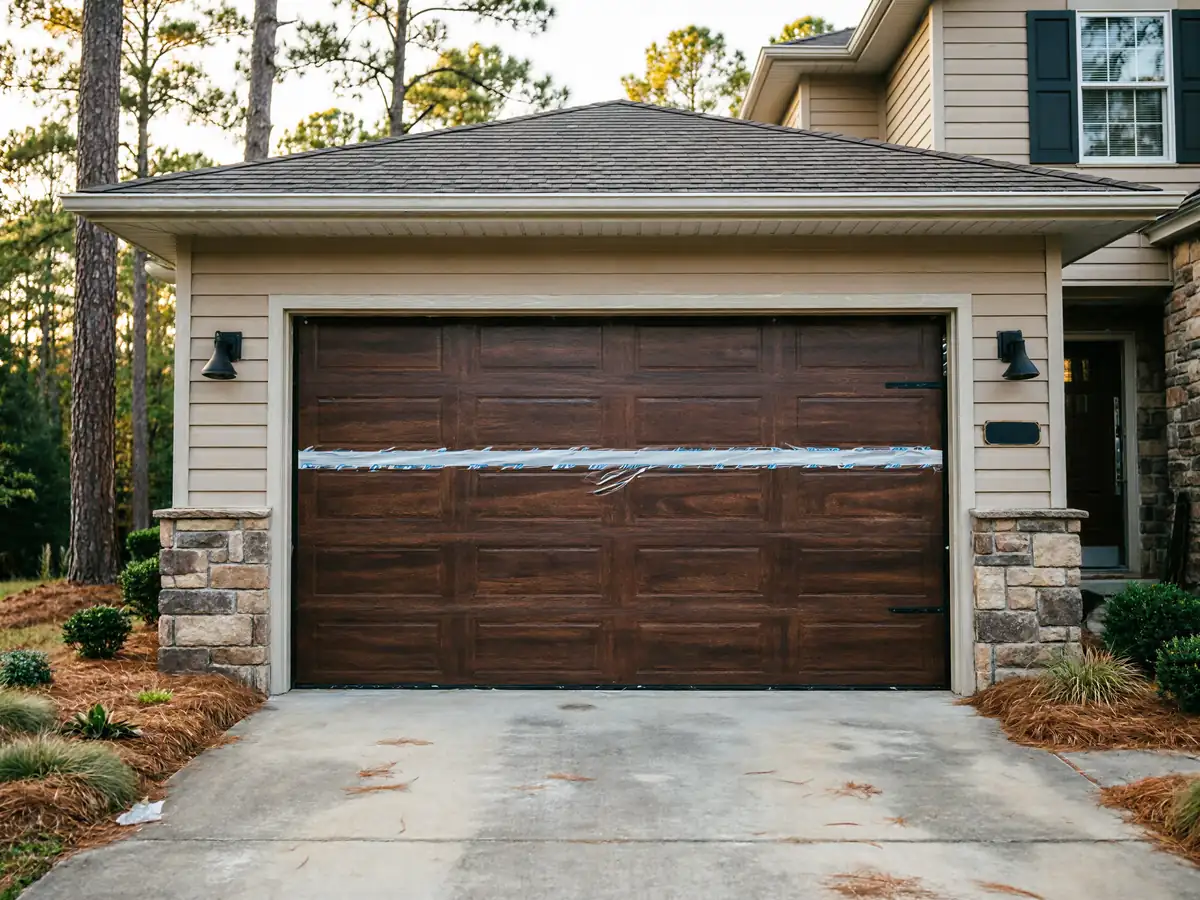
Because that depends on where you are in the service area and what's already on the truck that day. What we can tell you is that a broken torsion spring, a snapped cable, or an off-track panel are all jobs we treat as same-category emergencies, not jobs you wait a week for. If you're weighing whether to tape a door shut overnight or get it looked at now, call and describe what you're seeing - a door hanging crooked on one cable is a different risk than a door that simply won't respond to the opener.
With a median household income of $137,878 across the service area
A lot of owners here decide a same-day fix is worth paying for rather than letting a bent track turn into a door replacement a few weeks later.
- $137,878 median household income
Can You Do This Yourself
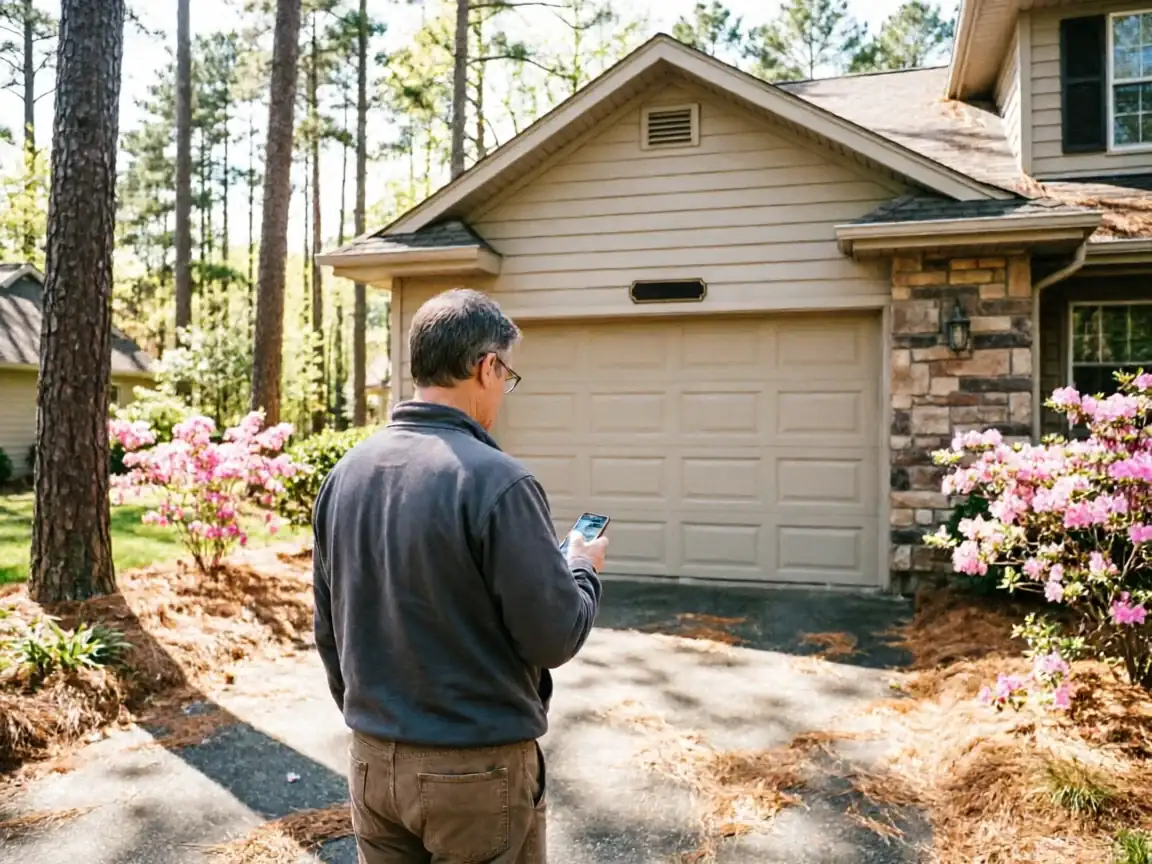
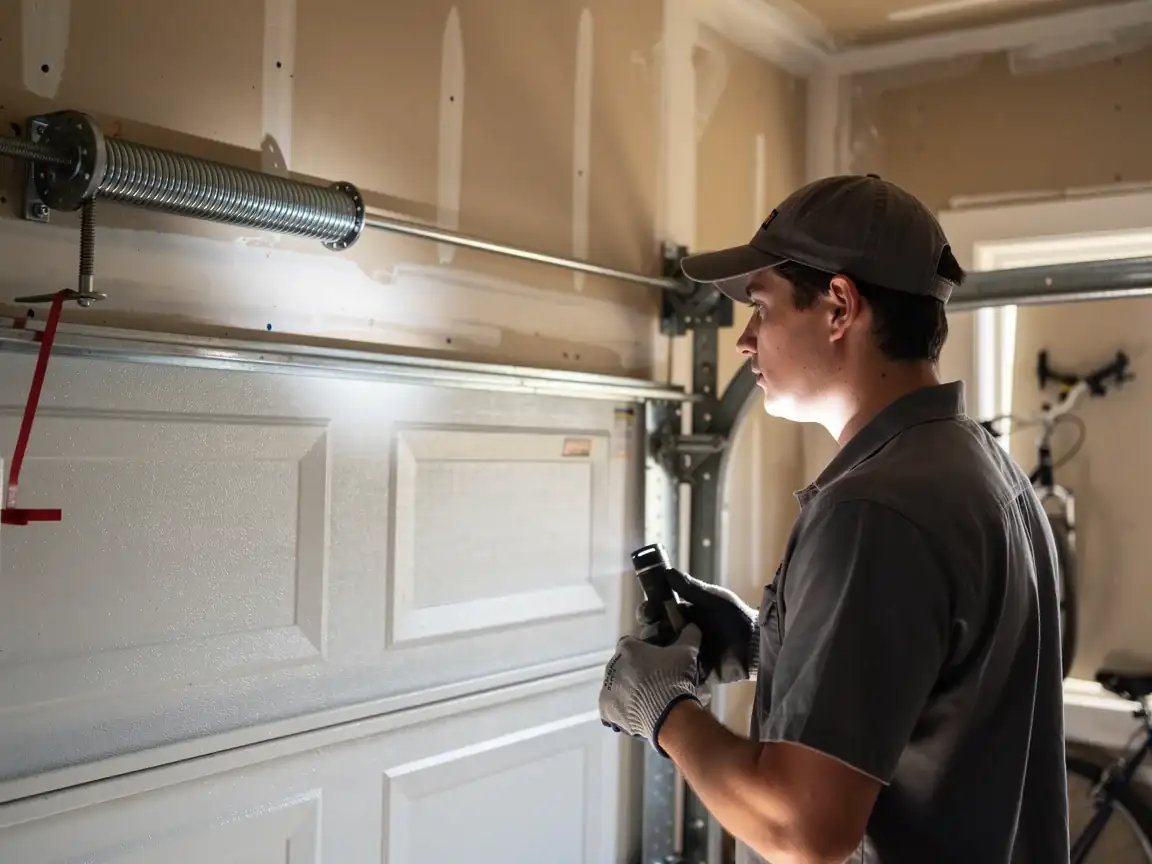
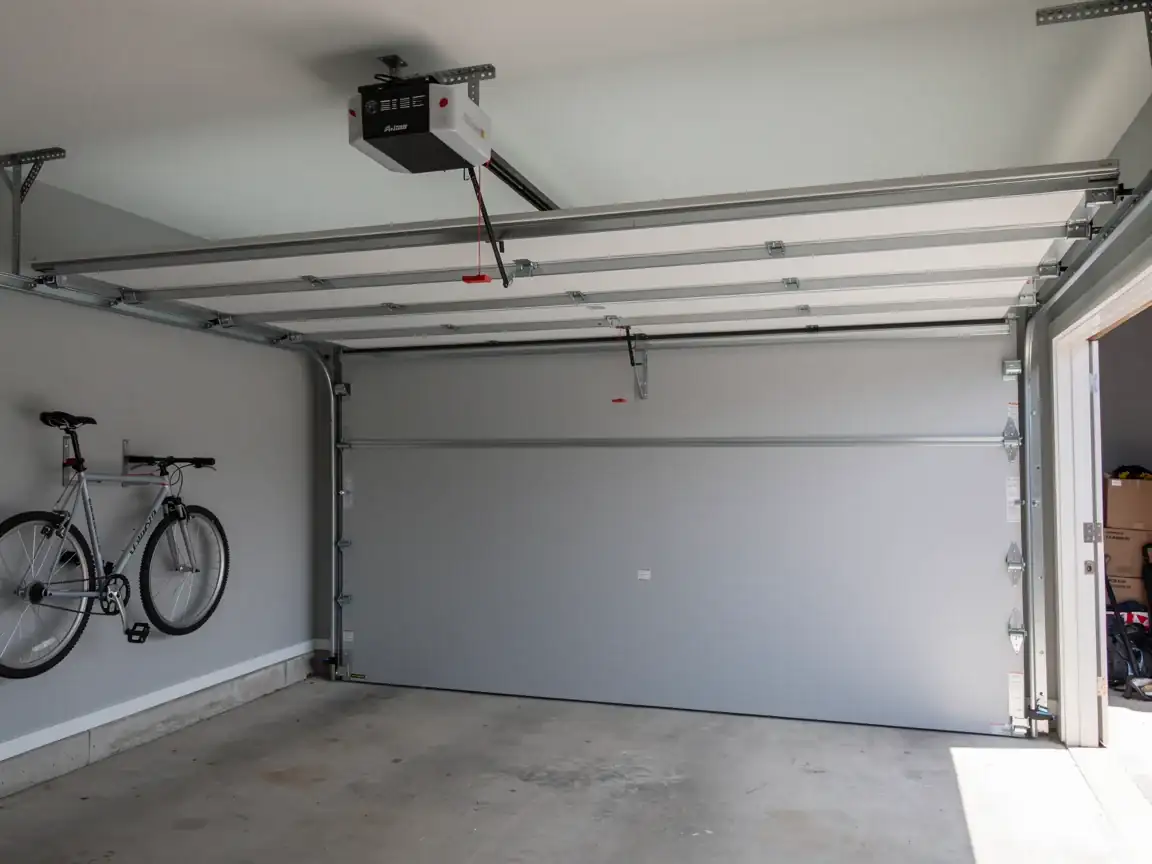
Some of this is DIY territory. Dead remote batteries, a photo-eye sensor knocked out of alignment by a stray box, a track bolt that worked loose - those are things you can check yourself with a flashlight and ten minutes, and you should, before you call anyone.
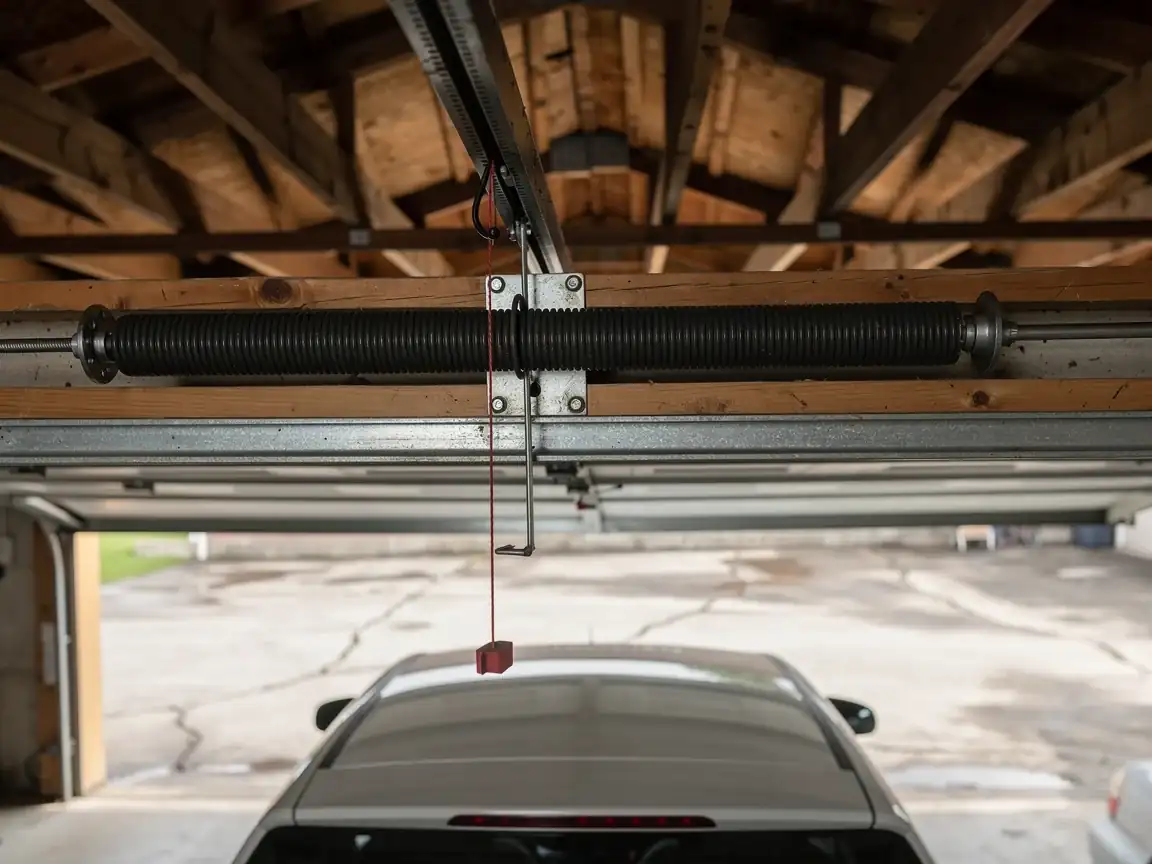
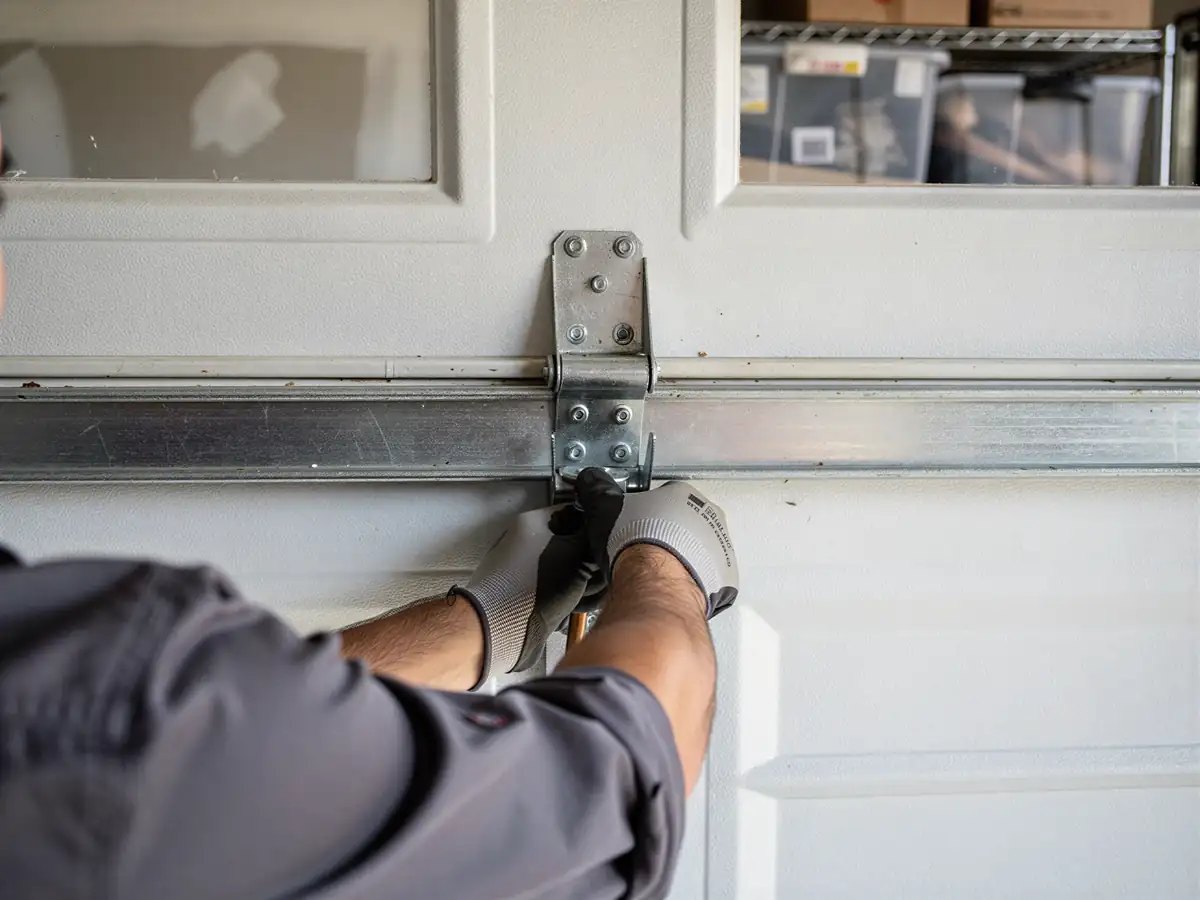
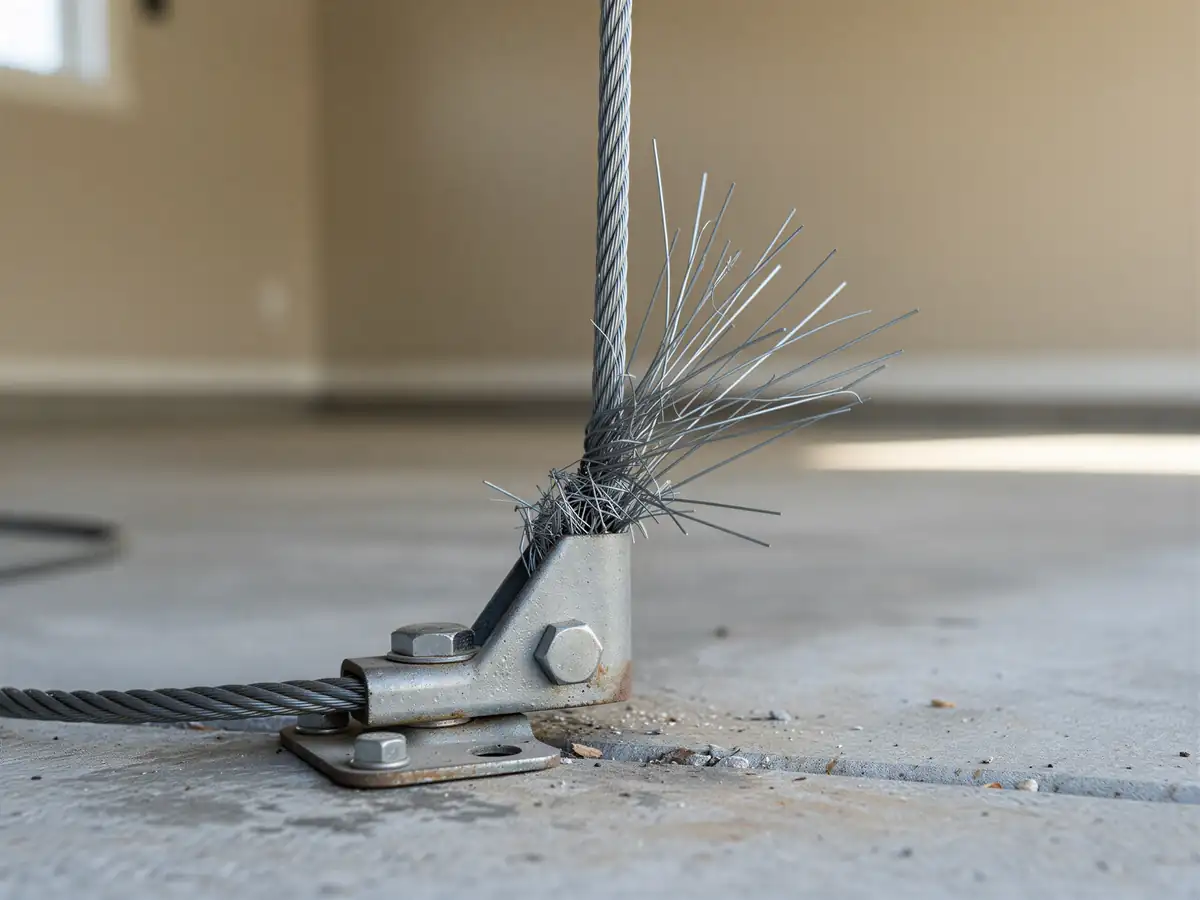
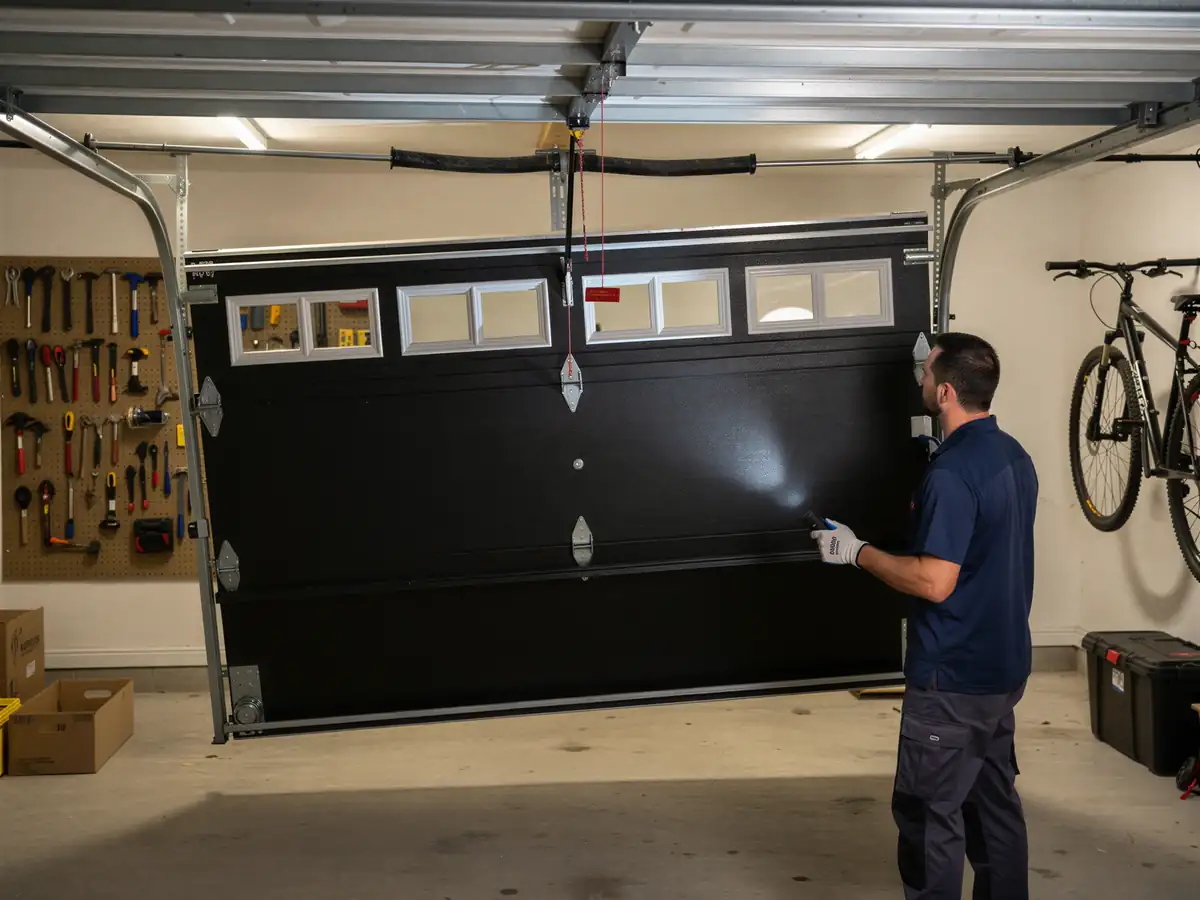
A torsion spring is not in that category. A wound spring on a standard double door holds enough stored force to break a hand or worse if the winding cone slips, and there's no safe way to eyeball that risk away. Same goes for a cable that's frayed or already off the drum - it's under load even when the door looks still. If the door is sagging unevenly, if you hear a loud bang followed by the door going dead, or if a cable has visibly unwound, that's a call-us job, not a weekend-project job.
Here's the honest limitation: we don't recommend repairing a torsion spring system that's original to a house built in the 1960s or '70s if the drums, bearings, and cable are all the same age as the spring. At that point you're paying labor twice - once now, once again in a year or two when the next original part fails. Sometimes the right answer is replacing the whole spring-and-hardware set in one visit instead of patching the one piece that broke.
How It Shows Up
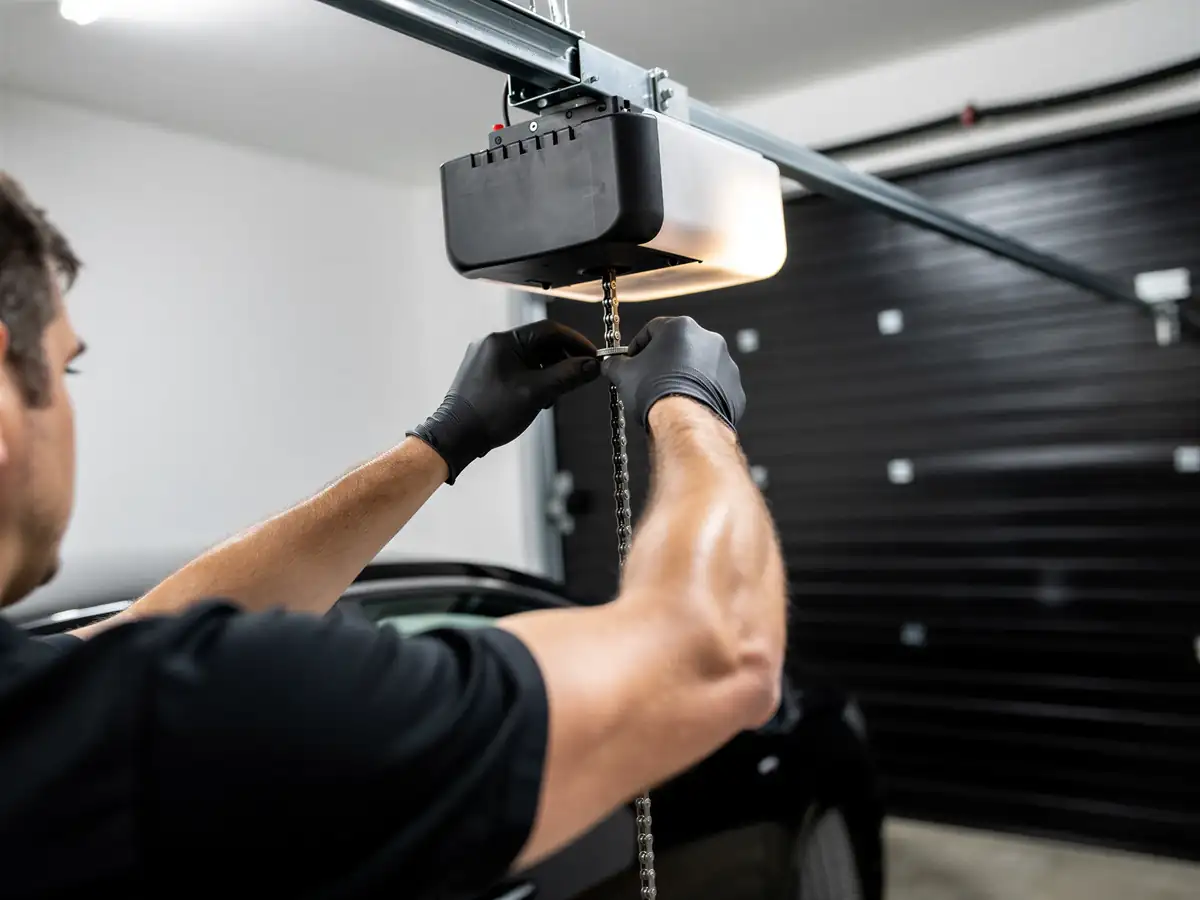
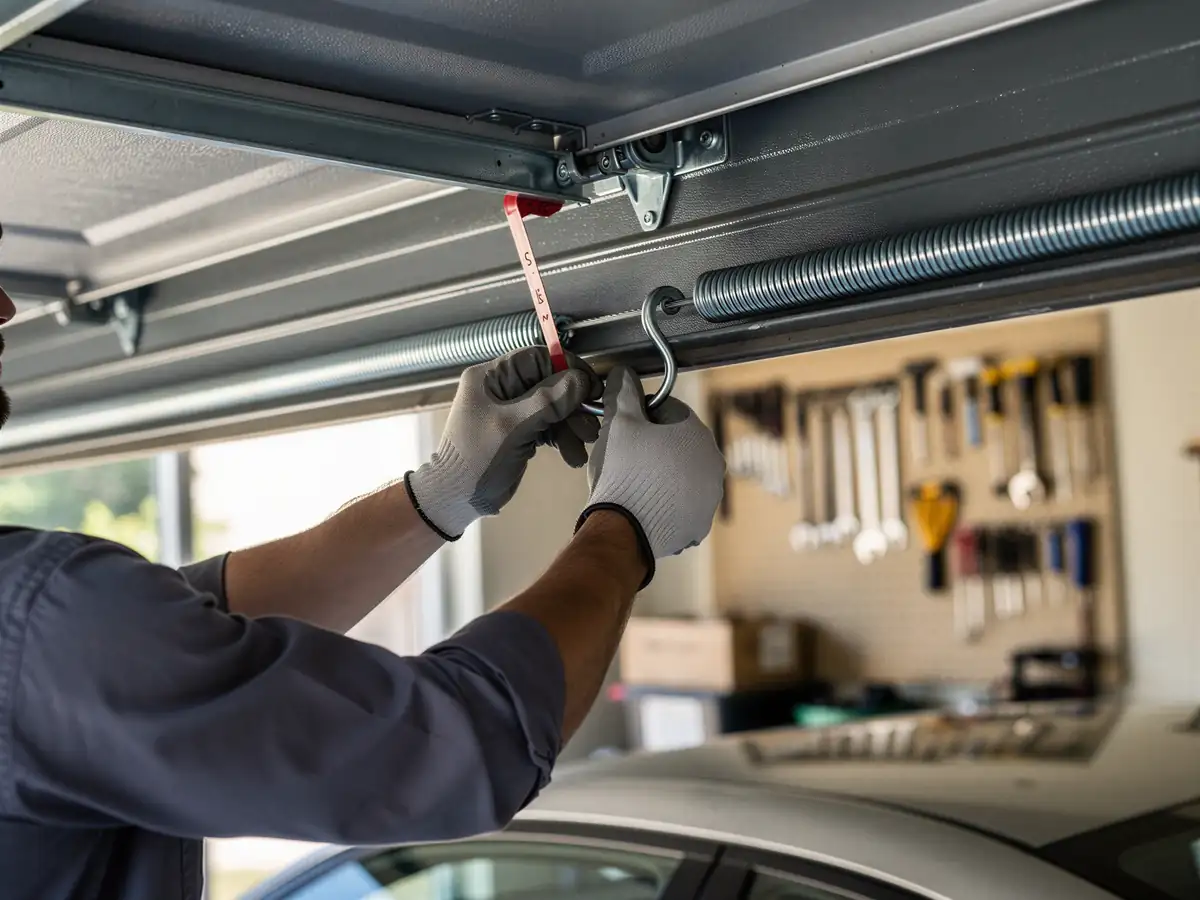
The failure almost always announces itself the same few ways. The door starts slow, then stops moving halfway, and the opener motor keeps straining against it - that's usually a spring that's lost tension, not an opener problem, even though the opener gets blamed first. A loud bang from the garage followed by the door refusing to budge is a spring that's let go entirely.
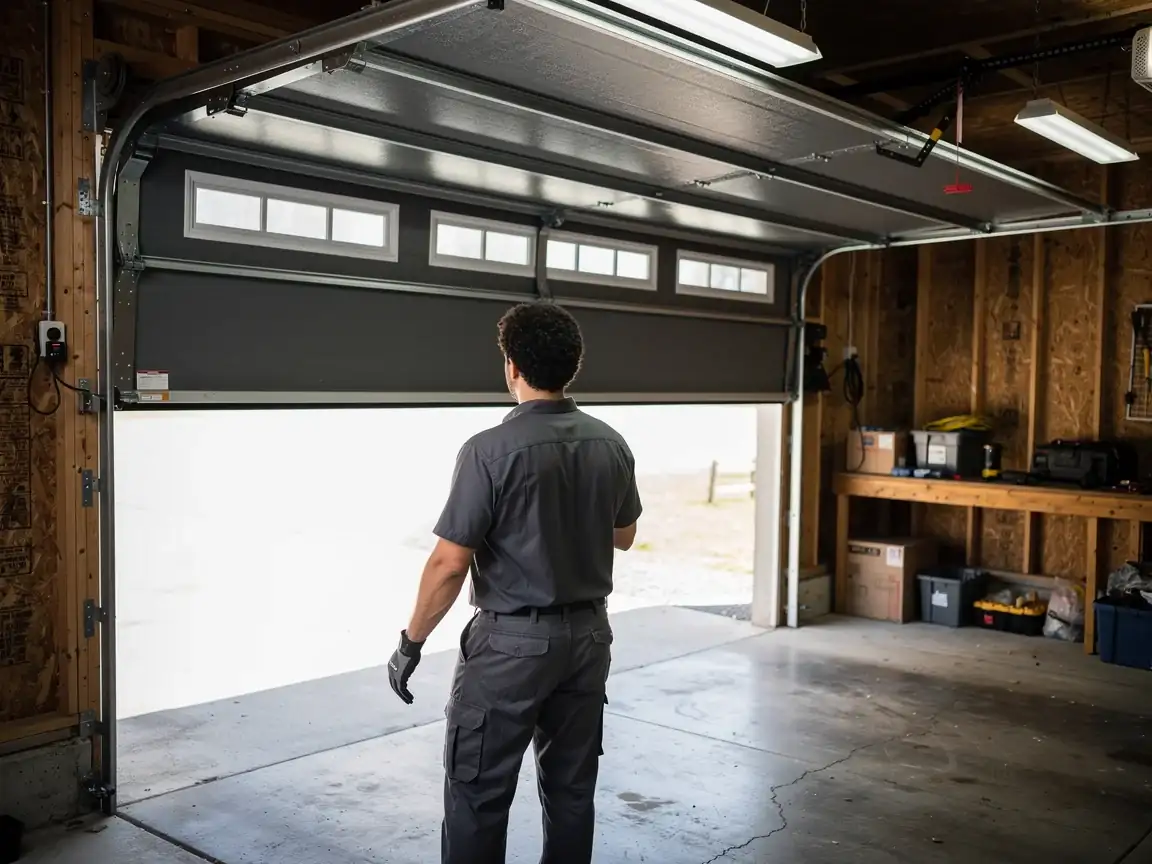
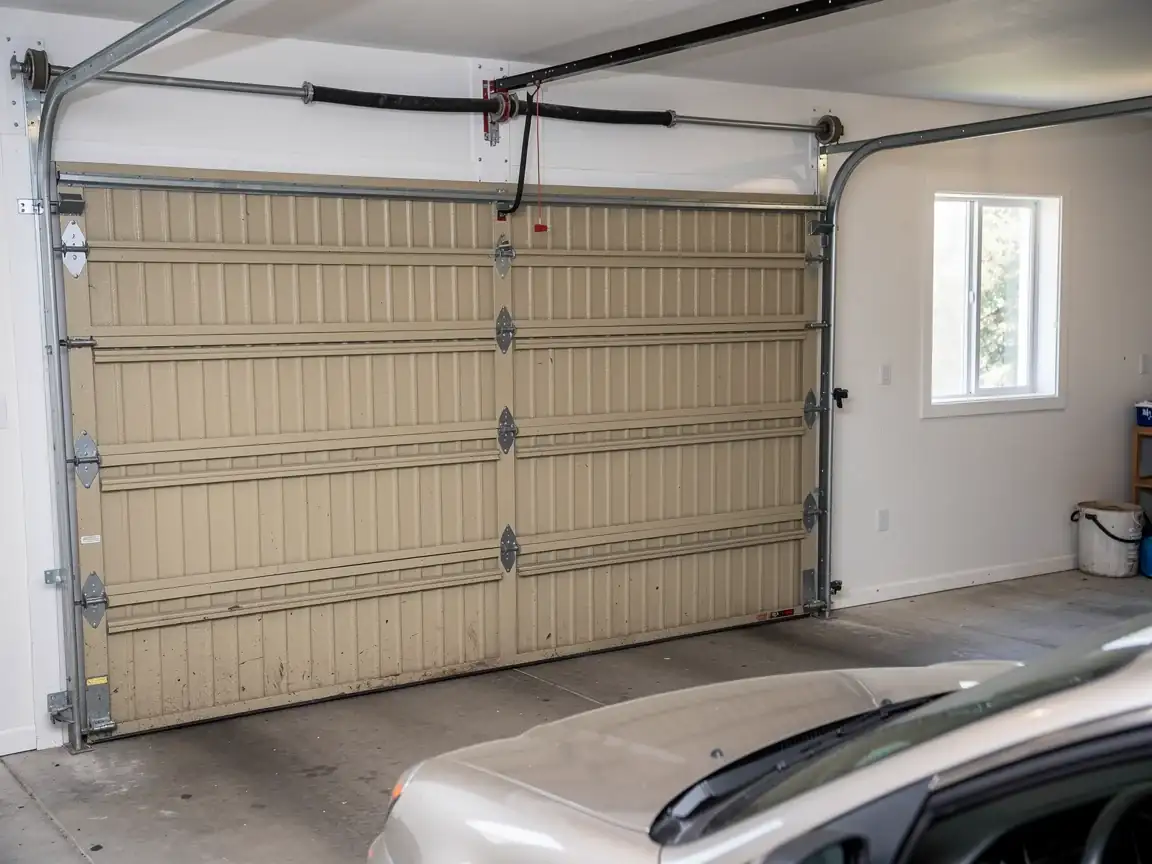
Off-track doors show up as a door that's crooked in the frame, dragging on one side, or a roller that's popped out of the track and left a visible gap. Cable failure often looks like one side of the door dropping faster than the other as it closes, because only one cable is still holding tension.
In older torsion setups - common across the 1960s and '70s housing stock that makes up most of this area - a seized bearing at the end of the shaft can look like a spring failure from the outside: the door strains, groans, and stalls, but the actual part at fault is a bearing that's been running dry for years. Telling these apart from the driveway is hard; it's part of why a phone description only gets you so far before someone needs to look at the hardware directly.
Why It Happens Here
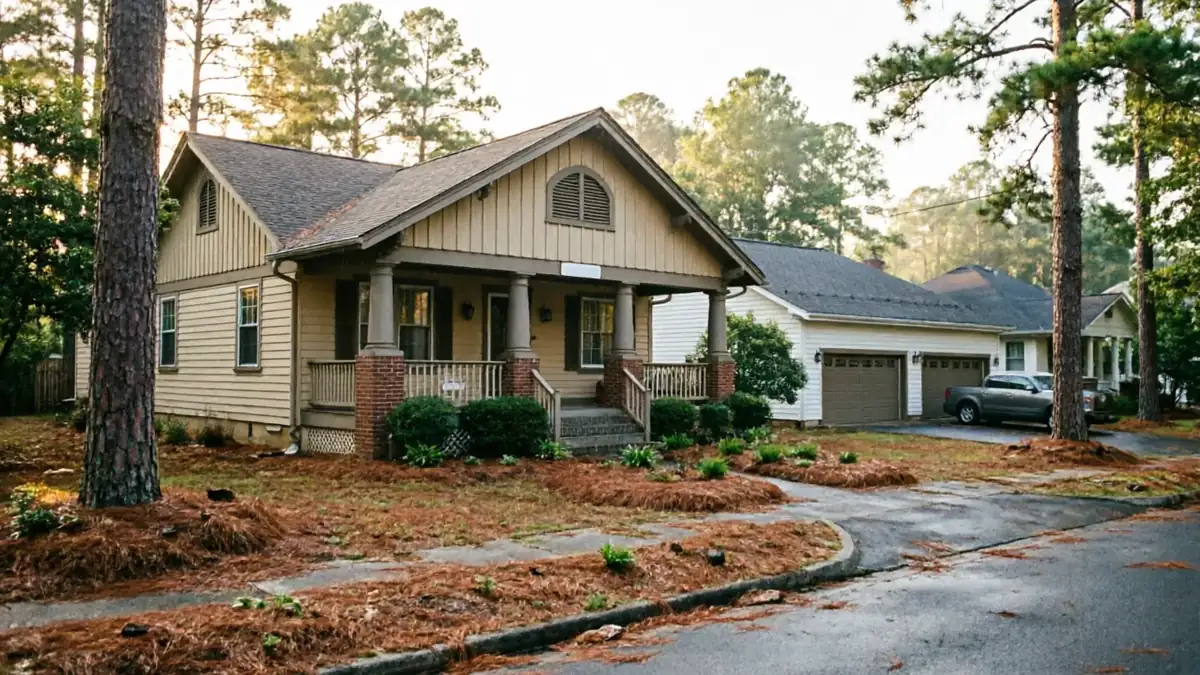
Most of the housing across this service area went up between 1940 and 2001
With the median build year landing around 1976, and the bulk of it clusters in the 1960s and '70s across the 37 named communities we cover. That matters for one specific reason: a torsion spring has a rated cycle life, and a spring installed when a house was built in 1968 has been doing the same job, on the same shaft, for longer than most of its parts were designed to last.
The cold-severe climate band this area sits in adds to that
Steel springs and cables contract in hard winter cold and expand through humid summer stretches, and that swing fatigues metal faster than a steady, mild climate would. A spring that might run another five years in a gentler climate is more likely to be the one that snaps here during a February cold spell.
Across 254,635 households and 88,312 owner-occupied houses in the service area
A large share of garages are still running the spring size, drum, and bearing set that came with the house. That's not a maintenance failure on the homeowner's part - it's just what original hardware looks like forty or fifty years in.
- 254,635 households
- 88,312 owner-occupied