When to Call Someone
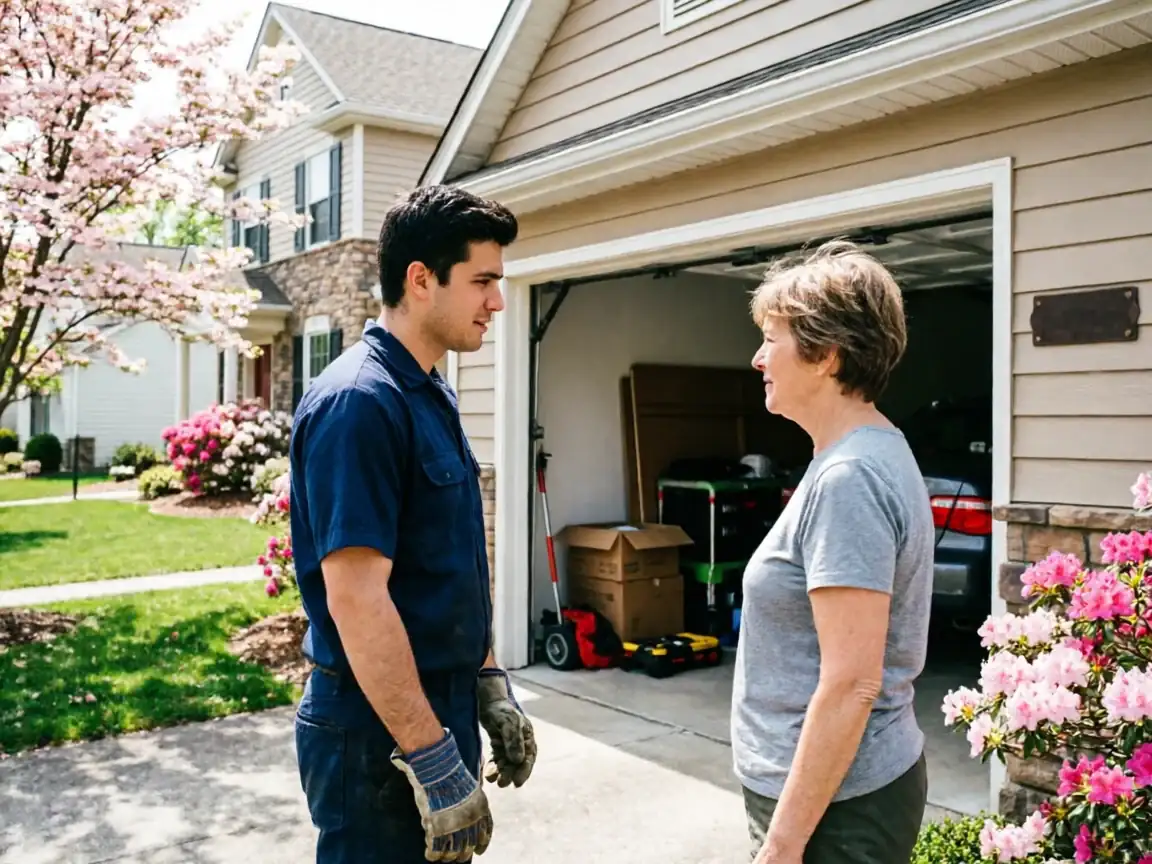
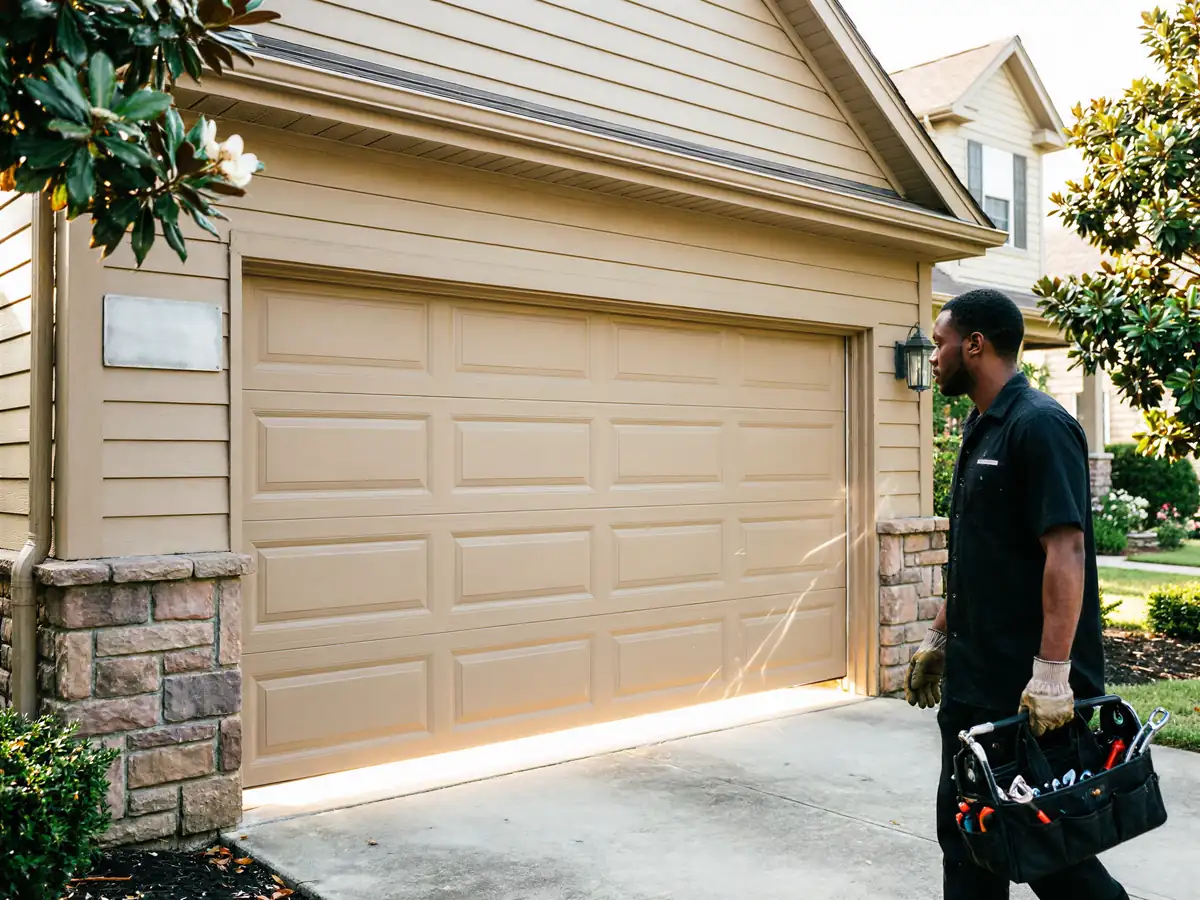
A service call isn't a mystery box
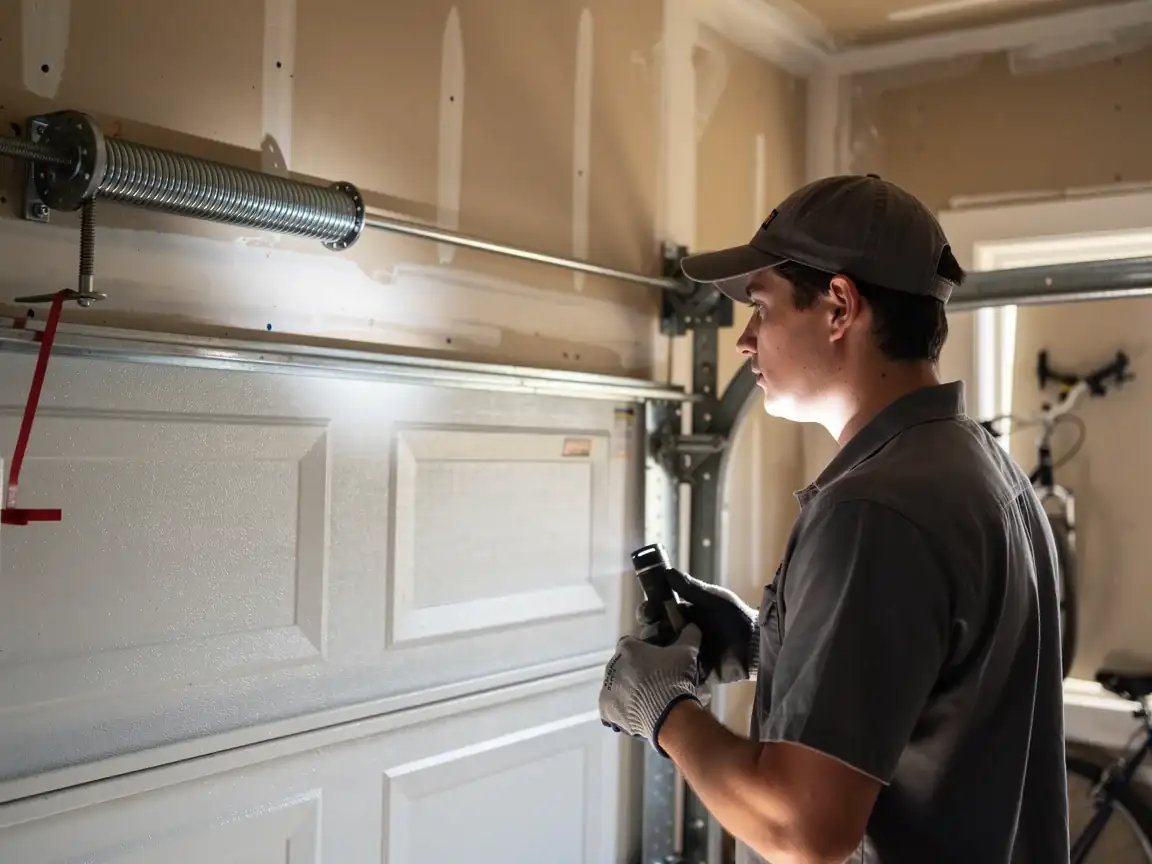
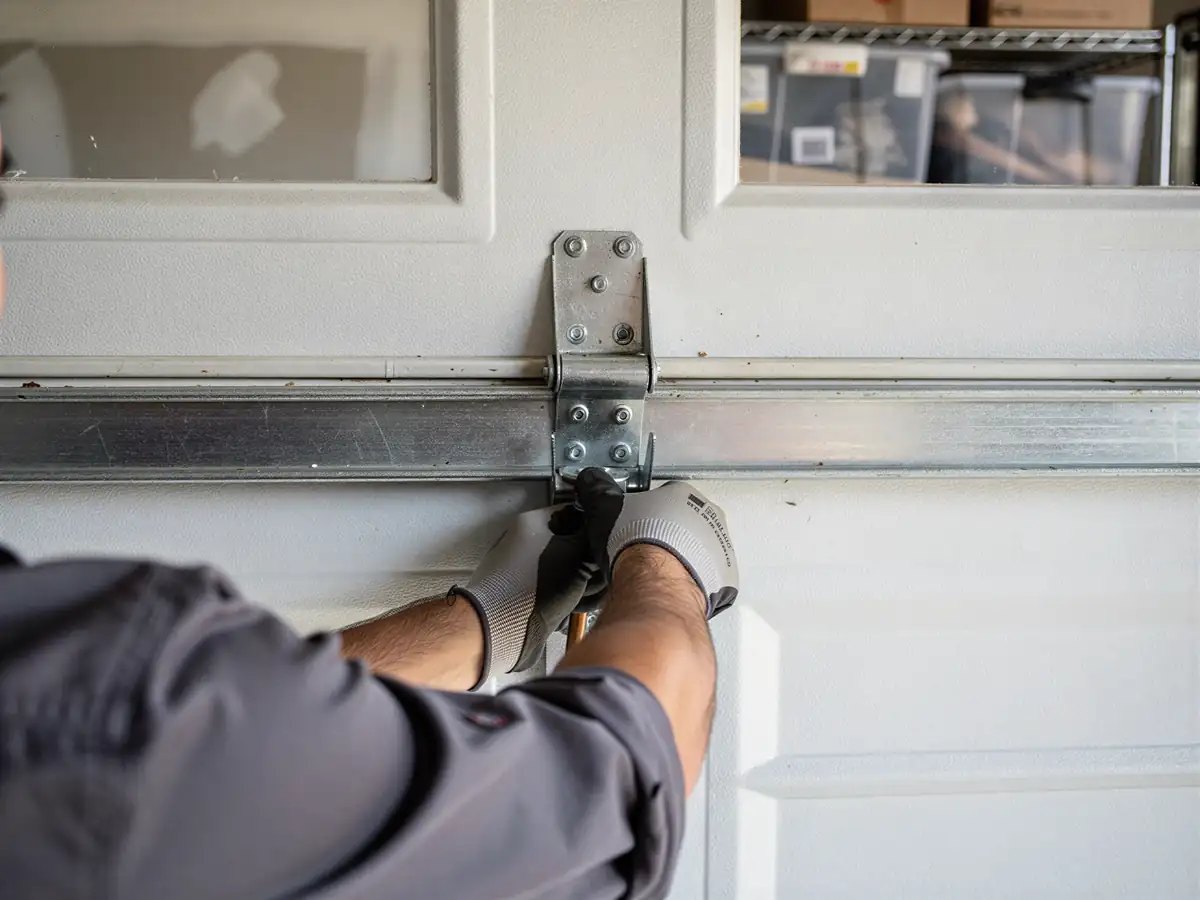
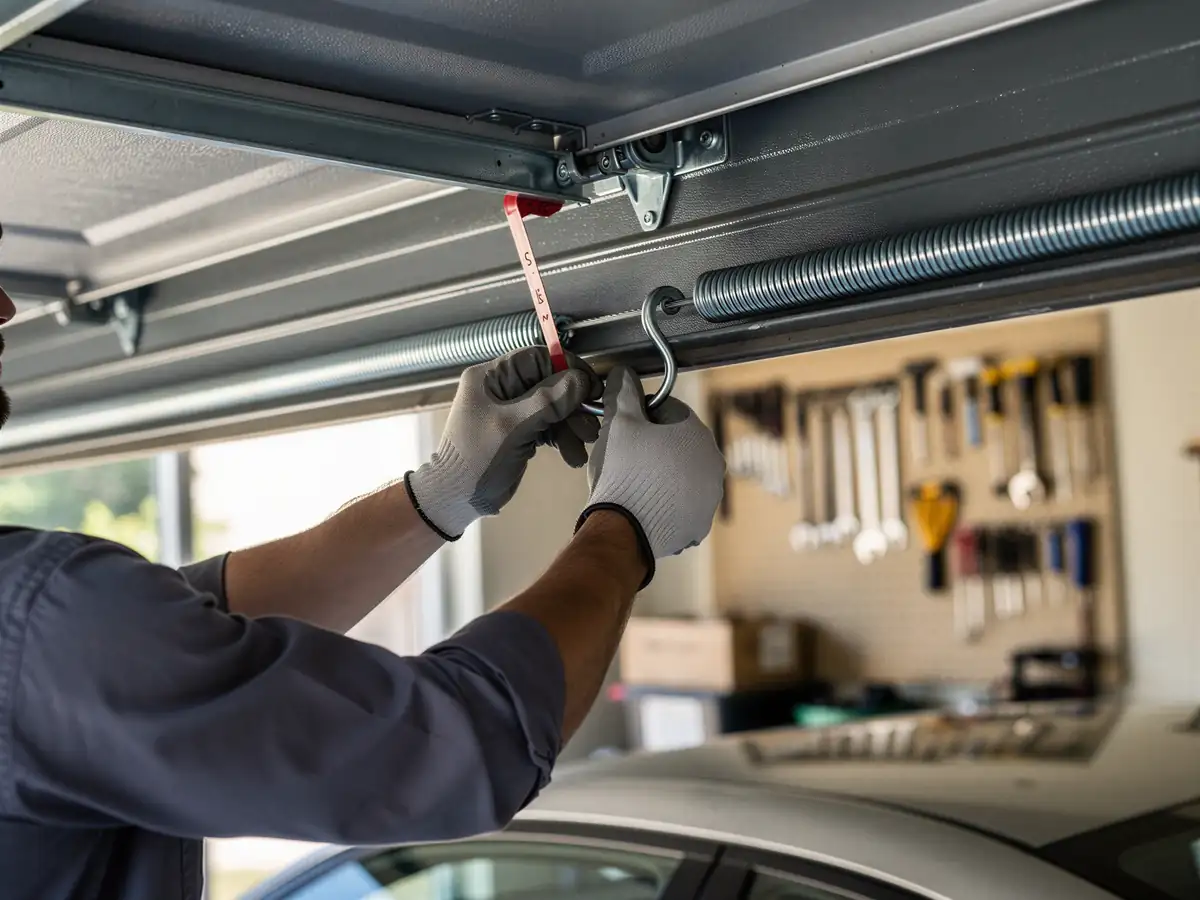
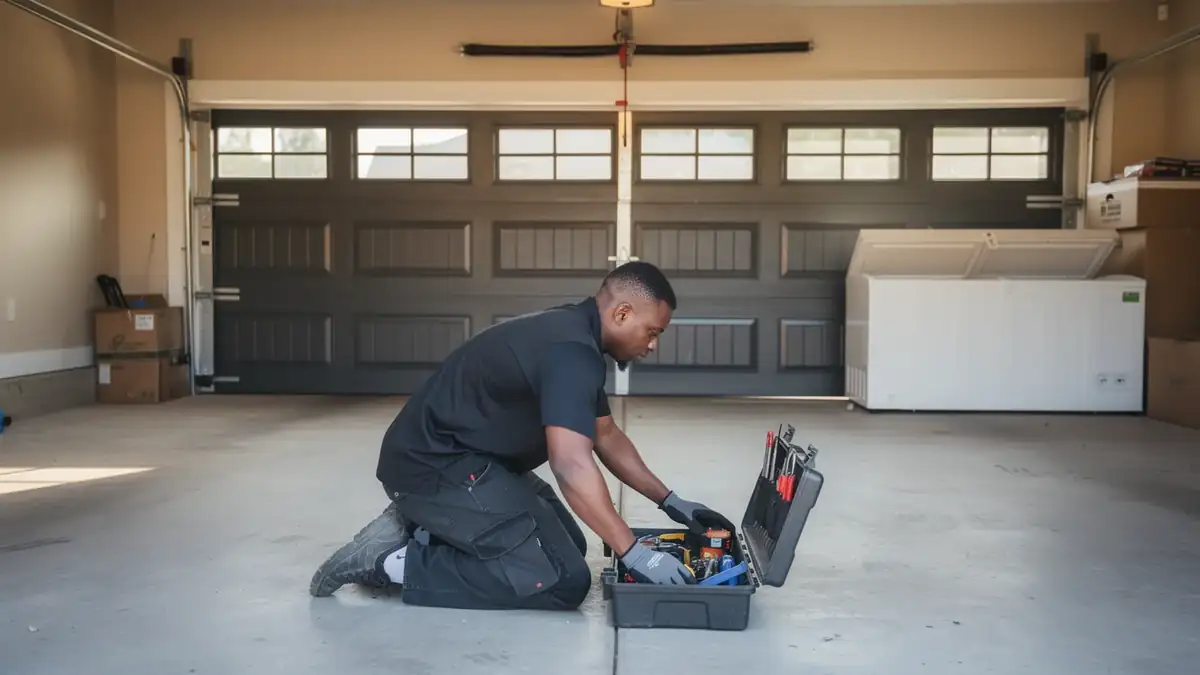
We come out, open the door up, and tell you what's wrong before anything gets replaced. In most of Arlington that means pulling the torsion spring cover first, because most Arlington houses were built between 1940 and 2001, with the median landing around 1976, so a lot of what we open up still has the original torsion hardware from that era. That hardware wasn't built to run forever - springs lose tension, cable drums wear thin, and the center bearing plate starts to groan.
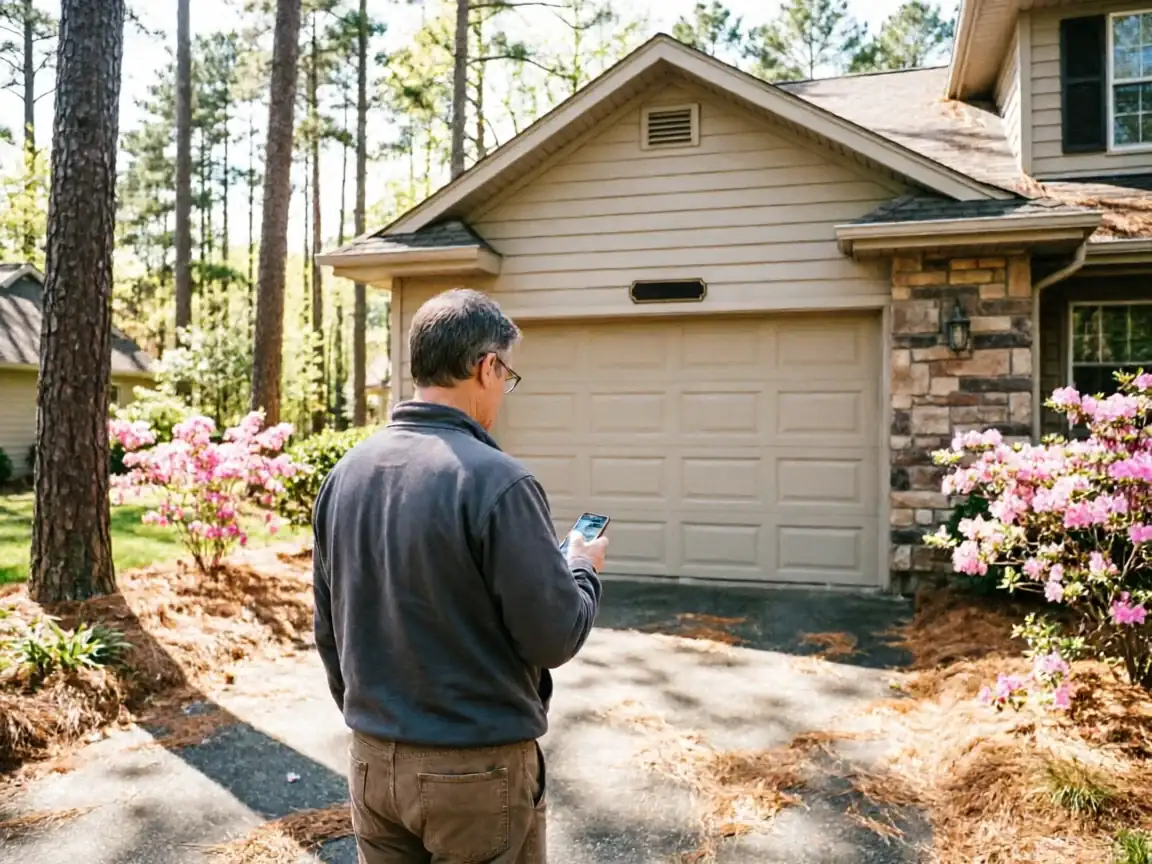
Call when the door is slow, loud, or hanging crooked on one side
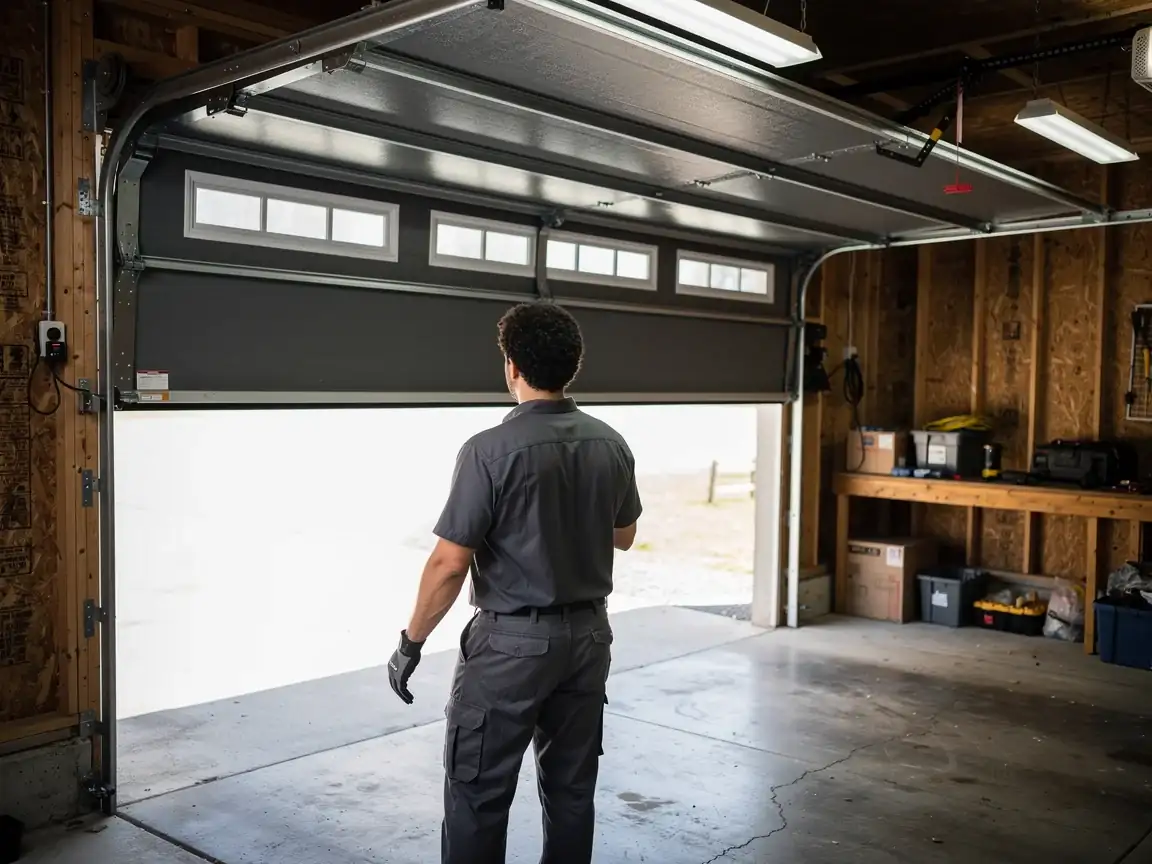
Call when it reverses halfway up for no reason. Don't wait until the spring snaps with the door open - that's a bent track and a bruised car, not just a repair bill. If the door still opens and closes evenly and quietly, you probably don't need us yet, no matter what a sales call tells you. A service call should answer one question honestly: fix it or replace it. We don't pad the invoice either way.
The Situation
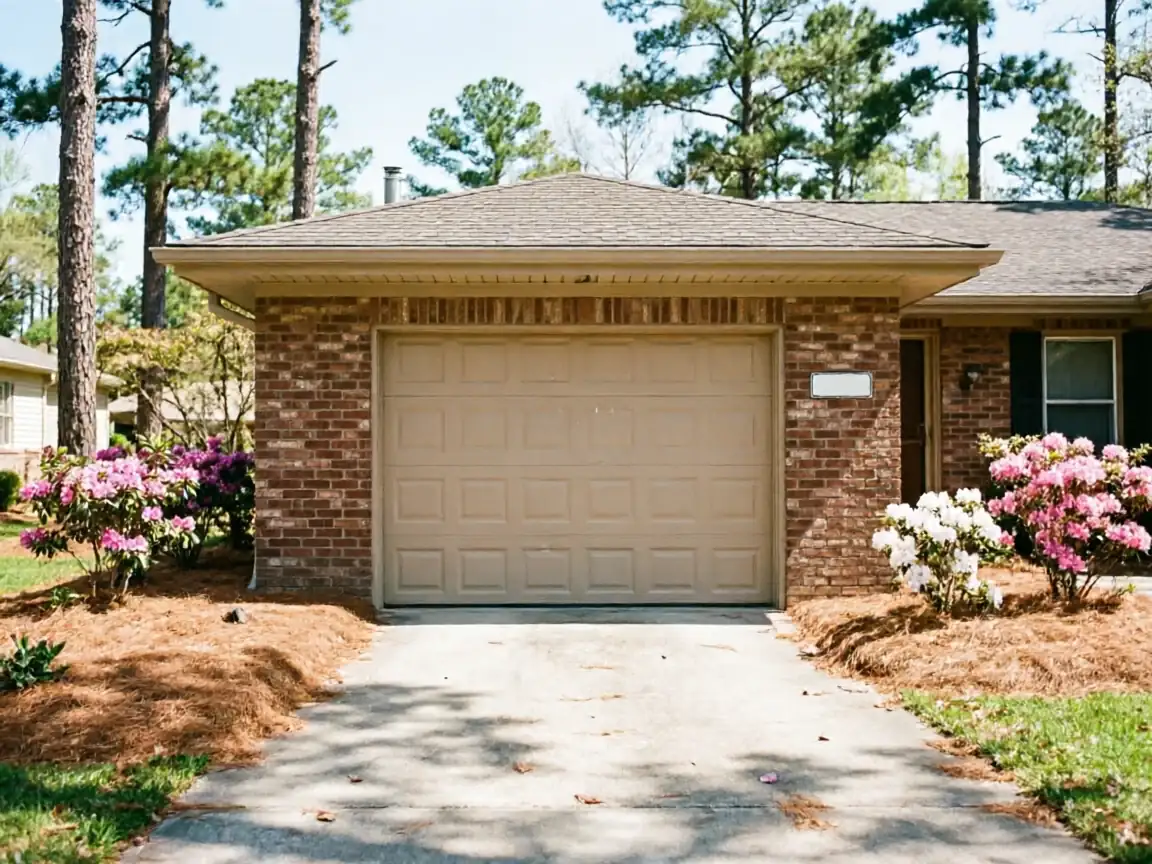
Arlington isn't one housing stock, it's several stacked on top of each other. Across the 37 named areas we cover, the mix skews heavily toward 1960s and 70s construction, but you'll find older original doors and newer replacements sitting on the same block. That matters for parts. A door installed when the house went up in the 1960s or 70s almost never takes the same roller, hinge, or spring wire gauge as something put in during a 2000s renovation.
Head further out toward Springfield and Franconia, roughly eight miles south, and the stock trends a little younger on average, which changes what we expect to find under the hood of the garage before we even get there. We bring a range of spring wire sizes and roller types on the truck because of this spread - guessing wrong means a second trip, and nobody wants that.
What the Weather Here Does to It
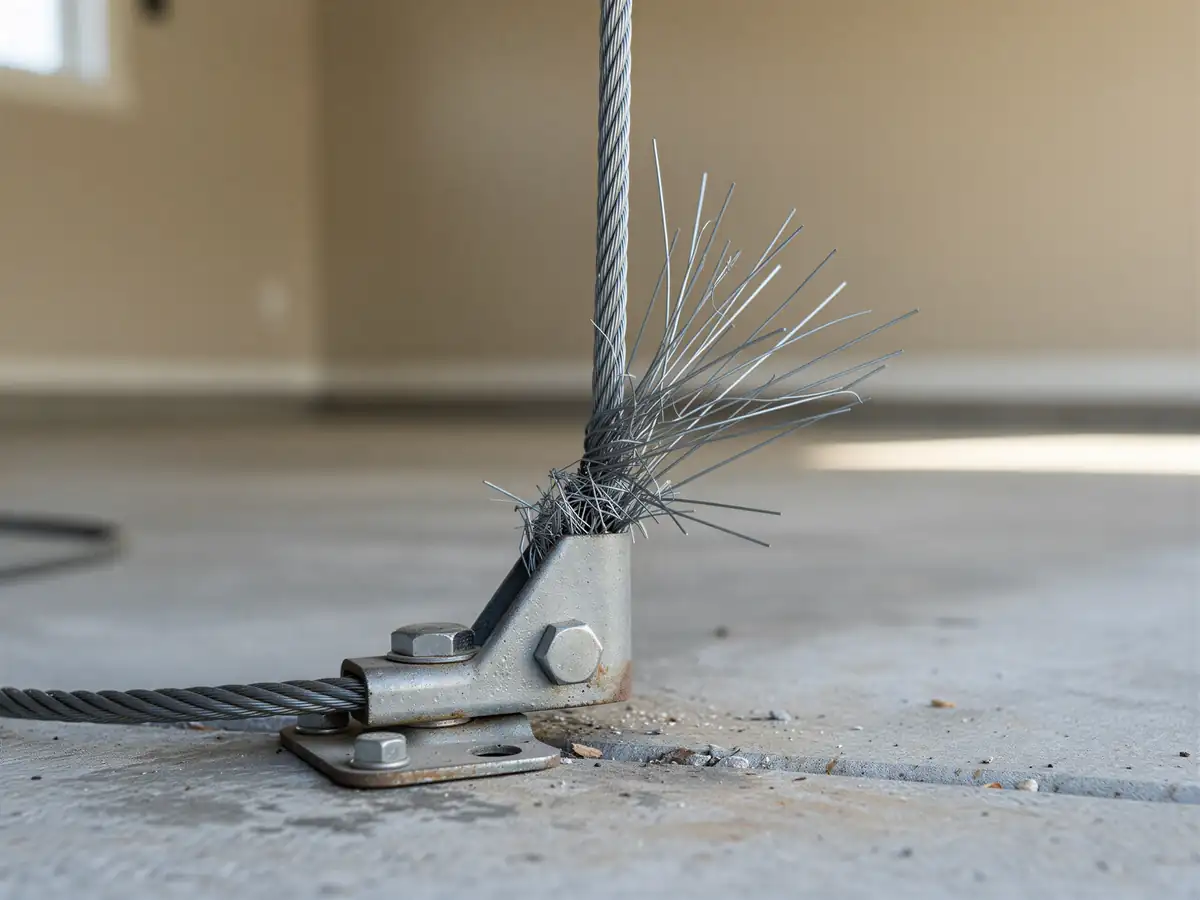
Arlington sits in a cold-severe climate band, and that shows up directly in spring and cable failures. Grease inside torsion springs thickens every winter, which makes the opener strain harder on cold mornings and wears the gear set faster than it should. Steel cable and track contract in low temperatures too - enough, on an older door with any slack already in the system, to throw a cable off its drum or pull a roller out of its track.
This isn't a once-a-decade event here; it's a seasonal pattern. Doors that were fine in October come in stiff or off-track in January, and it's usually the same few failure points: the bottom bracket, the torsion spring, and the cable drum. A service call in cold months usually includes checking spring tension against temperature, because a spring set correctly in August can read differently once the metal's contracted. We adjust for that rather than just re-balancing to whatever feels right that day.
Where People Go Wrong
The biggest mistake we see is treating a 1970s torsion door like a modern one
Spraying WD-40 on it, tightening a lag bolt, and calling it fixed. That buys a week, not a fix. The second mistake is assuming a part is in stock. We don't carry vintage rail sections or original-spec rollers for pre-1970 doors on the truck; those can take longer to source, and we'll tell you that up front rather than promise a same-day fix we can't back.
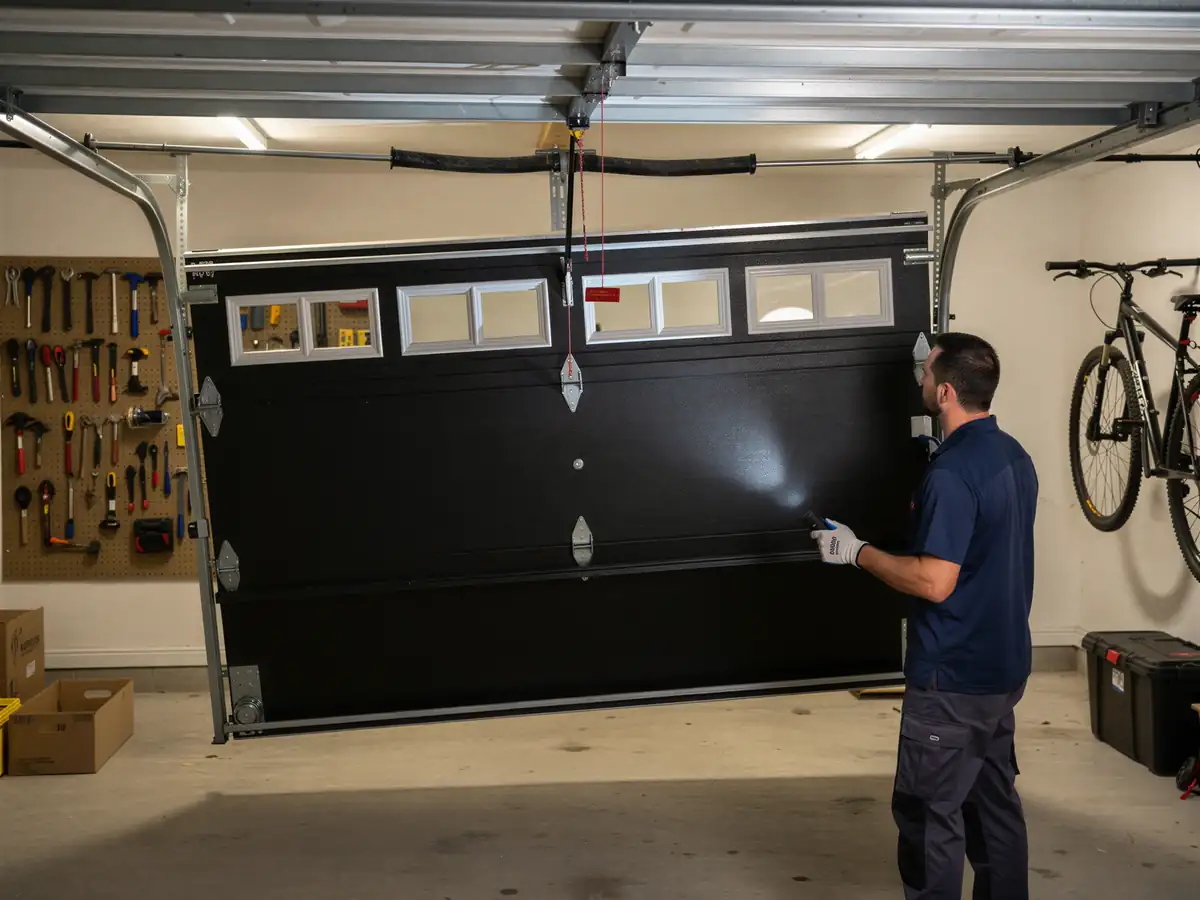
People also skip the balance test
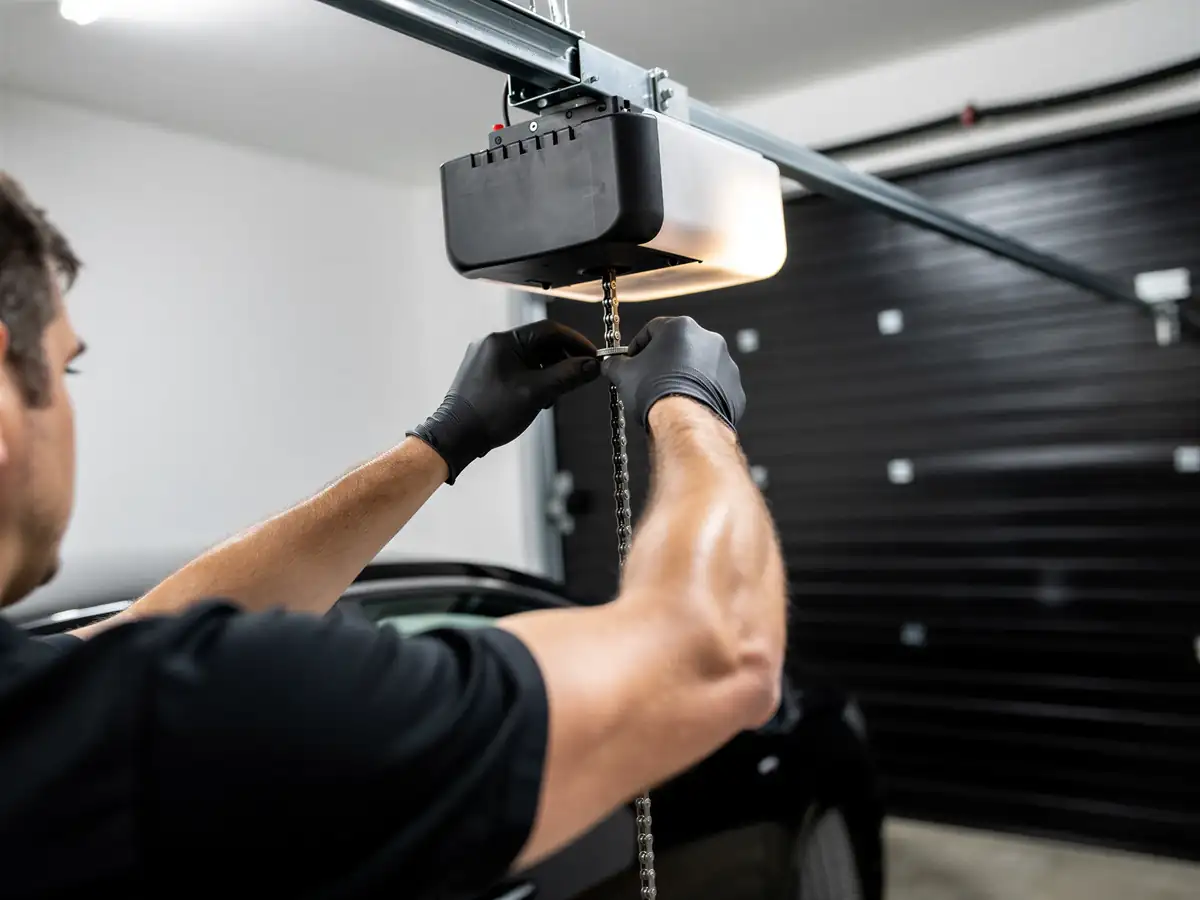
A door that looks fine closed can be two turns off on the spring, which means the opener is doing work it shouldn't, and that shortens the gear's life fast in a cold-severe climate like this one. Last mistake: waiting for a full failure instead of calling at the first grinding noise. By the time a cable snaps, you're paying for a tow truck's worth of drama instead of a twenty-minute adjustment.