What a New Garage Door Replacement Looks Like in Arlington
Arlington's housing stock runs from the 1940s to 2001, mostly 1960s-70s builds, which shapes what replacement door size actually fits and seals right here.
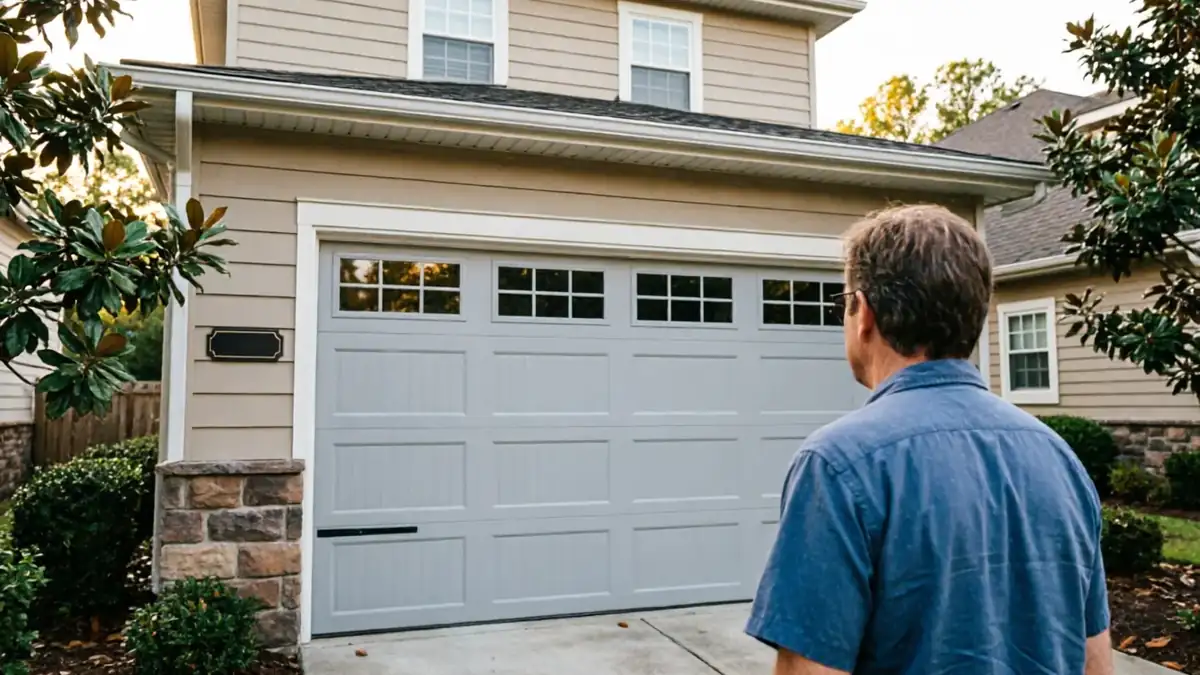
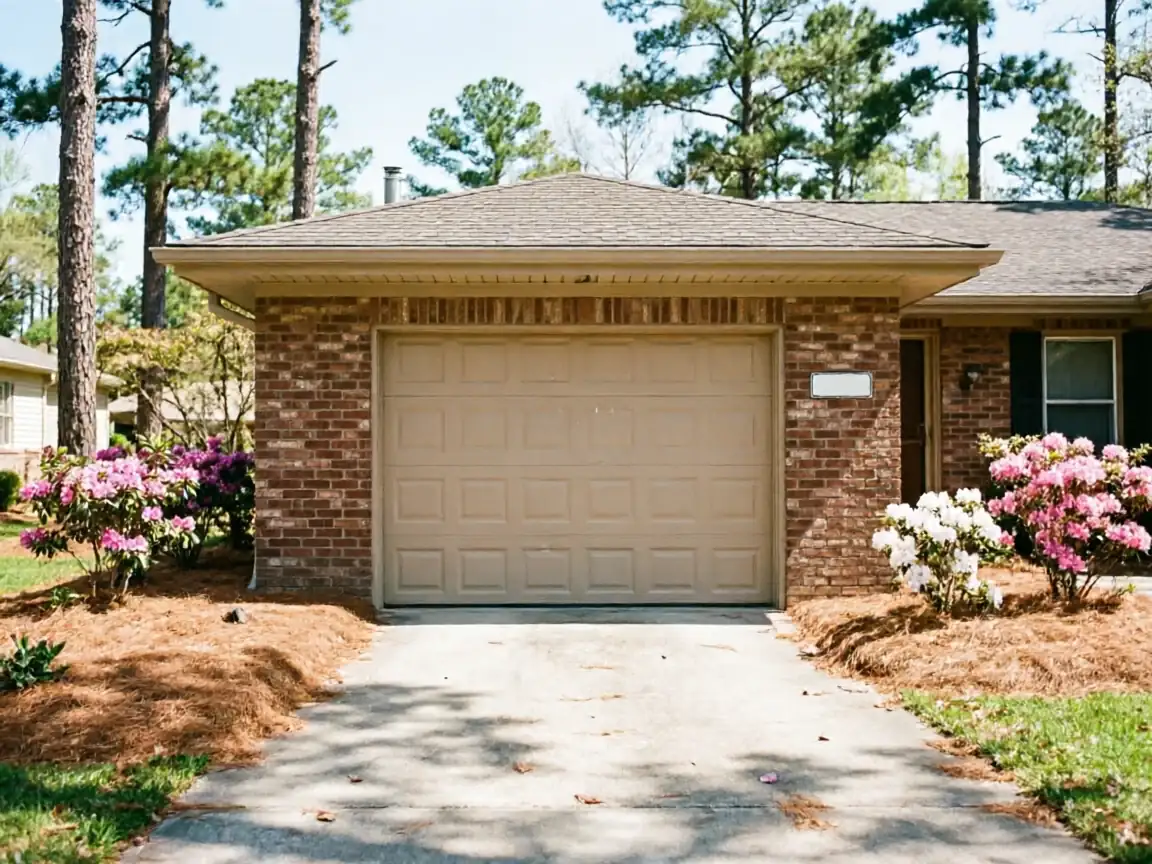
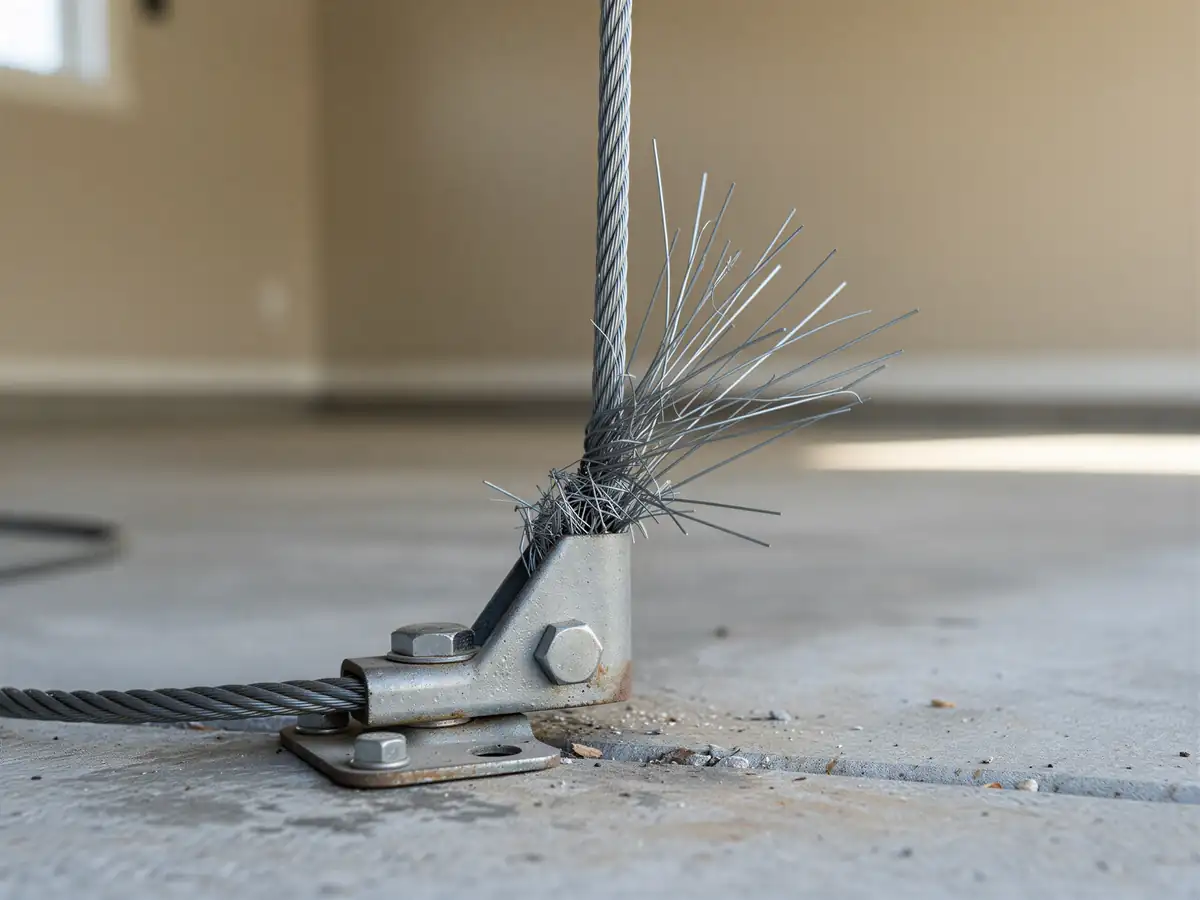
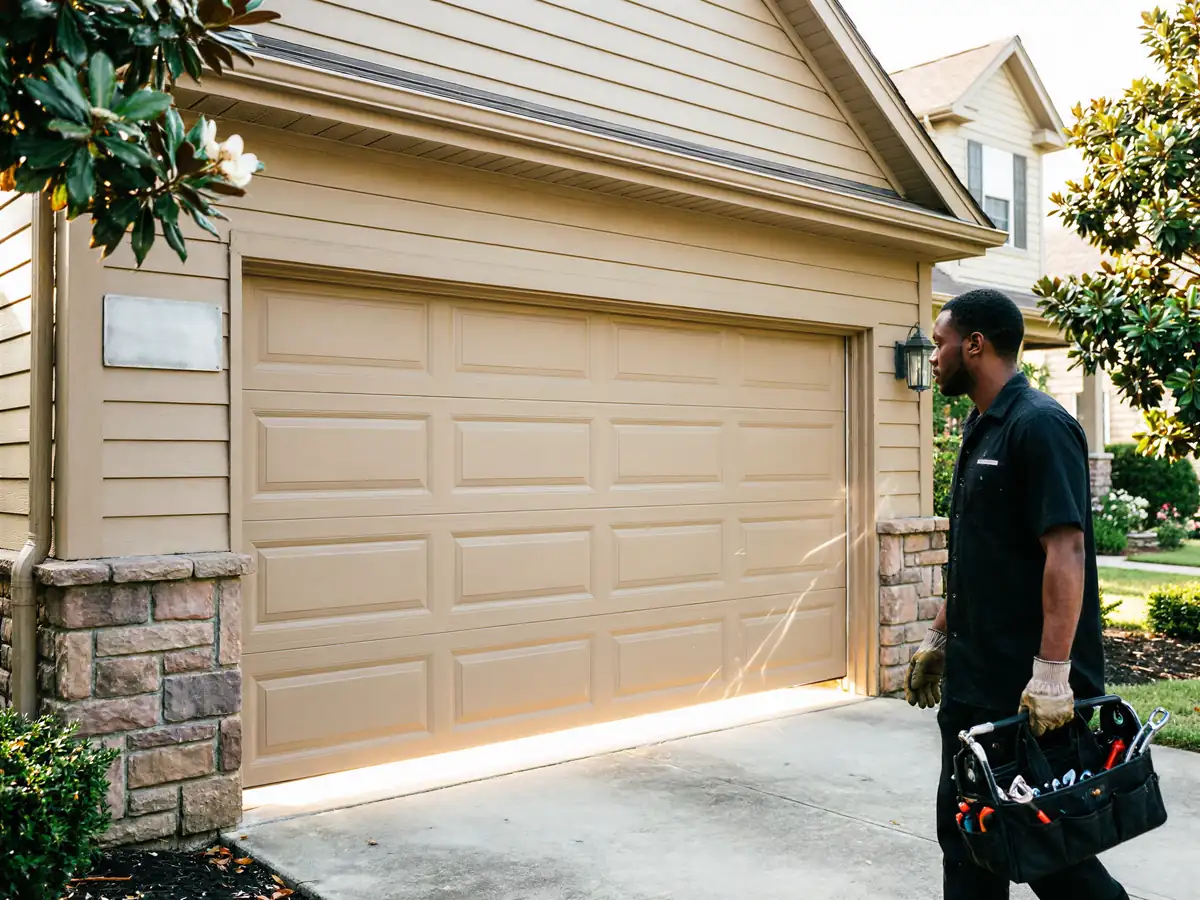
If the door on a house built in the 1960s or 70s still has its original panel, you're not looking at a repair conversation anymore, you're looking at a replacement one. A lot of the housing in this service area dates to that stretch, median build year 1976, and single-layer steel from that era wasn't insulated and wasn't engineered for the taller, heavier openers people run now. Signs it's time: the door won't seat flat against the slab anymore, the bottom seal is cracked and letting daylight through even when closed, or the opener strains and reverses on cold mornings because the spring was sized for a lighter door forty years ago. Rust at the track brackets on an original 1970s install is common too, not from one bad winter but from decades of it. We'll tell you straight if a repair buys you a few more years or if you're just delaying the same call. Sometimes it's worth patching a torsion spring on an otherwise sound door. Sometimes the door itself is the problem and no amount of spring or roller work fixes that it was never built for this climate or this opener load to begin with.
The Situation
This service area covers 254,635 households, with 88,312 of those in owner-occupied houses, and a median household income of $137,878 - which tells you people here are generally willing to pay for a door that's sized and insulated right rather than patched for one more season. The housing itself spans 1940 through 2001, but the bulk of it, across all 37 named areas we work in, is 1960s and 70s construction. That means original framing on a huge share of garages, openings cut to specs that don't match what's sold off the shelf today. That consistency actually makes the job easier: we're not guessing at what's behind the drywall on a given street, we're dealing with the same few generations of garage framing over and over, just in different neighborhoods.
What the Weather Here Does to It
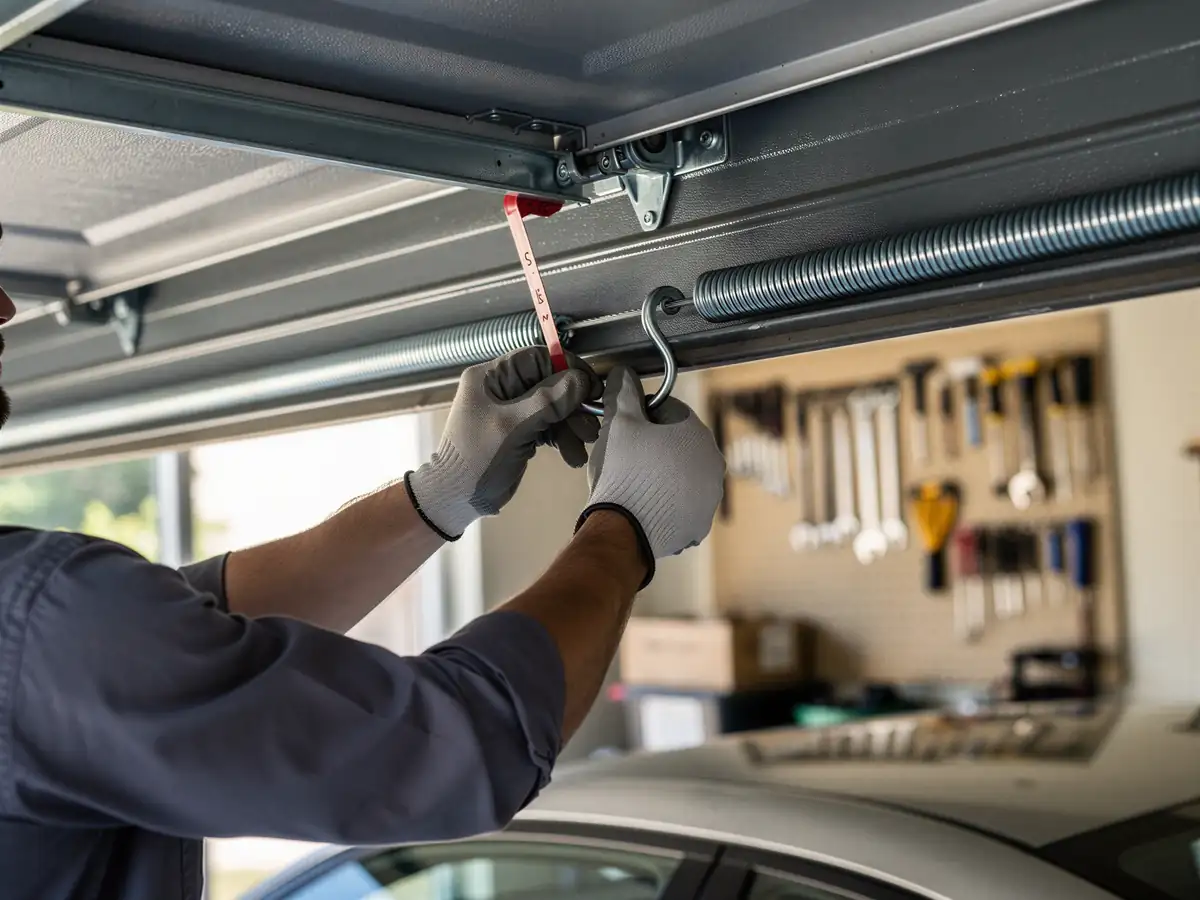
This area sits in a severe cold climate band, and that matters more for garage doors than people expect. Steel panels contract in a hard freeze, and on a door that's 40 or 50 years old - which describes a lot of the original stock on 1960s-70s houses here - that contraction opens gaps at the seams that weren't there when the door was new. Torsion springs lose temper faster under repeated freeze-thaw cycling than they would in a milder climate, and a spring that's already near the end of its life from age snaps sooner, not later, on the coldest mornings of the year. Bottom seals on original, non-insulated doors harden and crack in cold rather than flexing, which is why so many older garages here get a draft at the slab even with the door fully down. None of this is about one bad storm. It's the cumulative effect of a few decades of real cold on hardware that was never insulated or weatherstripped to today's standard in the first place.
Where People Go Wrong
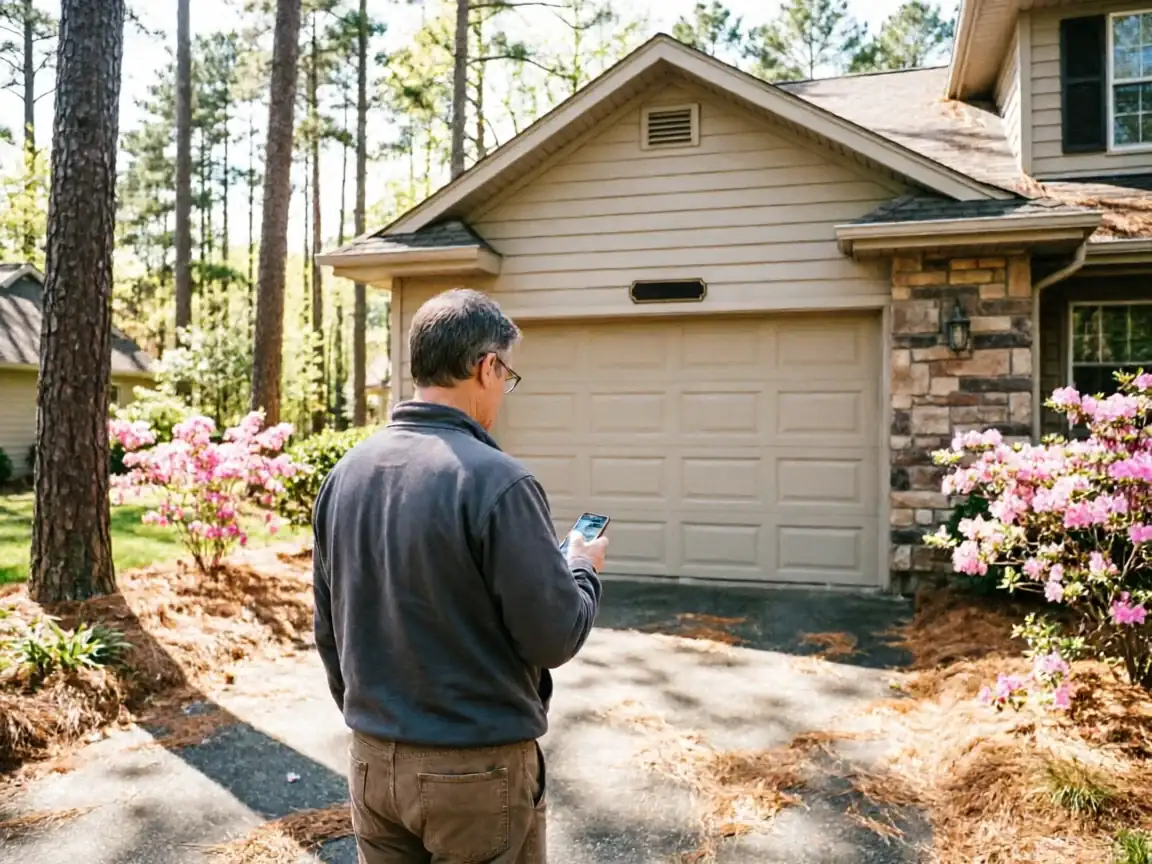
The most common mistake we see is someone ordering a standard off-the-shelf door size for an opening that was framed sometime between the 1940s and the 1970s, before anything like a true industry standard existed. On a lot of houses in this area the rough opening is close to today's sizing but not exact, and close doesn't work with a torsion system - it binds, it doesn't seal, and the opener fights it every cycle. The second mistake, given the cold band this area sits in, is buying an uninsulated door because it's cheaper up front and not accounting for what that means for the seal and the spring load over a winter. A door that fits well and holds insulation is worth the wait if the size has to be special-ordered for an older frame - and for pre-1970s openings, that order can take longer than a standard stock door, which we won't rush just to hit a faster install date. The honest limitation here: we'd rather tell you the lead time up front than promise a date we can't hold on a custom size.
How it works
From “it’s stuck” to “it’s fixed”
1
Tell us what’s wrong
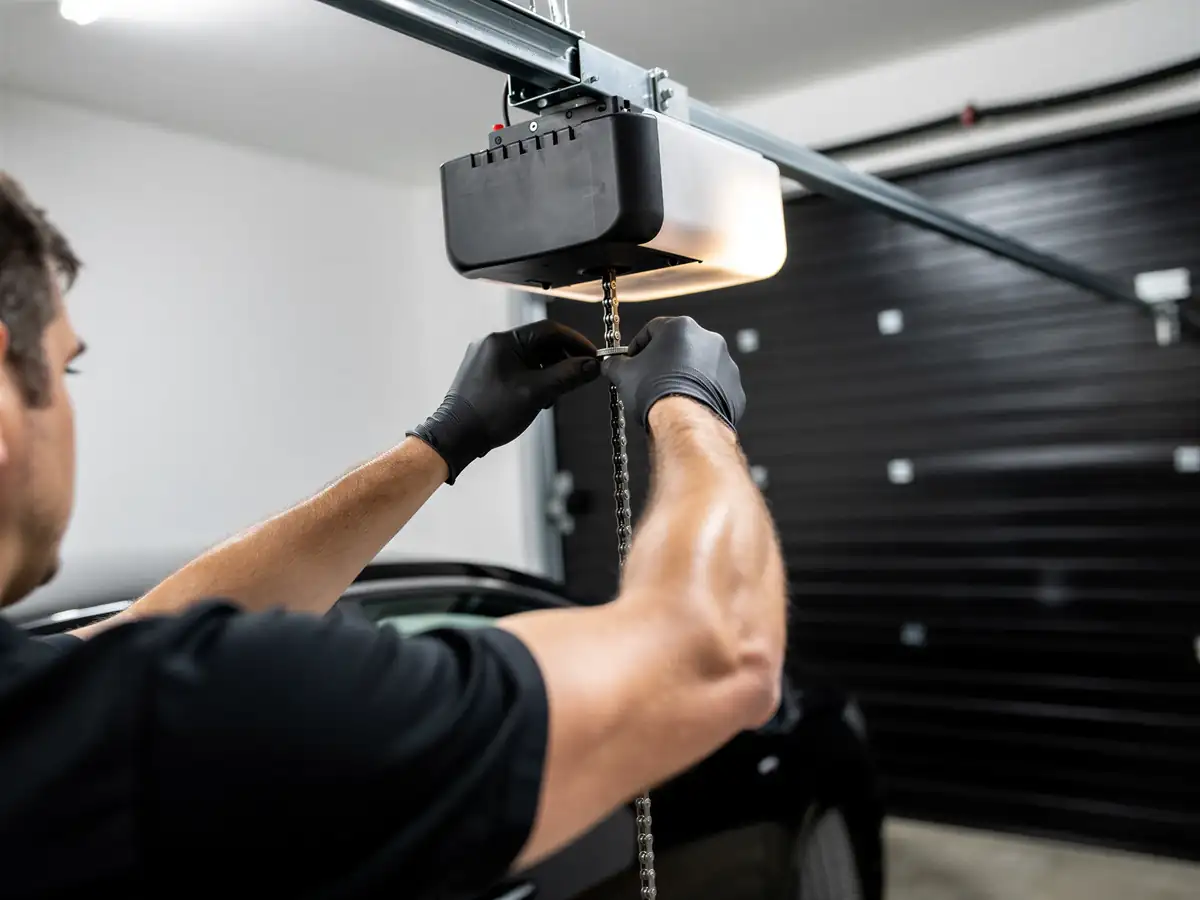
Describe the symptom - won’t open, loud bang, opener runs but the door won’t move.
2
On-site diagnosis
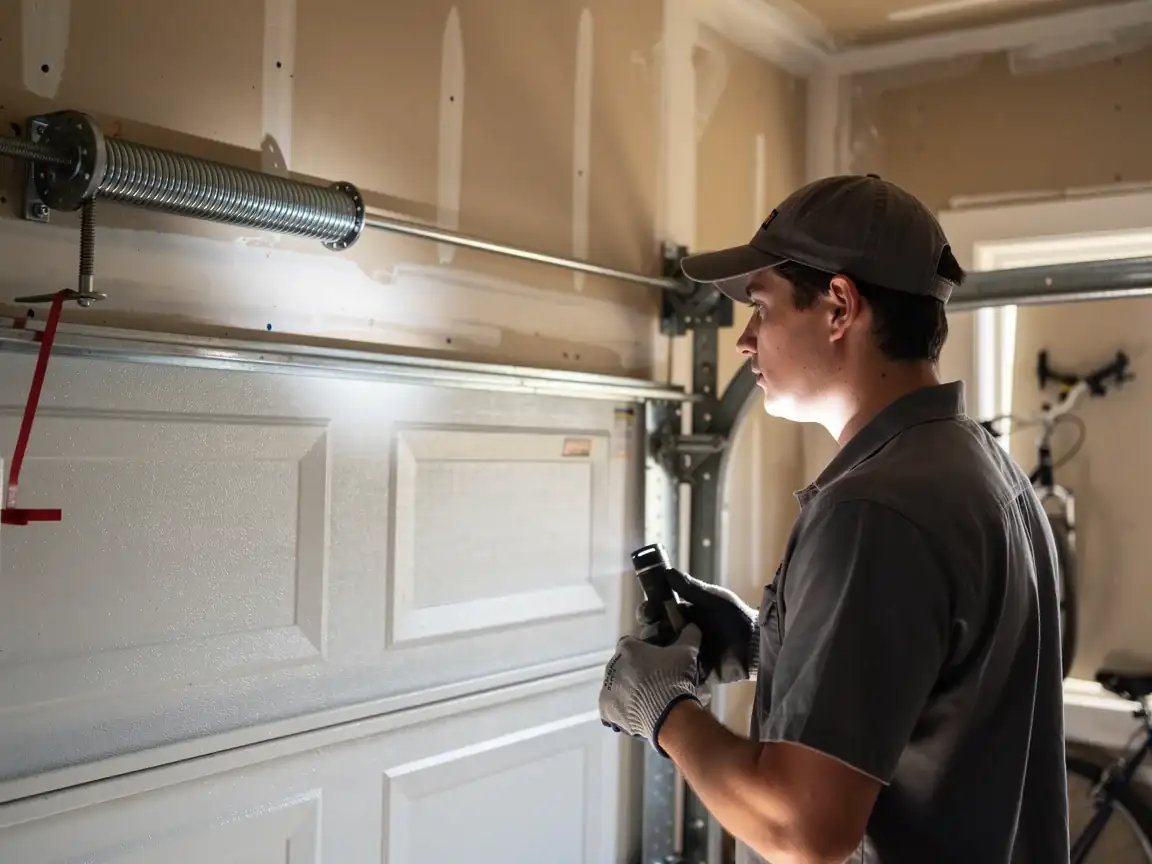
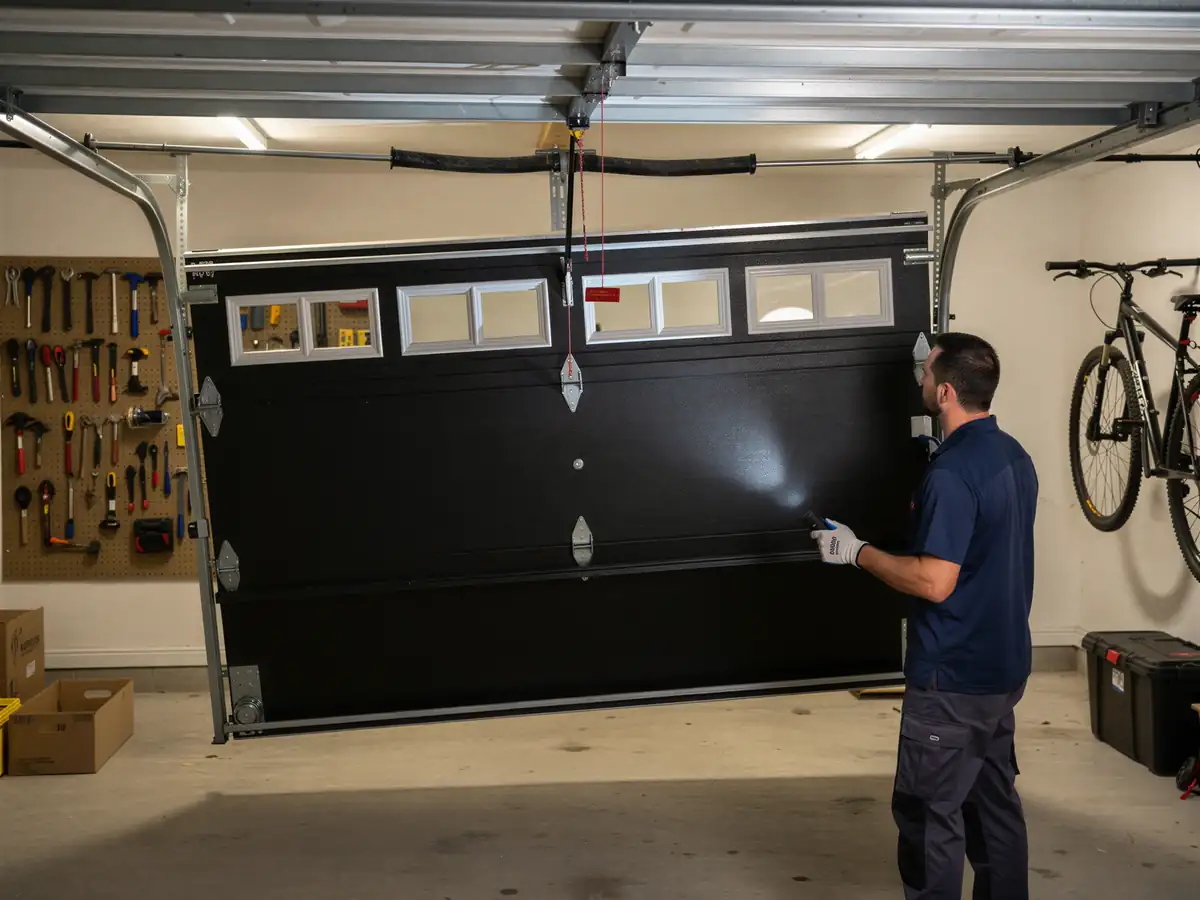
A technician tests the door under power and by hand and finds what actually failed.
3
Clear, up-front plan
You get the fix that’s needed and what drives the cost - before any work starts.
4
Repaired & tested
The repair is done, the door is set true and tested, and the work area left clean.
Not sure which repair your door needs in Arlington, VA? Describe what it’s doing - every job starts with a diagnosis.
Is my original garage door too old to repair instead of replace?
If your house is part of the 1960s-70s stock that makes up most of this area, the door is likely 45 to 60 years old. At that age the steel has fatigued, the spring is undersized for modern openers, and most repairs just delay a replacement that's already due. We'll look at the specific door before saying so for certain.
Will a standard-size door fit my garage opening?
Not always. Houses here were built across six decades, from the 1940s through 2001, and framing standards weren't consistent for most of that span. Older openings sometimes need a custom-sized door, which takes longer to order than stock sizing.
Does the cold here actually affect garage doors that much?
Yes. This area sits in a severe cold climate band, and freeze-thaw cycling fatigues torsion springs and cracks aging seals faster than milder weather would. It's a bigger factor on original doors from the 1960s-70s building boom than on anything newer and insulated.
Ready to get your garage door sorted?
Tell us what it’s doing and where you are in Arlington - we’ll take it from there.