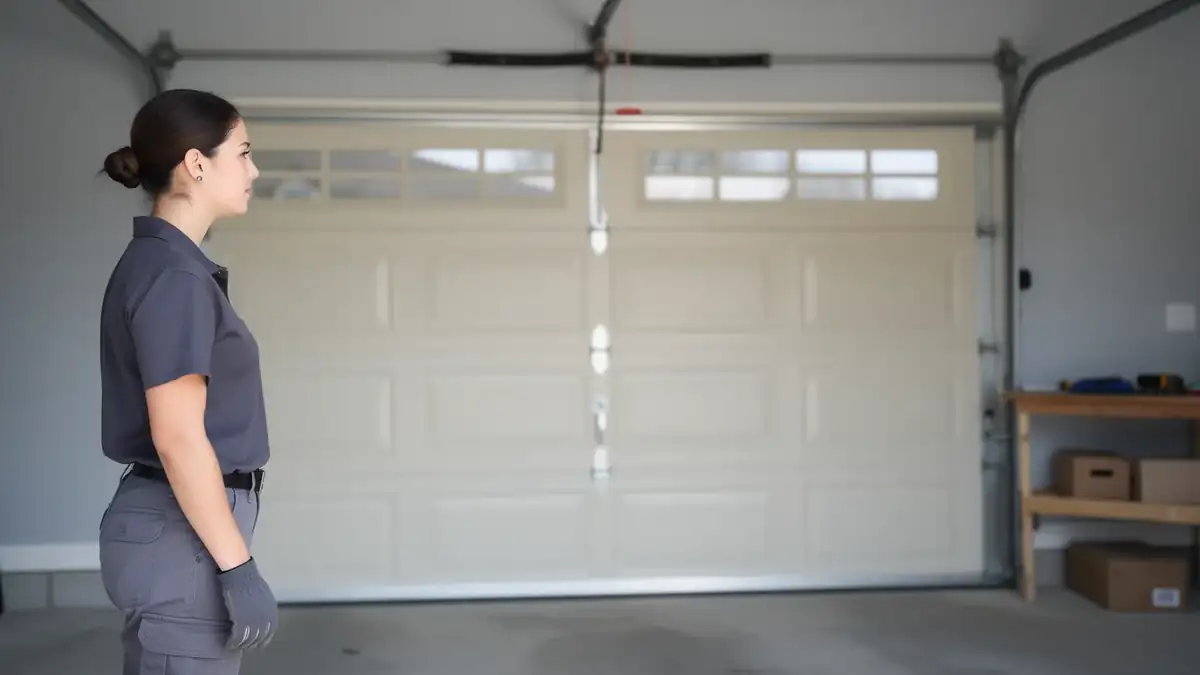
When to Call Someone
A grinding or squealing door is one thing
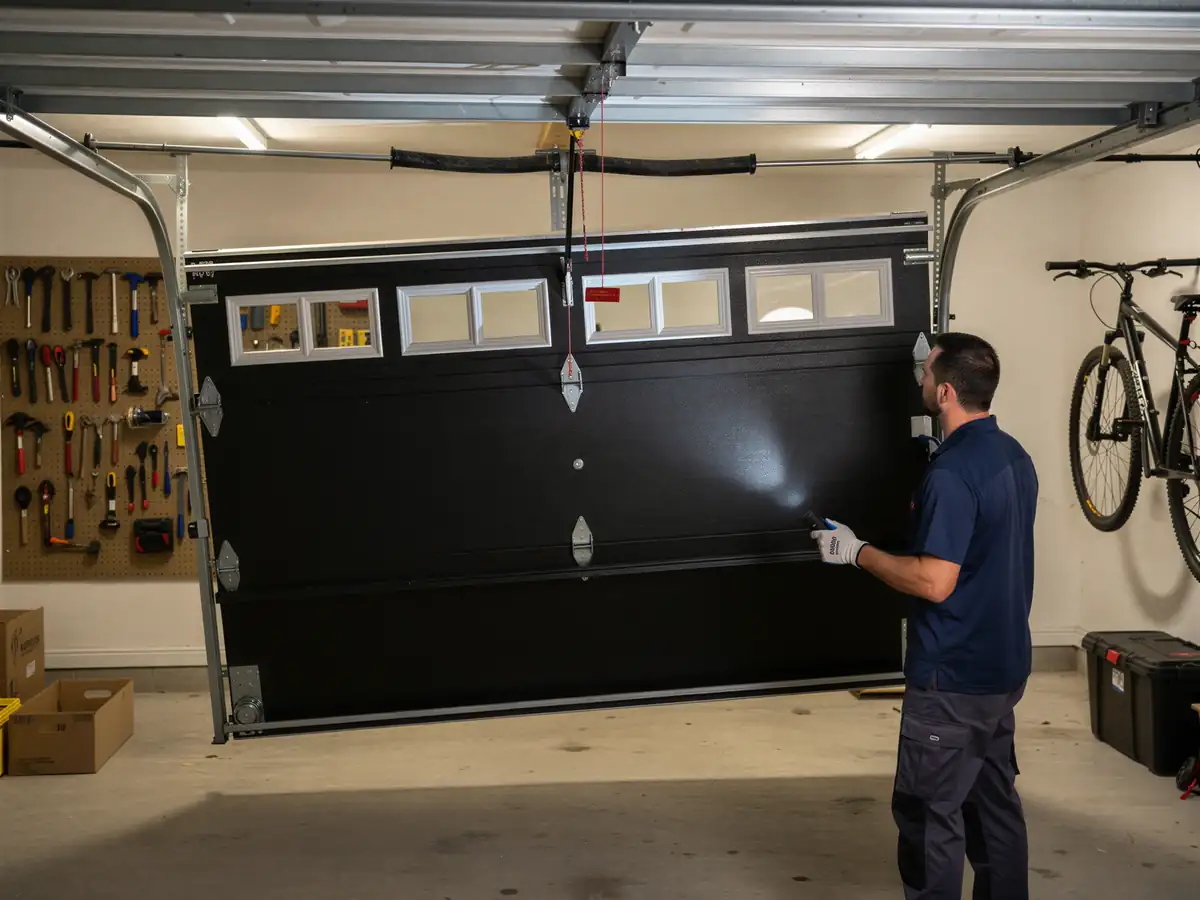
A door that bangs, drops, or reverses on its own is another, and that's the one you stop using until someone looks at it. Most of Arlington's housing went up between 1940 and 1960s-70s construction, with a median build year around 1976, so a lot of these garages are running original or first-replacement hardware that's now 45-plus years old. That's not a scare number - it's just the math on when torsion springs, rollers, and cable fatigue start showing up as noise before they show up as failure.
If the noise is a rhythmic thump once per rotation, that's usually a roller or a flat spot on the track
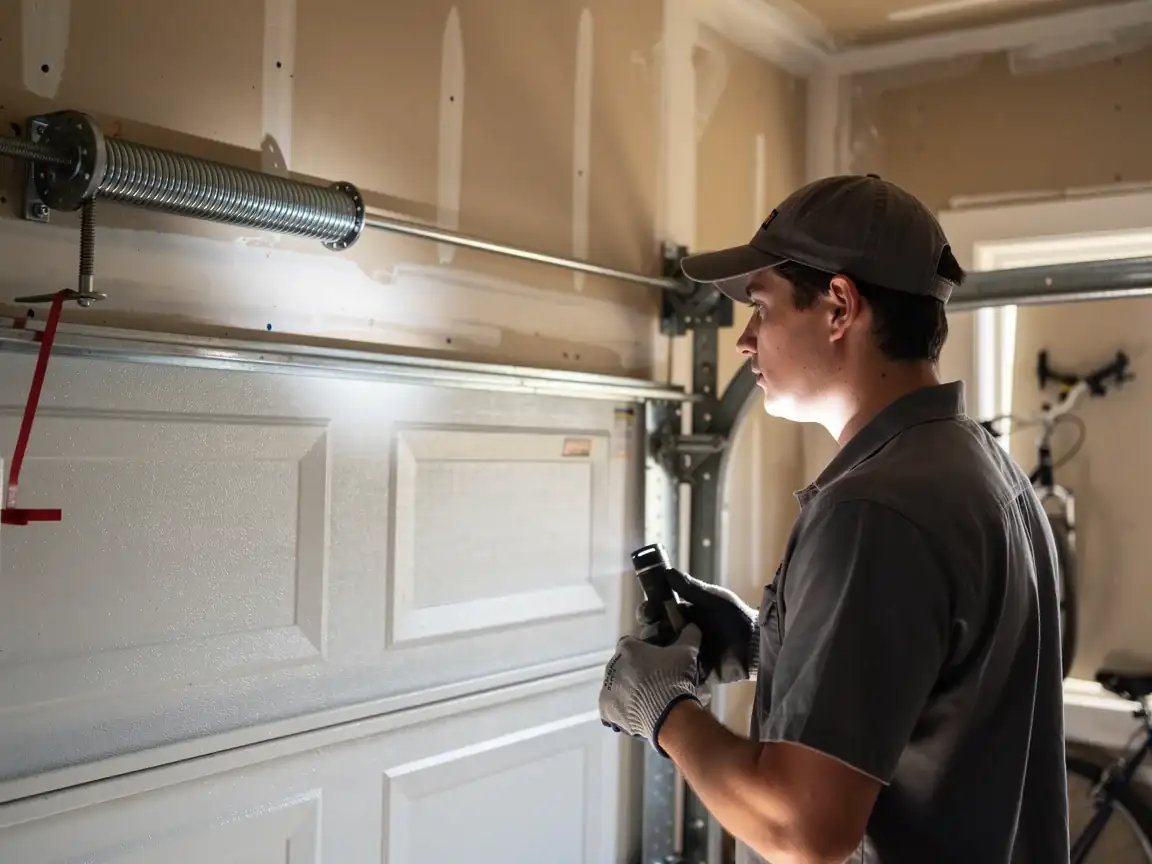
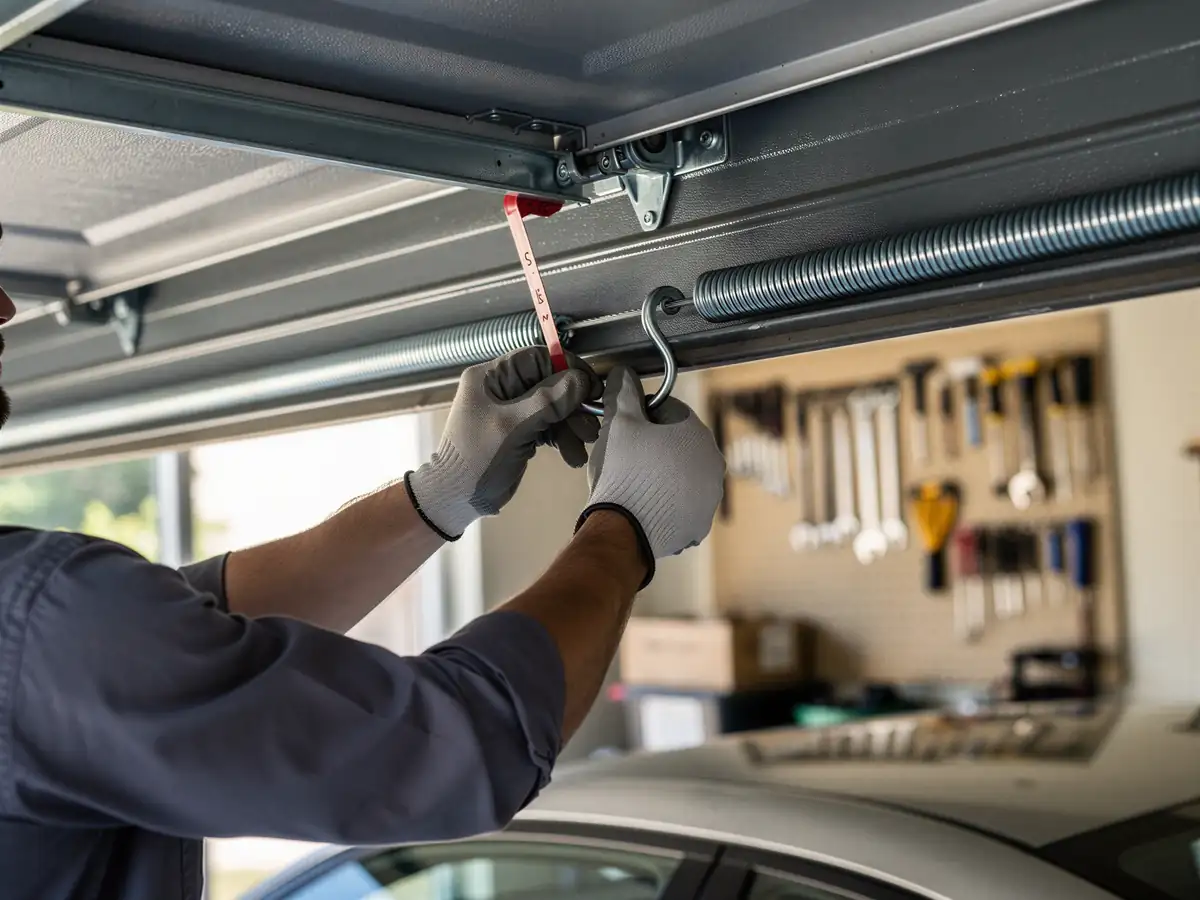
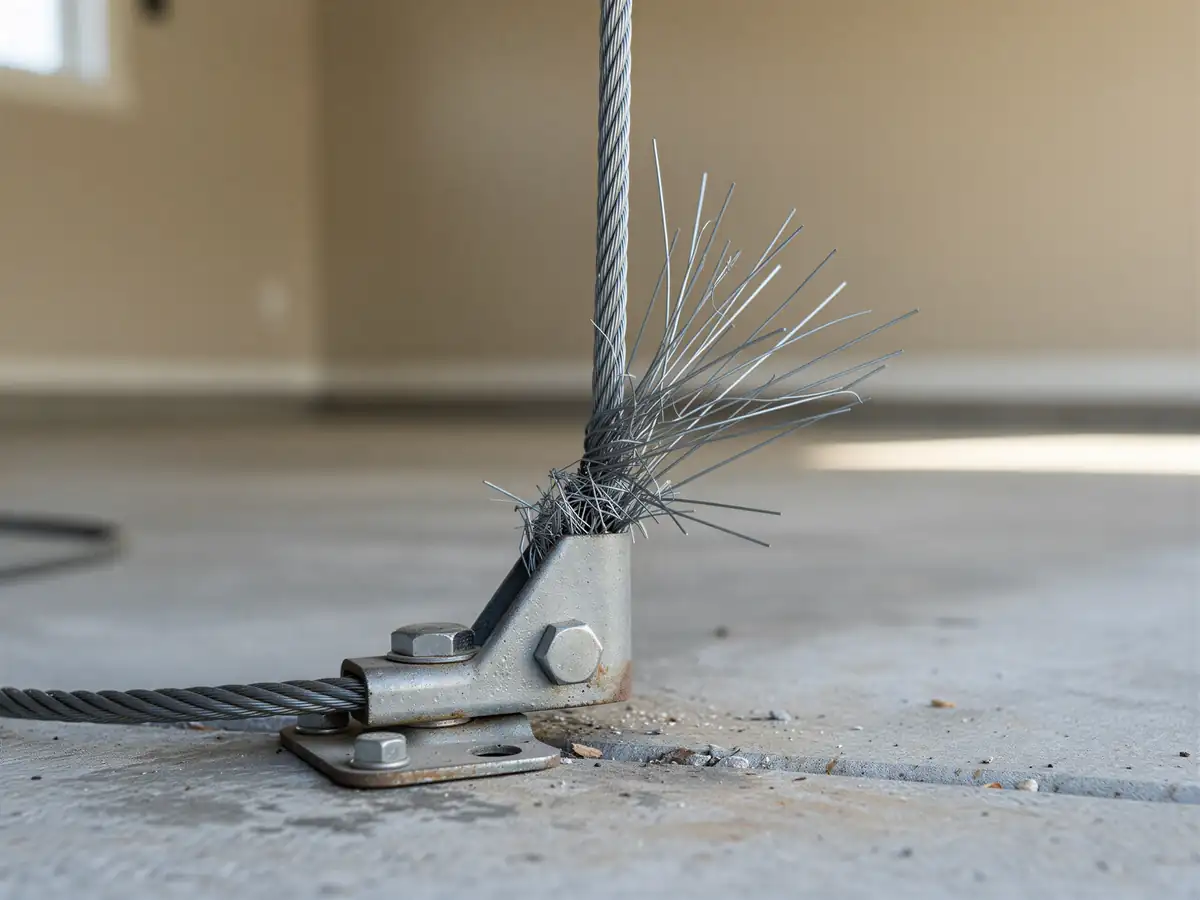
And it can wait a few days. If it's a loud bang followed by the door going slack or uneven, that's a spring or cable, and springs under tension are not a weekend project - call that one in. A door that's noisy but moves smooth and level is lower priority than a door that's quiet but jerks.
The Situation
Across the area, housing stock is mostly 1960s-70s across the 37 named neighborhoods in this part of Northern Virginia, which means a lot of garages share the same bones: steel sectional doors on extension or early torsion springs, openers that have already been swapped once, sometimes twice. Houses closer in - toward a mile north-northwest - tend to have smaller garages with tighter headroom, where a slightly wrong spring size shows up as noise faster because there's less slack in the system to absorb it.
With median household income in this service area at $137,878 and 88,312 owner-occupied houses out of 254,635 households total, a fair number of these garages have had at least one opener replacement but not necessarily a full hardware inspection to go with it. That's common - a new opener on old track and old rollers will run quieter for a while and then start making the same noises again, because the opener was never the actual problem.
What the Weather Here Does to It
This is a cold-severe climate band, and that matters more for garage doors than people expect. Steel contracts in cold and expands in heat, and a track that's bolted slightly out of plumb will tell you about it loudest on the first hard cold snap of the season - that's when you hear the new squeal or the new scrape that wasn't there in October. Grease that was fine in summer stiffens up and the rollers start complaining on cold mornings specifically.
On houses from the 1976 median build era, the garage is often an unheated, unconditioned box attached to a conditioned house, so it takes the full swing of outdoor temperature with none of the buffering the rest of the house gets. That's why the same door can be dead silent in August and grinding in January - the hardware didn't fail, it just stopped tolerating the slack it used to have.
Where People Go Wrong
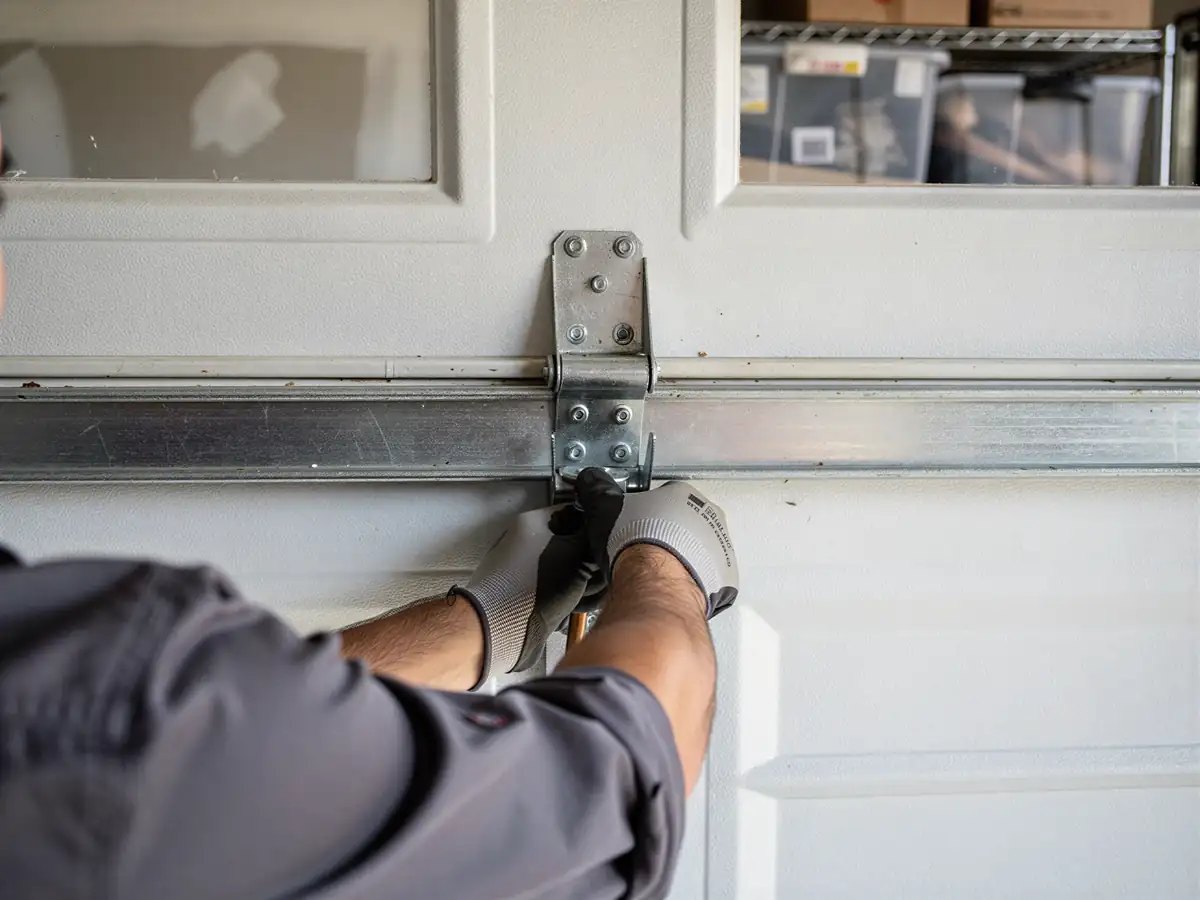
The most common mistake is spraying anything that comes to hand on a noisy roller and calling it fixed
WD-40 is a solvent, not a lubricant - it cuts through old grease and leaves the metal drier than before, so the noise comes back worse in a week. The right lube belongs on the rollers and hinges, not the track itself.
The second mistake is tightening everything in sight
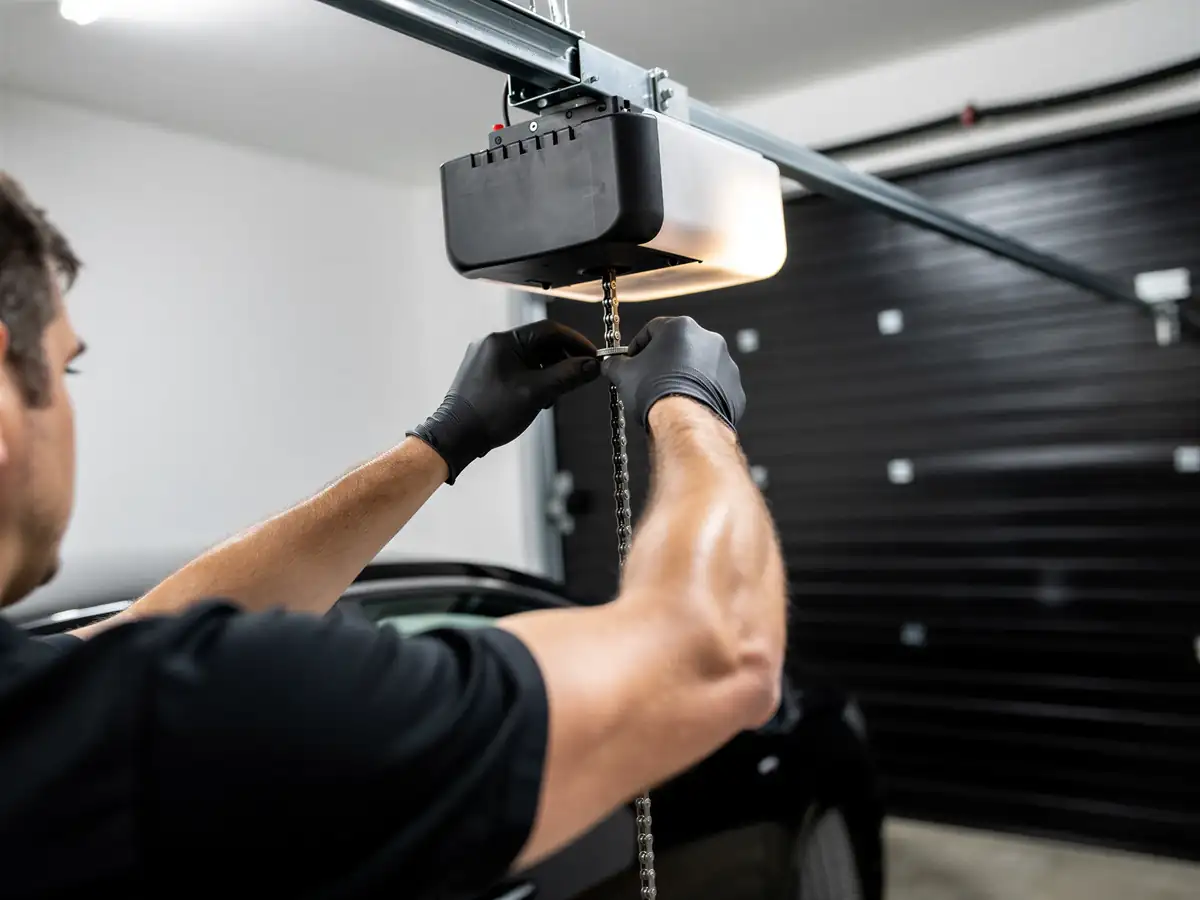
On a door built to this era's original spec, over-tightening the track bolts can pull the rail out of alignment by a fraction of an inch, which is enough to turn a quiet roller noise into a grinding one. And the third: people replace the opener to fix a noise that's actually coming from the springs or the track, because the opener is the part they can see and reach. It quiets down for a month, then it's back, and now there's a new opener on top of the same old problem.
One honest limit here
If the springs are original to a house from the early part of that 1940-2001 build range, we're not going to patch them - at that age, replacement is the only thing that actually stops the noise for good.