How It Shows Up
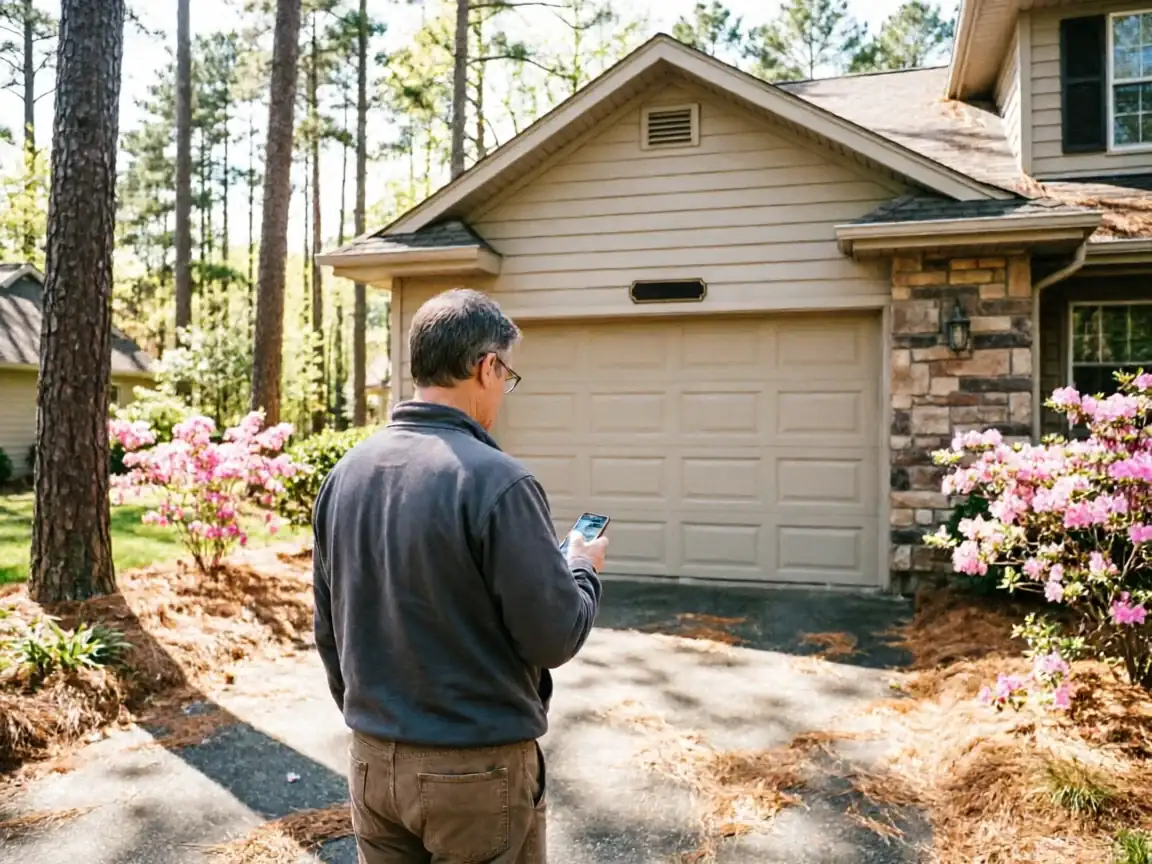
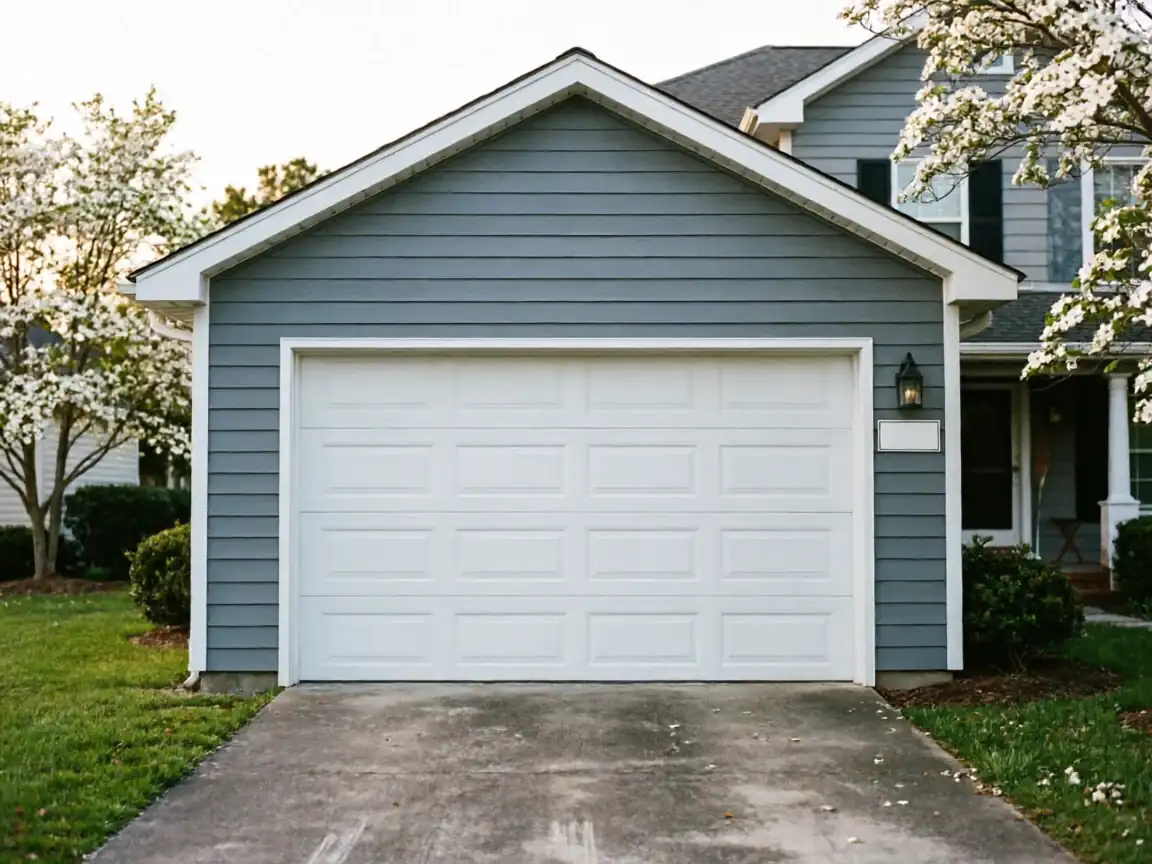
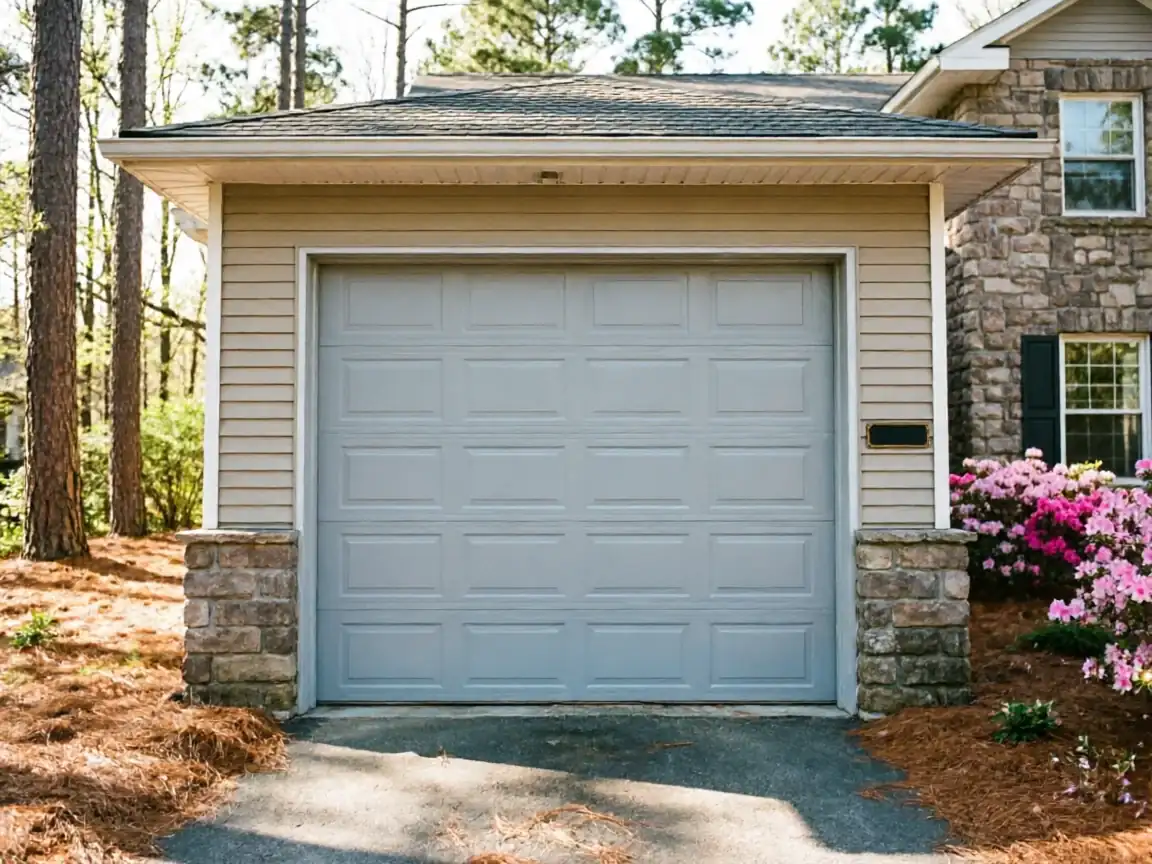
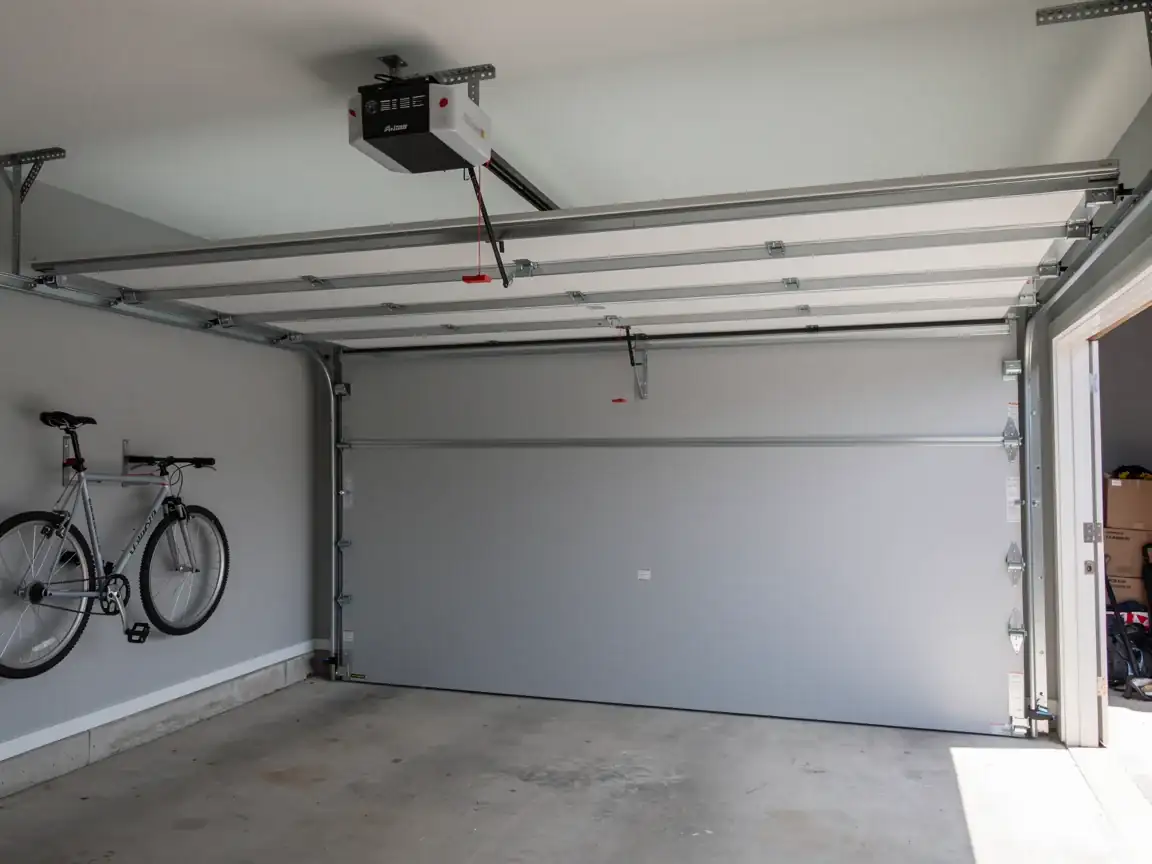
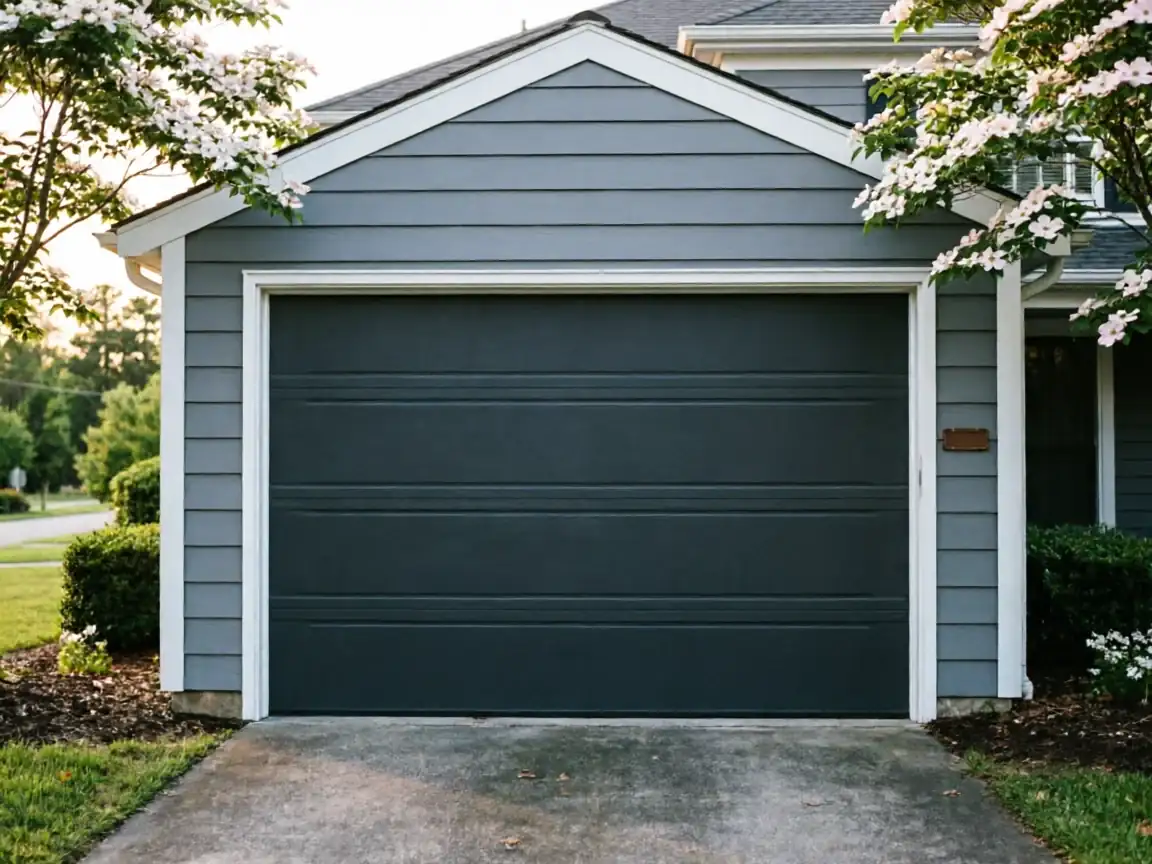
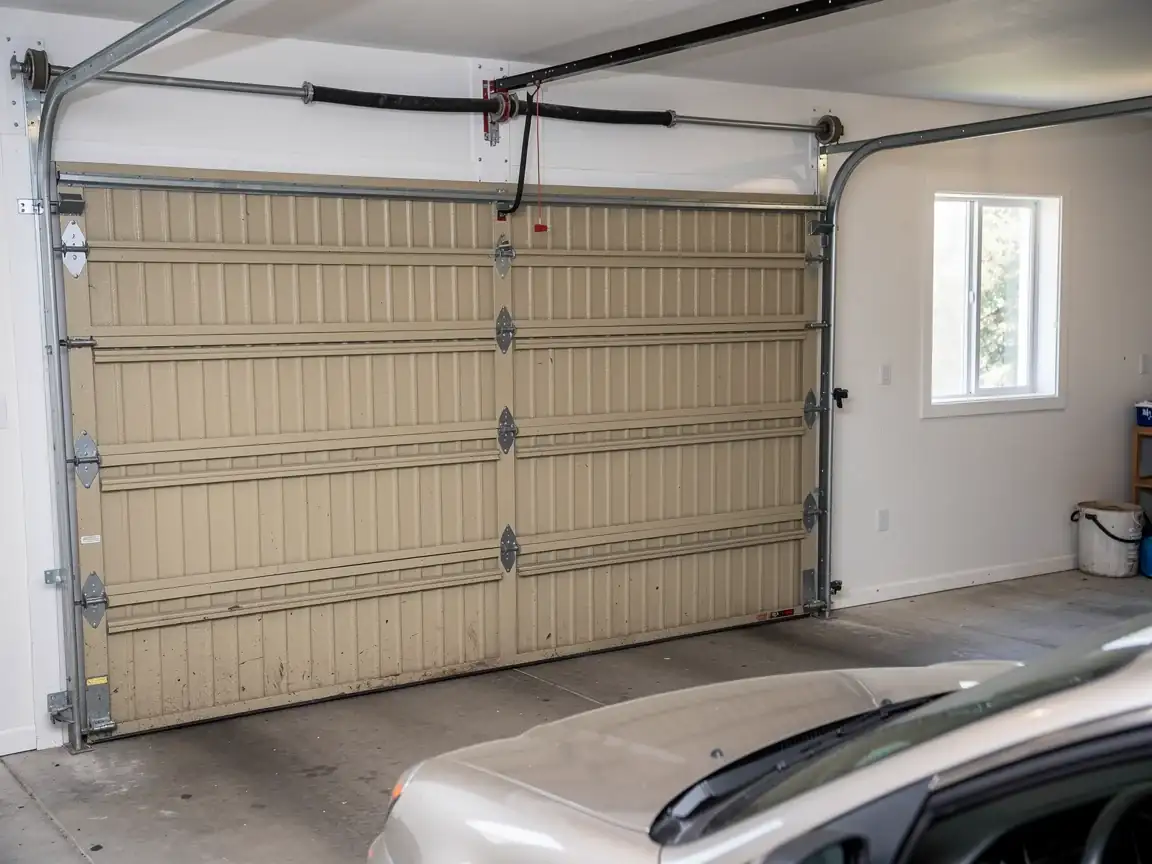
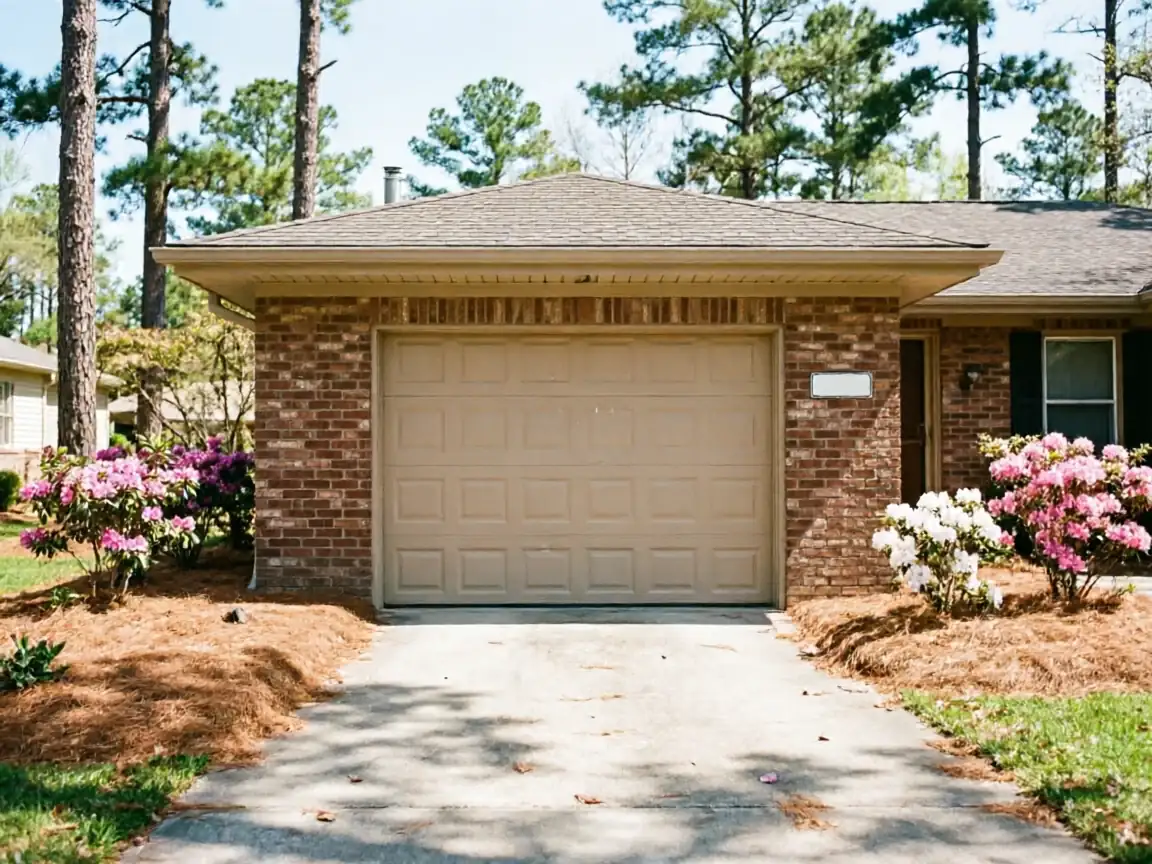
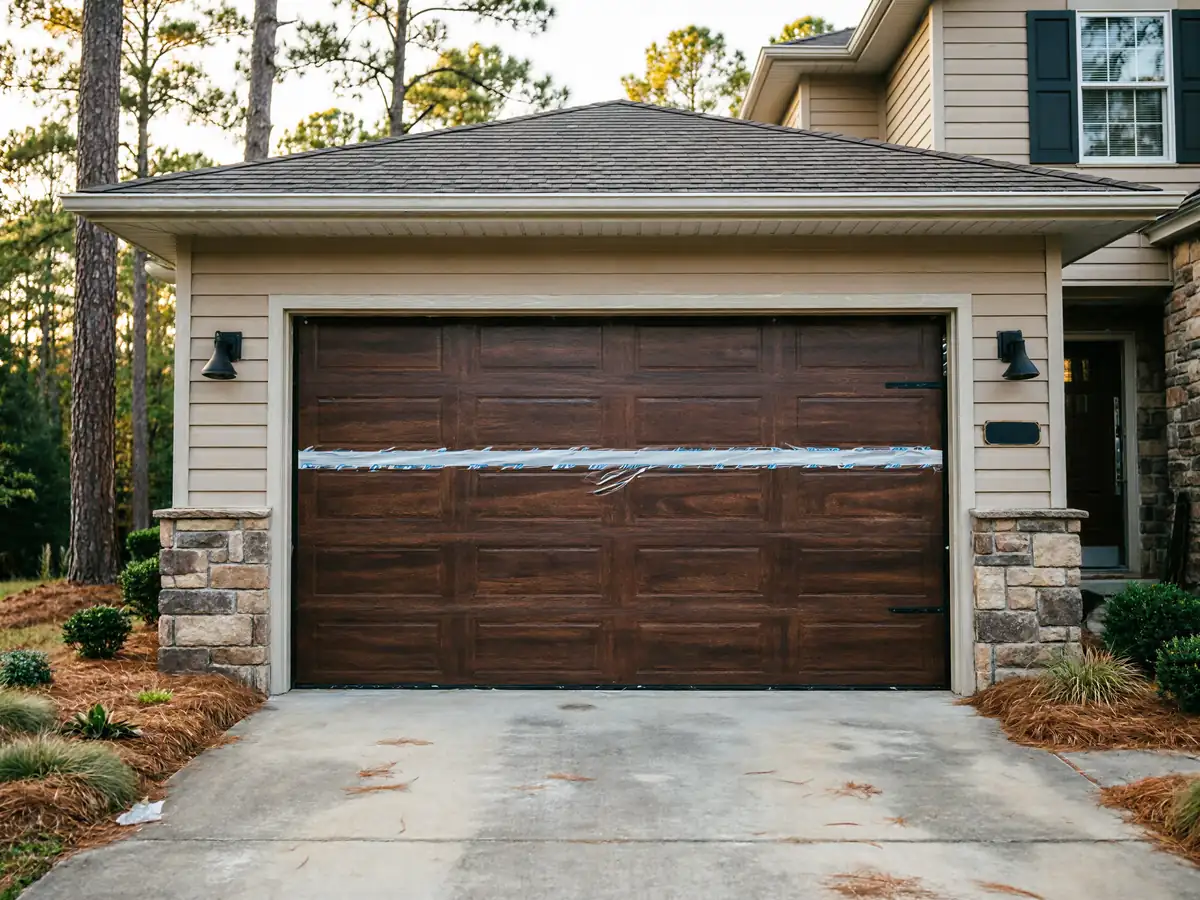
Most of the housing stock in this part of the service area went up in the 1960s and 70s, and Falls Church's own median build year lands at 1971. That means a lot of original or first-replacement doors are still on the house - steel or aluminum panels sized to openings that haven't changed, mounted on hardware that was standard for the era but isn't what gets stocked new today. Owners usually come to us not because the door broke outright but because it's gotten heavy to lift, the seams have started separating, or the panels show the kind of denting and rust that decades of cold-season cycling leave behind. A new install at this point isn't a downgrade from repair - it's usually the point where patching the old door costs more over time than replacing it once.
What Can Go Wrong
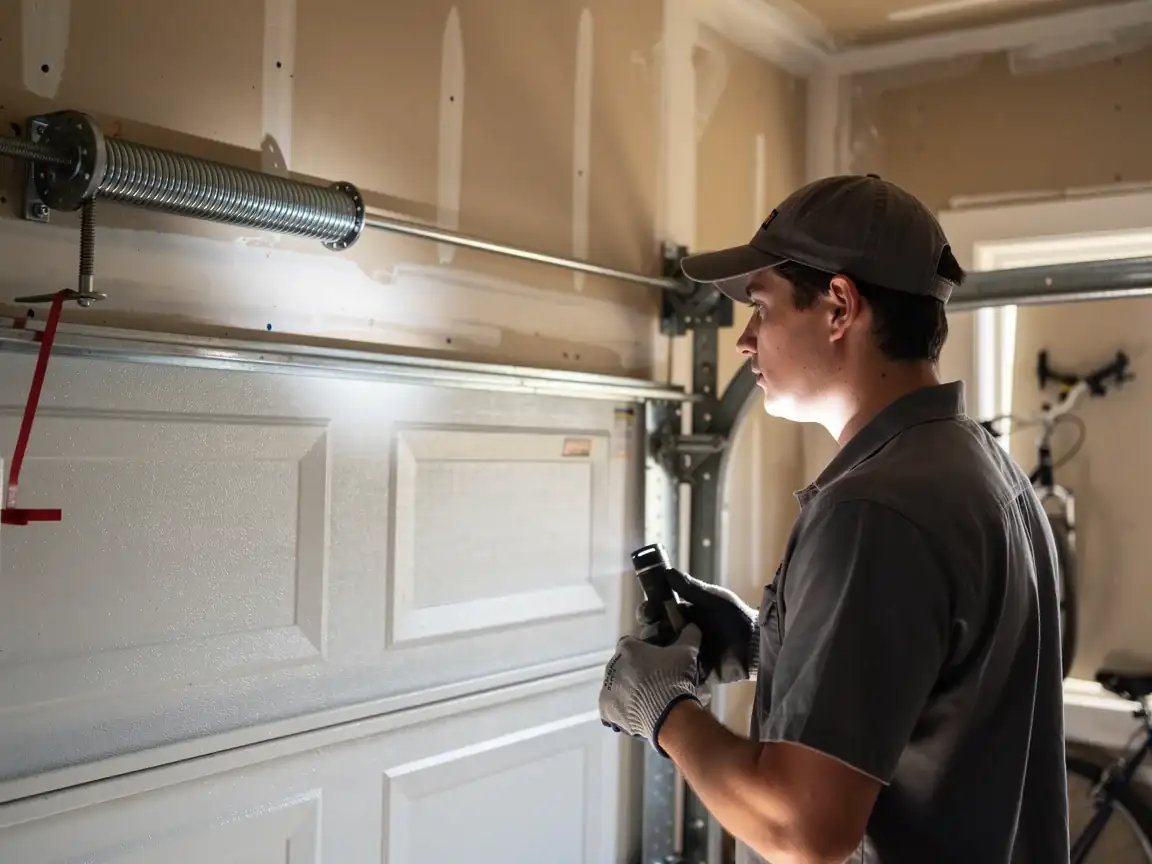
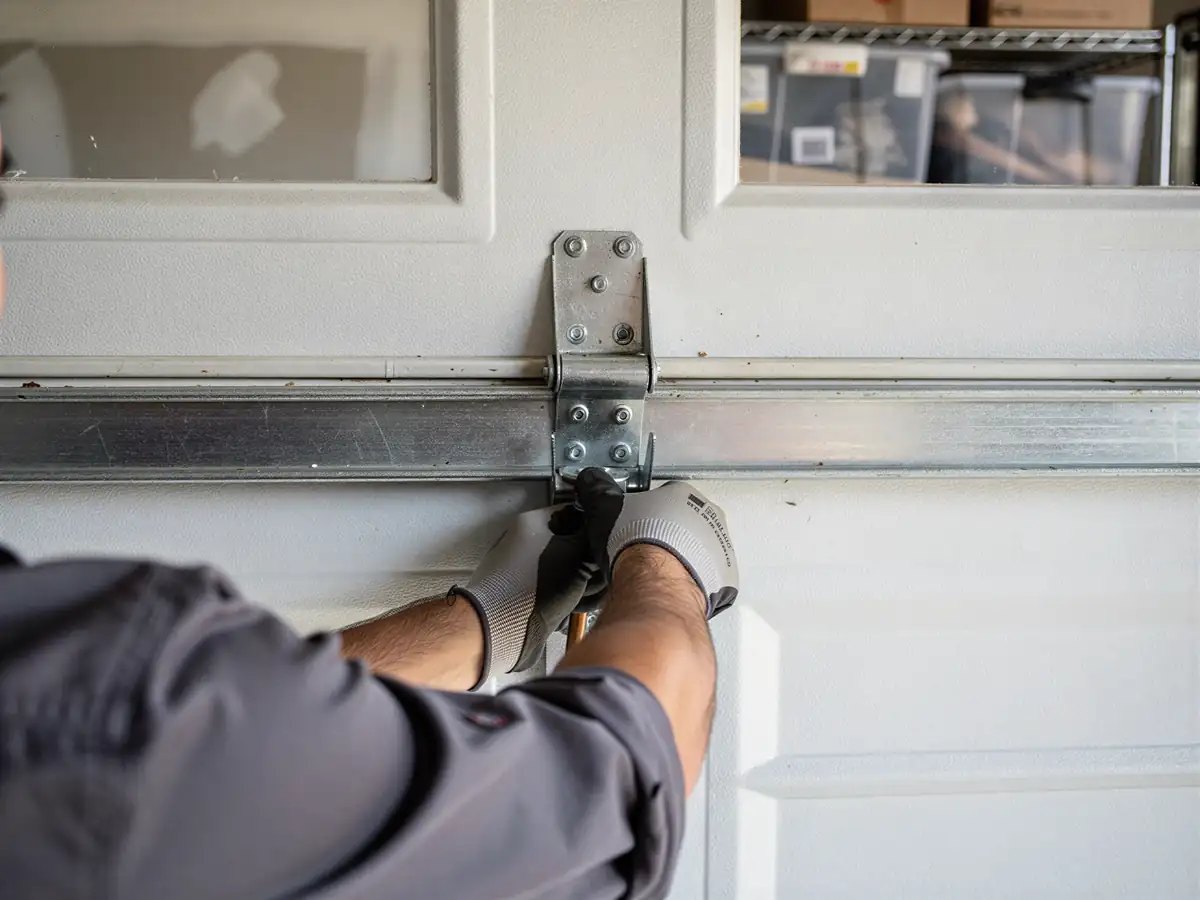
The most common misstep on a house this age is reusing old track or jamb hardware to save a step, then finding the new door doesn't seat right because the framing shifted slightly over fifty-plus years. We don't do that. A proper install checks the opening square before anything goes up, which sometimes means a bit more labor on an older house than a newer one across town. The other failure point is matching the door to the climate load this region sees - a door rated light for wind and cold will flex and leak air at the seams faster here than it would somewhere milder. We size the door to the region it's going into, not to whatever's cheapest to move off the lot.
Stocked Parts
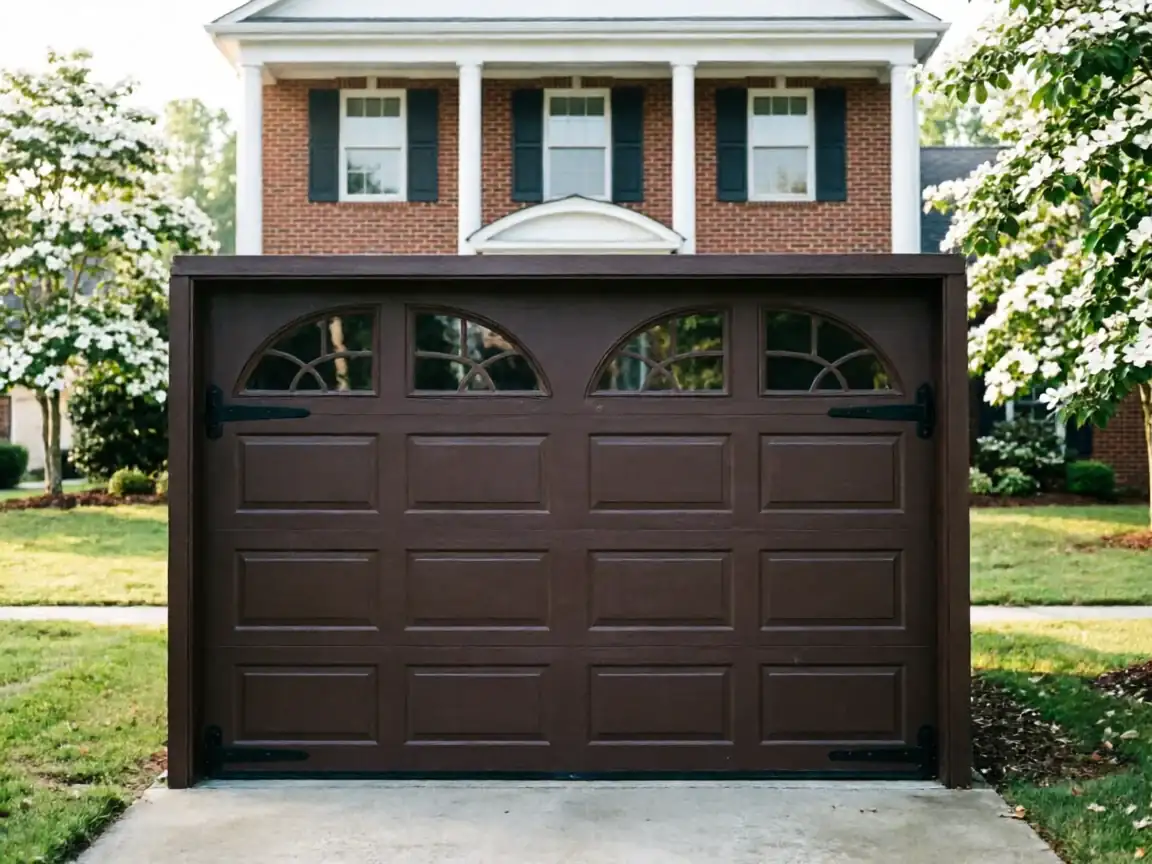
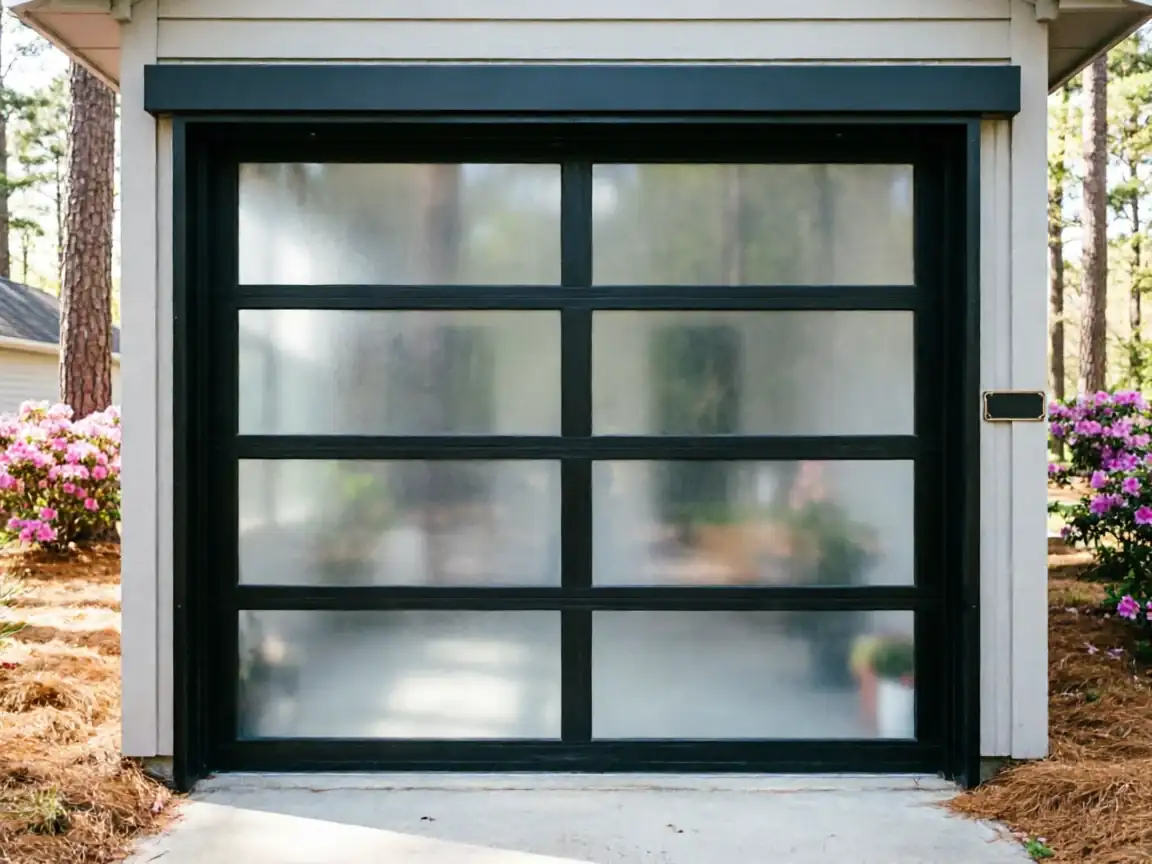
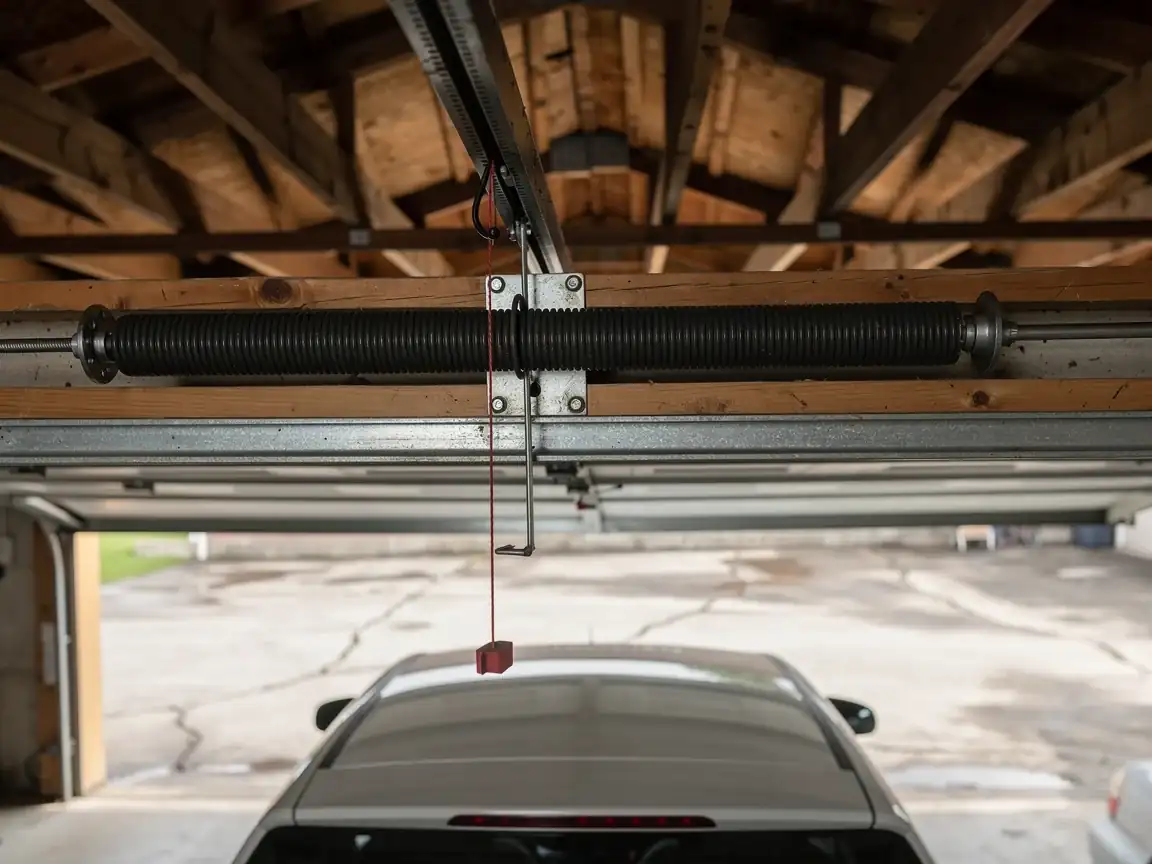
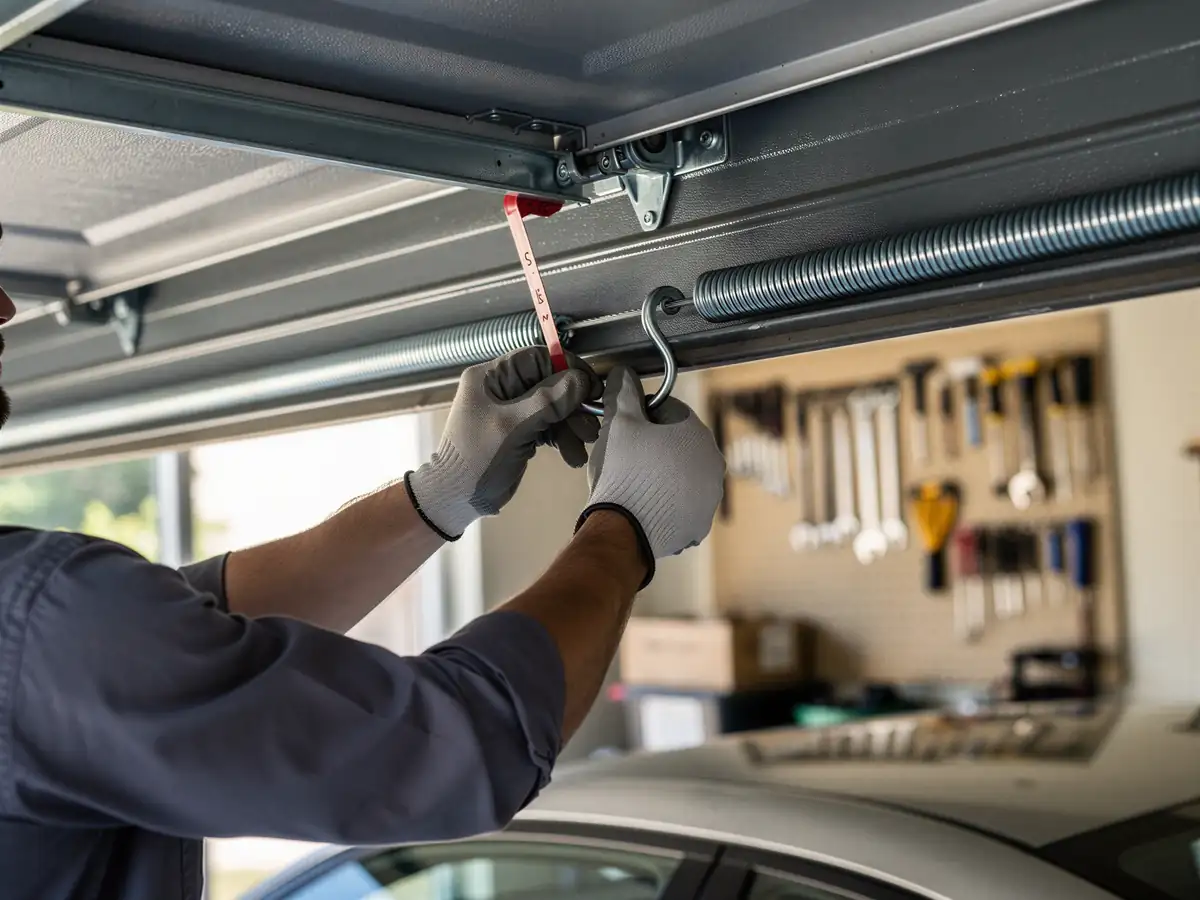
We carry standard door widths, common torsion spring sizes, and the hardware that fits openings typical of 1960s-70s construction, since that's what we run into most often on these calls. What we don't keep on the truck is a non-standard custom width or a specialty insulated panel in an uncommon finish - those get ordered once we've measured your opening, and lead time depends on the manufacturer, not on us. If your opening is a standard size, which most houses from this era are, you're looking at parts we already have. If it's been modified or widened at some point, we'll tell you that at the estimate, not after the truck is already there.
Booking a Visit
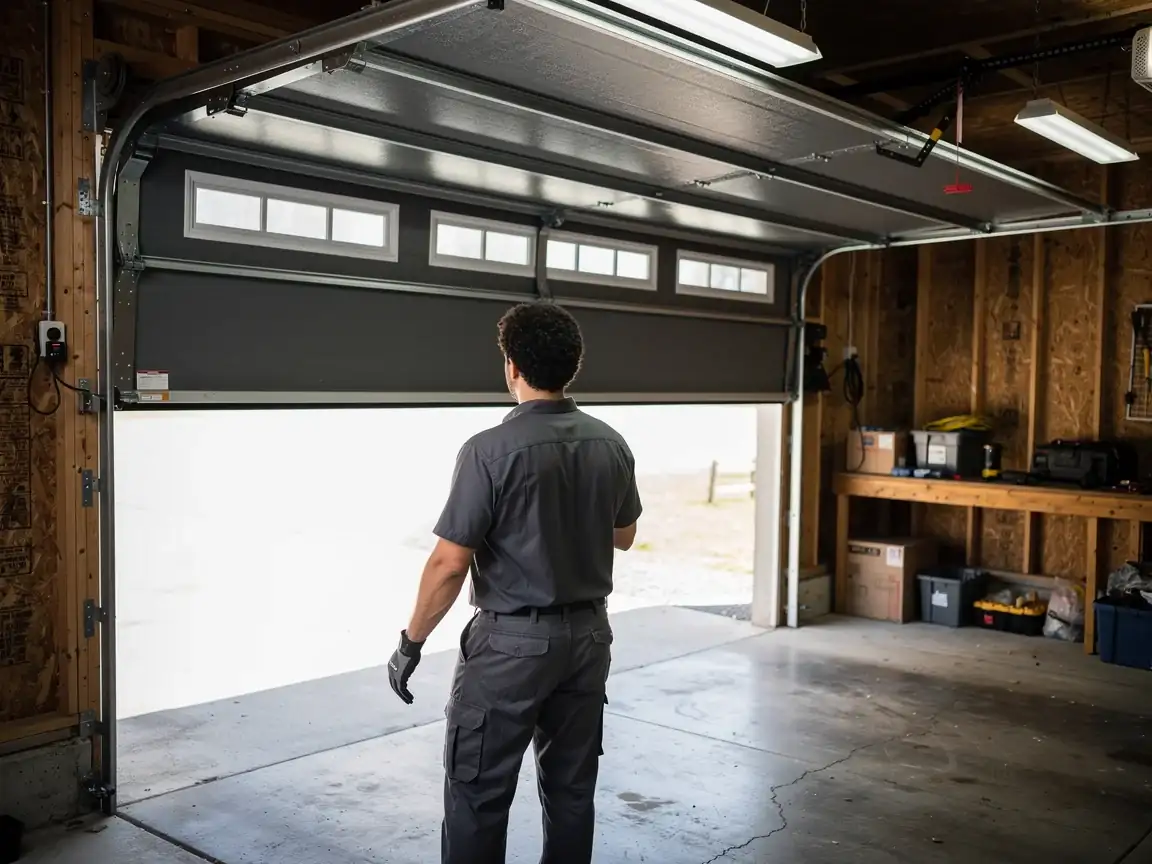
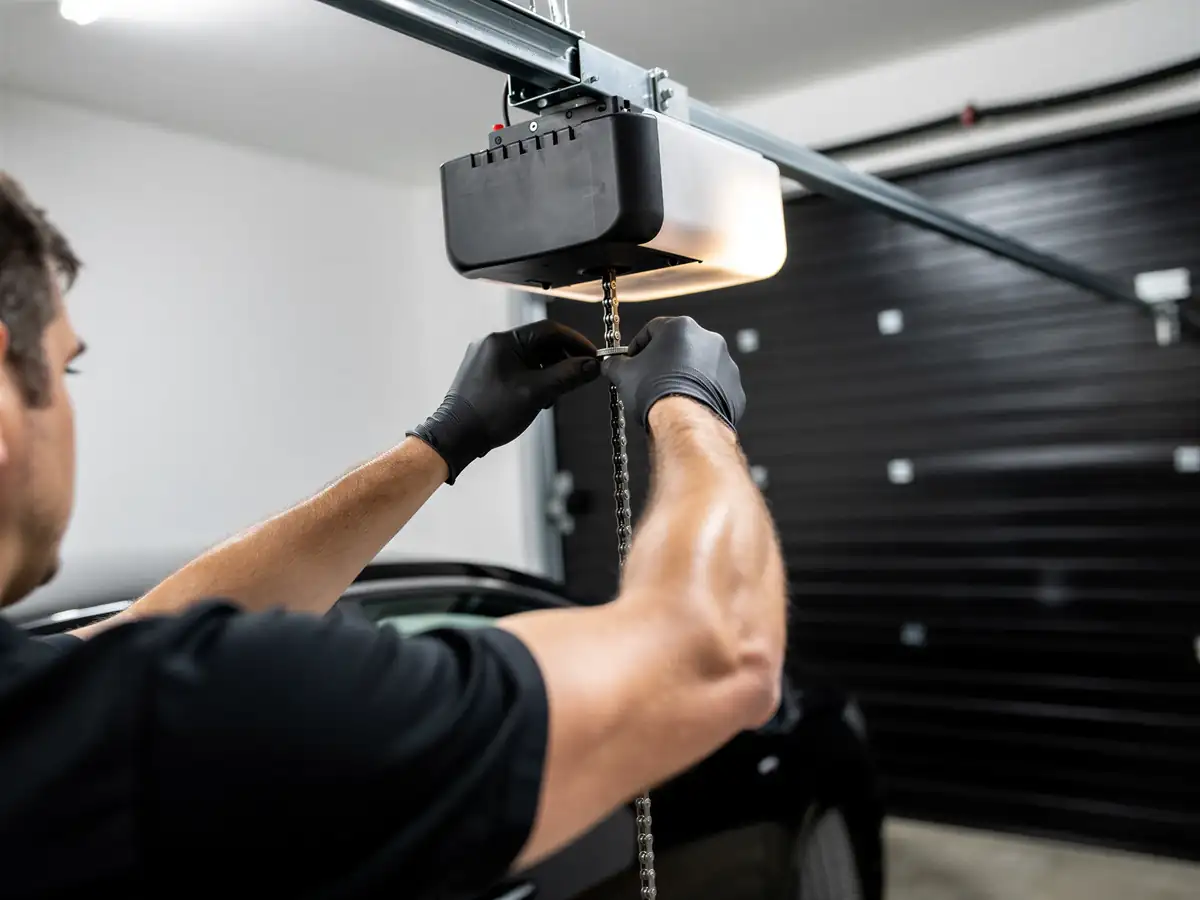
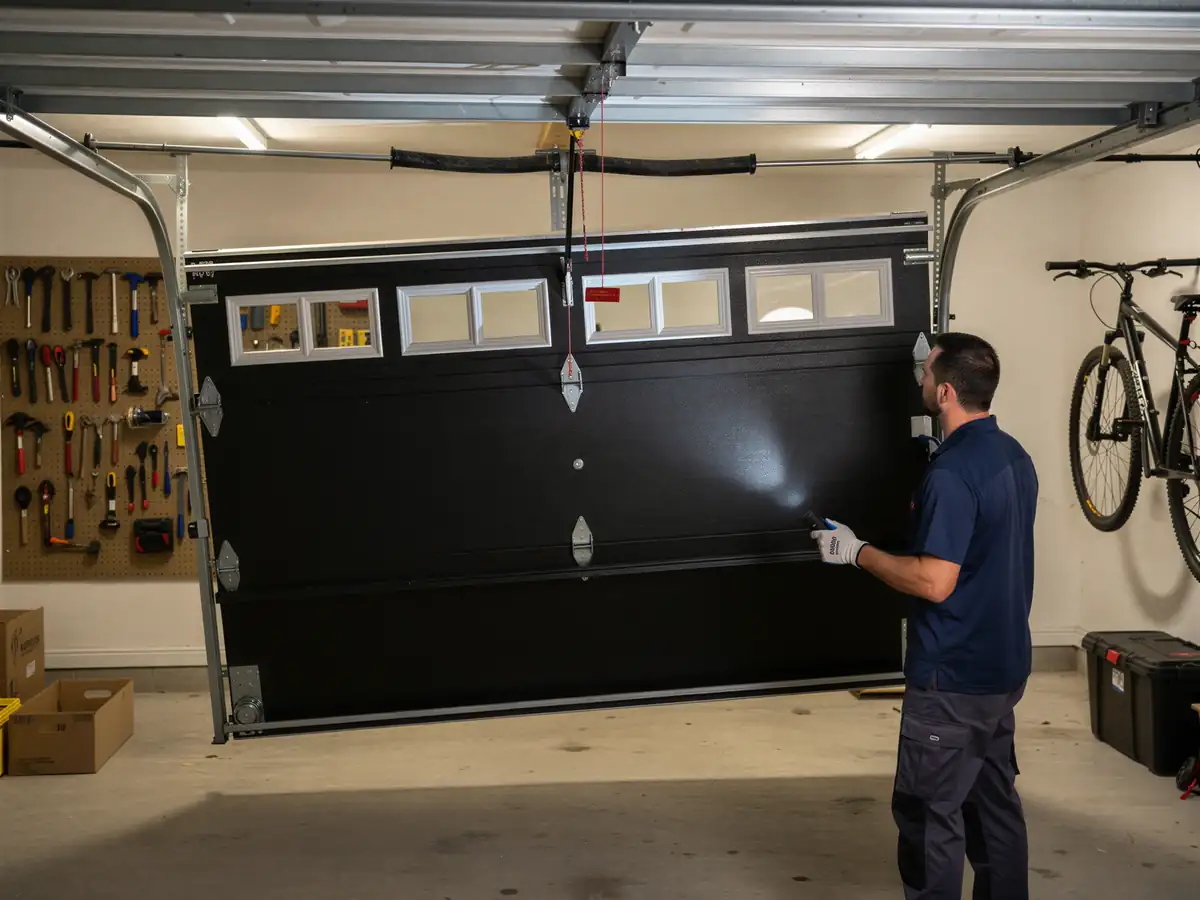
Because we're coming from Arlington, four miles out, we schedule Falls Church installs the same way we schedule anywhere else in range - by appointment window, not same-day drop-in. If you want a read on what a new door costs for your specific opening, the estimate visit covers measuring, checking the jamb and track condition, and confirming whether your job needs anything beyond the stocked parts. From there we set the install date around whether the door itself is in stock or needs ordering.