How It Shows Up
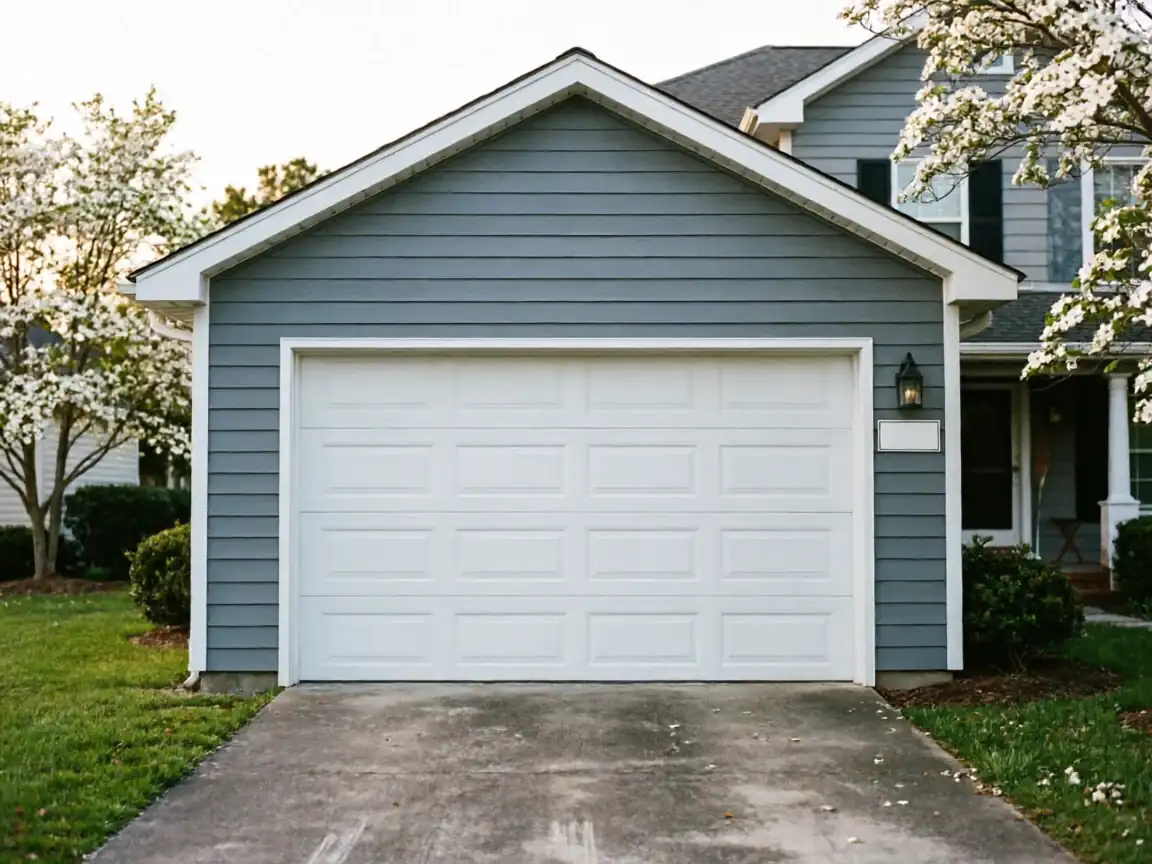
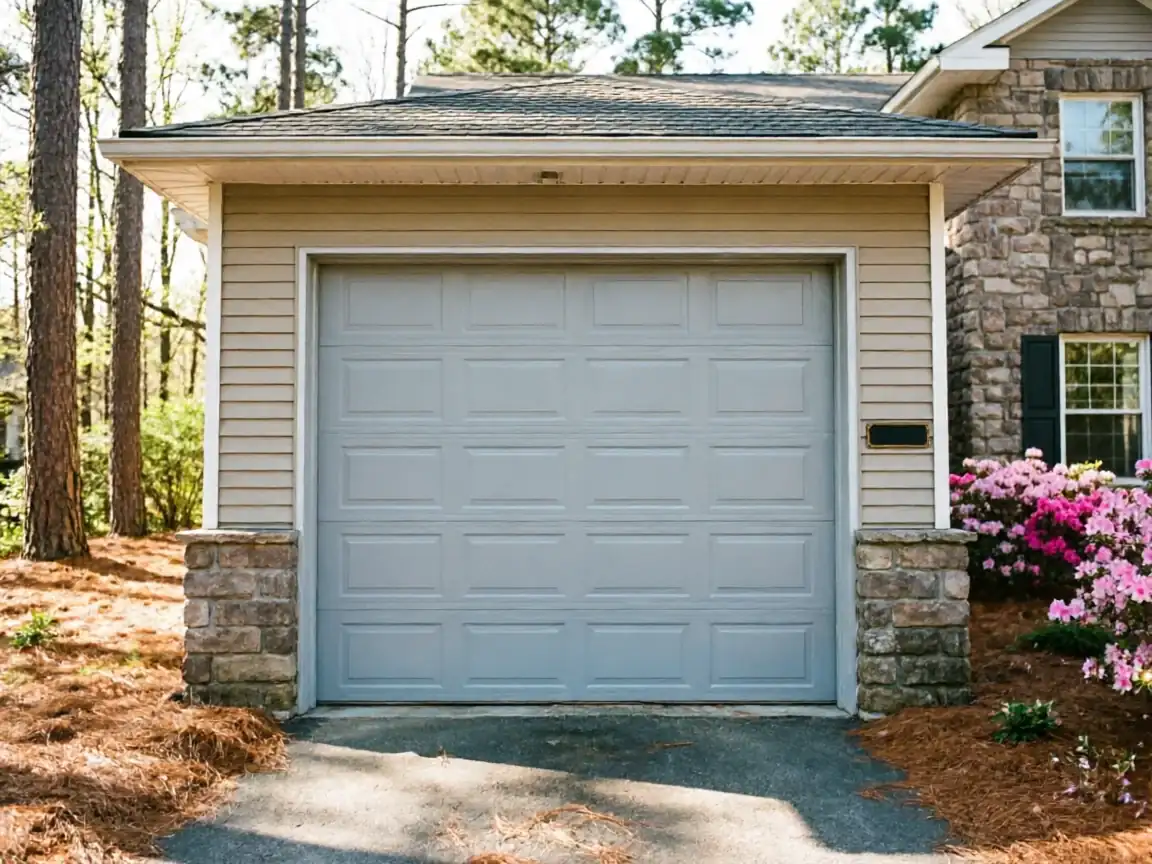
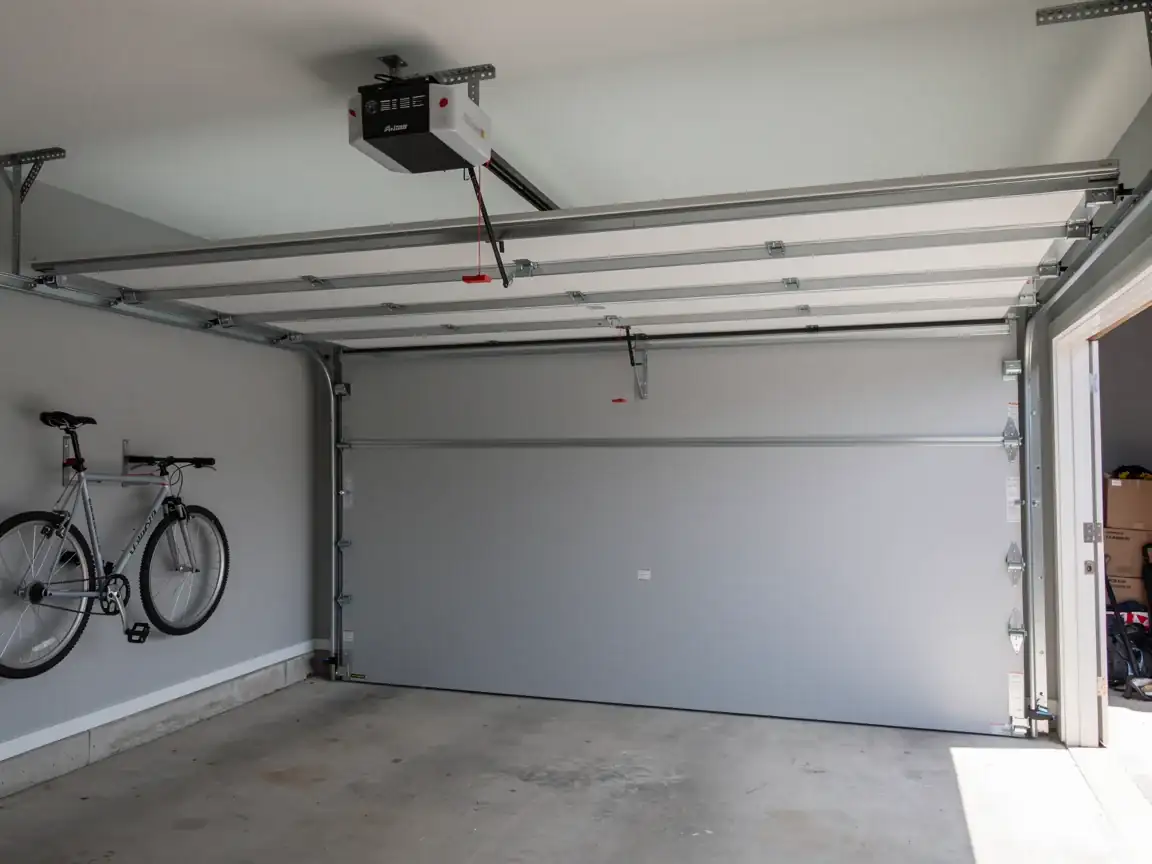
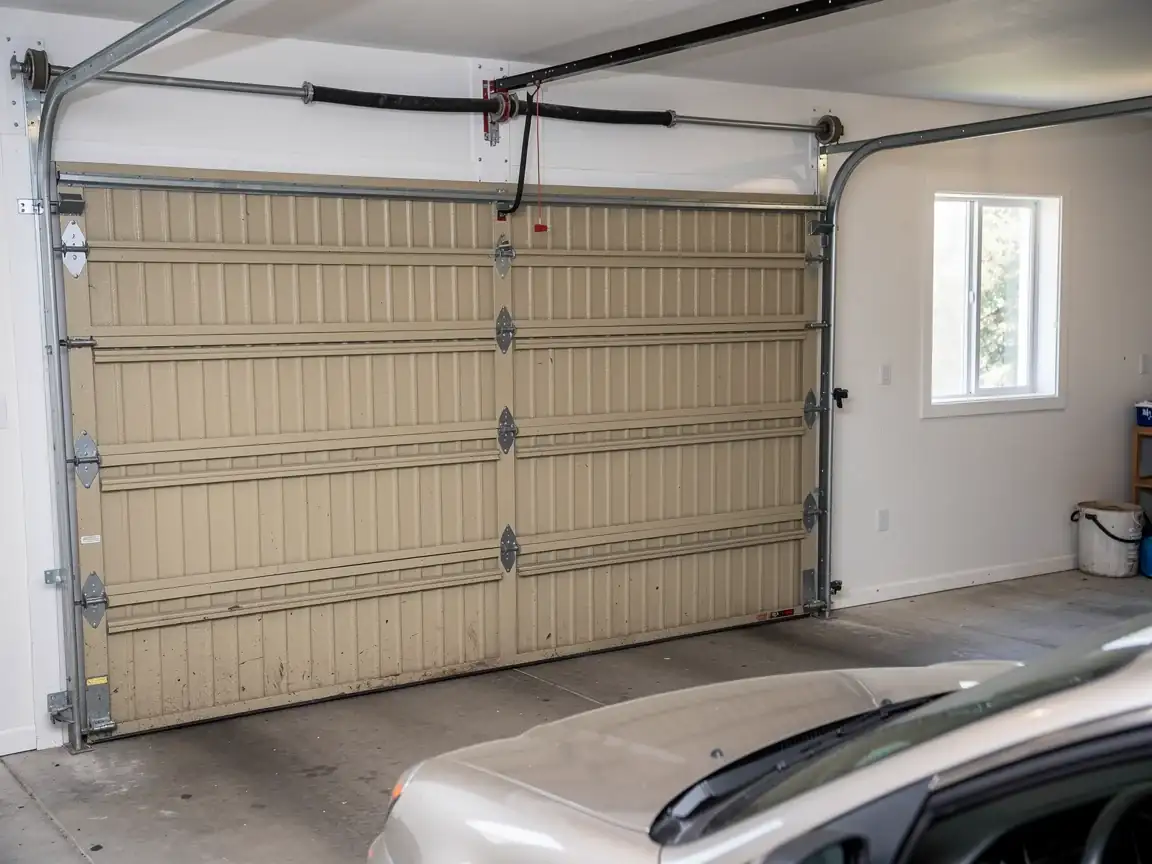
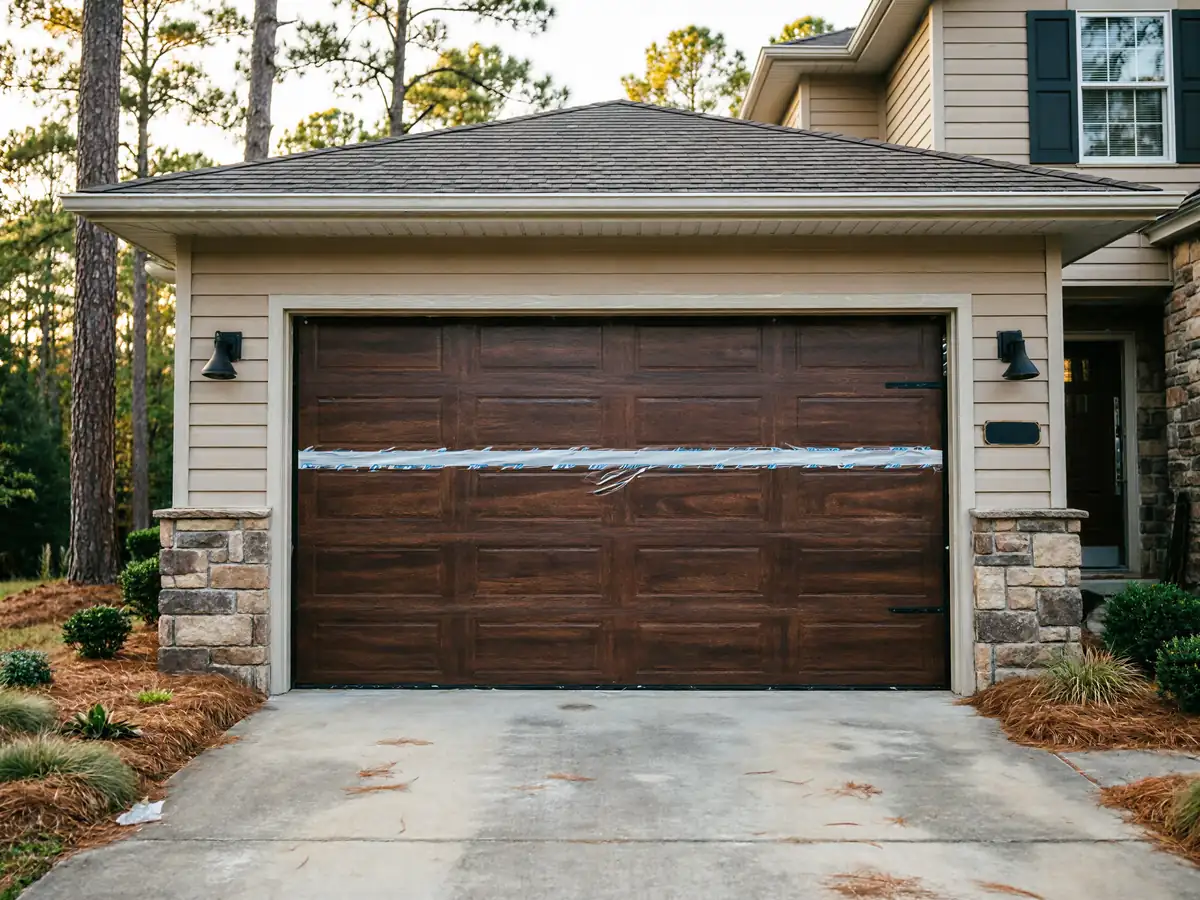
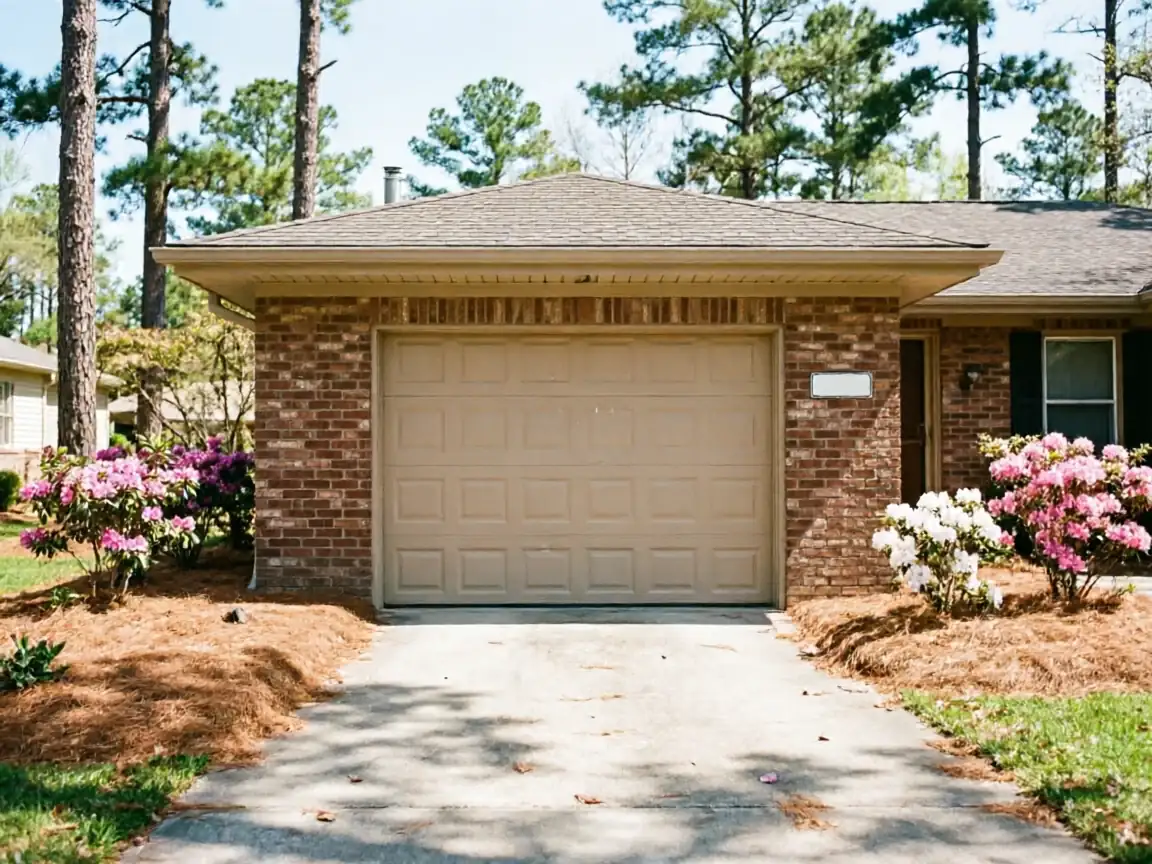
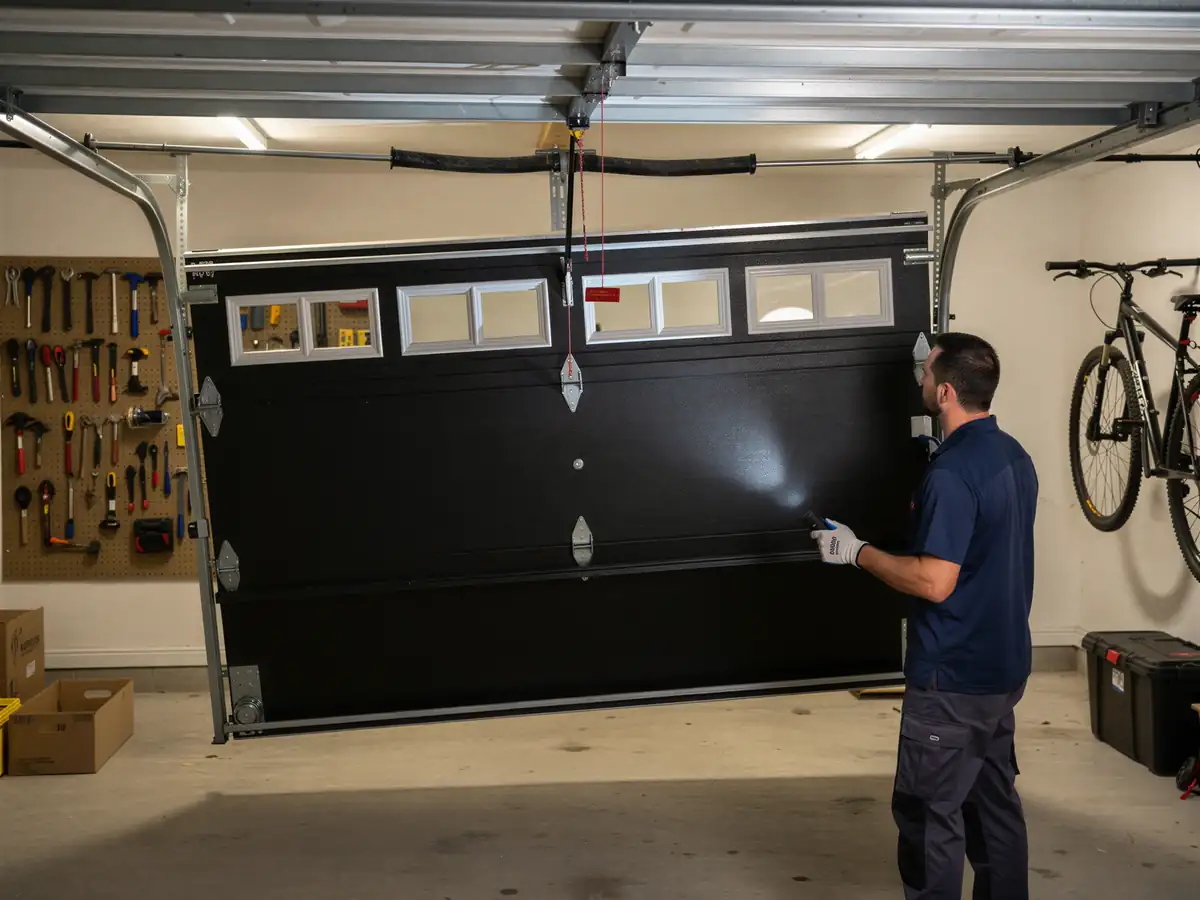
On a door built around 1971, the first sign is usually noise before it's a full stop - a grinding pull when the opener engages, a door that jerks instead of gliding, or a cable that looks visibly loose on one side while the other stays taut. These are single-layer steel doors without foam insulation sandwiched in, which is normal for that build era, and it means the panel itself flexes more than a modern door would under the same stress. Owners often notice the door sagging slightly on one corner, or the opener straining and reversing partway up. Some report a door that won't budge at all - the spring has let go, and the opener motor isn't built to lift that weight on its own. None of this is unusual for a door approaching fifty years old. The hardware wasn't made to last this long without service, and most of it hasn't had any.
What Can Go Wrong
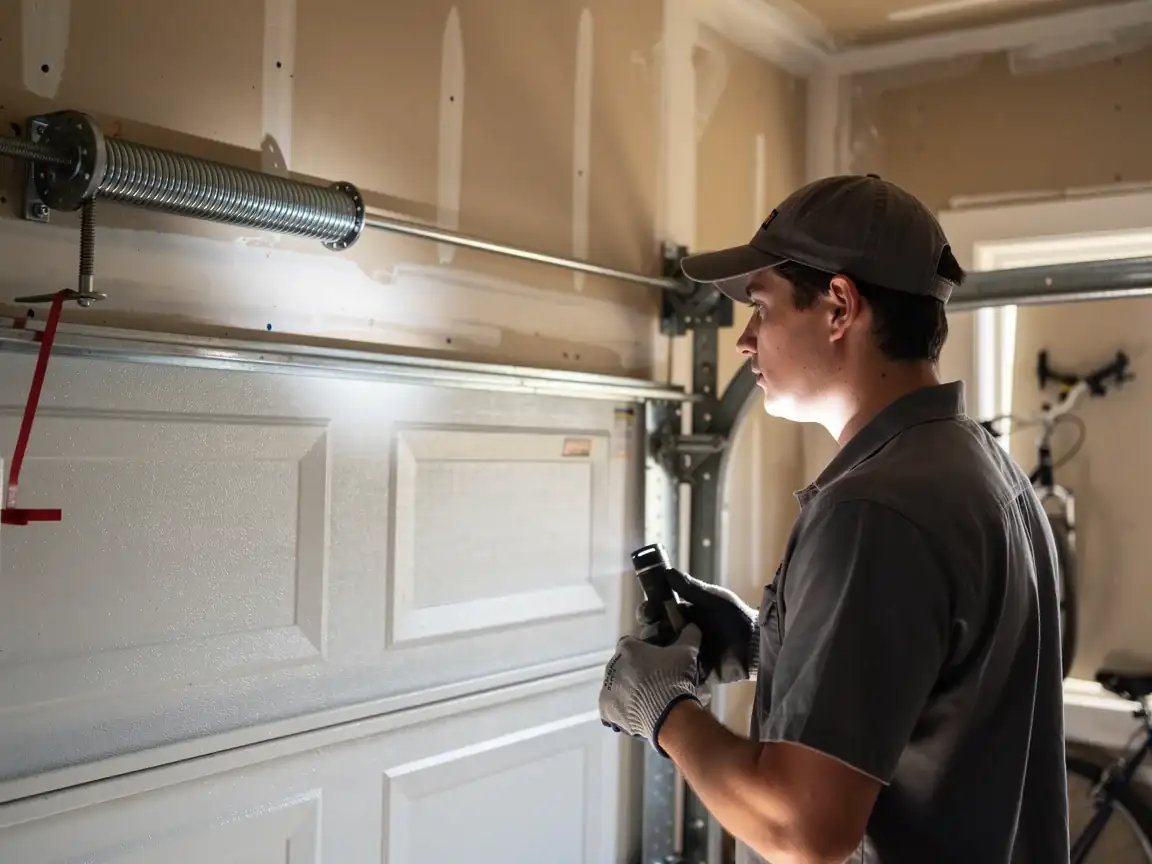
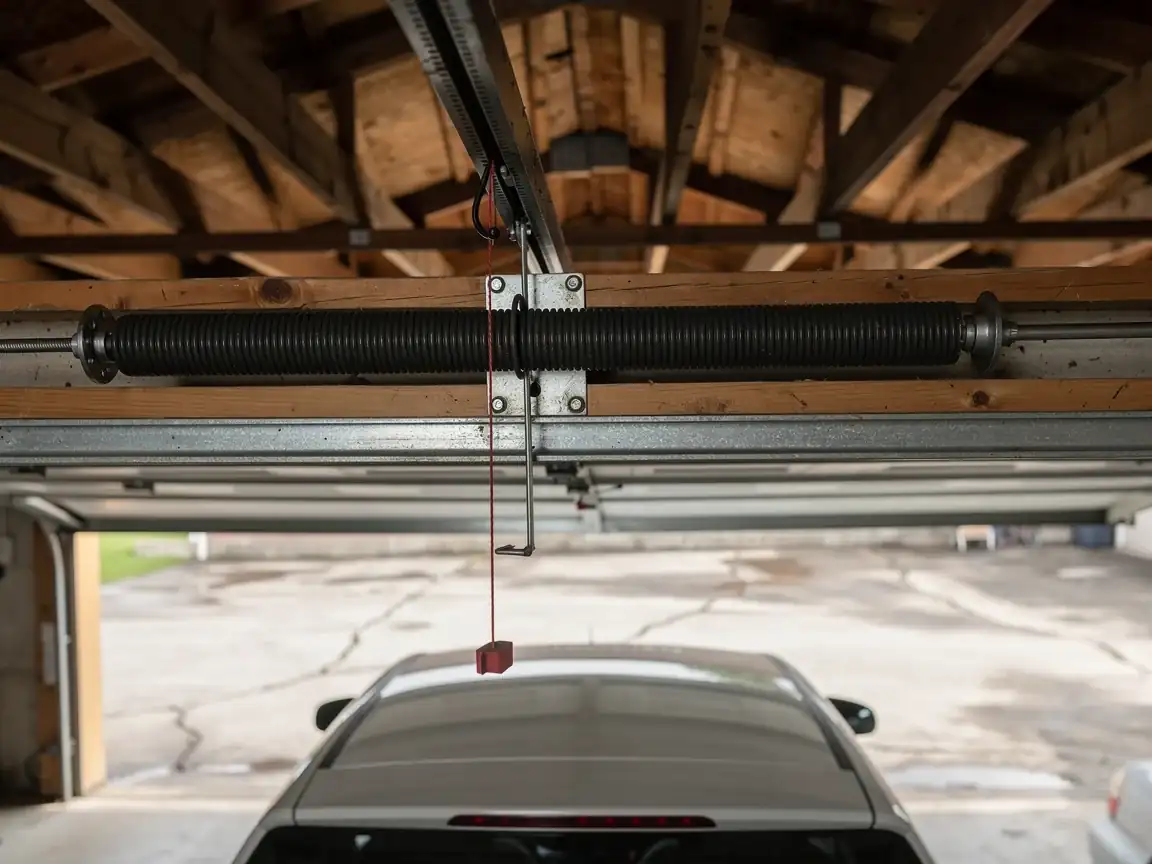
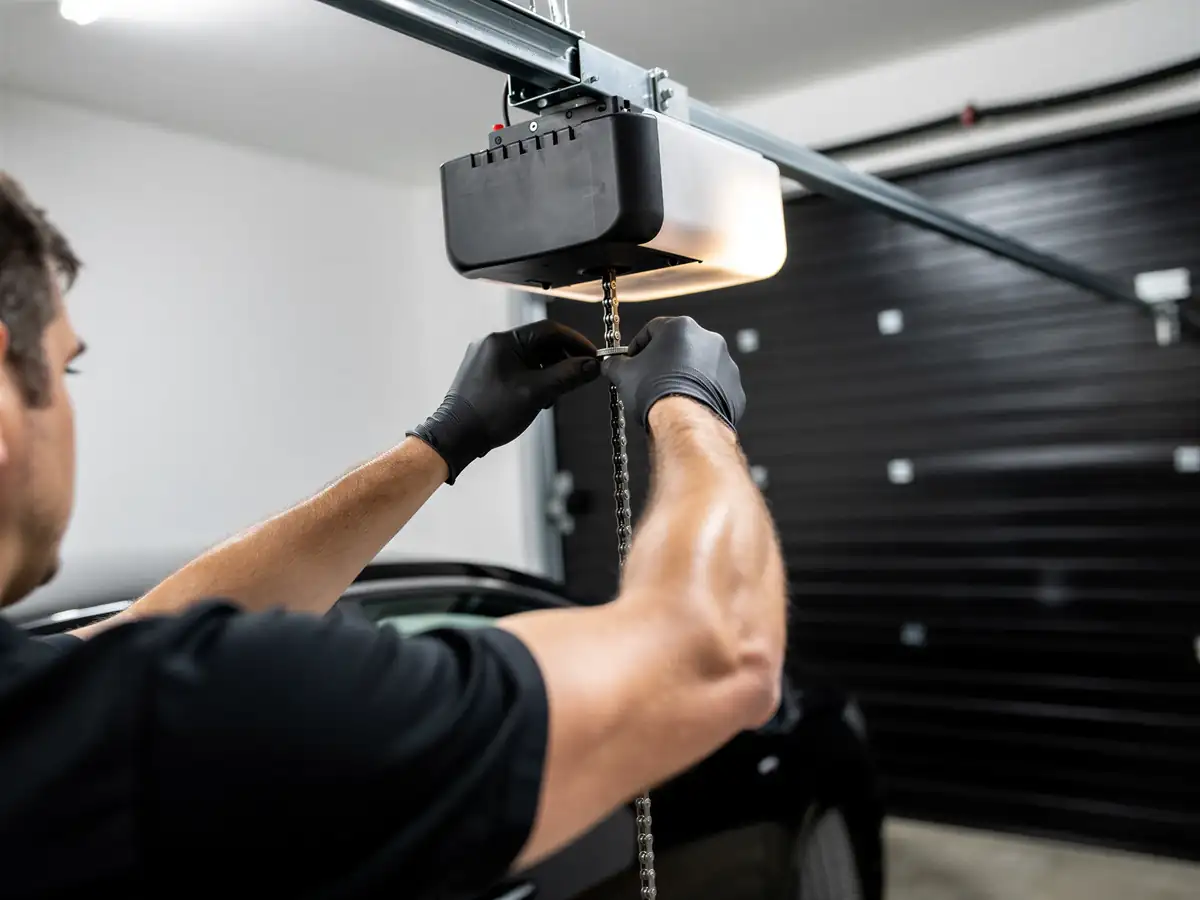
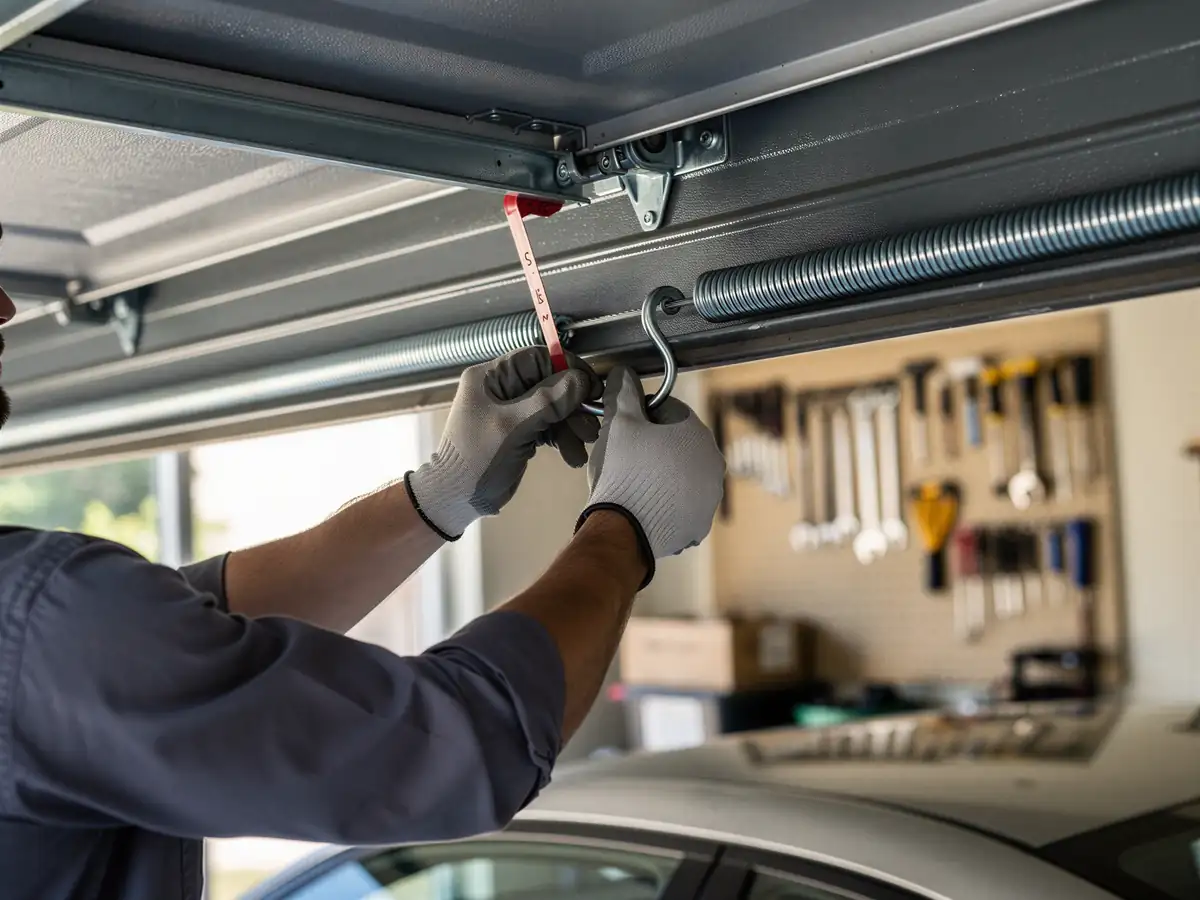
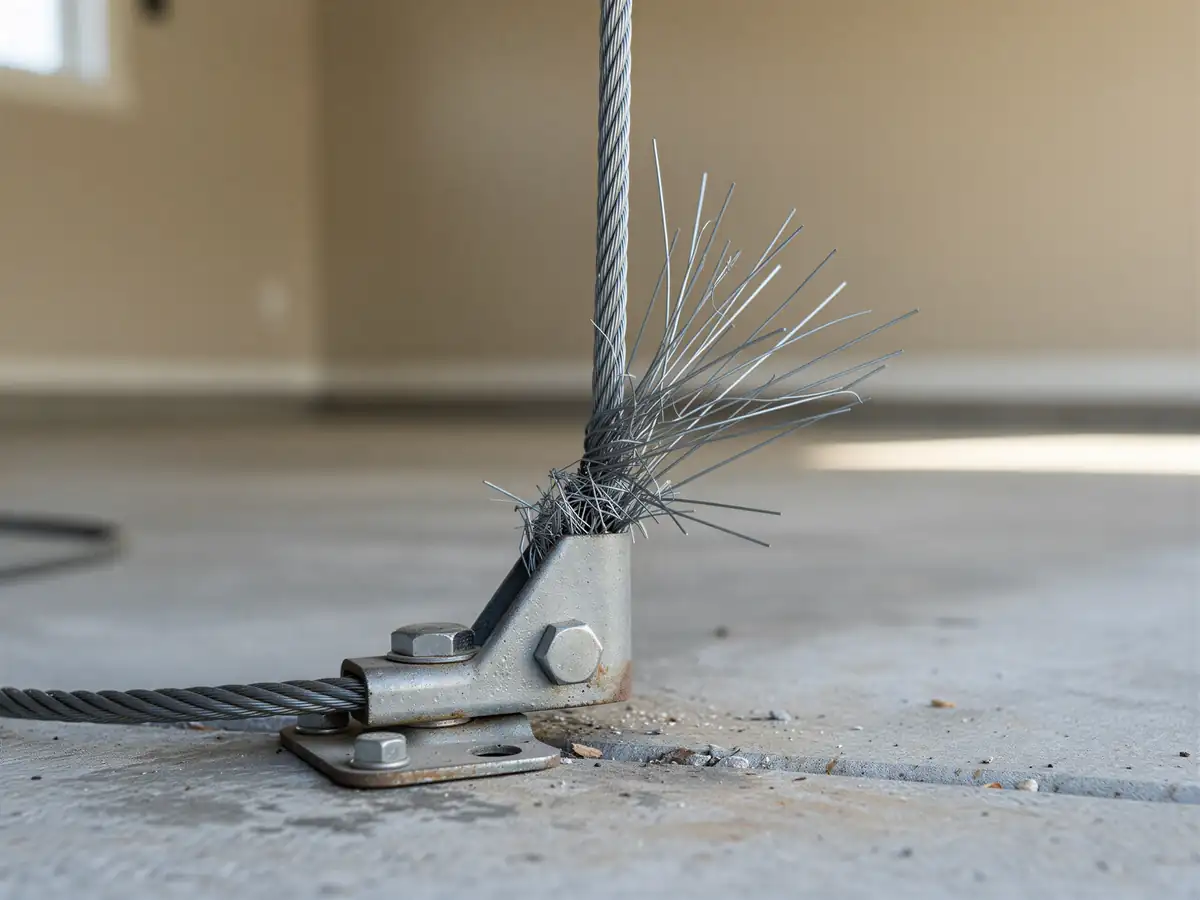
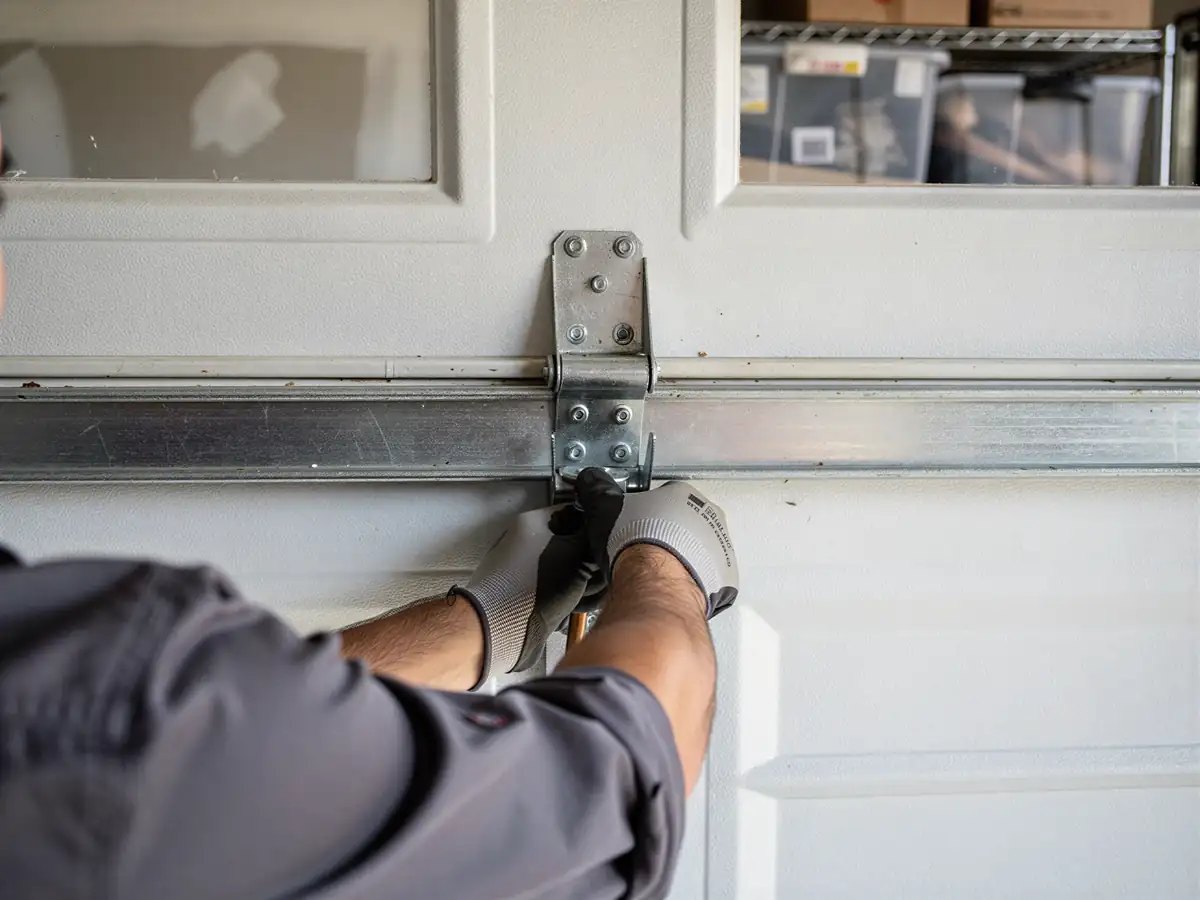
The most common failure on a door from this era is a broken torsion spring - the coil that's been absorbing the weight of a solid steel panel for five decades finally gives. Second most common is a frayed or snapped lift cable, especially on doors that have never had the cable swapped since installation. Rollers on original tracks wear into oval shapes rather than round, which throws the whole door off its rail and makes the opener work harder than it should. We also see bent track sections from age and settling, and center hinges that have cracked from repeated flexing of a panel that was never insulated against temperature swings. Less often, the opener itself fails - gears strip, or the logic board gives out - but on a house this age, the door hardware usually goes first.
Stocked Parts
We carry torsion springs sized for standard steel single and double doors from the 1960s-80s build era, along with standard-gauge lift cable, rollers, and center hinges that fit the hardware most common on houses this age. What we don't always have on the truck is an exact match for a less common original bracket or a track profile that was discontinued decades ago - on a door this old, that's a real possibility, and it's the one honest limit worth naming. When that happens, we'll tell you straight rather than force a part that doesn't fit, and talk through whether a full hardware swap makes more sense than chasing an obsolete piece.
Booking a Visit
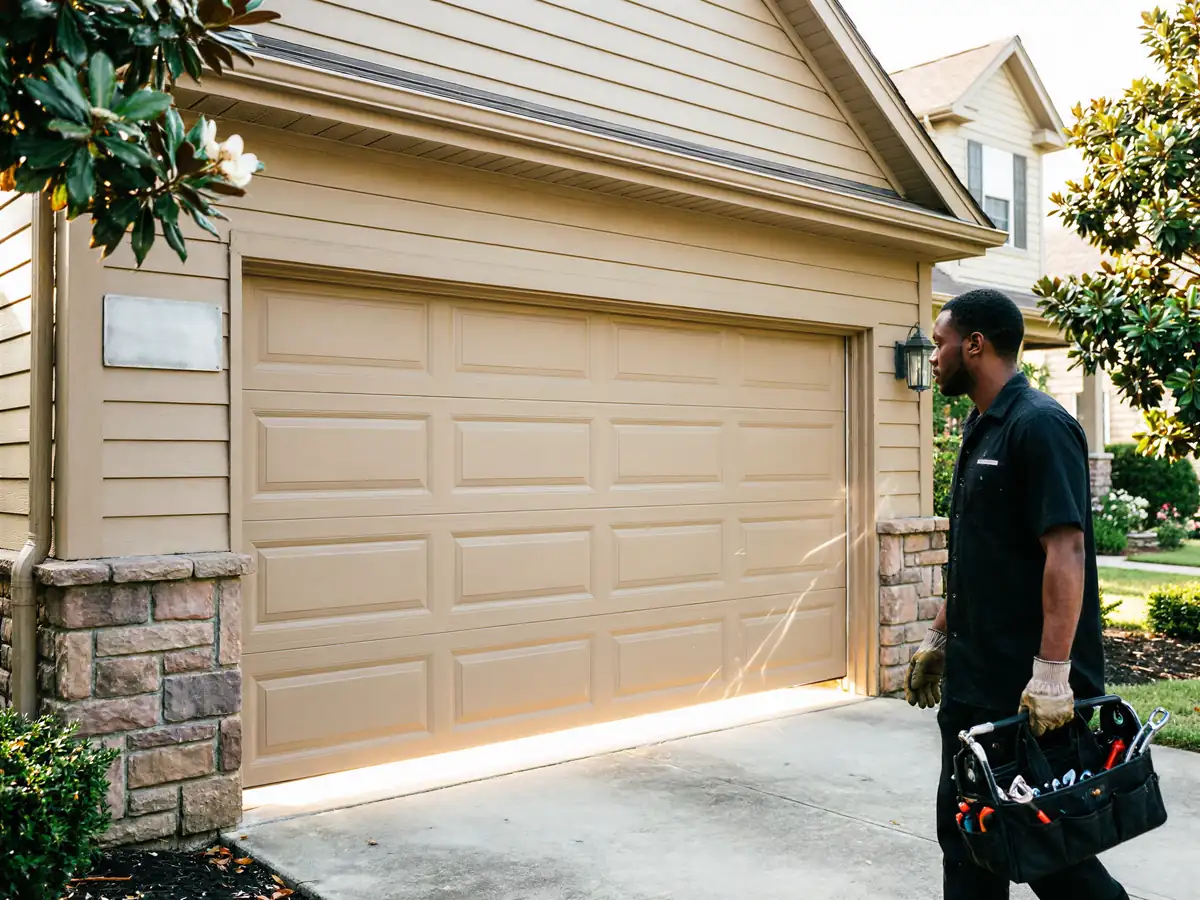
If your door is sagging, grinding, or stuck, the fastest way forward is to tell us what you're hearing and seeing - a snapped cable sounds different from a seized spring, and that helps us load the right parts before we leave Arlington. We travel the 4 miles out to Falls Church as a routine part of covering this stretch of the service area, not as a special trip, so there's no premium tacked on for distance. See other areas we cover nearby, or check our main Arlington repair page if you're outside Falls Church proper.