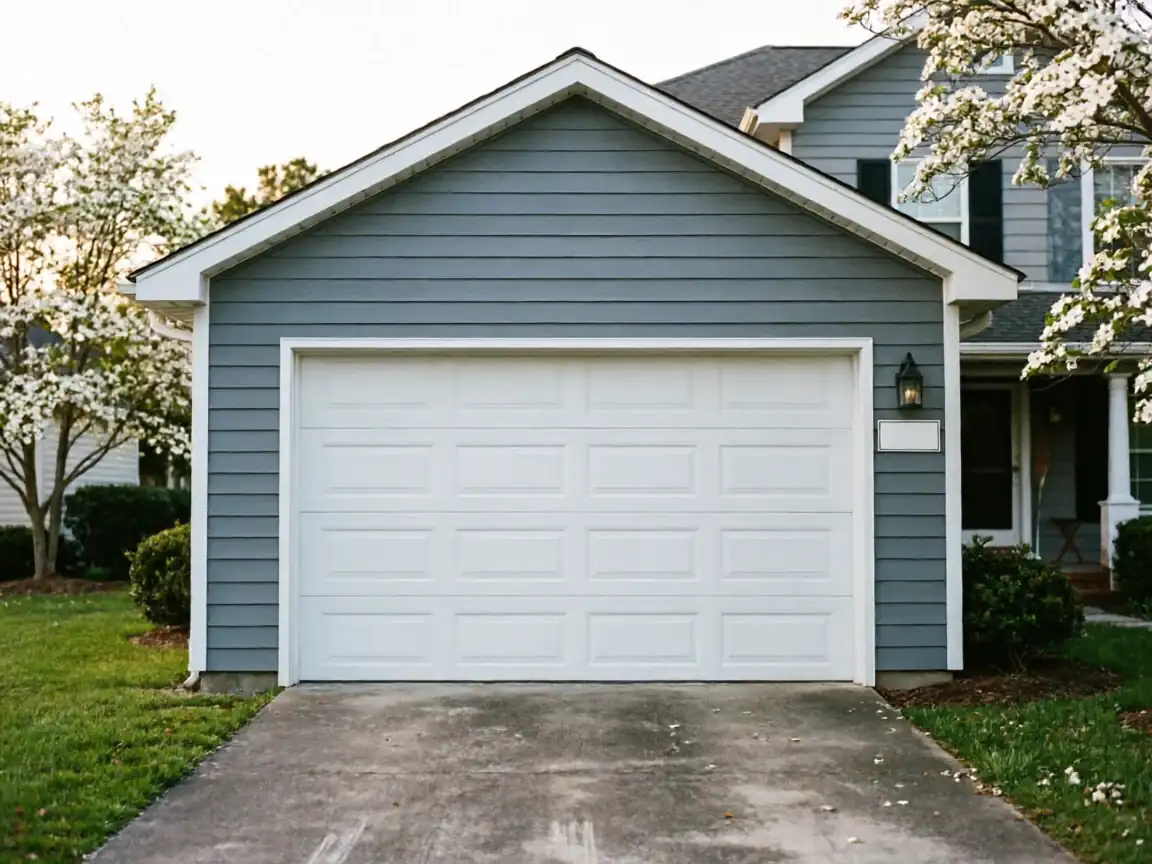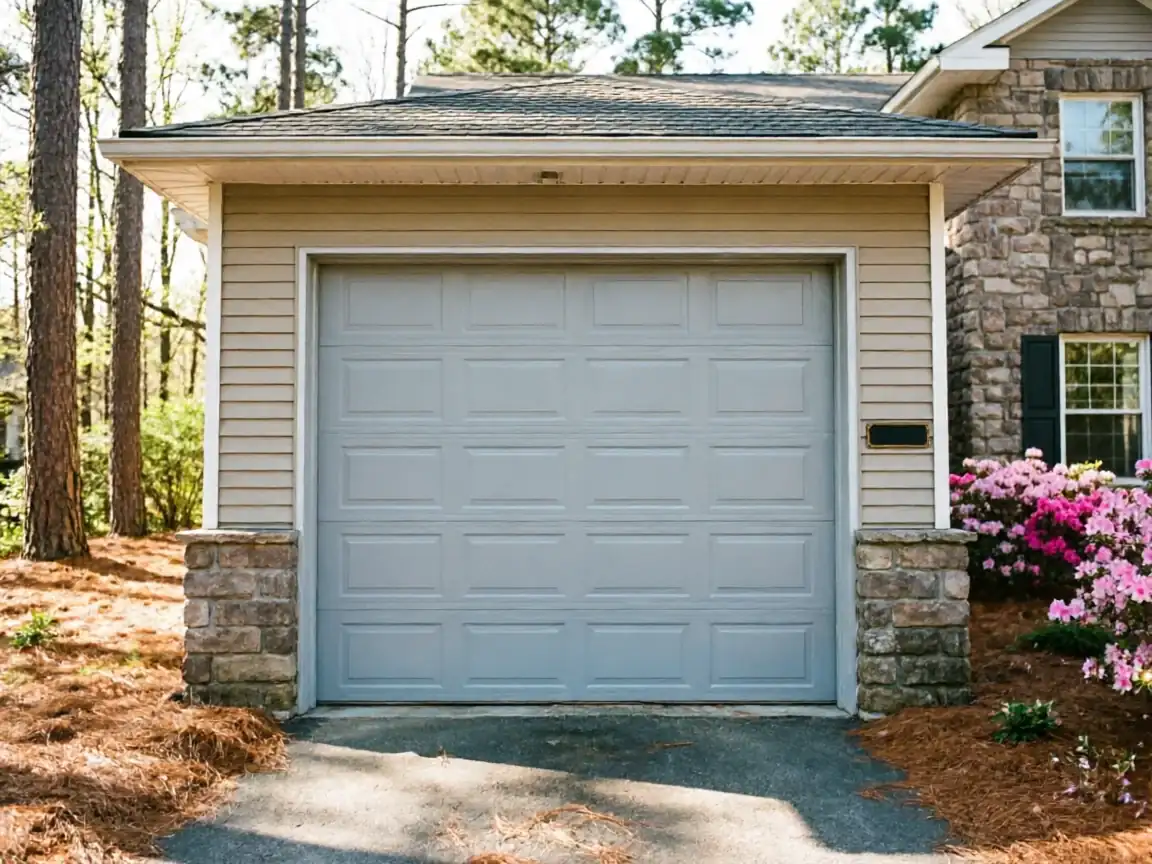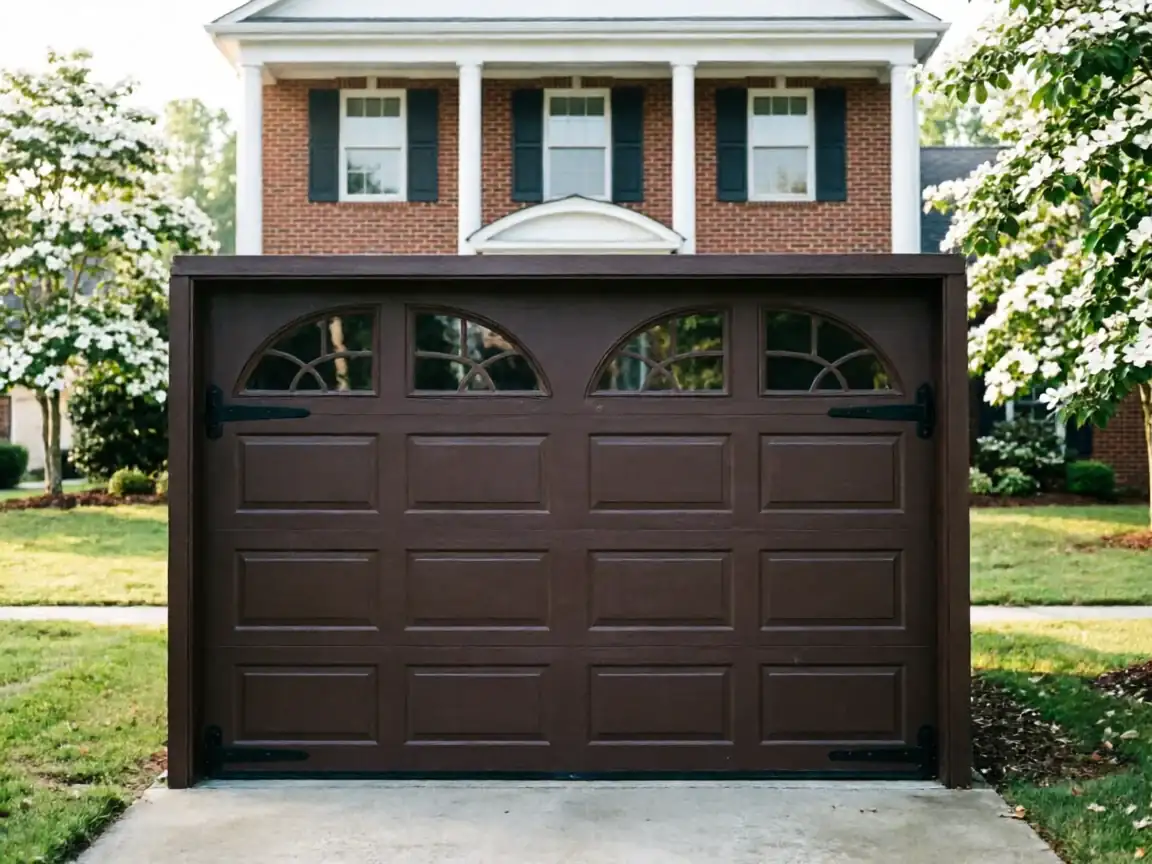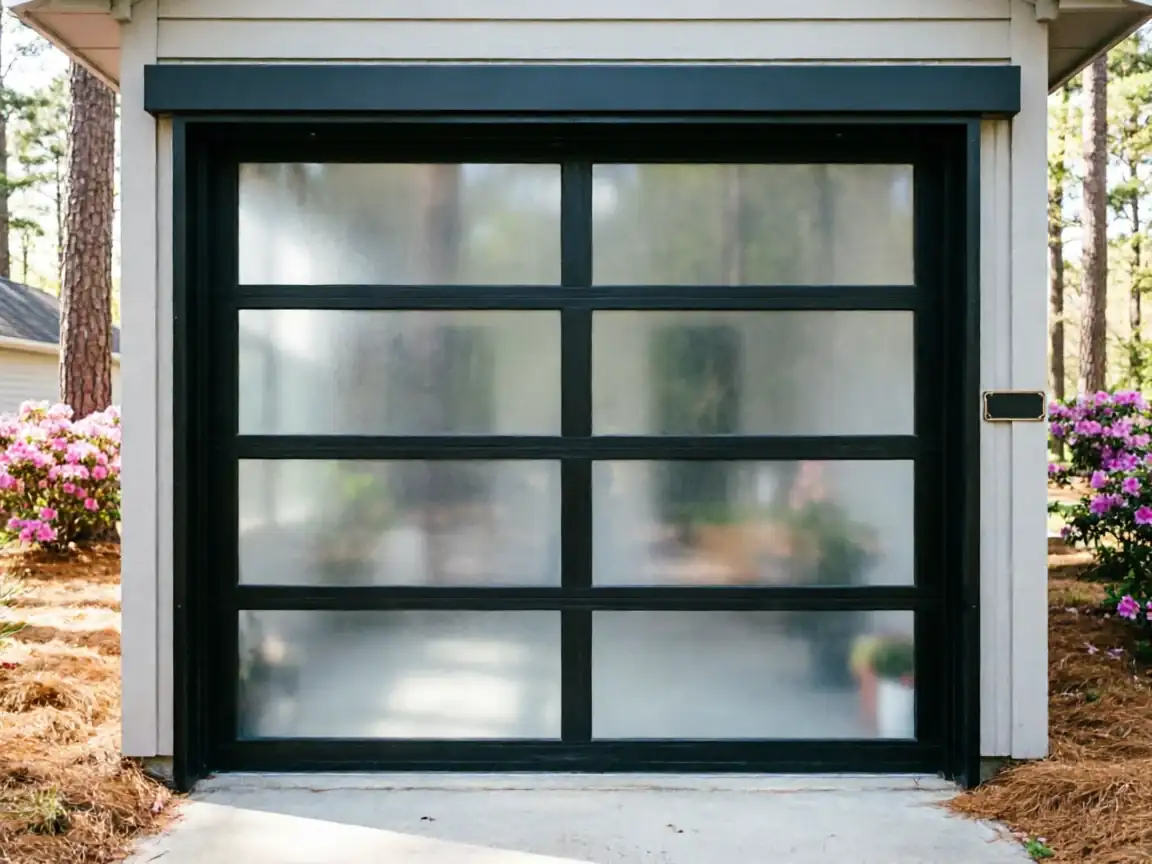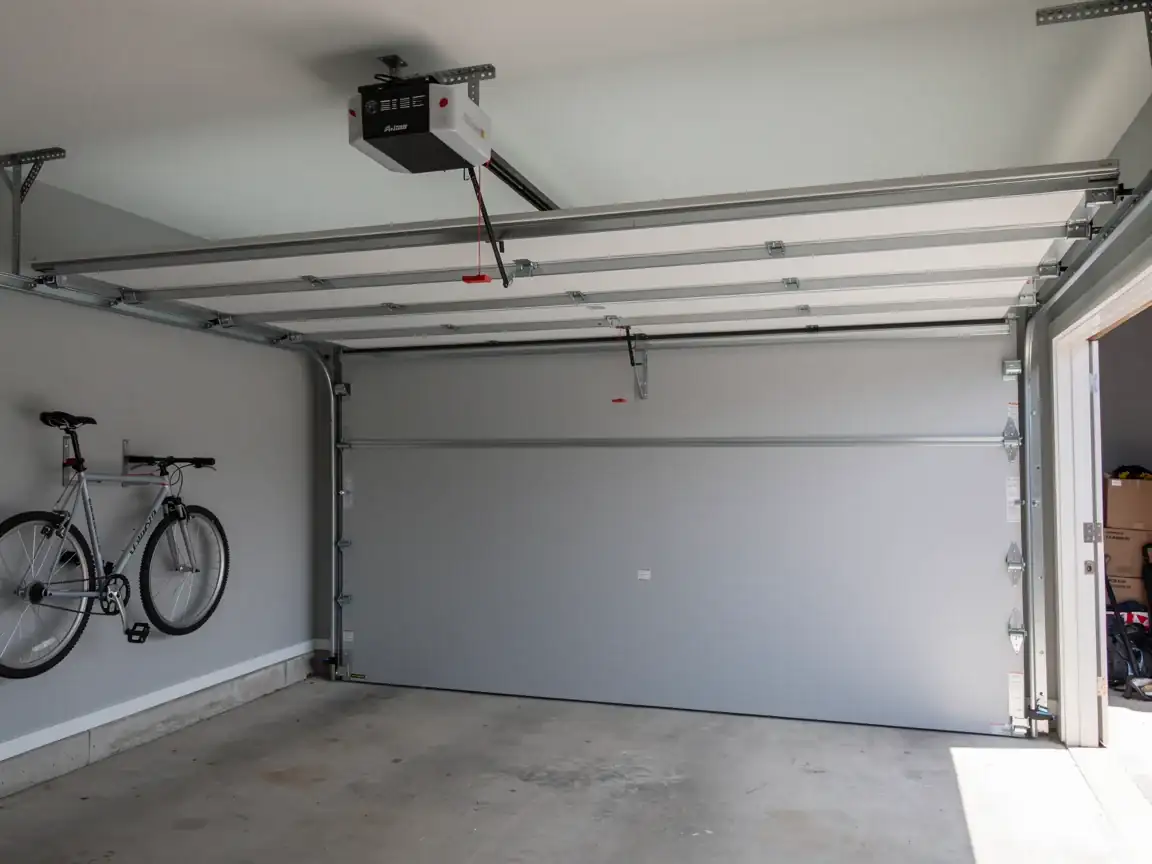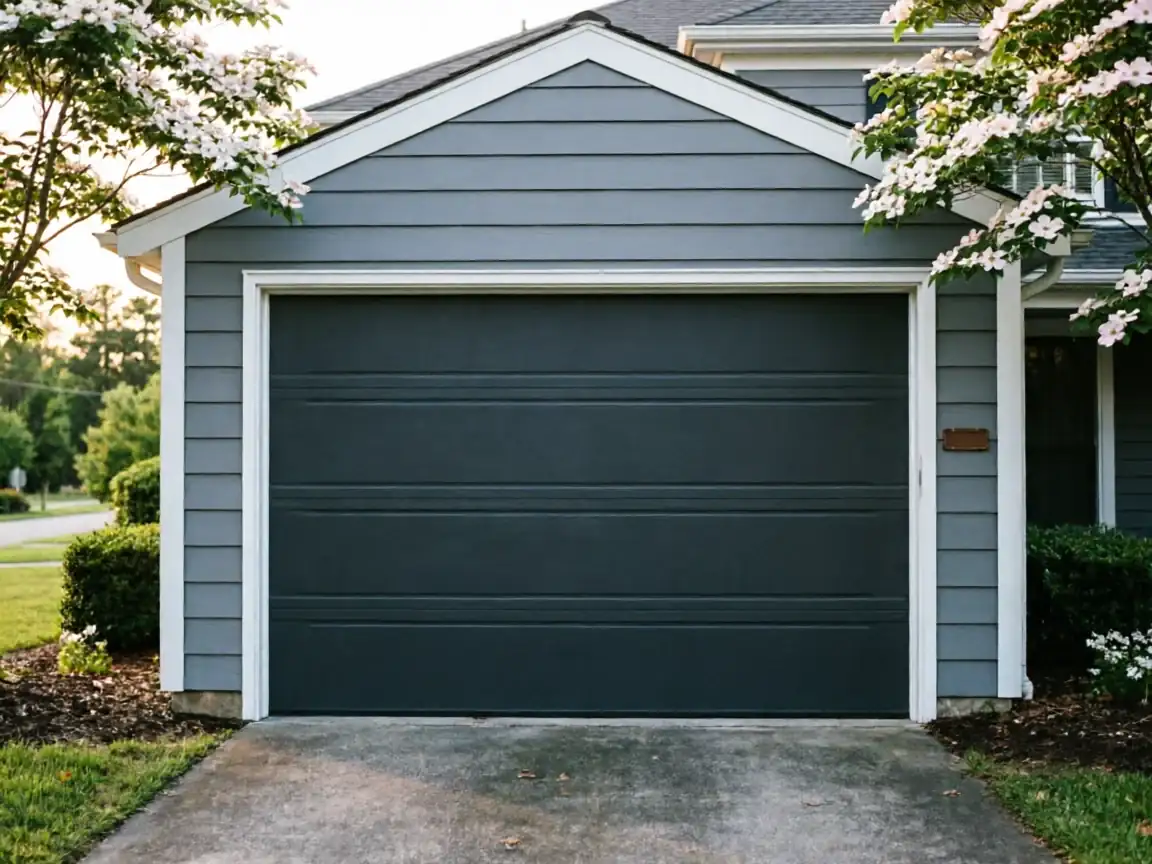
What Can Go Wrong
Most of what sends a Burke homeowner shopping for a new door isn't a dramatic failure
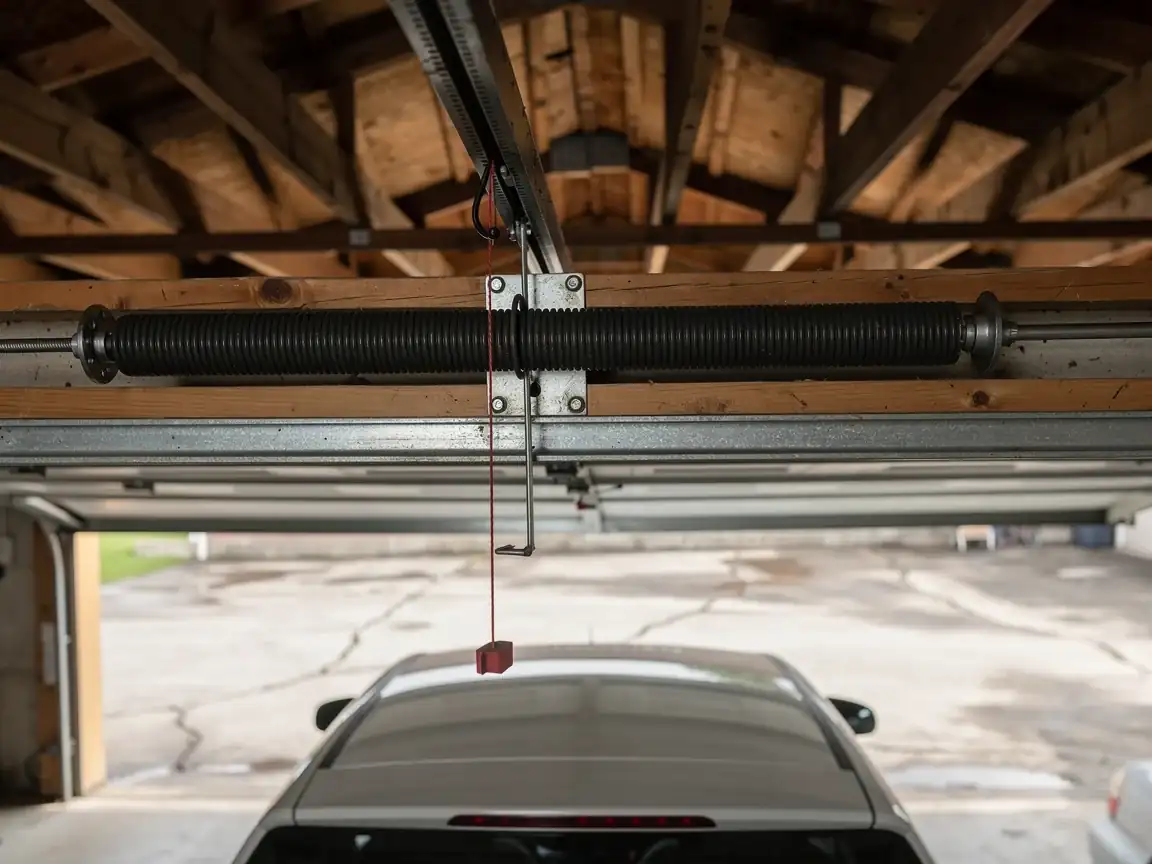
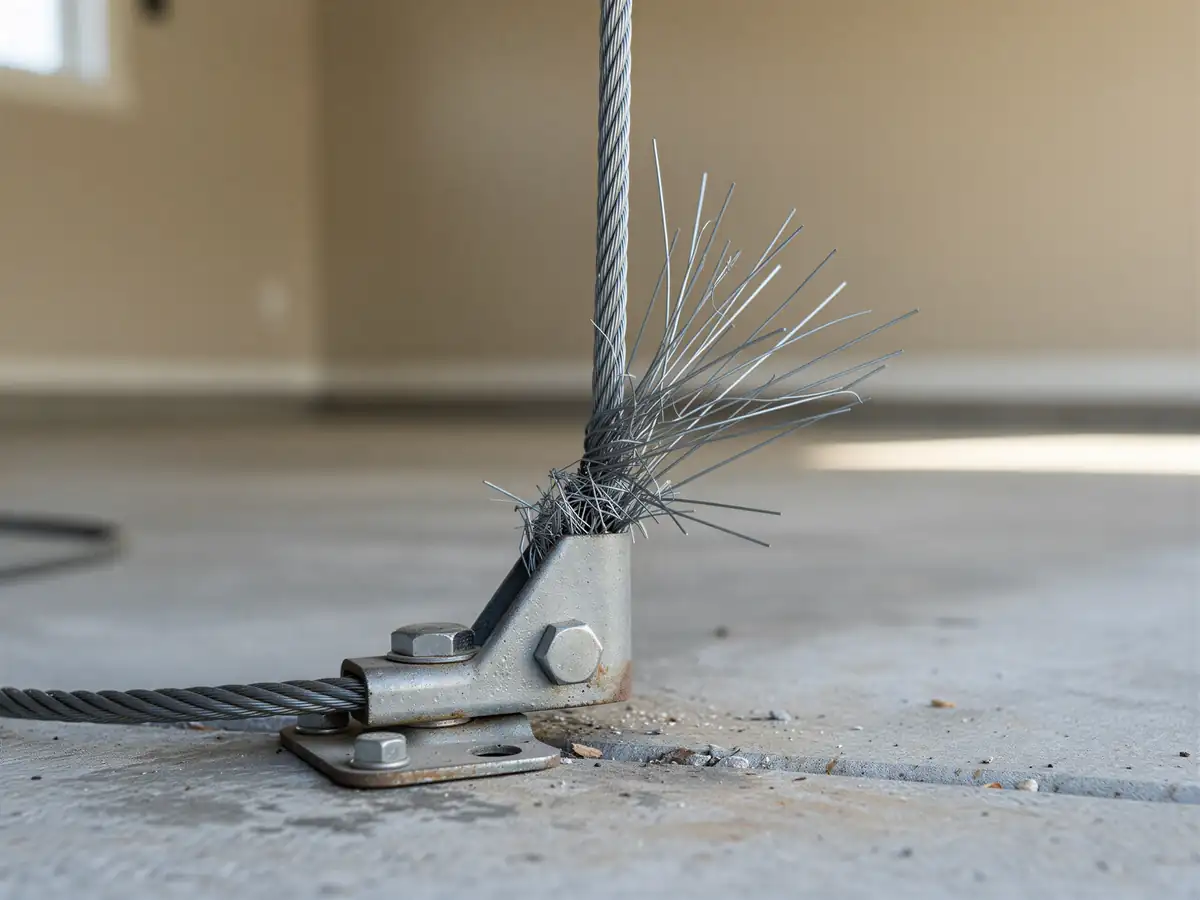
It's a slow stack of problems on a door that's been doing its job since the house was built. Burke's housing stock centers on 1979, and that puts a lot of original or first-replacement doors right at the point where the galvanized skin is pitting, the bottom seal has hardened into something that no longer flexes in cold weather, and the torsion spring is well past its rated cycle count.
Across the wider service area the houses run 1940 to 2001
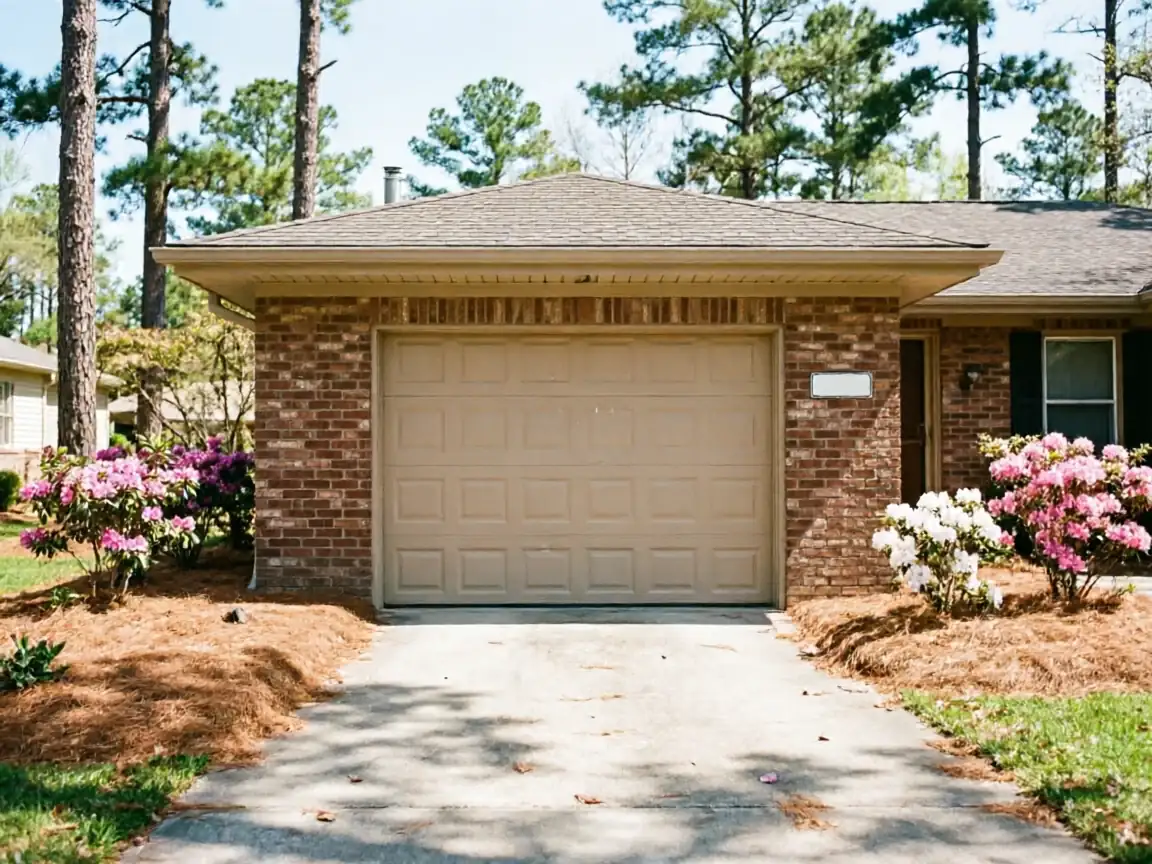
With most of the stock dating to the 1960s and 70s, so Burke sits right in the thick of that build-out rather than at either edge. That means the garage opening itself is often standard for the era, but the track and header hardware behind the door frequently aren't sized the same way modern insulated doors expect. A straight swap without checking the jamb and header can leave you with a door that doesn't seal, which in a cold-climate winter here means a cold slab and a heating bill that notices.
How It Shows Up
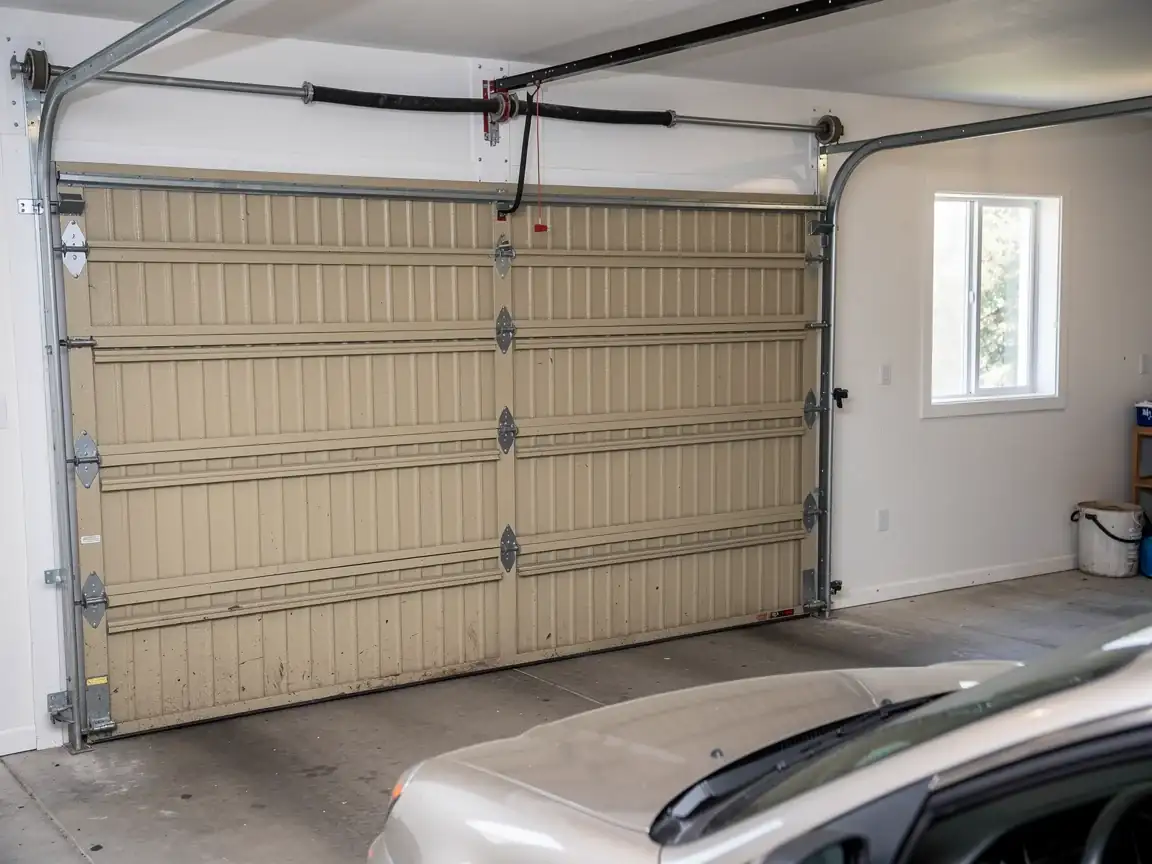
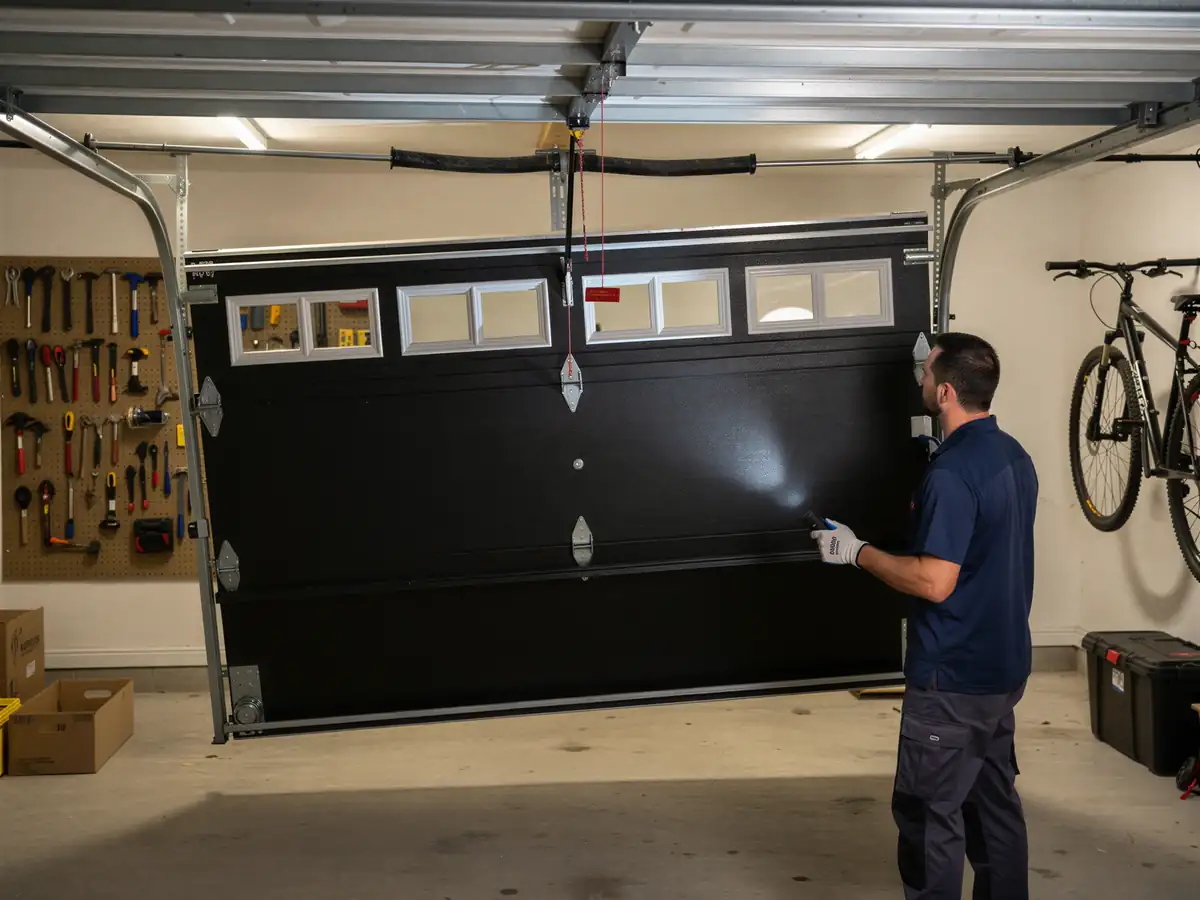
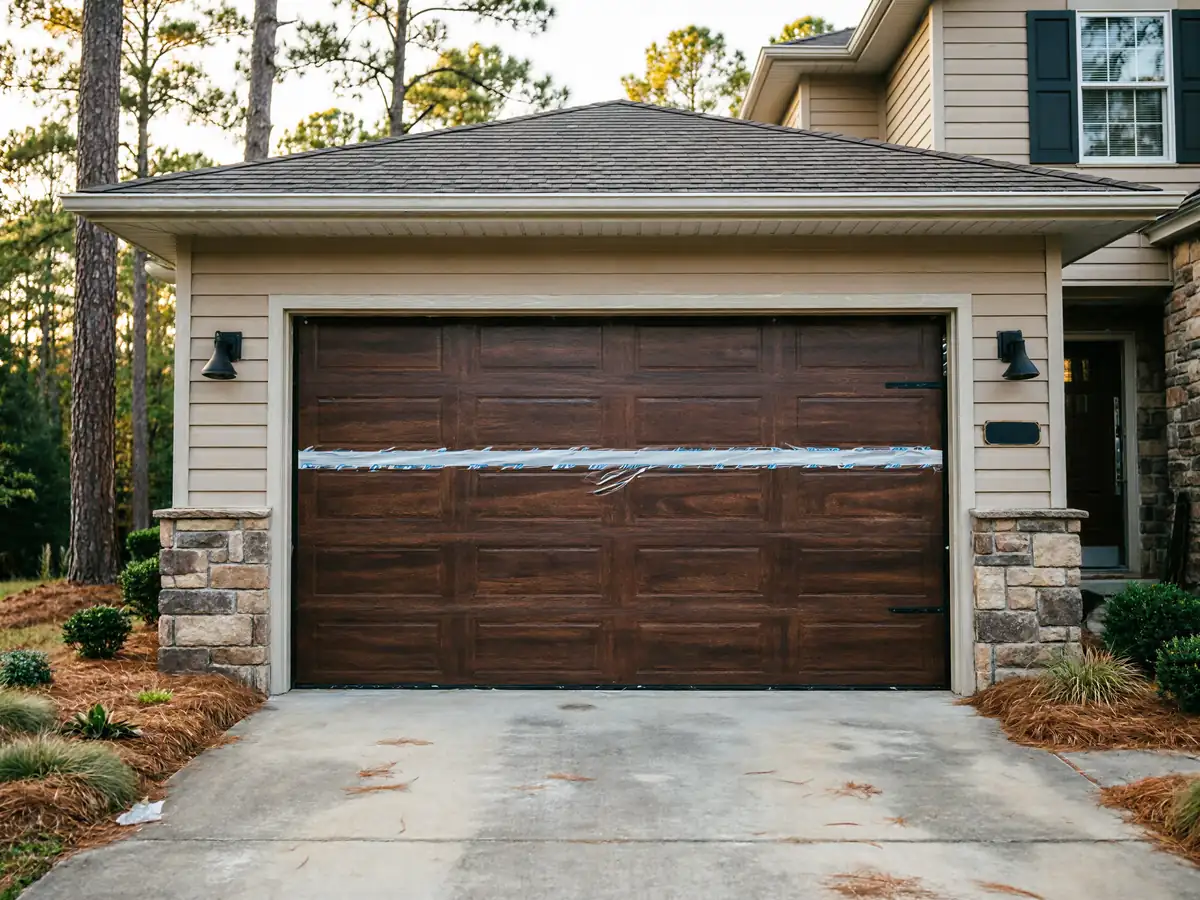
The signs are usually mundane before they're expensive. A door that used to lift quiet now groans or shudders partway up. Daylight shows under the bottom panel on one side but not the other, which tells you the door or track has racked slightly out of square over the decades. On older single-skin steel doors from this build era, you'll see rust blooming at the bottom corners first, where splash and winter salt sit longest.
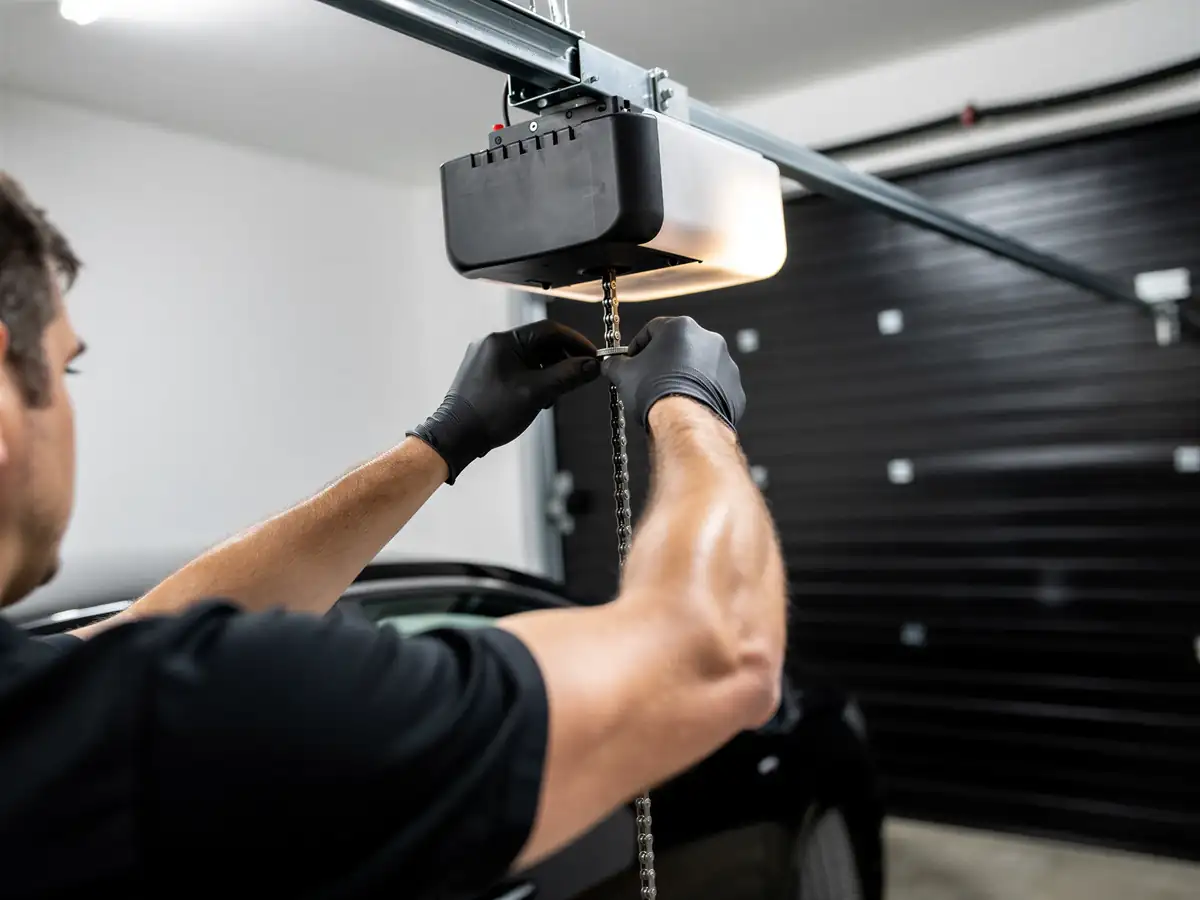
We also hear from owners whose opener still runs fine but whose door has started sagging in the middle of the top panel, a sign the door itself, not the opener, has reached the end of its service life. Replacing the opener alone in that case just delays the same call for another year or two.
What the Repair Takes
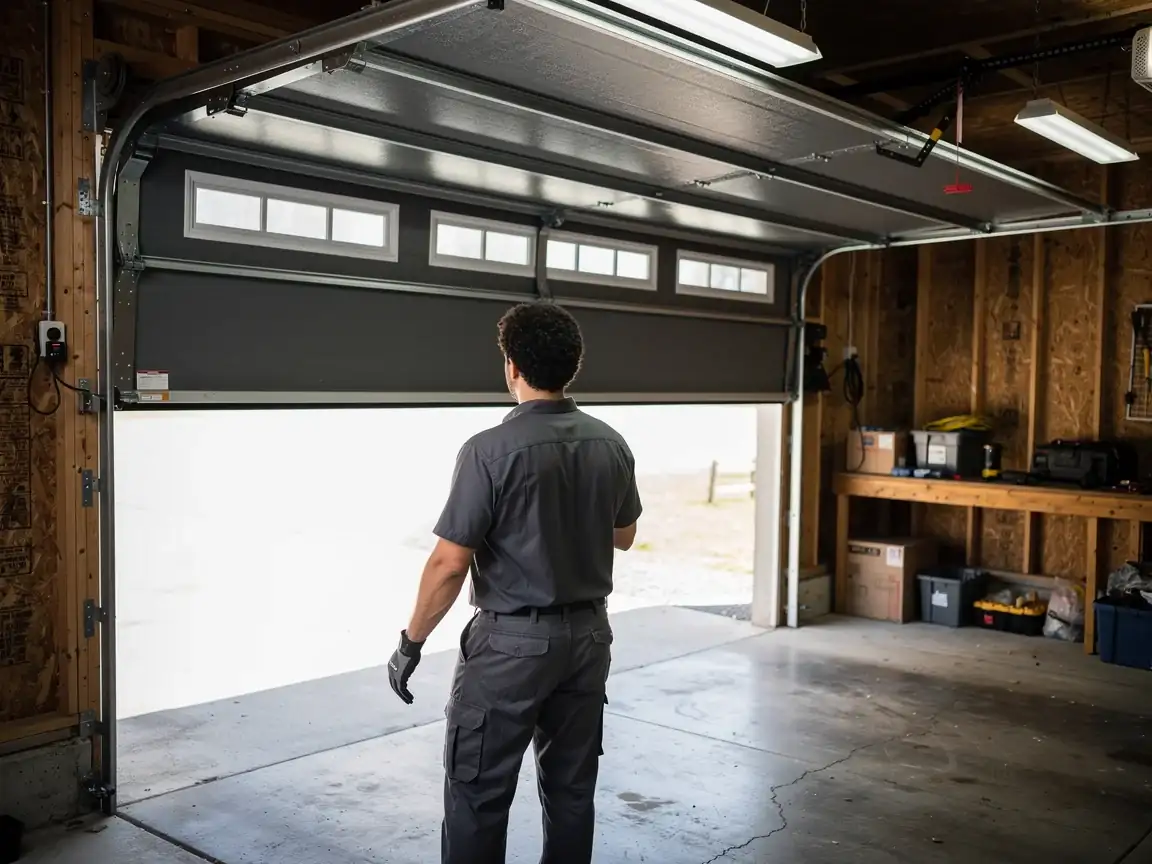
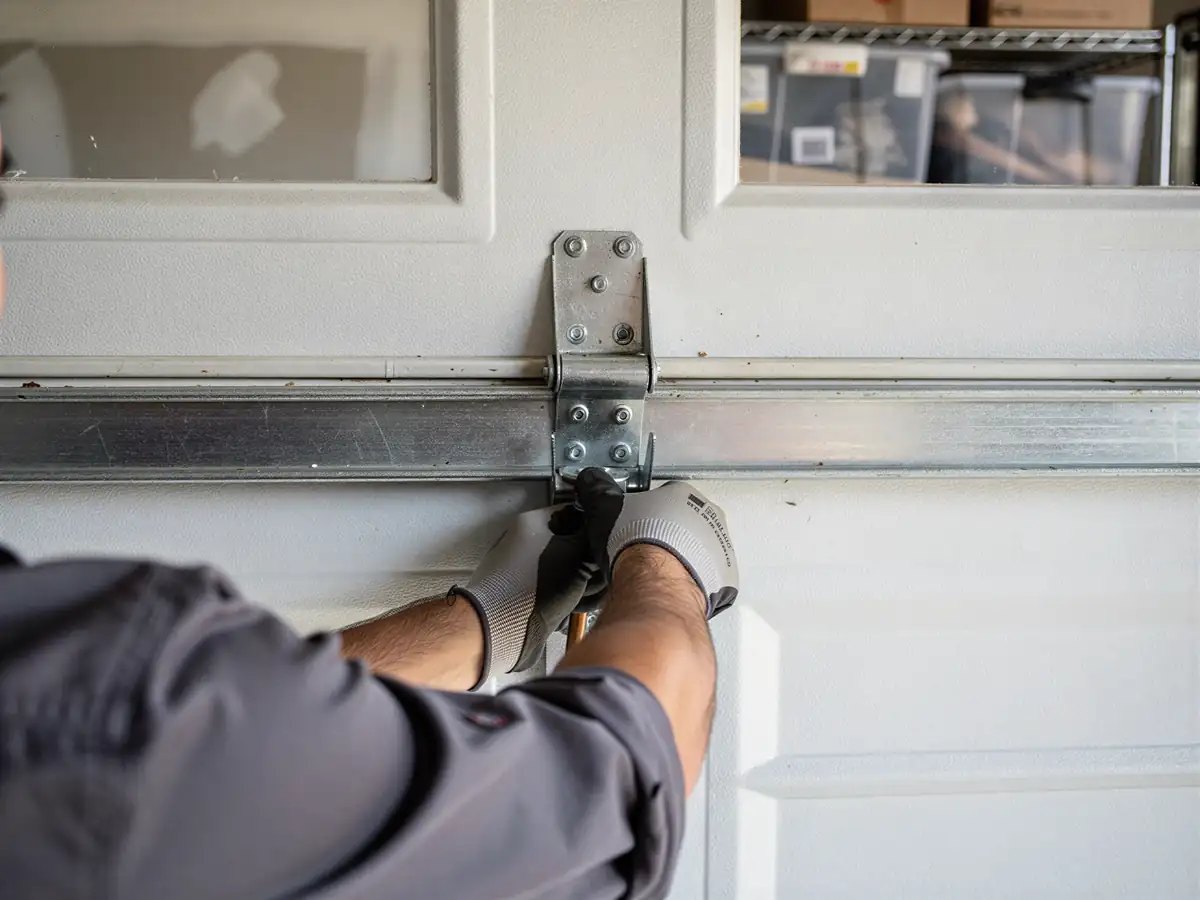
A full replacement on a standard single or double opening is a one-day job in most cases: removing the old door and track, checking and correcting the header and jamb for square, hanging new track and springs sized to the new door's weight, and setting the opener travel limits. Where the existing framing was built to 1970s-era tolerances, we spend extra time there rather than assuming the new door will drop straight into the old opening.
We size every spring and track to the door going in, not the door coming out, because an insulated replacement door in a cold-climate area like this one is almost always heavier than the single-skin door it's replacing.
Can You Do This Yourself
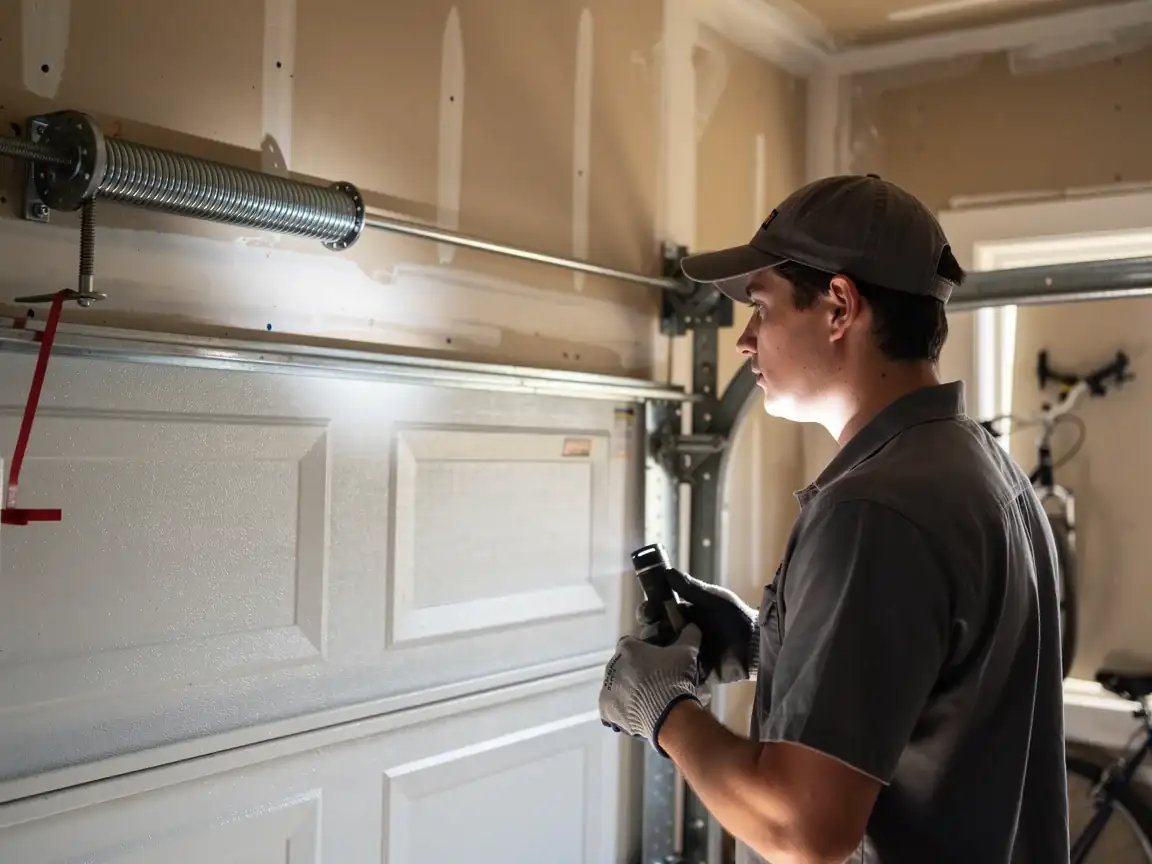
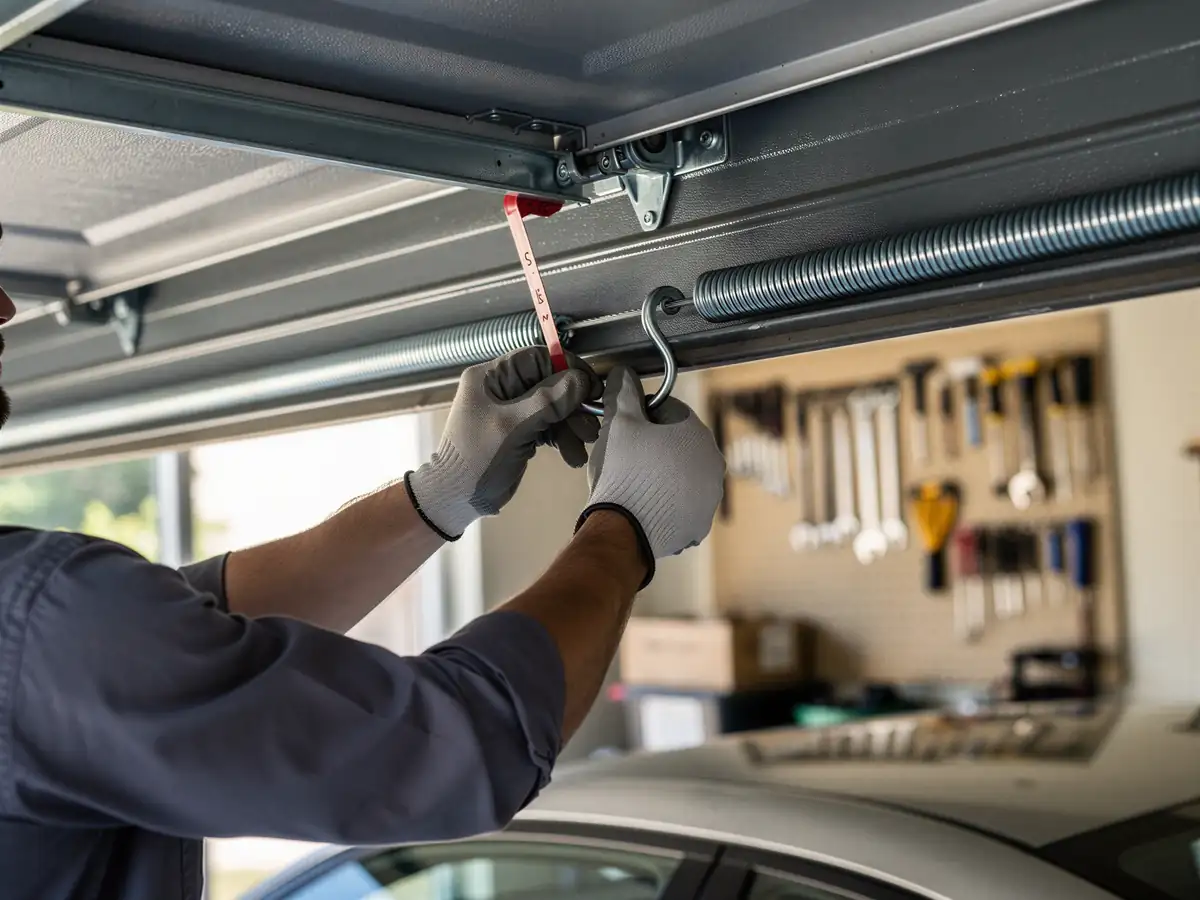
Swapping a garage door panel for panel is not a weekend project, and we'll say that plainly: a torsion spring under load has enough stored energy to cause a serious injury, and getting the track plumb on an opening that's shifted slightly over fifty years takes more than a level and patience. If you're simply replacing worn weatherstripping or a broken roller, that's reasonable DIY territory. A full door and spring system is not, and we'd rather tell you that now than see the call later for a bent track.
How Long You Are Without the Door
On a standard opening with parts in stock, you're without a working door for the hours it takes to complete the install that same day, not overnight. Where a part has to come in, the gap is longer and depends on that lead time, not on anything we can promise up front. We travel to Burke from our Arlington shop, about 11 miles out, so we schedule the job as a single trip once the door and hardware are confirmed rather than splitting it into a measure visit and a separate install visit.