Serving Arlington, VA & nearby
(571) 517-9263
Arlington, VA

Garage Door Service for Burke's Late-1970s Housing Stock

Burke's garage doors mostly date to the late 1970s, a decade newer than most of the service area. See what that means for springs, openers, and repair parts here.

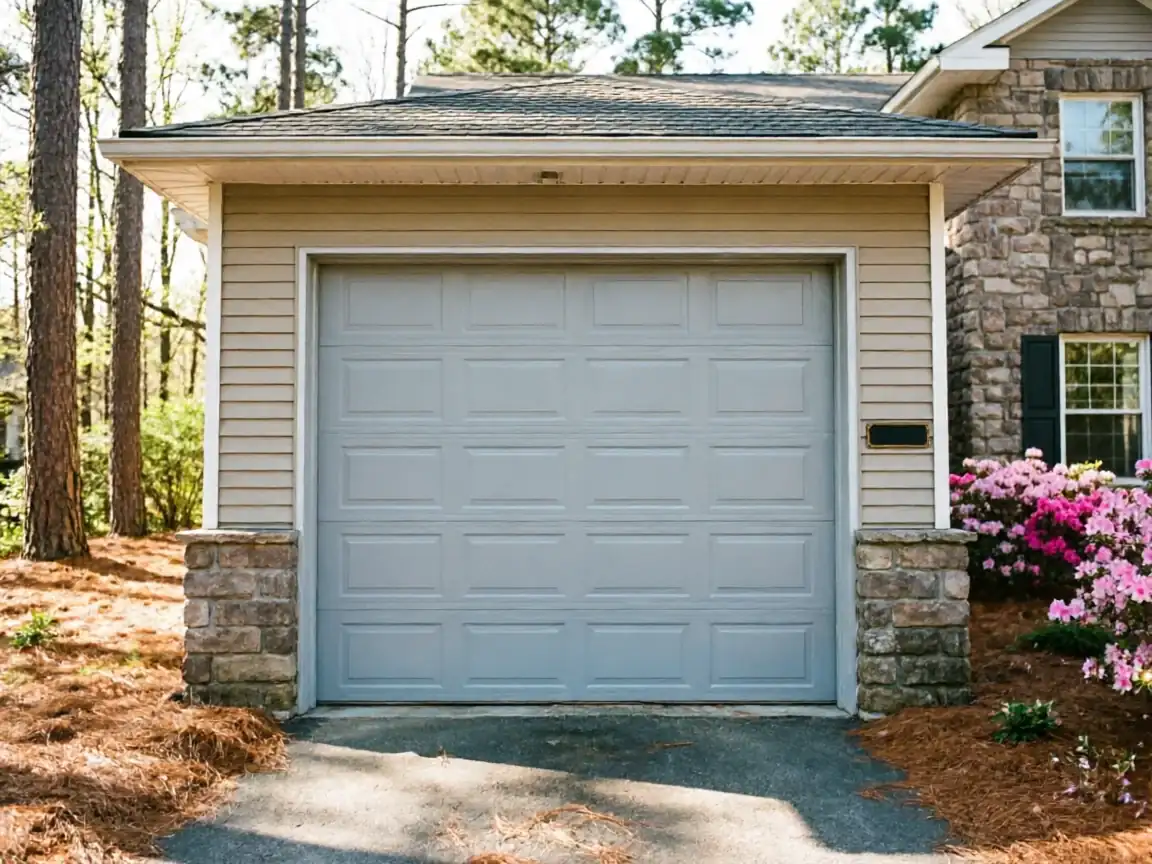
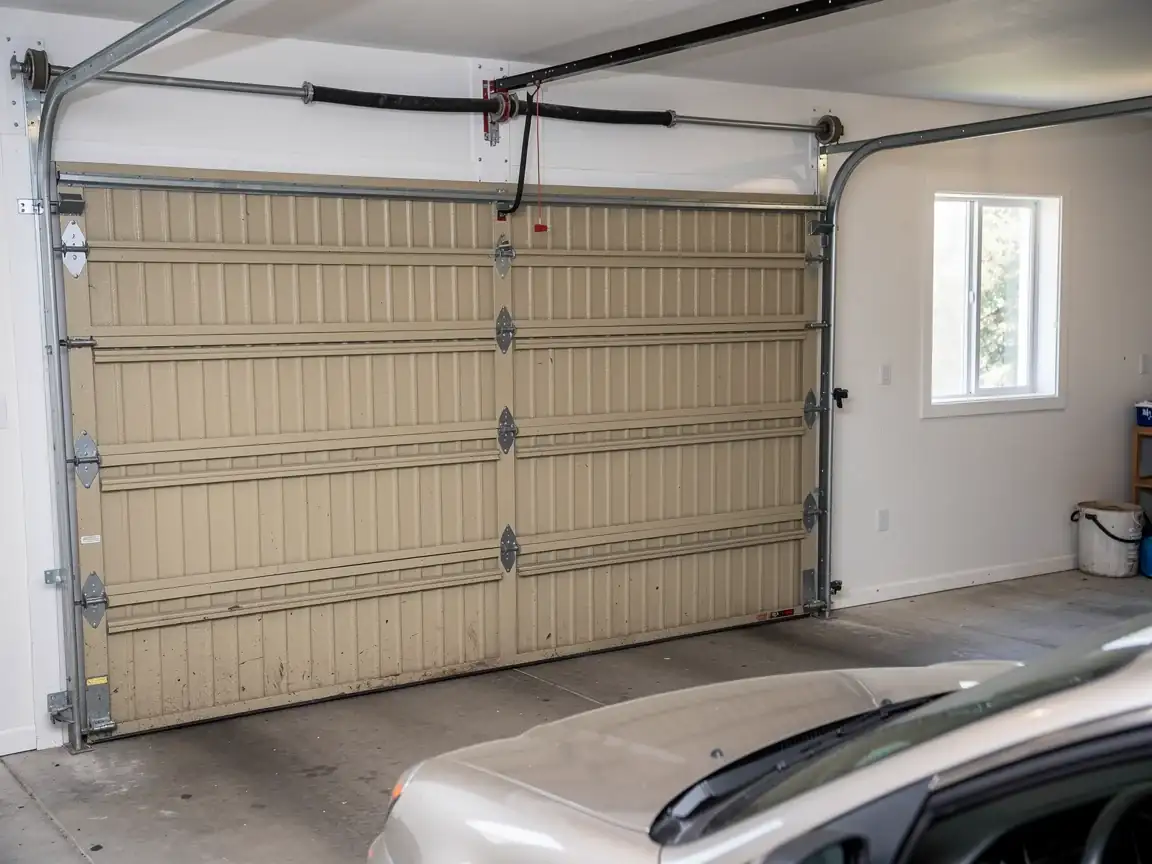
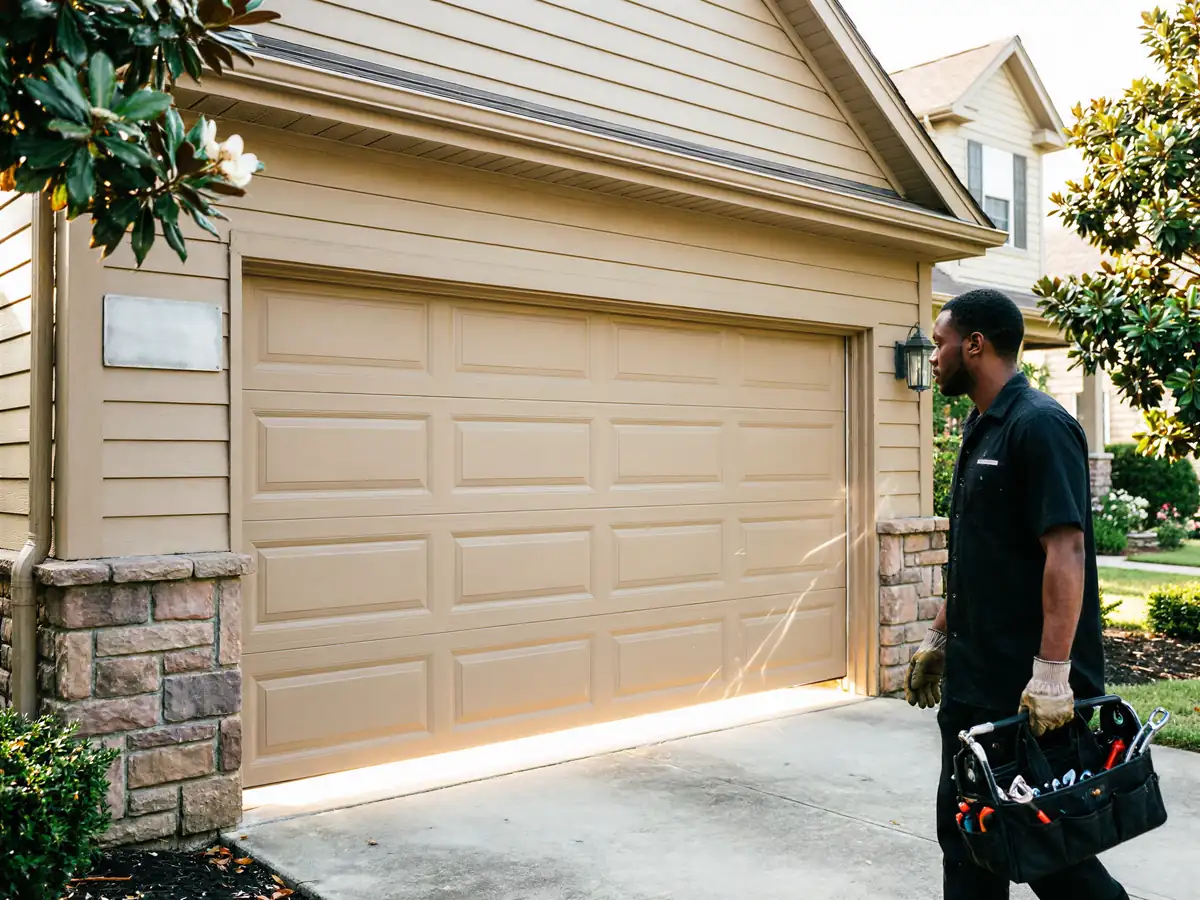
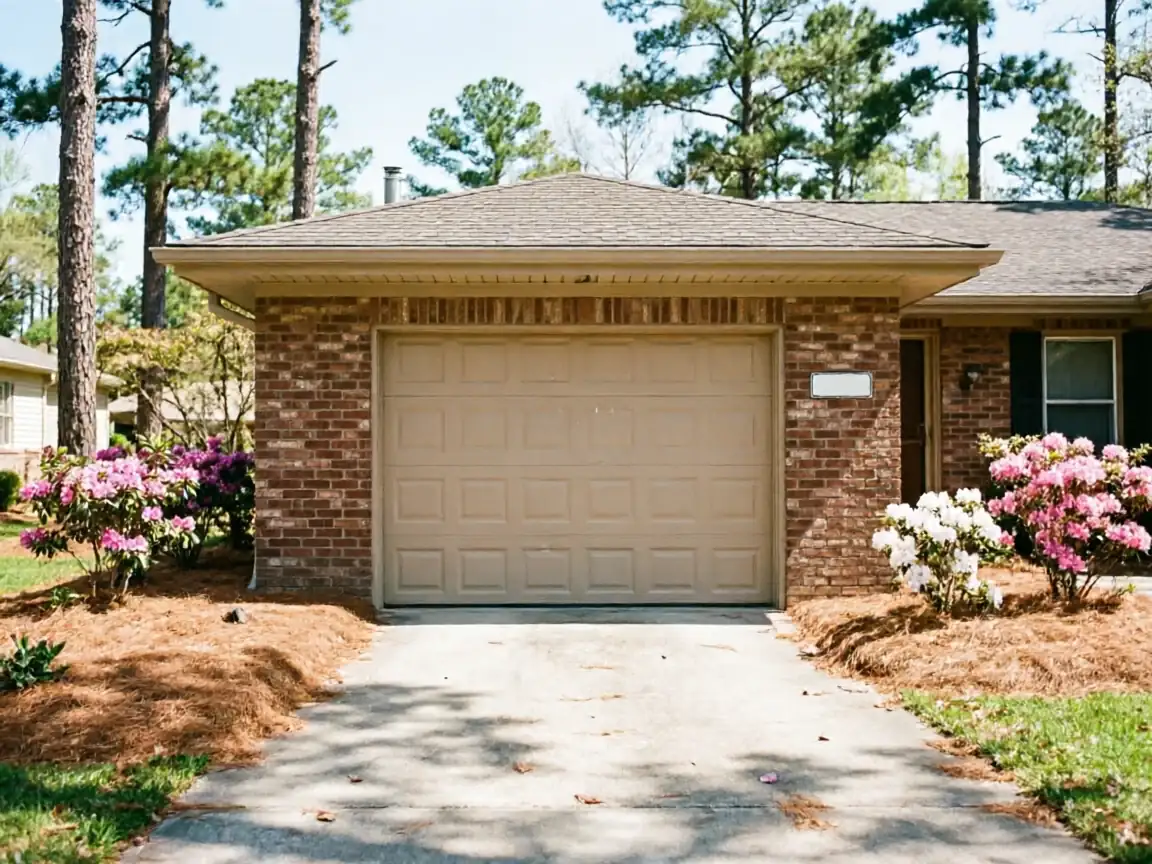
A tan garage door is on a brick house with a driveway and landscaping.
Arlington, VA
8 services
7 service areas
Diagnosis first, then the fix

What Can Go Wrong

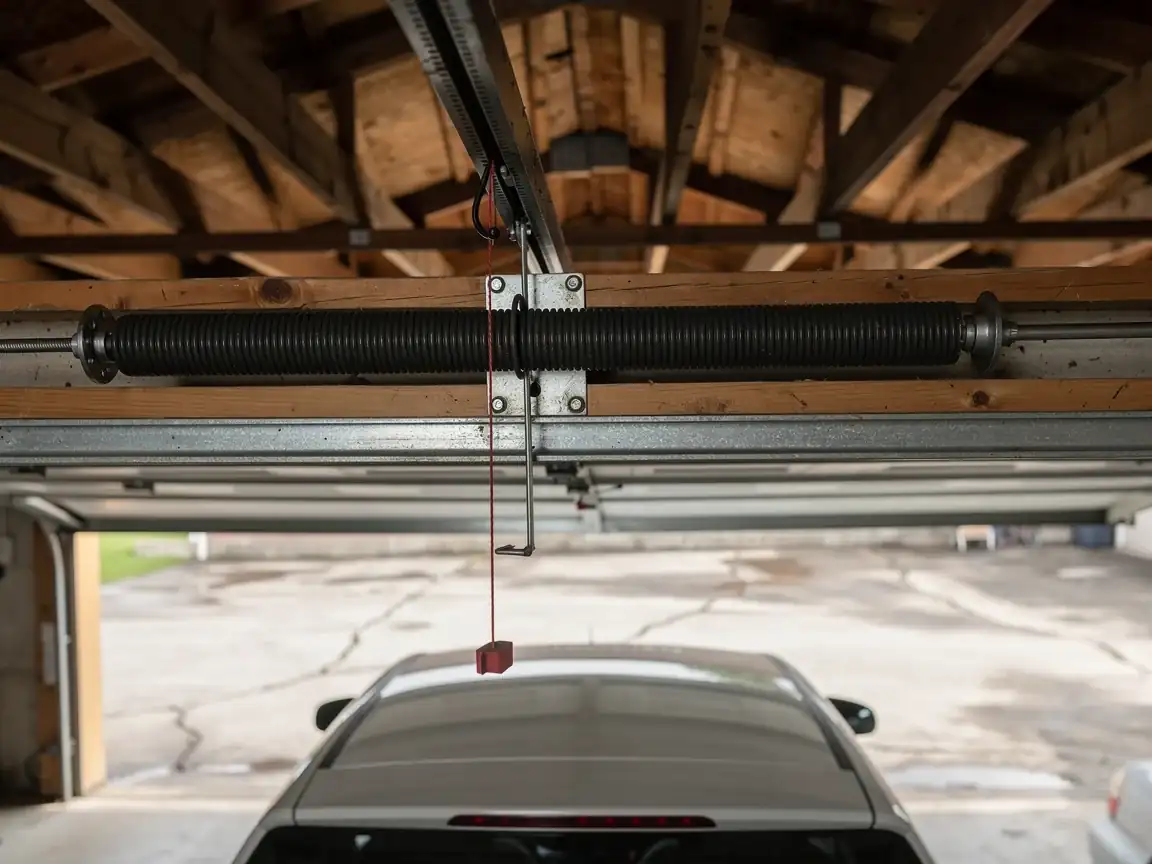
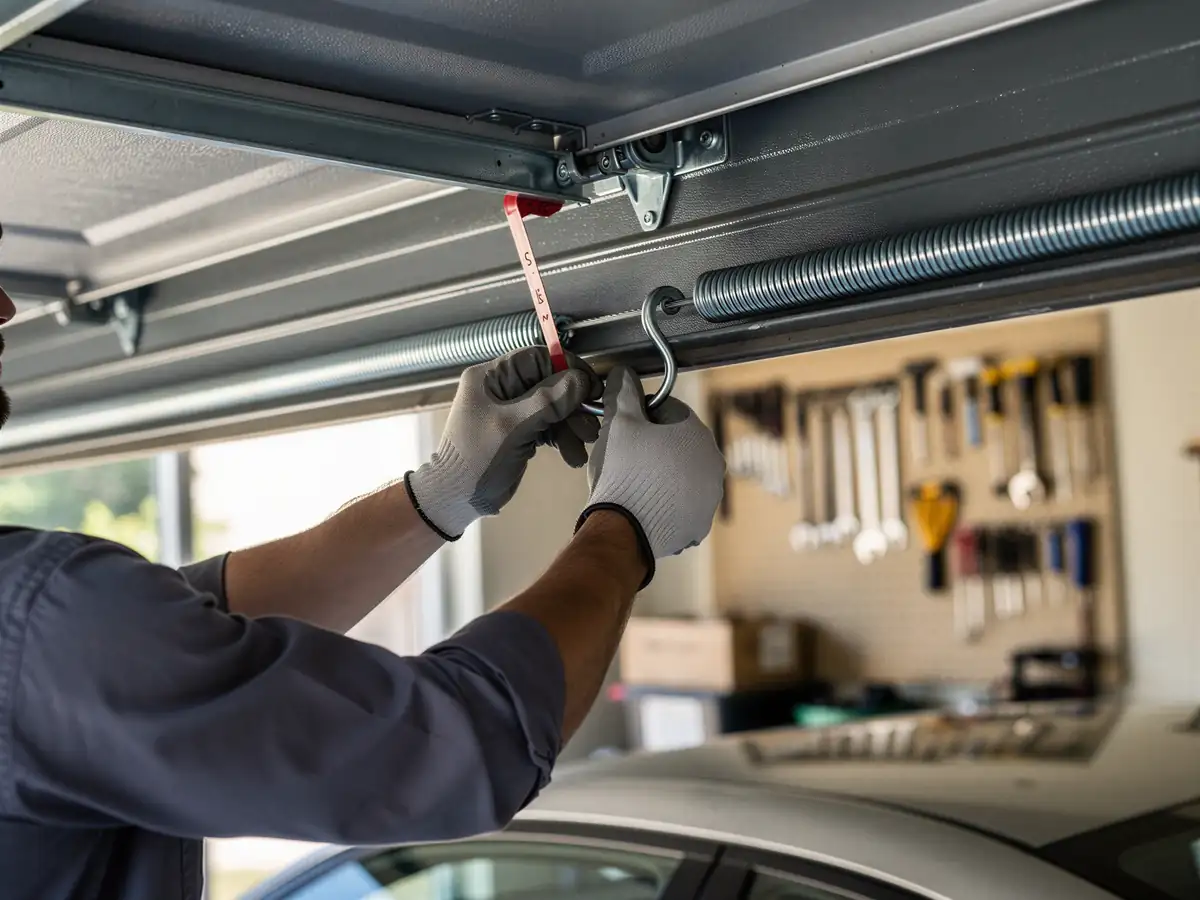
Arlington itself has a lot of older, denser housing close to the Metro corridor, but Burke is a different build era. The median home here went up around 1979, a few years past the broader service area's 1976 median, and that gap matters more than it sounds. Houses built in that late-1970s wave tend to have garage openings sized for the first generation of mass-produced steel doors, and the openers installed with them are often the chain-drive units that shipped standard through the early 1980s. Thirty-plus years on, the usual failure points show up: torsion springs that have cycled past their rated life, center bearings that have worn oval instead of round, and openers with drive gears that strip instead of reversing cleanly. Because this part of the region sits in a cold-winter climate band, steel springs here see more stress-cycling from temperature swings than they would somewhere milder, which shortens the practical life of a spring even if the cycle count looks fine on paper. None of this is Burke-specific damage - it's what happens to any door built in that window, sitting through four decades of real winters.

How It Shows Up

The door gets heavier to lift by hand before it fails outright - that's a spring losing tension, not an opener problem, even though most people call it in as "the opener's dying." A door that reverses at the floor every time, or won't close past halfway, is almost always a sensor misalignment or a track that's shifted slightly out of plumb, common in houses from this build period where the track brackets were lag-bolted into jamb framing that's since settled. A loud bang followed by the door refusing to move at all is a snapped torsion spring - don't try to lift the door manually after that, the counterbalance is gone. Openers from the late-1970s through 1990s stock often grind or hum without lifting, which points to a stripped gear rather than anything electrical. If the door drifts down a few inches after you've closed it, the spring is losing tension gradually rather than suddenly, and it's worth scheduling before it goes all at once.

What the Repair Takes

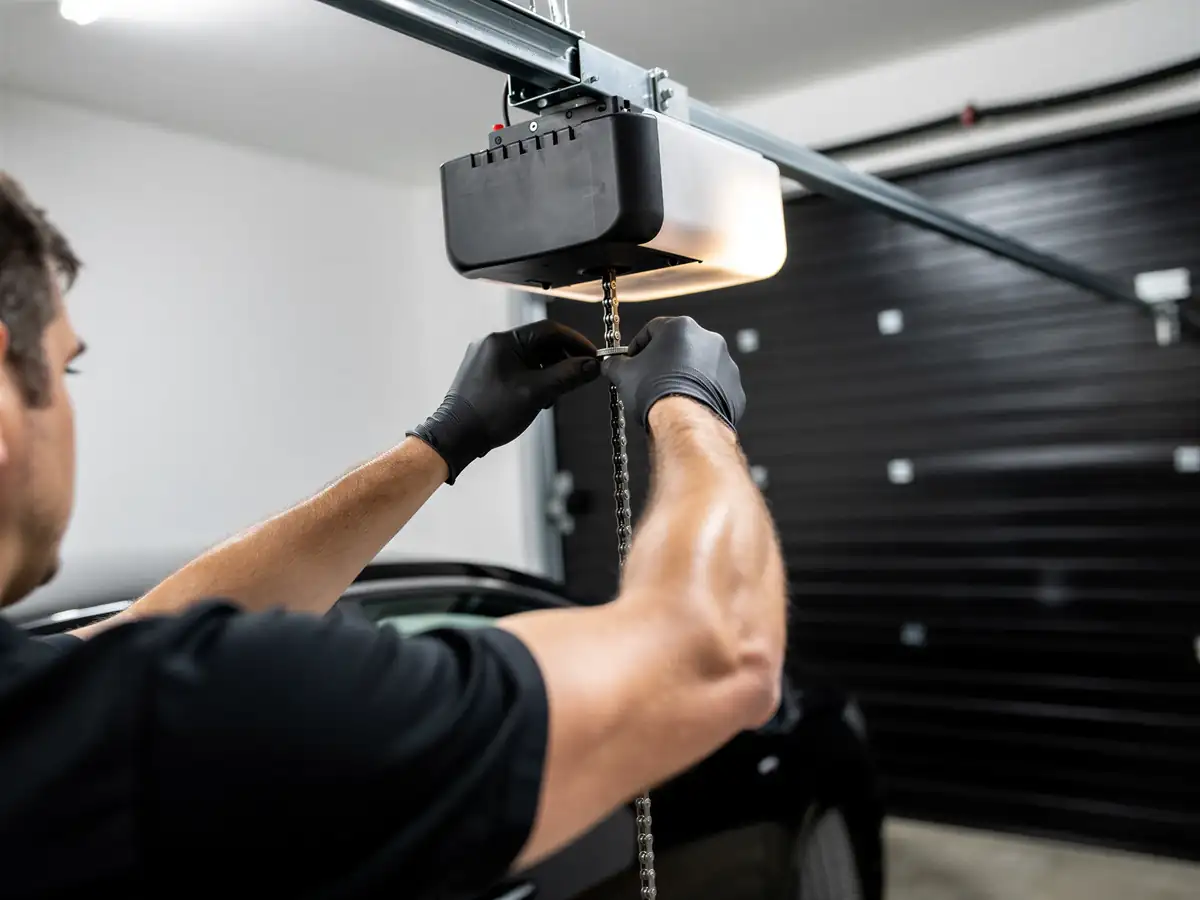
Most torsion spring replacements on a standard double door run on the same afternoon the truck arrives, once the right spring size is confirmed against the door's weight and drum size. Openers from this housing era sometimes use mounting brackets or rail lengths that newer kits don't include, so the tech may need to adapt a bracket rather than assume a drop-in fit. Track realignment is usually quick, but if the jamb has settled - not uncommon in houses built on this era's foundation standards - the track needs re-anchored rather than just bent back into place, which adds time. We won't pretend every job is the same length; a worn cable or a bent single panel is a different job than a full spring-and-cable replacement, and quoting one price for all of it would be guessing.

Stocked Parts

The truck carries common torsion spring sizes, standard safety cables, extension spring kits, and the sensor and roller hardware that covers most doors from the 1960s-70s building wave that makes up the bulk of homes across this service area. Burke's doors, running a few years newer on average, are usually straightforward matches for what's already on the truck. Where it gets slower is a specific opener logic board or a discontinued panel insert - those sometimes have to be special-ordered, and that's the honest limitation here: if your door needs a part that hasn't been made in a decade, the repair takes longer than a same-visit fix, and replacement may make more sense than waiting on a backorder.

Can You Do This Yourself

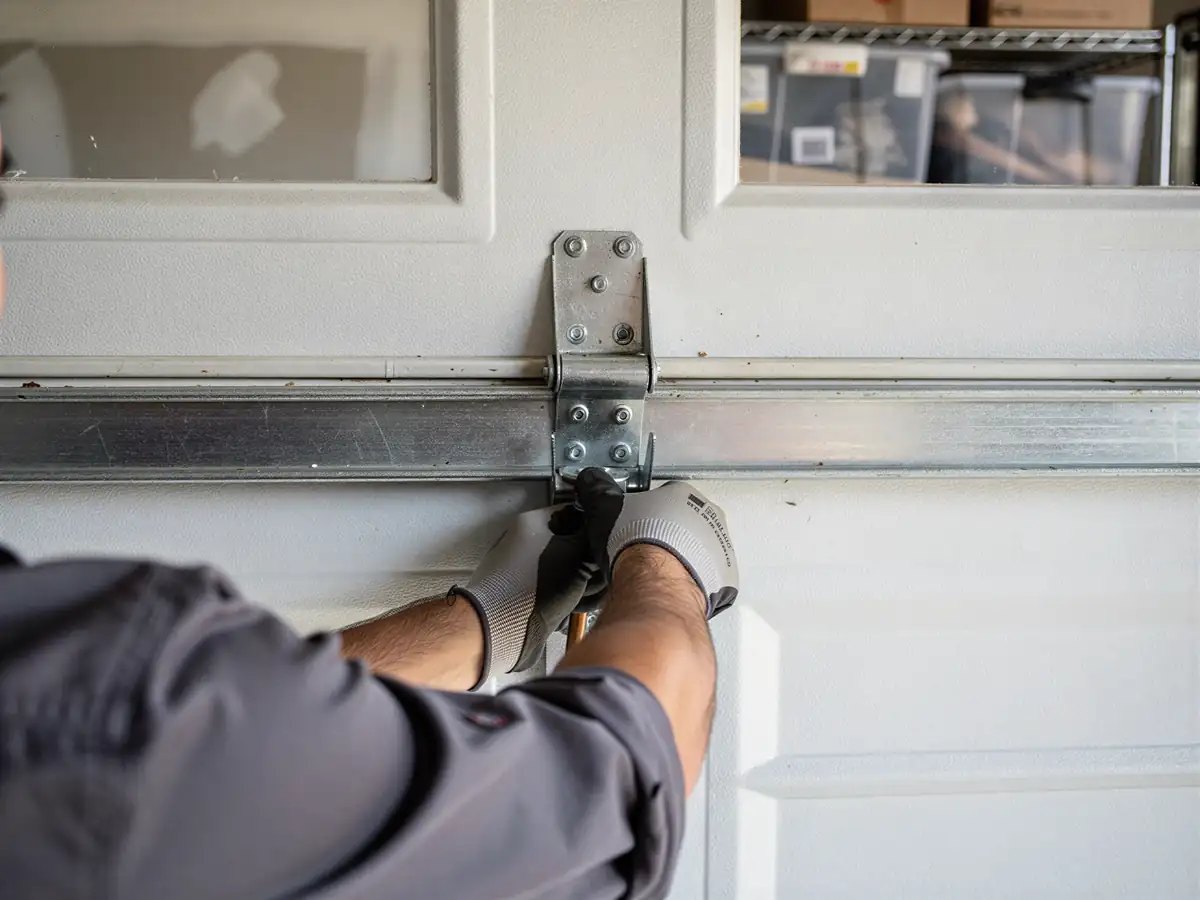
Tightening a loose hinge bolt or lubricating hinges and rollers is reasonable homeowner work, and it extends the life of hardware from any era. Torsion spring replacement is not a DIY job - the spring is under enough stored tension to cause serious injury, and the tools to wind it safely aren't something most garages have lying around. Realigning photo-eye sensors is usually safe to try yourself: clean the lenses, make sure both face each other level, and check the door closes fully. If the door is heavy to lift by hand with the opener disconnected, that's a spring problem, and it's worth calling rather than forcing it - a door that's hard to lift manually will be harder on the opener motor too, shortening its life further.

How Long You Are Without the Door

We travel to Burke from Arlington, about 11 miles out, so the door is down for the drive time plus however long the repair itself takes - there's no local branch here, so we're not able to promise a fixed arrival window the way a shop based in town might. A spring swap or sensor fix is usually a single visit. A full opener replacement, especially on a late-1970s rail or bracket setup that needs adapting, runs longer. With median household income in this area well above the broader service area's $137,878, replacement over repair is sometimes the more practical call here when a door is past the point of patching - that's a conversation worth having on site rather than guessing over the phone.
How it works

From “it’s stuck” to “it’s fixed”

1
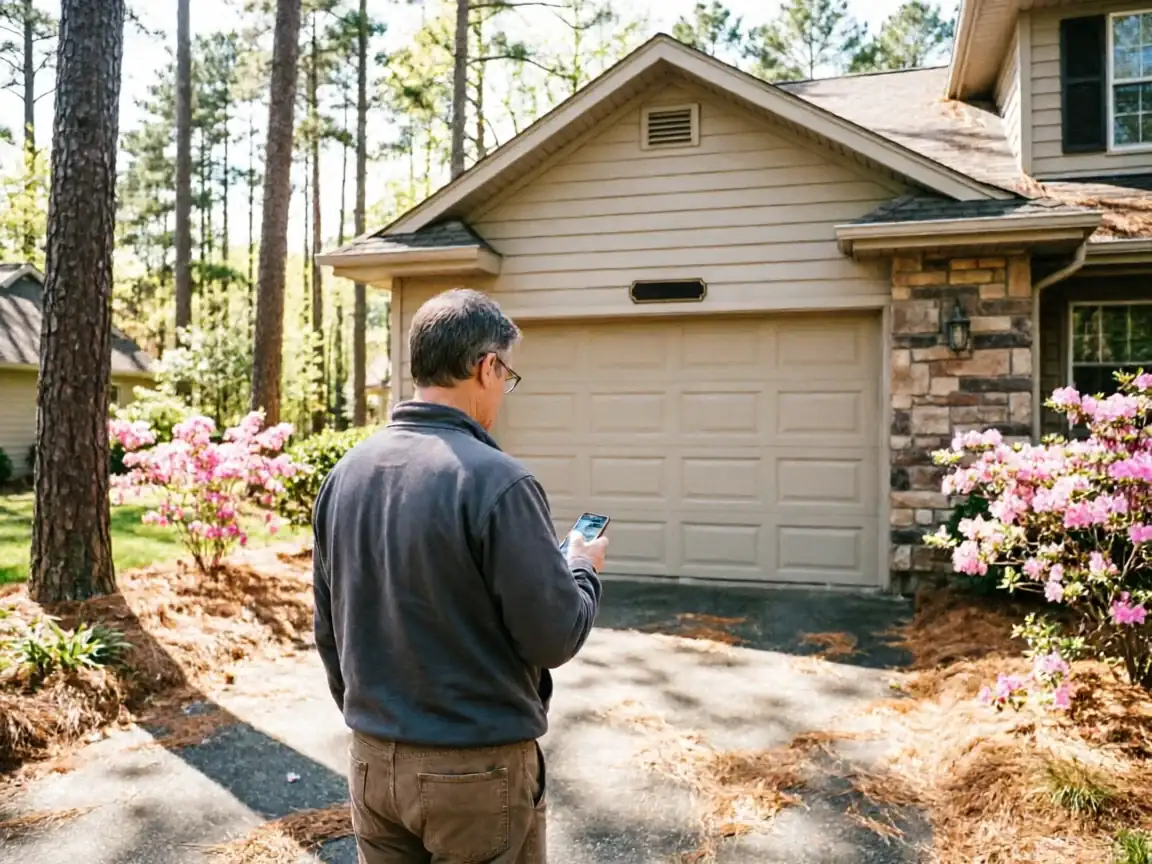
A man stands in a driveway looking at his phone in front of a garage door.

Tell us what’s wrong

Describe the symptom - won’t open, loud bang, opener runs but the door won’t move.

2
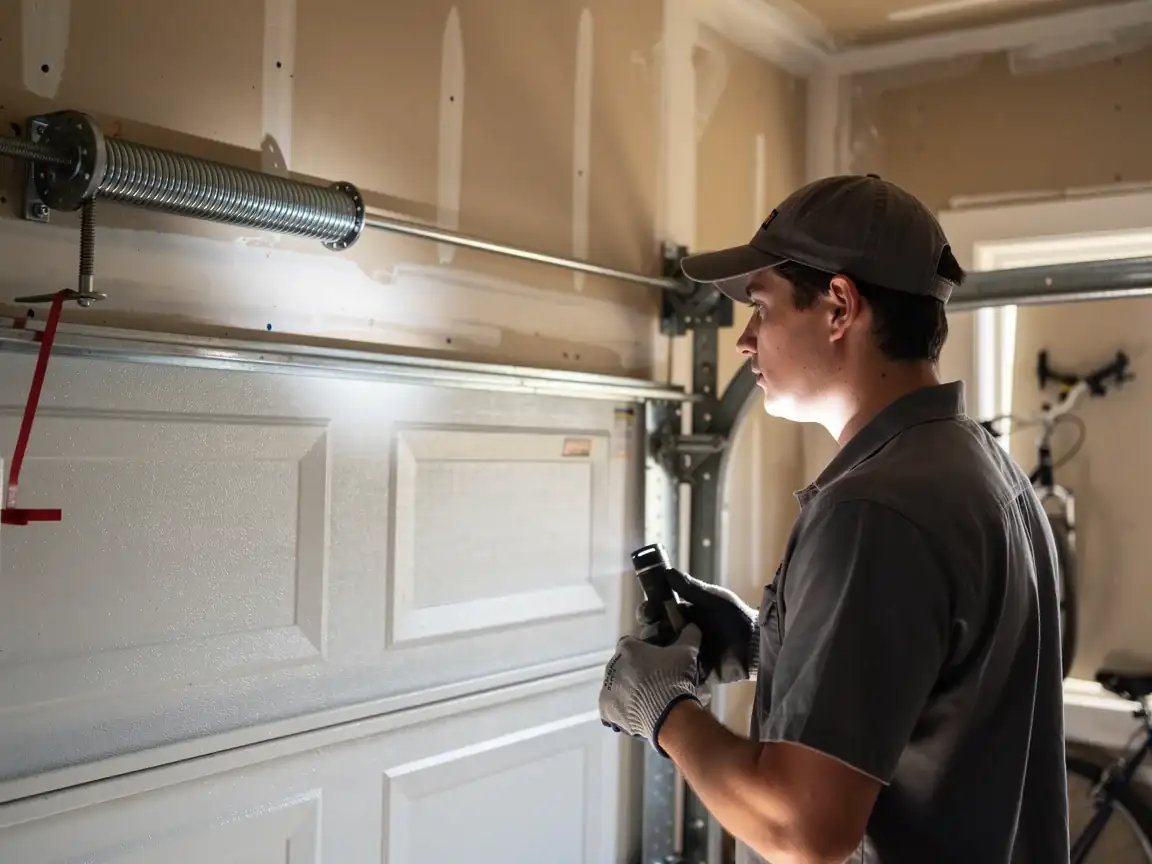
A technician in a gray shirt and cap inspects a white garage door with a flashlight.

On-site diagnosis

A technician tests the door under power and by hand and finds what actually failed.

3
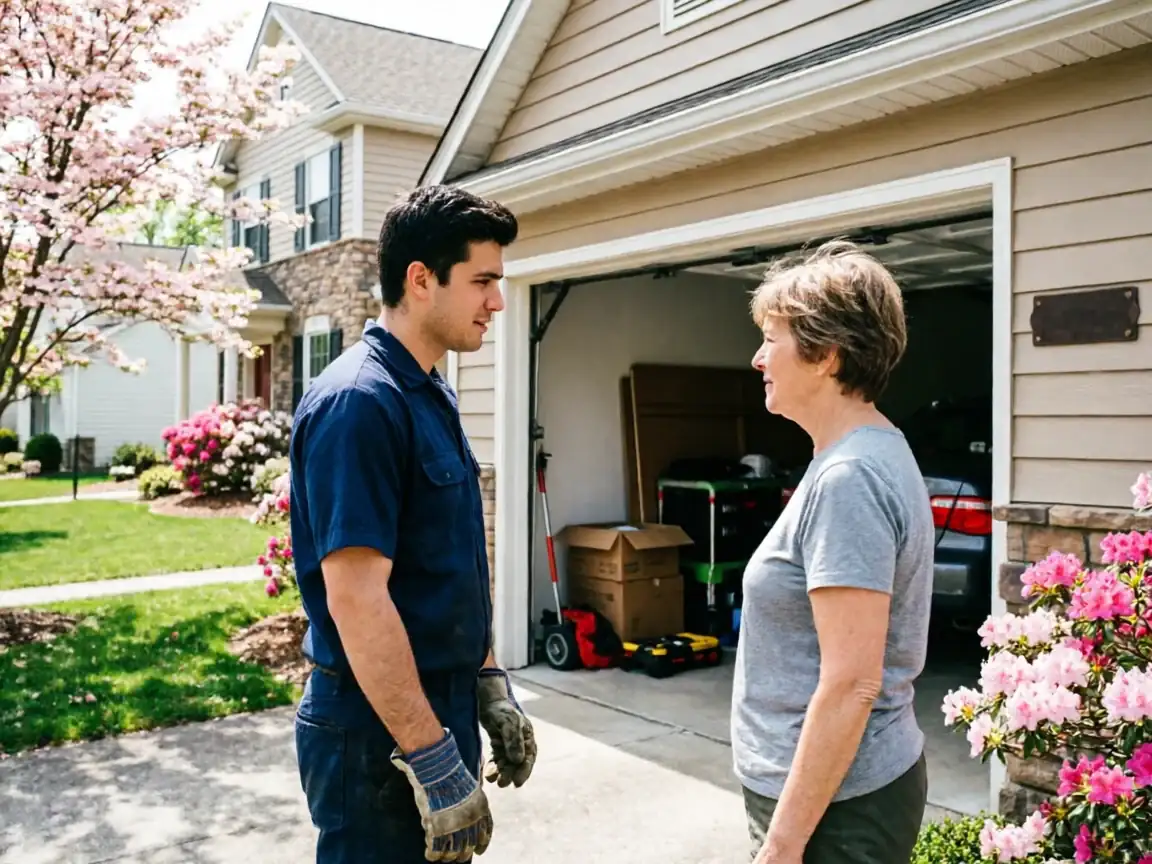
A technician and a woman stand talking in a driveway in front of a garage.

Clear, up-front plan

You get the fix that’s needed and what drives the cost - before any work starts.

4
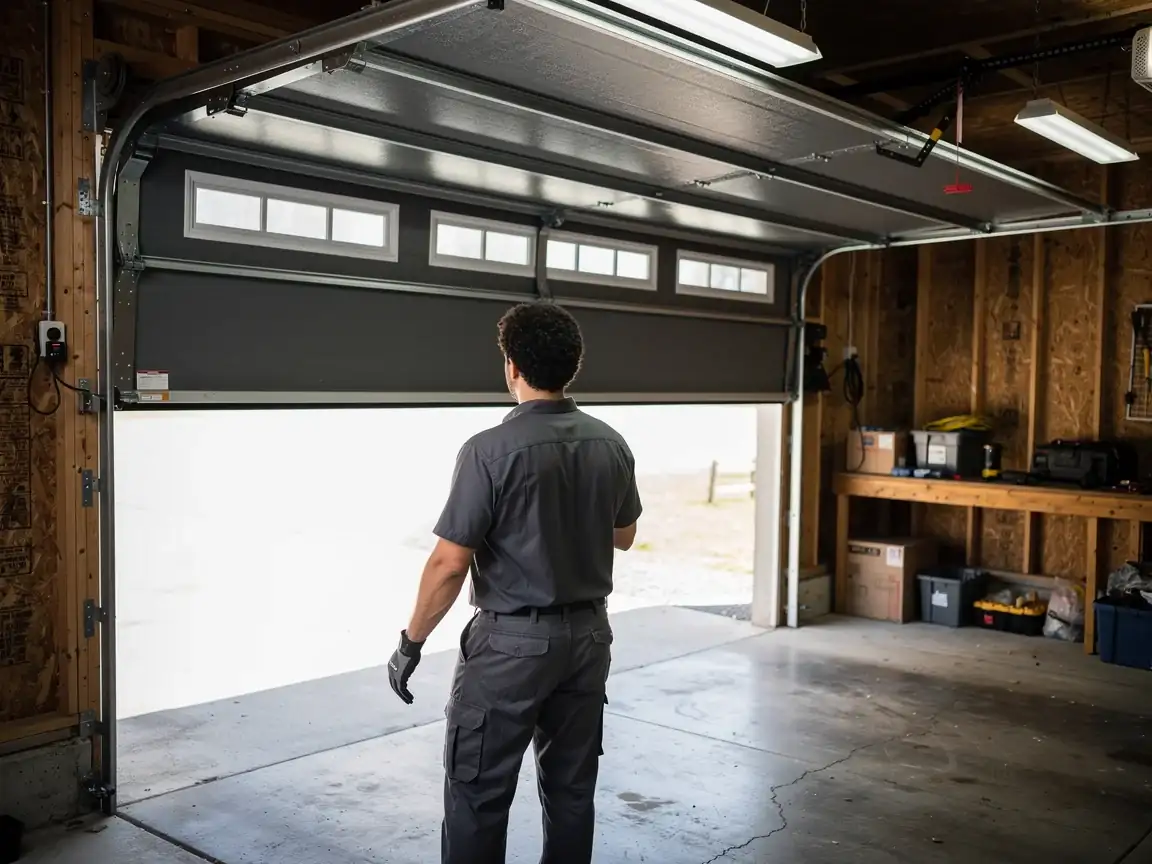
A technician stands in a garage looking at a partially open garage door.

Repaired & tested

The repair is done, the door is set true and tested, and the work area left clean.

Not sure which repair your door needs in Arlington, VA? Describe what it’s doing - every job starts with a diagnosis.

How we work

What to expect

Diagnosis firstEvery visit starts by finding what actually failed - not a pre-written parts list.
The right part for the doorSprings and openers matched to the door’s weight and age, so the fix holds up.
Straight answersWhen a repair makes more sense than a replacement - or the reverse - you hear it plainly.
Clean, careful workTension released safely, hardware set true, the door tested under power before we leave.
207,627Residents in Arlington
8Garage door services
7Neighborhoods & suburbs
VAServing Arlington, VA
Questions

Frequently asked

Straight answers about garage door repair in Arlington. Still unsure? Ask us directly.

Why does my garage door act differently than my neighbor's in a newer part of the area?

Build year matters more than most people expect. Houses here cluster around 1979, a few years past the broader area's 1976 median, so openers and spring hardware from that window share common failure points - worn gears, fatigued torsion springs - that newer installs haven't hit yet.

Do you have a shop in Burke?

No. We work out of Arlington and travel to Burke, about 11 miles away. There's no local branch, so plan for drive time as part of the visit rather than a guaranteed short window.

Is it worth repairing an opener this old or should I replace it?

Depends on the part. If it's a sensor or a bracket, repair makes sense. If it's a stripped drive gear on an opener from the late 1970s through 1990s, parts can be hard to source, and replacement is often the more practical move - we'll tell you honestly which situation you're in.

How cold-weather-hardy do these doors need to be?

This area sits in a cold-severe climate band, so steel springs go through more stress-cycling across winter temperature swings than they would somewhere milder. That shortens practical spring life even when the cycle count on paper still looks fine.

Ready to get your garage door sorted?

Tell us what it’s doing and where you are in Arlington - we’ll take it from there.

Request a QuoteCall