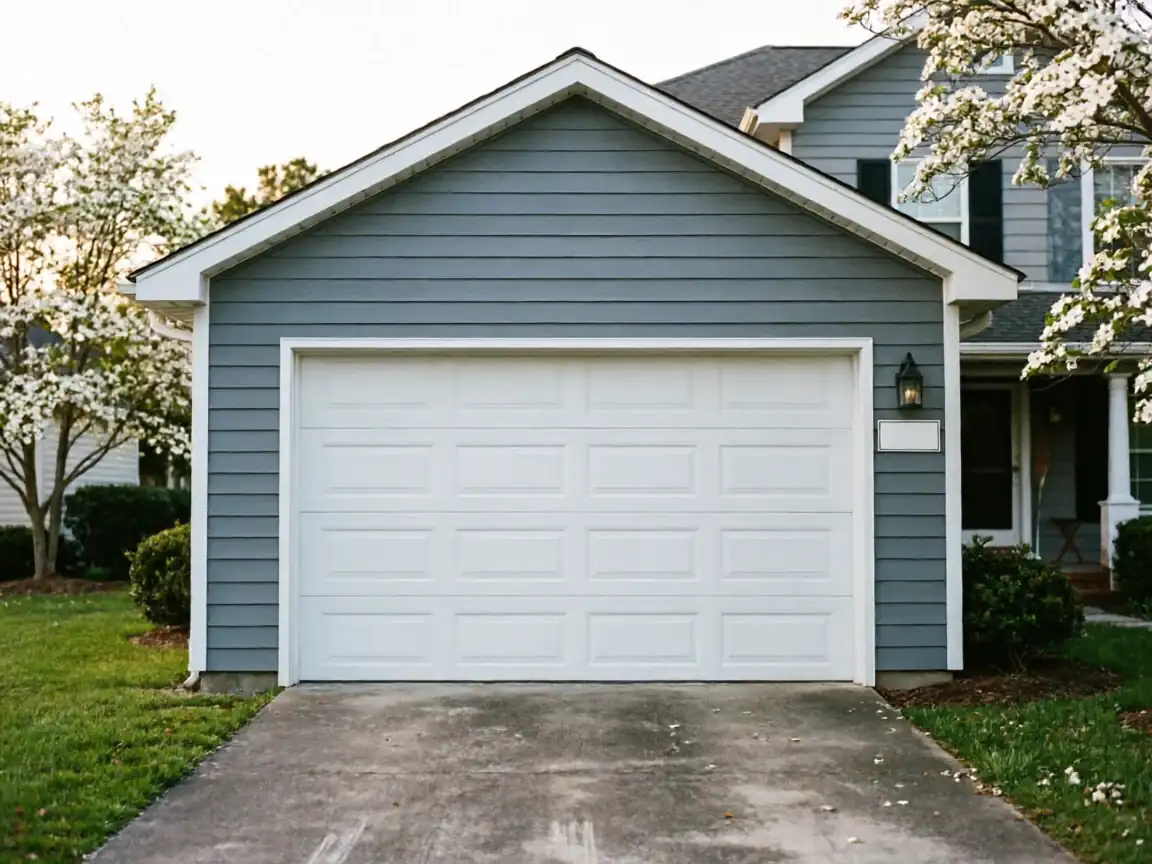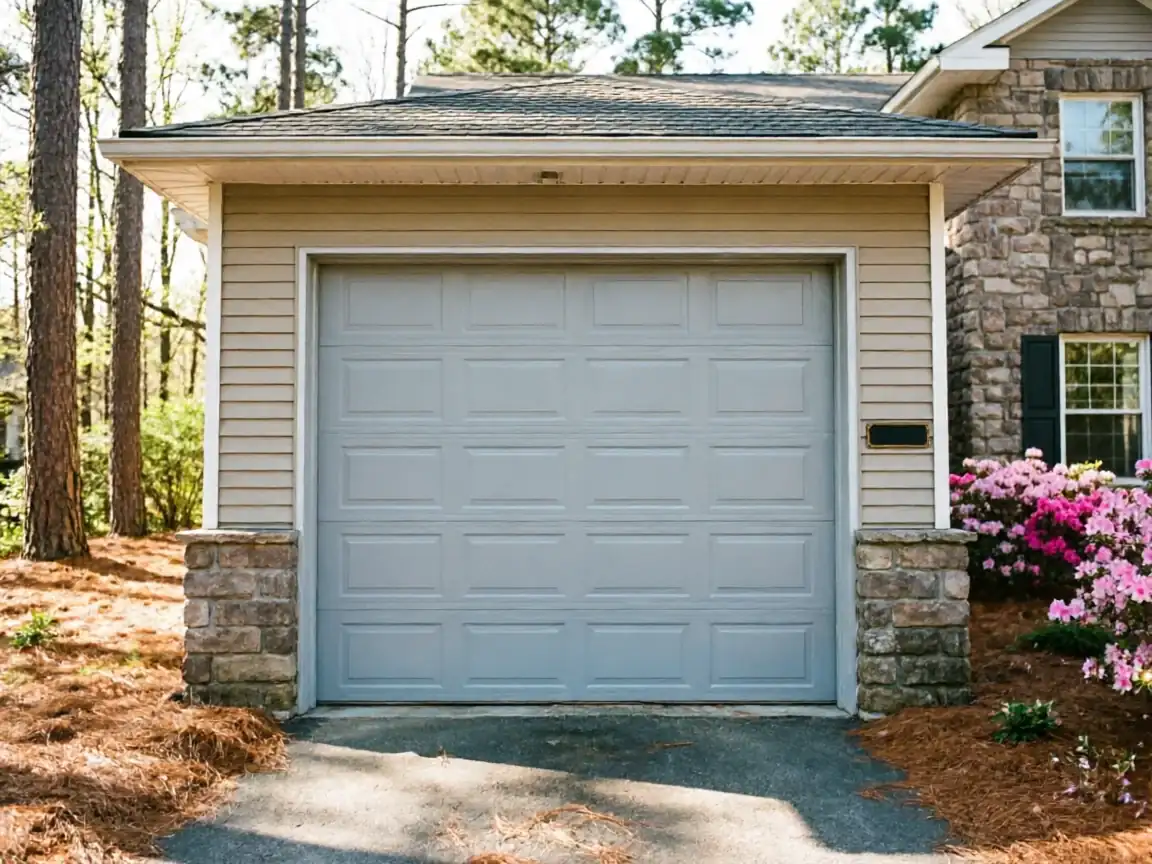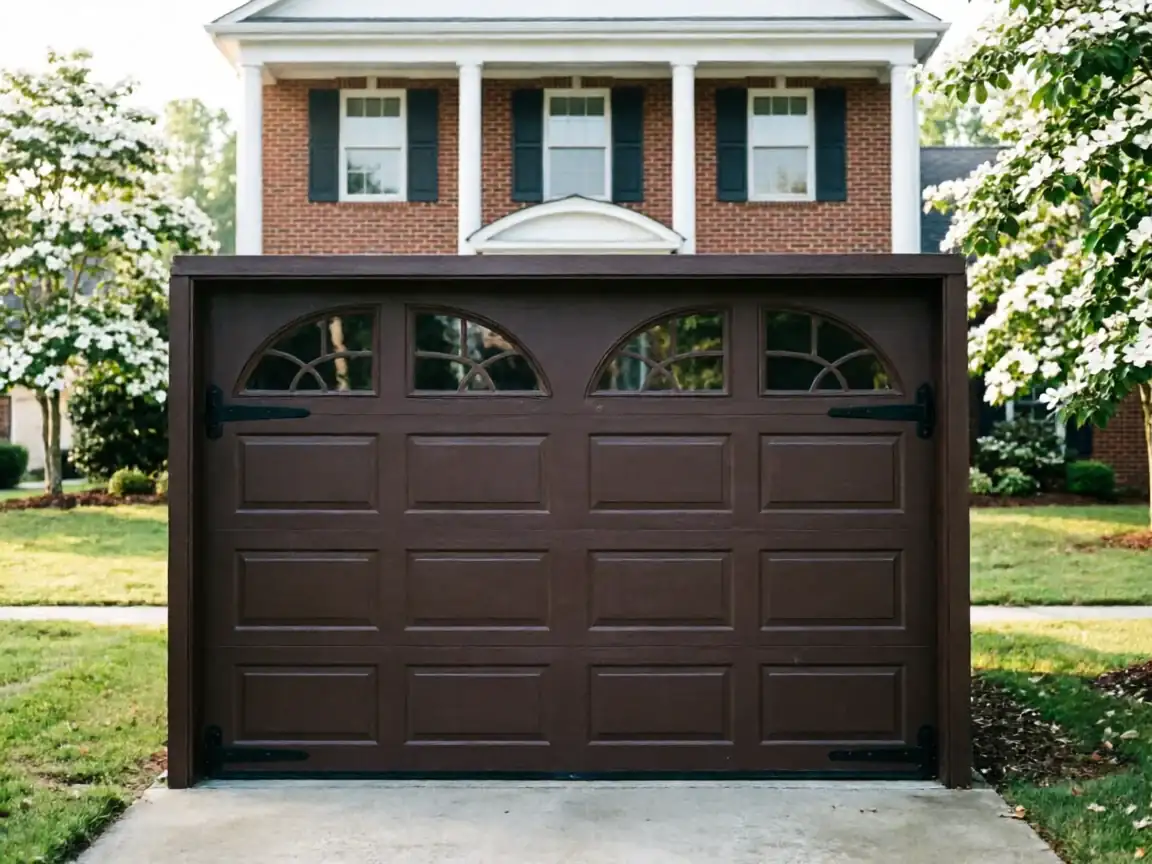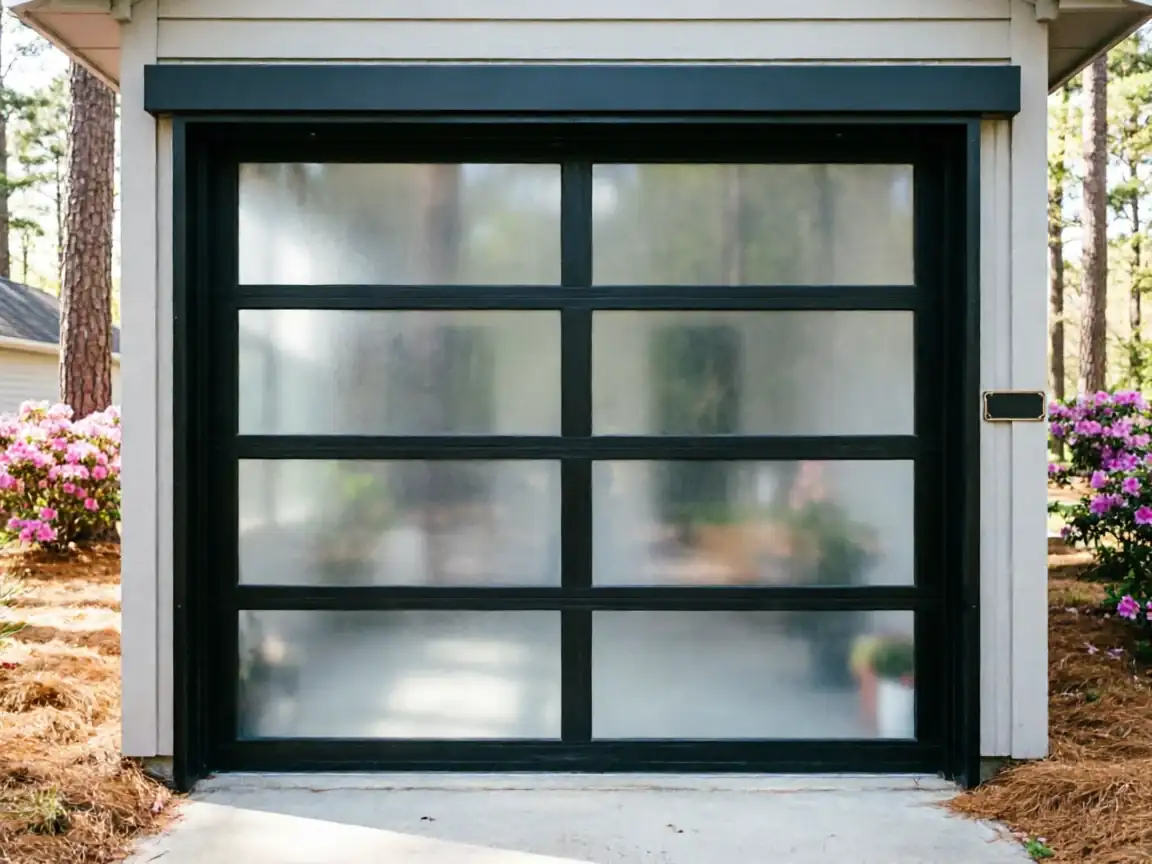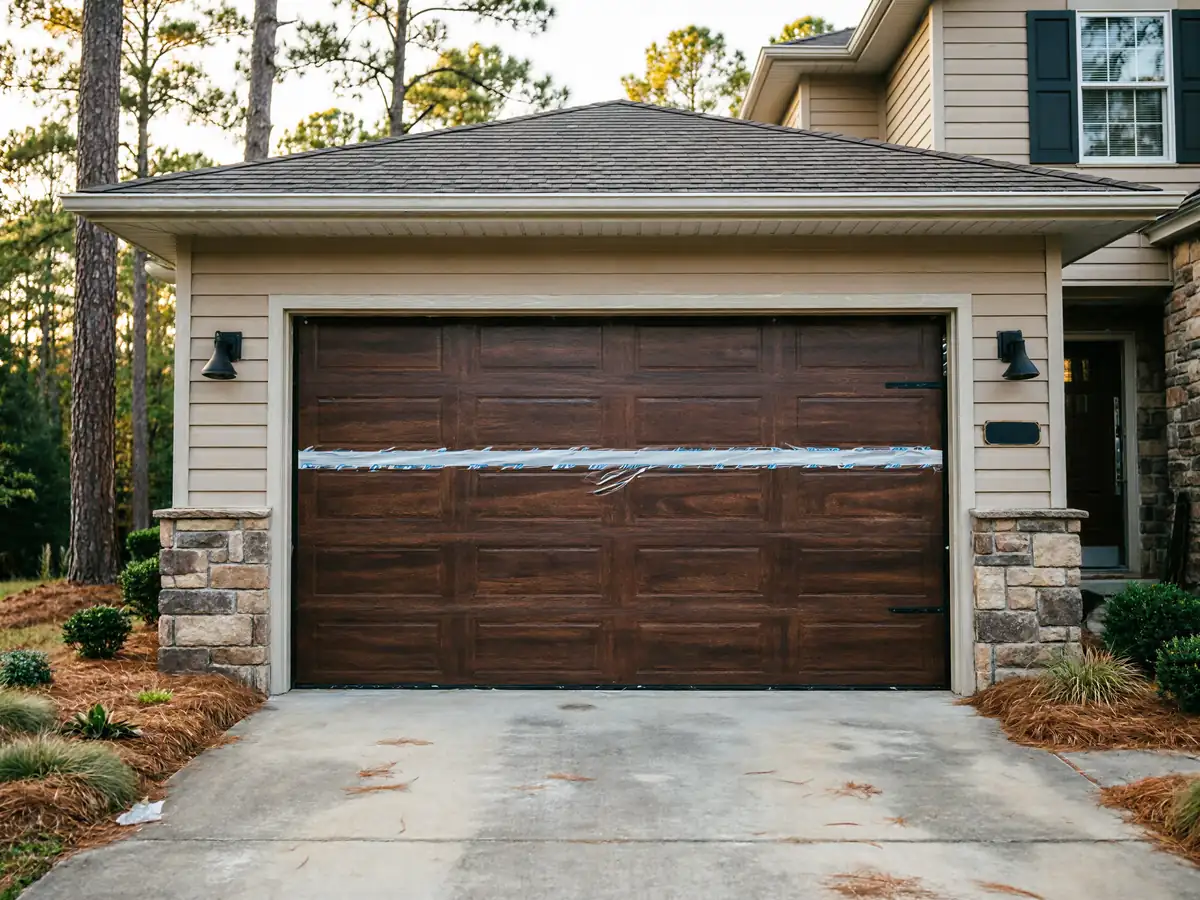
What Can Go Wrong
Burke's median household income runs $179,063
Well above the $137,878 median across the wider service area. That number matters here because it changes where the repair-or-replace line sits. A homeowner at this income level isn't stretching to cover a $300 spring job, but they also aren't going to pay to patch a door that's clearly at the end of its run. We see more clean replacement decisions in Burke than in older, lower-income pockets of the area, because the math isn't close - if the door's shot, people here tend to just replace it rather than keep nursing hardware along.
The houses themselves tell a story too
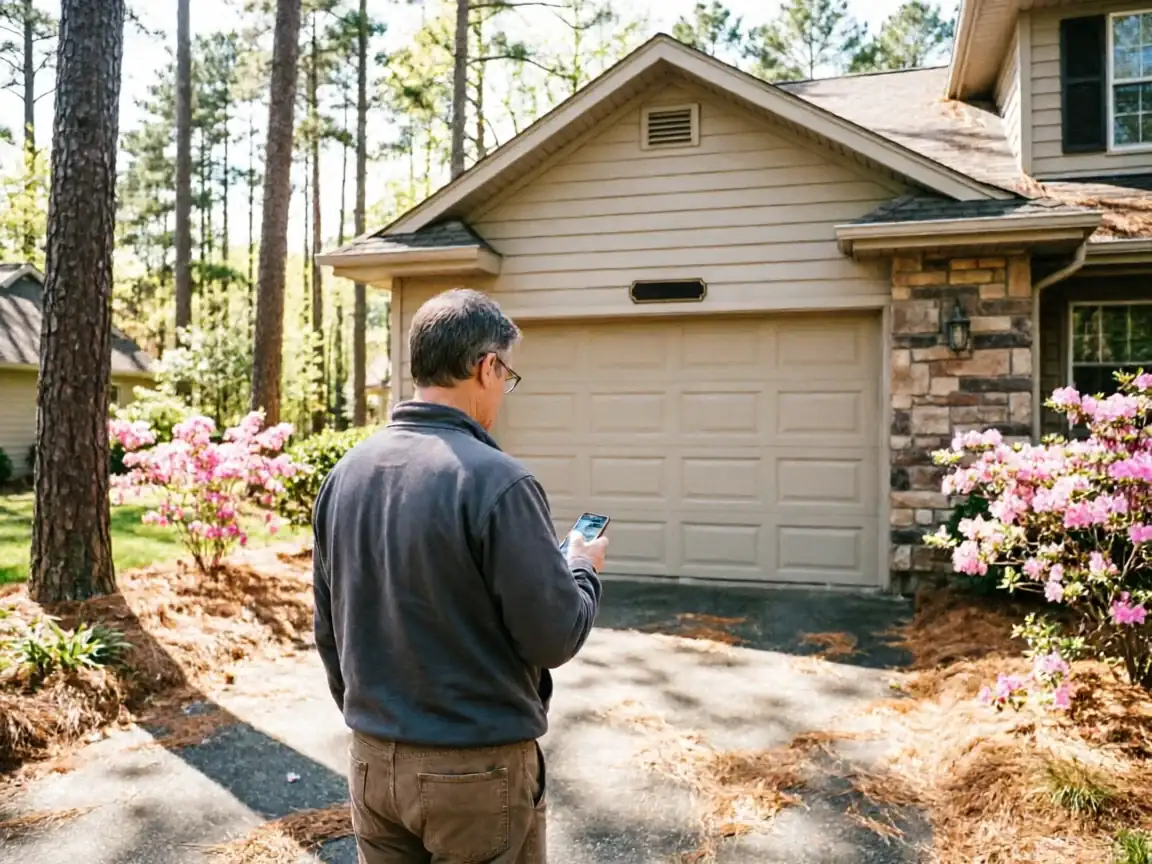
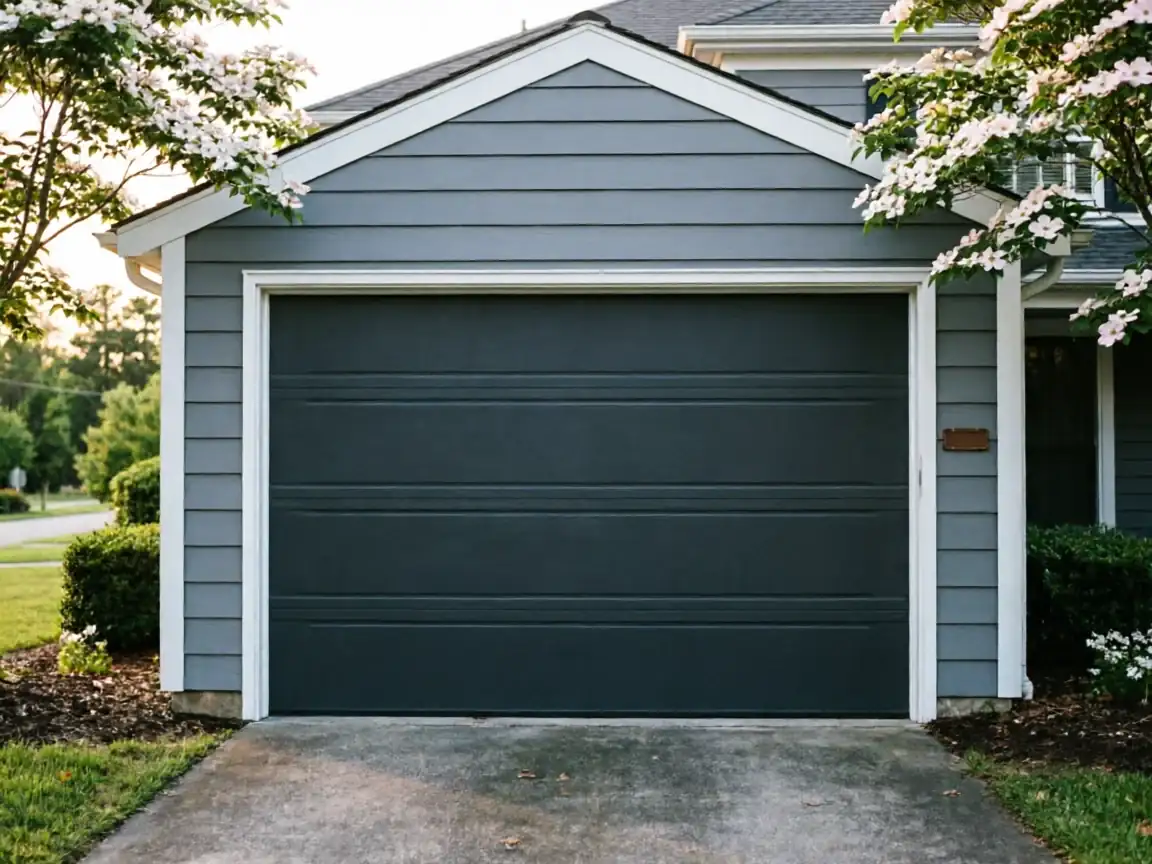
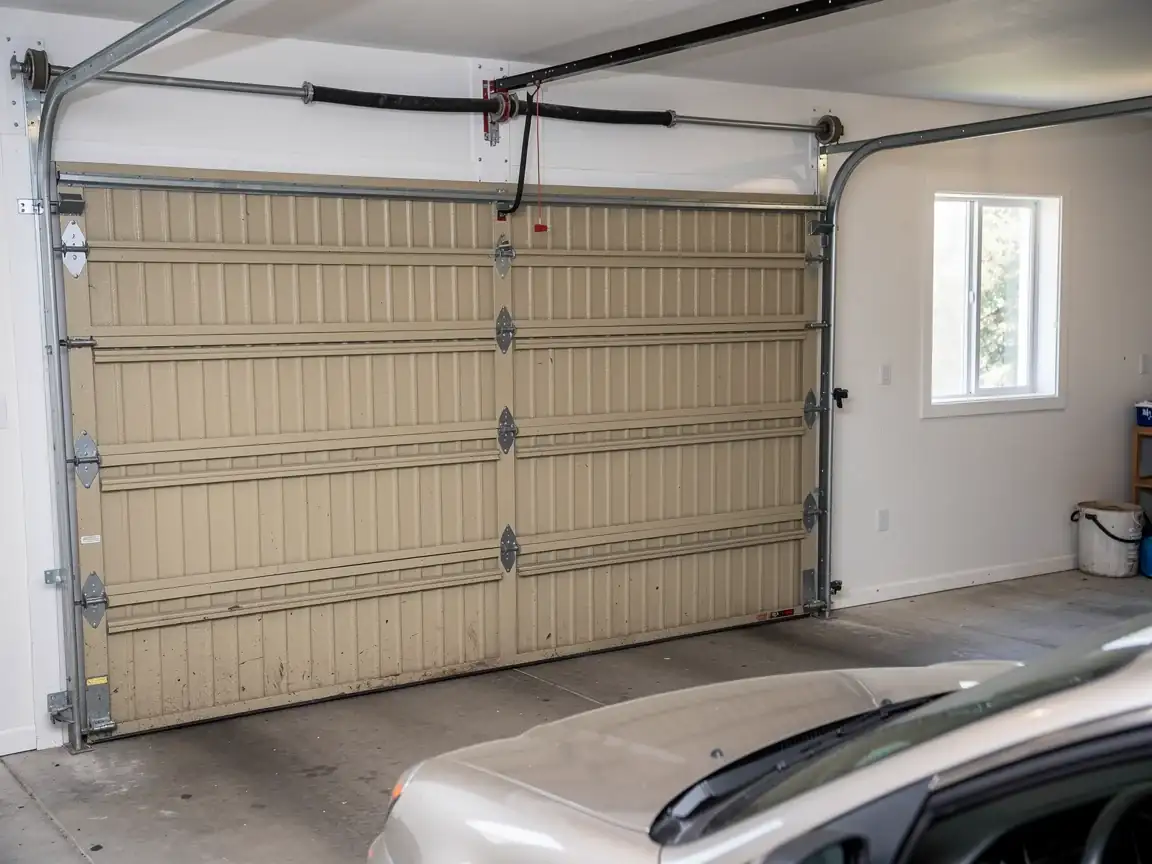
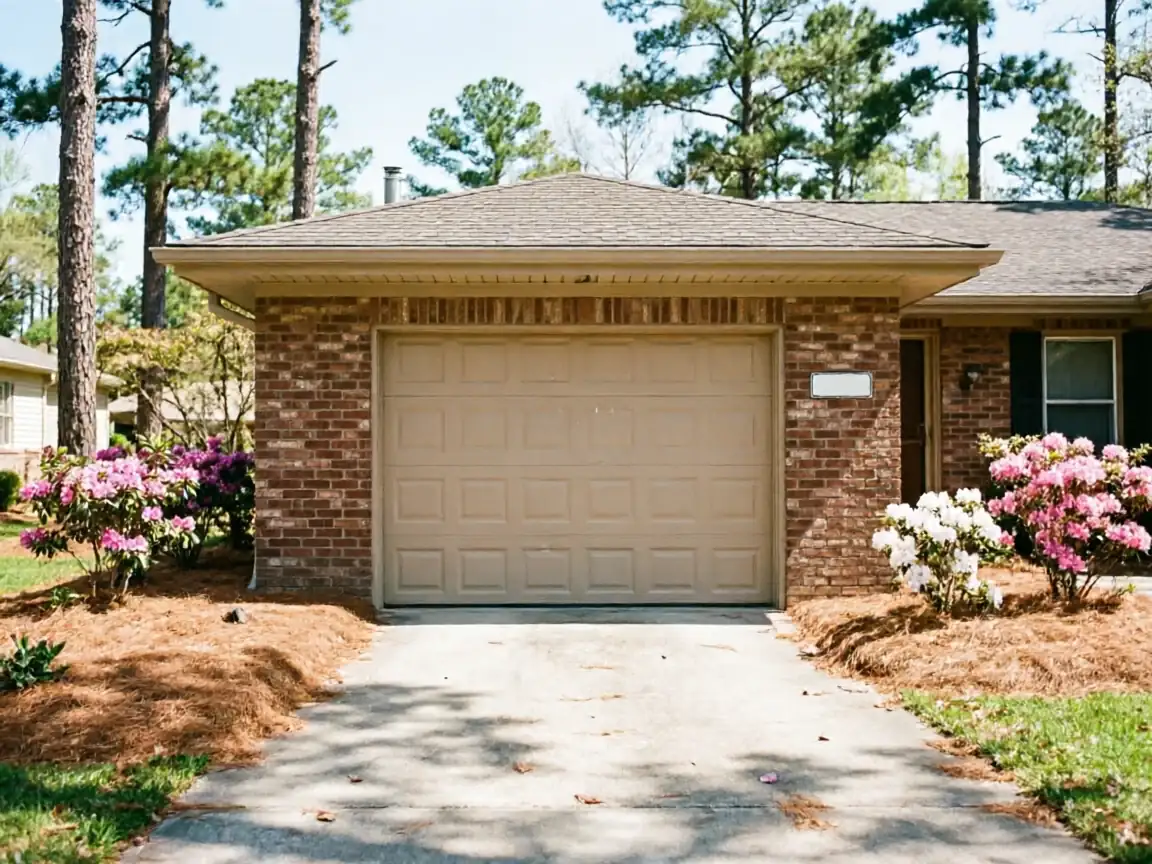
Most of Burke went up around 1979, part of a build wave that ran through the broader service area between 1940 and 2001 with a median around 1976. That puts Burke doors on the newer side of the stock we work on - old enough that the original opener has likely been swapped once, but not so old that extension-spring setups are common. Torsion springs under tension, steel panels, chain-drive or belt openers from a second or third install - that's the typical call.
How It Shows Up
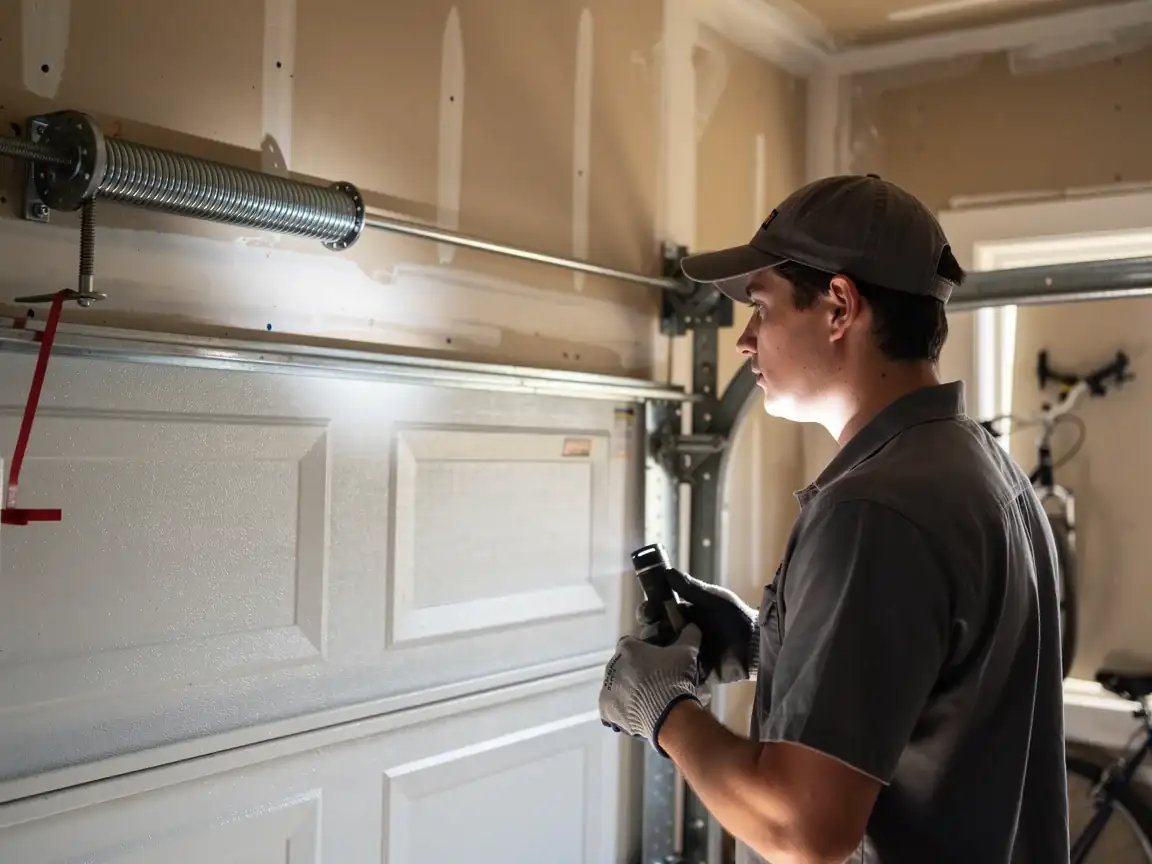
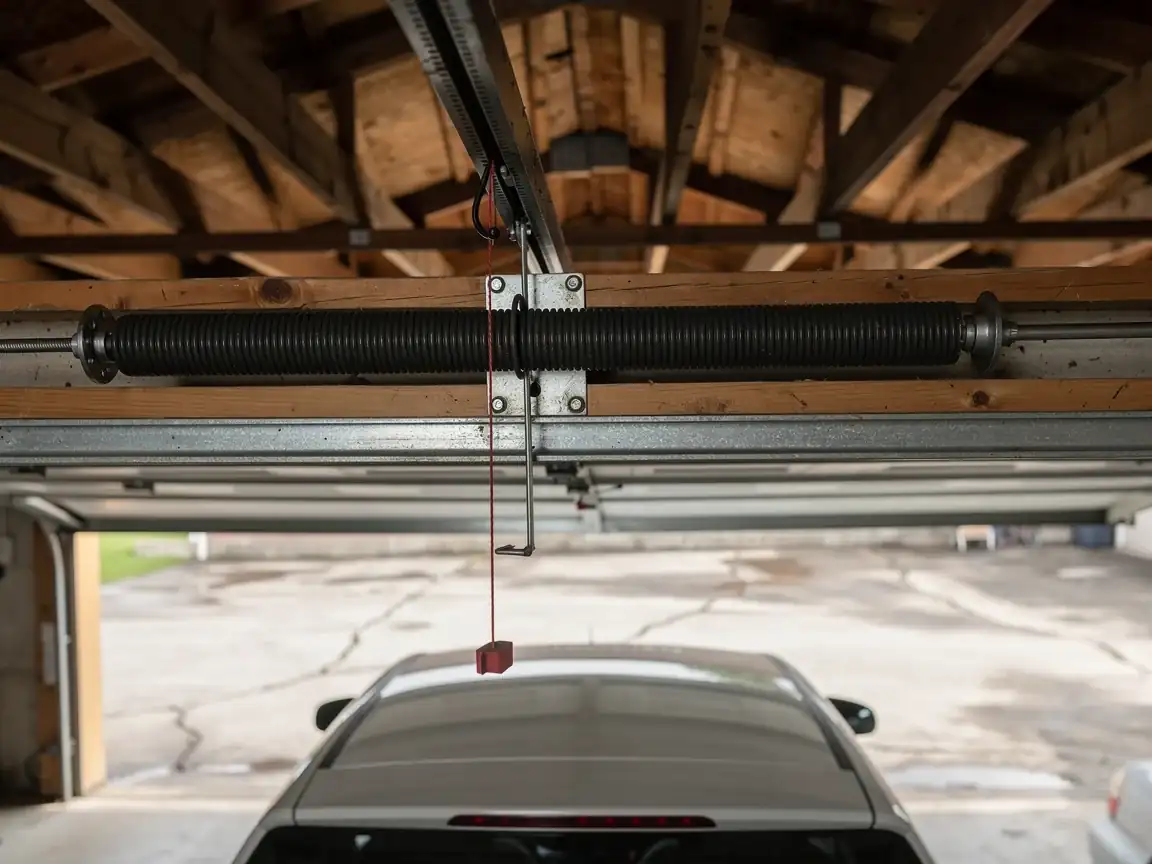
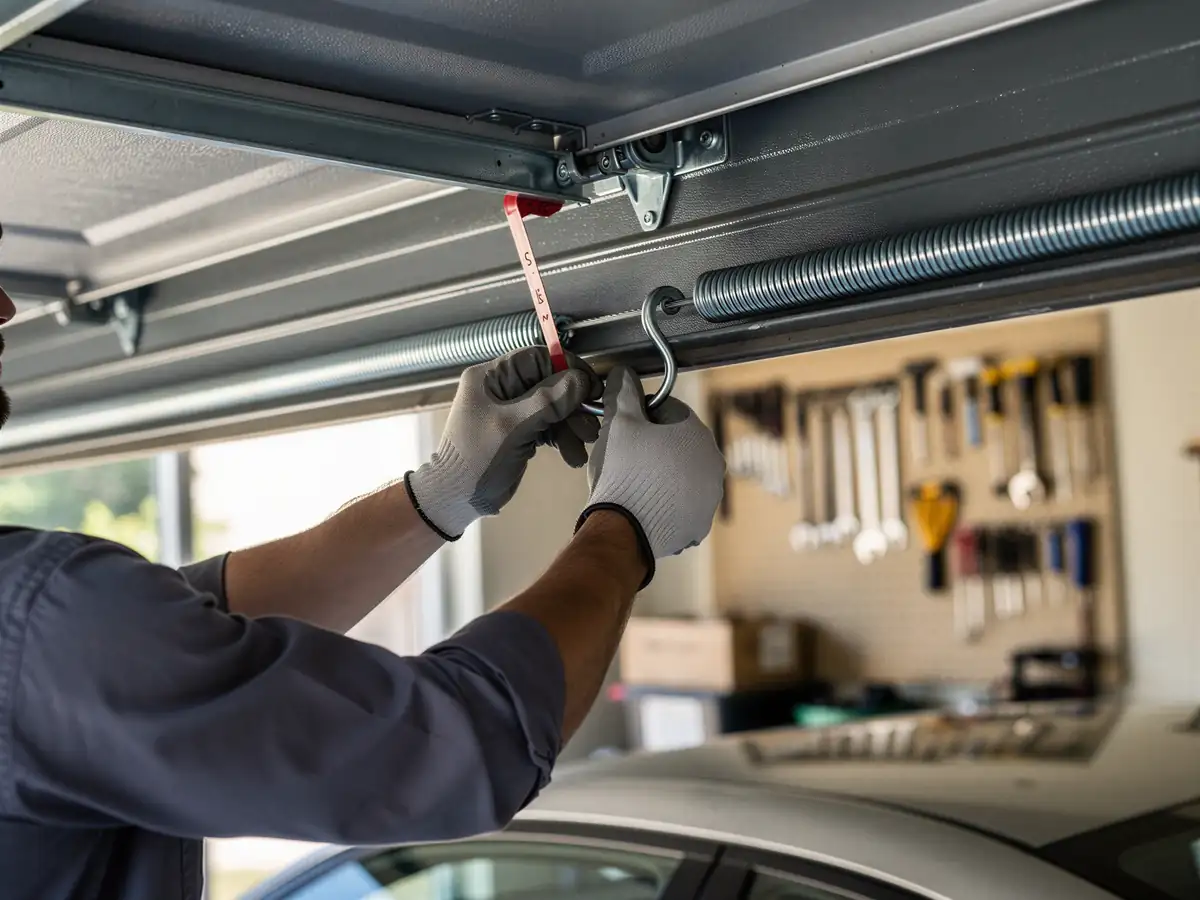
A door that won't lift, or lifts partway and stalls, is usually a torsion spring that's lost its wind or snapped outright. On a 1979-era Burke house that's had one opener replacement already, the spring is often original to that replacement rather than the house - which means it's had a full service life and is due.
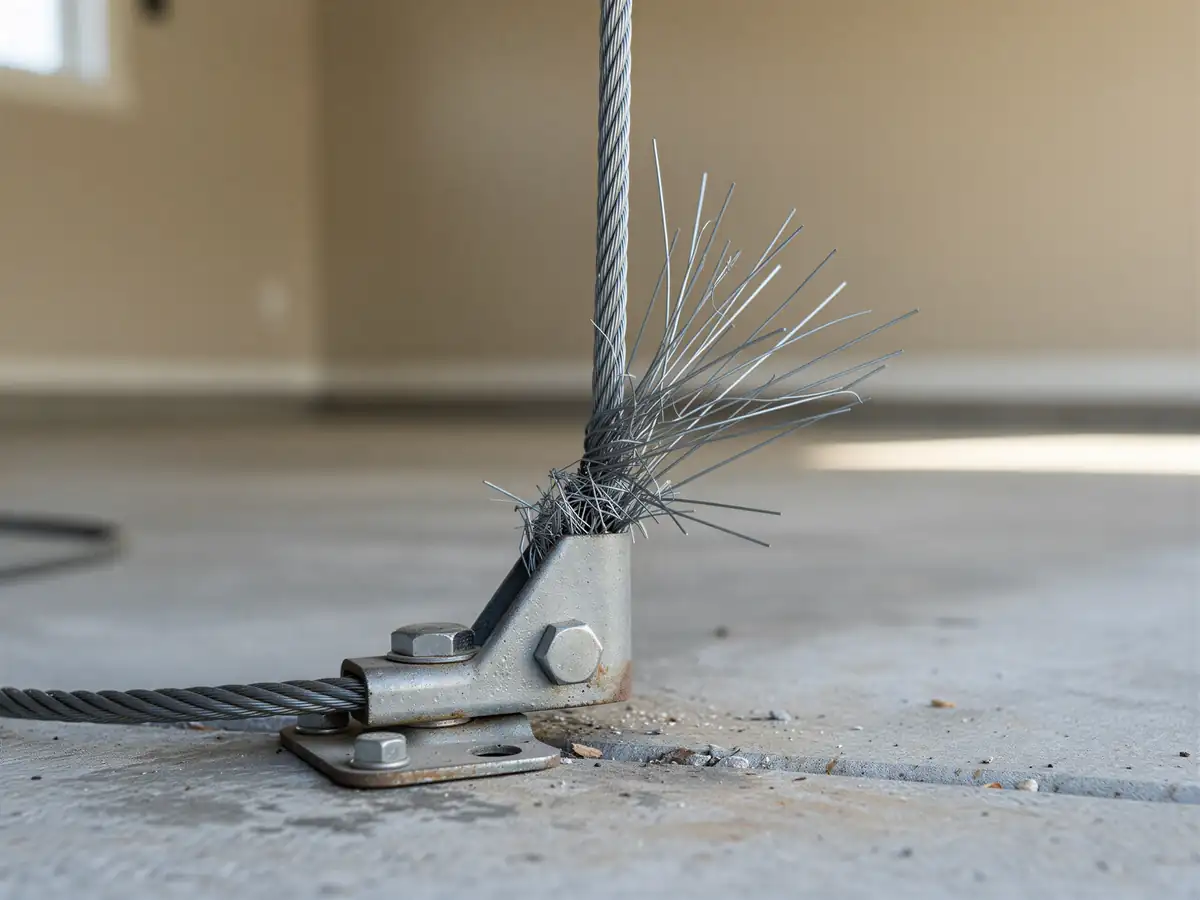
A door that slams down the last foot instead of settling is a different problem: worn cables or a rusted drum, not the spring. Winters here fall into the severe-cold band, and an unheated garage puts real stress on steel cable and galvanized springs over a cold season - metal fatigues faster with repeated cold-to-warm cycling than most people expect.
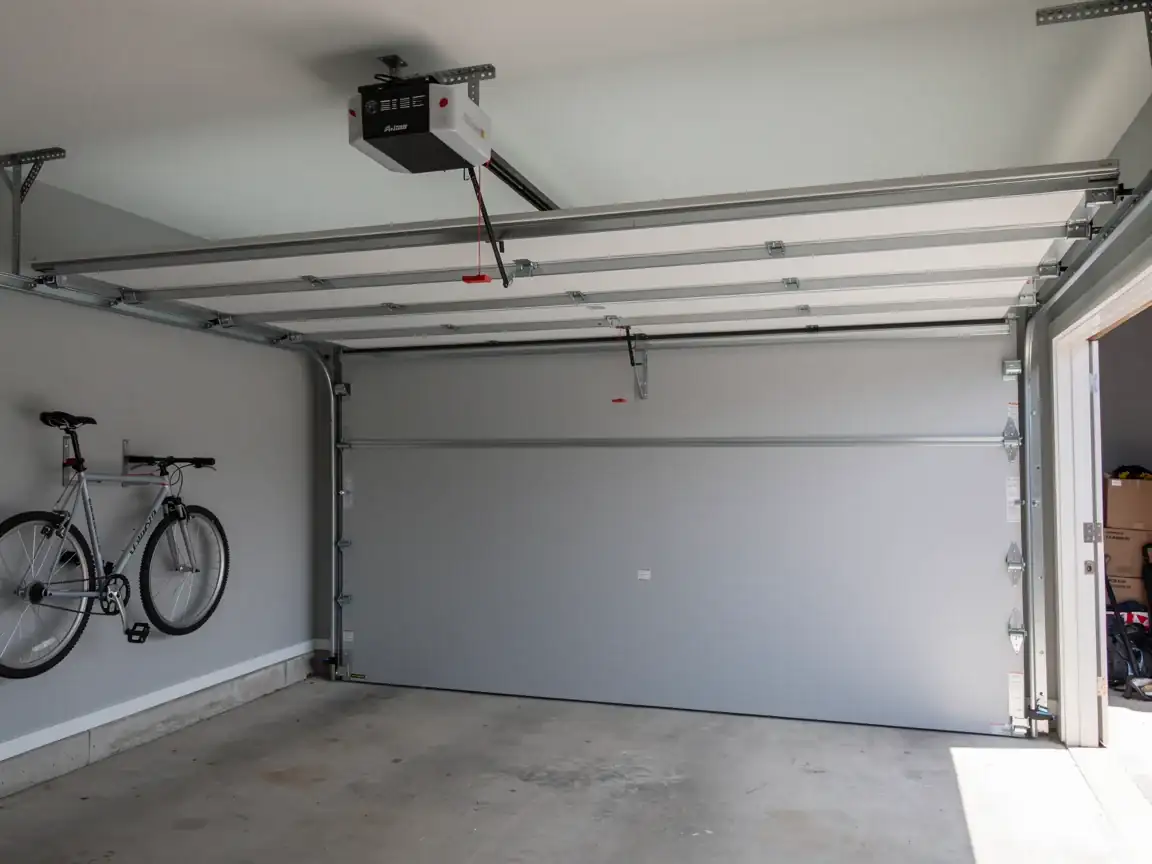
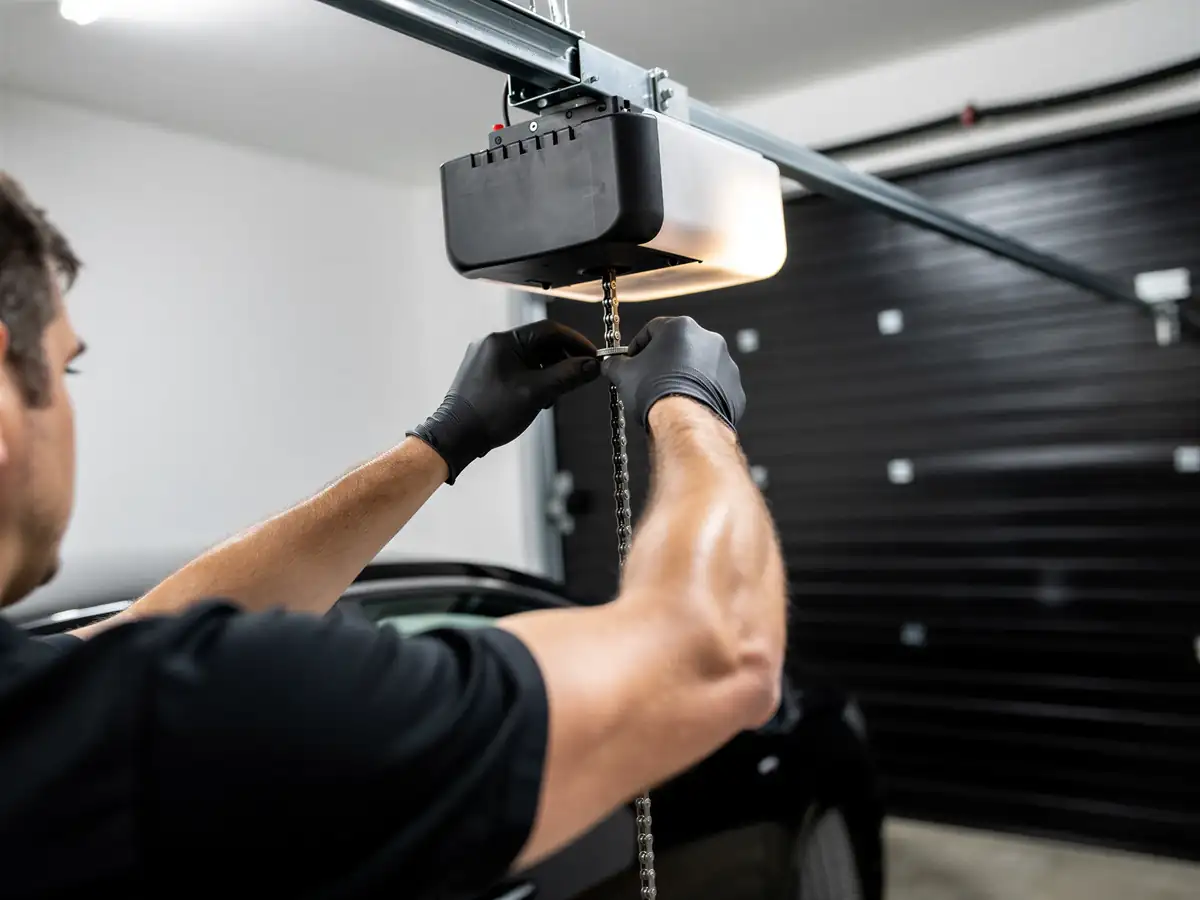
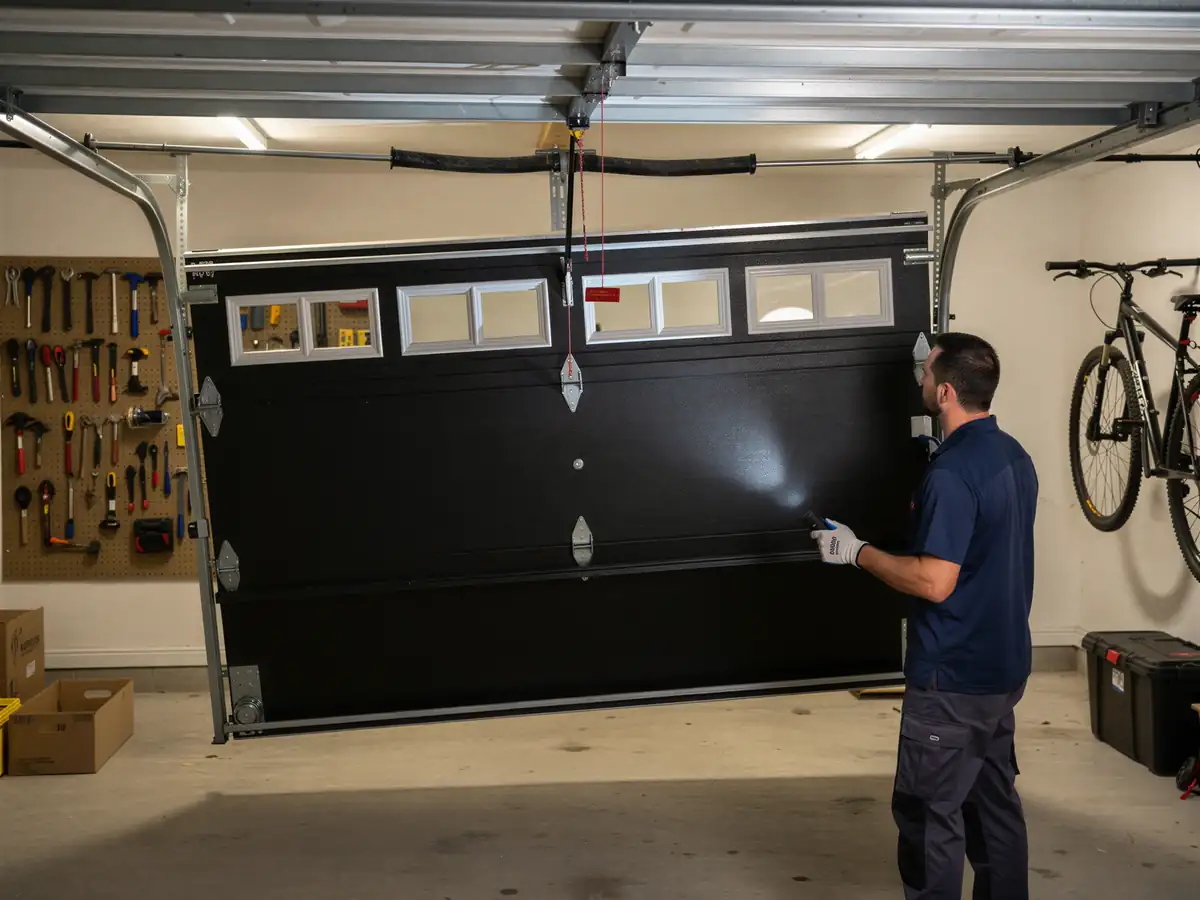
Grinding or a door that walks off-track as it moves points to rollers or a bent track section, usually from age rather than a single impact. And an opener that runs but the door doesn't move is almost always the drive gear or belt inside the unit, not the door itself - easy to misdiagnose as a spring problem over the phone.
What the Repair Takes
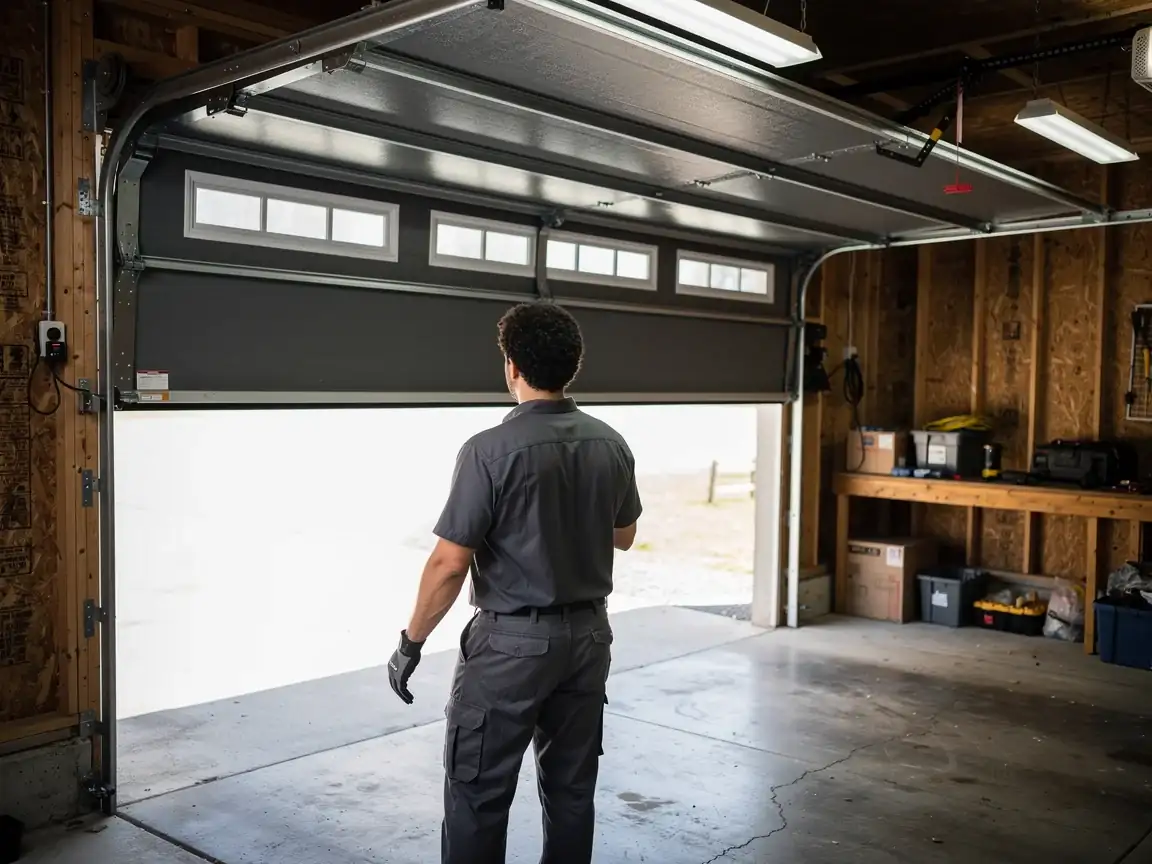
Spring replacement on a standard double door is a same-visit job once we're on site - we bring sized torsion springs on the truck and wind them to the door's weight, not a stock size. Cable and drum replacement is similar: straightforward, done in one trip.
Opener repairs vary more. If it's the logic board or a worn gear set inside a common residential unit, we usually carry what's needed. If the house still has its original 1979-era opener - which does happen - parts for that generation aren't something any truck stocks, and we'll tell you straight that replacement beats repair there.
Track and roller work depends on how bent the track is. A section that's knocked out of alignment can sometimes be reset; a section that's bent can't - it gets replaced, and that adds time to source the right profile for an older frame. We'll know which one it is in the first few minutes on site, not before.
Stocked Parts
We carry torsion springs sized for standard residential doors, ball-bearing and nylon rollers, galvanized lift cables, and the drive components for the drive systems most common on doors installed or replaced from the 1990s forward
That covers the bulk of what breaks on a house built around 1979 that's had at least one opener swap since.
What we don't carry on the truck
Parts specific to an original-to-the-house opener from the late 1970s, if one is somehow still running. Those are obsolete production runs, and if you've got one, the honest call is usually a new opener rather than a hunt for a matching part. We'll say that on site rather than quote you a repair that won't hold.
Can You Do This Yourself
Roller replacement and tightening loose hardware - track bolts, hinges - are within reach for someone comfortable with a ladder and a wrench. A torsion spring is not. It's wound under enough tension to break bones if it slips off a winding bar, and the tools to do it safely aren't something most garages have lying around.
If your door is dropping unevenly or one side feels heavier than the other, don't force it open by hand to see what happens - that's how cables snag and springs that are already weak finish failing. Call it in and let someone with the bars and the clamps handle it.
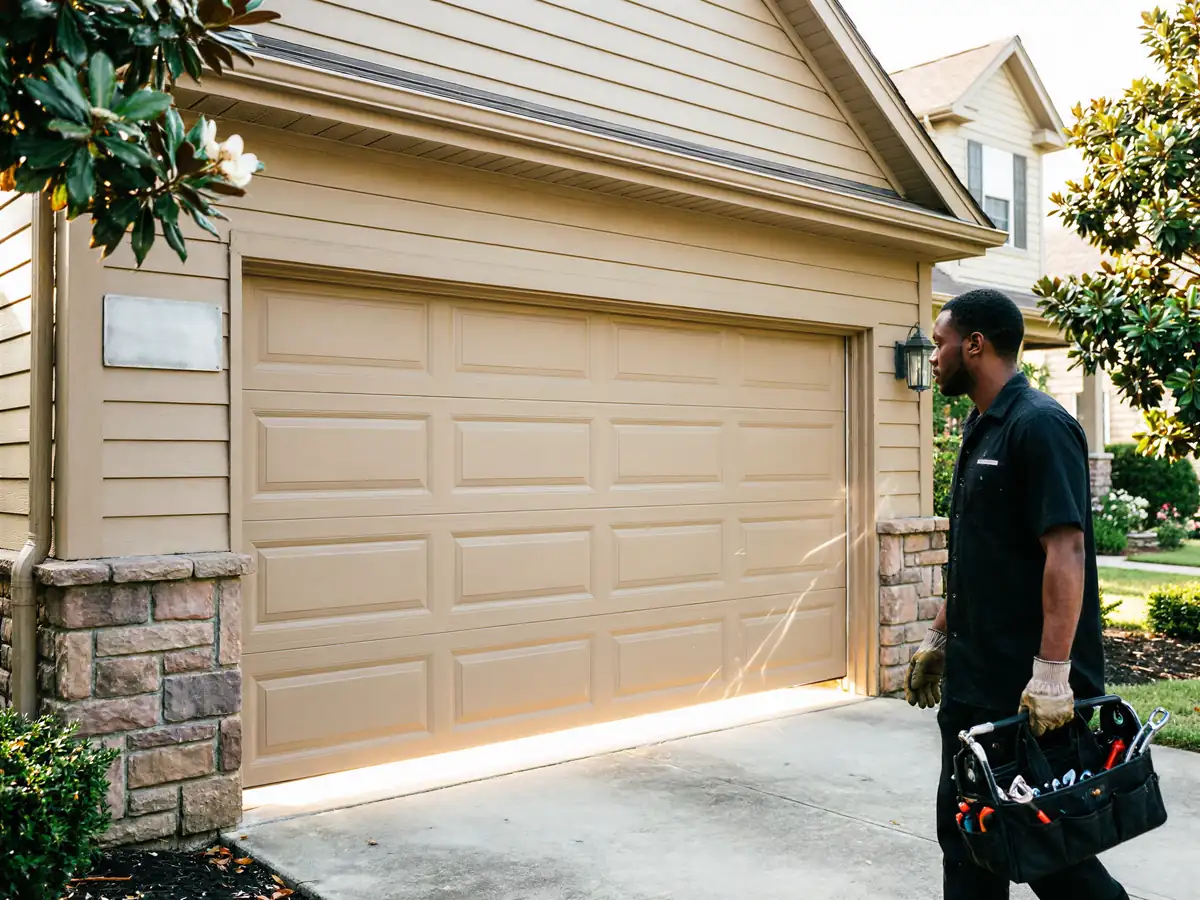
We travel the 11 miles out from Arlington for Burke calls, so we're not a same-hour walk-in shop - but spring and cable work on a standard door is a controlled job once we're there, not an experiment.
How Long You Are Without the Door
Most spring, cable, and roller jobs on a standard Burke garage are finished in one visit once the truck arrives - there's no waiting on parts for the common failures. Opener repairs on current-generation units go the same way.
Where it stretches out is anything needing an off-the-shelf part we don't carry: an obsolete opener board, a track profile sized for an older frame, or a full door replacement where you're choosing a panel style. Those jobs mean a return trip once the part or door is in hand, not a same-day fix. We'll tell you up front which category your repair falls into so you're not guessing whether the car's sleeping outside for a night or a week.