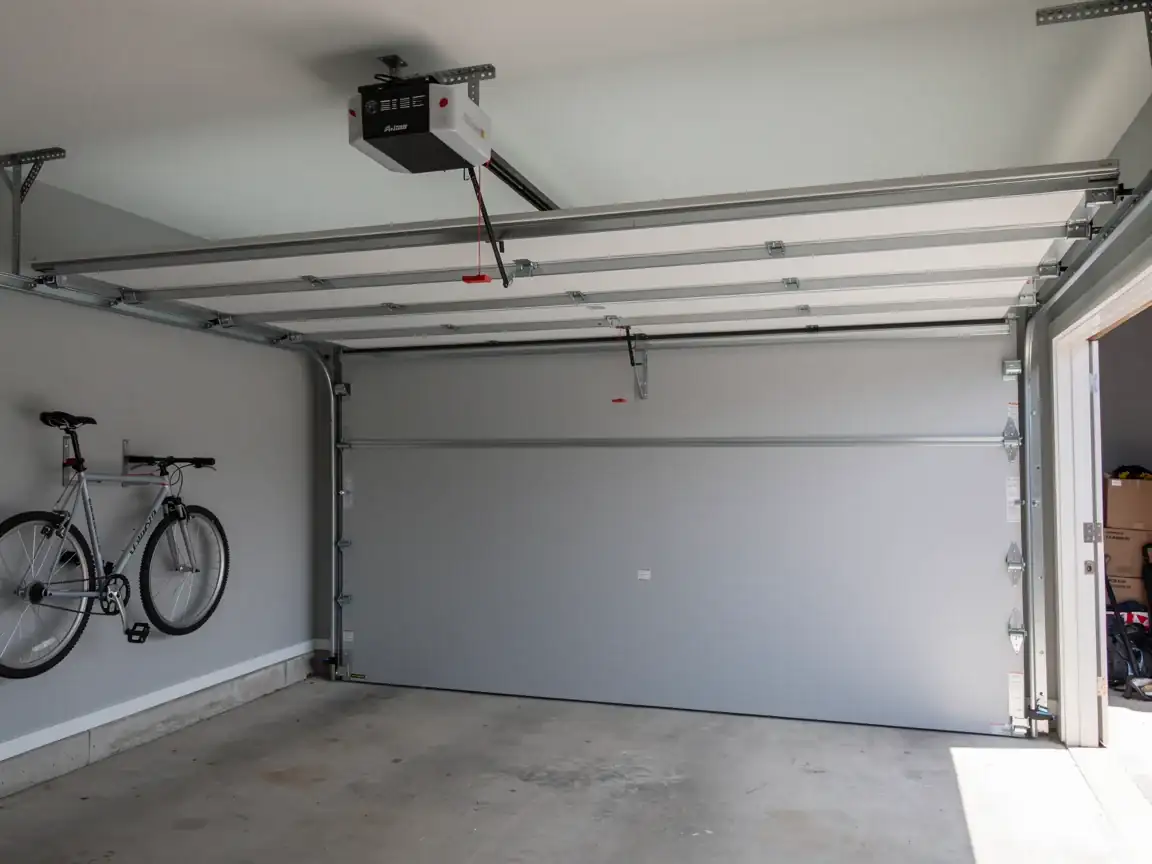
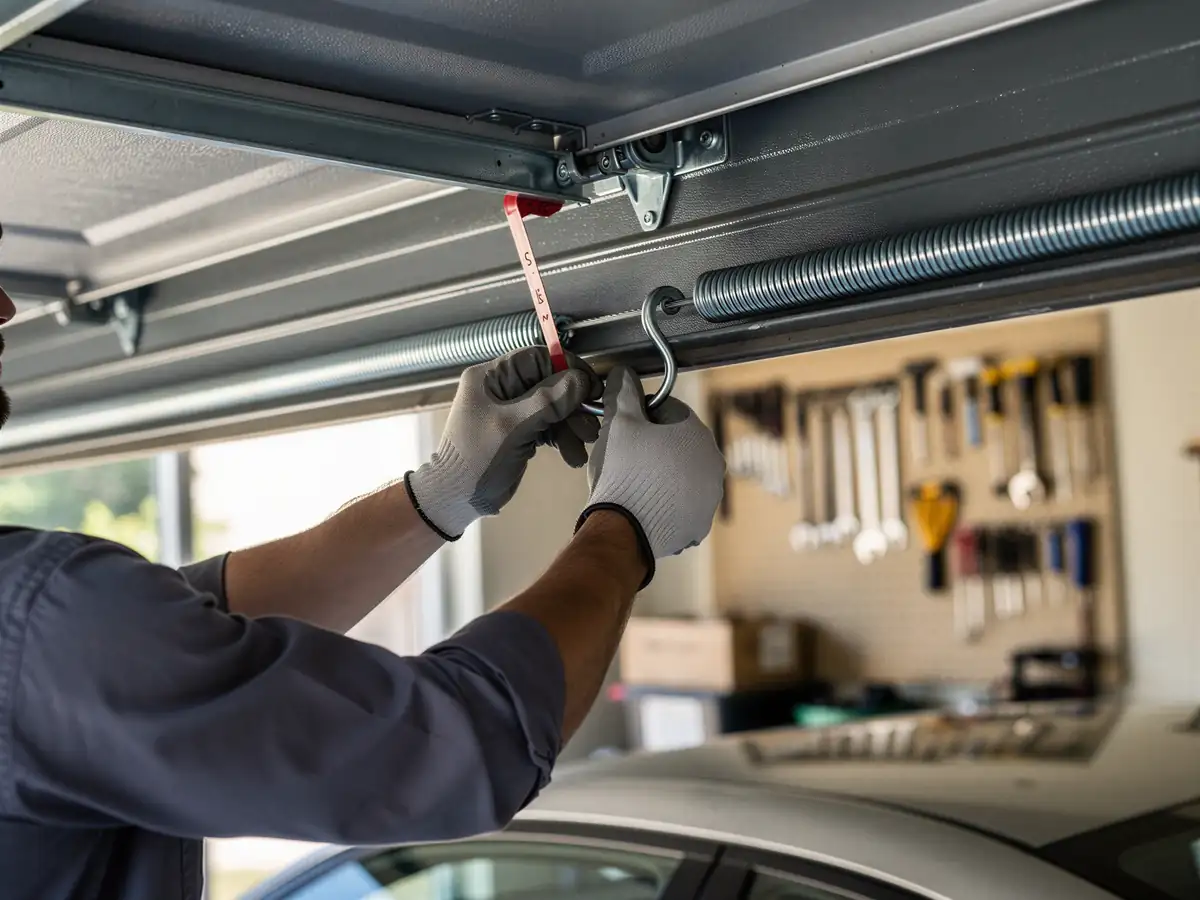
How It Shows Up
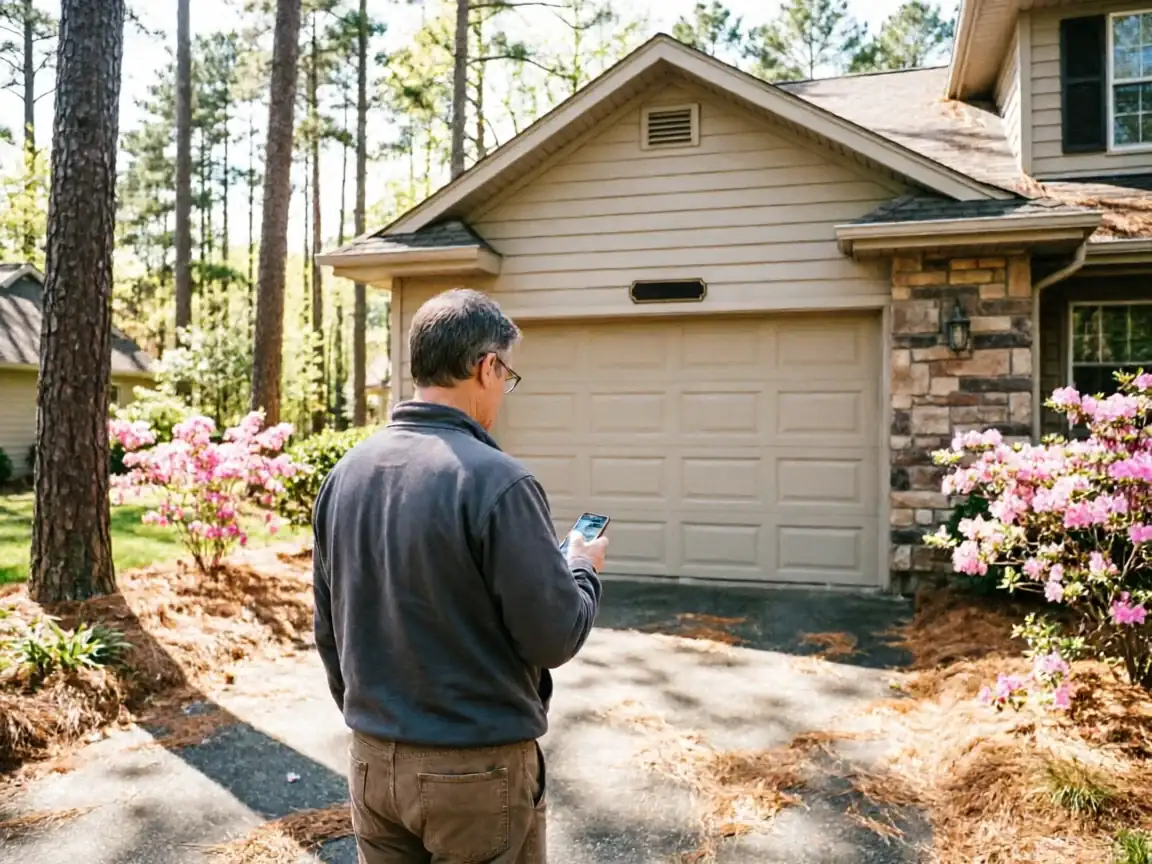
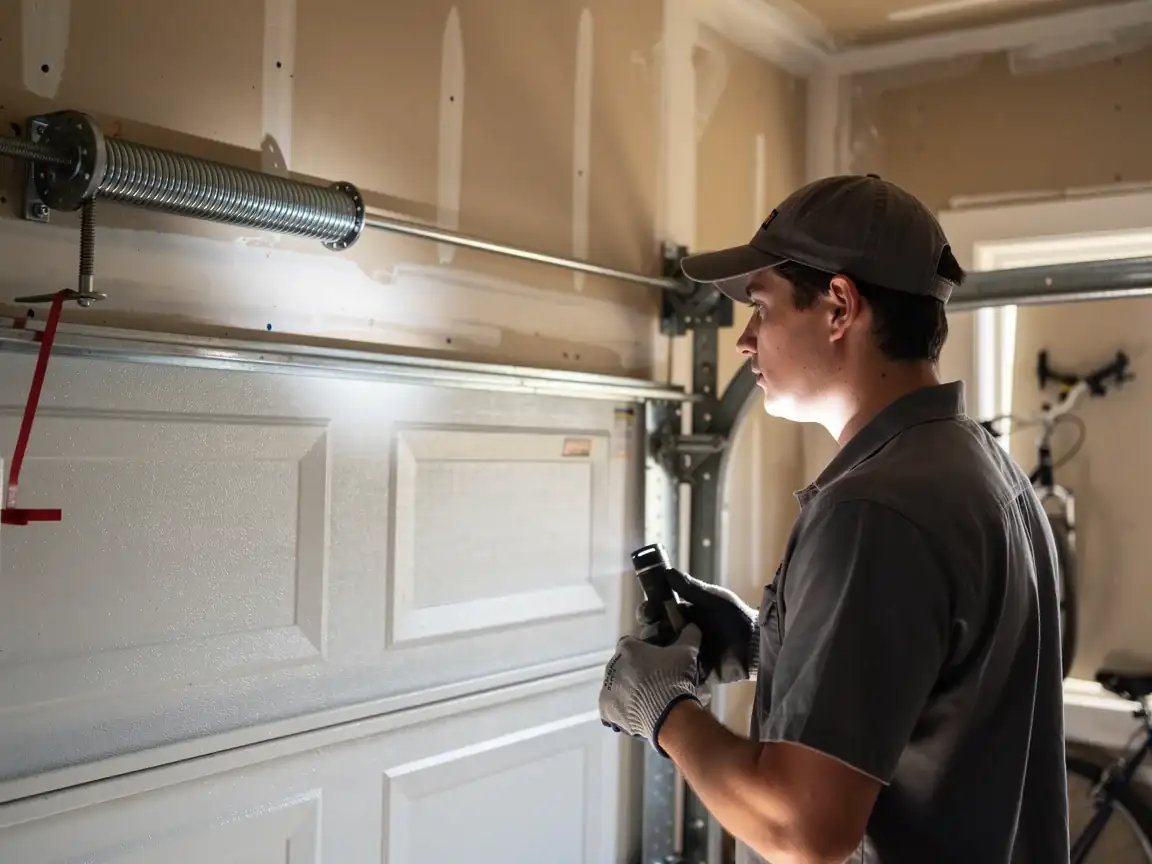
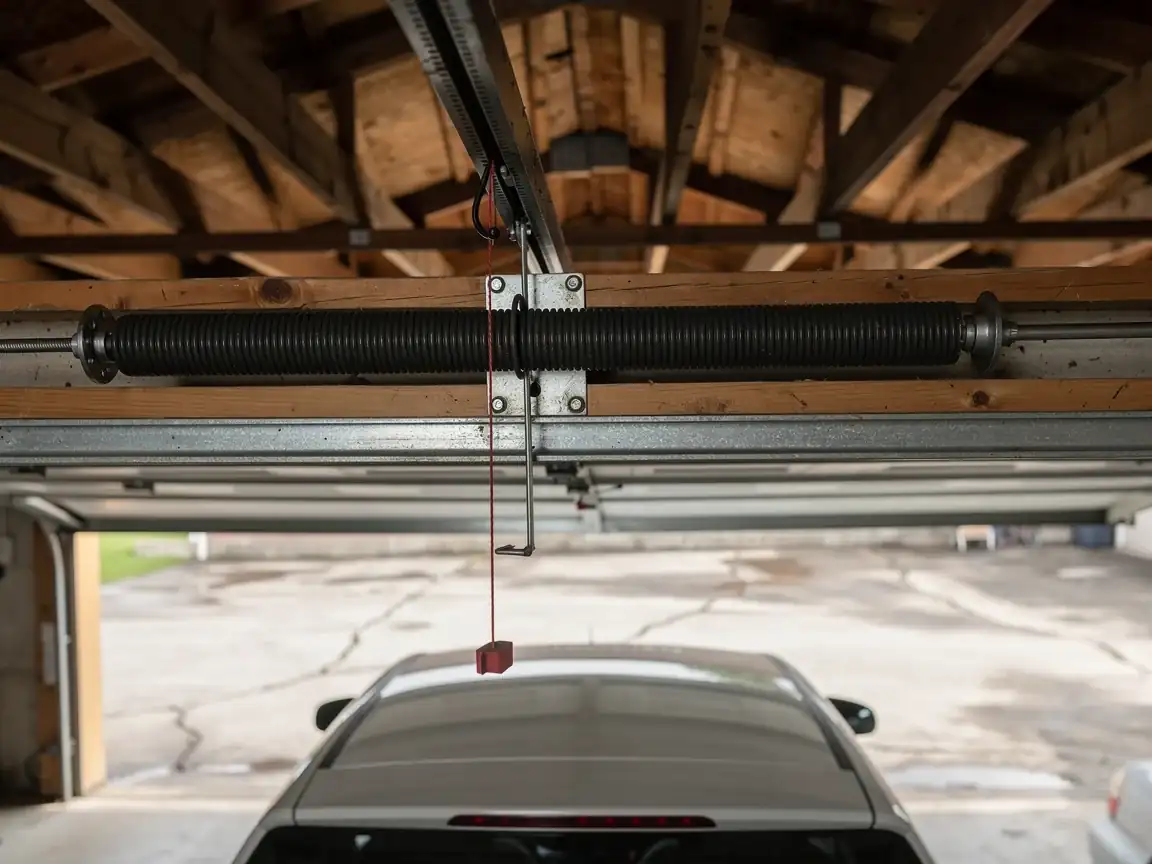
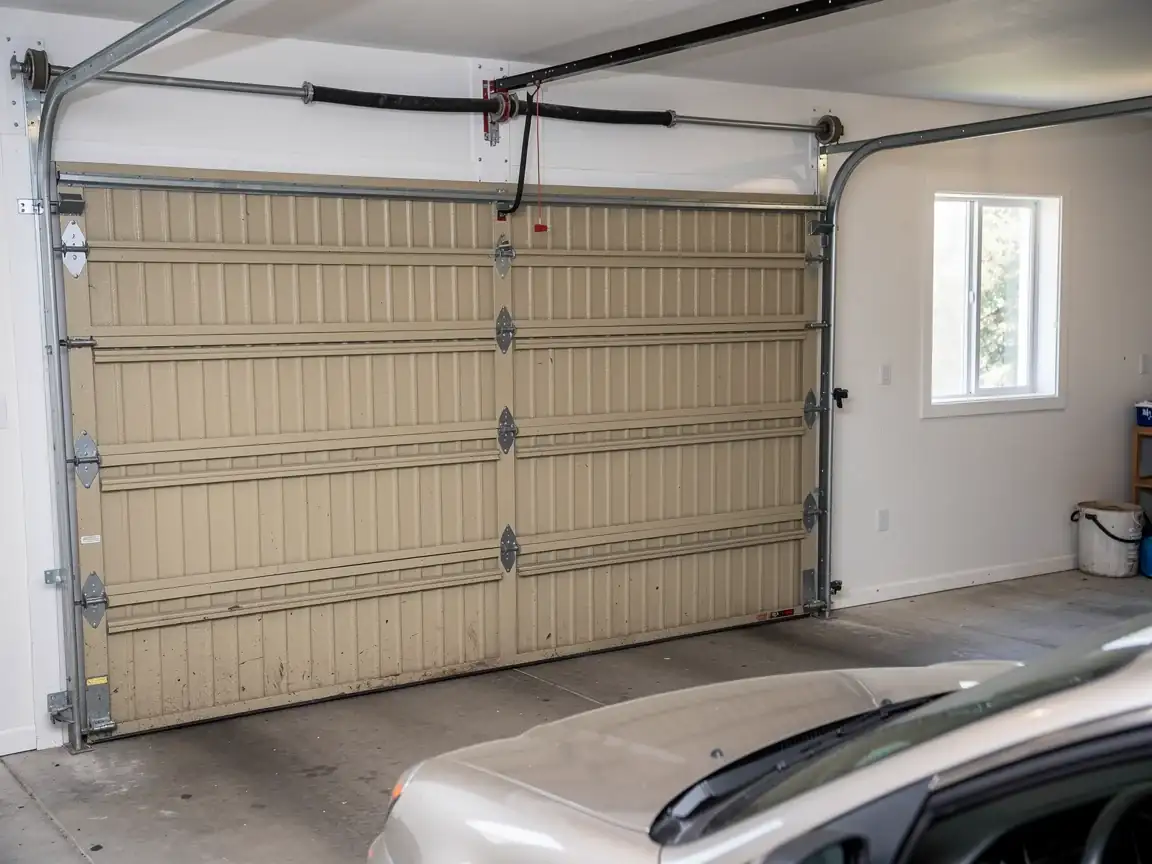
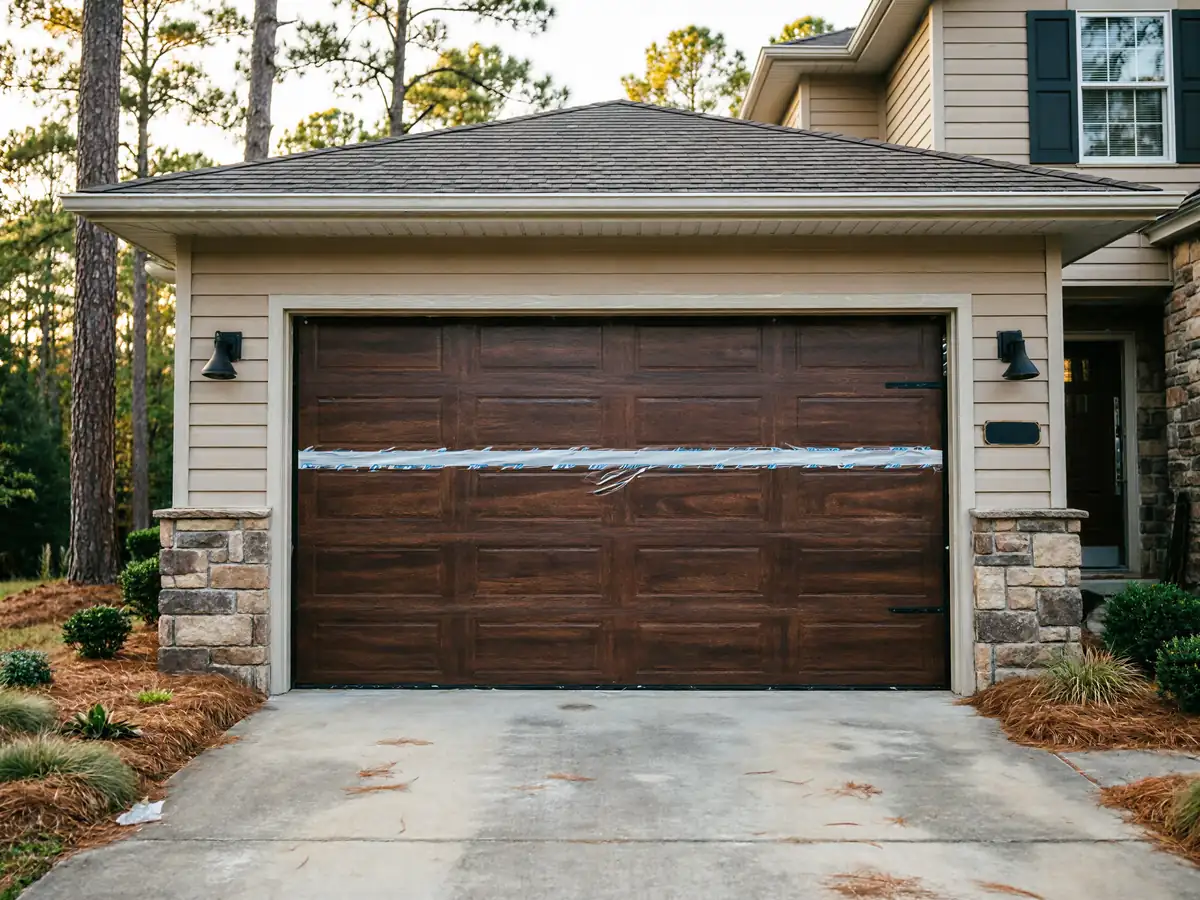
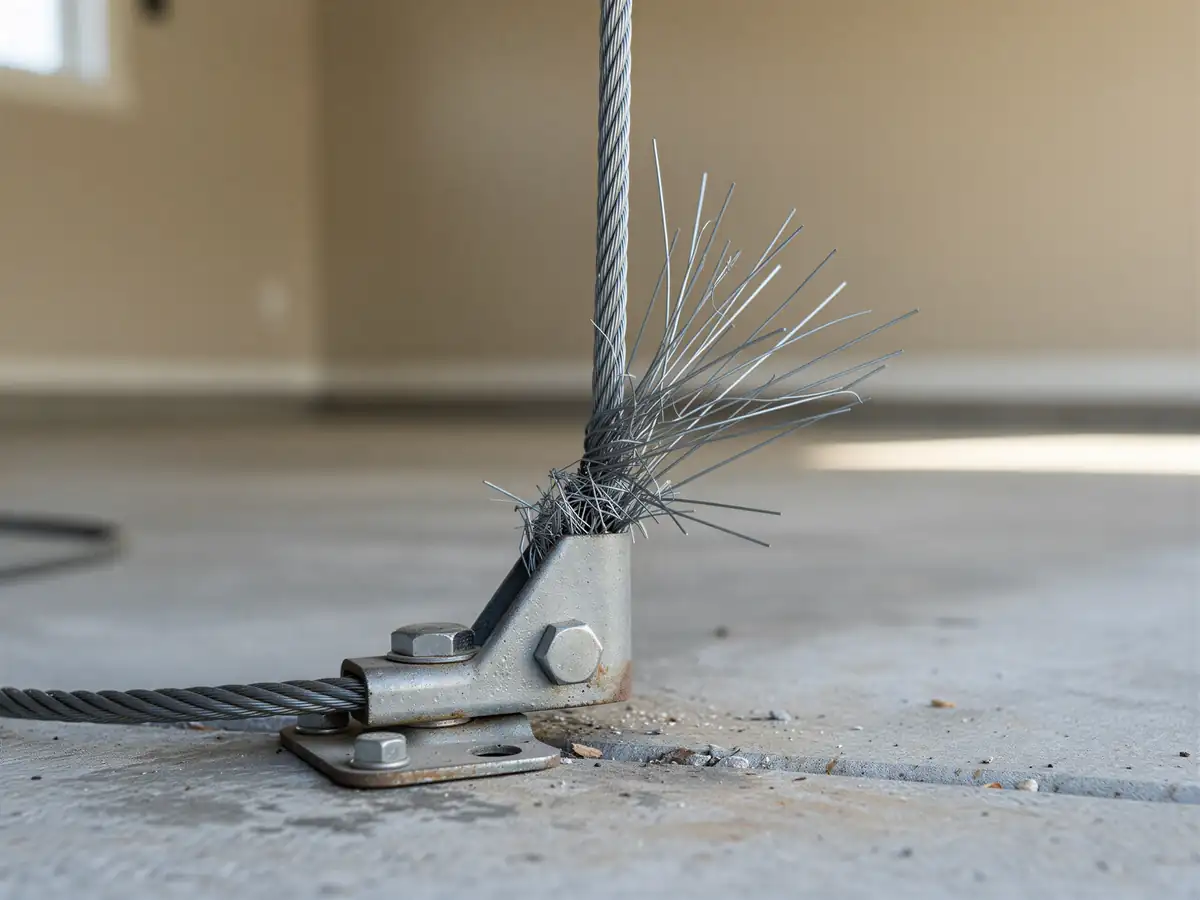
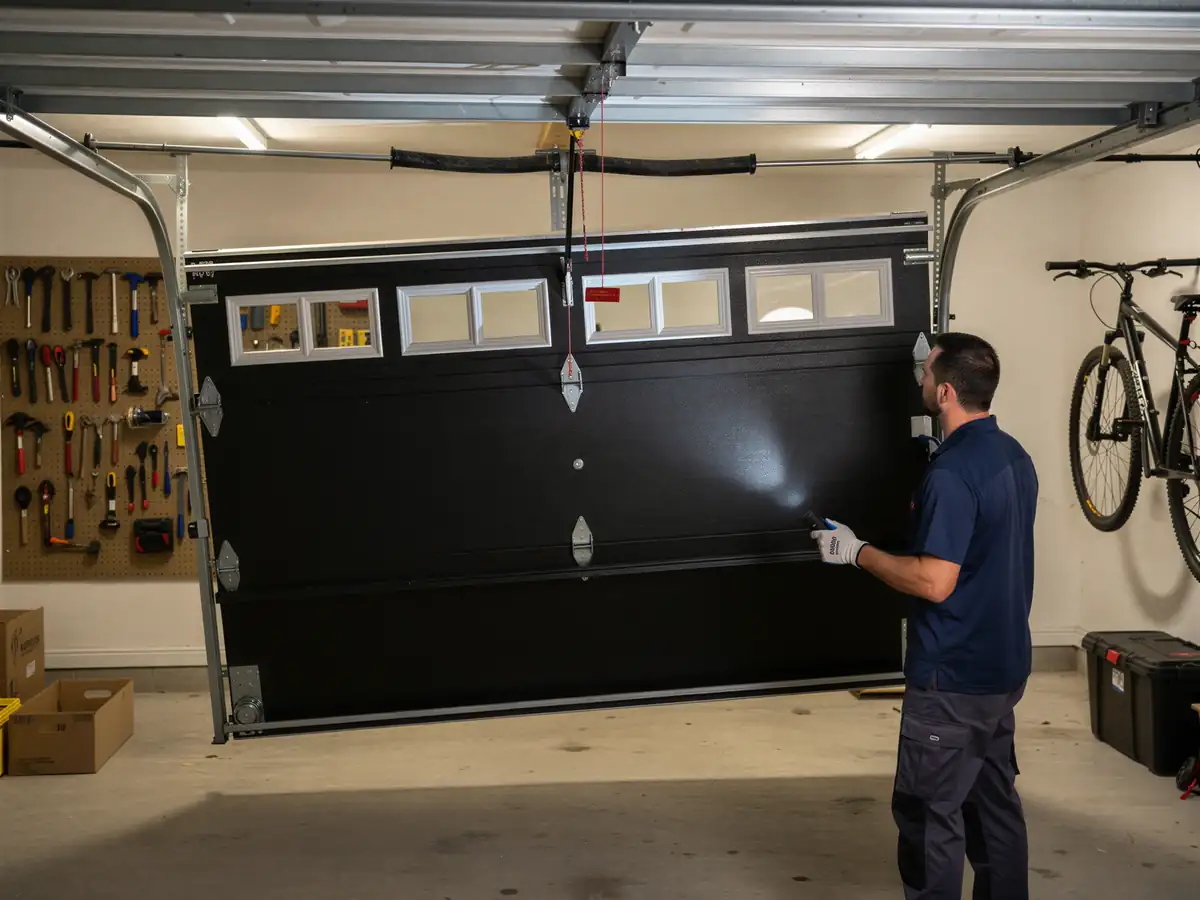
A failing torsion spring on a door from this era usually announces itself before it snaps outright. The door starts to feel heavy when you lift it by hand with the opener disconnected - that's the clearest early sign, and it's the one test we tell owners to try first. You might also notice the opener straining, making a harder grinding noise than usual, or the door stopping partway and reversing. On older double doors with two springs, an uneven gap at the top when the door is closed usually means one spring has lost tension while the other hasn't. If a spring has actually broken, you'll hear it - a loud bang, often loud enough that neighbors ask about it. After that, the door won't open on the opener at all, and lifting by hand will feel like dead weight. None of these signs point to the same repair; a heavy-but-moving door and a door that won't budge after a bang are different jobs with different parts on the truck.
What the Repair Takes
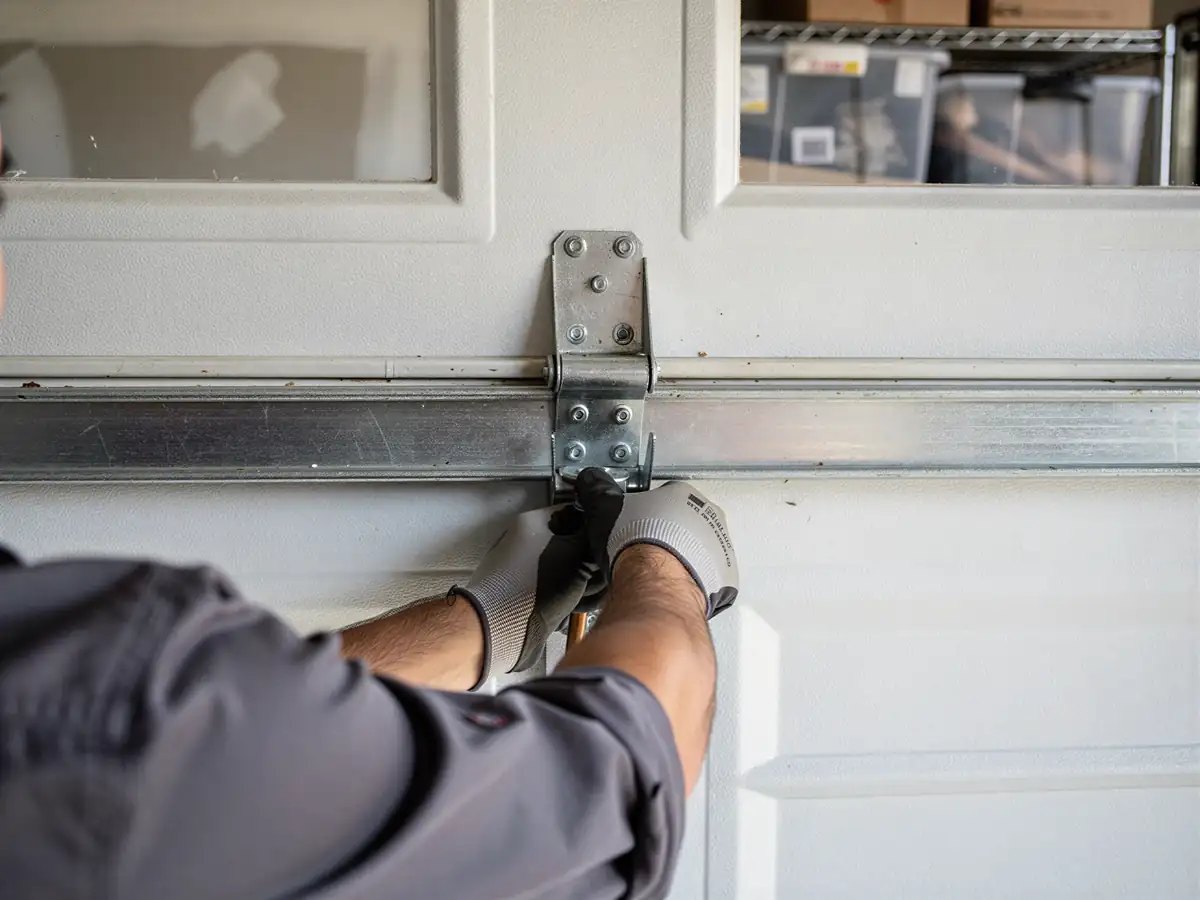
Spring replacement is a measured job, not a swap-and-go. We measure the wire diameter, coil length, and inside diameter of the existing spring, check that against the door's actual weight, and match it rather than just installing whatever was there before - that's how a mismatched spring from a prior repair gets corrected instead of repeated. For a standard single door that's a shorter job; for a heavier double door common on the larger lots in this area, winding the spring to correct tension takes longer and matters more, since an error there is what causes premature failure down the line. We also check the cables, drums, and center bearing while the spring is off, since those parts wear together and a new spring on a worn bearing just fails again sooner. We travel out from Arlington for these calls, so we schedule the visit rather than offering a same-day walk-in - worth knowing before you call.
Can You Do This Yourself
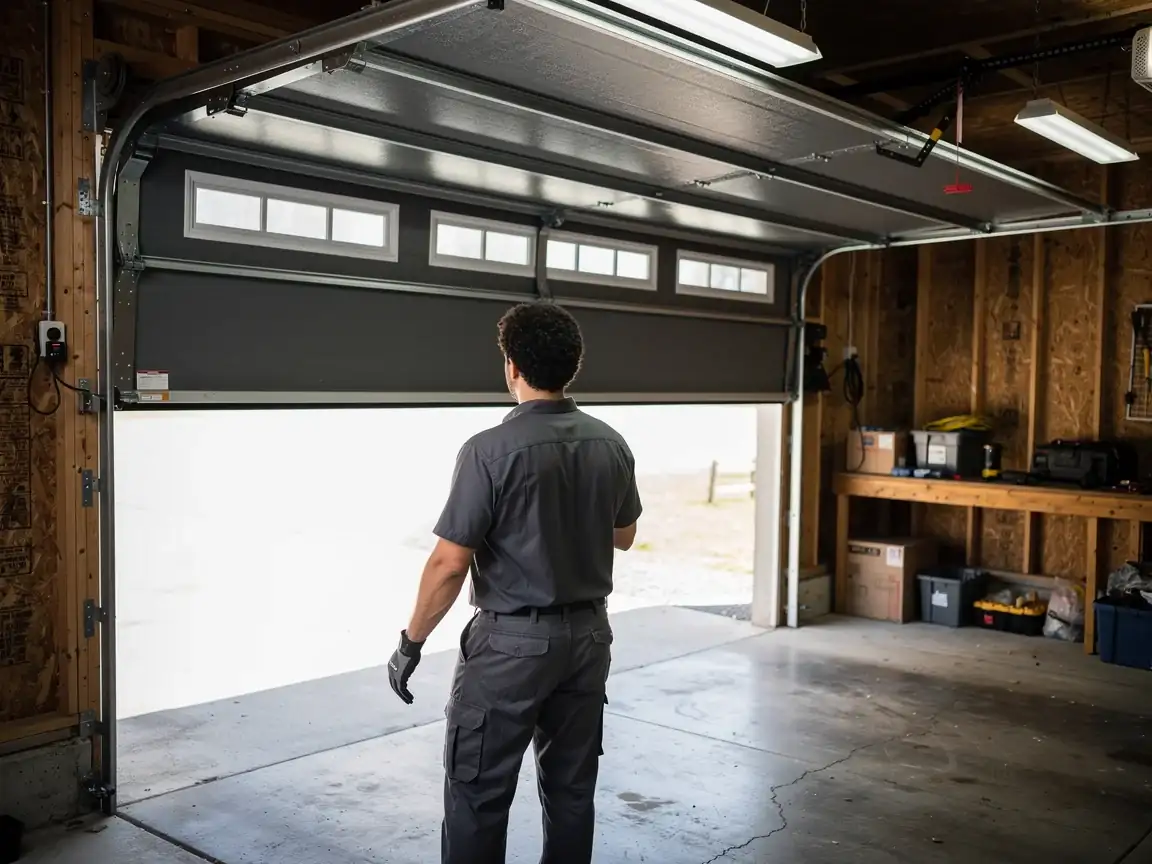
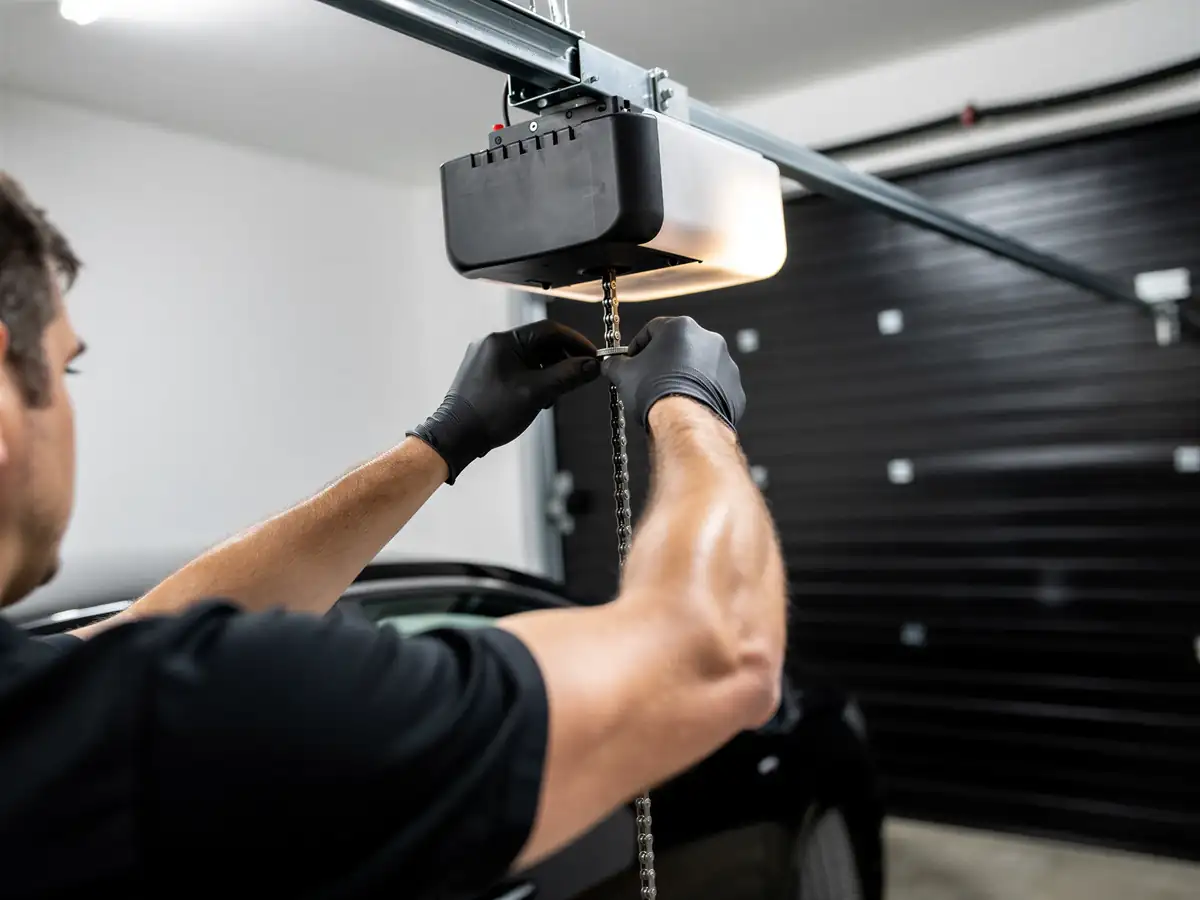
We'll say this plainly: torsion spring replacement is not a do-it-yourself repair, and not because the mechanics are complicated. A wound torsion spring holds enough stored force to cause a serious injury if it's released uncontrolled, and the winding bars and clamps needed to do it safely aren't something most homeowners have sitting in the garage. If your spring has broken, the safe move is to leave the door closed, keep the opener disabled so nobody triggers it, and call someone to measure and replace the spring properly. Lubricating hinges and rollers, checking the track for debris, and tightening loose hardware are all reasonable homeowner tasks. The spring itself isn't.
How Long You Are Without the Door
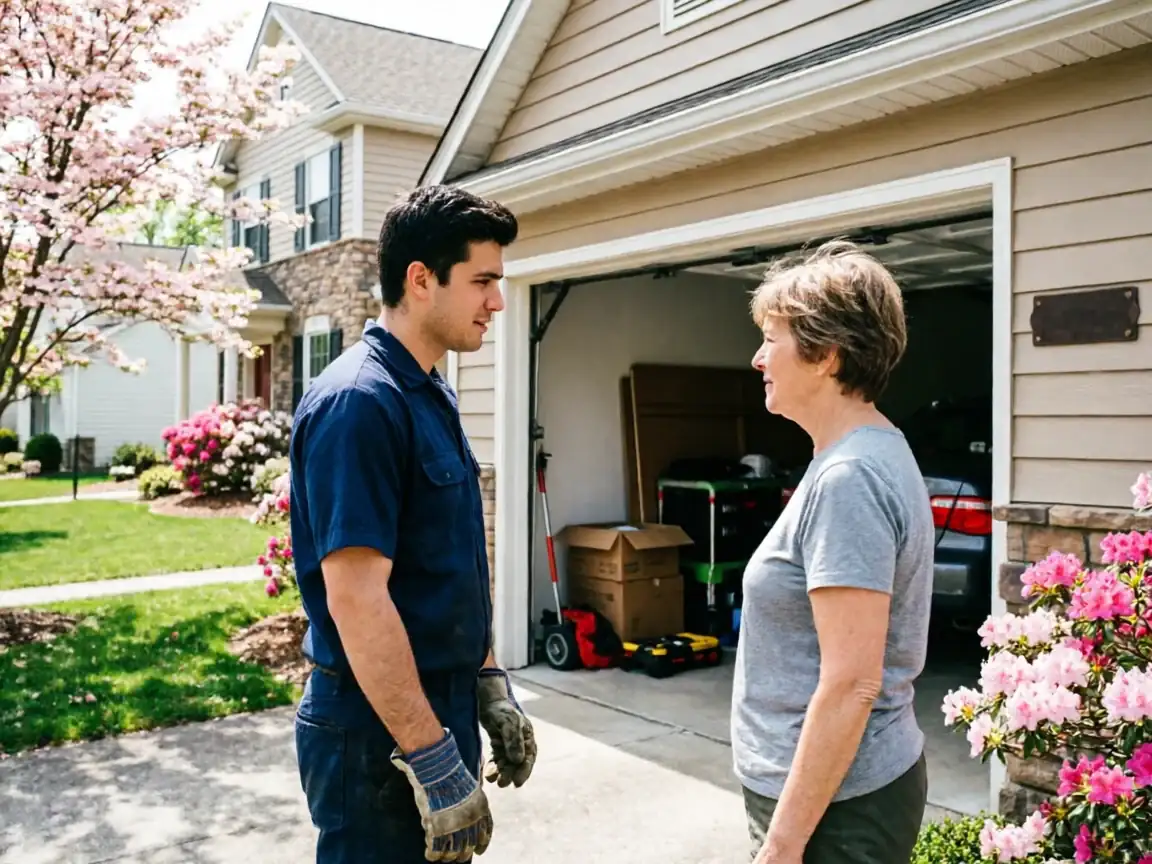
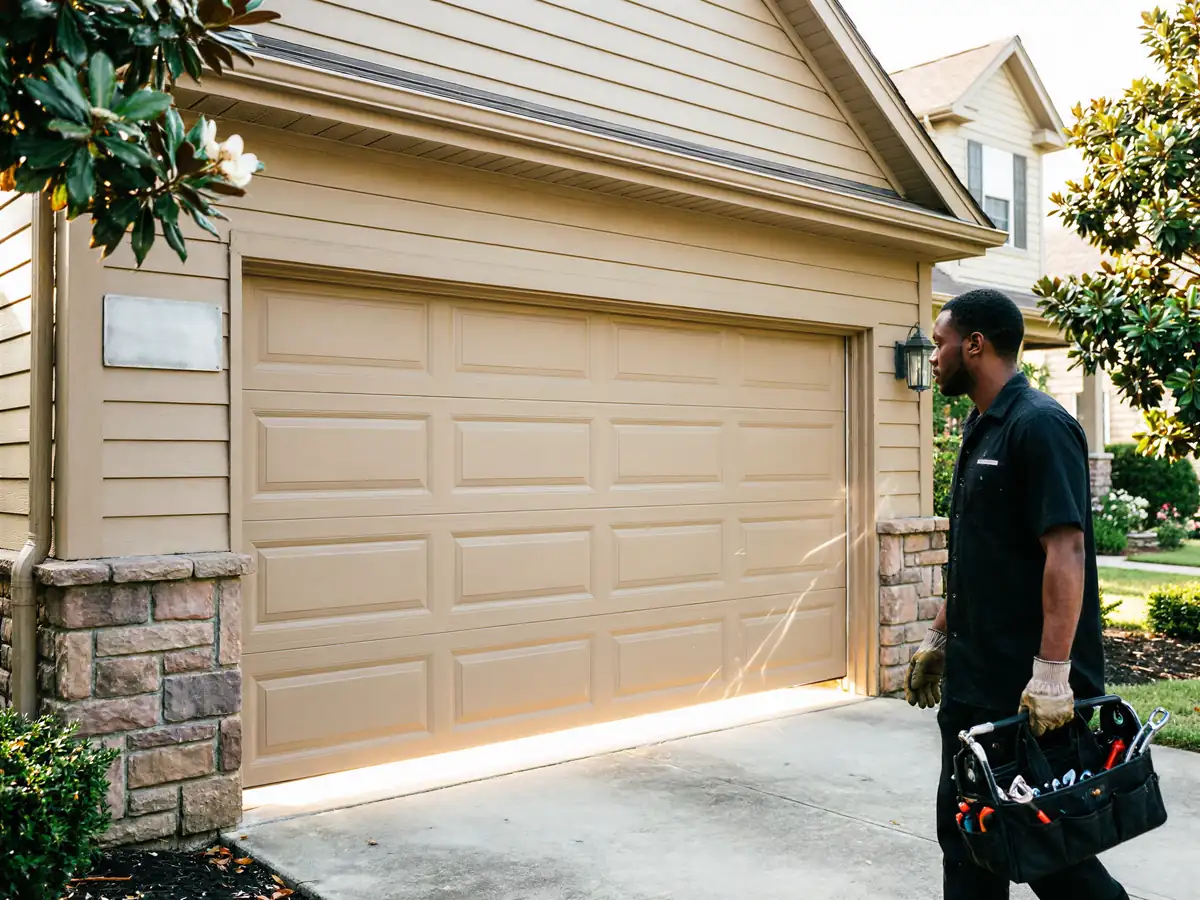
Once a technician is on site, replacing one or two torsion springs on a standard door is typically finished within the same visit - it's not a multi-day repair. The variable in Burke is scheduling the trip out from Arlington, not the repair time itself, so the door is usually only out of service for the duration of that one appointment rather than sitting broken for days. If a part turns out to be a nonstandard size, as sometimes happens on an older or custom door, that's the scenario that stretches things into a second visit.