What Can Go Wrong
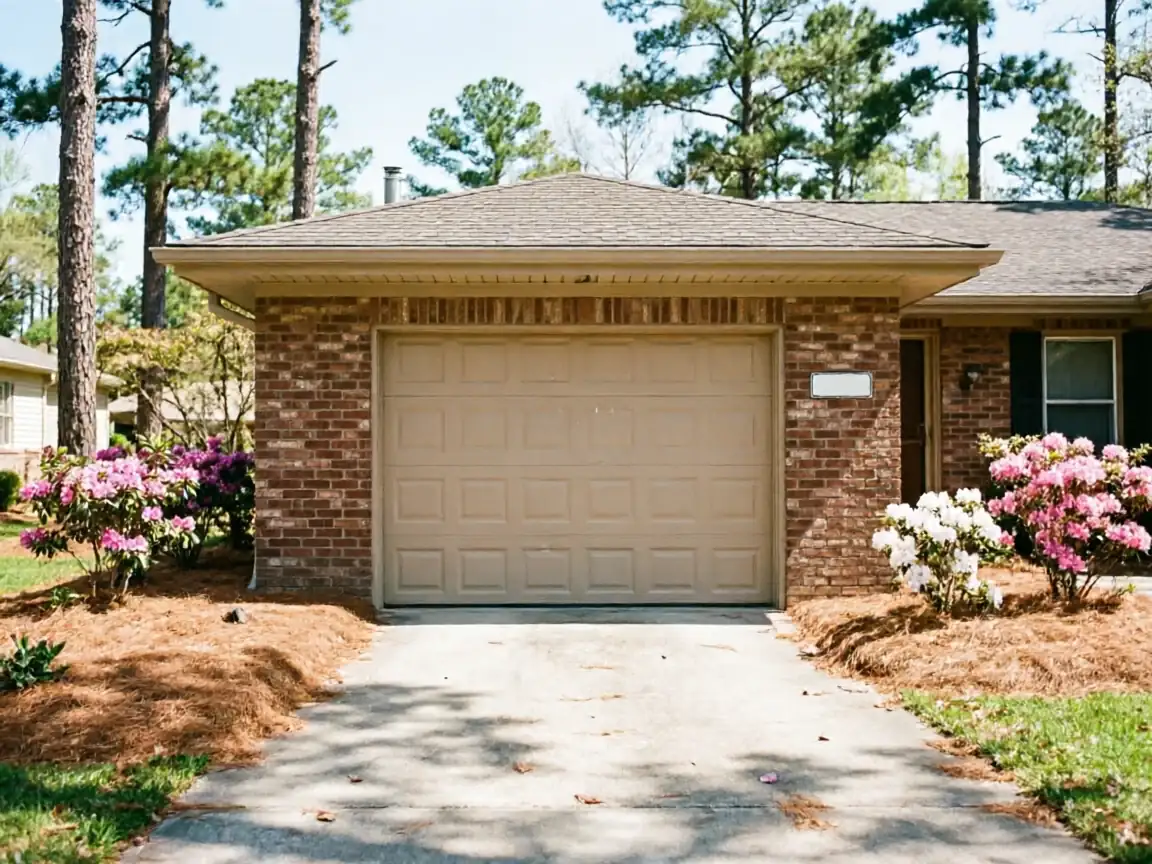
Burke's housing stock centers on 1979
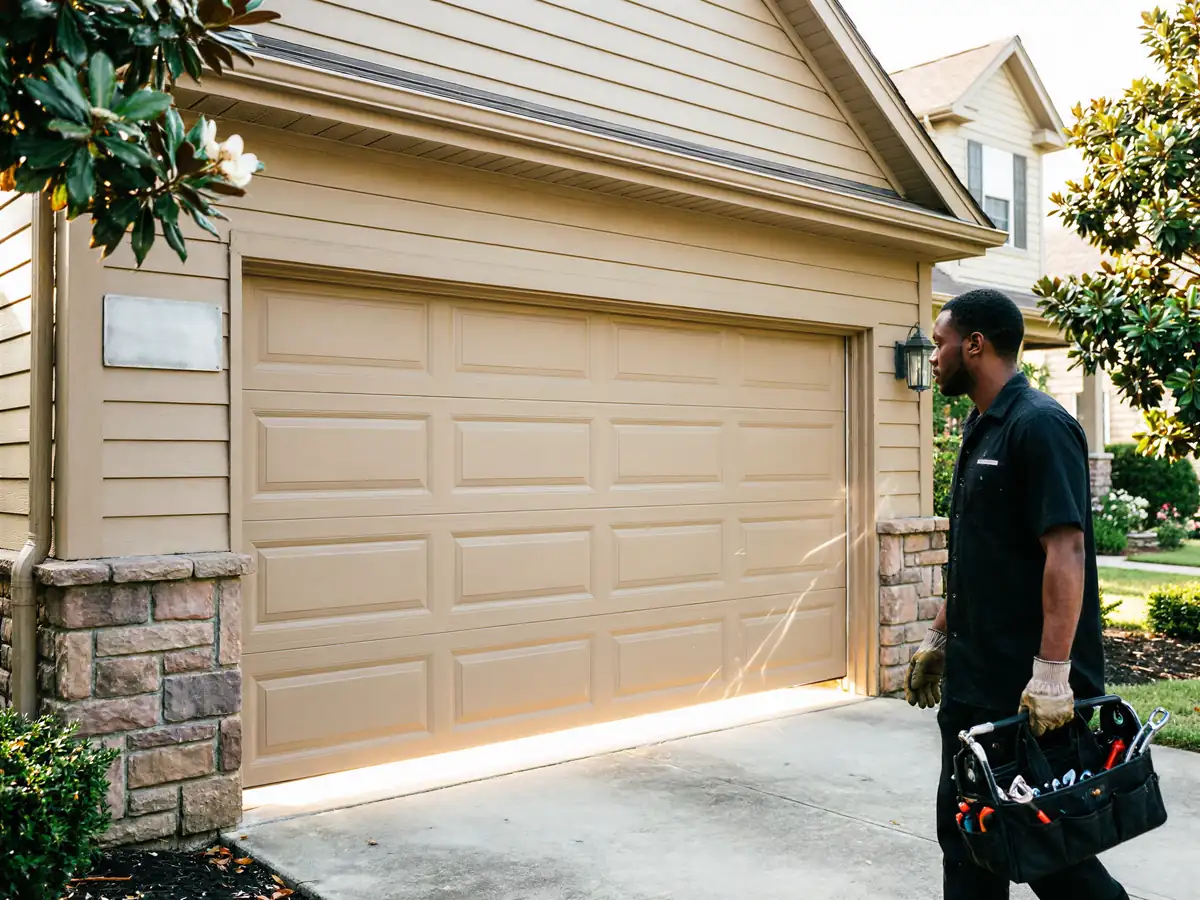
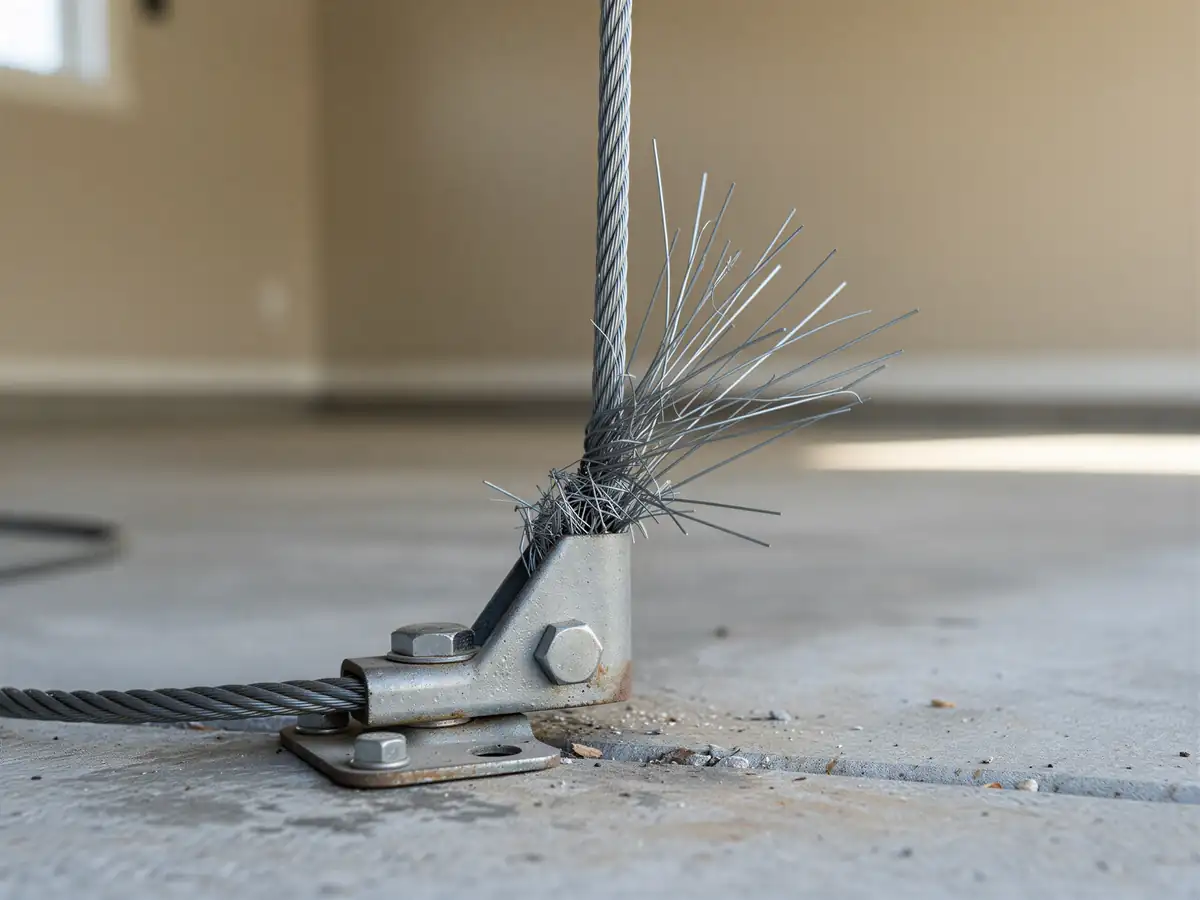
Which puts a lot of these garage doors right at the point where the original lift cables are 40-plus years old and have never been swapped out. A cable that old doesn't usually announce itself before it fails - it frays strand by strand inside the drum groove where you can't see it, then lets go under load. On a door this age, the cable is often the only part nobody's touched since the house was built, while the opener or the rollers may have already been replaced once or twice over the decades. That mismatch - new opener, original cable - is common enough here that it's worth checking even if the door still looks fine. We come out from Arlington for these calls, so we're not guessing at what a late-70s Burke door looks like; it's one of the more frequent jobs we see in this part of the area.
The other failure mode is a cable that jumps the drum instead of breaking outright
That happens more on doors with worn bottom brackets, which again tracks with original hardware from a build year this old. Either way, a cable past its working life doesn't get better with time.
How It Shows Up
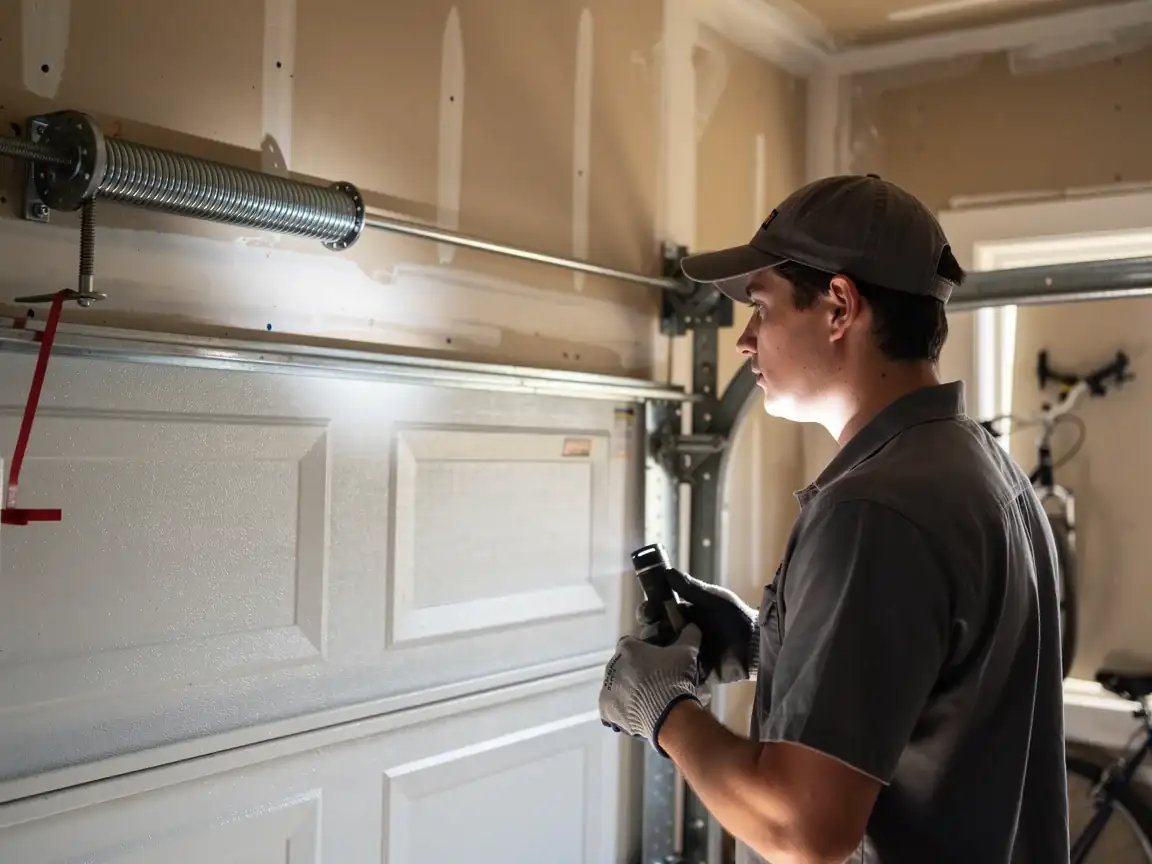
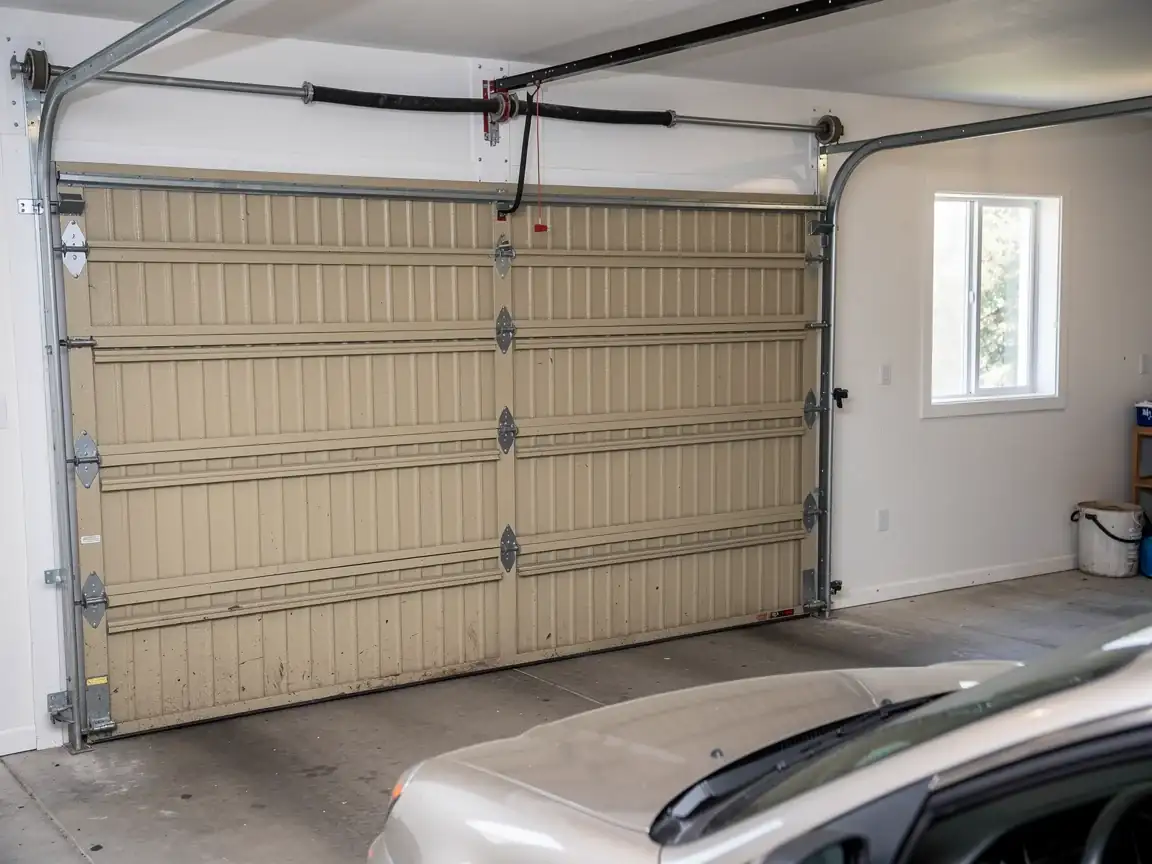
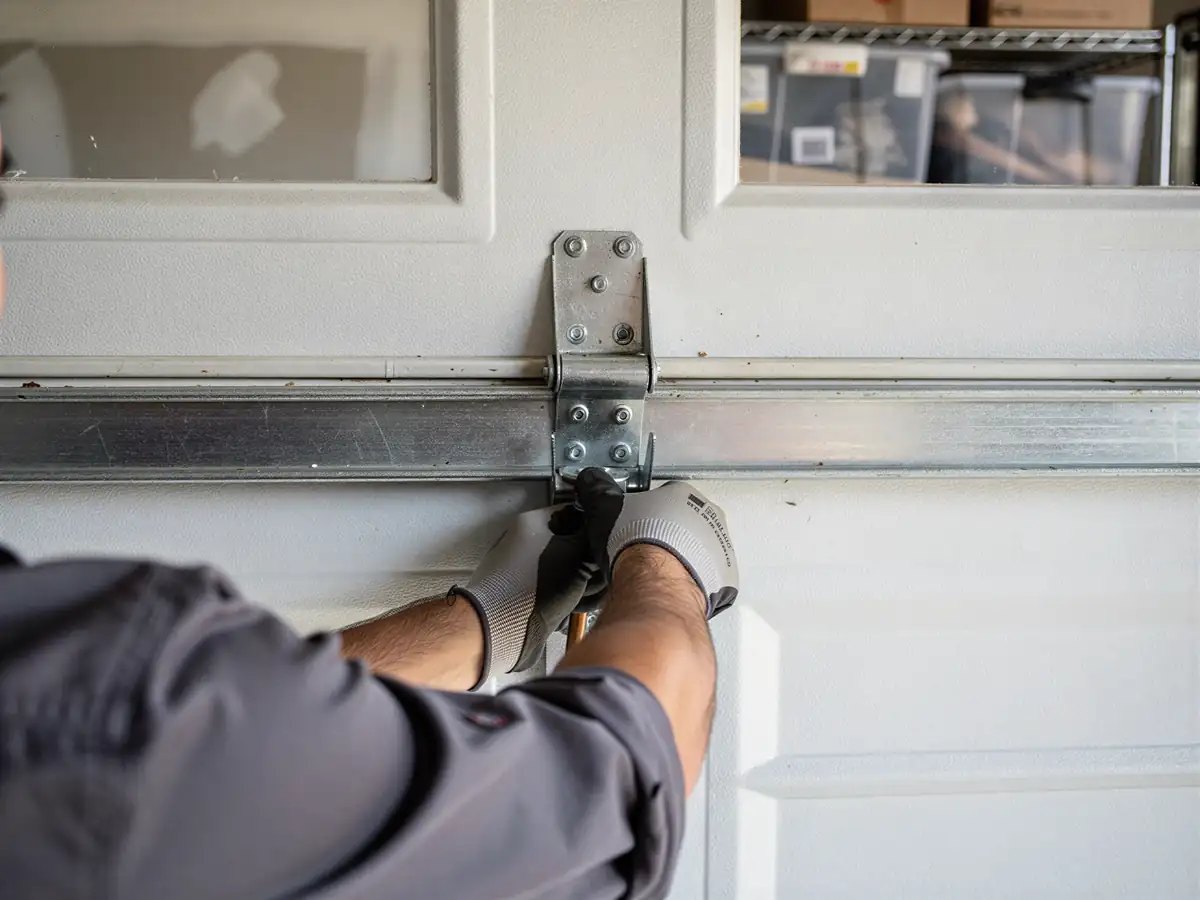
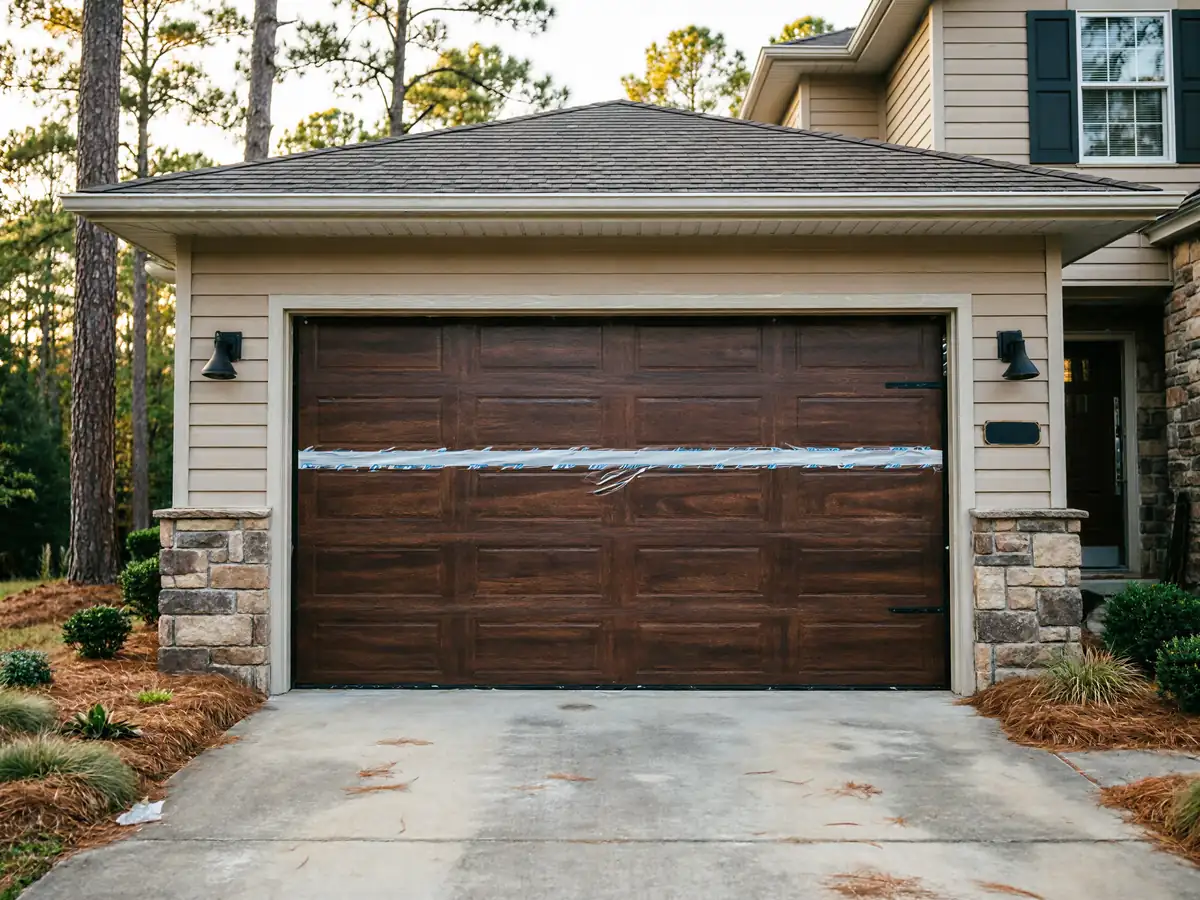
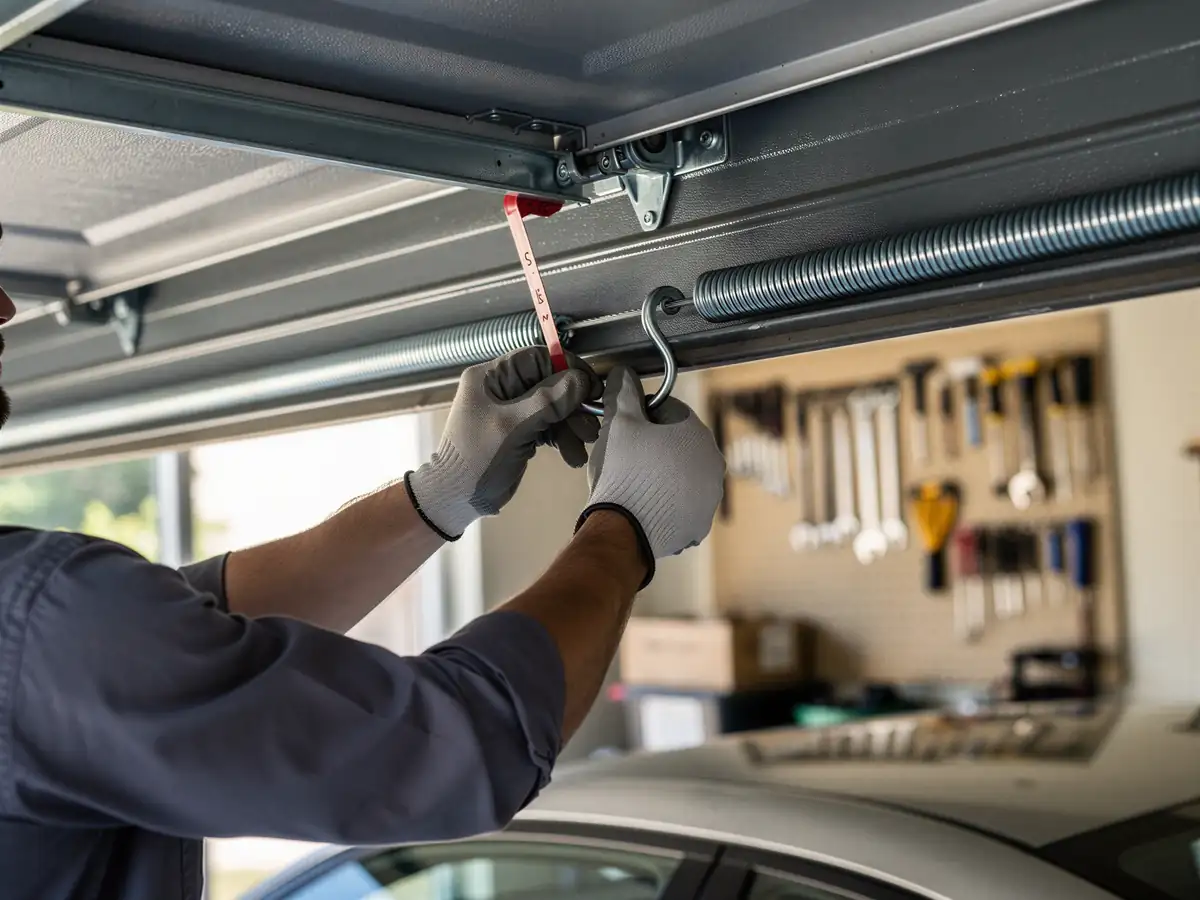
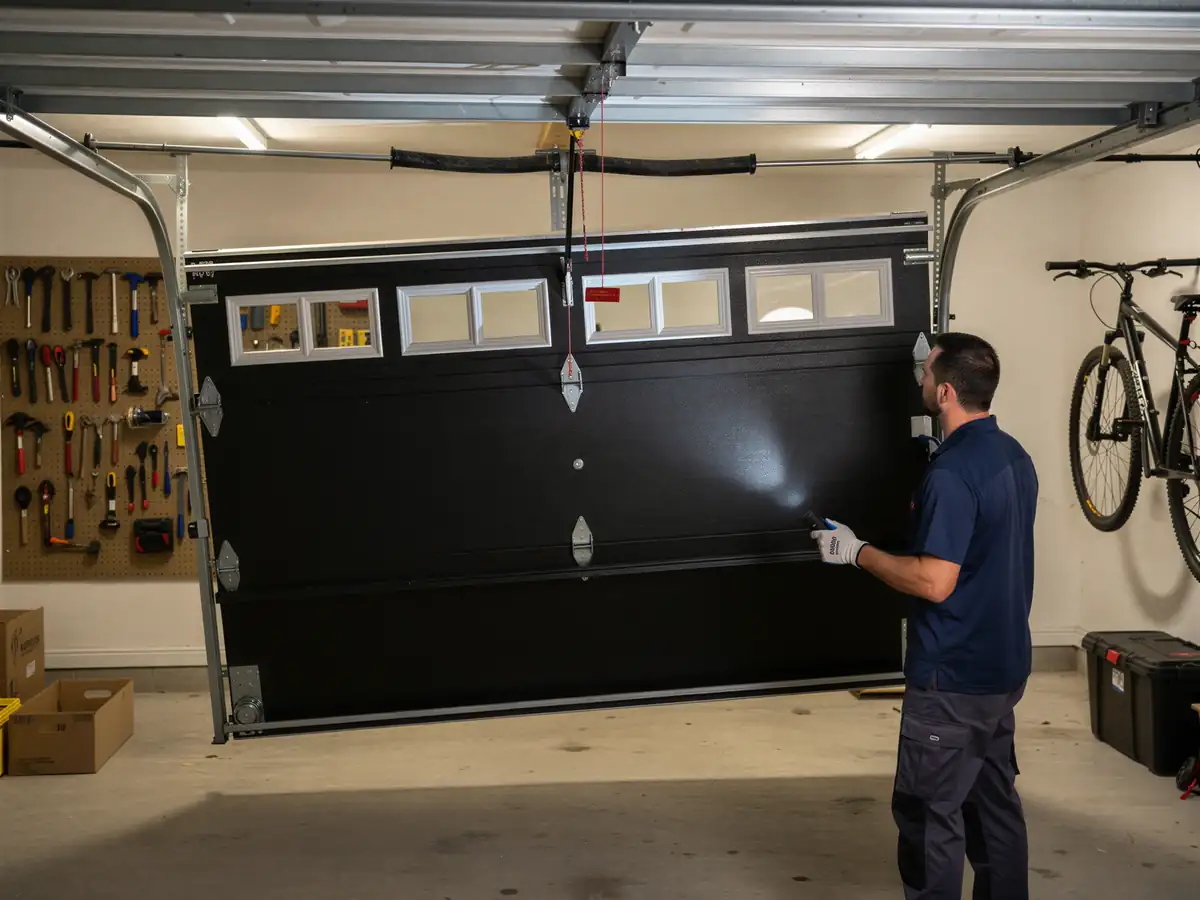
The door looks crooked on one side when it's halfway up or down, like one cable is holding more weight than the other. Sometimes you'll hear a sharp snap and the door drops a few inches before the safety cable or the track catches it. On a double-wide door especially, a frayed cable will show as fraying strands near the bottom bracket if you look closely, or a drum that's spun loose from its set screw.
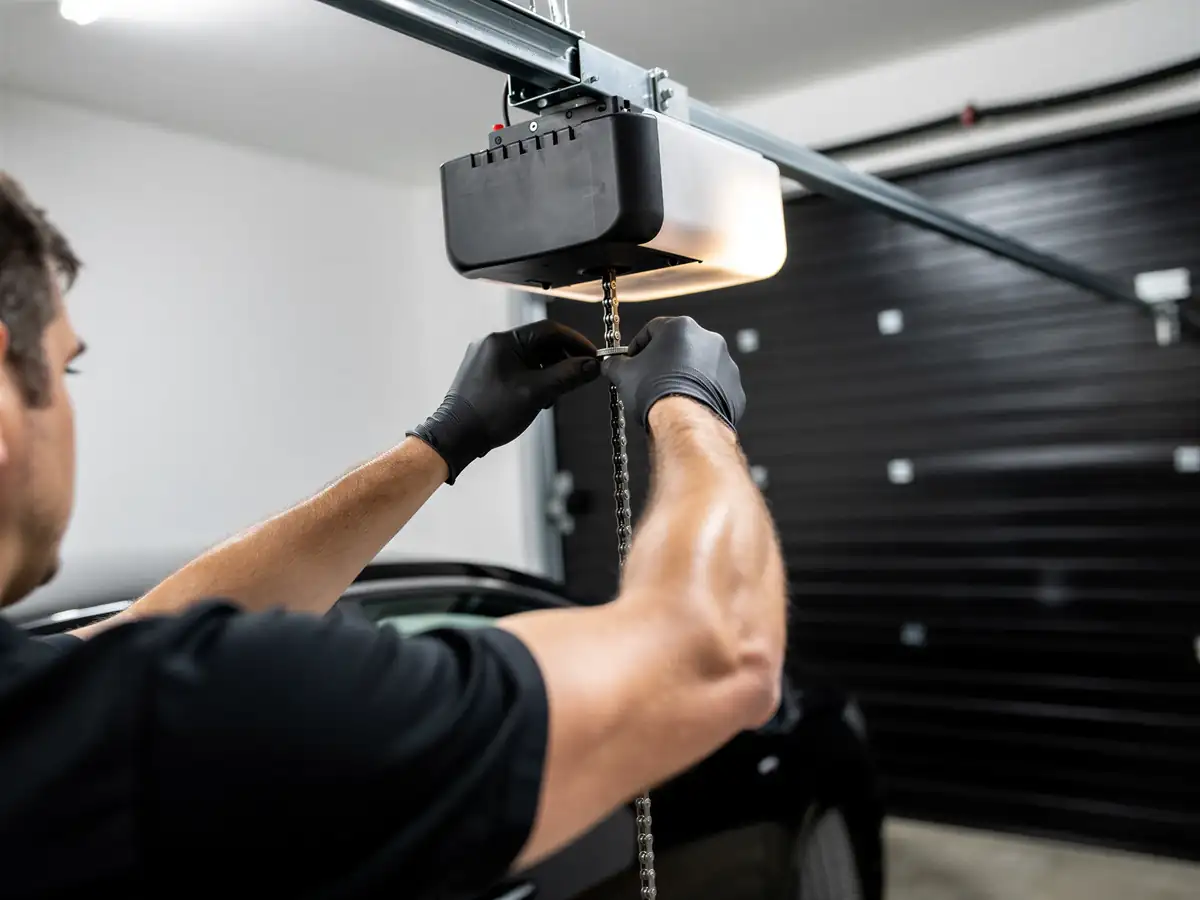
If the door won't move at all and the opener motor just hums, that's usually not the cable - it's more likely a spring. We'll tell you straight which one it is before we quote anything, because the fix and the parts are different.
What the Repair Takes
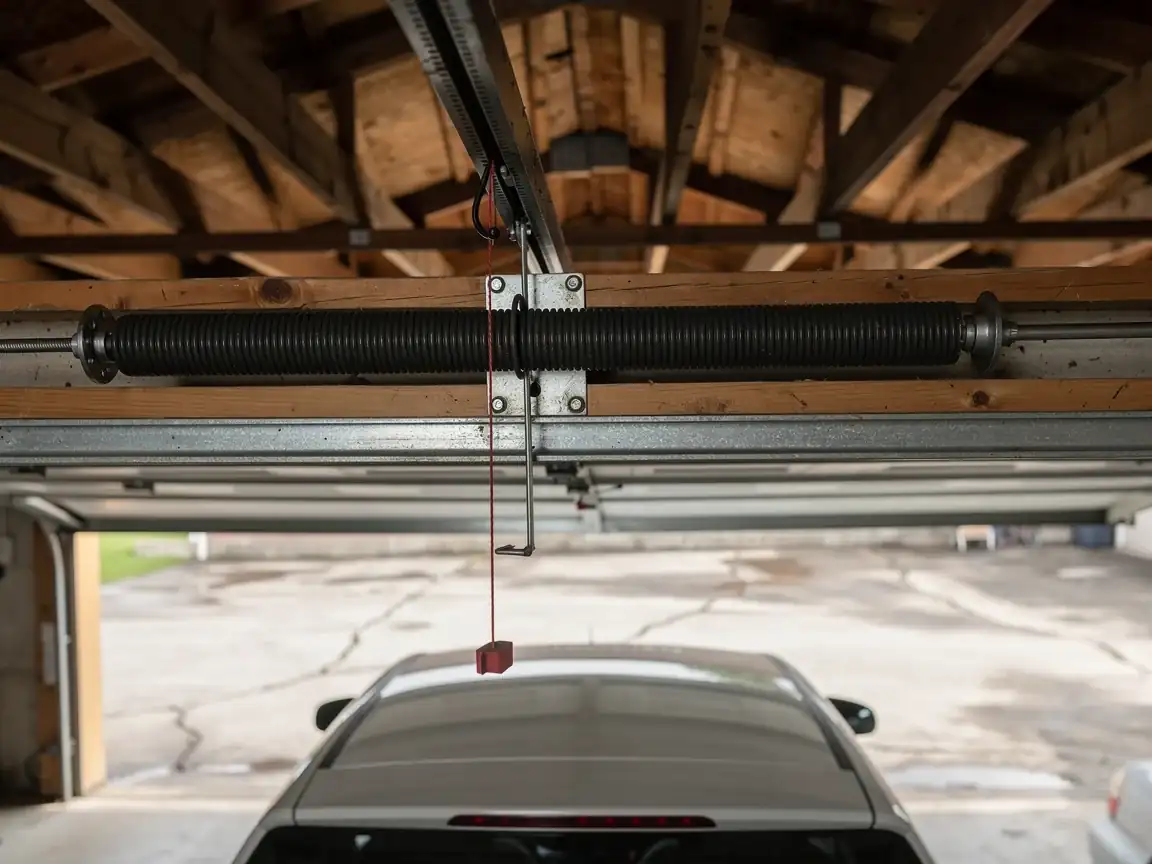
Cable replacement on a residential door is a same-visit job once we're on site: both cables come off together, even if only one failed, because the other one is the same age and under the same stress. We check the drums, the bottom brackets, and the spring tension while the door's apart, since a worn drum groove will chew through a new cable just as fast as the old one failed.
Given Burke sits about 11 miles out from our Arlington base, we plan the drive into the job so you're not paying for us to idle in traffic - the repair itself usually runs under an hour once we're there.
Can You Do This Yourself
Don't. A lift cable is under spring tension the entire time the door is closed, and releasing it wrong can snap a drum back hard enough to break a finger or worse. This isn't a caulk-gun repair. If you're the type who wants to understand what's happening before we arrive, the safe DIY step is just to leave the door down, unplug the opener so nobody tries to run it, and wait for us - don't try to prop it open or force it manually.
How Long You Are Without the Door
Once we're on site, the door is back in service the same visit in nearly all cases - cable repair doesn't usually involve a back-ordered part. The variable is scheduling the trip out from Arlington, not the repair itself. If it turns out the drums are also worn past reuse, which happens more often on doors that have never had this hardware touched since 1979, that's still a same-visit fix since drums are part of what's on the truck.