What Can Go Wrong
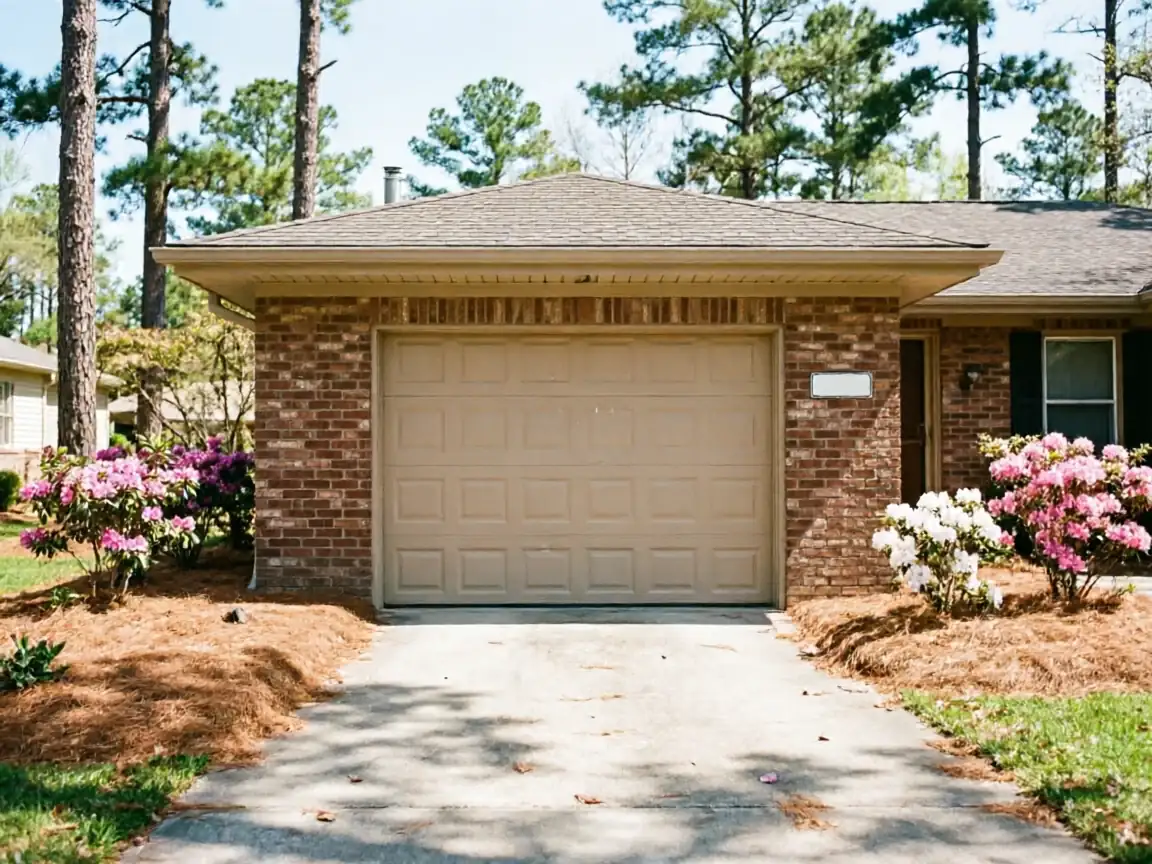
Most houses in Burke went up around 1979
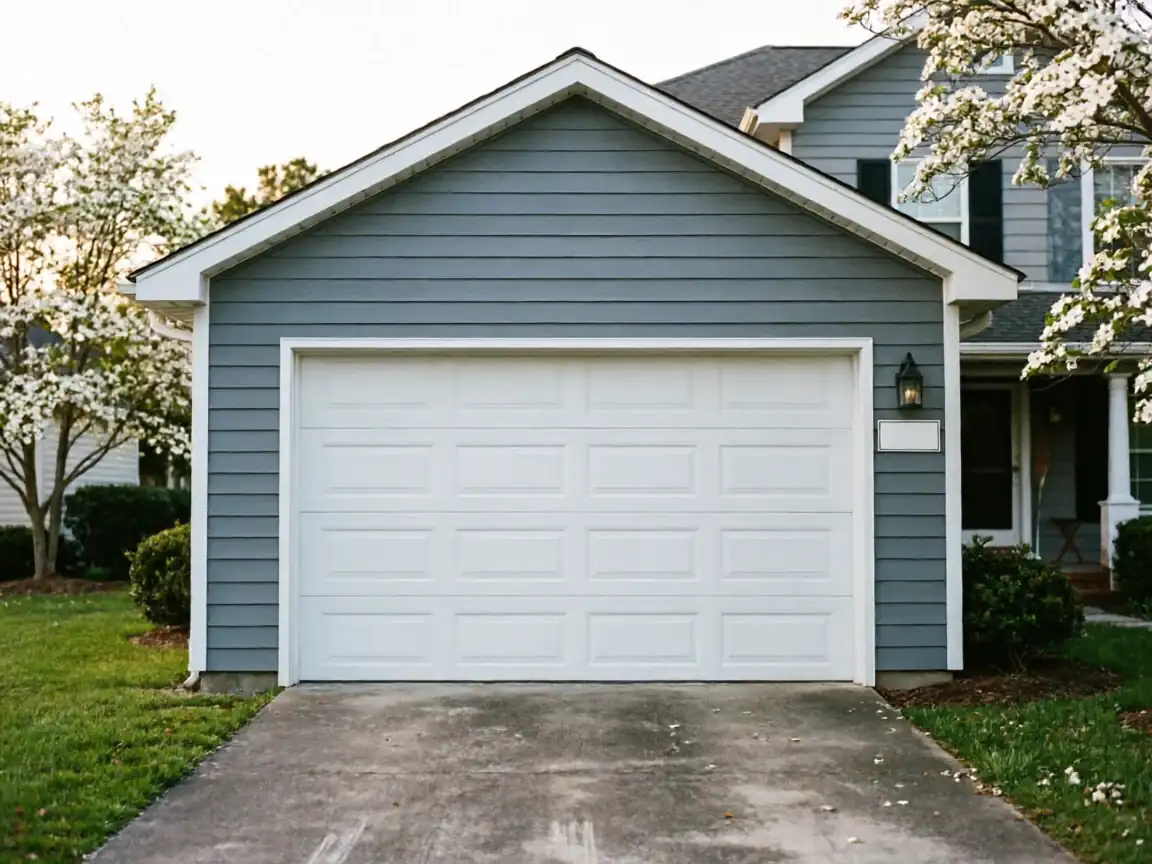
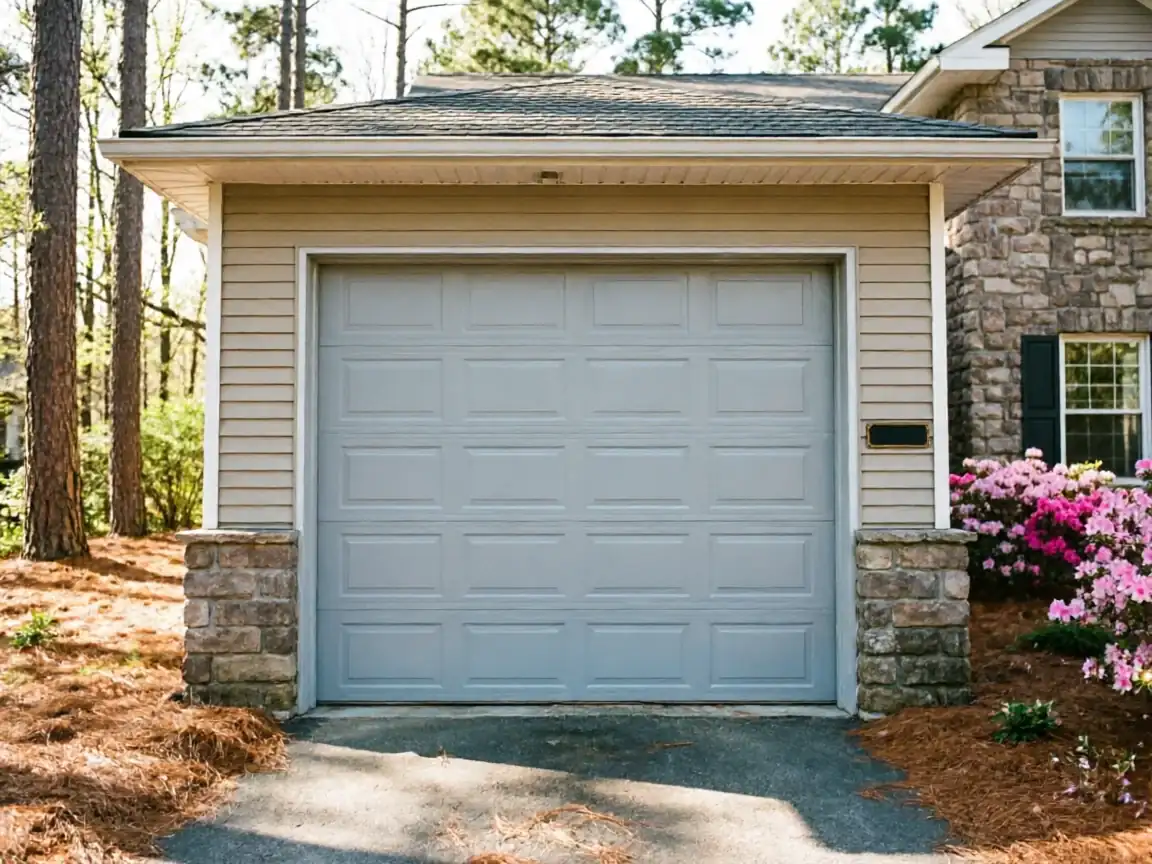
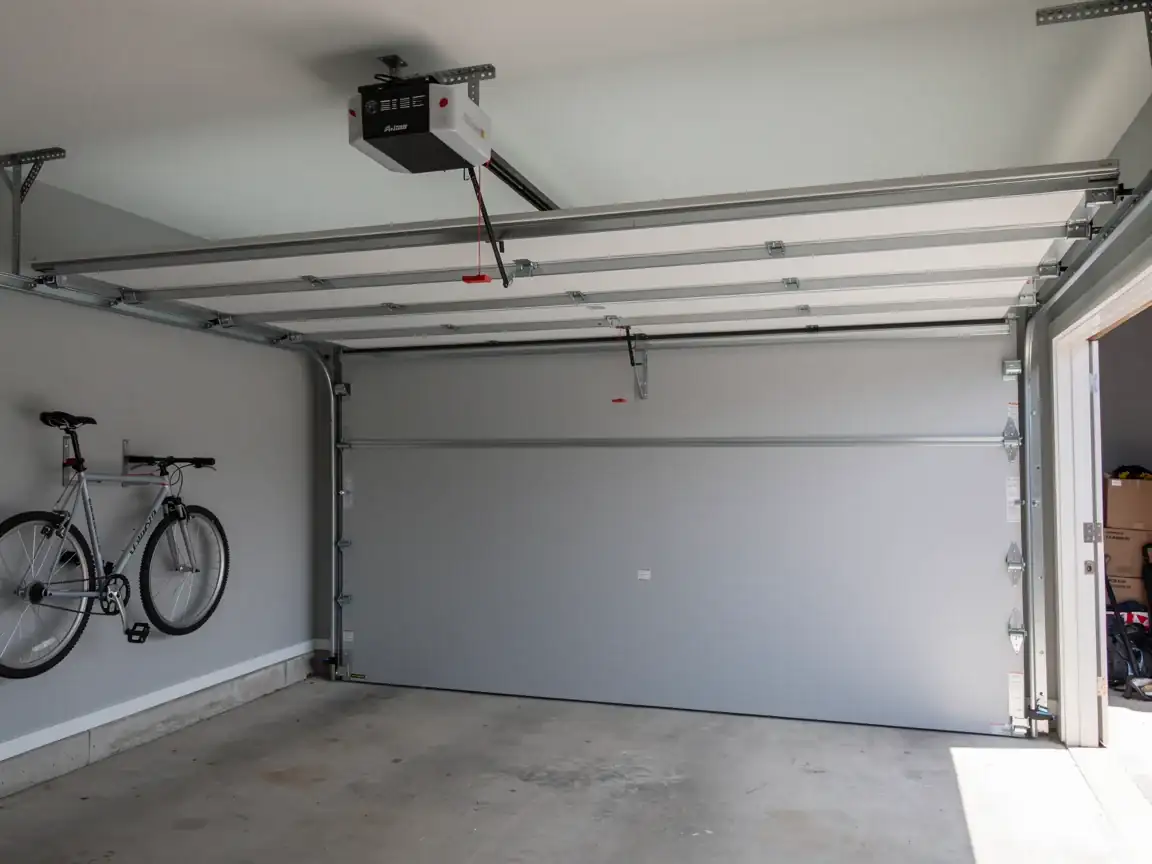
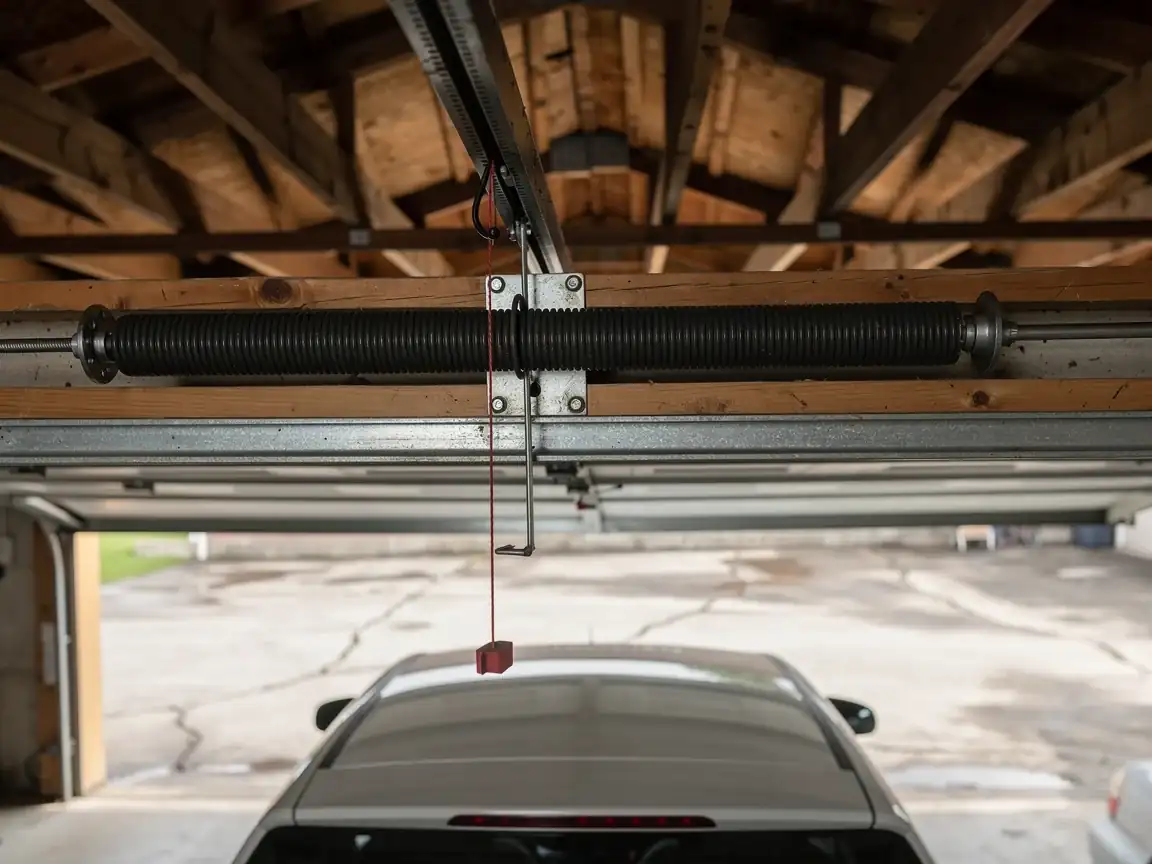
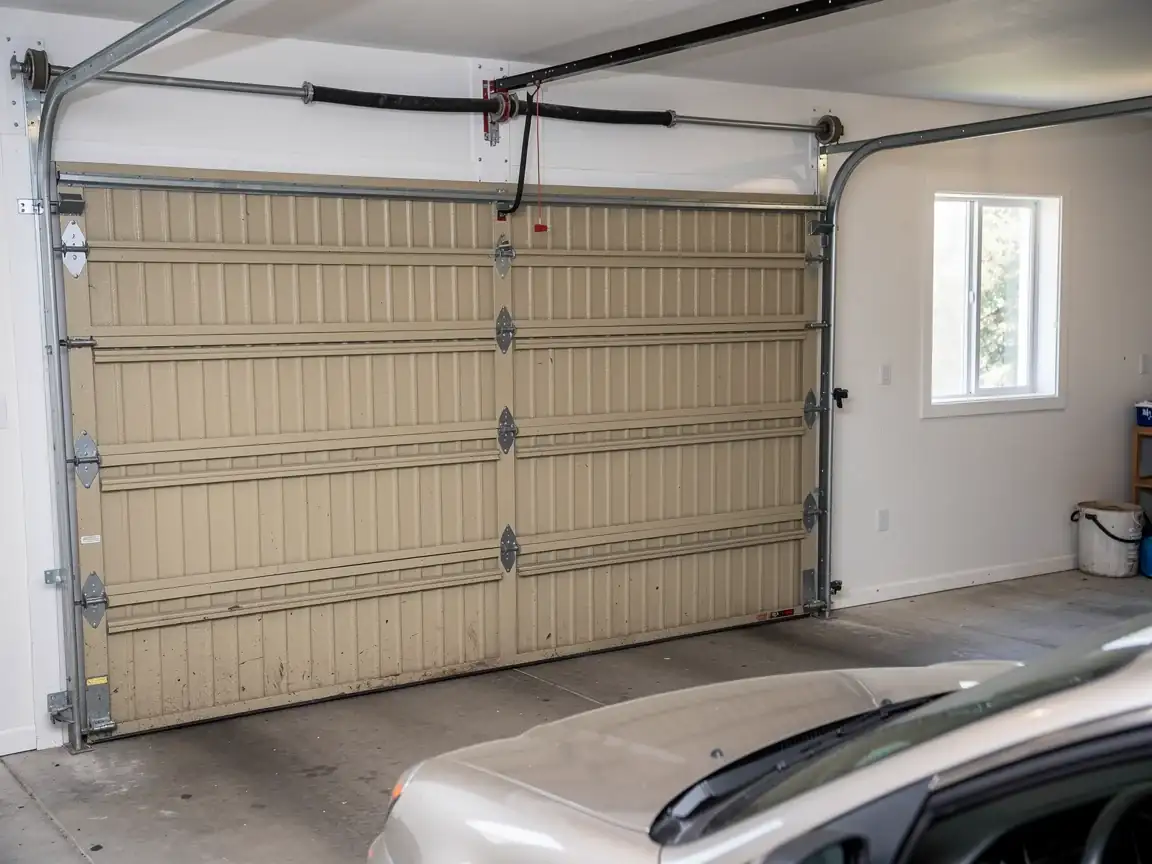
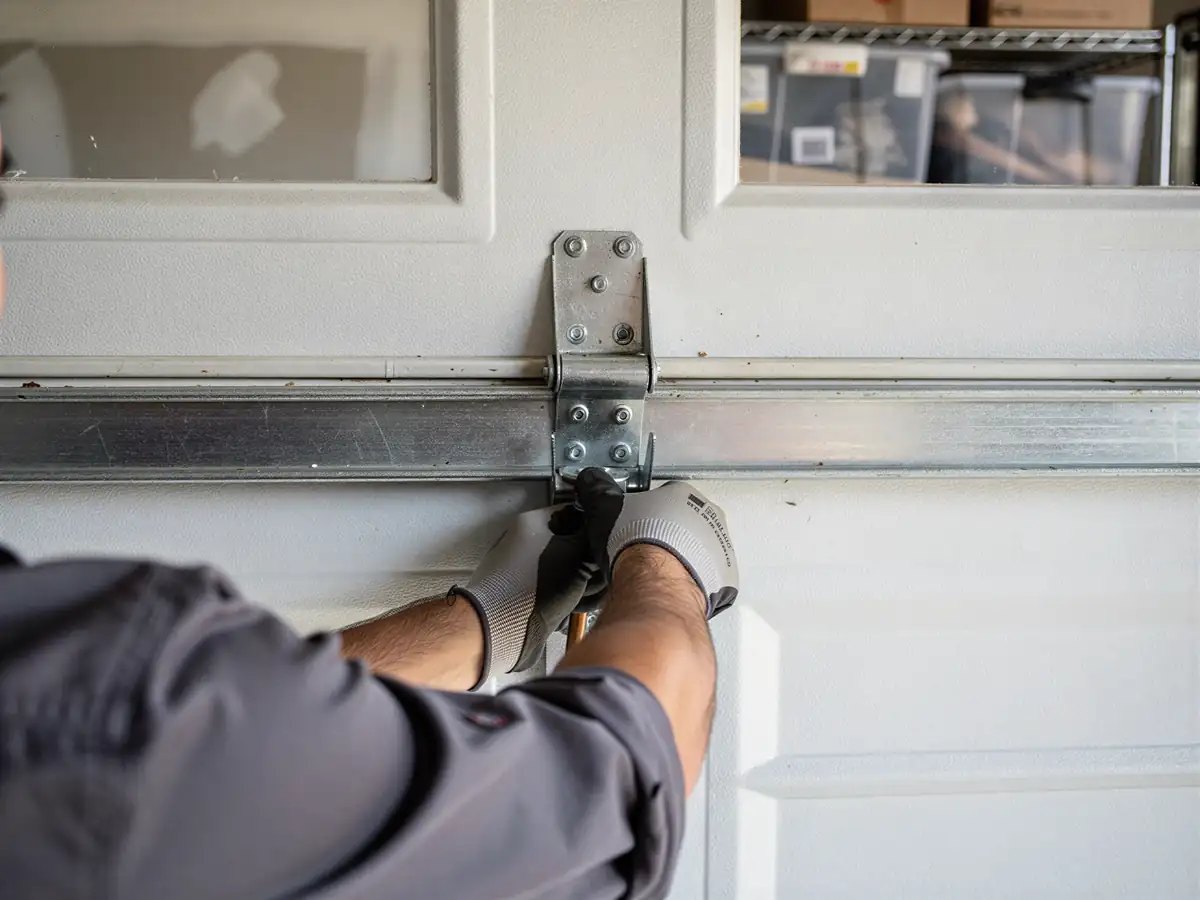
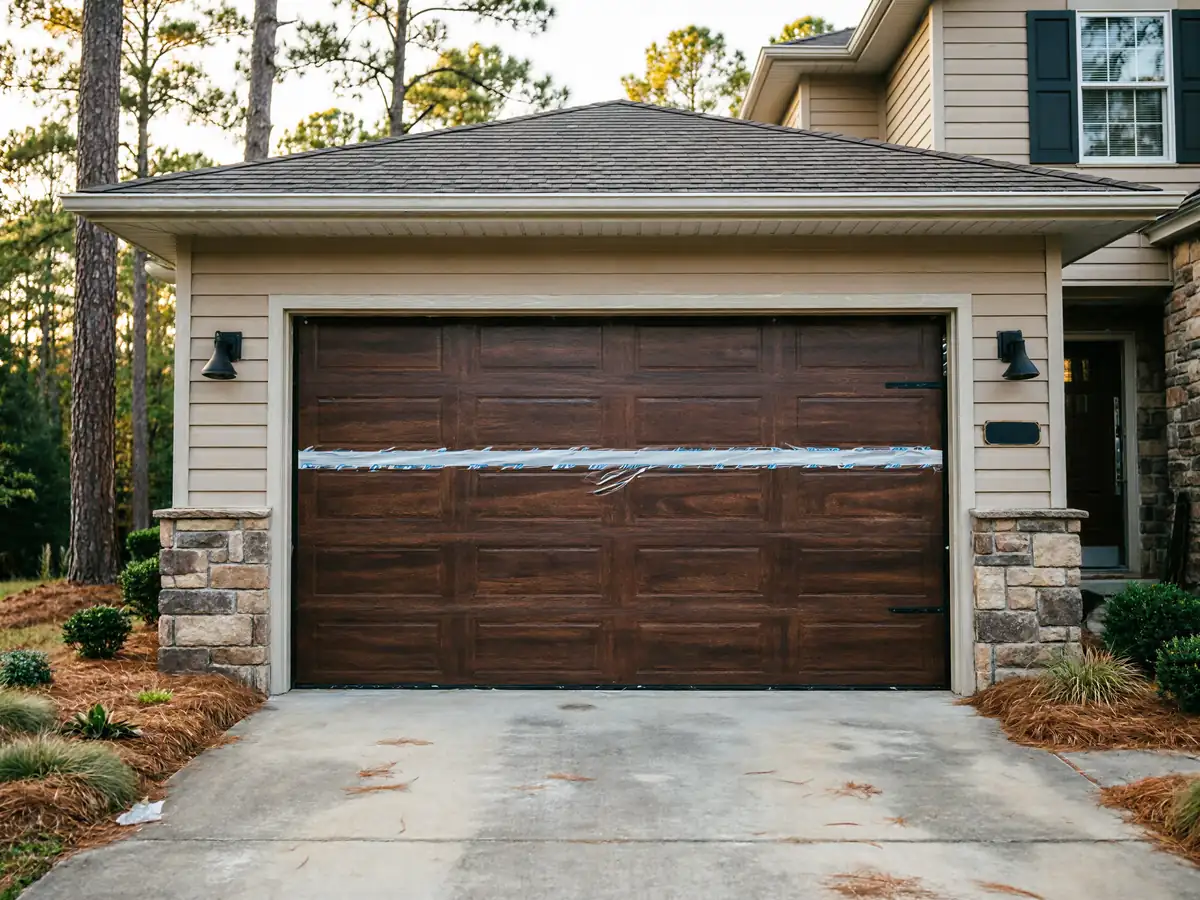
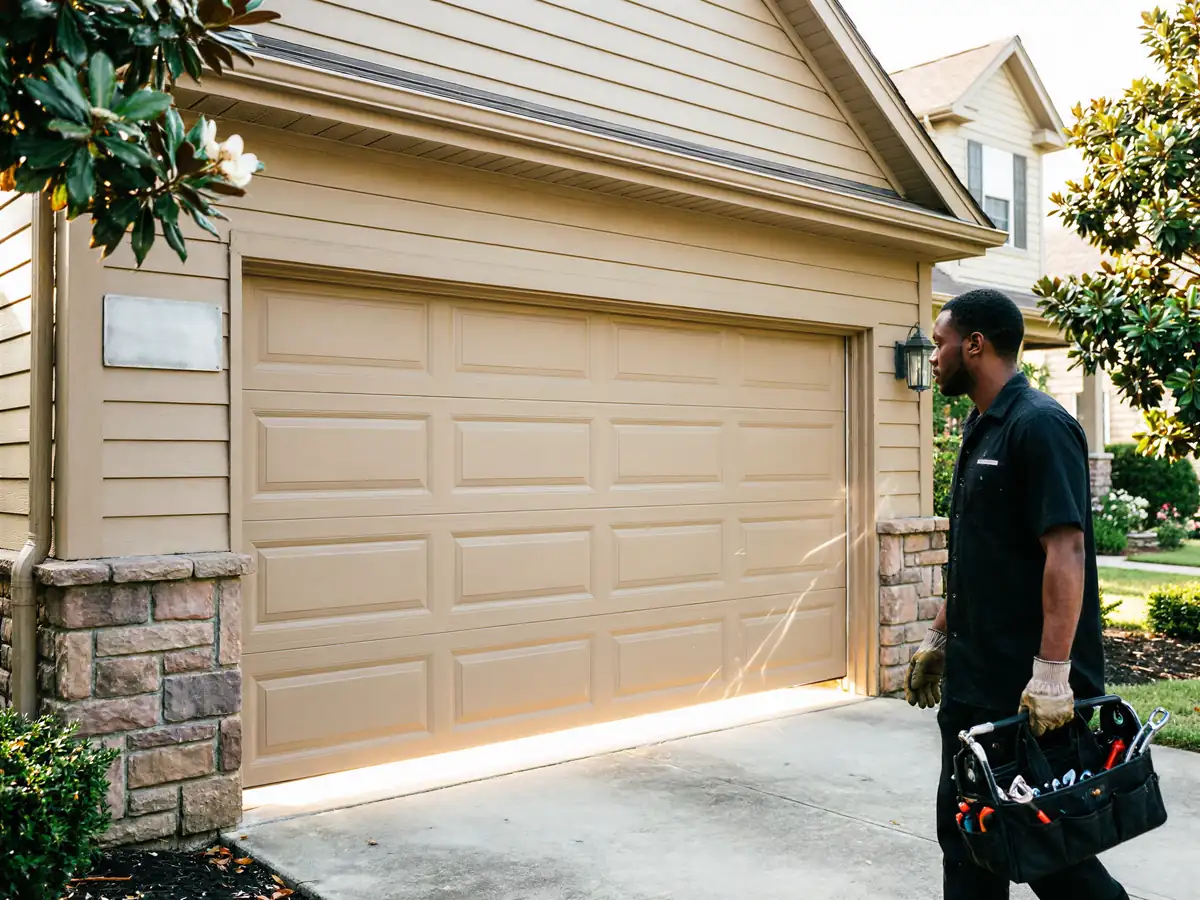
And that's the door you're usually dealing with here: a steel sectional panel, either a single 9x7 or a double 16x7, hung on a torsion spring bolted to a header board rather than the jamb-mounted hardware you see on newer builds. These doors weren't insulated the way current code calls for, so the steel skin is thin, and after four decades it's tired steel - dented easy, and the seams where panels hinge together are usually the first thing to go.
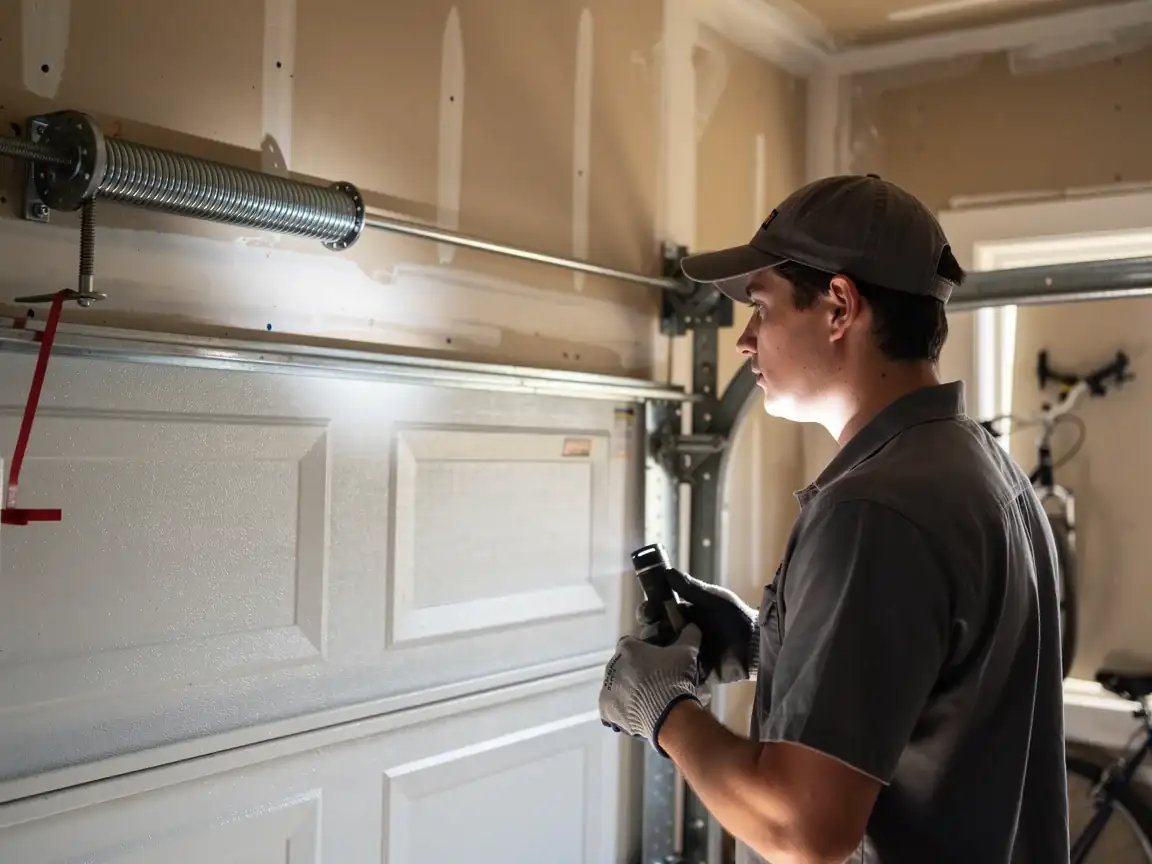
The torsion spring is the part that fails hardest
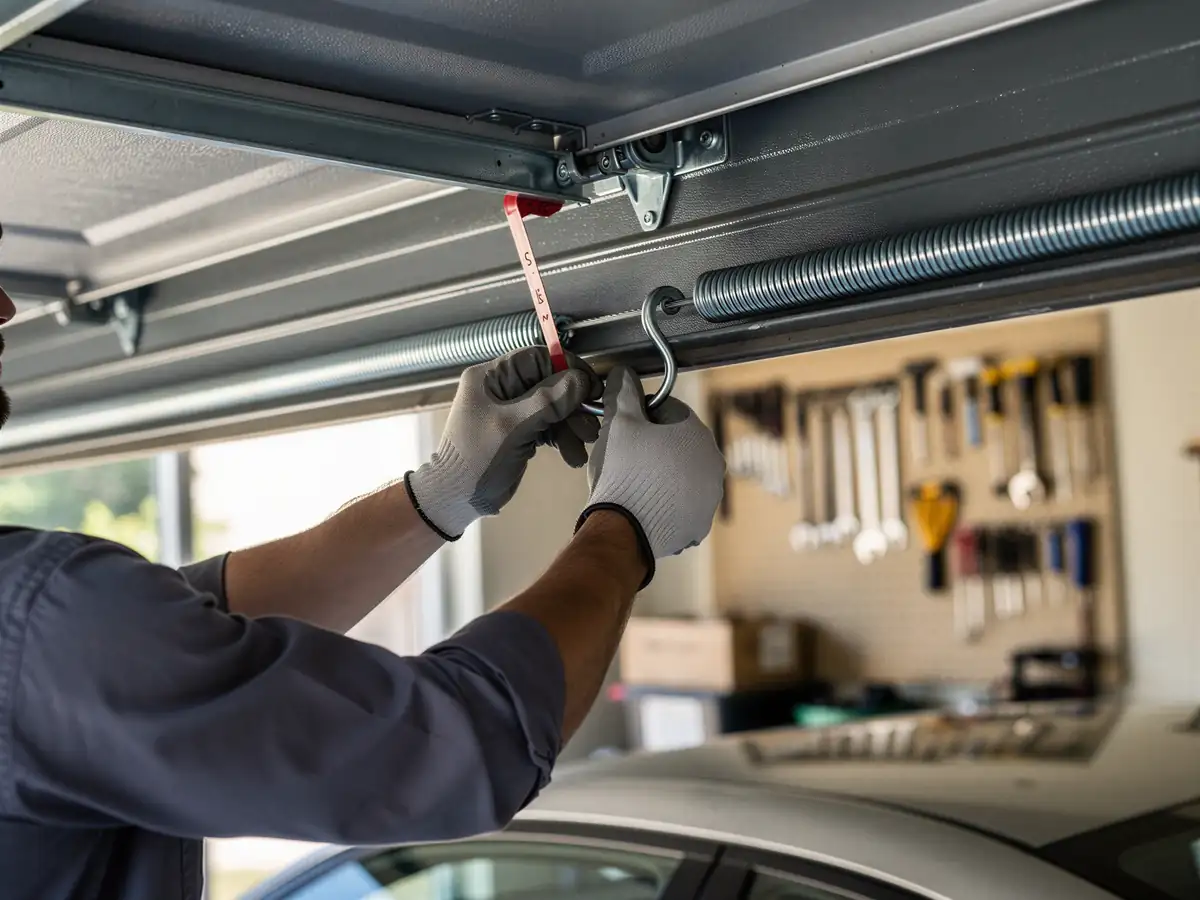
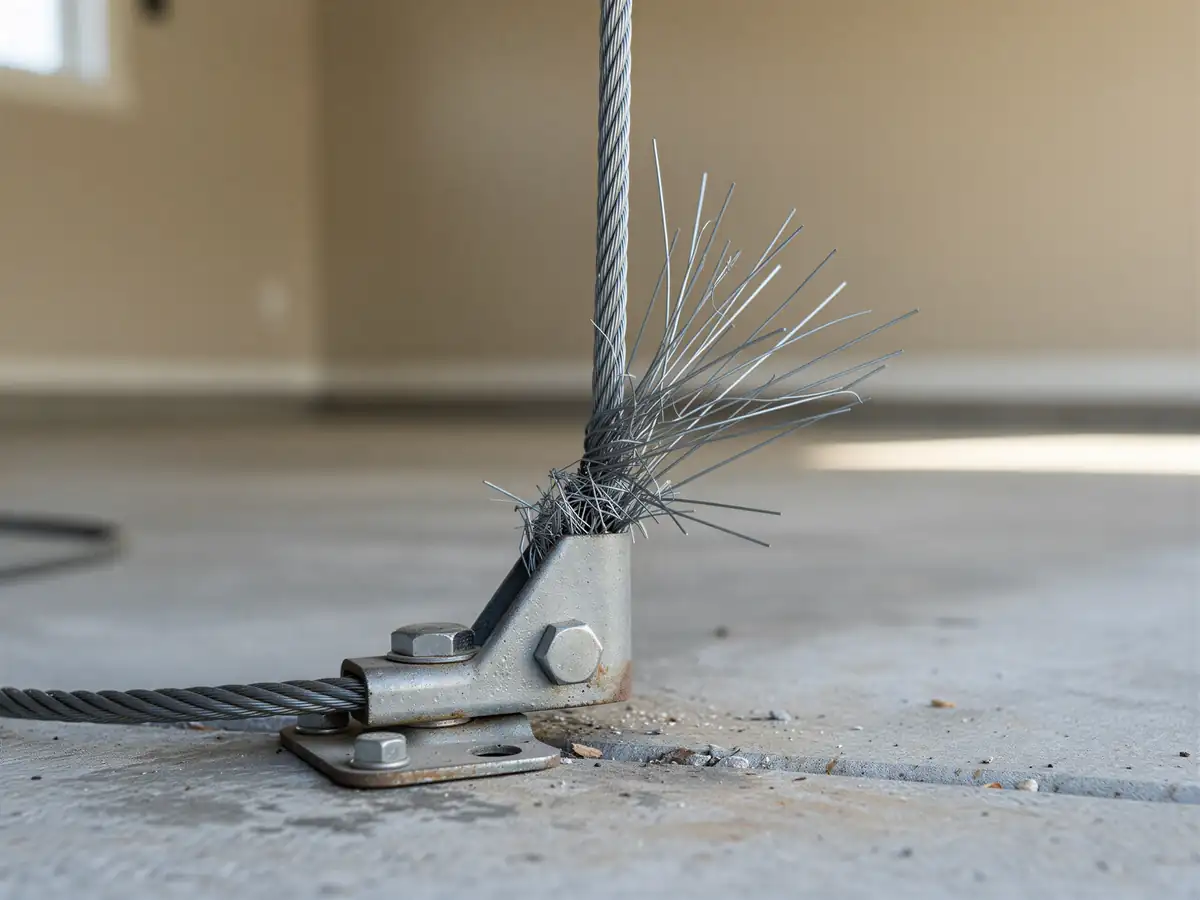
On a door this old, the spring has wound and unwound tens of thousands of times, and when it finally snaps, it does so loudly and the door drops where it sits. Cables fray at the drum for the same reason. Rollers on original 1979 hardware are usually steel-on-steel with no nylon sleeve, so they wear grooves into the track over the years, which throws the door off its line long before the spring itself quits.
We're not guessing at an era here
A door built around the Carter administration has specific, known failure points, and they're not the same ones you'd chase on a 2015 build.
How It Shows Up
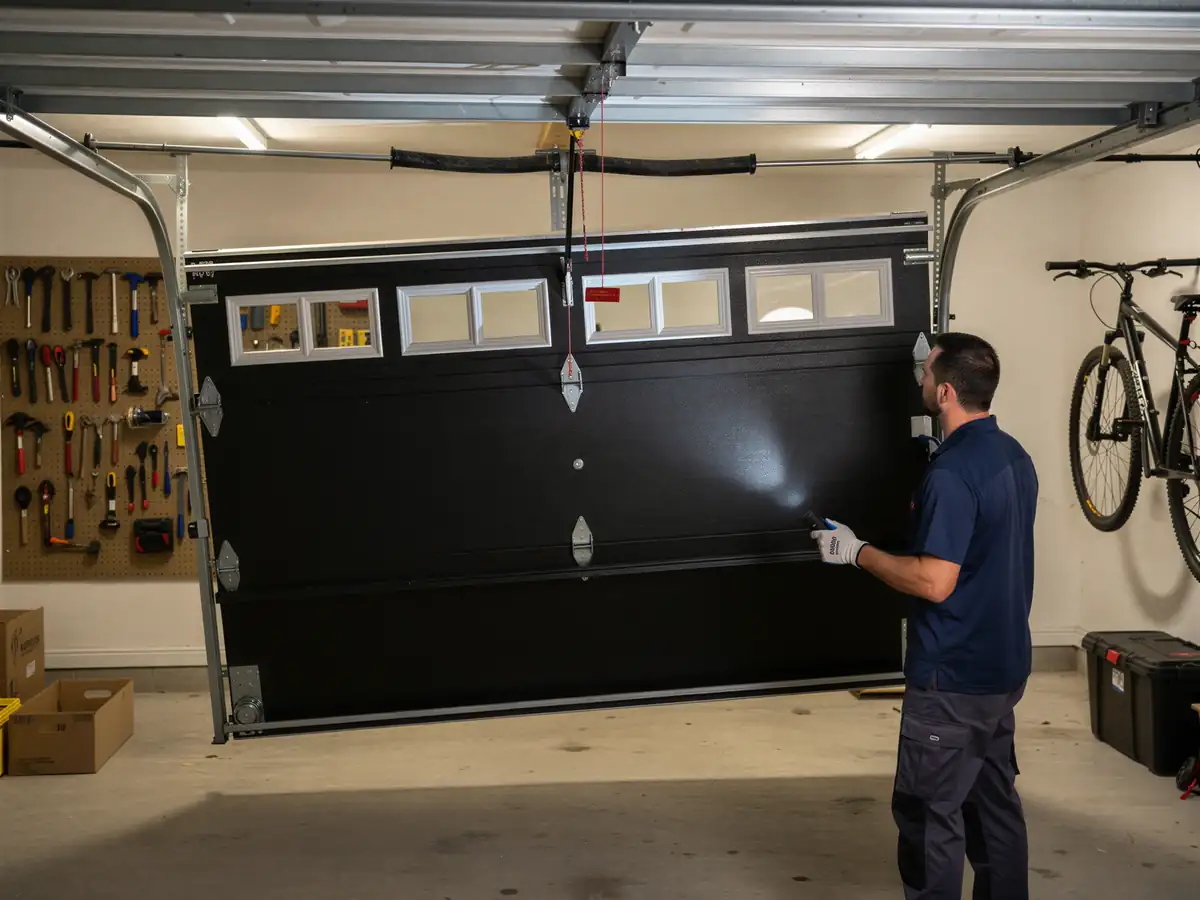
The door won't lift, or it lifts six inches and stalls - that's a spring gone, not the opener. If it drops fast and uneven on one side, a cable has let go and the other side is doing all the work, which can bend the track in minutes. A door that's noisy going up but fine coming down is usually a roller riding in a worn groove, not yet an emergency but headed there.
Winters here get genuinely cold, and cold steel contracts. On a 1979 door with decades of play already built into the hardware, a hard freeze is often what finally pushes a half-worn part past the point of holding. That's why a lot of these calls land on the coldest mornings of the year - the part was already failing, the cold just finished the job.
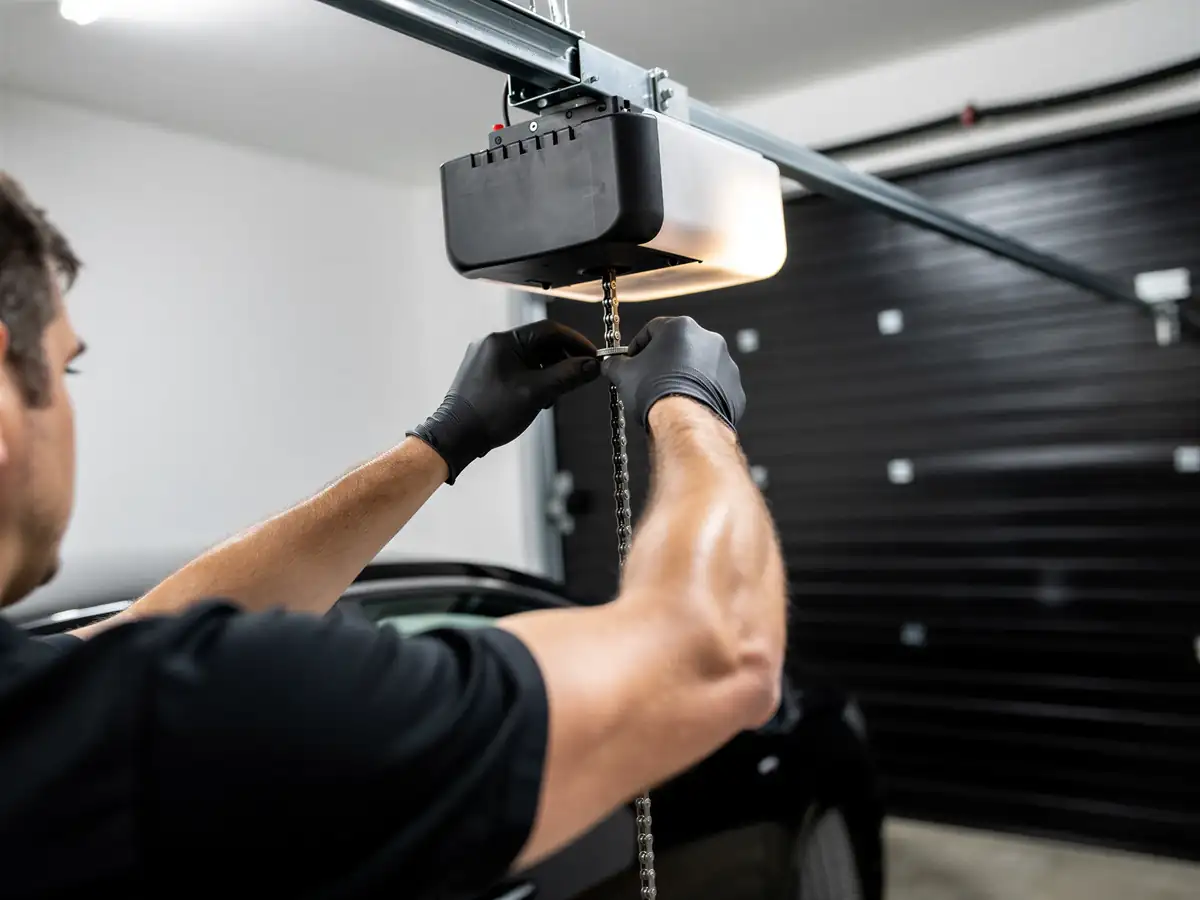
If the opener motor runs but the door doesn't move, don't keep hitting the button. That strains the motor against a stuck door and turns a spring job into a motor job too.
What the Repair Takes
A broken torsion spring on a door this size is a same-visit fix in most cases - we carry spring stock sized for both single and double doors of the 1979-era dimensions common in Burke. Cable replacement is usually paired with it, since a spring job is the right time to swap aging cable rather than wait for it to go next.
What takes longer is anything involving the original track or drum hardware, because some of it was sized slightly differently than what ships today. We adjust and refit where we can. Where a bracket or drum is bent beyond a clean fix, we replace it rather than force an old part back into shape - bent steel that's been straightened once tends to go again.
We're coming from Arlington, 11 miles out, so the repair itself doesn't take longer because of the drive - but it does mean the job is scheduled, not standing by at a Burke depot. We don't have one here.
Stocked Parts
The truck carries torsion springs sized for the standard single and double door heights that match Burke's 1979-era housing stock
Along with galvanized lift cable, steel rollers, and the hinges and end bearings that wear out on doors of this age. These are the parts that fail on a door of this era, so they're the parts we keep on hand rather than order.
What we don't stock is anything custom
A non-standard panel width, a discontinued opener board for a motor nobody's made parts for in years, or insulated glass inserts matched to a specific original design. If your door needs one of those, we'll tell you straight that it's an order-in part, not a same-visit one, rather than promise something we can't deliver that day.
Can You Do This Yourself
Don't touch the torsion spring. It's under enough tension to break a bone or worse, and that's true whether the door is five years old or forty-five. That one's not a pride thing, it's a safety thing.
What you can check yourself: the track for visible dents or gaps, whether the door is binding on one side versus dropping straight, and whether the opener's safety sensors (the two eyes near the floor) are aligned - a blinking light on the opener usually means one of them is knocked off and the door won't close until it's fixed. That's a five-minute fix with no tools beyond patience.
If the door's original 1979 steel-on-steel rollers are the kind that are grinding in the track, you can sometimes get another few weeks out of the door with a shot of lithium grease at the roller stems, bought time rather than a repair. Past that, it's a hardware job, not a homeowner job.
How Long You Are Without the Door
Because we're dispatching from Arlington, roughly 11 miles away, Burke calls go on the schedule rather than getting an on-the-spot drop-in - there's no local depot to shortcut that distance. Once we're on site, a standard spring or cable repair on a door this size is usually finished within the visit; it's the drive, not the wrench time, that sets the window.
If the door is stuck shut and you've got a car trapped inside, that's worth saying when you call, since it changes how the job gets sequenced against the rest of the day. We'd rather hear it upfront than find out on arrival.
We don't promise a specific arrival time here, because we don't have a crew sitting in Burke waiting - we have one coming from Arlington, and traffic on an 11-mile drive is traffic on an 11-mile drive.