Booking a Visit
West Falls Church sits about five miles from our Arlington base
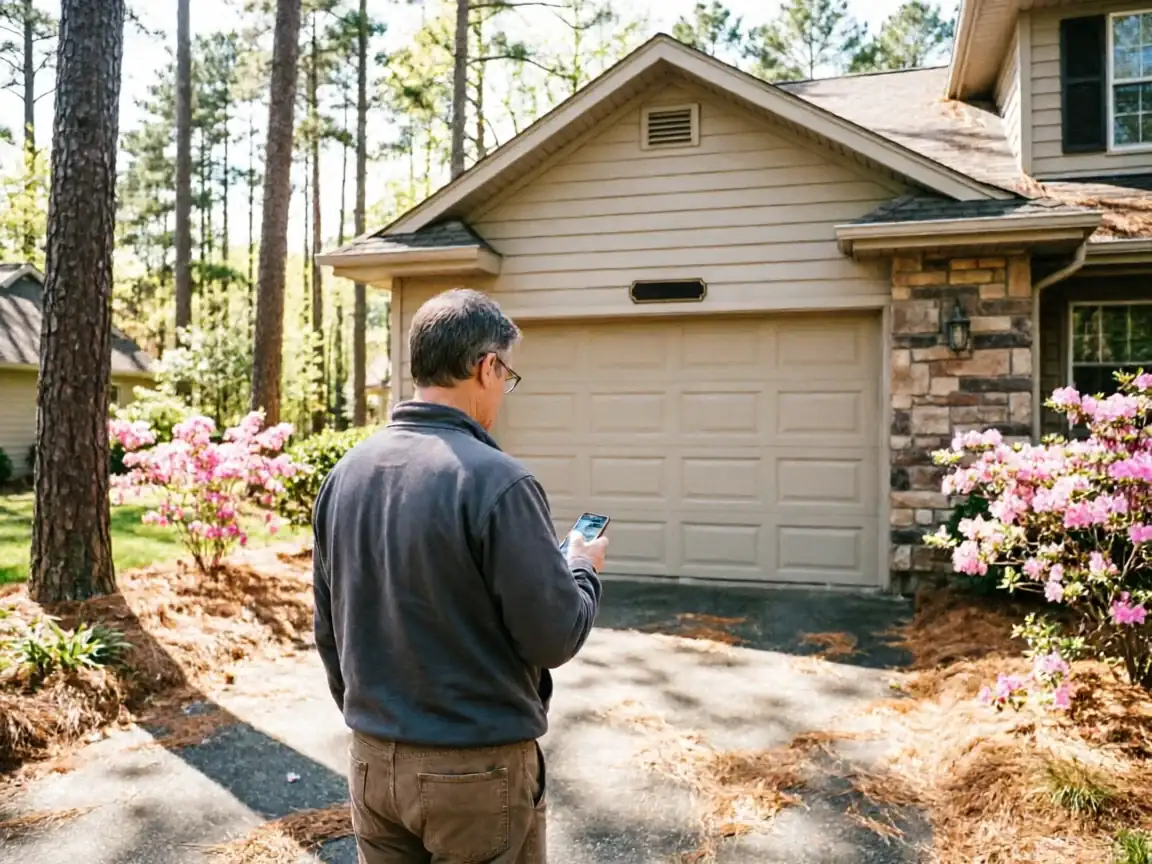
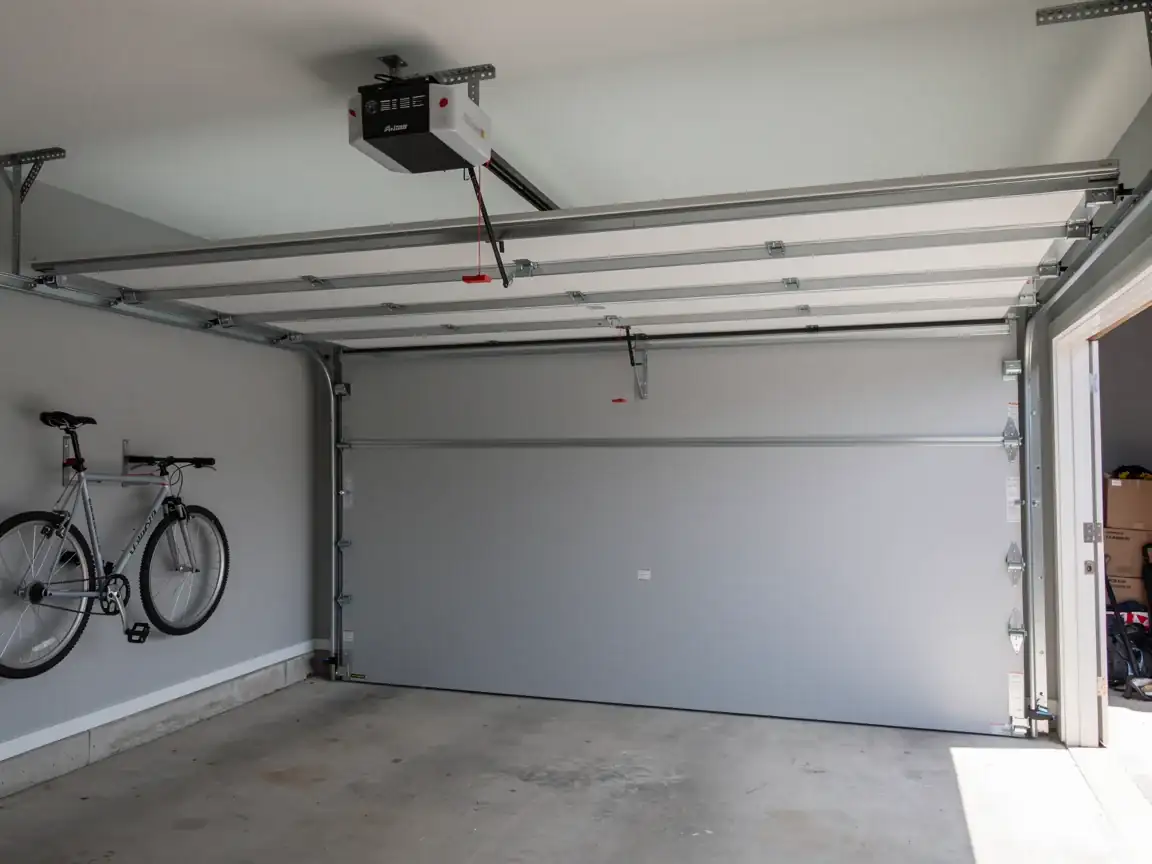
Which is close enough that a same-day slot is usually realistic but far enough that we ask a few questions before we load the truck. Tell us the opener brand if you can read it off the housing, whether the door moves at all, and whether you hear the motor hum or just a dead click. That lets us bring the right logic board, capacitor, or drive gear instead of guessing and making a second trip. We don't run a branch or dispatch point in West Falls Church itself - every call here starts from Arlington, so the window we give you accounts for that drive, not a flat same-town promise. If your opener dies on a weekend, say so when you call; we'll tell you honestly whether we can get to you that day or whether it's a next-day fix, rather than quoting a response time we can't back up.
If you've got a second vehicle trapped behind a dead door, mention that too
It changes how we prioritize the stop.
What Can Go Wrong
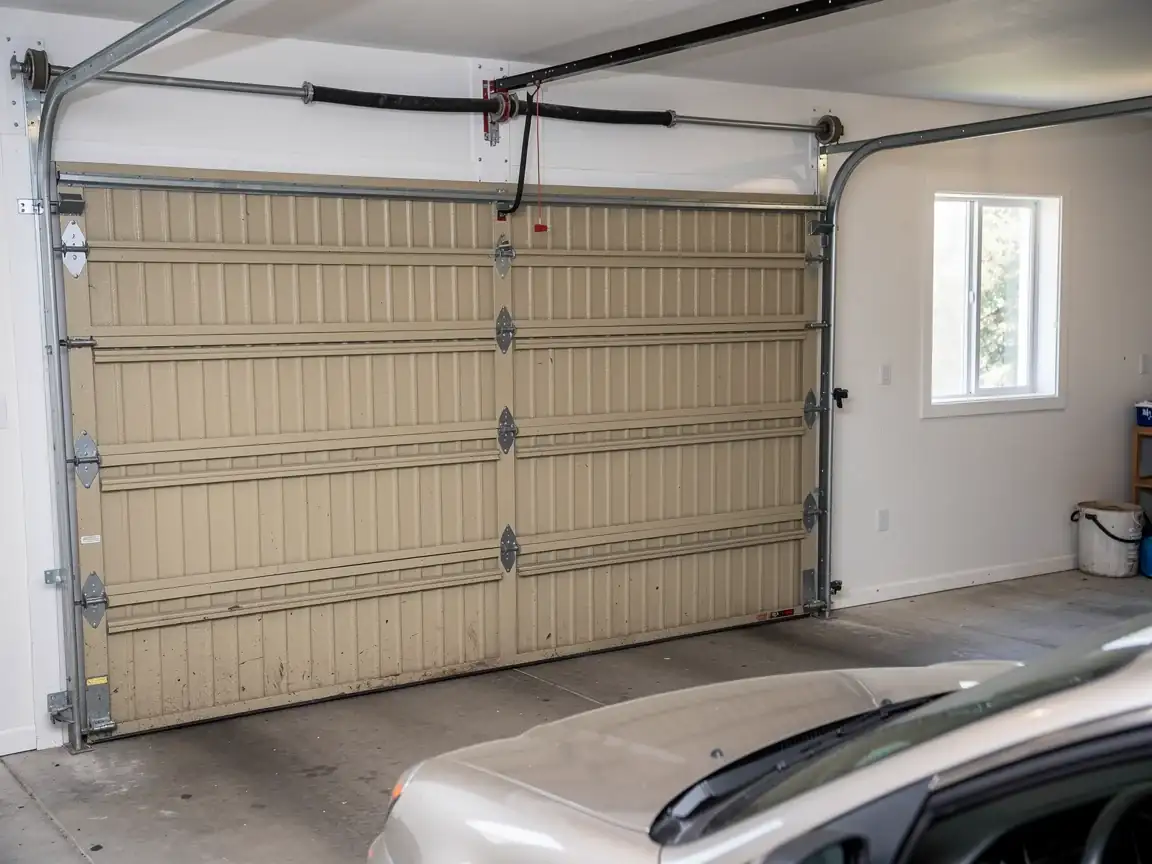
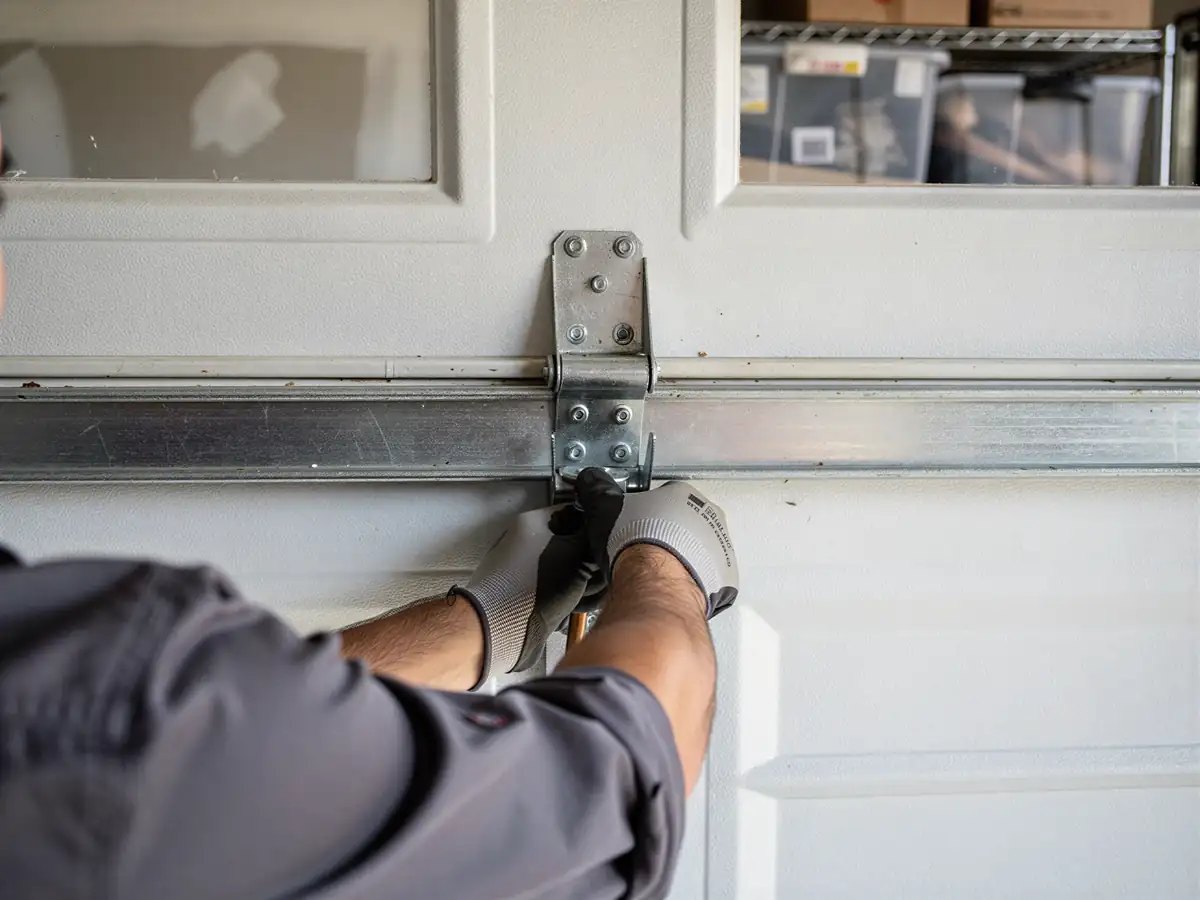
A lot of West Falls Church was built around 1962, part of the wider wave of 1960s and '70s construction that shows up across 37 named areas in this part of the region. Openers in these houses have usually been swapped out once or twice since the house went up, but the wiring, the header clearance, and the mounting bracket are often original to a door frame that predates modern opener specs. That mismatch is the most common thing we find: a newer opener forced onto an old rail bracket, pulling loose over time.
The cold is the other factor. This area sits in a severe cold climate band, and openers take a beating from it - grease in the drive gear stiffens, safety sensor lenses fog and throw false reversals, and capacitors that are already marginal give out on the first hard freeze of the season. We see more dead start capacitors and failed logic boards in January than any other month here. Chain-drive openers from the 1990s and early 2000s, common in this housing stock, are especially prone to stripped gears once the grease hardens - that's wear, not a defect, and it only shows up after a decade or more of cold starts.
What You Pay
We don't have a flat number to quote here - what you pay depends on whether the fix is a sensor, a capacitor, a logic board, or a full opener swap, and we won't pretend otherwise. What we can tell you is how West Falls Church households tend to land on that decision: the area's median household income runs around $131,236, which is comfortably above what it takes to justify a full opener replacement rather than nursing along a stripped gear year after year. We'll always price the repair first and let you decide - we're not going to sell a new unit when a $40 part solves it.
One honest limitation: some opener models from the 1980s and '90s are far enough out of production that we can't get OEM boards or gear kits for them at all. When that happens, replacement is the only option, and we'll say so up front rather than stringing out a repair that can't be finished.
What the Repair Takes
Most opener calls here run the same basic sequence
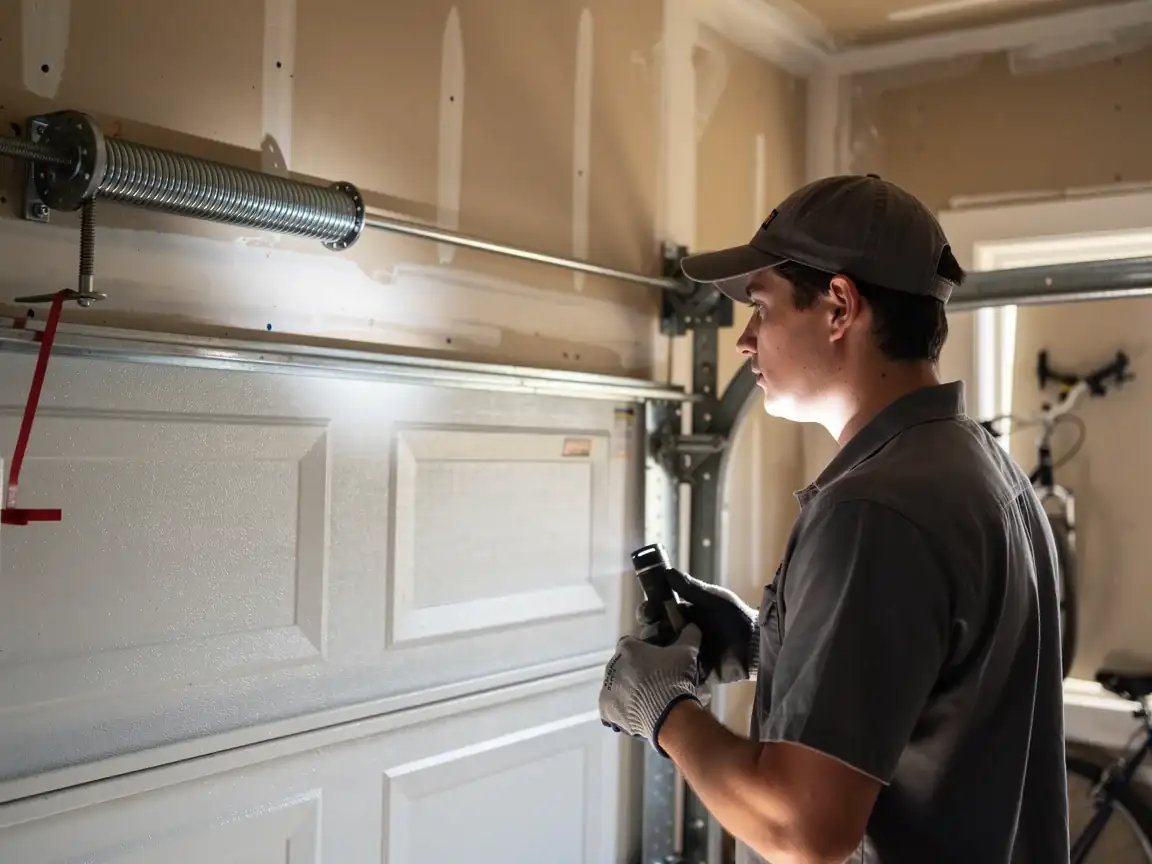
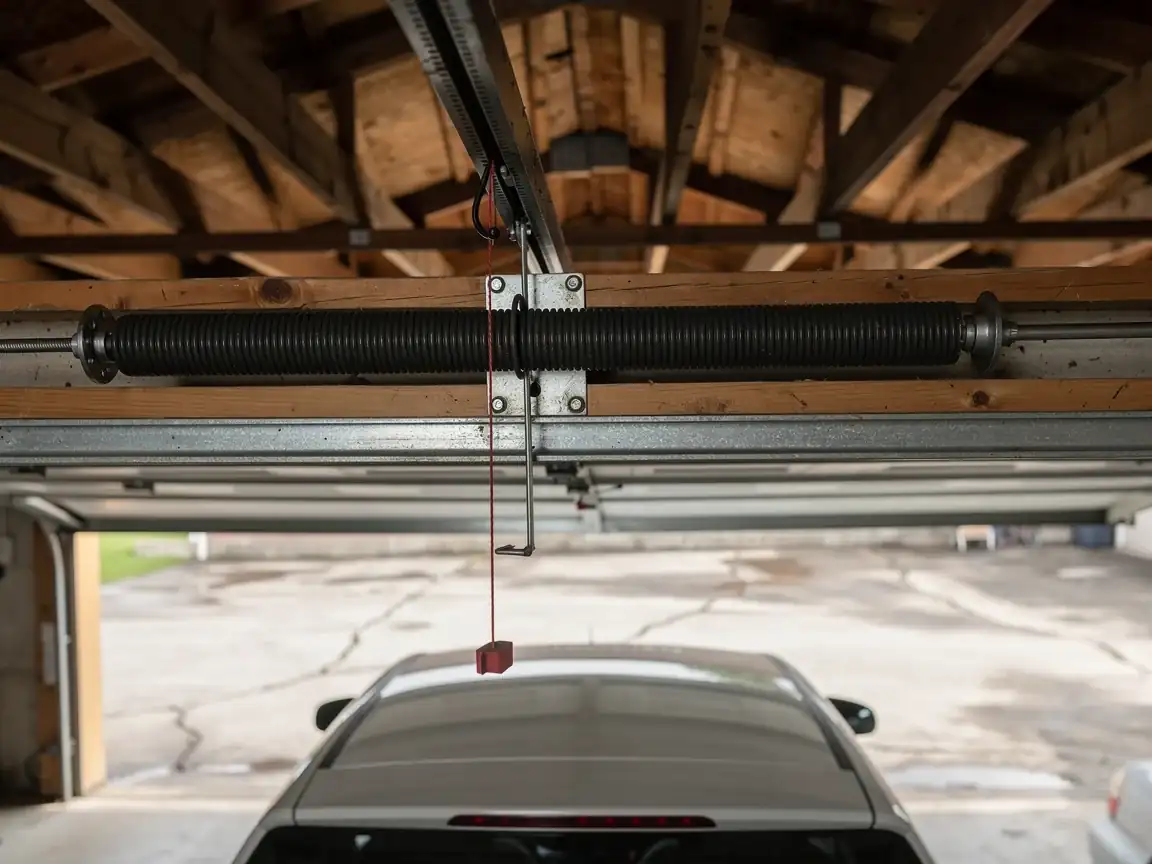
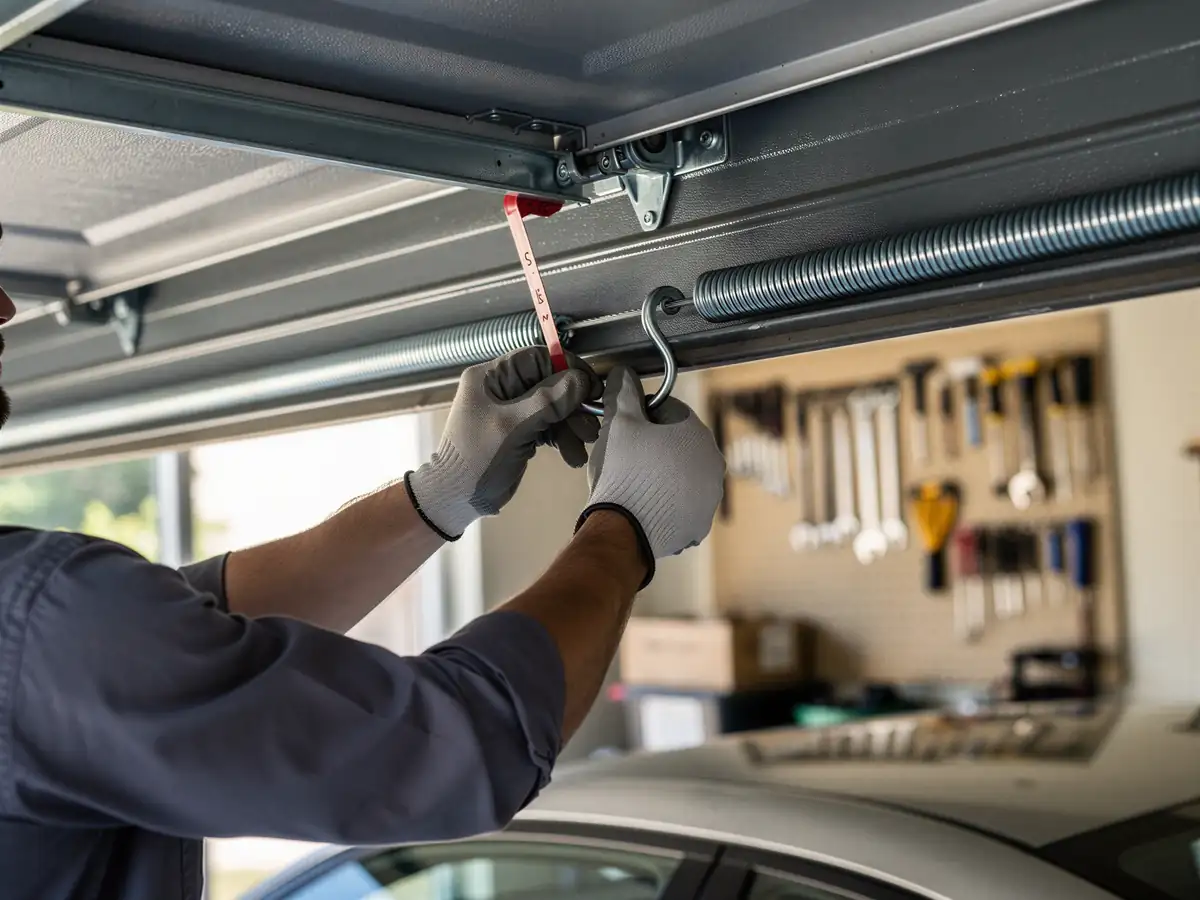
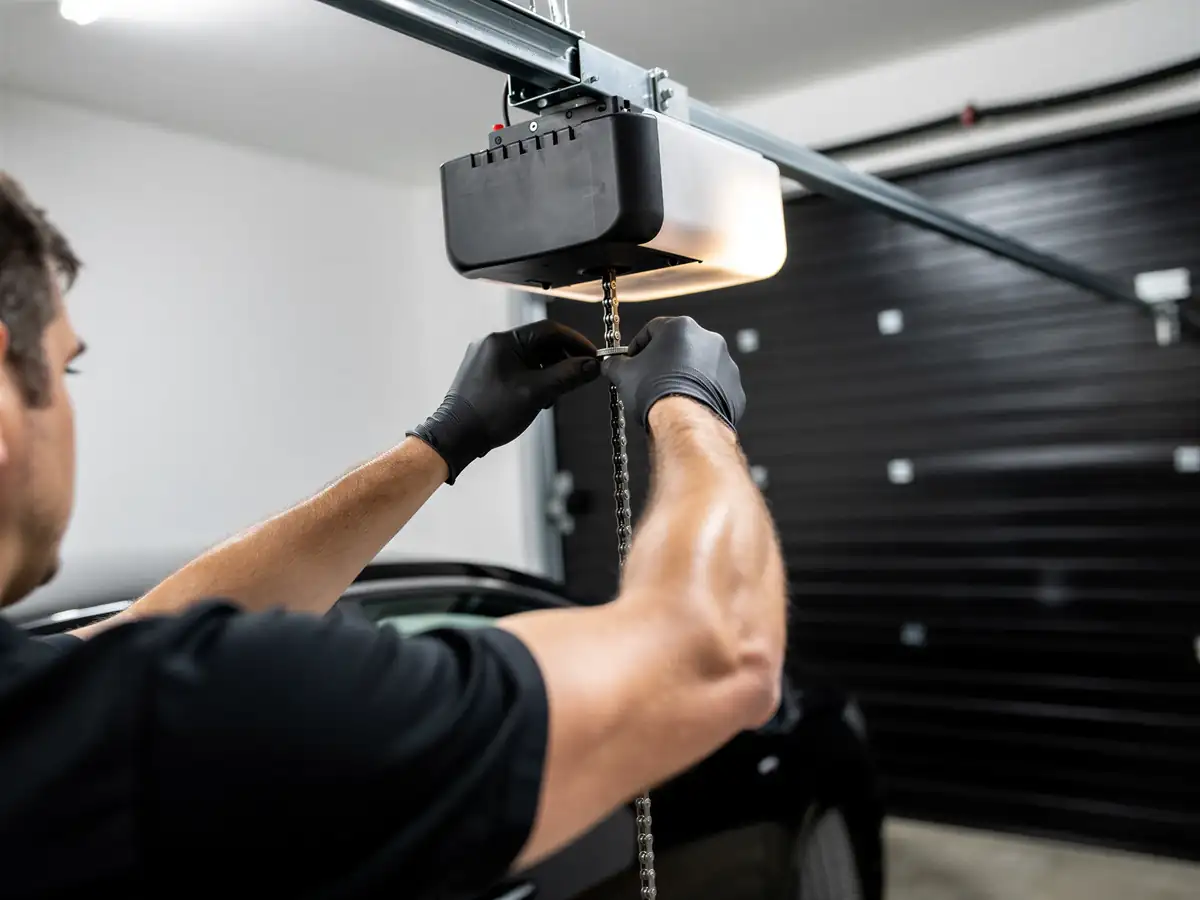
Check the wall control and sensors first, since those fail more often than the motor itself, then test the capacitor and listen to the motor under load. If the unit hums but doesn't turn, it's usually the capacitor or a seized gear - both are quick swaps once we've confirmed the fault. If the logic board has taken a surge or just aged out, that's a longer job, and on older openers it can mean sourcing a part that isn't stocked on the truck.
With roughly 10,451 households in West Falls Church
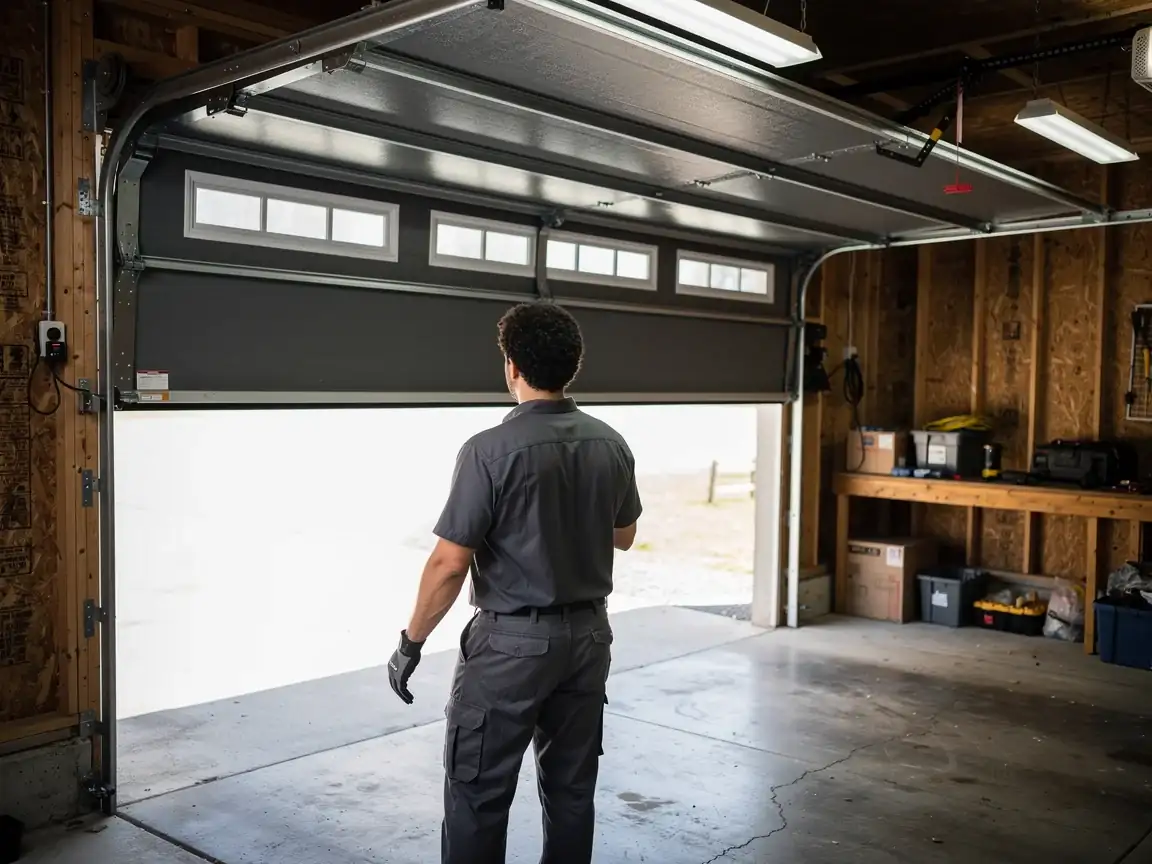
Many sharing that same 1962-era build window, we see the same handful of failure patterns repeat house to house - it's rarely a mystery, just a matter of which part gave out first. A straightforward sensor or capacitor fix usually wraps in under an hour once we're on site. A full opener swap, including matching the new unit to an older rail and bracket setup, takes longer and we'll tell you that before we start, not after.
- 10,451 households