Booking a Visit
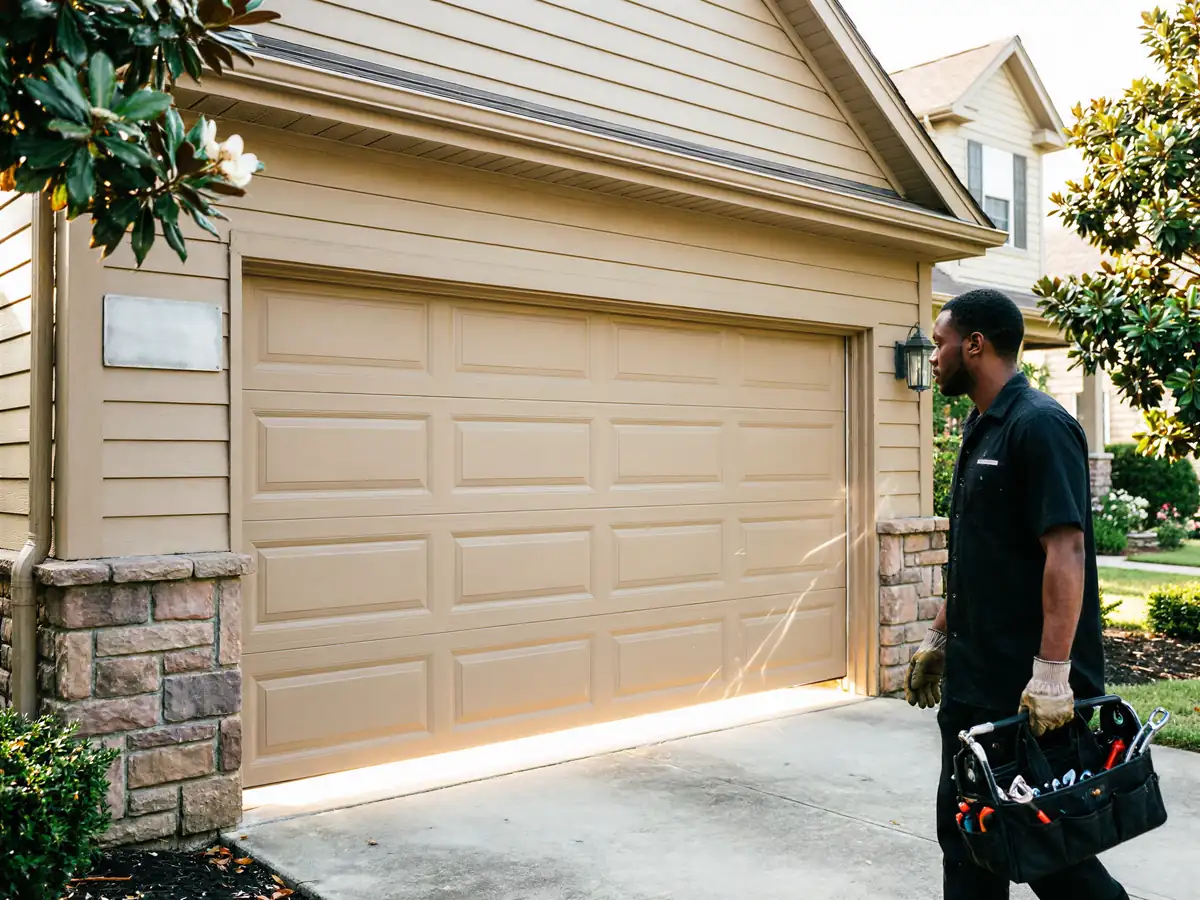
We run this job out of Arlington, about 5 miles east of West Falls Church
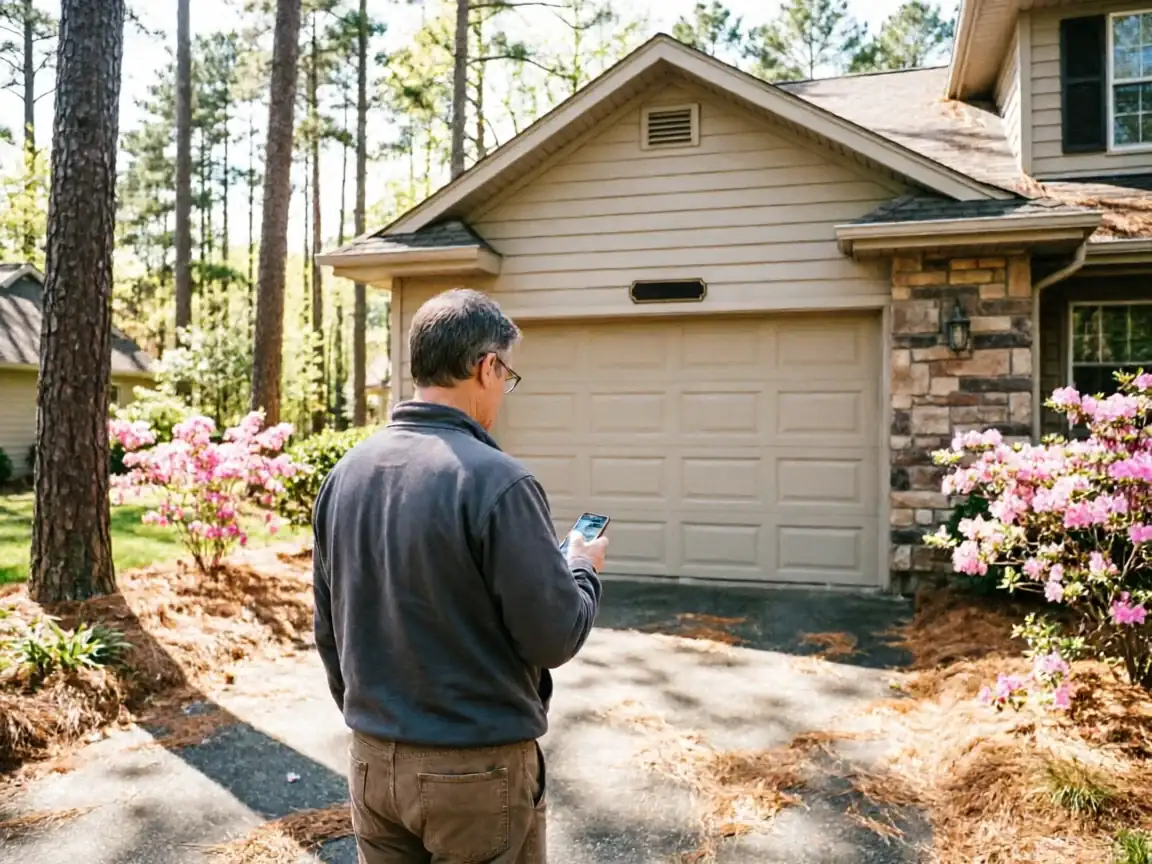
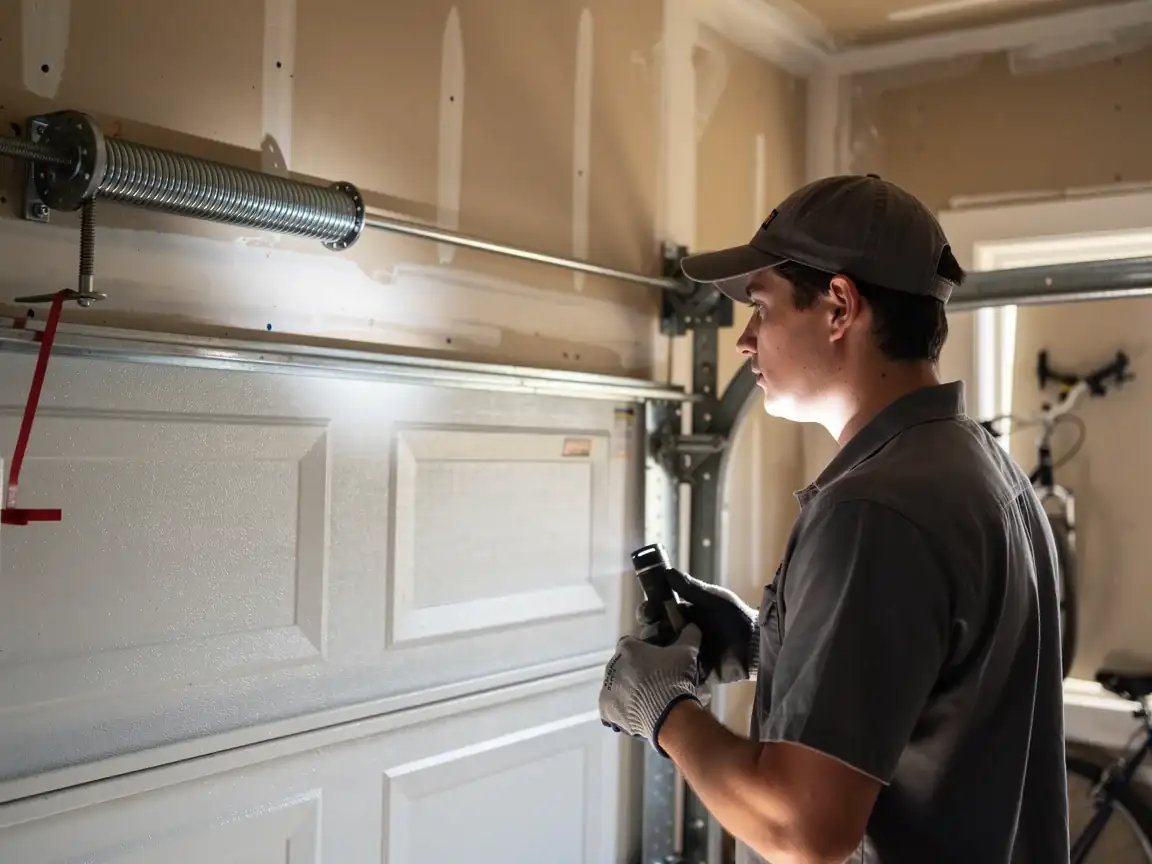
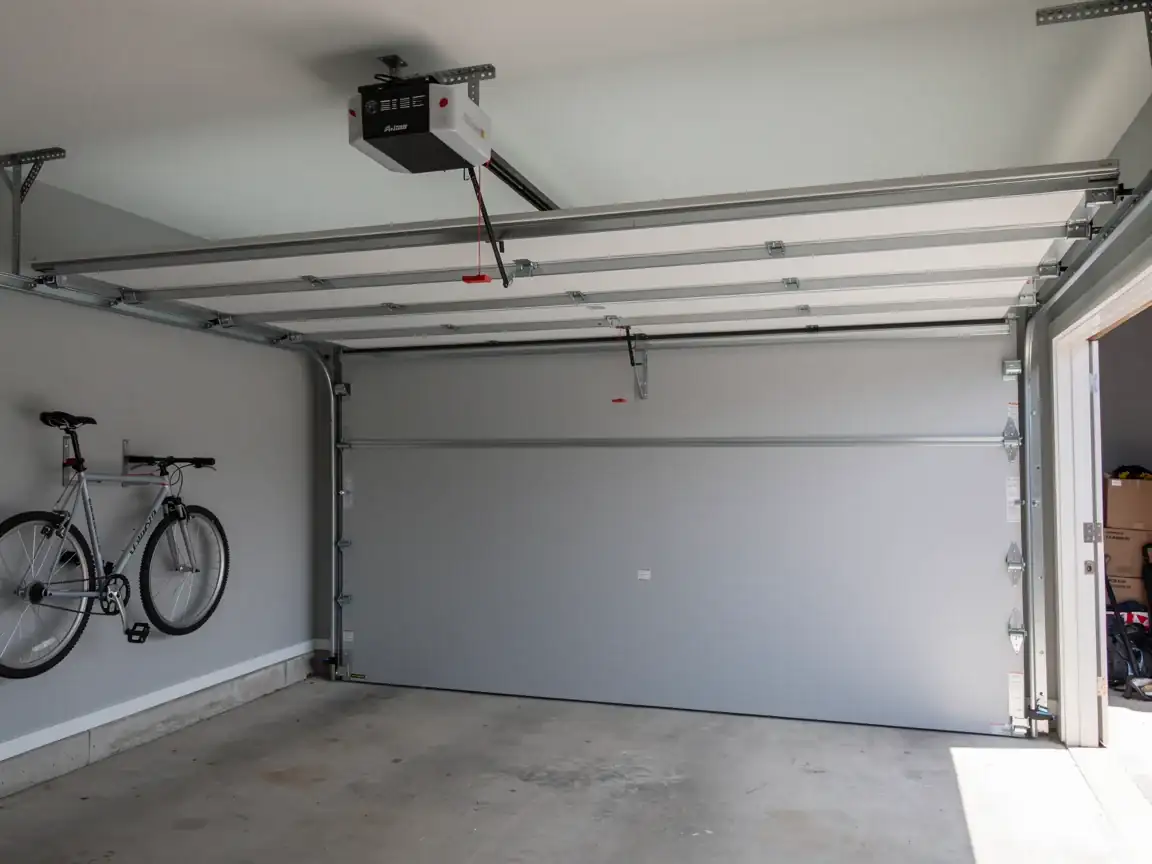
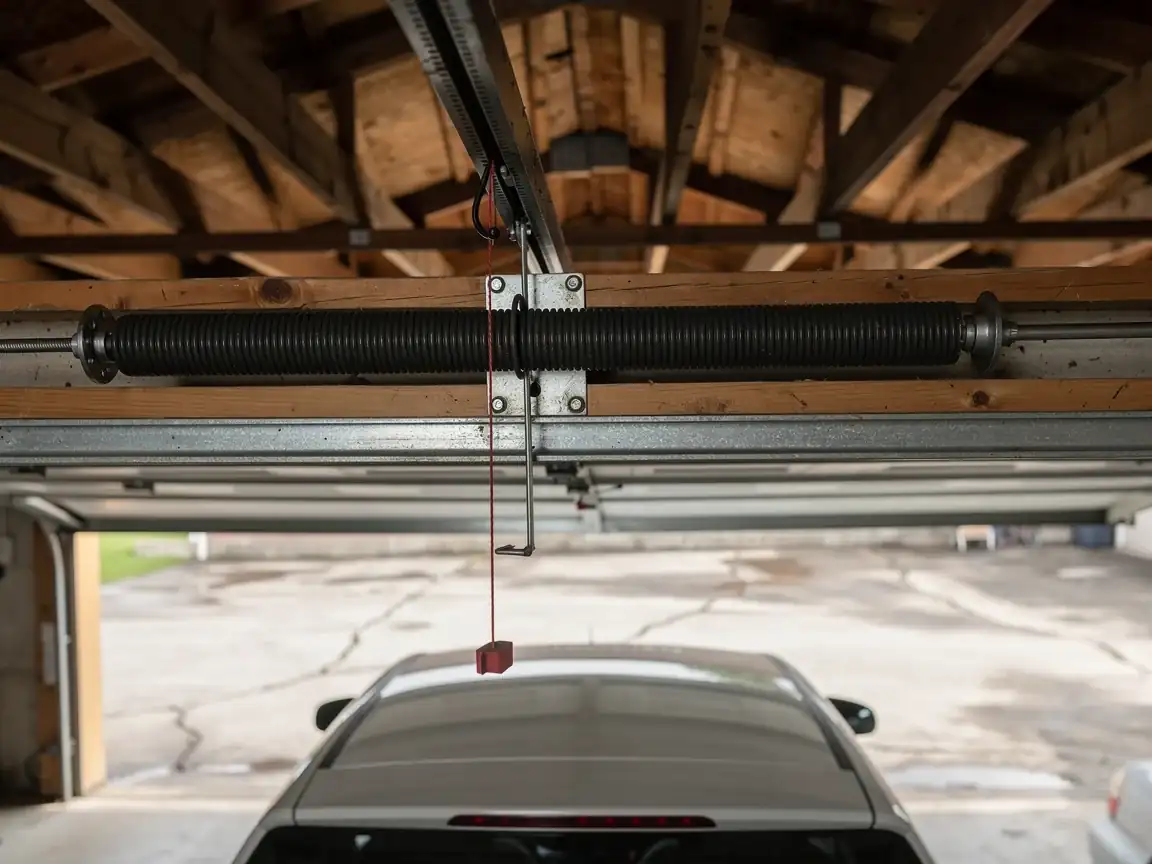
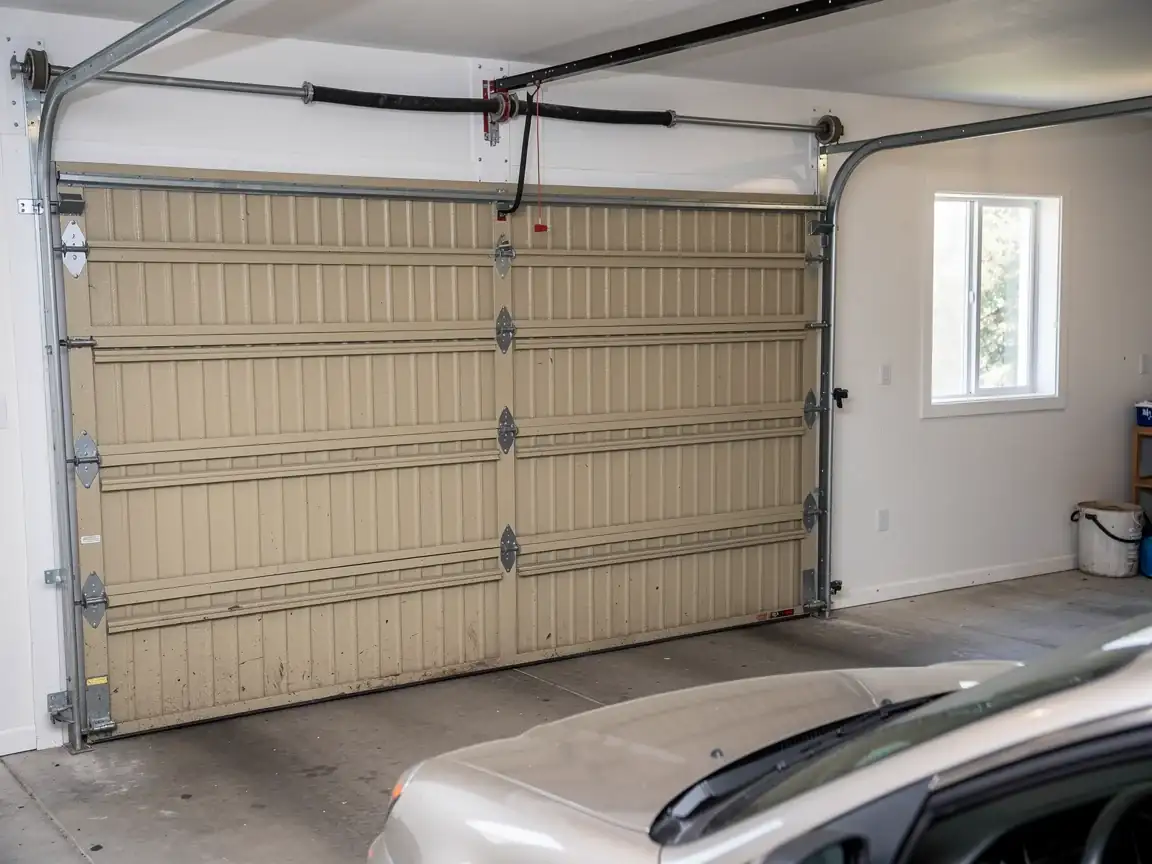
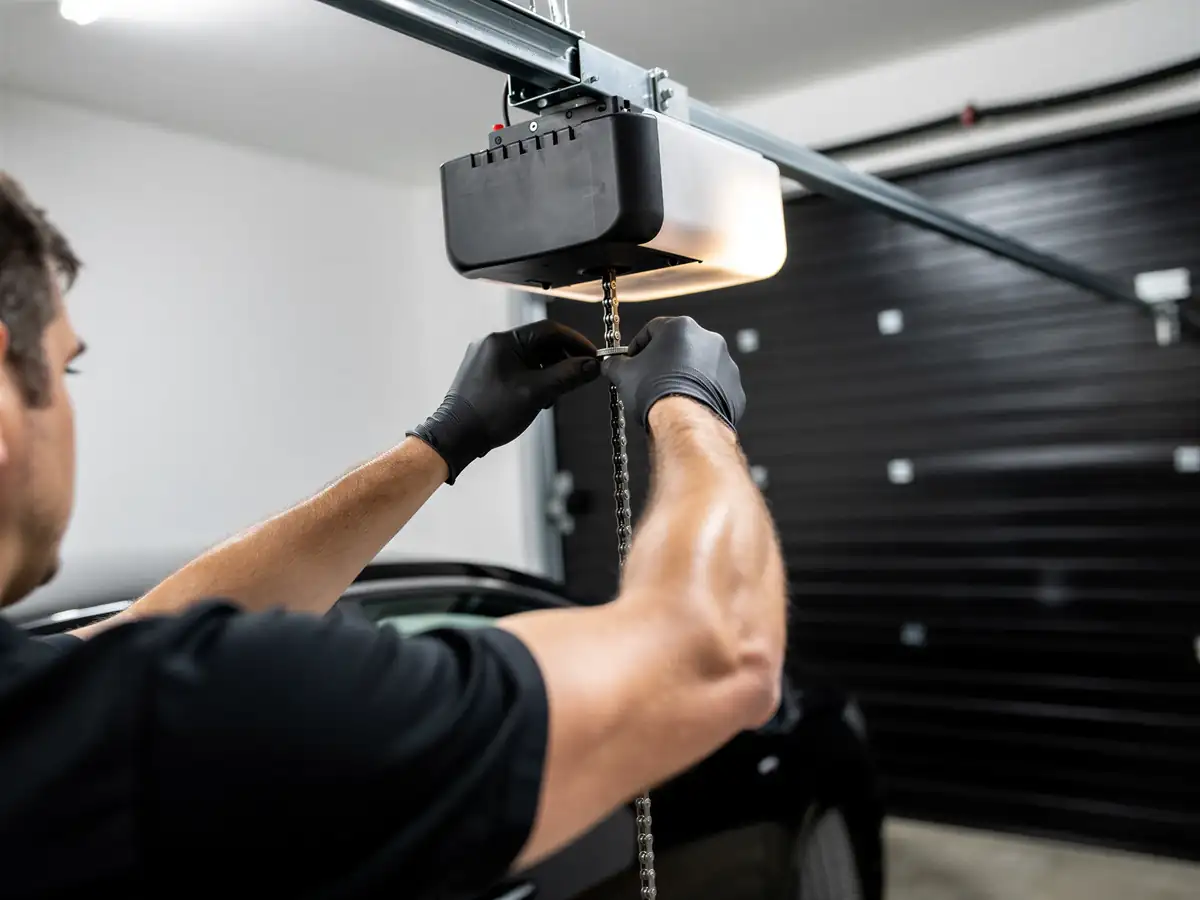
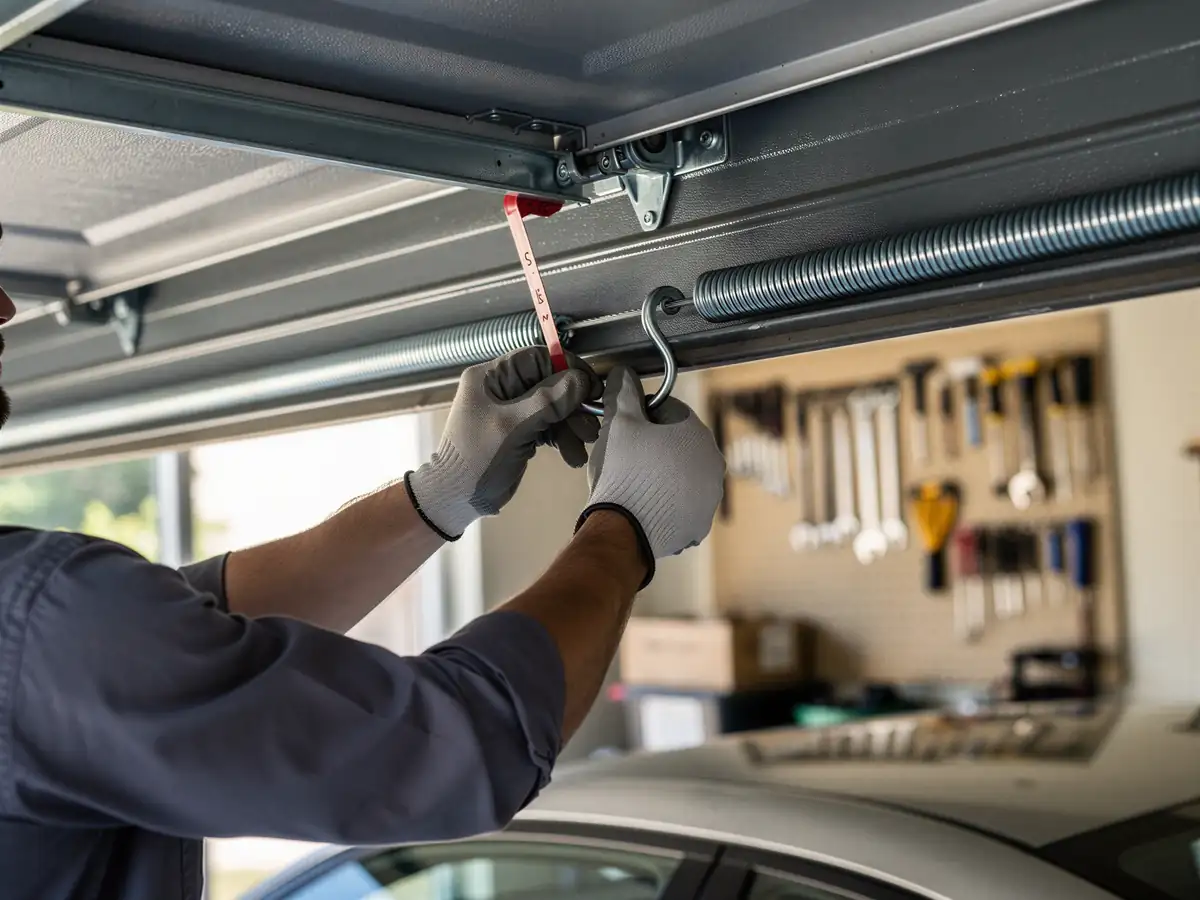
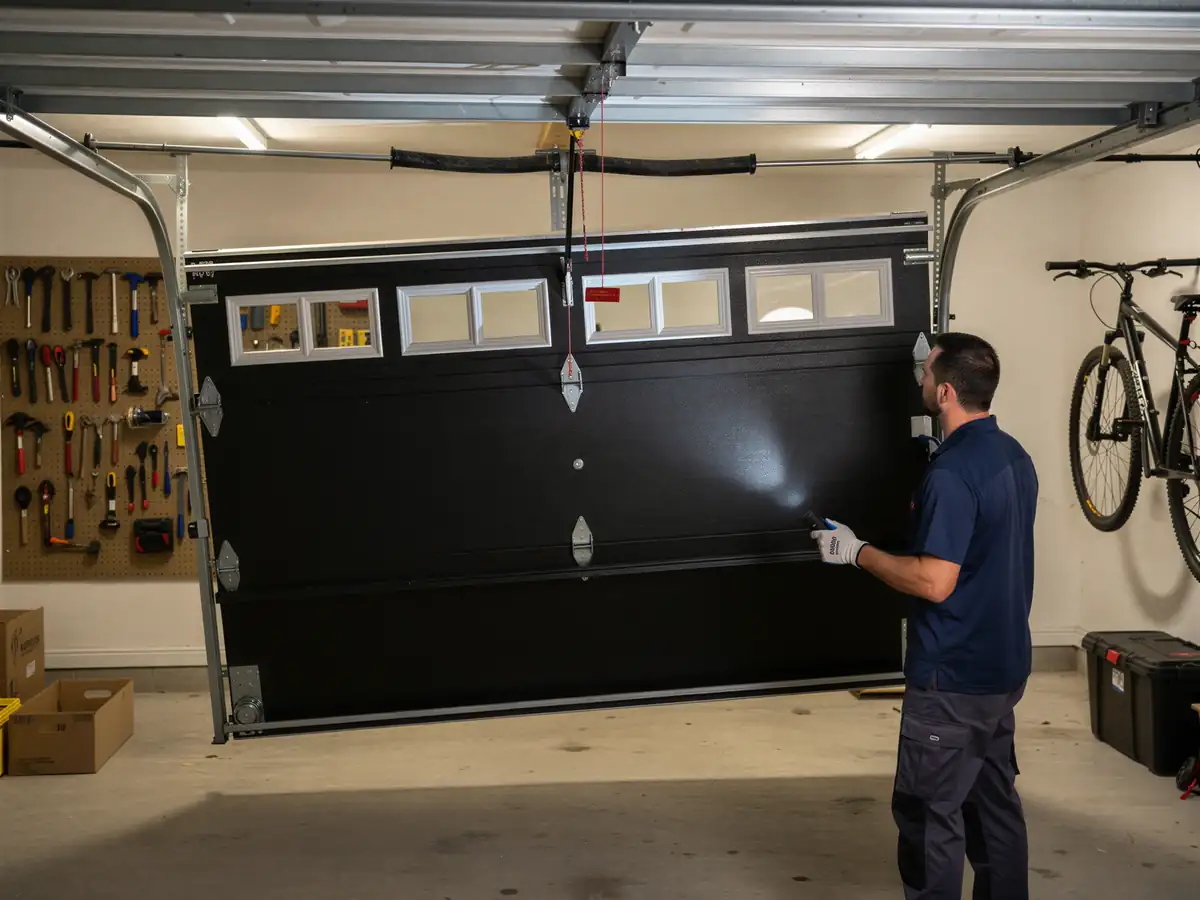
So there's no local branch to call - just a truck that comes to you. When you book, tell us the age of the house if you know it. West Falls Church's housing stock runs older than a lot of what we see across the rest of the service area: the median build year here is 1962, versus 1976 for the 37 named communities we cover overall. That gap matters before the truck even leaves Arlington, because a 1962 door opening is sized and framed differently than something built in the 1980s, and the tech needs to know which parts to bring. If you can snap a photo of the spring setup and the opener before we arrive, it saves a second trip for a part we didn't know we needed.
- 5 miles
We don't keep a West Falls Church depot and we won't claim a response window we can't back up from Arlington
If timing matters to you, say so when you book and we'll tell you honestly what's realistic that day.
What Can Go Wrong
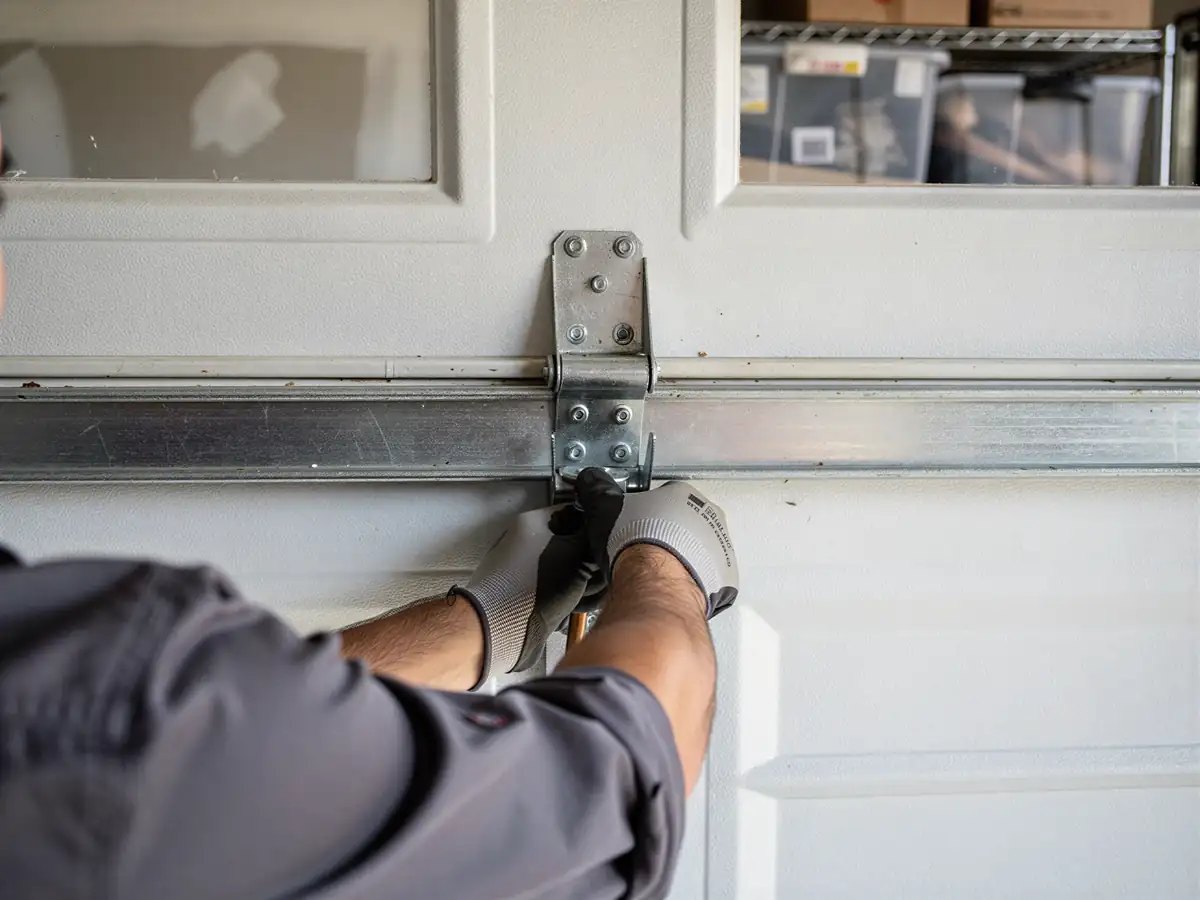
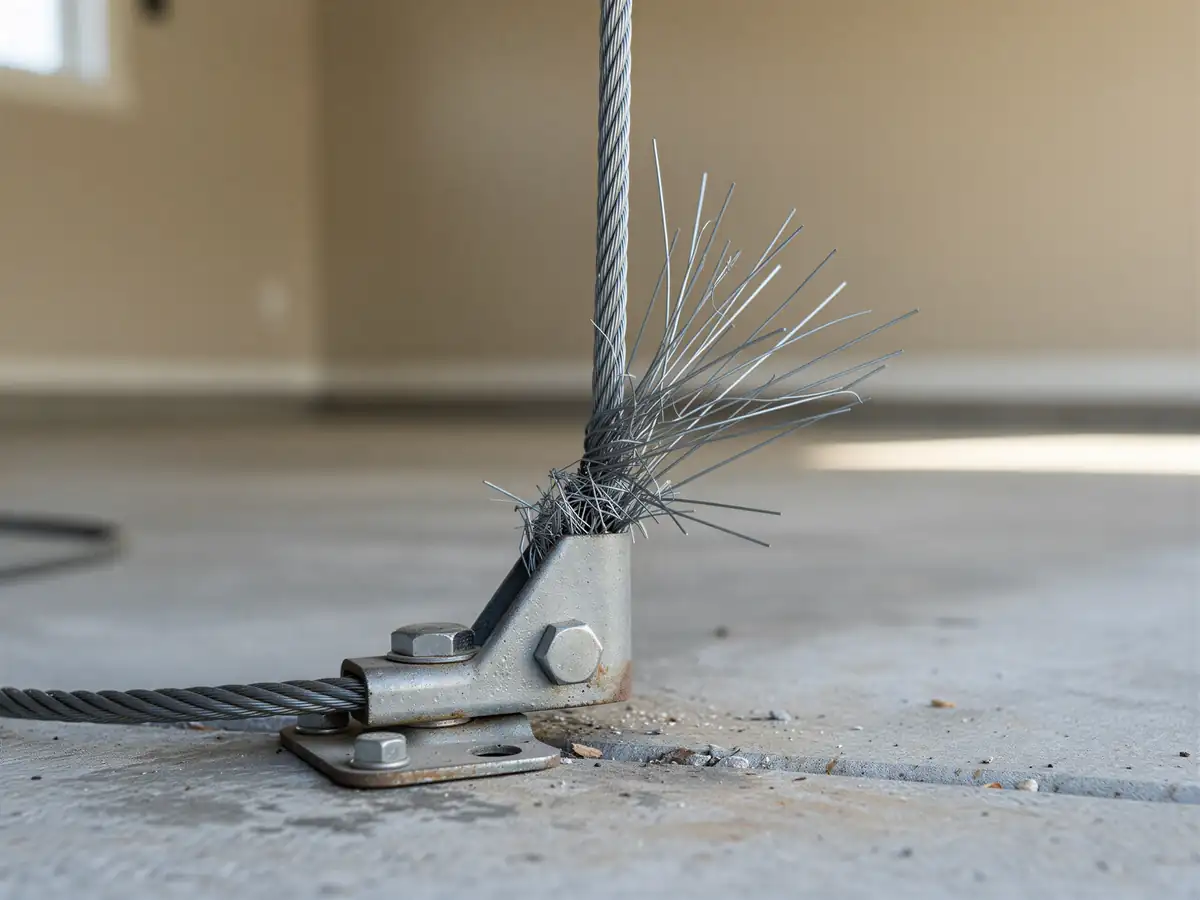
A house built around 1962 was almost certainly fitted with a door and track system designed for the hardware standards of that decade, which in the DC area usually means a torsion spring setup that's been rebuilt or replaced at least once by now, sometimes with mismatched parts from different eras. On a 60-year-old opening, we commonly find track that's been bent back into rough shape instead of replaced, rollers that were swapped out piecemeal, and brackets that don't quite match the door they're holding.
The climate here is the other half of the story. This is a cold-climate service area, and repeated freeze-thaw cycles work on steel fasteners and lubricated moving parts the same way every winter - bolts back out, springs lose tension faster, and openers that struggle in the cold tend to be the ones already carrying some age. A door that's fine in October and binds in January usually isn't a coincidence.
What You Pay
We don't publish a flat price for West Falls Church because the age of the door and what's actually wrong with it decide the number, not the zip code. What we can tell you is what the local numbers suggest about the jobs we see here: median household income in this part of the service area runs around $131,236, a bit below the wider area's $137,878, and most of the roughly 10,451 households sit in homes built closer to the early 1960s than the 1976 median for the broader footprint. That combination tends to produce repair calls rather than full replacements - fixing a spring or a section of track on a door that still has good bones, instead of tearing the whole thing out.
We'll always give you the repair-versus-replace conversation honestly. If the opener is original and the track is warped beyond adjusting, replacement is usually the cheaper call over five years even if the sticker price stings more today.
What the Repair Takes
Most single-spring or single-panel jobs on a house from this era take one visit
Assuming the part is something we carry on the truck. Where it gets slower is hardware tied to the 1962-vintage openings - older track widths or bracket spacing that newer stock doors don't use. We're honest about this: if a part has to be special-ordered, that's a second trip, and we'll tell you up front if we think that's likely rather than let you assume it's a same-day fix.
Cold-weather calls add their own wrinkle
Lubricant that's gummed up in low temperatures, a spring that's lost tension over a hard winter - those diagnoses are quick, but the actual repair still takes the time it takes. We'd rather tell you two hours instead of one and be right.