Booking a Visit
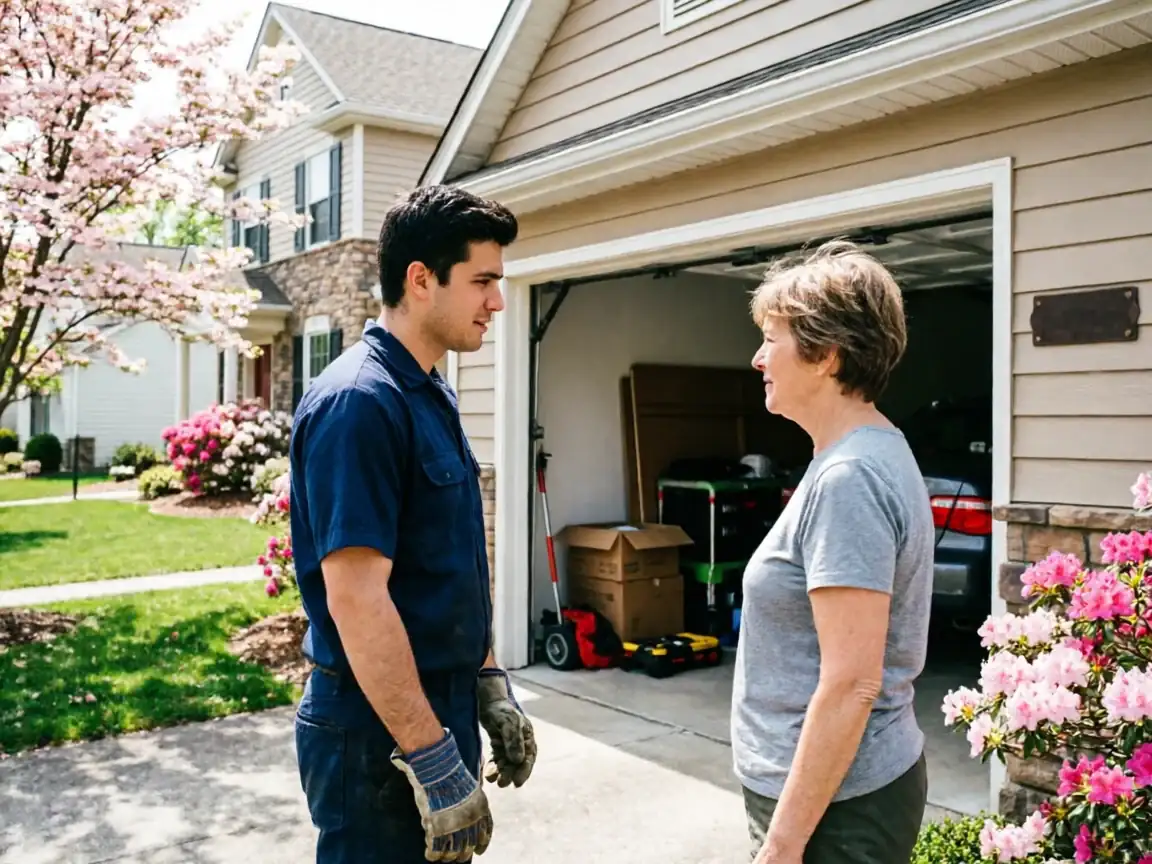
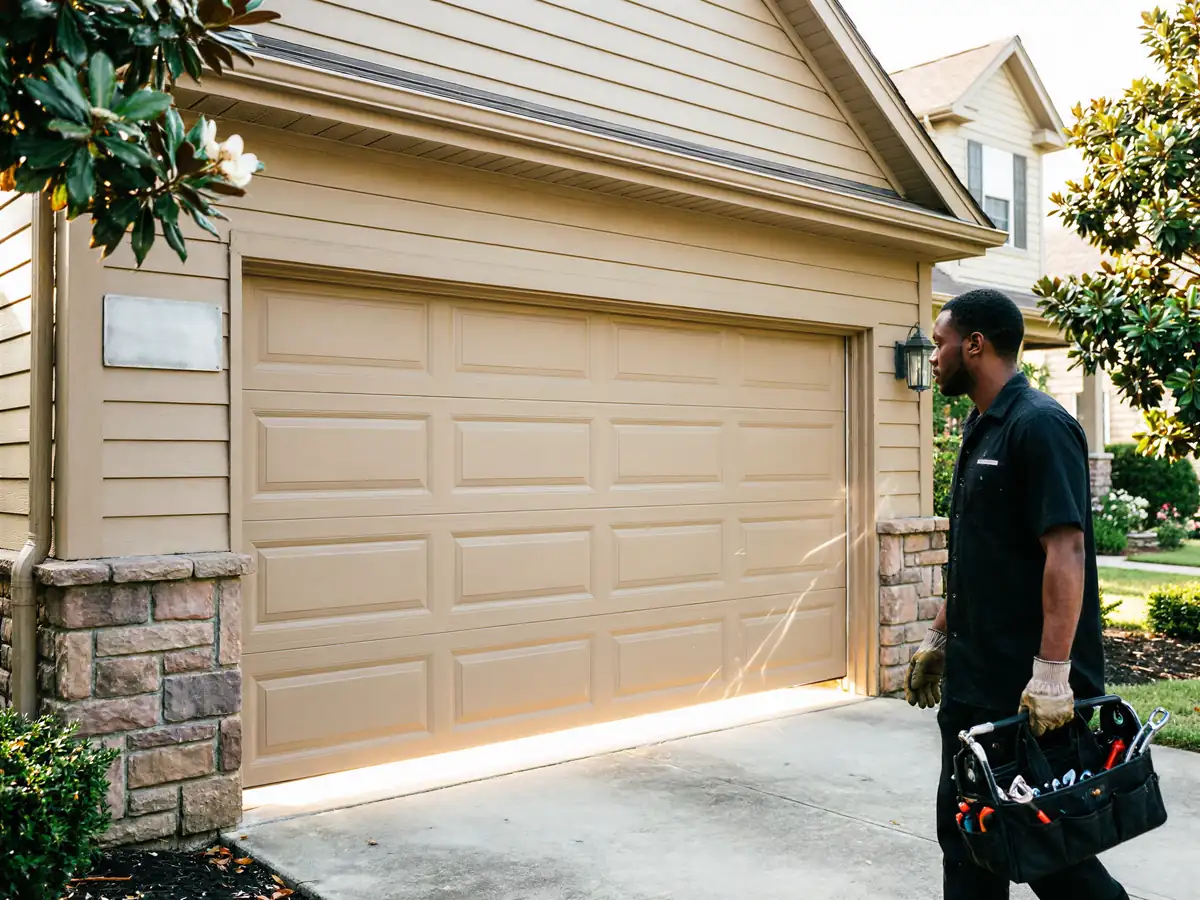
We run installs out to West Falls Church from our Arlington location, about 5 miles away
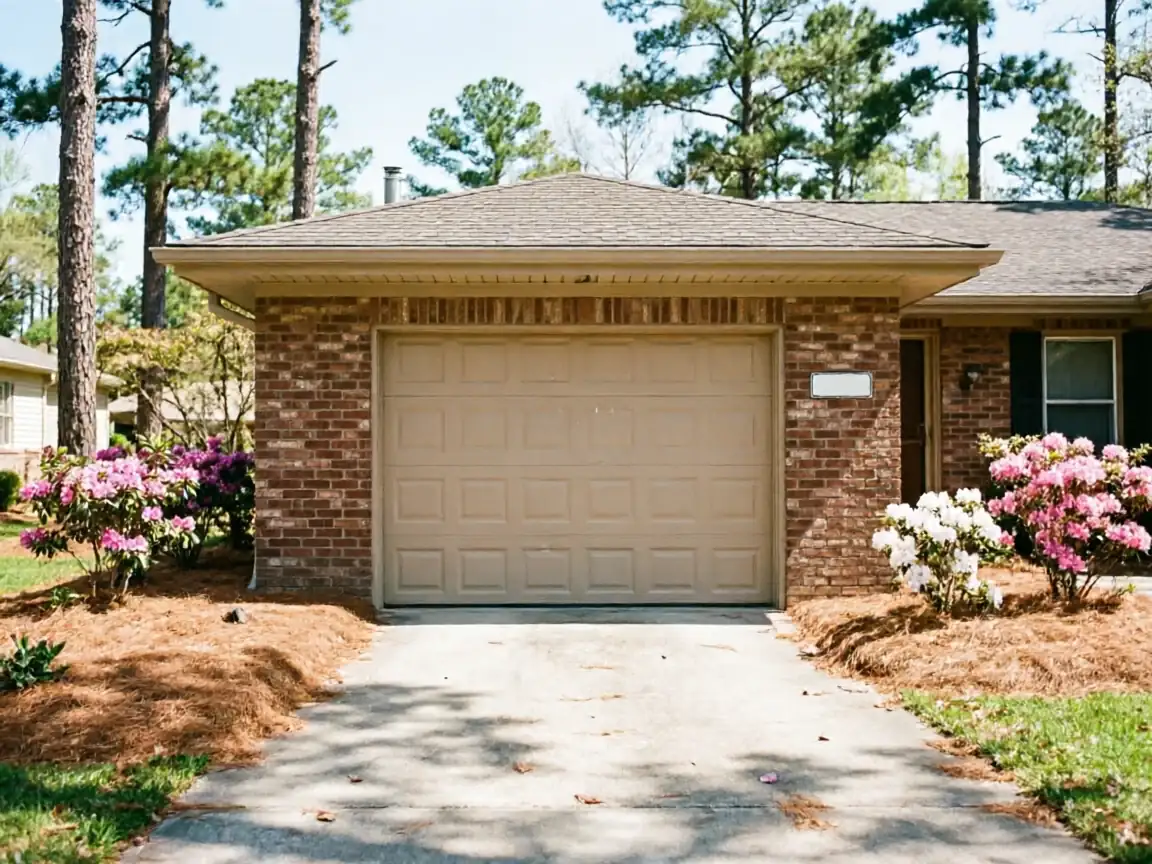
So there's no local branch to call - just a truck that comes to you. Most of the houses we see here went up in the early 1960s, part of the broader wave of 1960s-70s construction that covers this side of the region. That matters for scheduling because a lot of these jobs aren't simple swaps: the opening is often framed for a door size nobody makes anymore, or the track was set up for a single steel panel half the weight of what you'd put in today.
- 5 miles
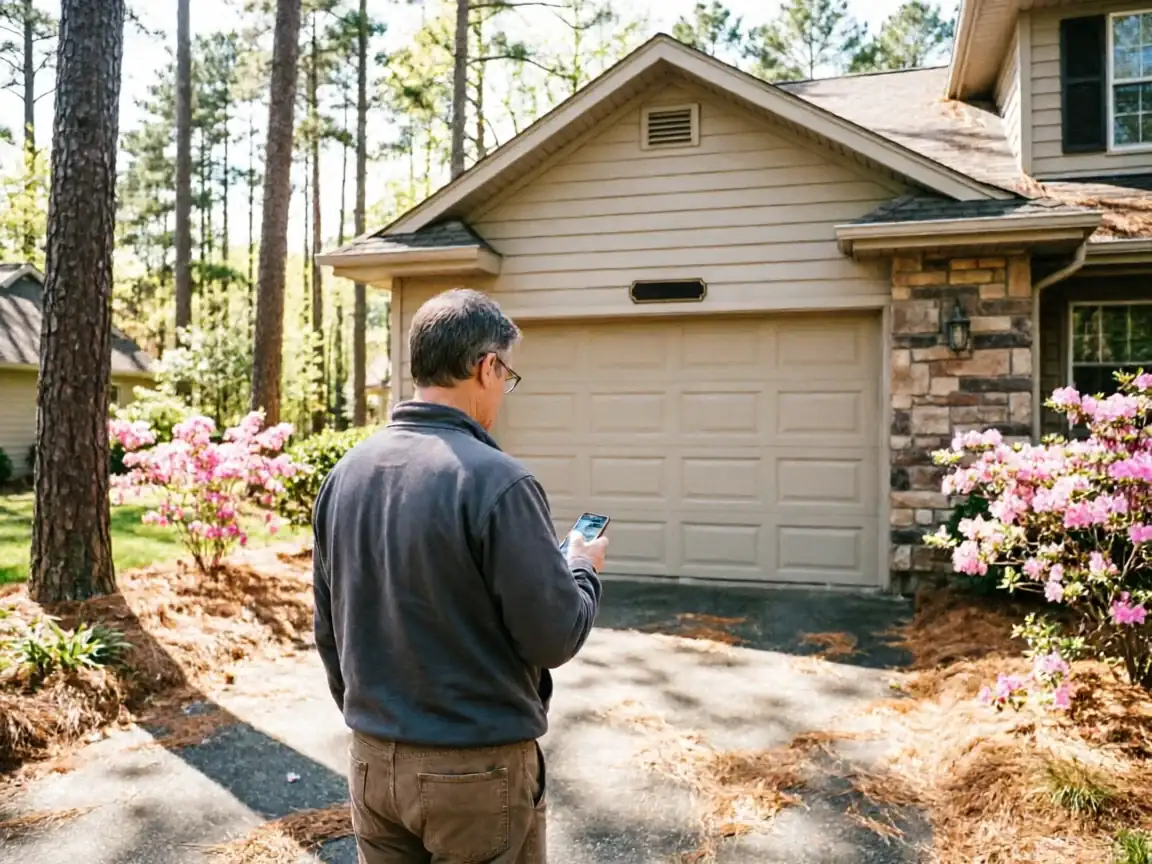
When you call, tell us the rough age of the house and whether the door has ever been replaced
If it's the original 1962-era unit, we'll plan on extra time at the opening to check header clearance and jamb condition before the new door goes in. If a prior owner already swapped it once, the job is usually faster because the track and header are already modern-spec.
What Can Go Wrong
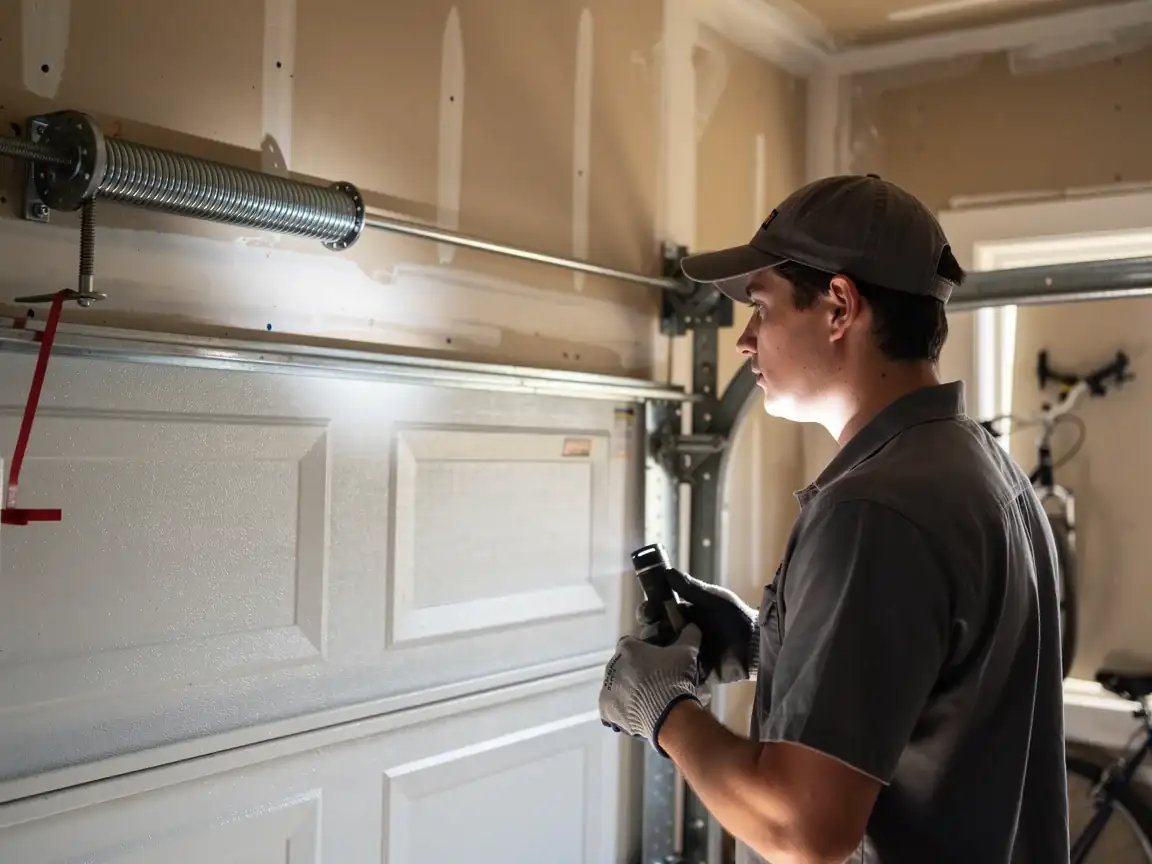
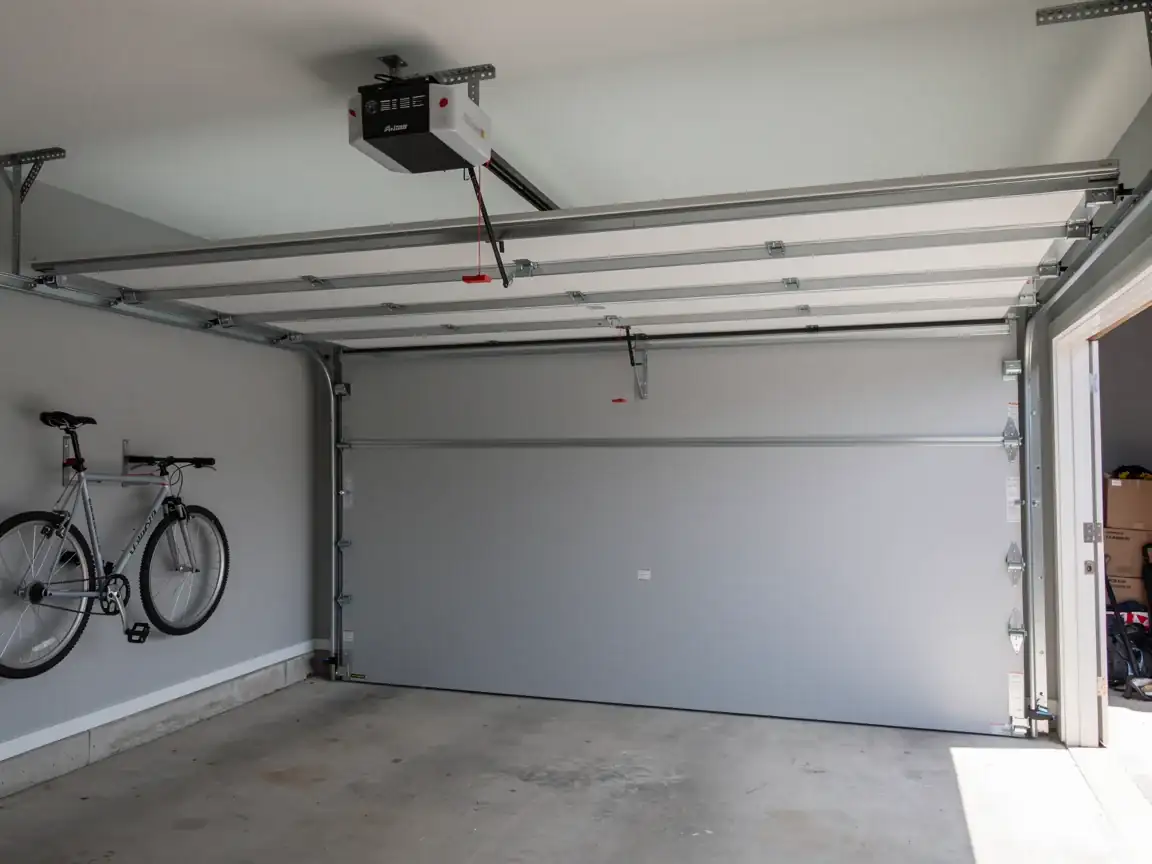
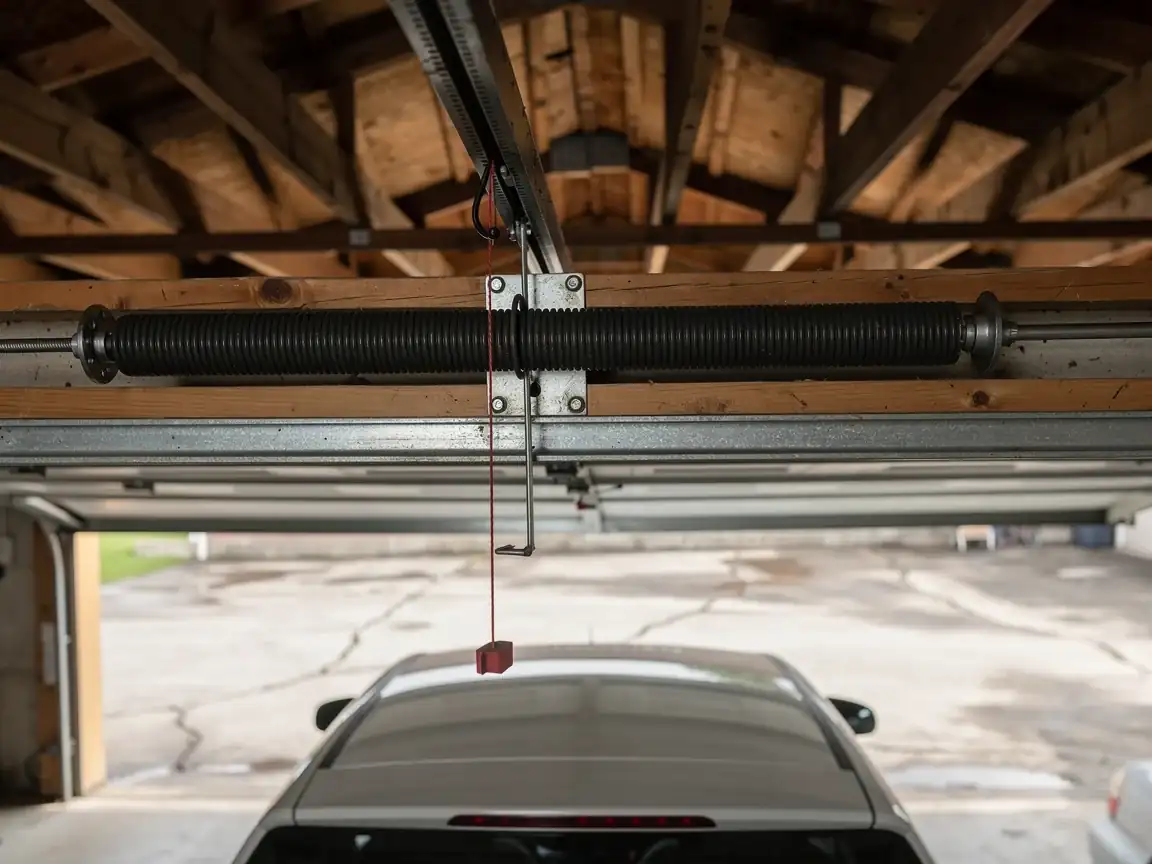
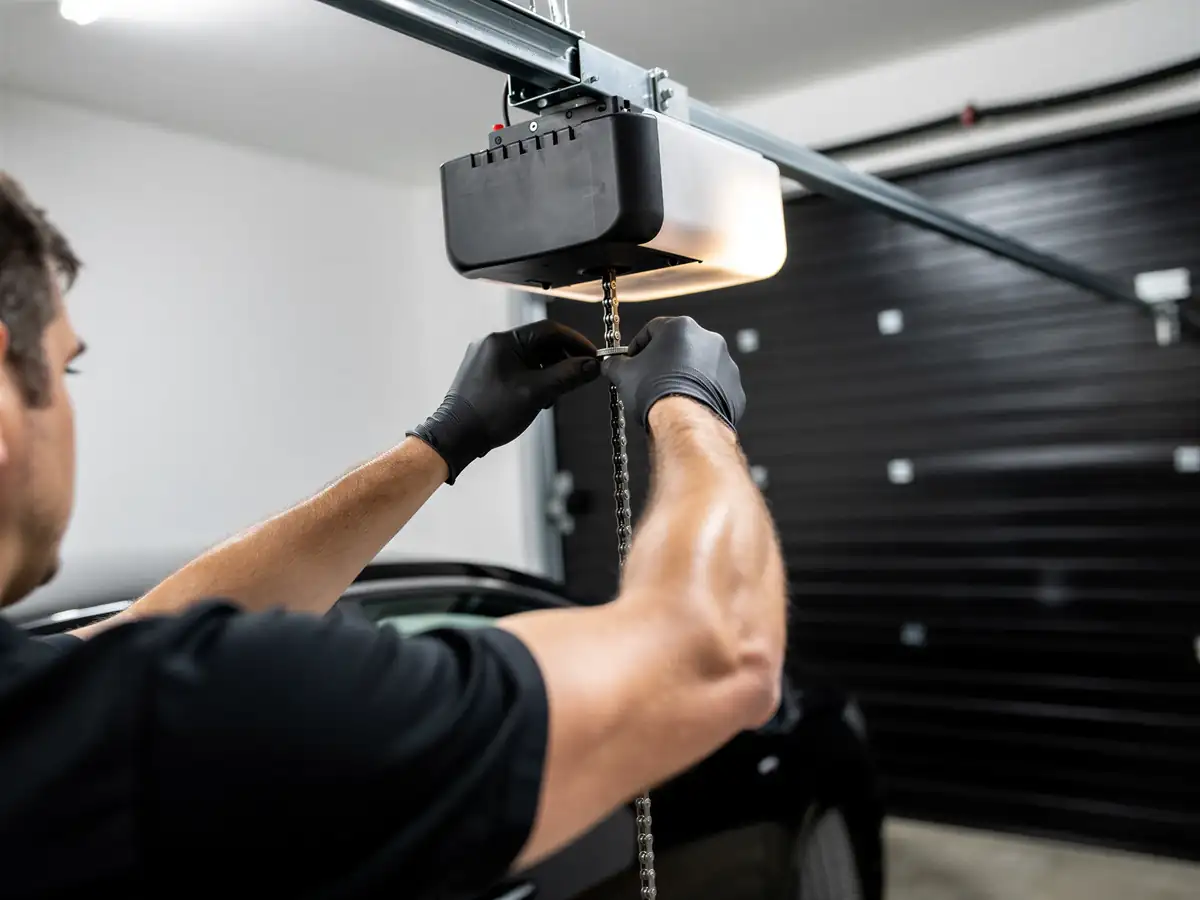
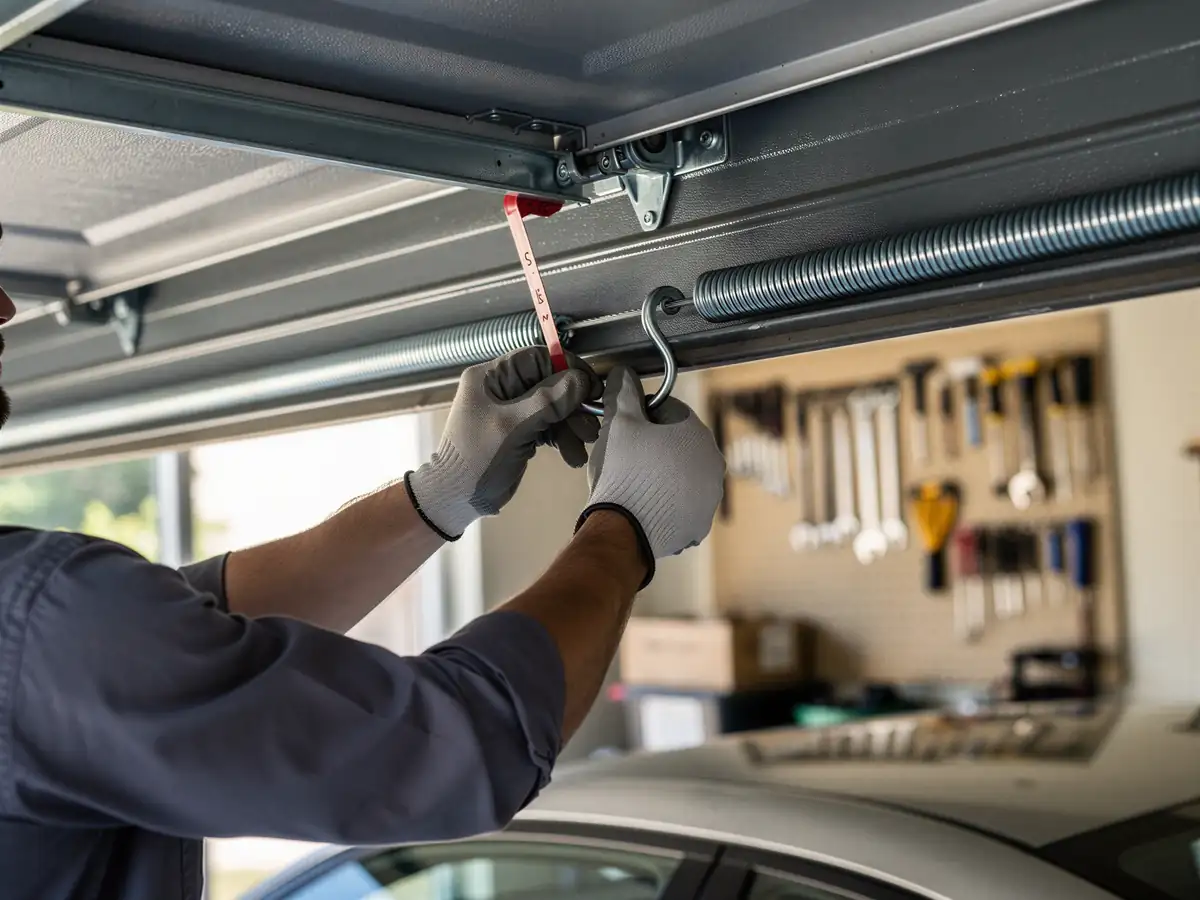
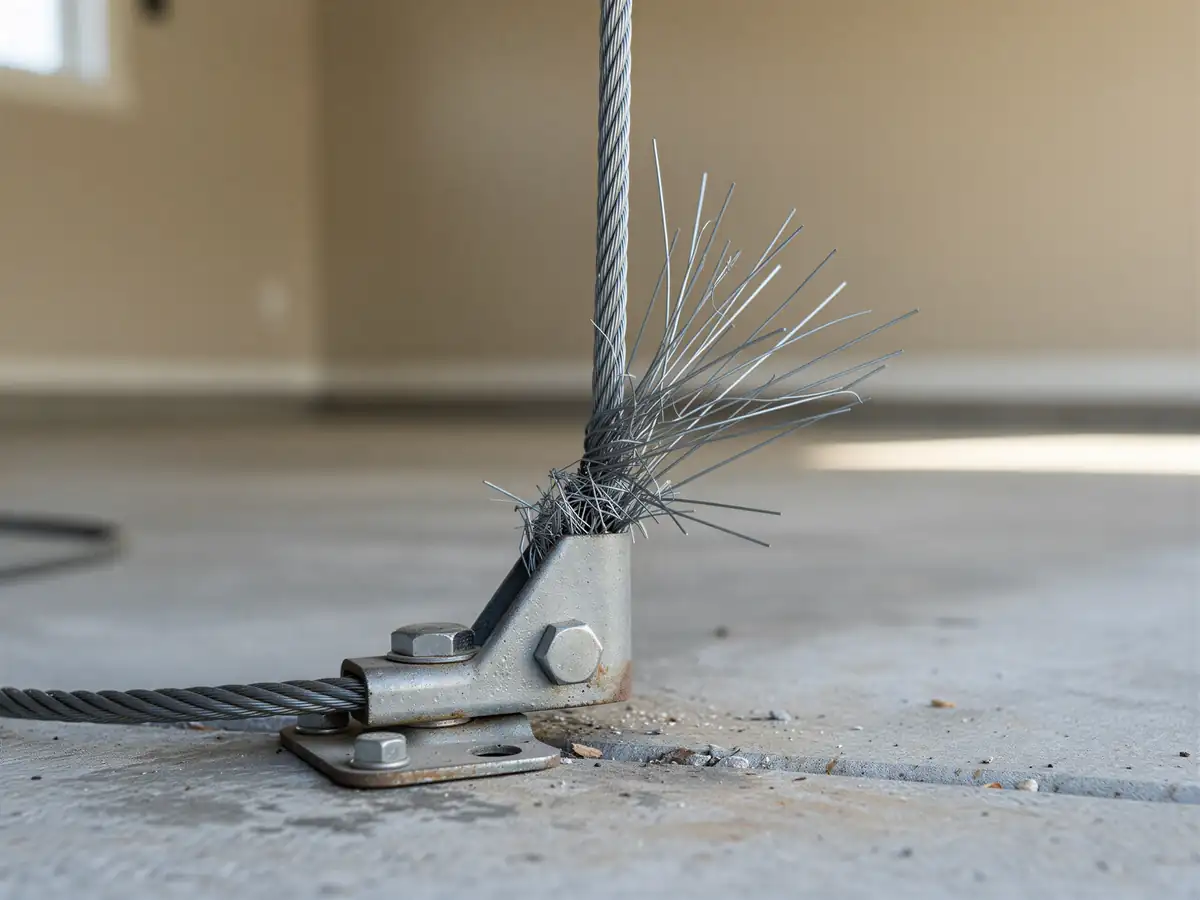
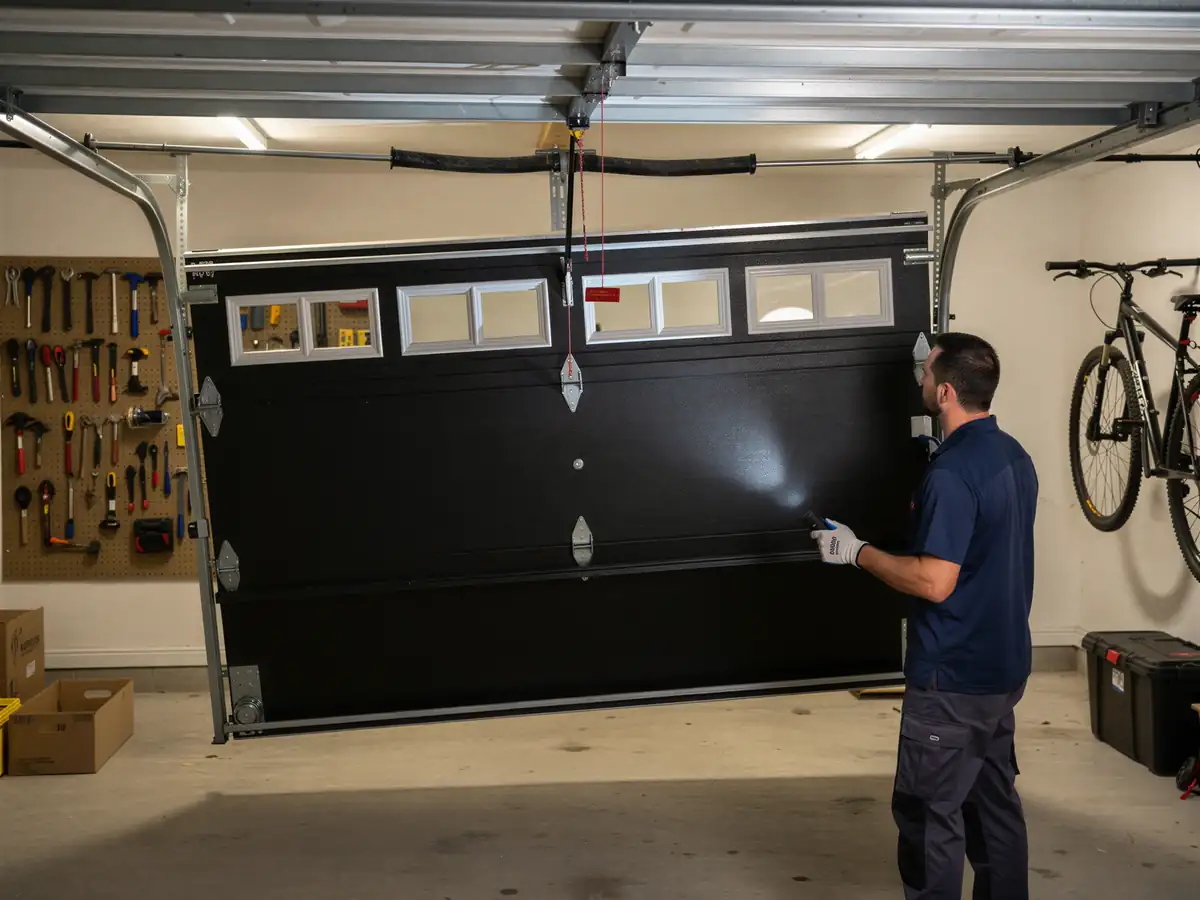
The fault we run into most in this part of the service area isn't a broken spring - it's a door and opener mismatch that's been building for decades. A house built around 1962 usually started with a single-layer steel door on a torsion or extension setup sized for that lighter panel. Somewhere along the way, an owner adds an opener rated for a heavier insulated door, or replaces the door but not the track, and the two pieces fight each other every time the door cycles. You hear it as grinding, a shudder at the top of travel, or a door that reverses for no clear reason.
Cold-climate weather sealing is the other issue specific to the housing era here. Doors from this period weren't built with the thermal breaks or bottom seals that current code expects in a severe cold climate, and a lot of the original jambs were never shimmed tight enough to keep wind-driven cold air out. New installation here isn't just about the door panel - it's about getting the opening itself back to square before anything goes in.
What You Pay
We don't have a flat number to print for every West Falls Church job because the opening condition varies so much house to house in this age bracket - a squared, well-maintained 1962 frame costs less to fit than one that's shifted or rotted at the base. What we can tell you is that local household income here runs around $131,236, which is above the wider regional median, and we see that reflected in the number of owners who upgrade to insulated steel or wood-composite doors rather than the cheapest single-layer option.
Give us the door's rough measurements, the opener model if you have it, and photos of the track and header, and we'll give you a real number before the truck rolls.
What the Repair Takes
On a straightforward replacement
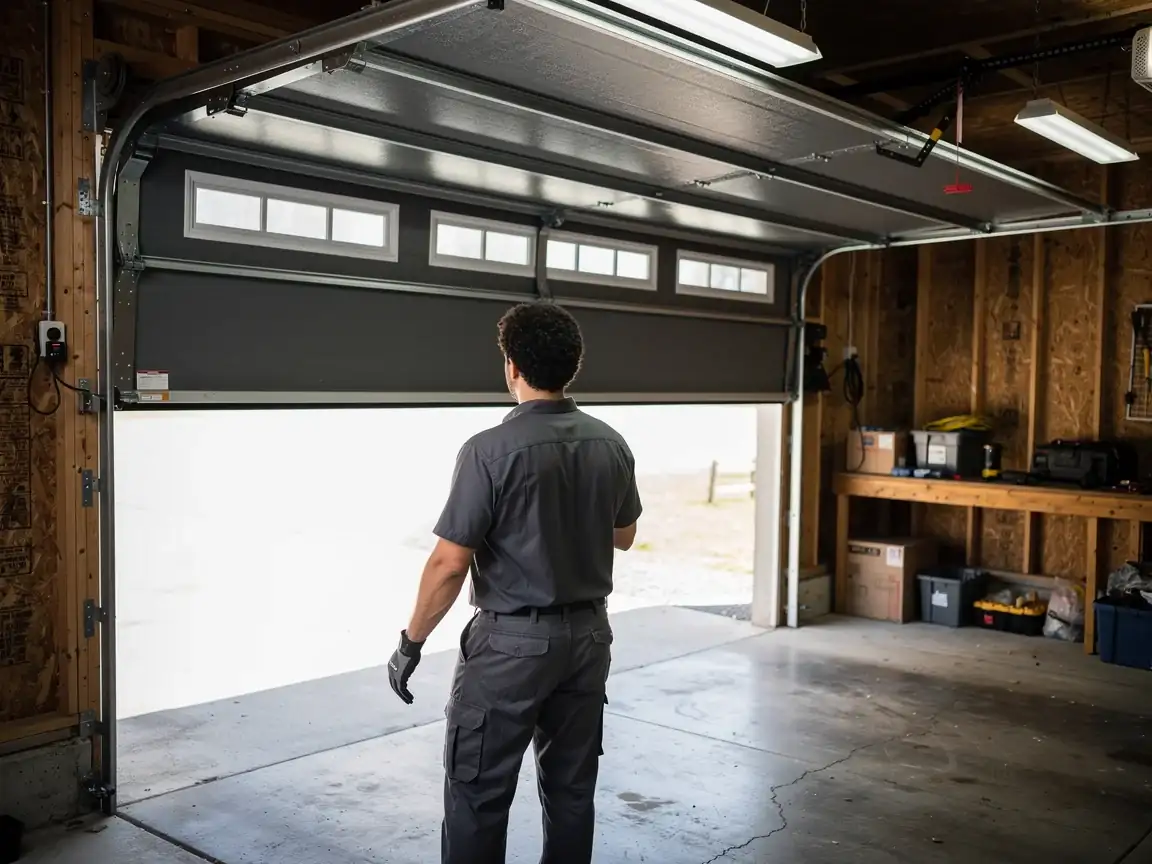
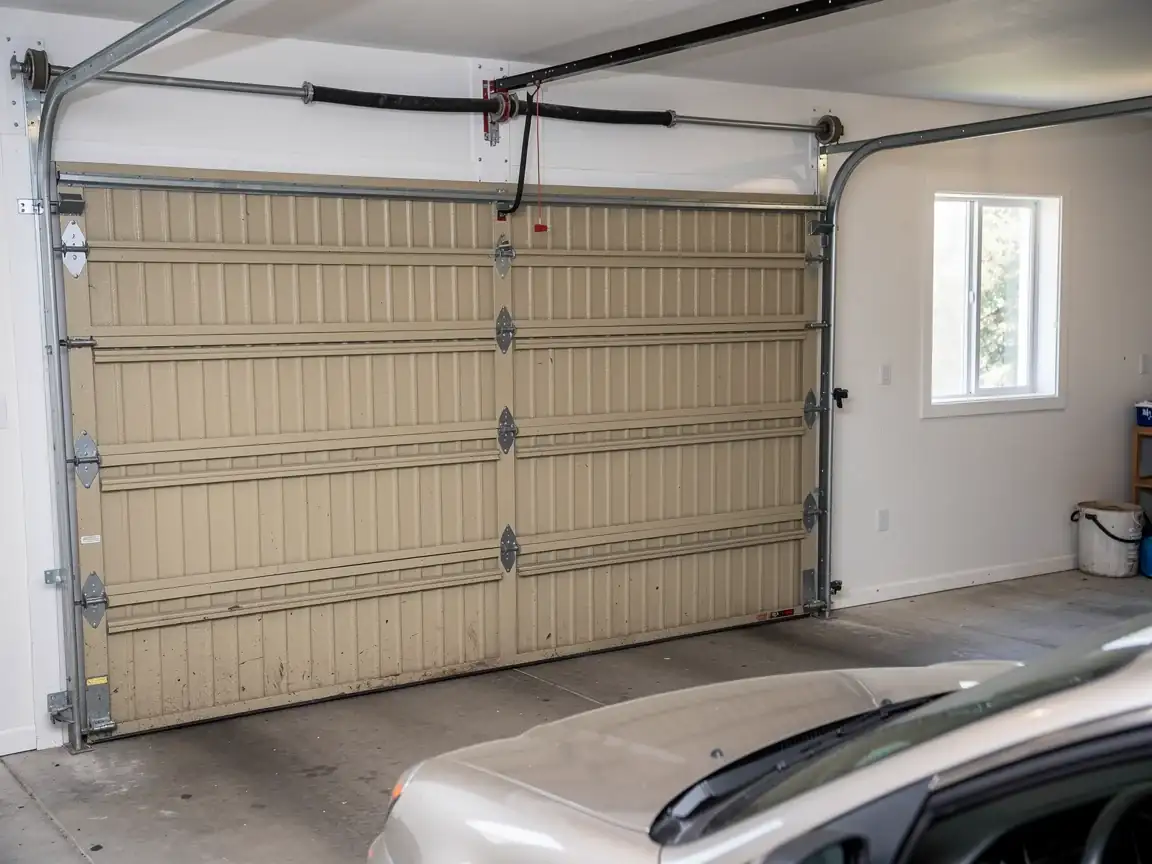
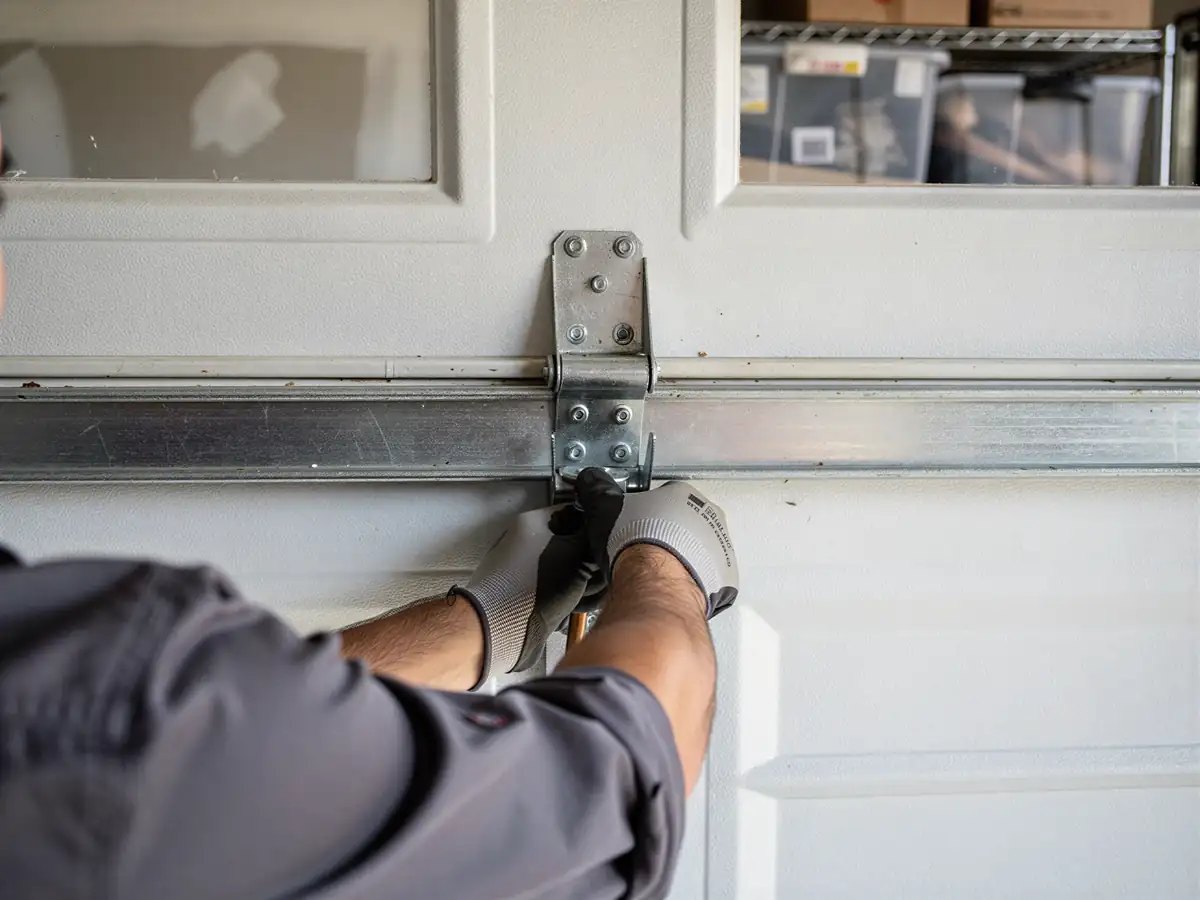
Same size opening, no header or jamb repair - the door itself goes in over the course of a single visit. Where it slows down is exactly what you'd expect from 1962-era construction: if the jamb has shifted or the header needs reframing to take a modern insulated door, that's additional labor before installation even starts, and we won't guess at that time on the phone.
One limitation worth saying plainly
If the opening is out of square by more than a small margin, we're not going to force a new door into it and call it done. That's a carpentry fix first, door second, and we'll tell you if that's what we're looking at rather than install something that'll bind in six months.