What the Repair Takes
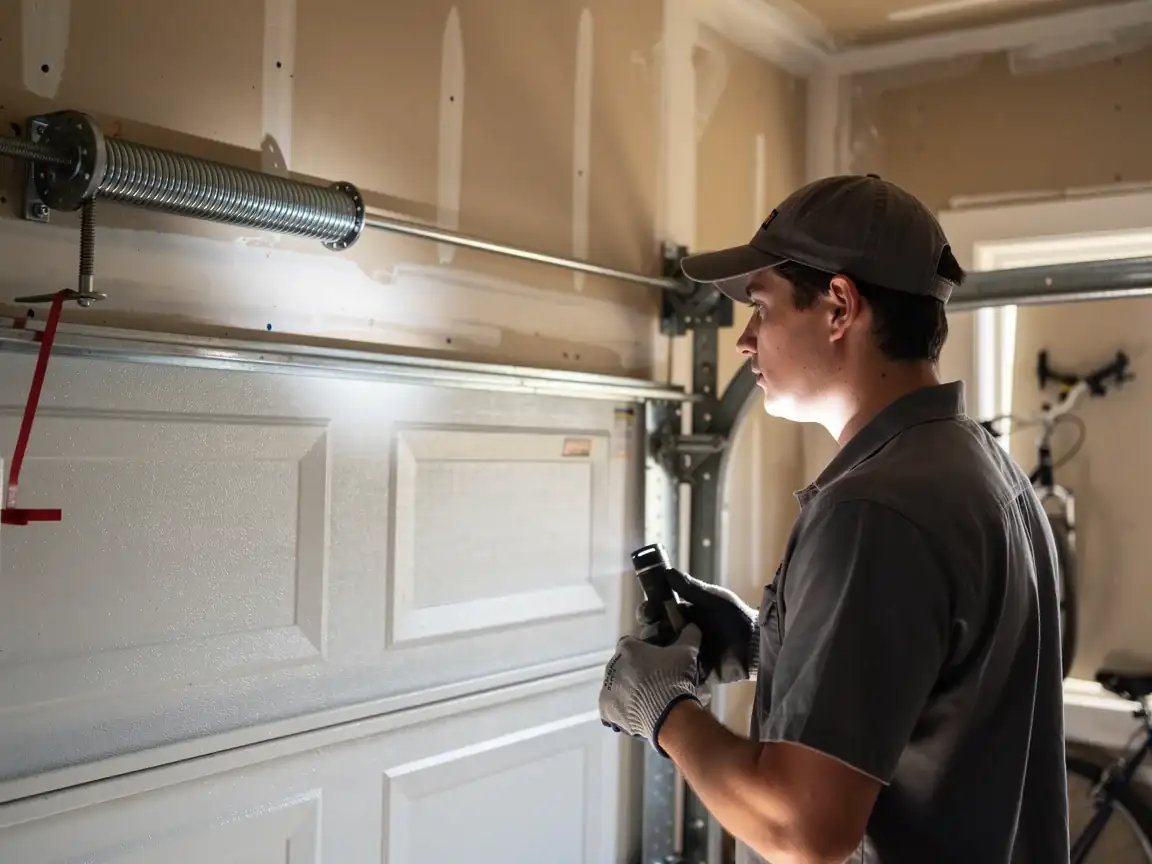
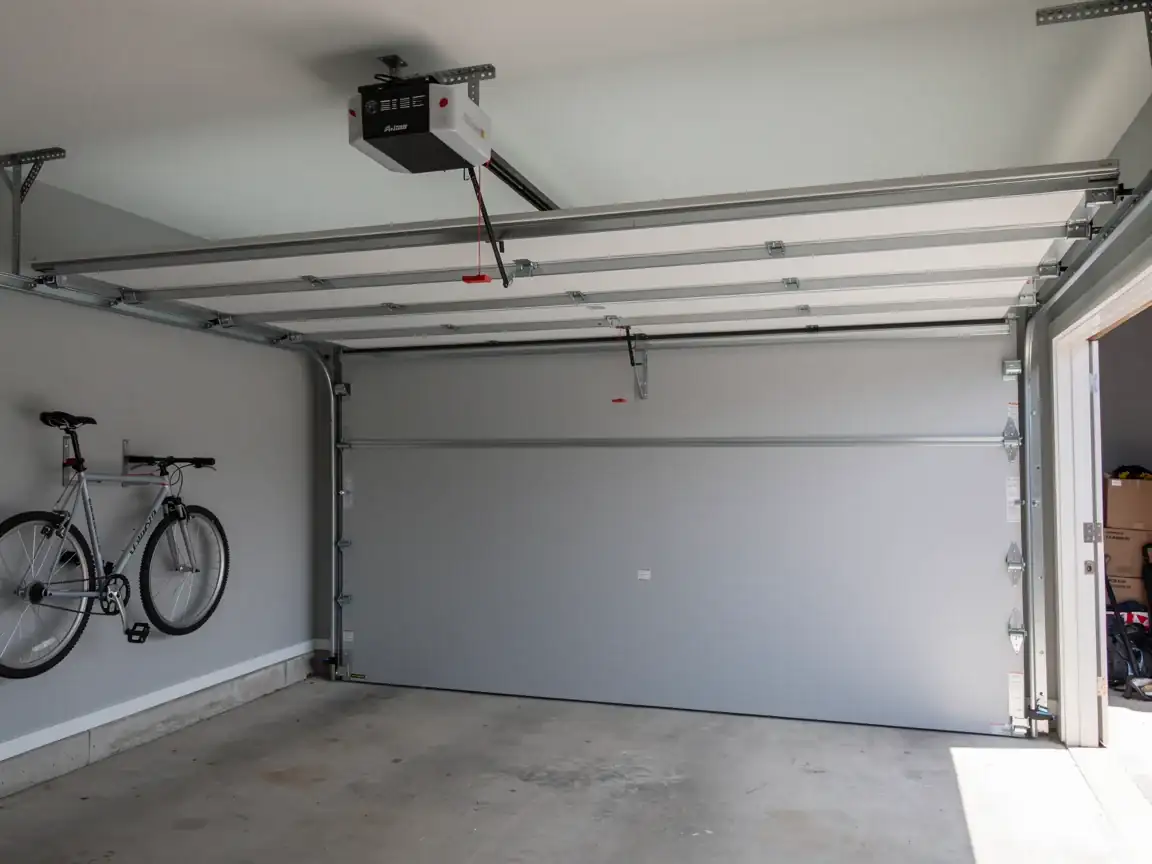
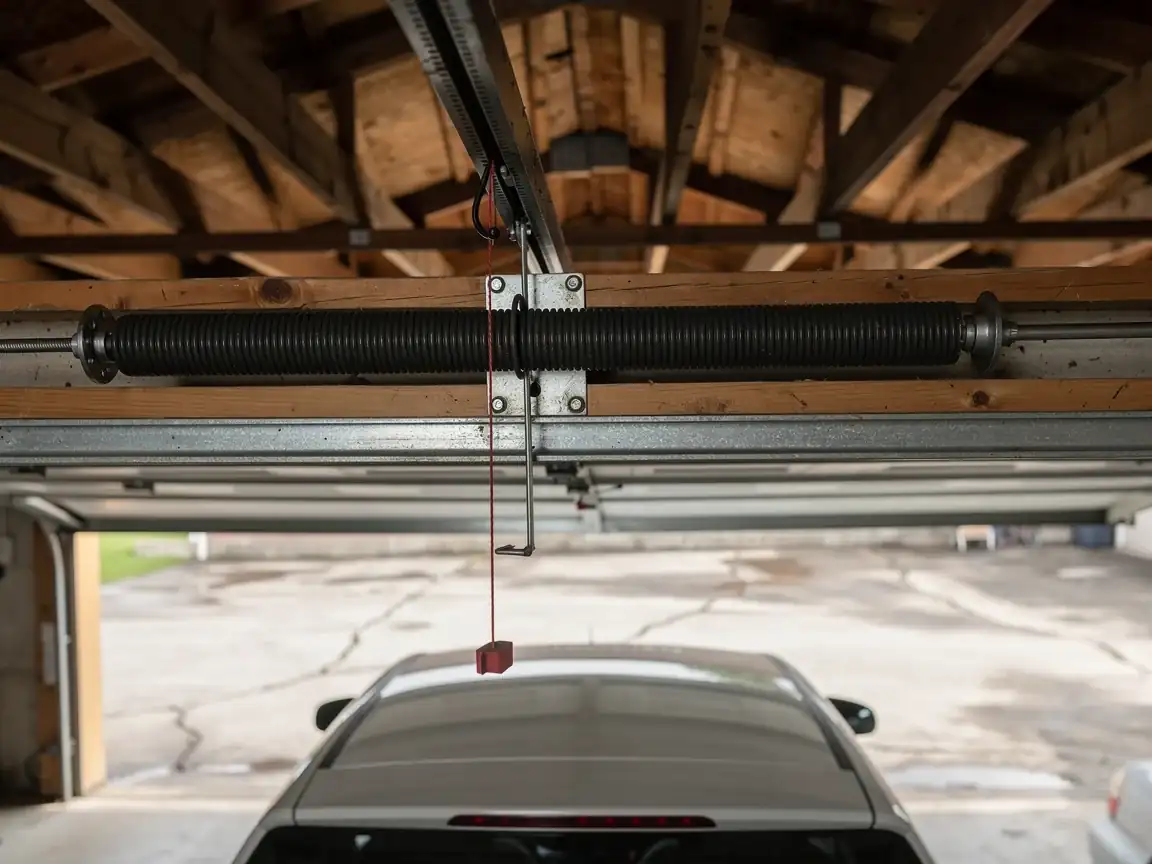
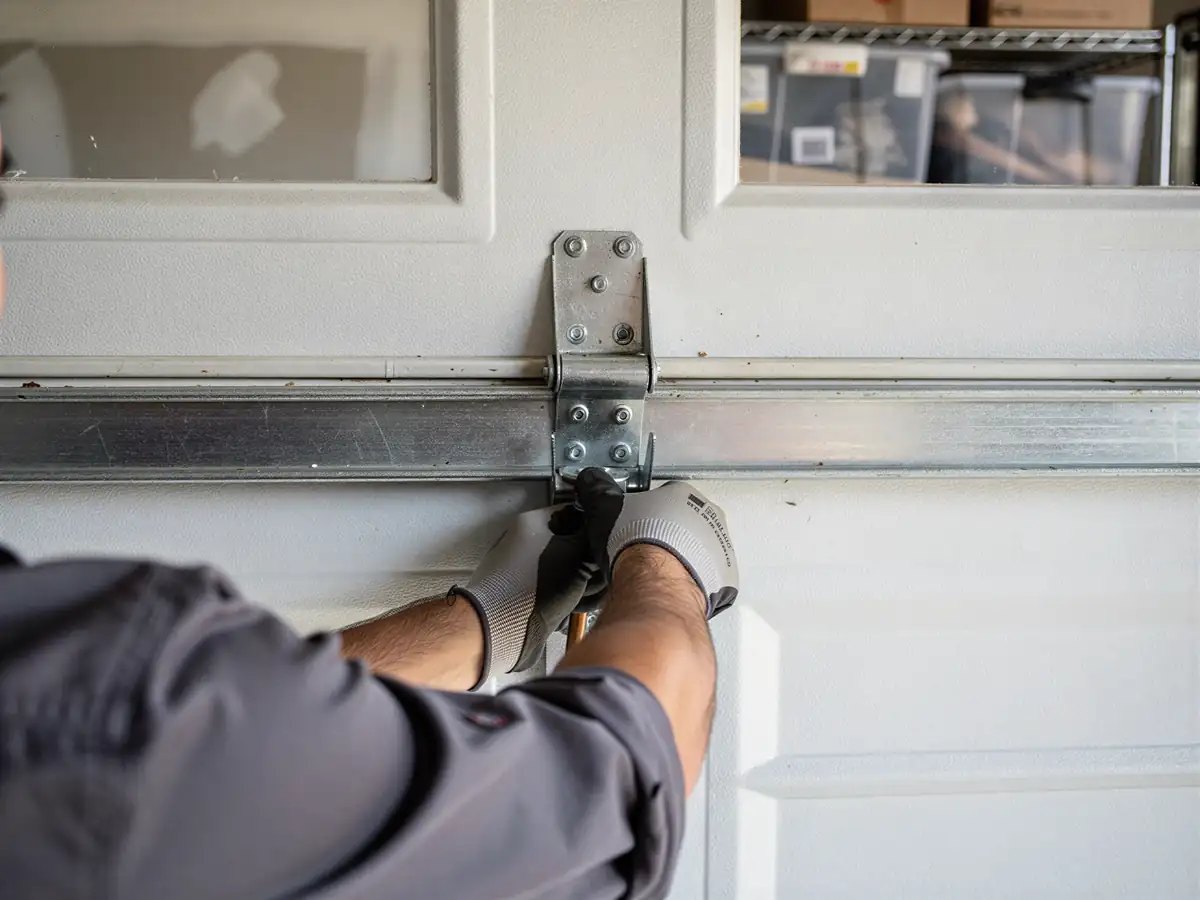
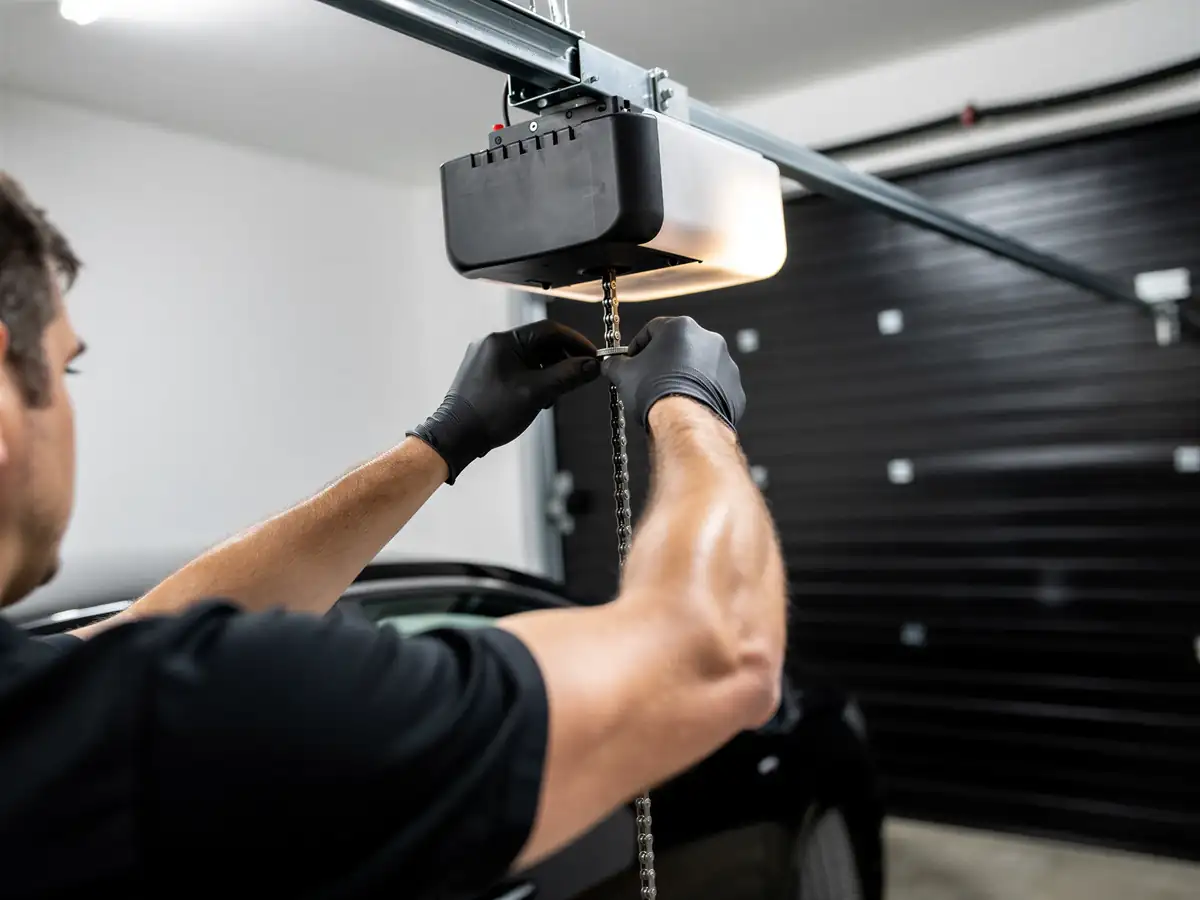
On a house from the 1985 build era, the opener itself is usually the second or third unit that's been on that same header bracket - homeowners here tend to replace the opener outright rather than nurse an old chain-drive box along, and the bracket and rail from the original install are often still square and usable. That cuts labor time versus a job where we're also rebuilding a bent rail or re-anchoring a stripped header. What it doesn't cut is diagnostic time on circuit boards. Logic board failures and dead capacitors show up more on openers from the 1990s and 2000s than on the newer belt-drive units going in today, and testing a board properly takes longer than swapping a sensor. One honest limit: if the board is dead and the manufacturer stopped making that model's control module years ago, replacing the whole opener costs less than hunting down a discontinued part, and we'll tell you that instead of running up a bill chasing it.
How It Shows Up
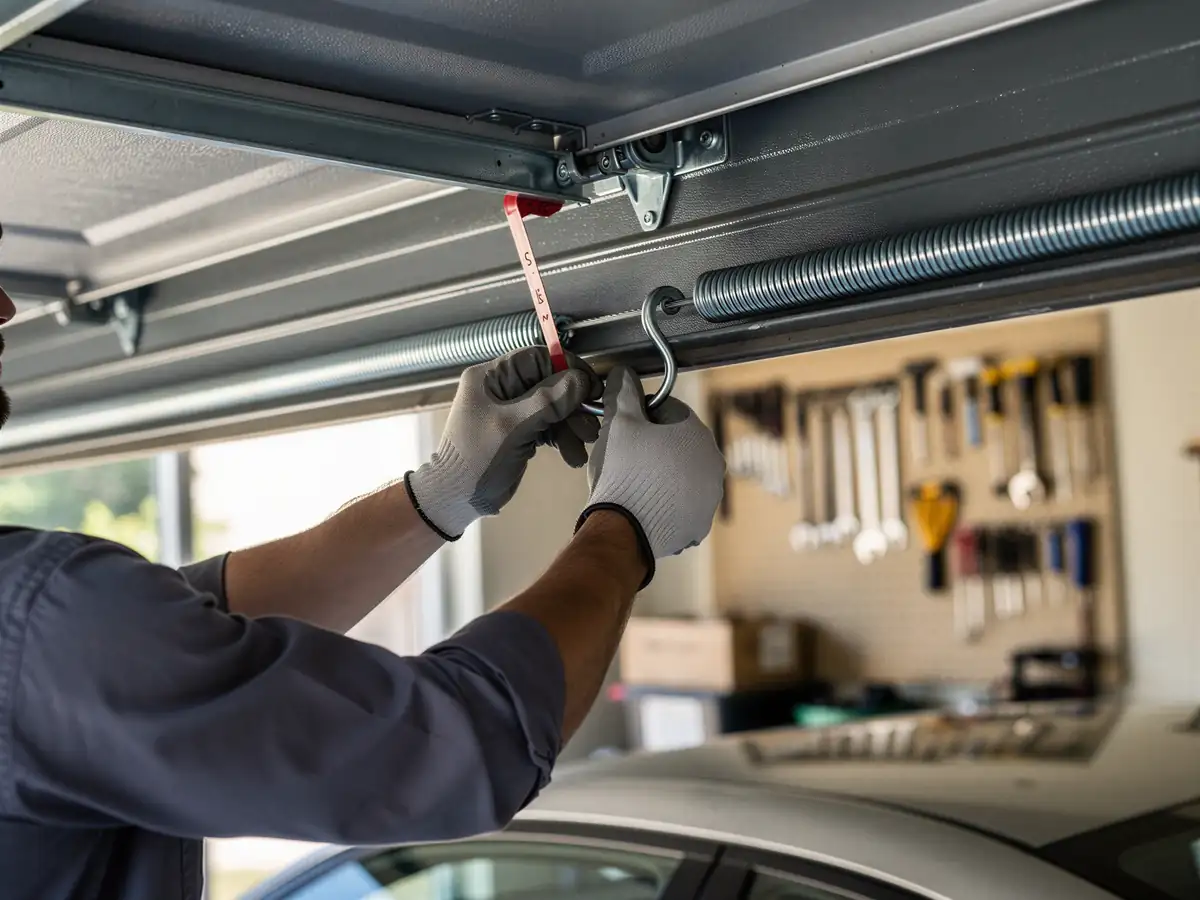
Cold is the variable that doesn't care what year the house was built. This area sits in a severe cold climate band, and that affects opener hardware the same way whether the house went up in 1965 or 1995: grease in the drive gear stiffens, limit switches drift out of calibration as metal contracts, and a chain or belt that was fine in October starts binding or slipping once overnight temps drop hard. On Great Falls homes specifically, we see this less as a grinding chain-drive complaint and more as the opener running but the door stopping short, reversing on its own, or the remote working intermittently while the wall button doesn't - symptoms that point at the logic board and sensors rather than worn mechanical parts. If your opener hums but the door doesn't move at all, that's usually the gear, not the cold.