What the Repair Takes
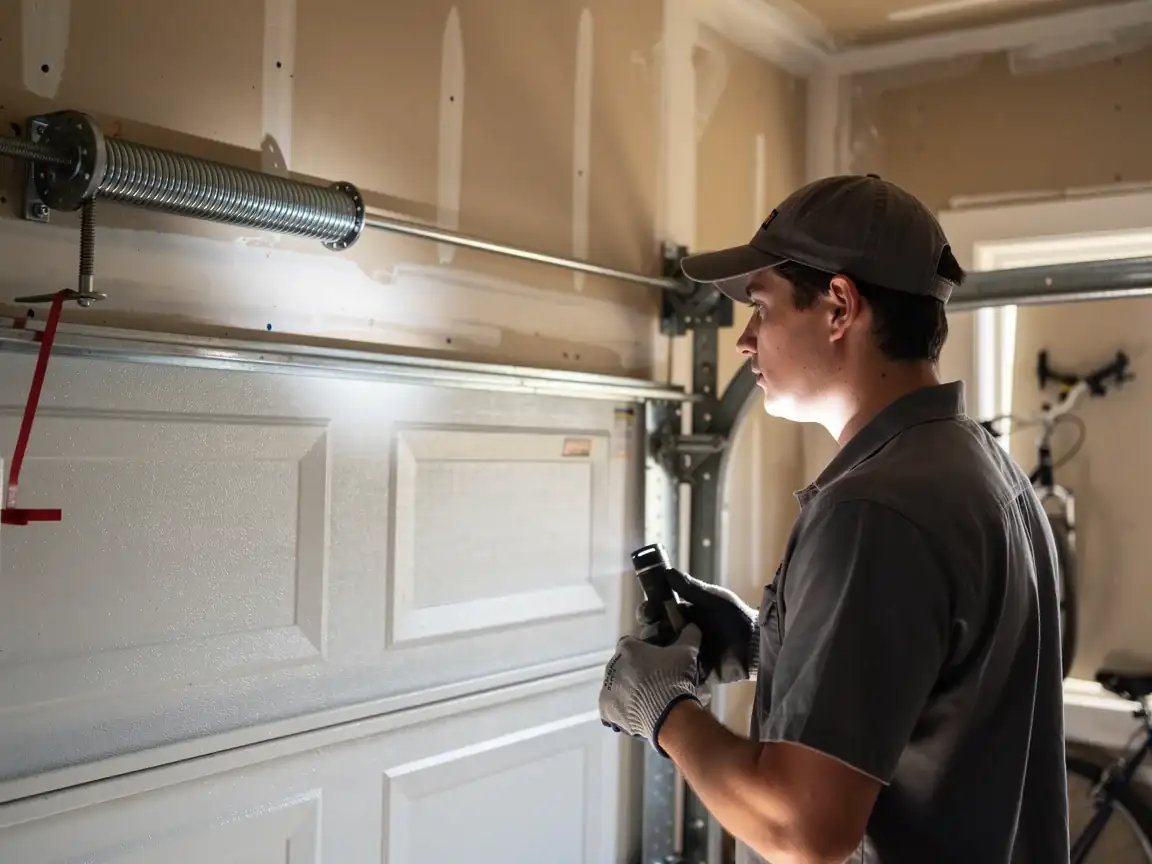
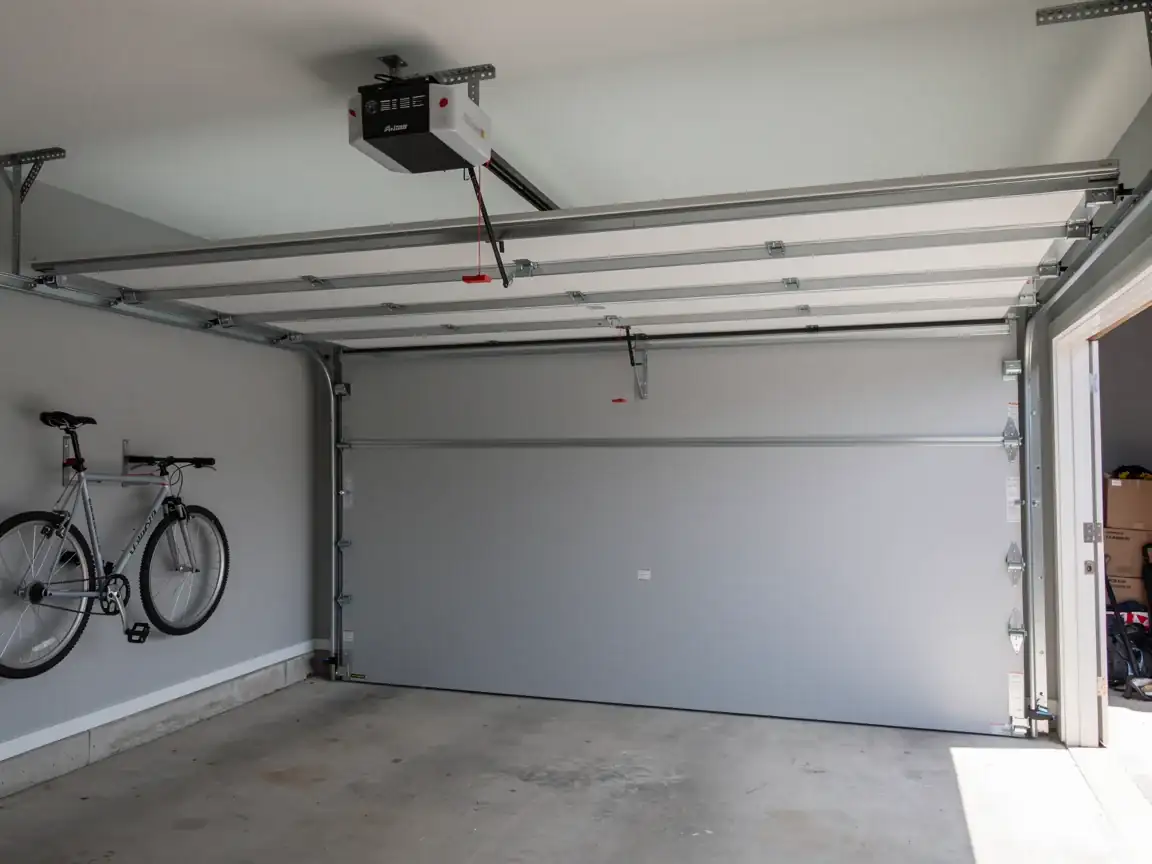
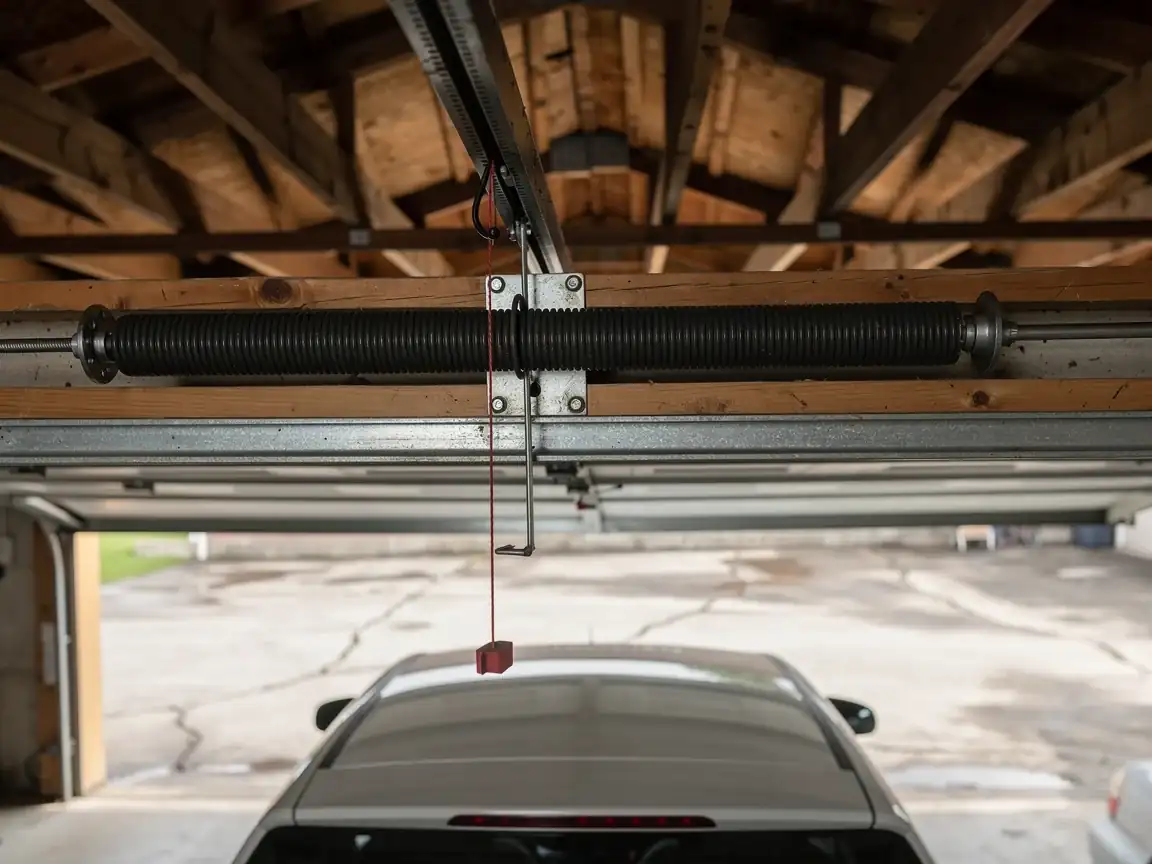
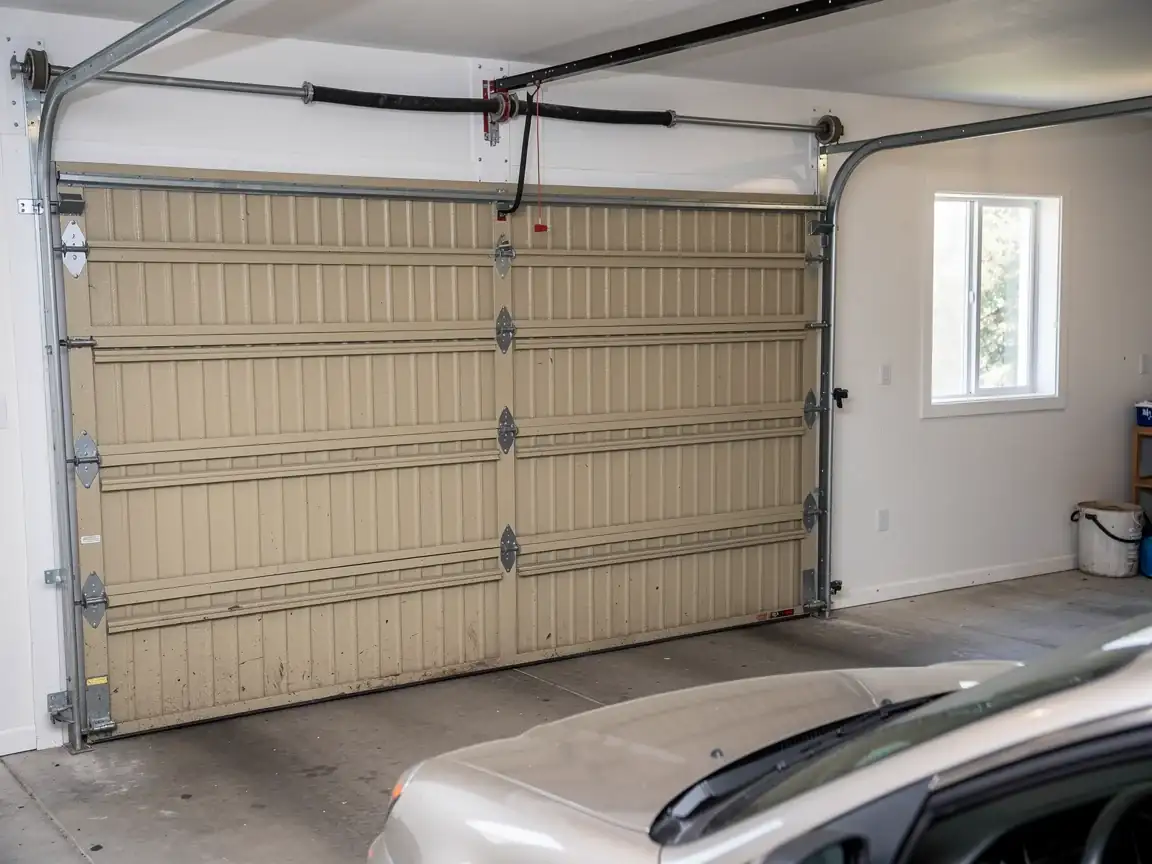
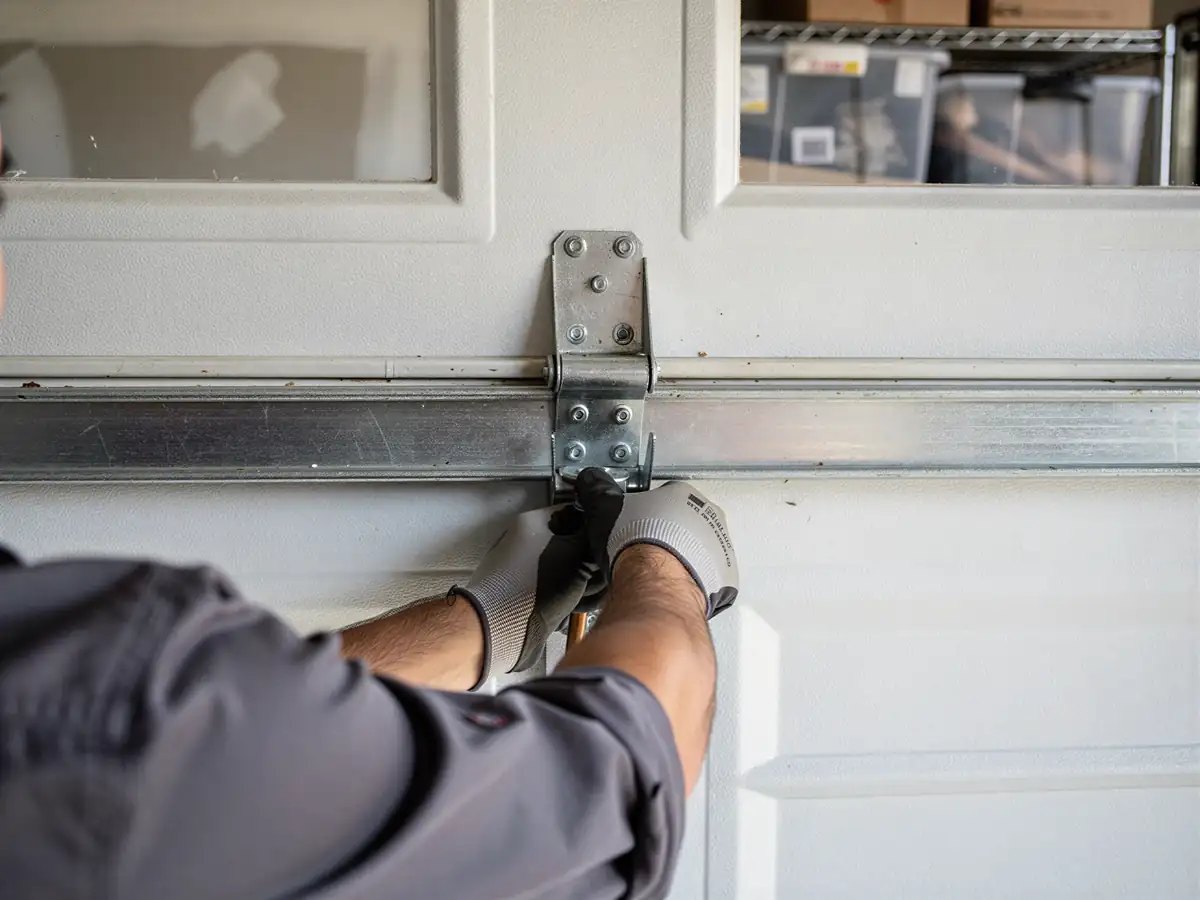
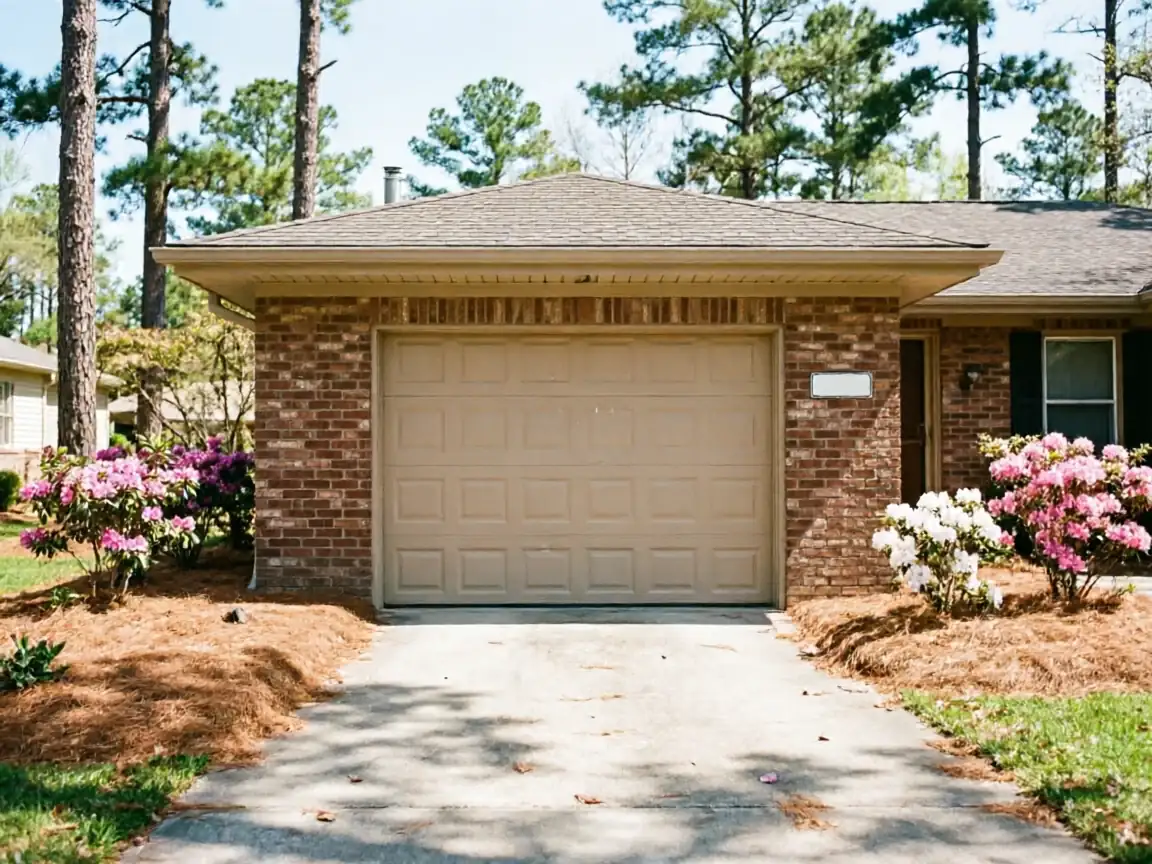
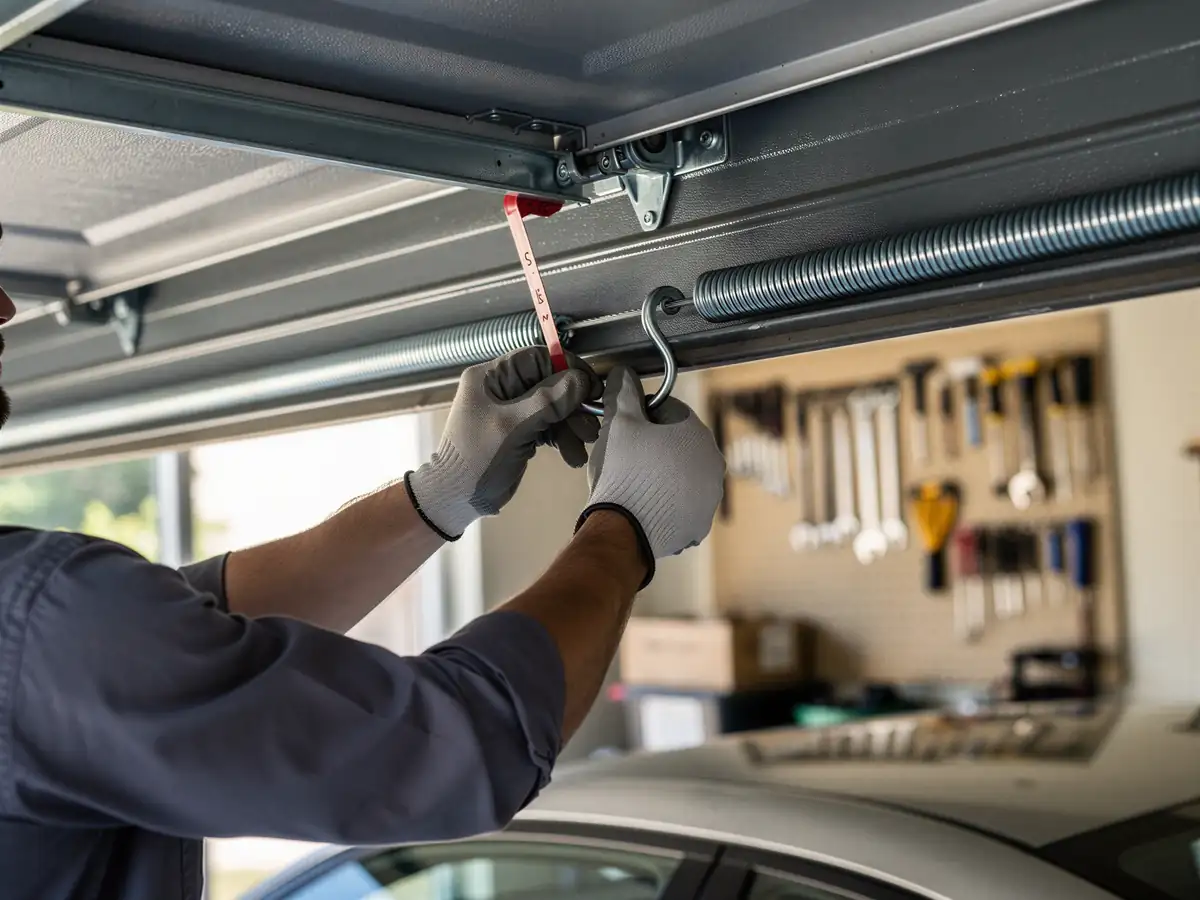
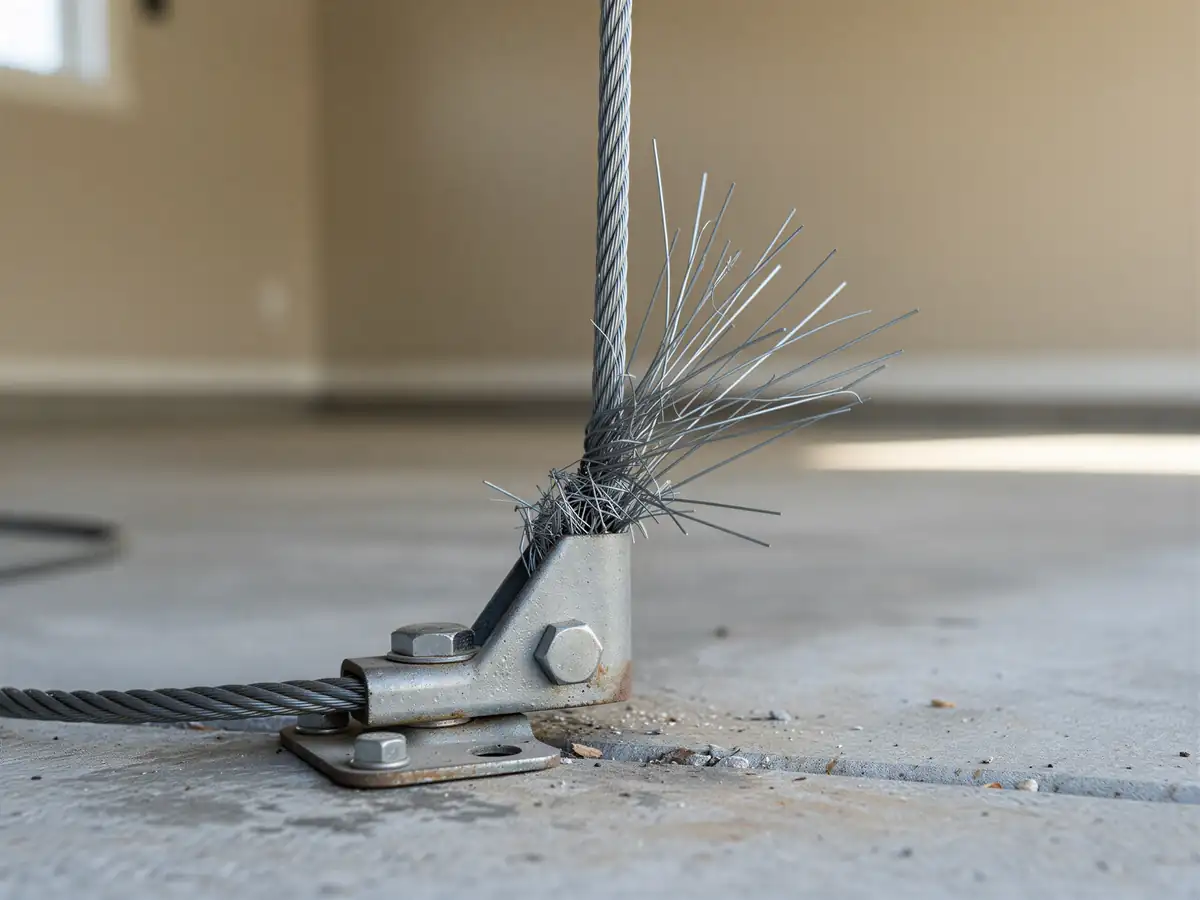
Most Great Falls houses date to around 1985, which puts the springs and cable drums in a different generation than the older torsion setups common closer to Arlington. By the mid-80s, torsion spring systems with galvanized aircraft cable were standard on new construction, so what we're usually dealing with here is a cable that's frayed at the drum from age or corrosion, not the kind of mismatched, retrofitted hardware you find on a house built decades earlier. That's good news for parts - this stuff is common, not something we have to hunt down. The job itself is the same whether the cable broke clean or is fraying: release the spring tension safely, pull the old cable off the drum, run the new length, and reset tension so both sides lift even. If the drum itself is grooved or chewed up from the old cable rubbing wrong, that gets replaced too - patching a damaged drum with new cable just repeats the failure in a year. We don't recommend stretching that corner to save a part that's already compromised.
How It Shows Up
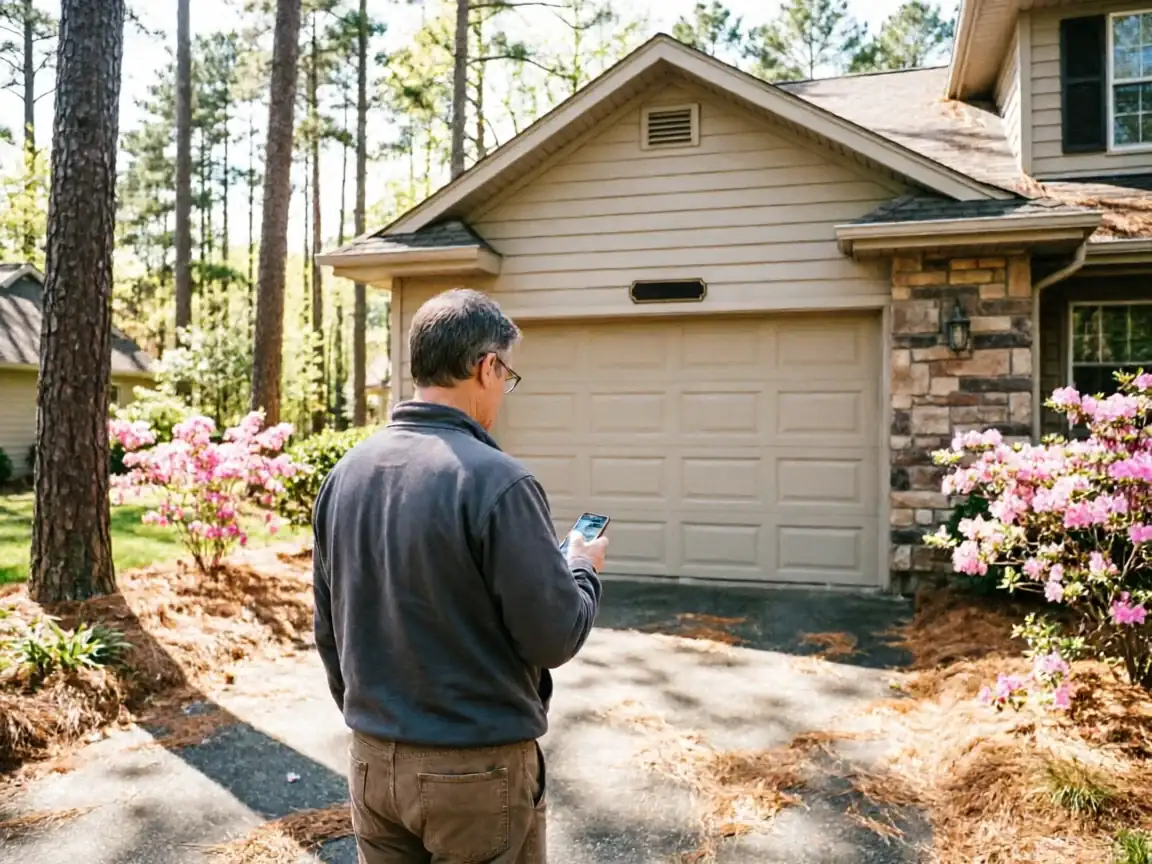
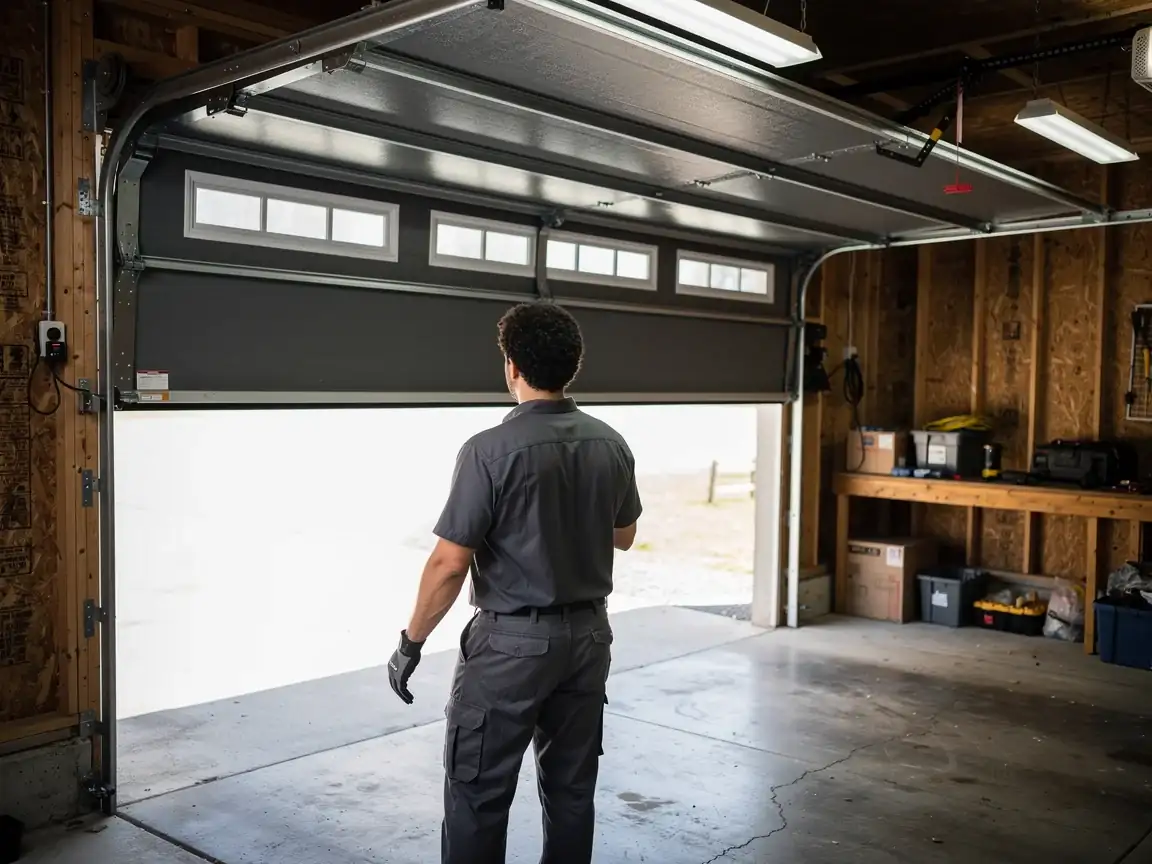
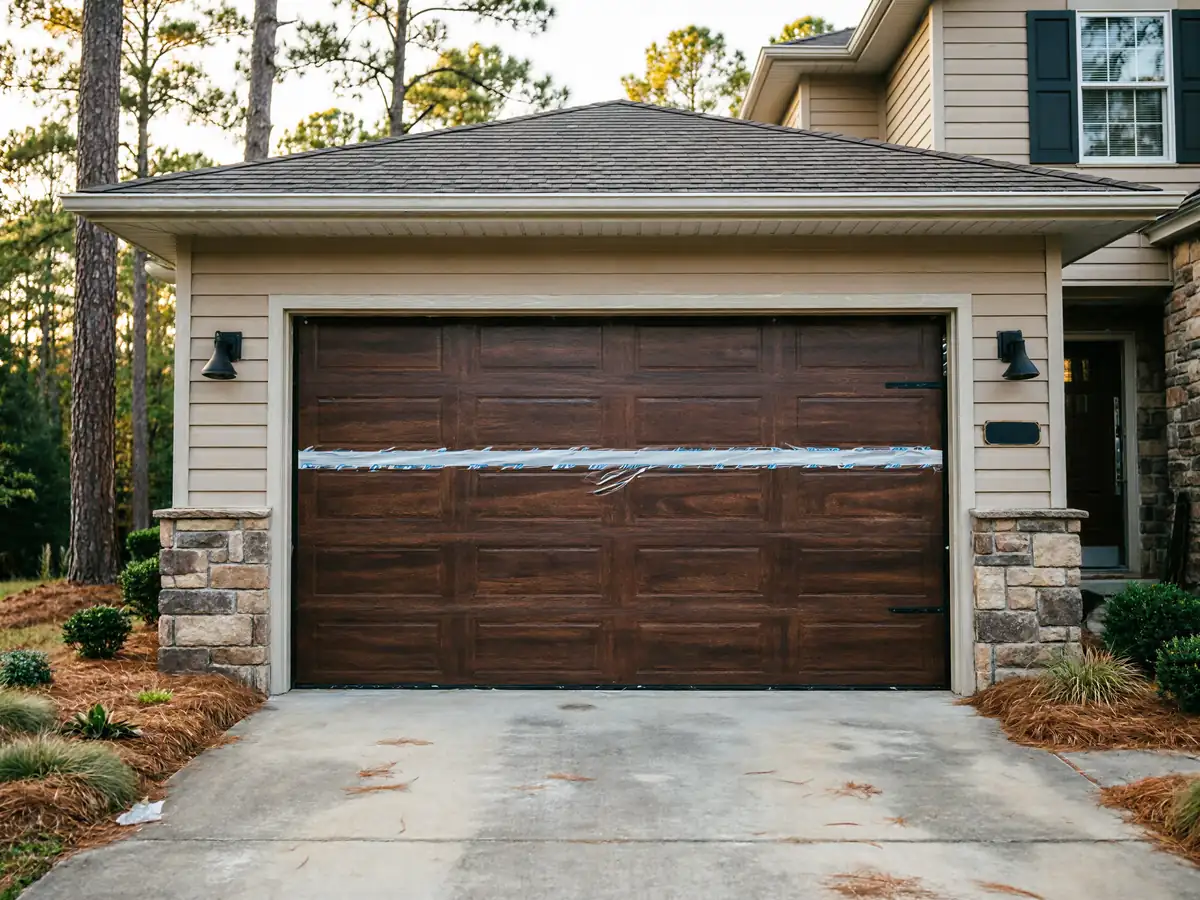
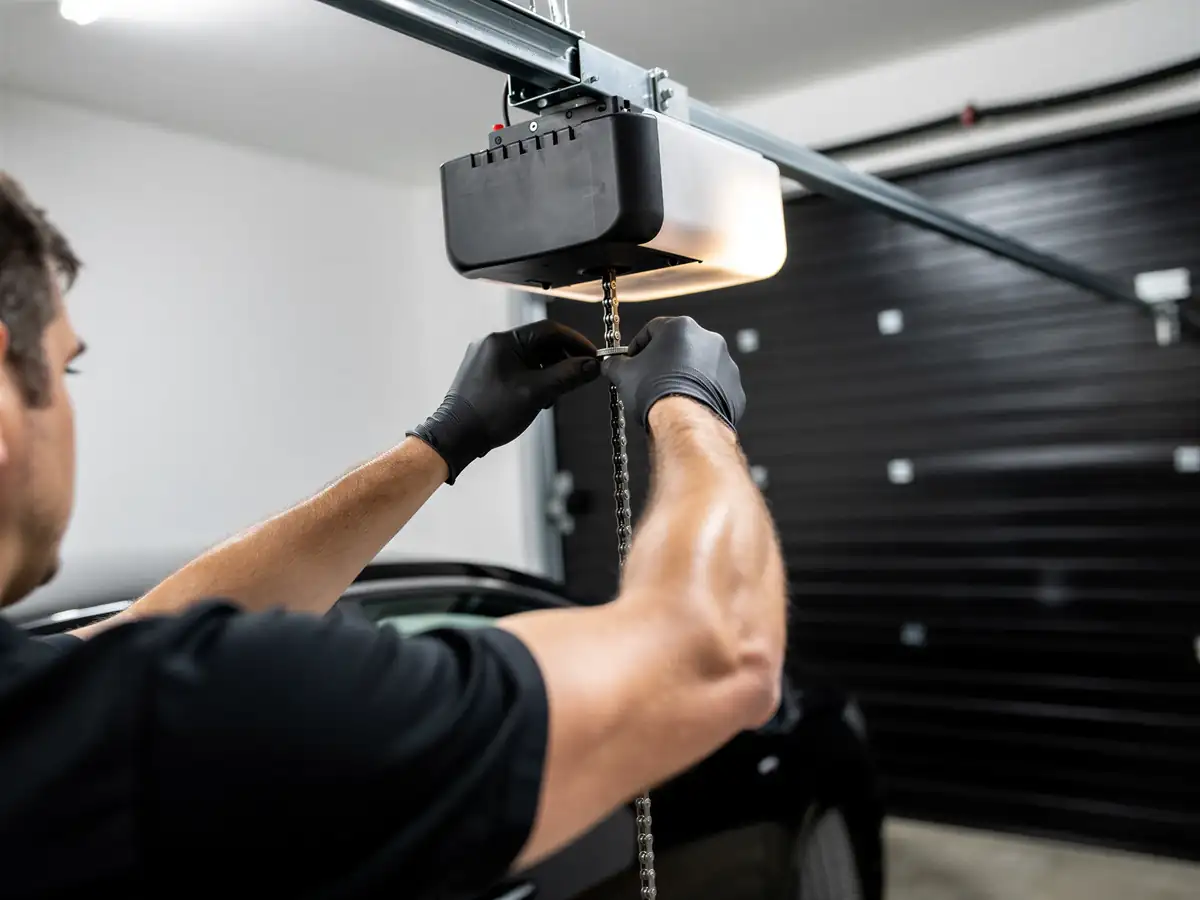
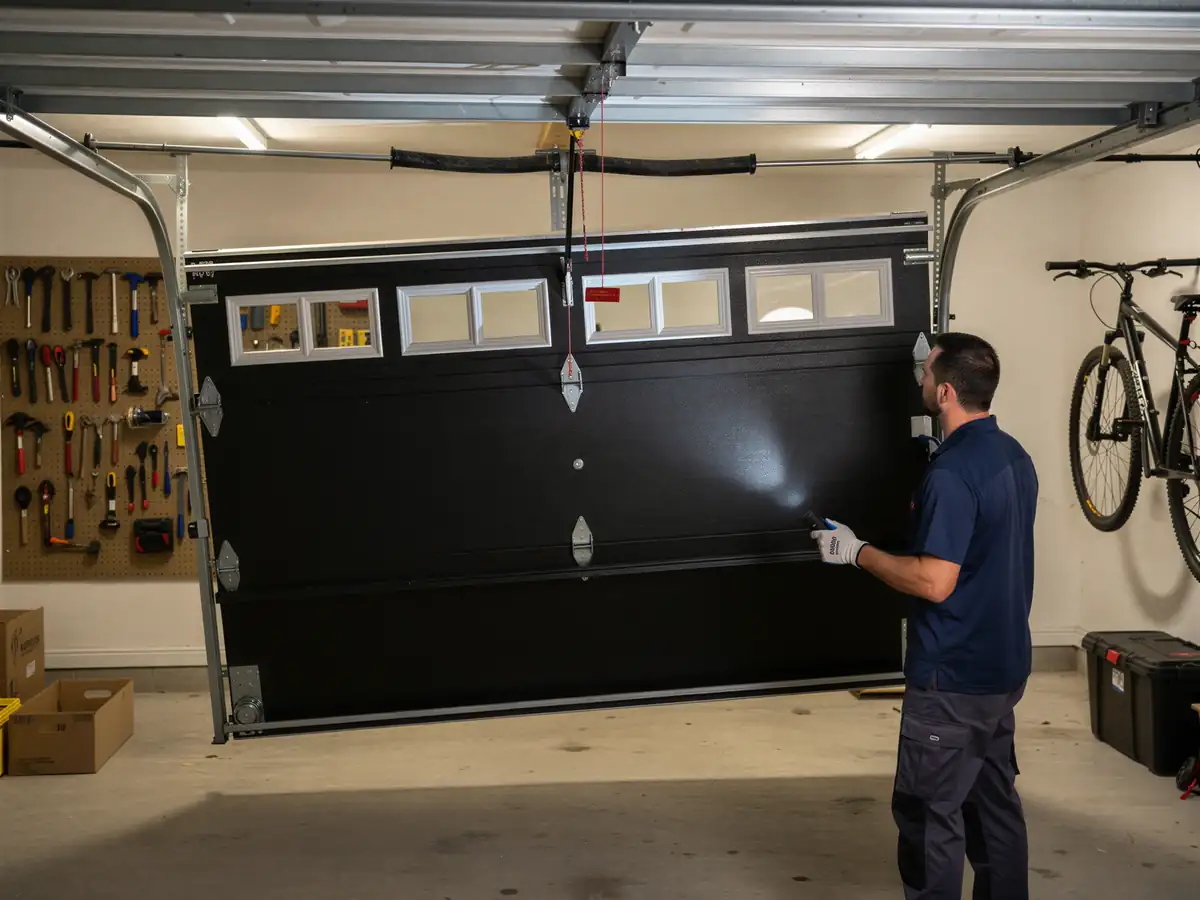
A cable failure on a 1985-built door usually announces itself one of two ways: the door hangs crooked, dropping hard on one side because only one cable is still holding, or it won't budge at all because the opener senses the imbalance and refuses to run. Either way, don't force the opener past that point - running a motor against an unevenly loaded door strains the opener and can bend the track. The service area, including Great Falls, sits in a severe cold climate zone, and cold makes aging cable more brittle before it finally lets go, so a cable that's been fraying quietly through a few winters is more likely to snap outright than to keep limping along. If you've noticed one side of the door looking slightly lower than the other over the past few weeks, that's the cable thinning out, not settling or imagination.