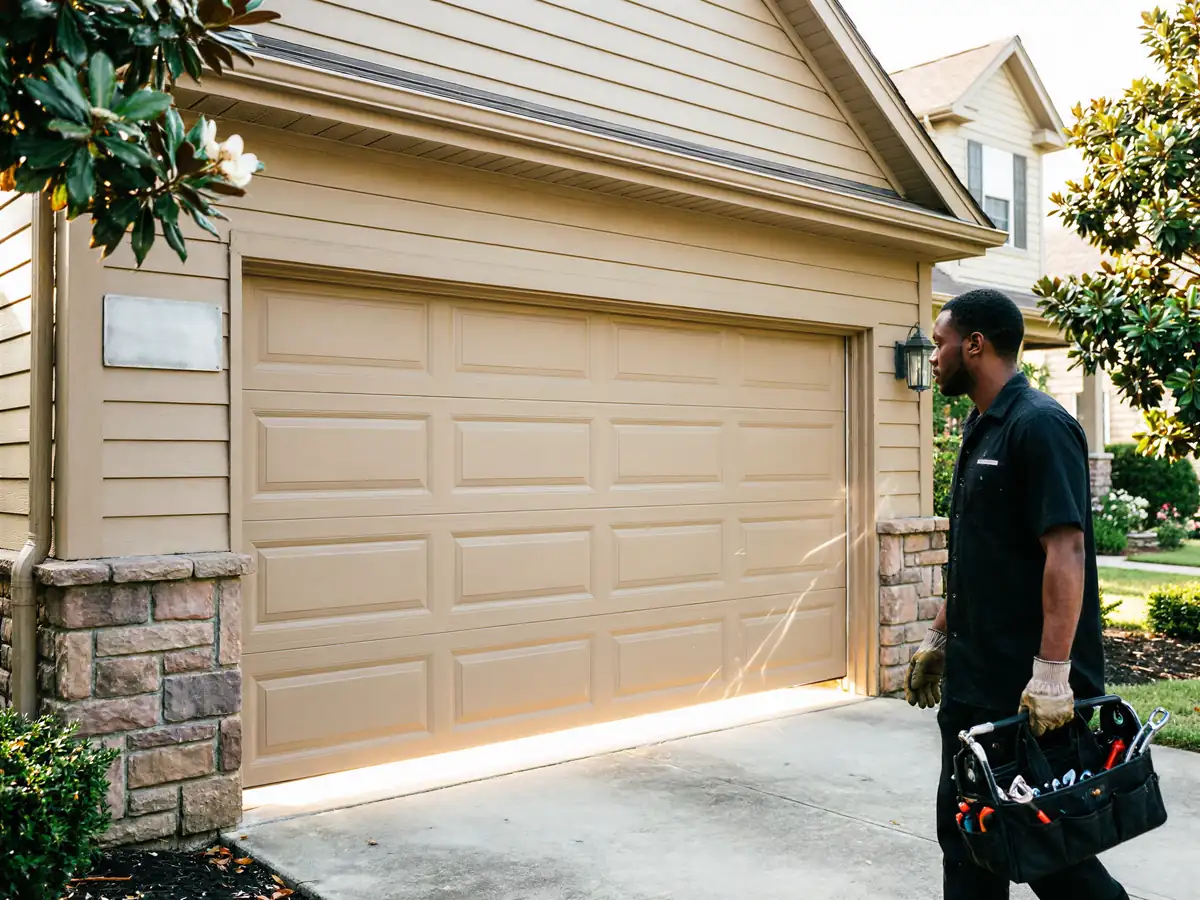
What the Repair Takes
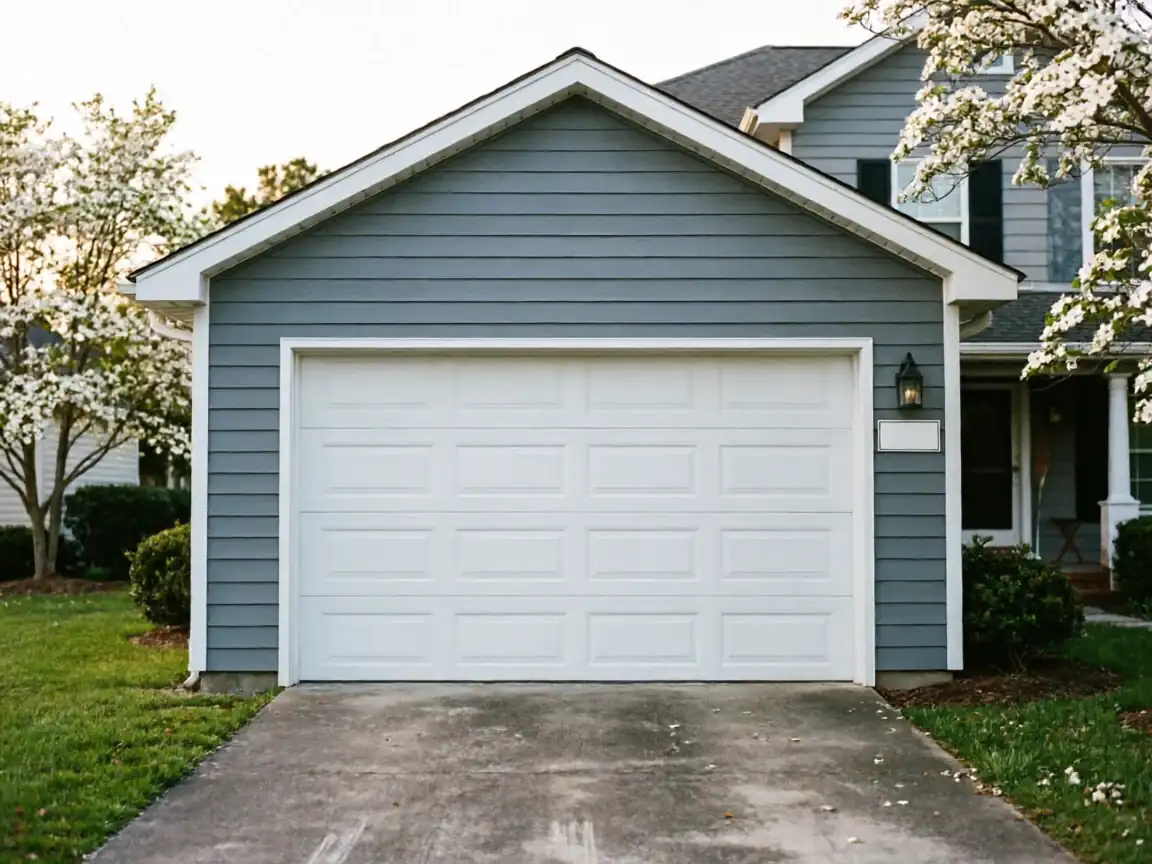
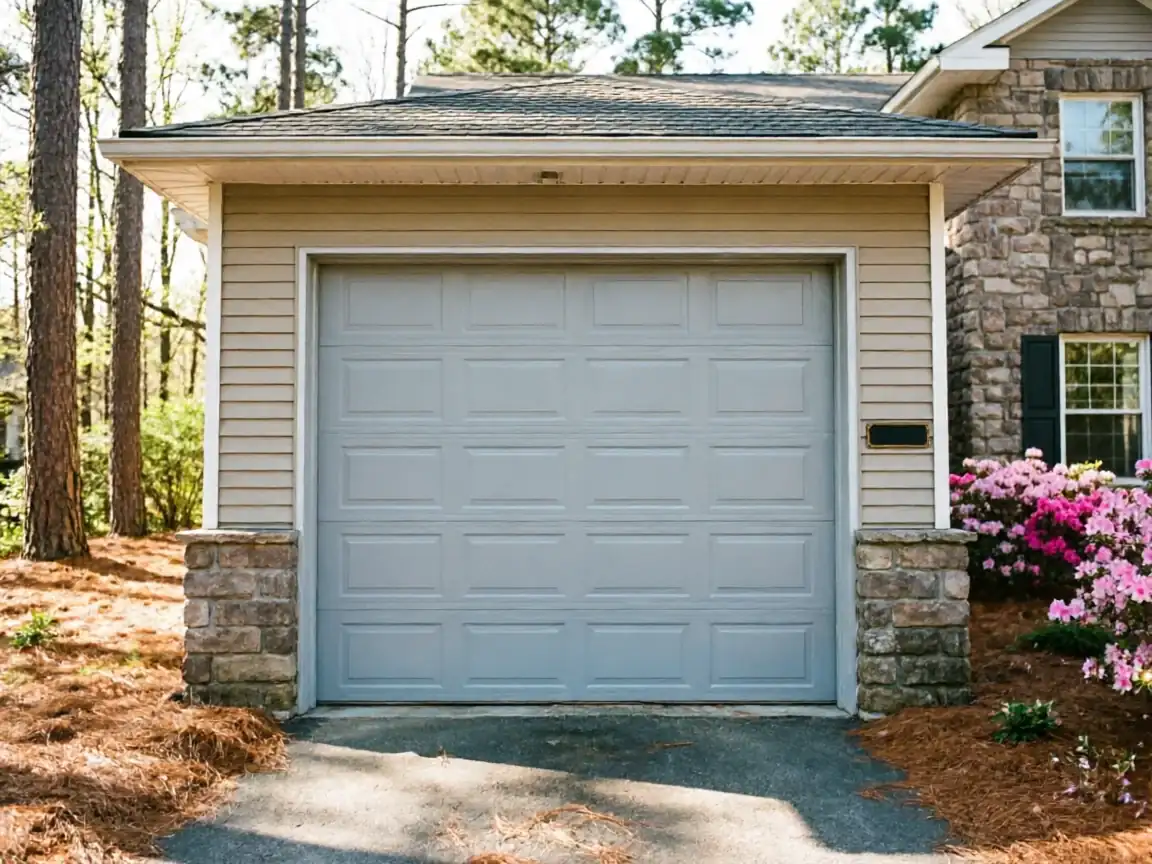
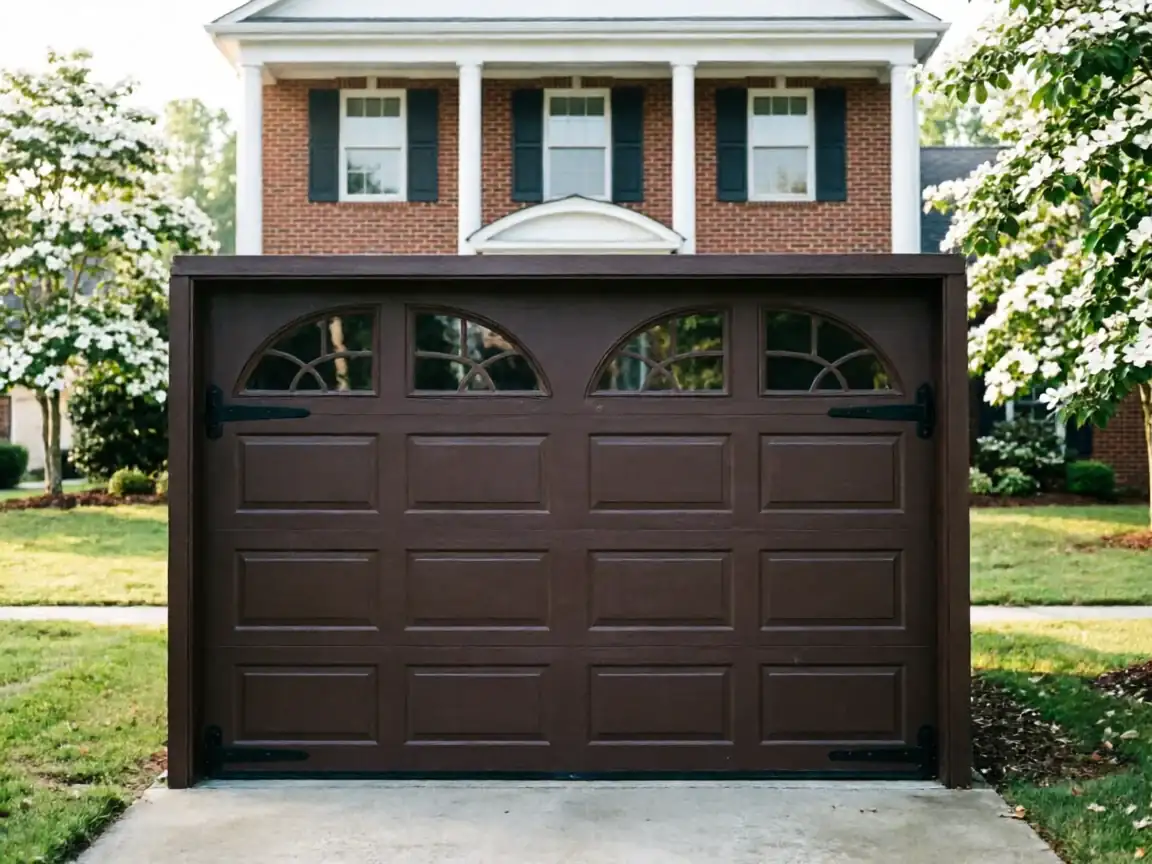
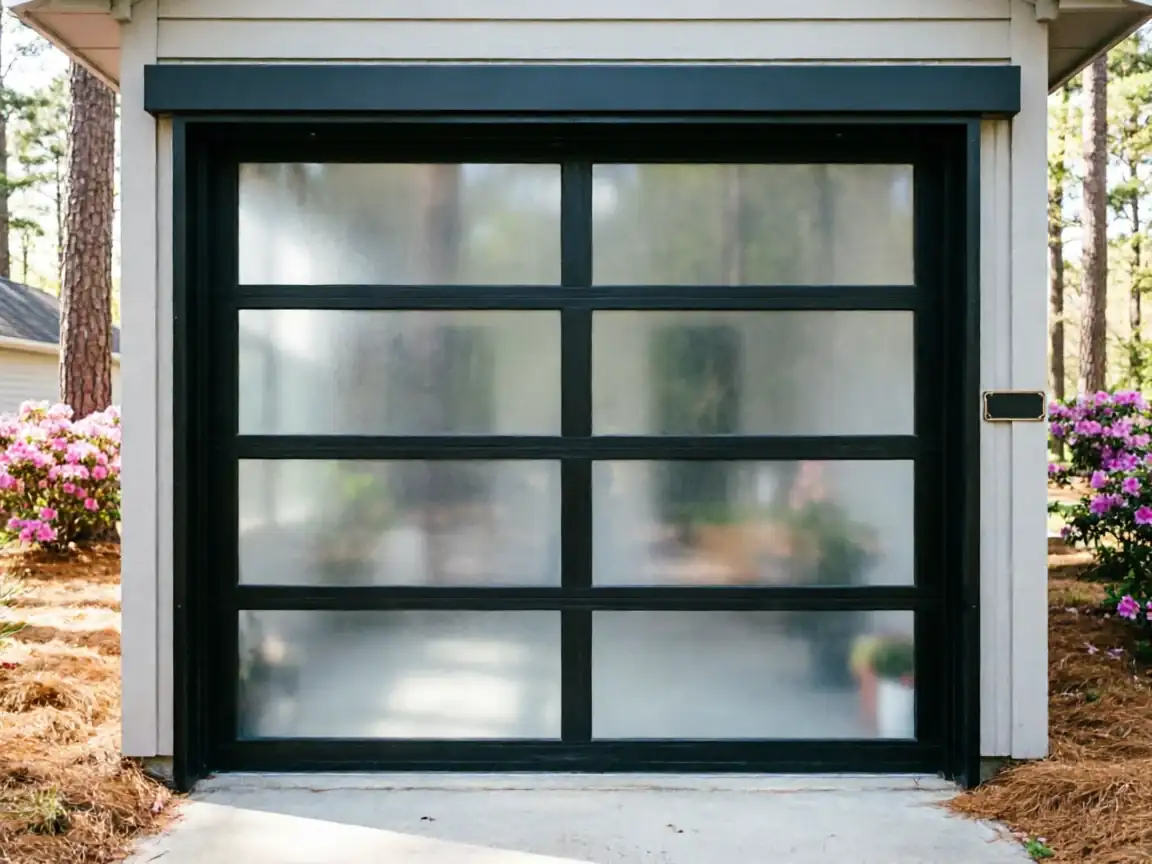
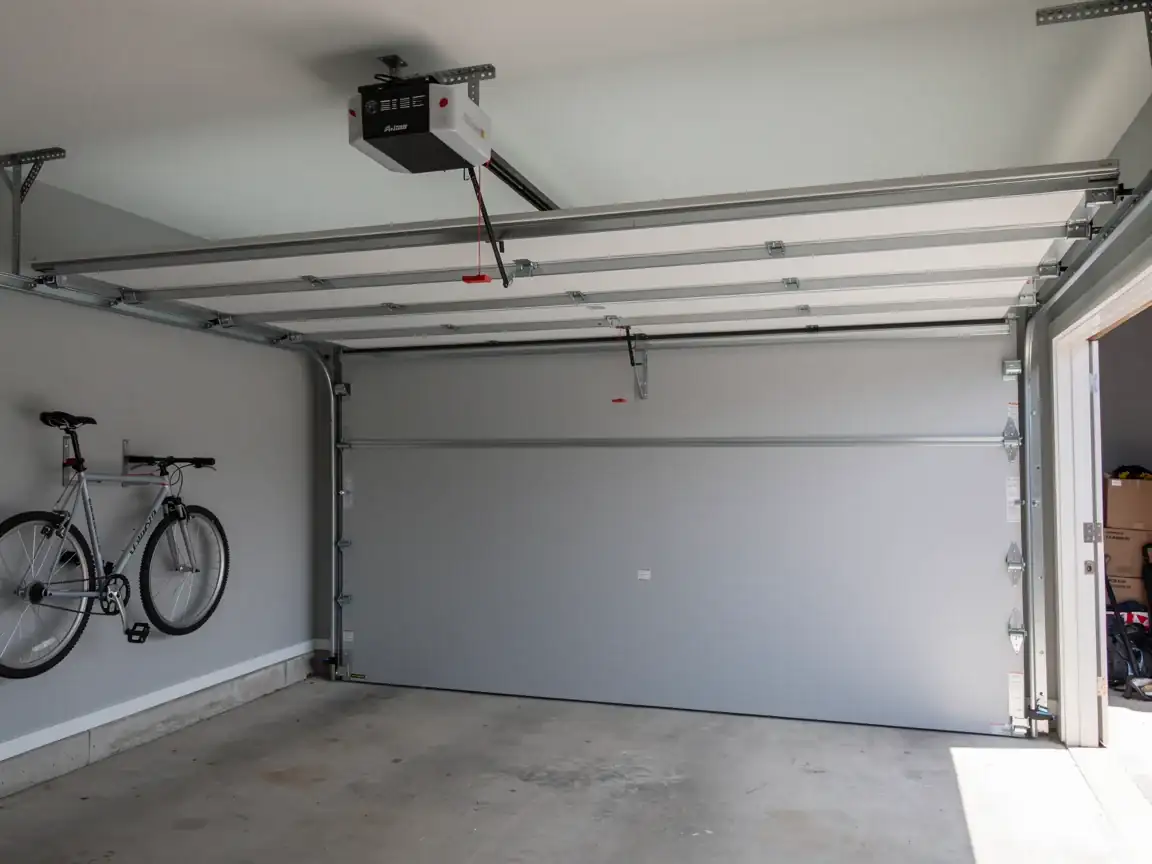
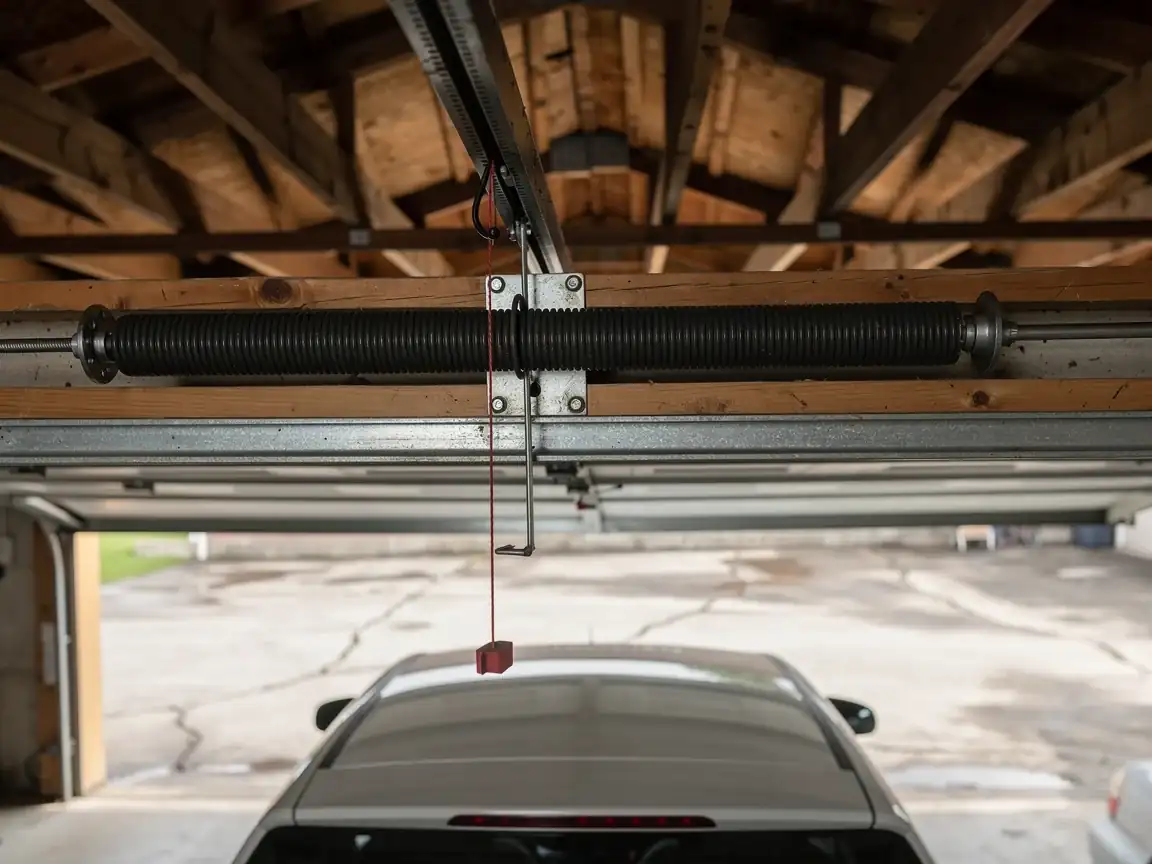
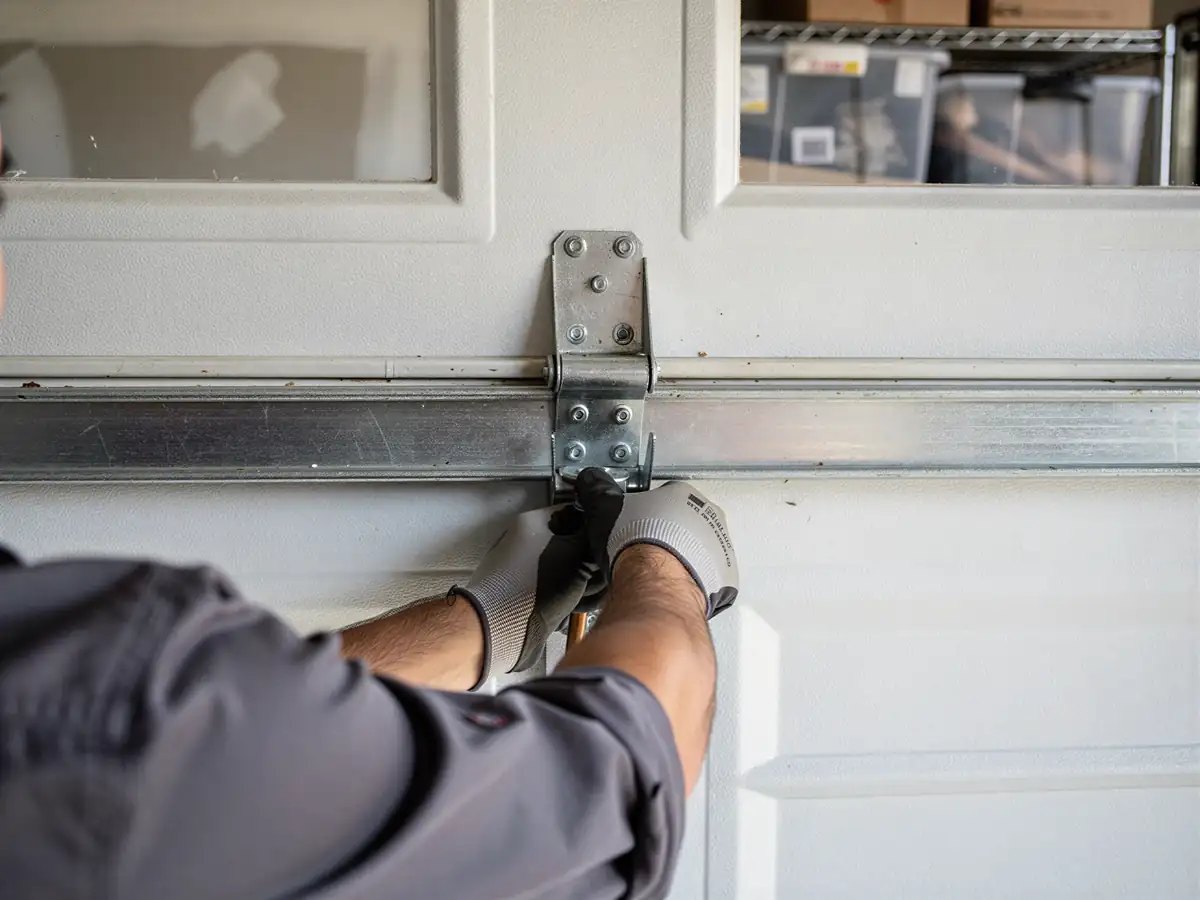
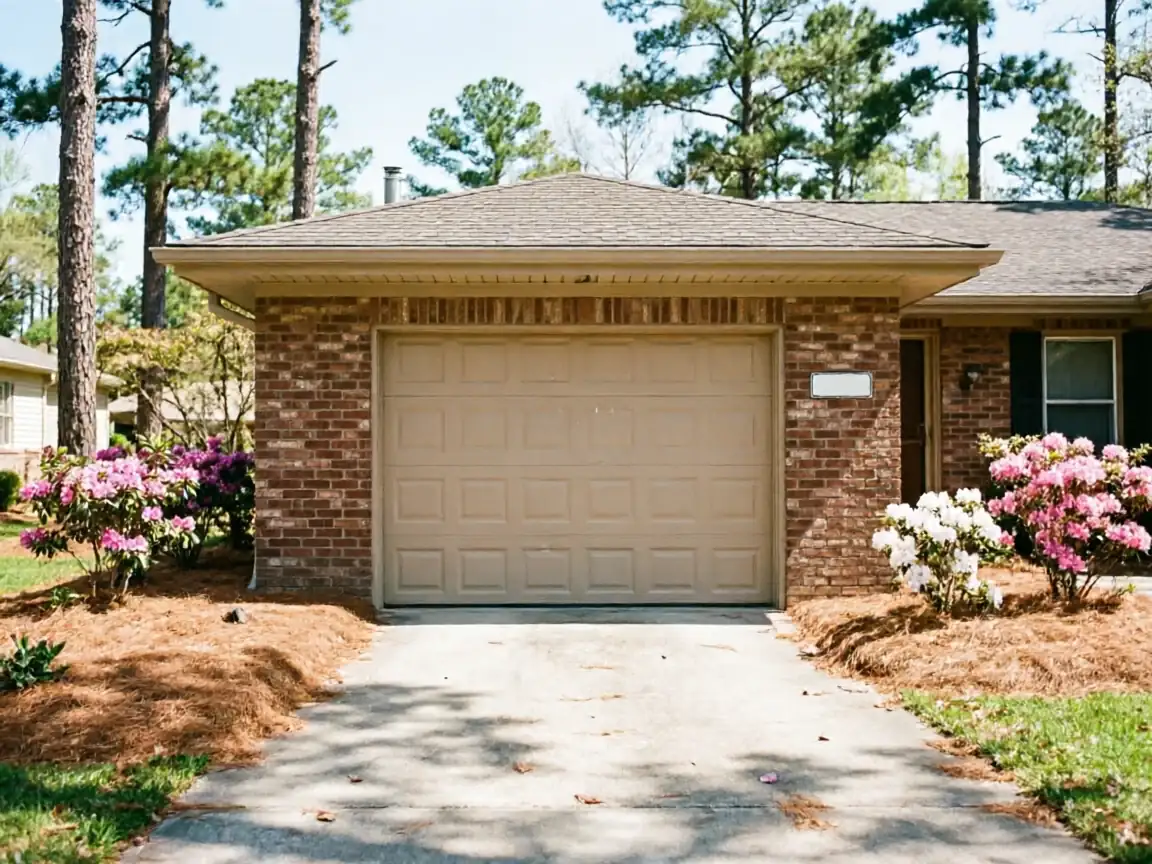
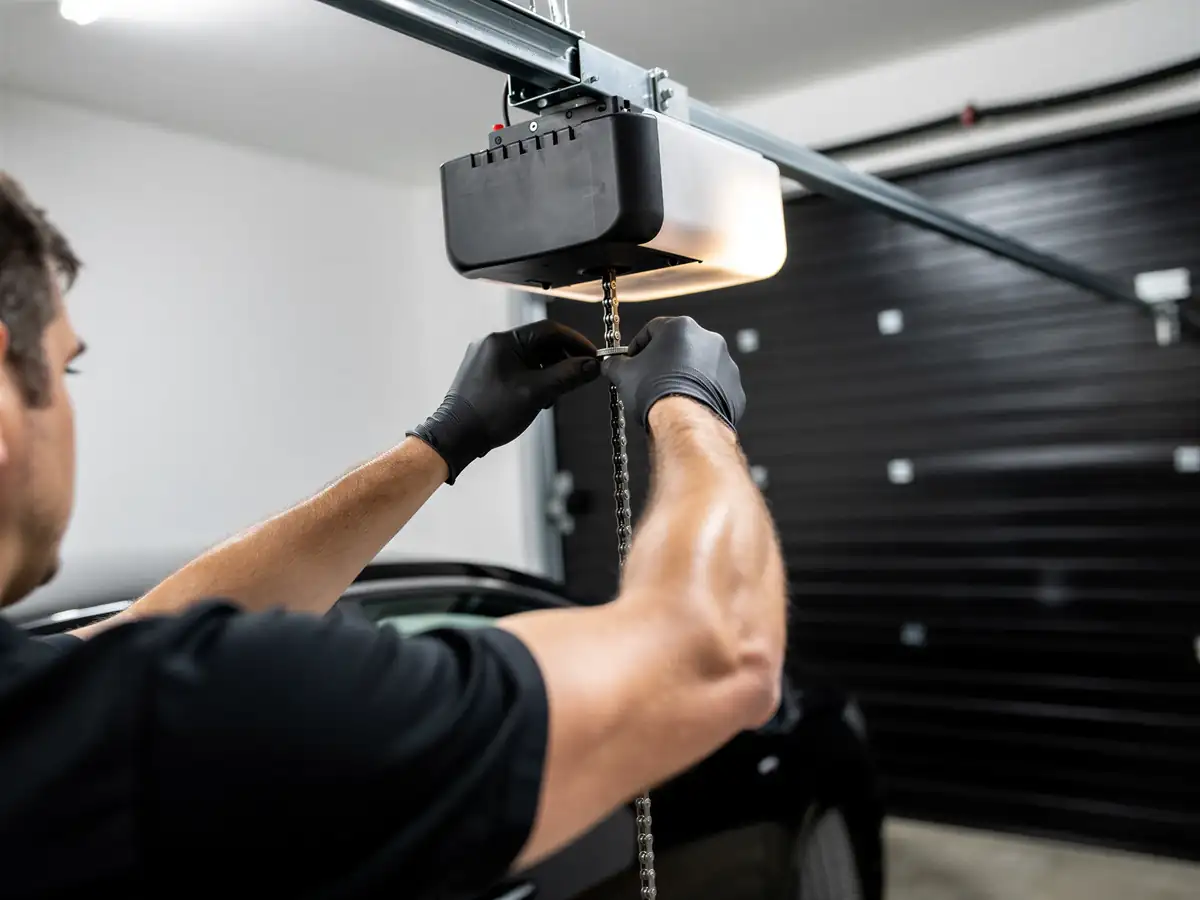
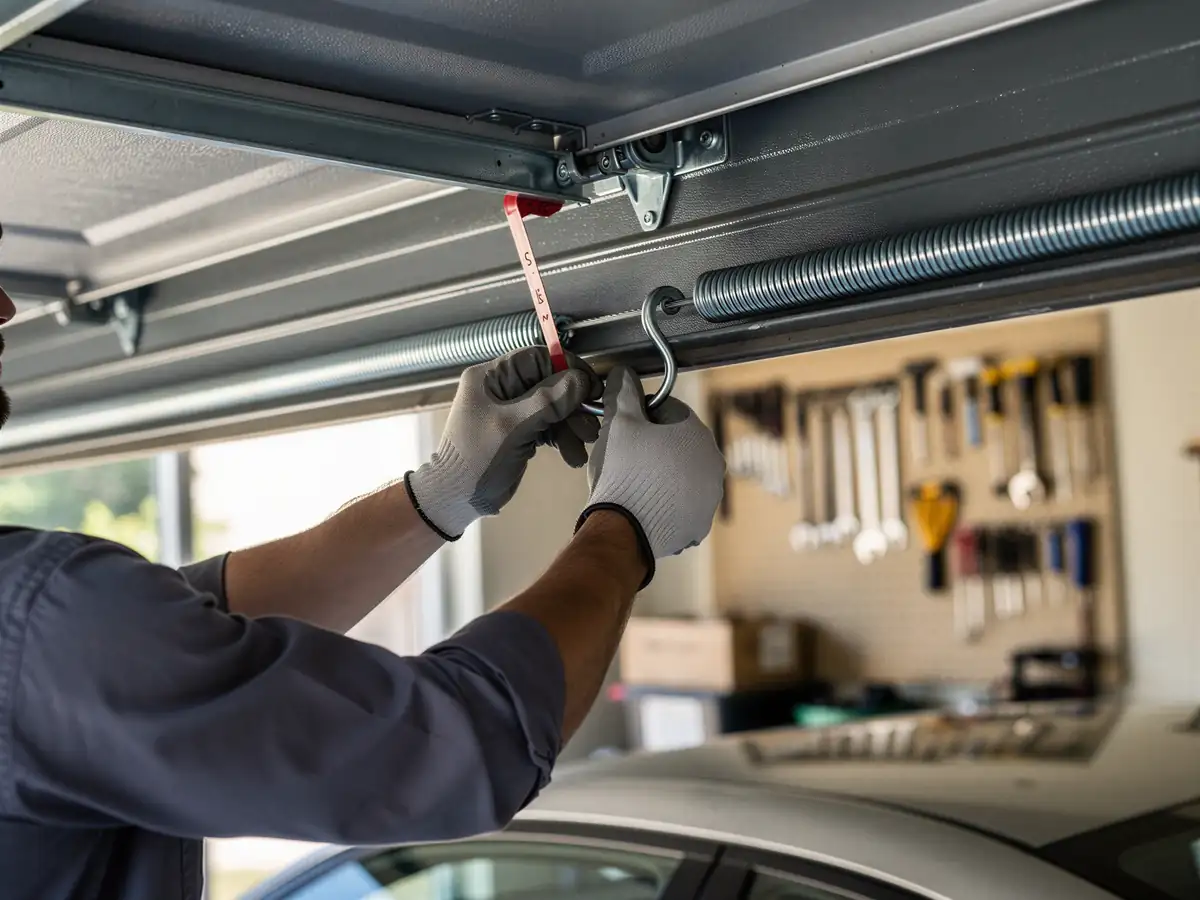
The housing stock across the wider service area runs 1940 to 2001, median build year 1976 - older torsion setups, side-mounted hardware, doors that have been patched more than once. Great Falls runs newer, with a median build year of 1985. That's a real difference in what breaks. A door installed in the mid-80s is now pushing 40 years on its original springs and rollers even if the house itself looks newer than the ones closer in. You're less likely to find an original one-piece door here and more likely to find an extension-spring system or an early torsion unit with an opener board that's simply worn out from age, not neglect. The honest limitation: if the opener logic board is the failure and the model's long discontinued, we may be looking at a full opener swap rather than a board repair, since parts for a unit that old aren't always stocked.
How It Shows Up
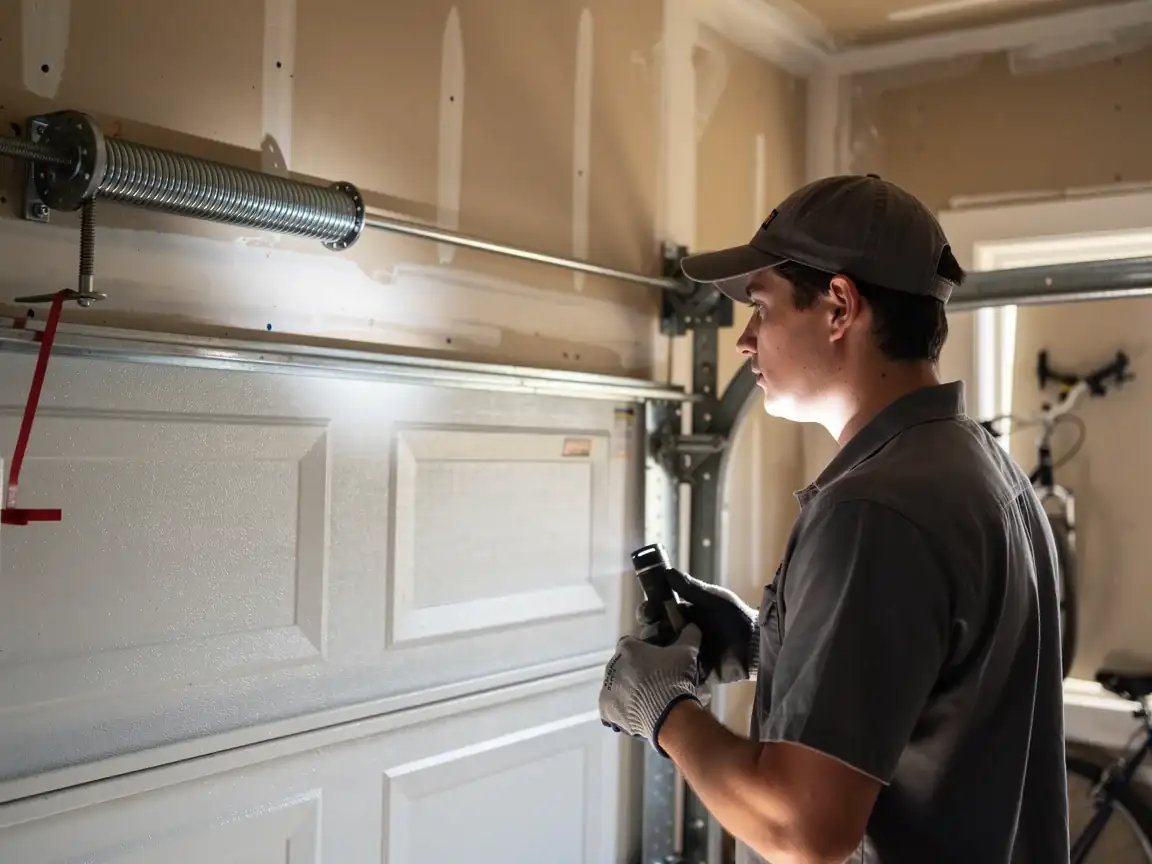
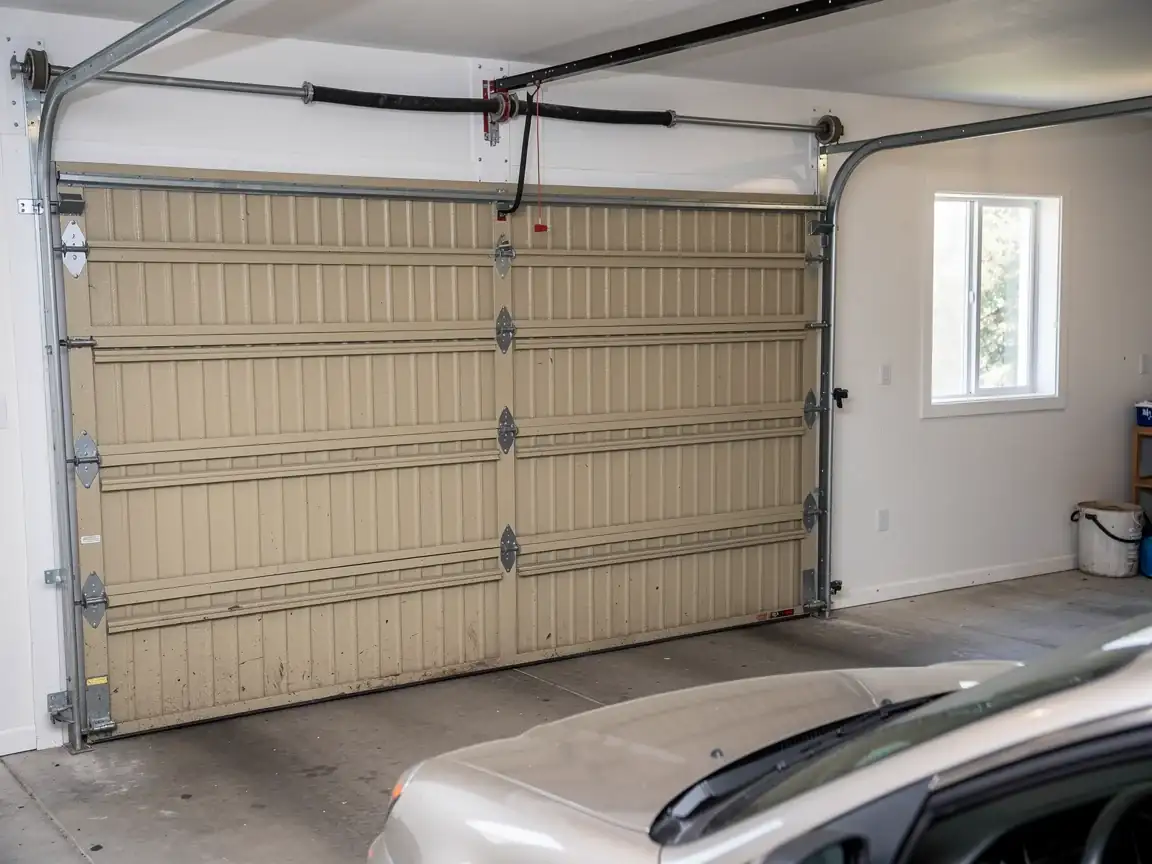
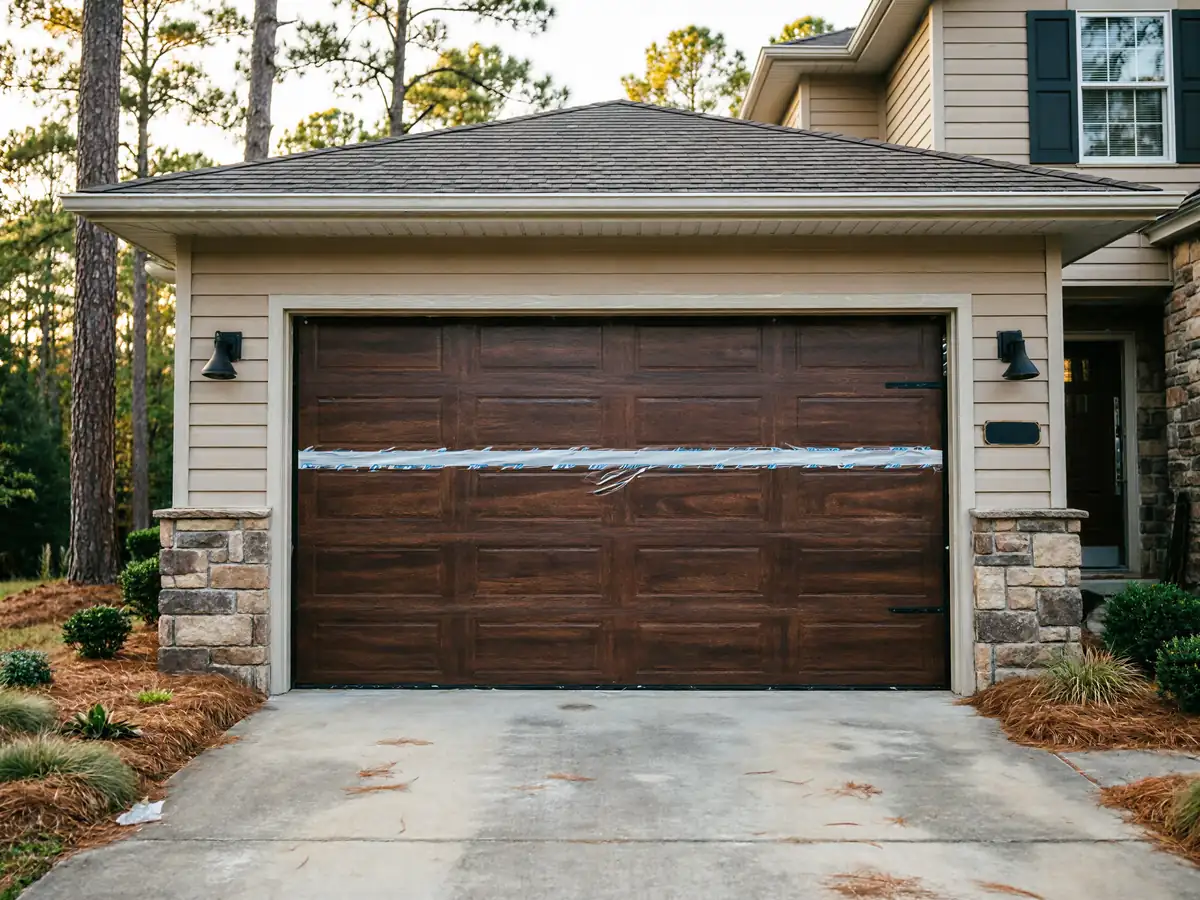
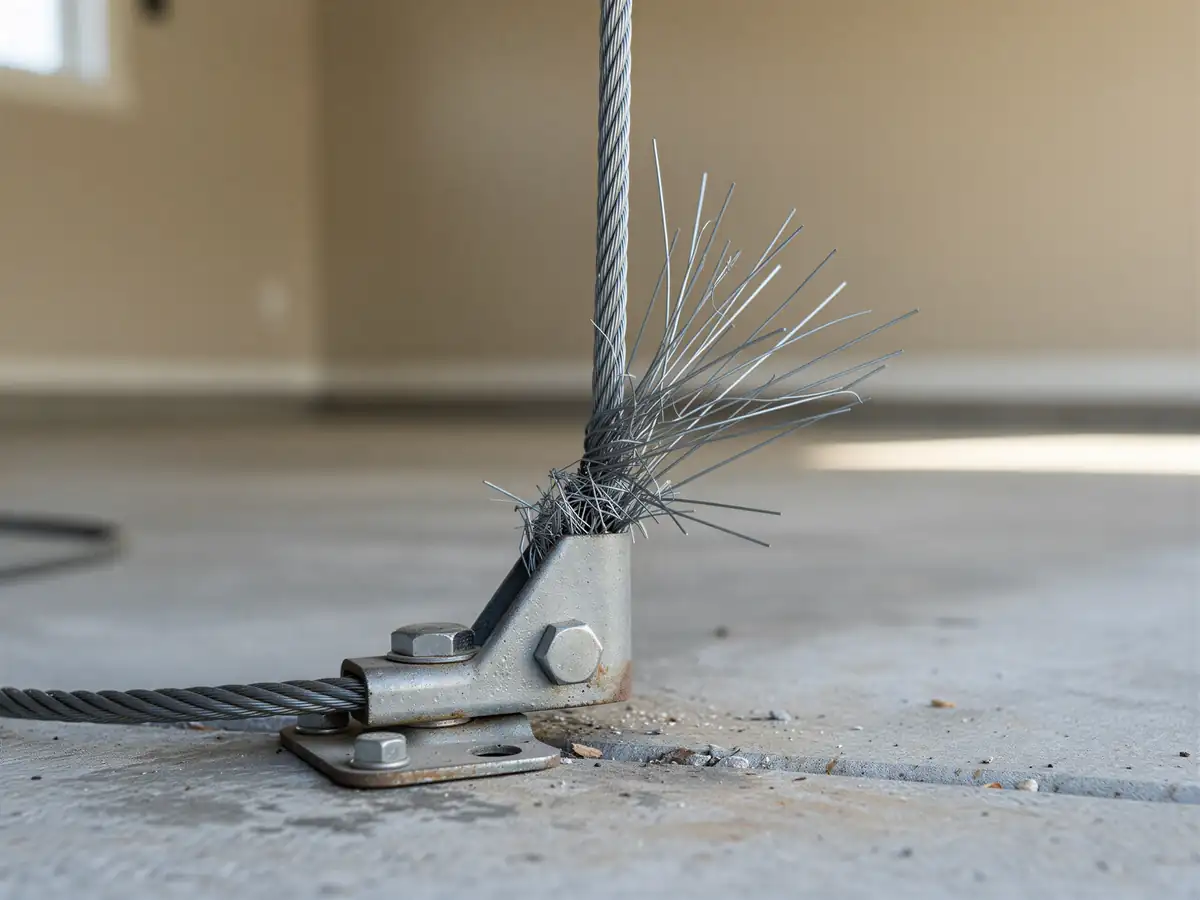
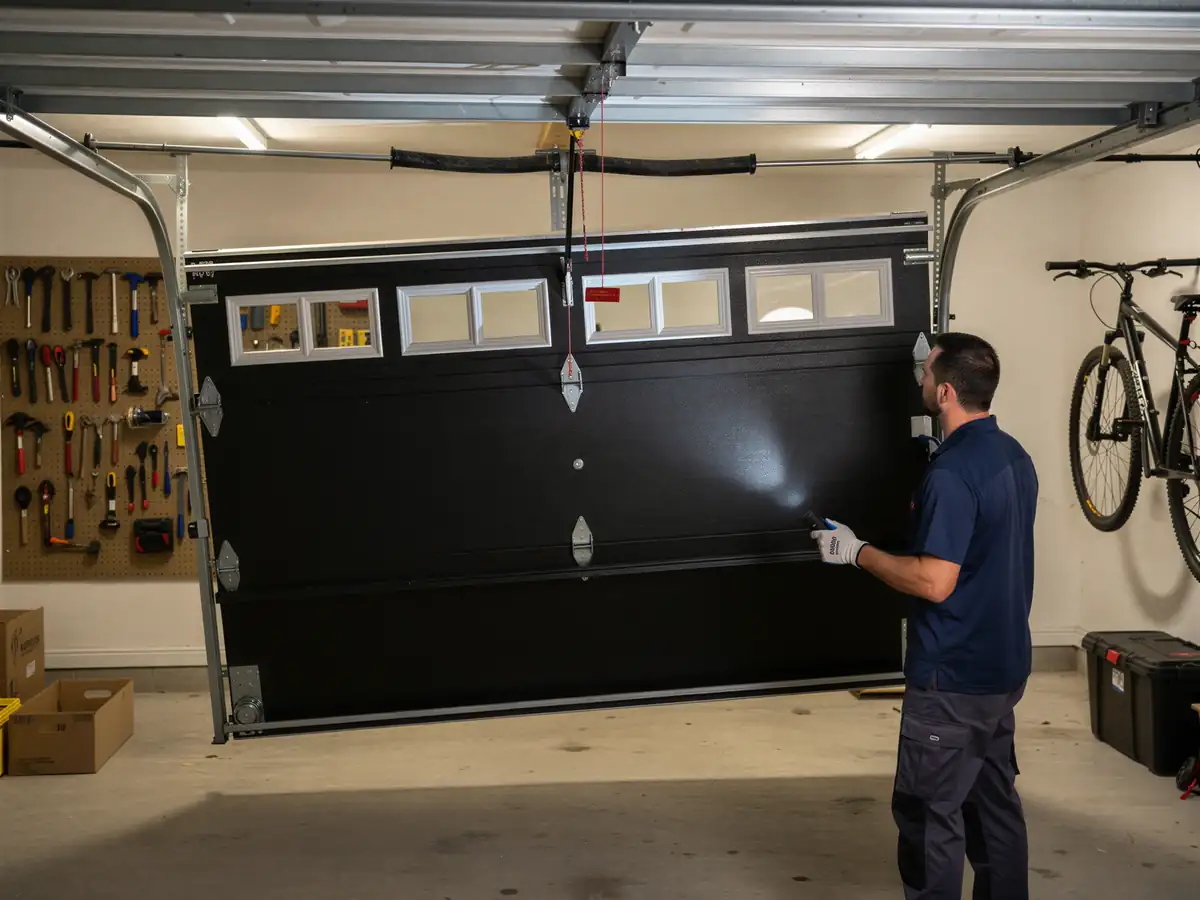
This area sits in a cold, severe climate band, and that shapes which emergency calls come in. Cold tightens steel - torsion springs lose a little tension capacity as temperatures drop, and a spring that was already fatigued is more likely to let go on the coldest mornings of the year rather than a mild one. Cables can also slip off a drum when a roller binds in cold-stiffened track lubricant, which looks like the door hanging crooked on one side. On a door built around the 1985 median for this area, the common failure we see is a tired torsion spring paired with rollers that have outlived their bearings, not a structural problem with the door itself. That's worth knowing before you assume the whole door needs replacing.