Stocked Parts
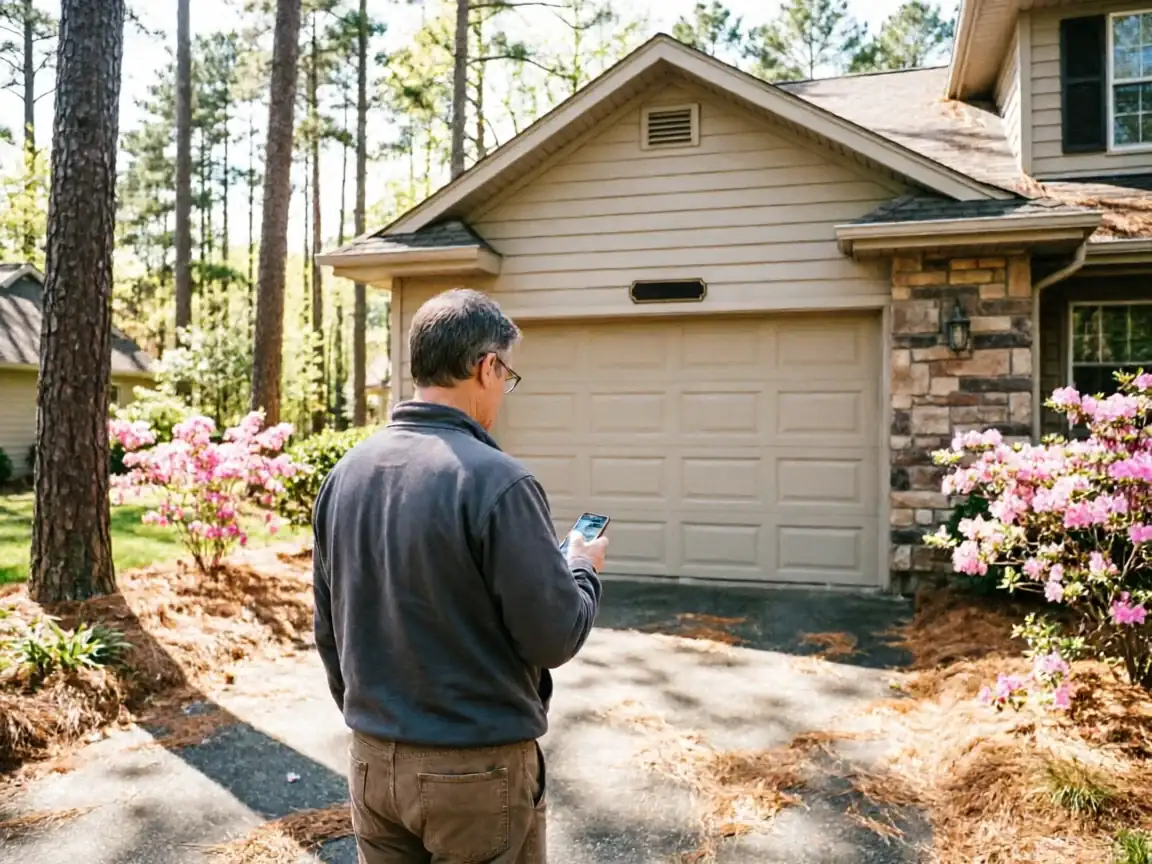
Most of Wolf Trap went up around 1981, a good five years newer than the median for our whole service area
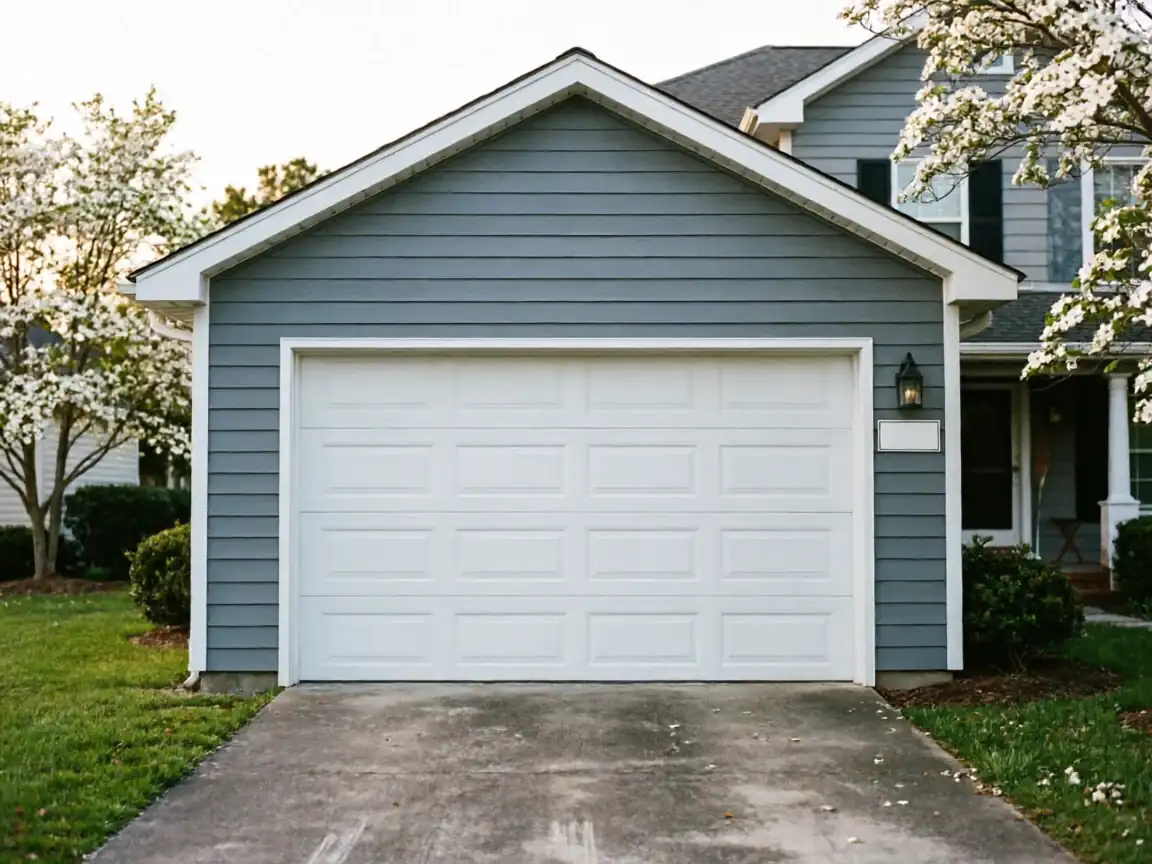
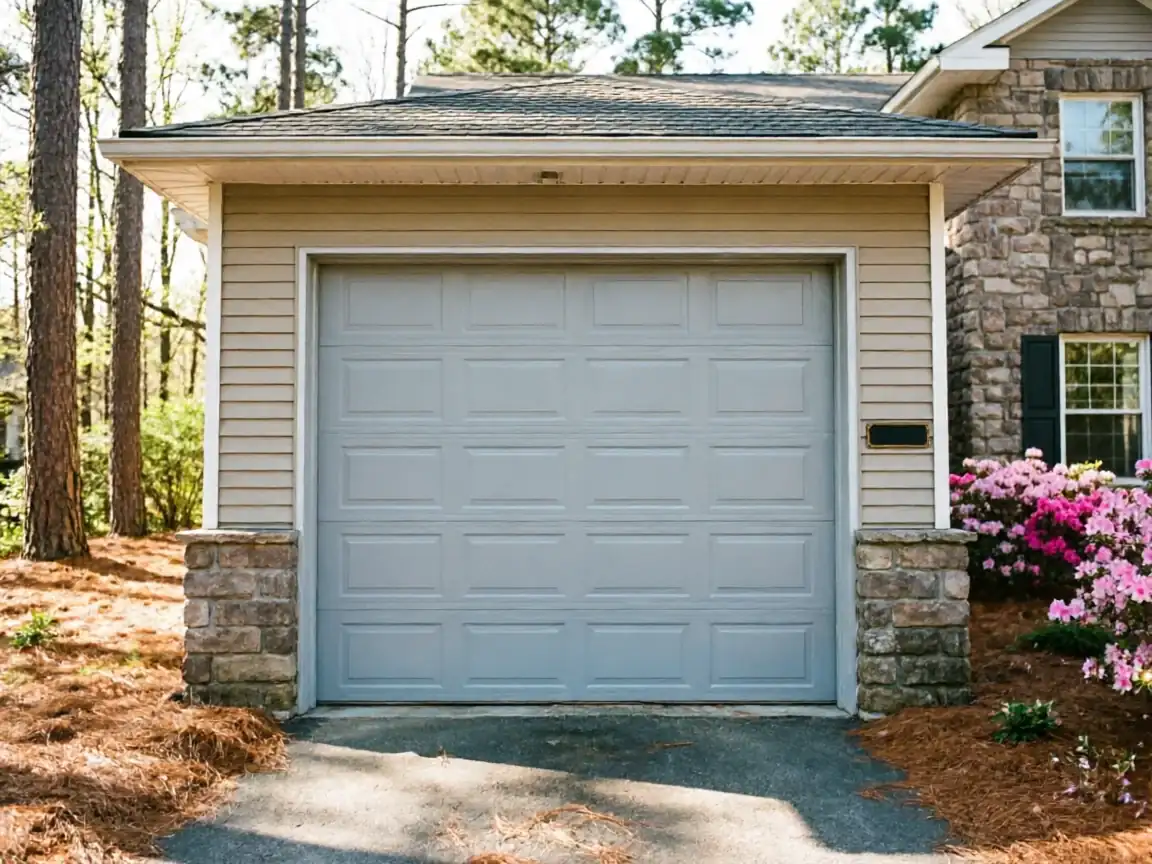
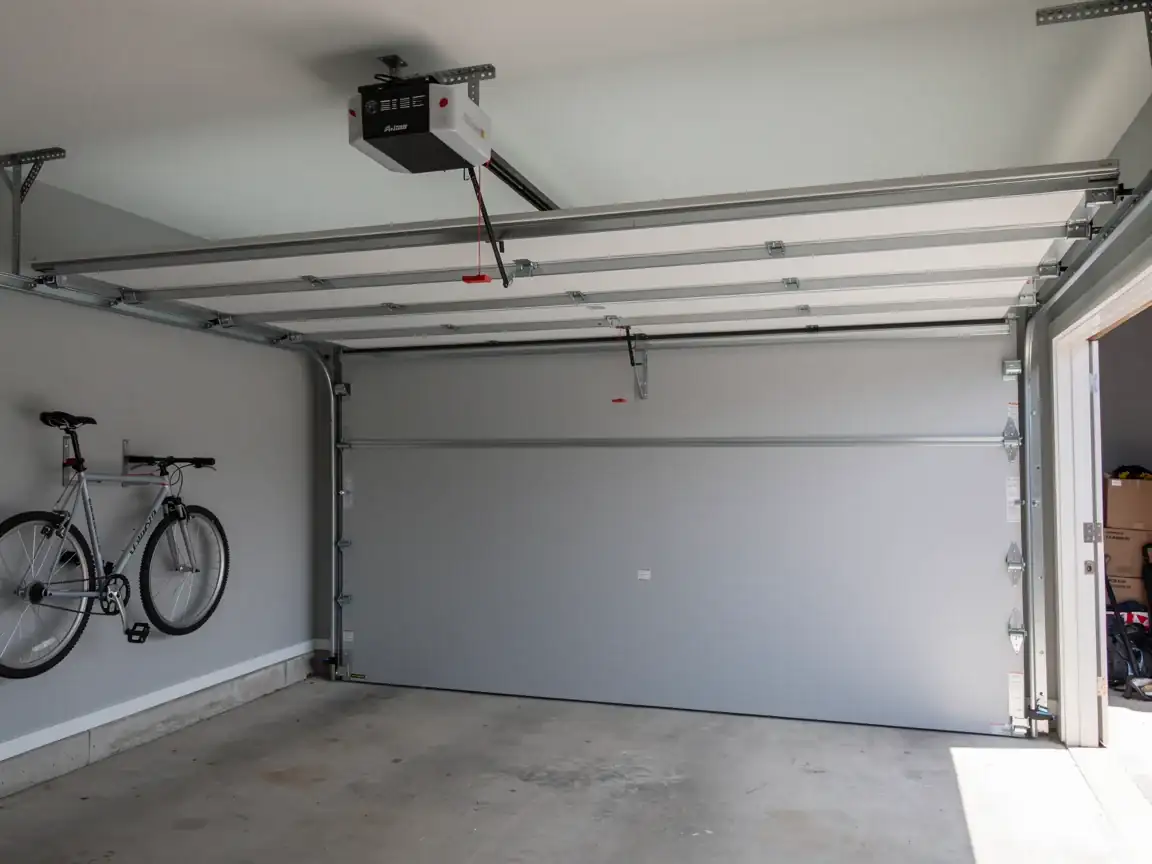
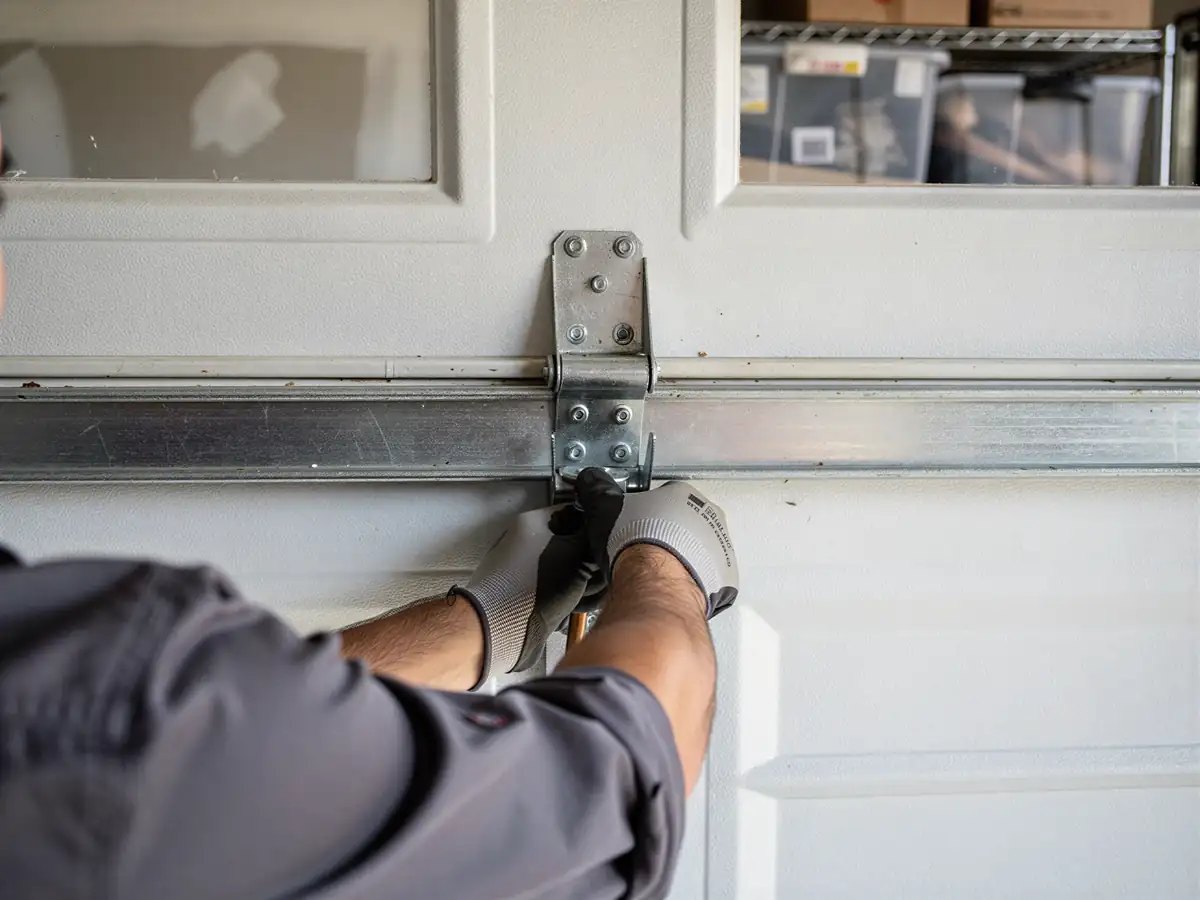
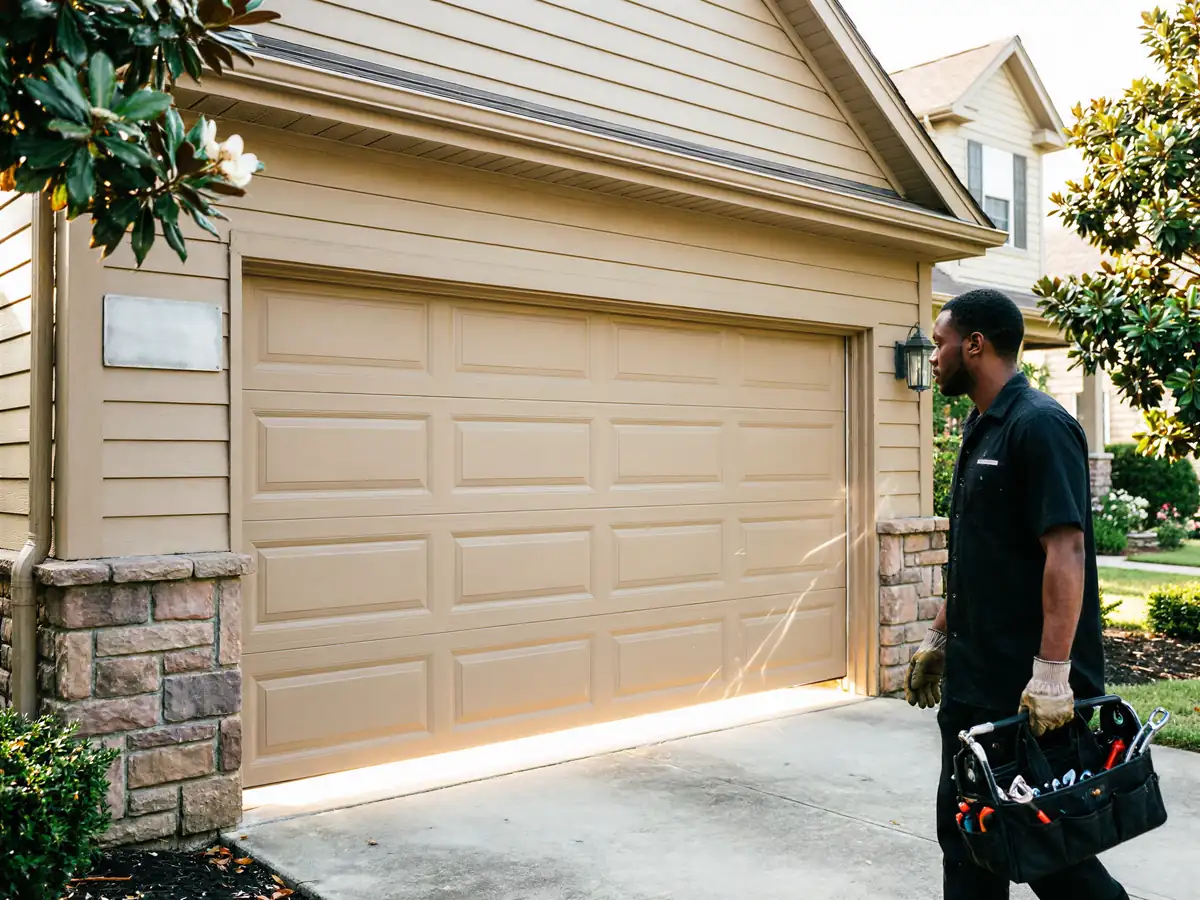
That matters for an off-track call because it tells us what's hanging on the wall before we even pull up: steel sectional panels on standard roller track, not the older one-piece slab doors you'd find in a neighborhood built in the 1950s. Our truck carries the rollers, track sections, hinges, and cable clips that fit that era of hardware, and most off-track jobs here get fixed from stock on the first visit.
Where we come up short is on anything custom
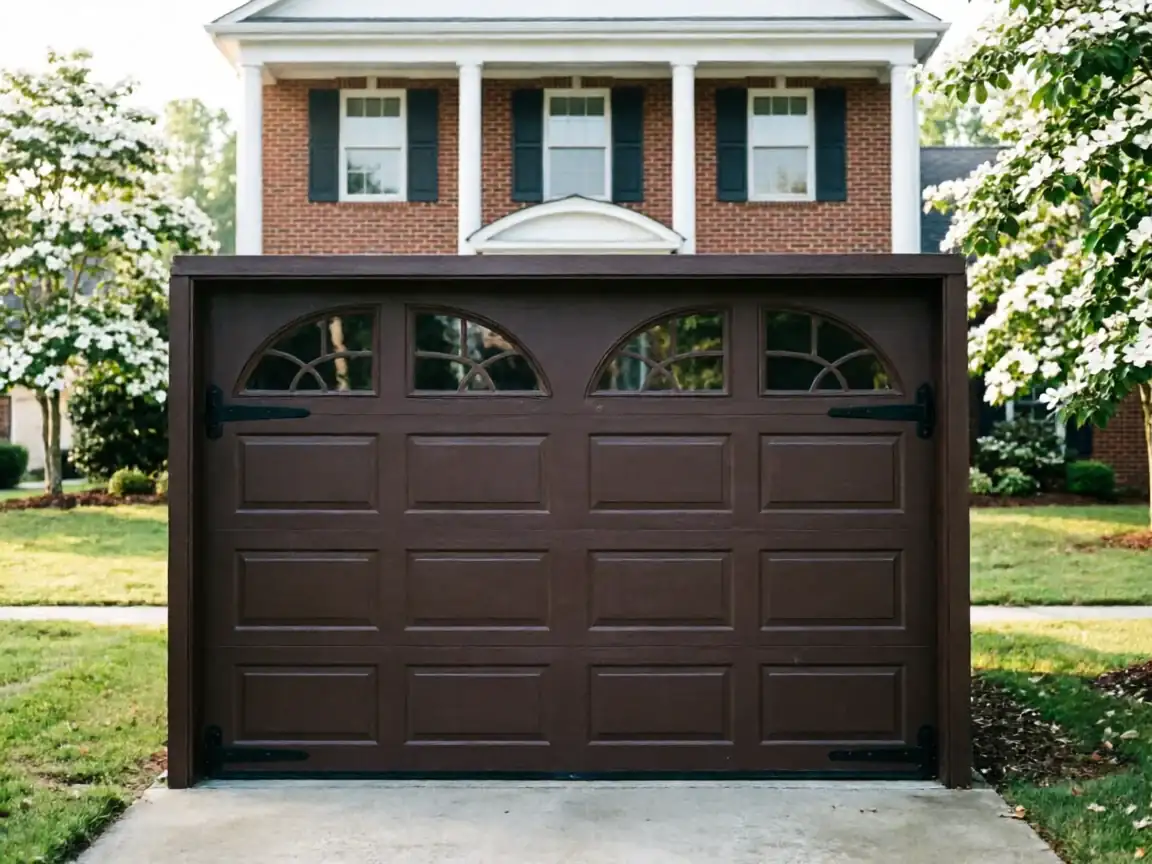
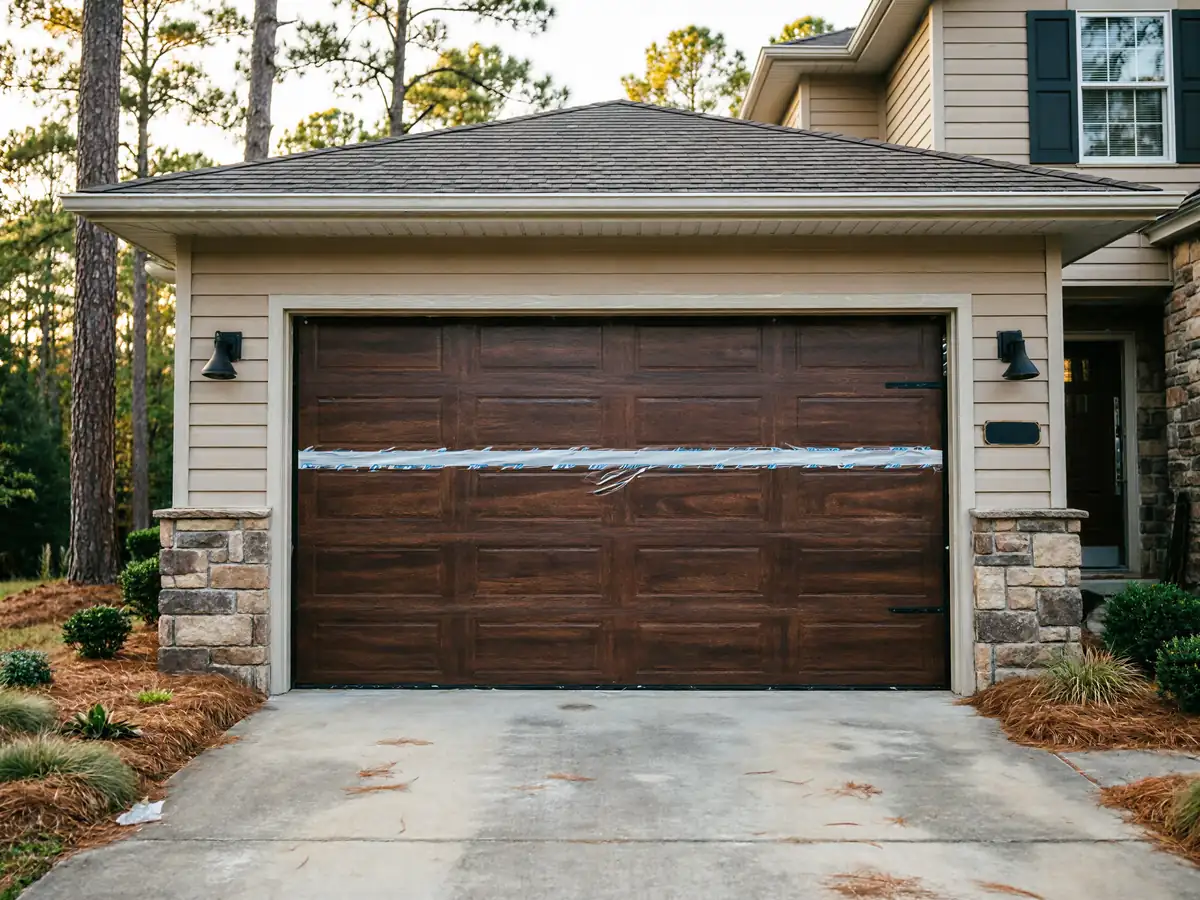
A door that's been swapped out for a wood carriage-style panel or a track bent to fit a non-standard header. If a homeowner tells us the door isn't original to the house, we try to confirm the brand and track width before we drive the 11 miles out, because guessing wrong means a second trip. We'd rather ask a question on the phone than show up short a part.
- 11 miles
Booking a Visit
We run this job out of Arlington, and Wolf Trap sits about 11 miles out - far enough that we schedule it as a dedicated stop rather than a drive-by add-on between closer calls. With around 5,382 households in the area, the off-track calls here are spread thin compared to the denser blocks nearer our shop, so booking ahead gets you a tighter window than hoping we're already in the neighborhood.
When you call, tell us whether the door is stuck open, stuck shut, or hanging crooked on one side - that changes whether we bring a second tech. We don't keep a branch or a drop box out this way, so every visit starts from Arlington; that's worth knowing if you're hoping for a same-hour fix on a door that's only half off its track and still technically closing. For the full rundown of what we handle out of the Arlington shop, see the off-track repair page for Arlington.
How It Shows Up
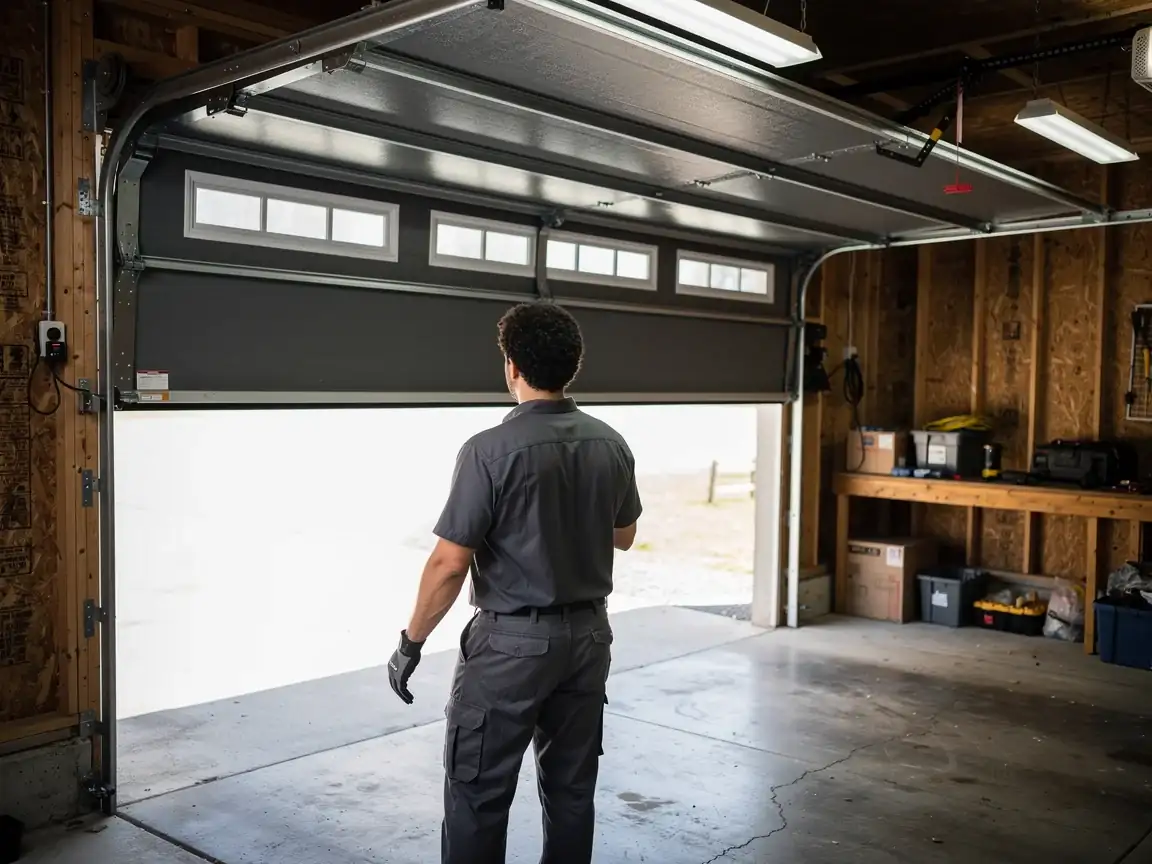
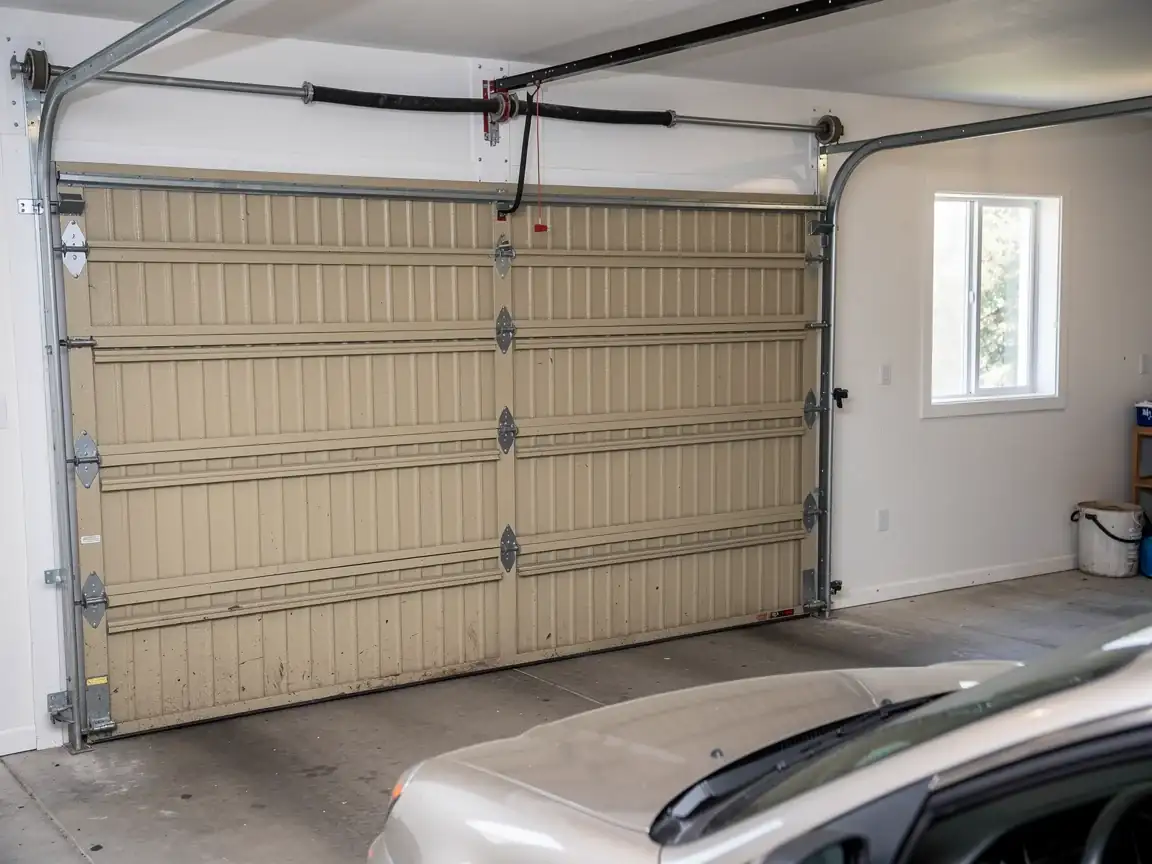
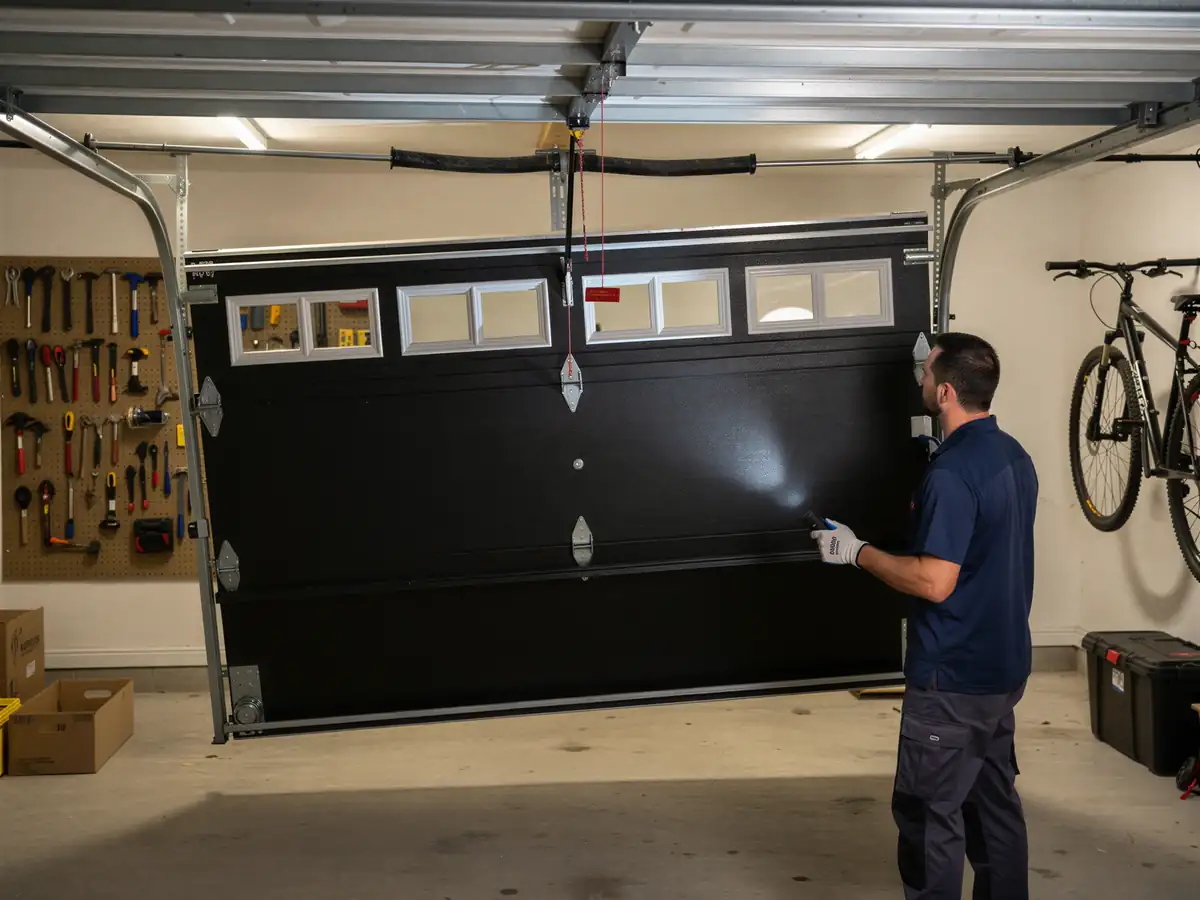
An off-track door in Wolf Trap usually announces itself the same way: a roller pops out of the rail, one corner of the door drops, and the opener either strains against it or stops dead. On a 1981-era steel door, the roller stems and track brackets are the weak points - decades of use loosens the bracket bolts, and once there's play in the bracket, a hard stop or a gust of wind is enough to walk a roller off the rail edge.
Cold is the other driver. This area sits at the severe end of the climate band for our region, and steel track contracts in a hard freeze just enough to change the roller's clearance. A door that ran fine in October can start catching in January on the exact same hardware - nothing broke, the metal just pulled tighter around the roller. That's why we see a bump in off-track calls here right after the first deep cold snap, not during the storm itself but a day or two after things settle.
Can You Do This Yourself
If the door is only slightly off
One roller out, door still mostly square - you can sometimes walk it back onto the track by hand with the opener disconnected. Pull the release cord, lift the door a few inches, and see if the roller seats back into the rail. If it does and the door moves freely, you've bought yourself time to call rather than an emergency.
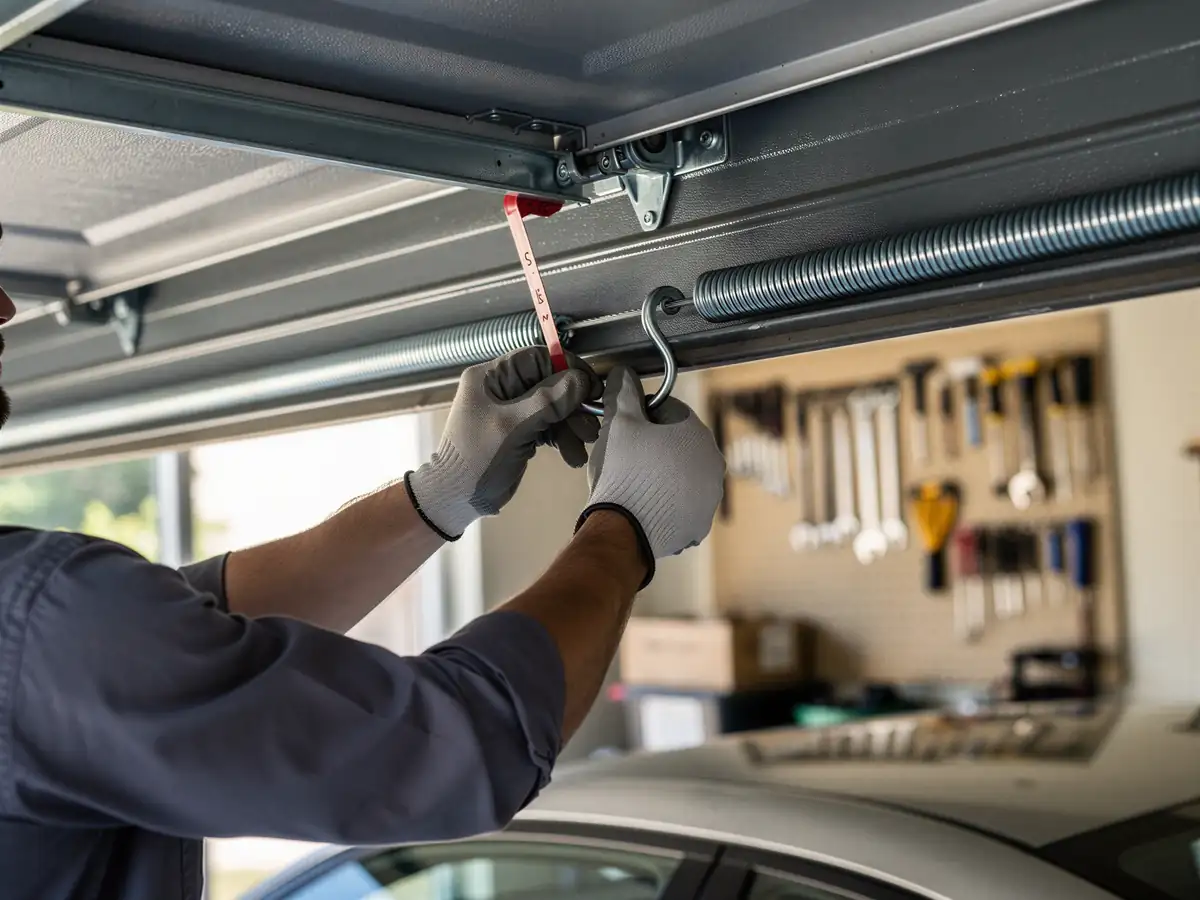
What you should not do is touch anything near the springs
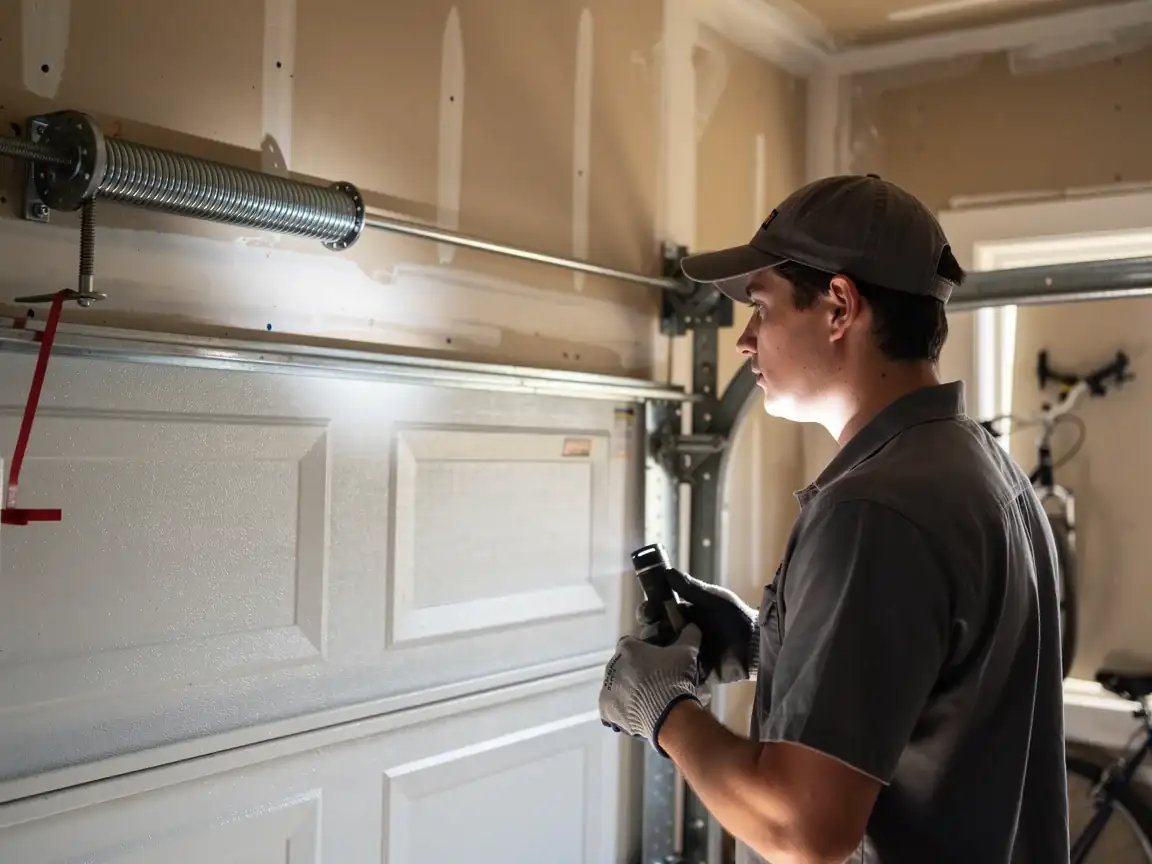
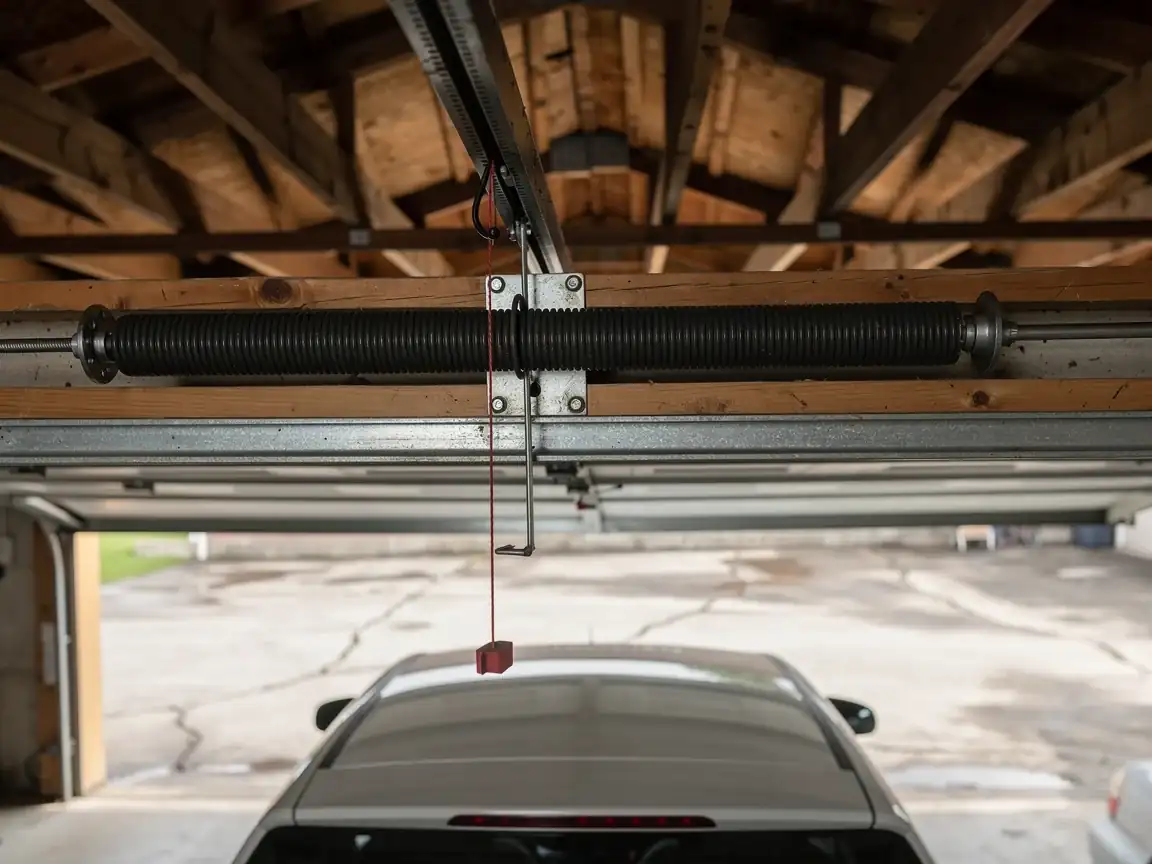
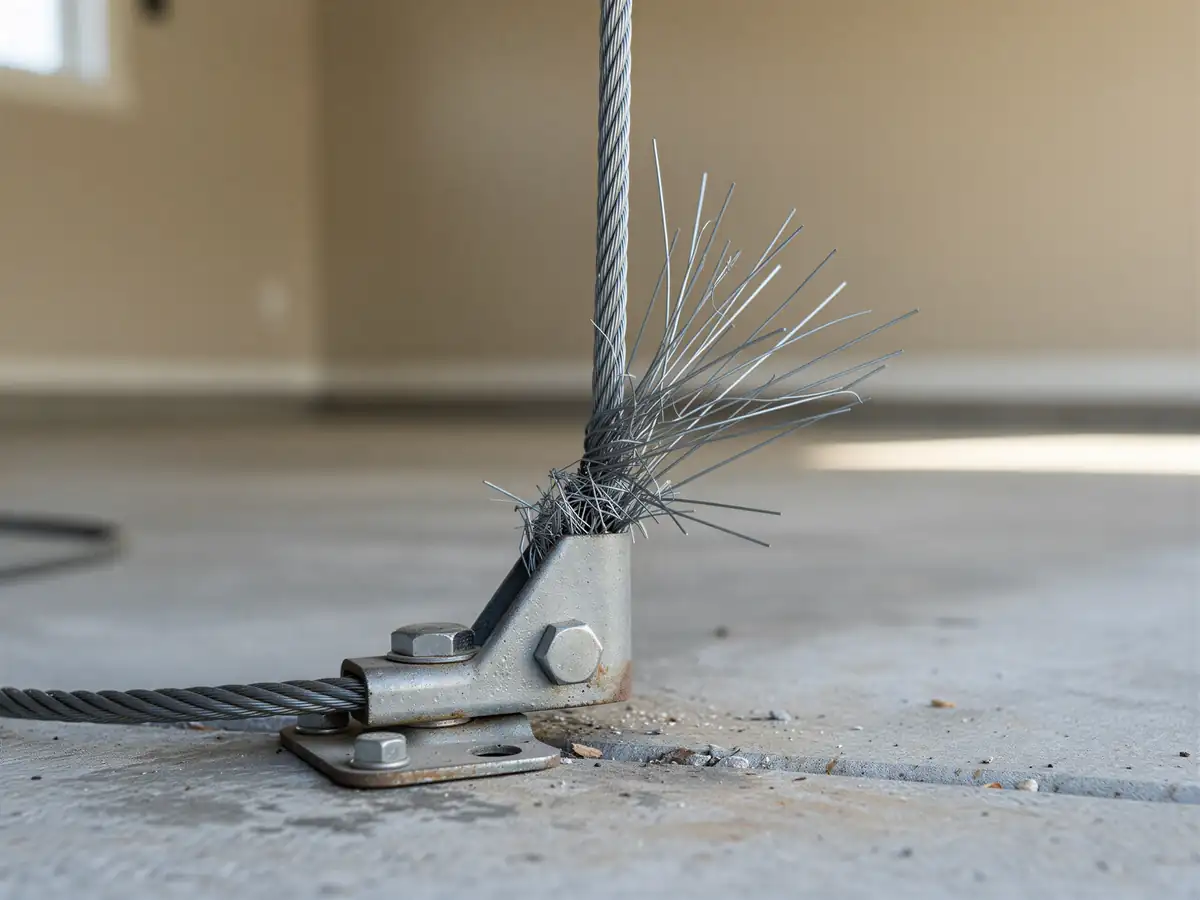
On a torsion setup, the spring holds the full weight of the door under tension, and a panel that's dropped on one side is often a sign the cable or spring side has already failed, not just the roller. Given the income level and home values in Wolf Trap, most owners here end up replacing worn track and rollers rather than nursing them along, and that's usually the right call once a door's been off more than once. We'll tell you straight if it's a ten-minute fix or a track replacement - we don't pad a visit.