Stocked Parts
Wolf Trap is small
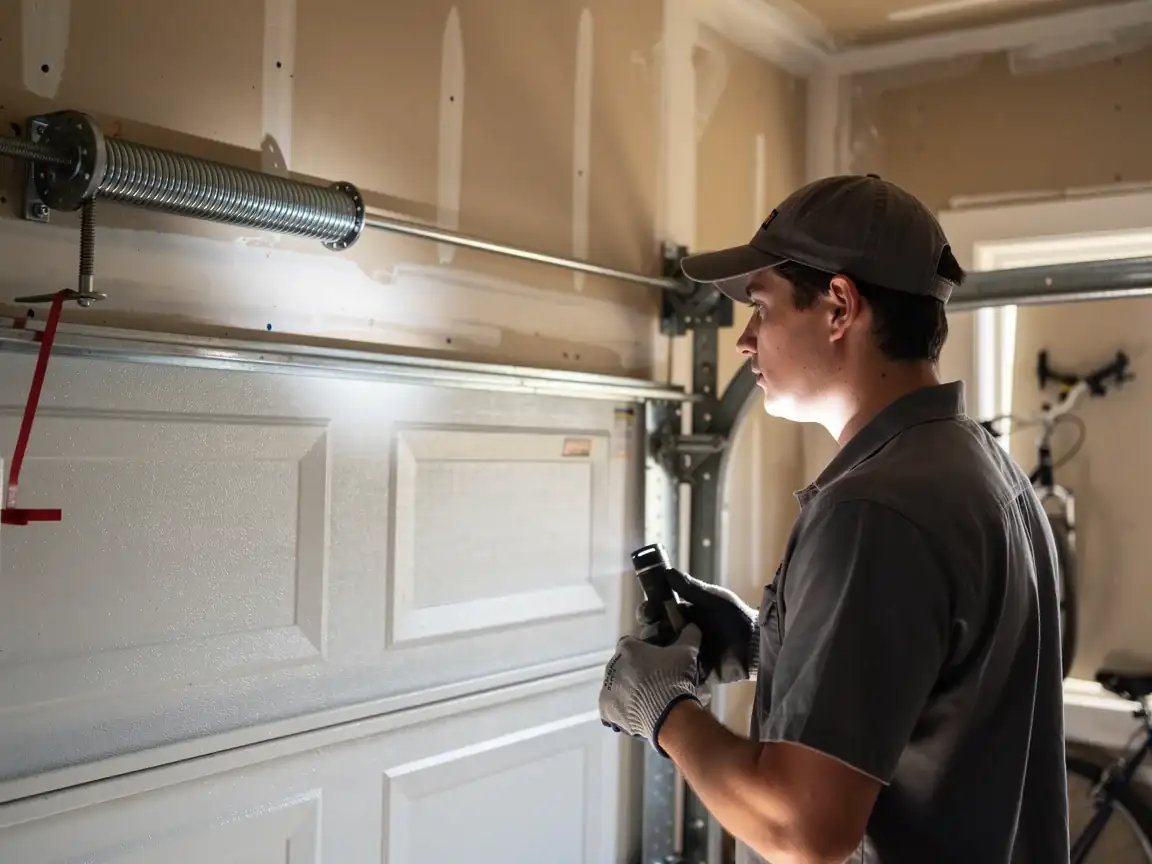
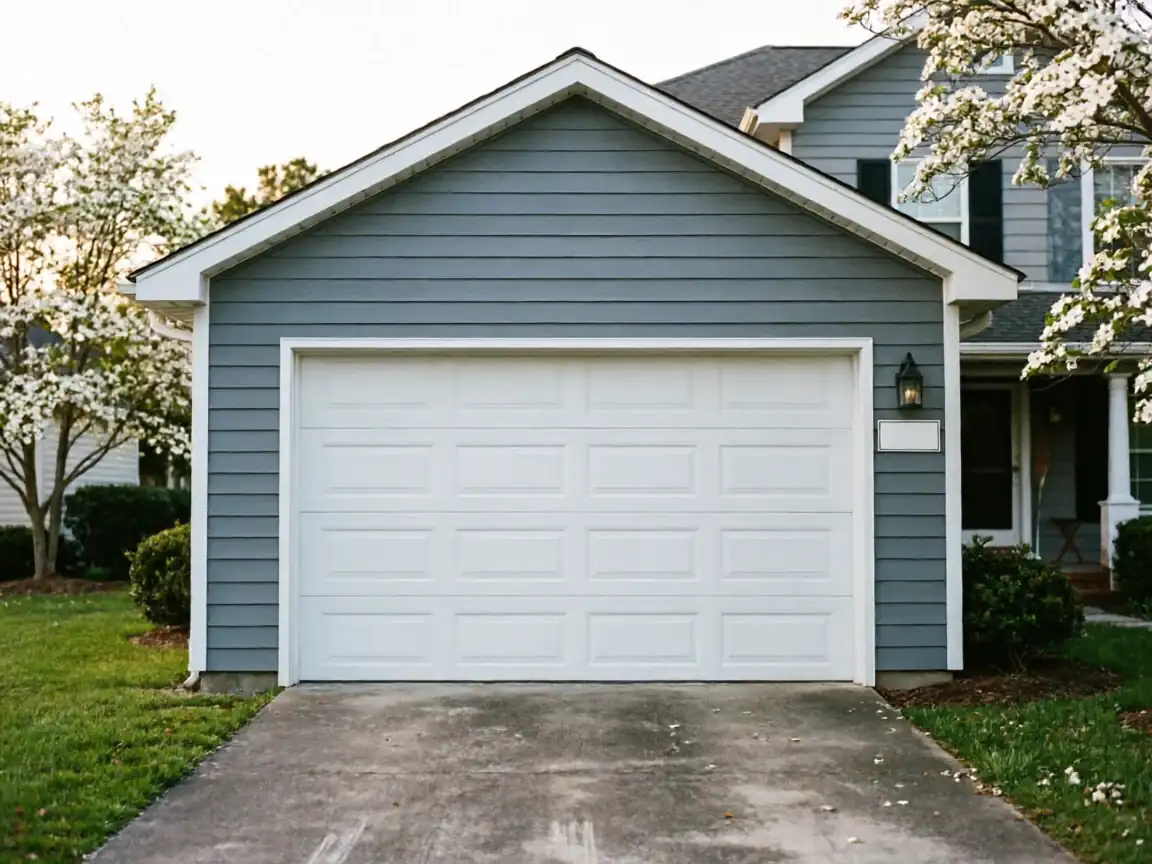
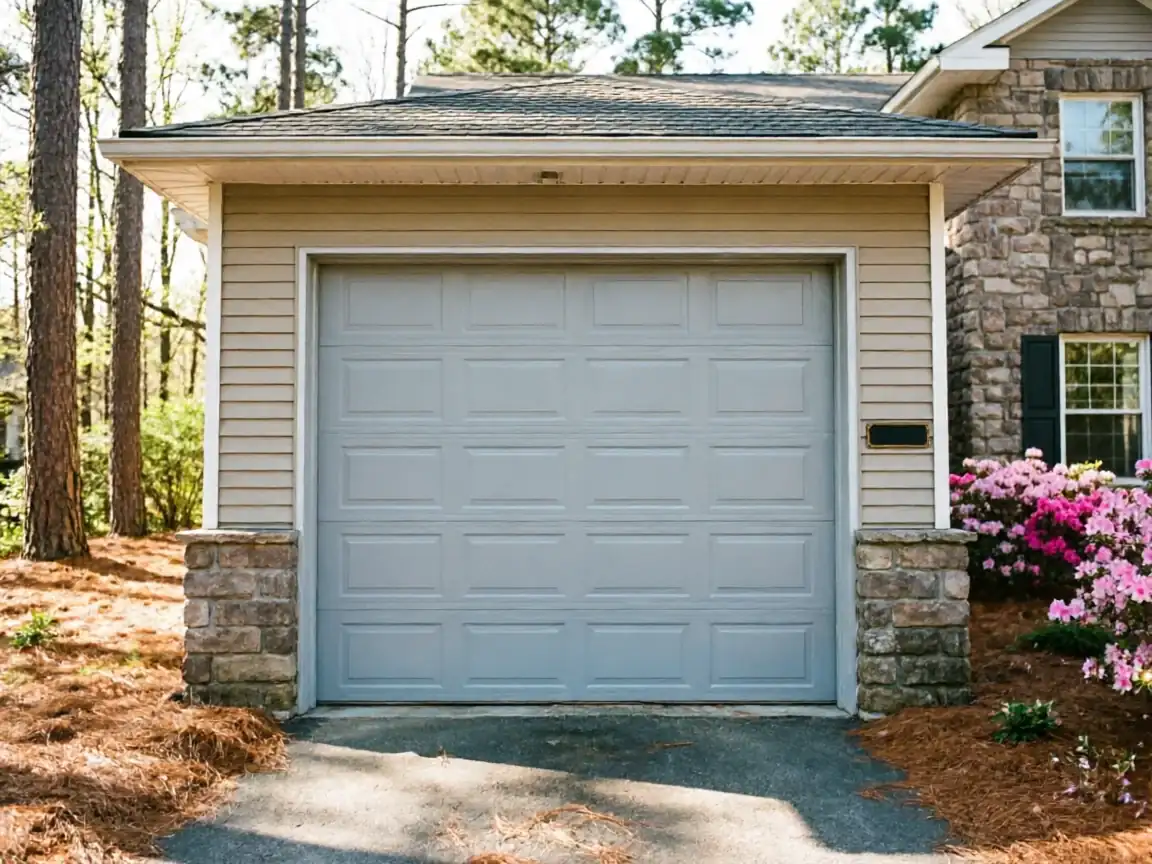
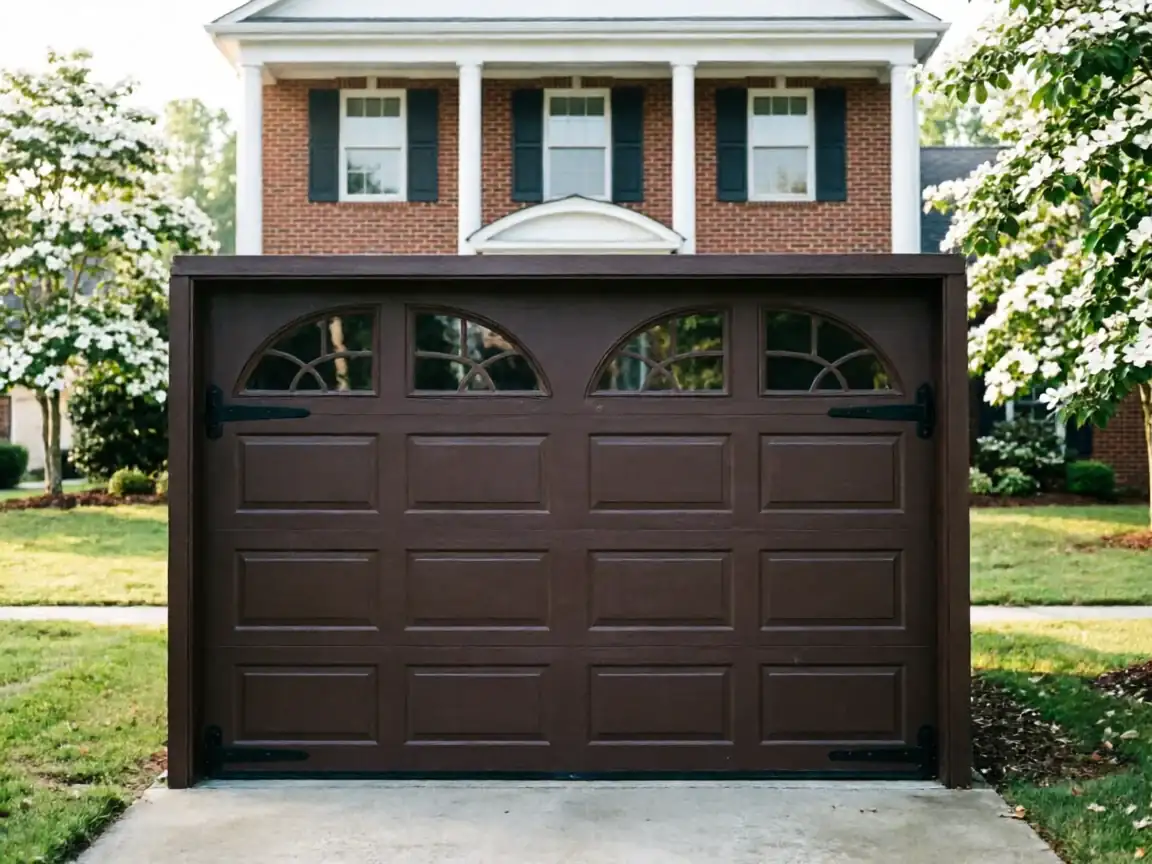
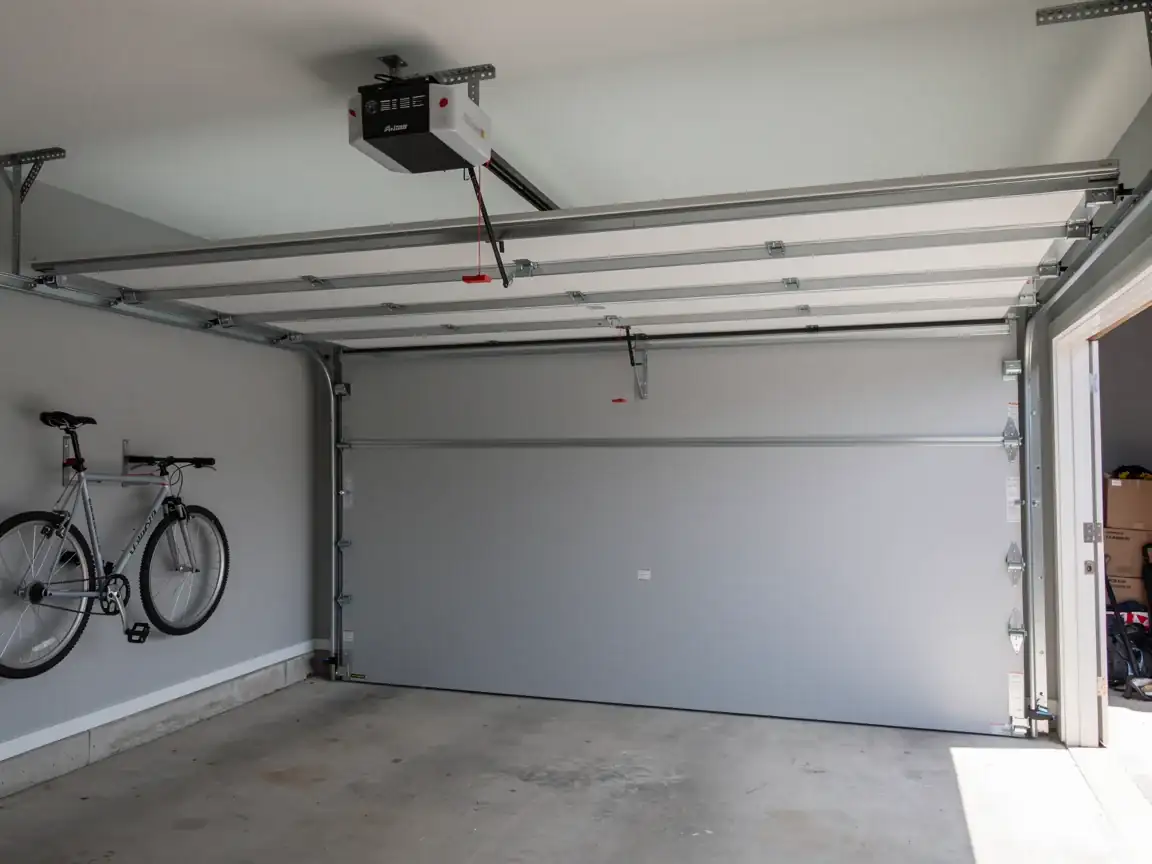
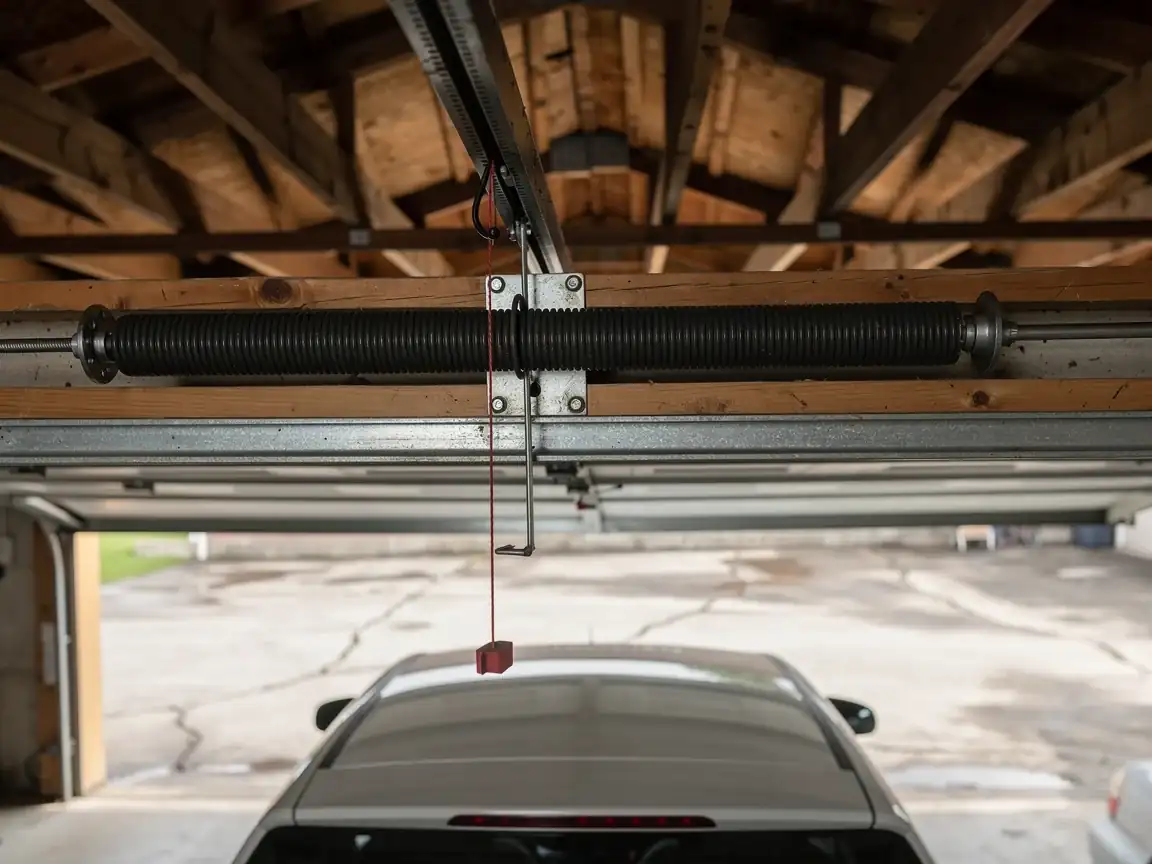
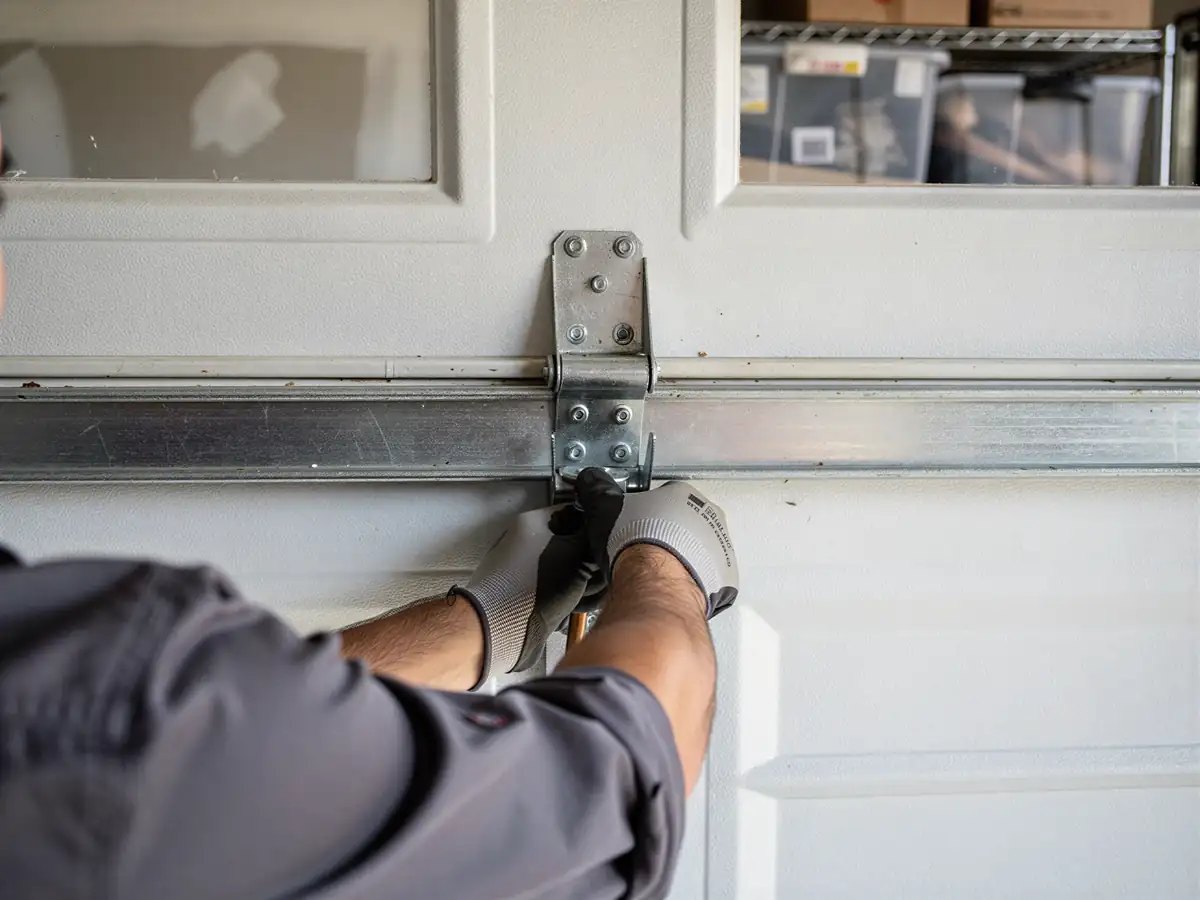
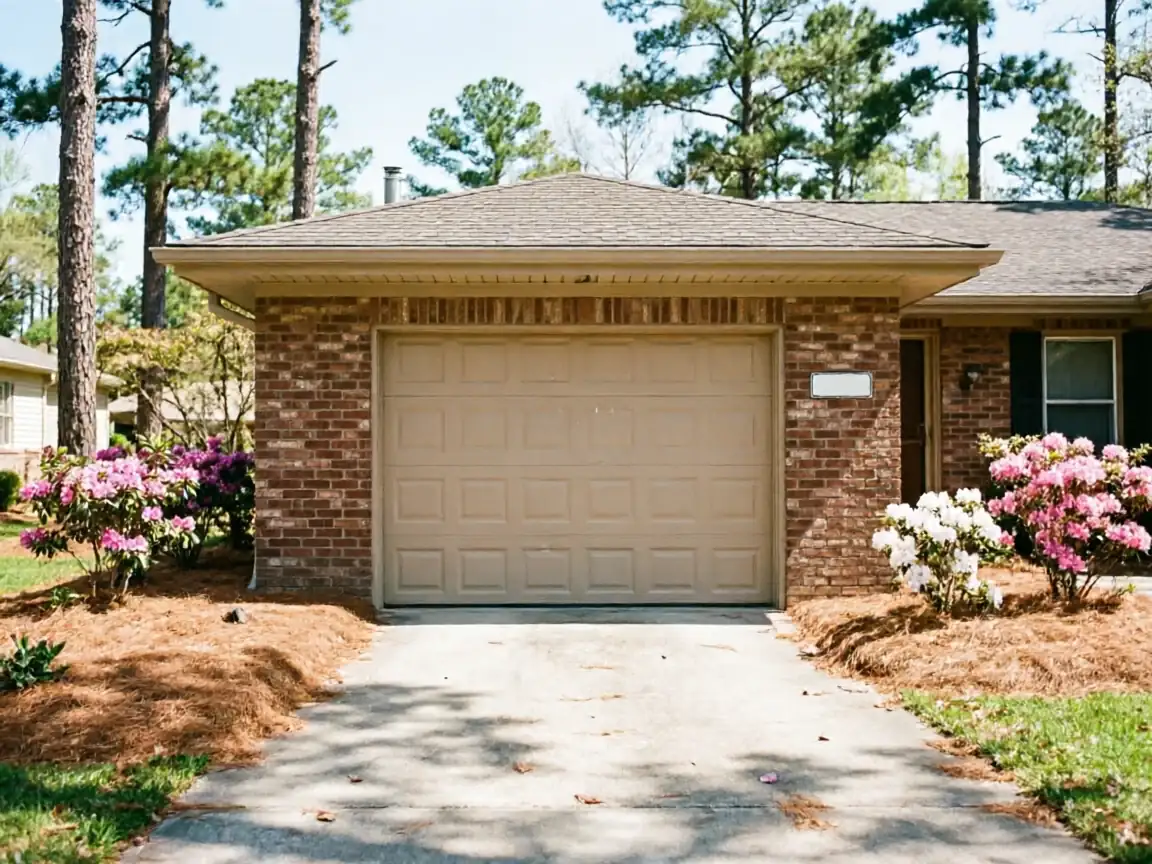
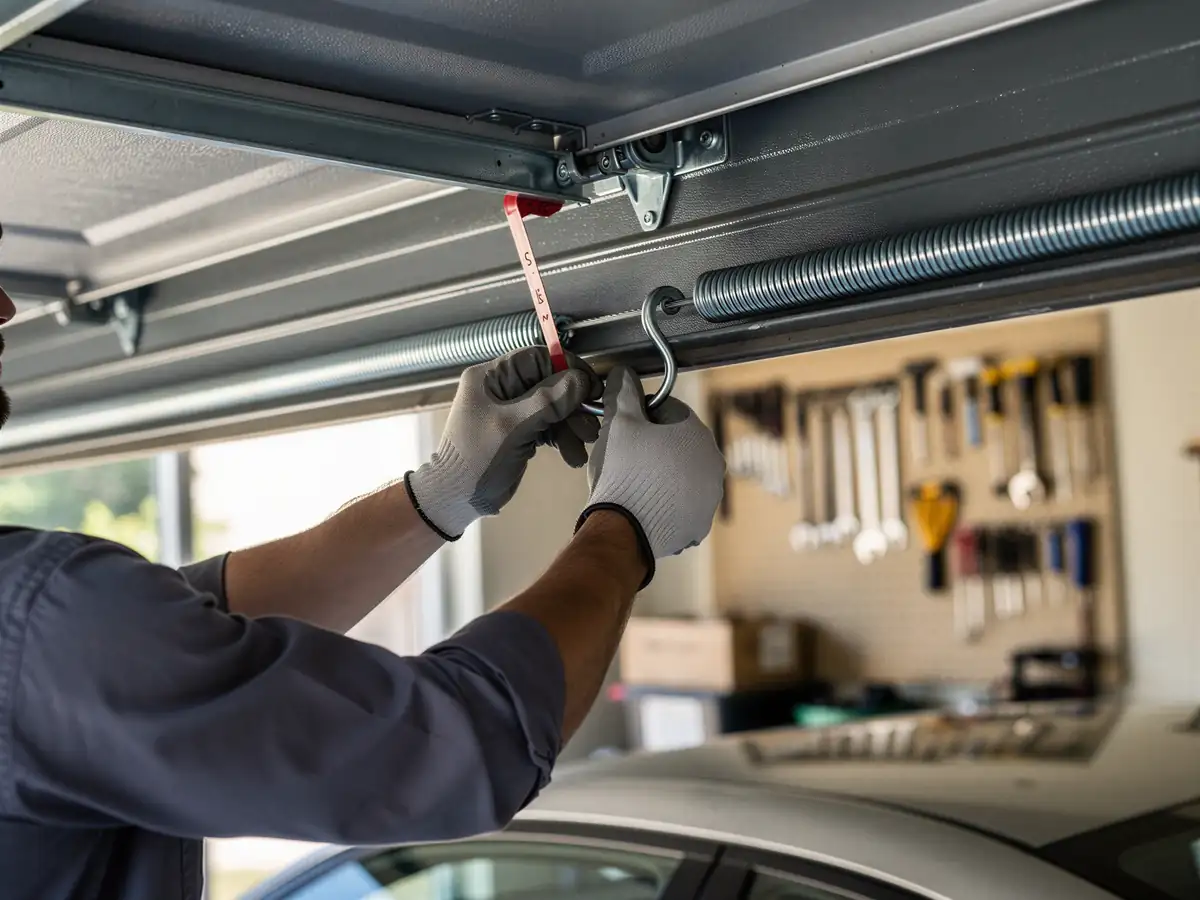
About 5,382 households - so when we quote a new install here, we're working off a fairly narrow range of what's actually behind the wall. Most Wolf Trap garage doors date to the early 1980s builder-grade run, not the 1960s-70s stock that dominates many of the other 37 named areas we cover. That usually means 7-foot steel sectional doors on standard torsion springs sized for lighter panels, and that's hardware our truck carries without a special order: rollers, hinges, cables, and torsion springs in the common sizes for that era of door.
- 5,382 households
Where we don't carry stock is oversized or fully custom insulated doors
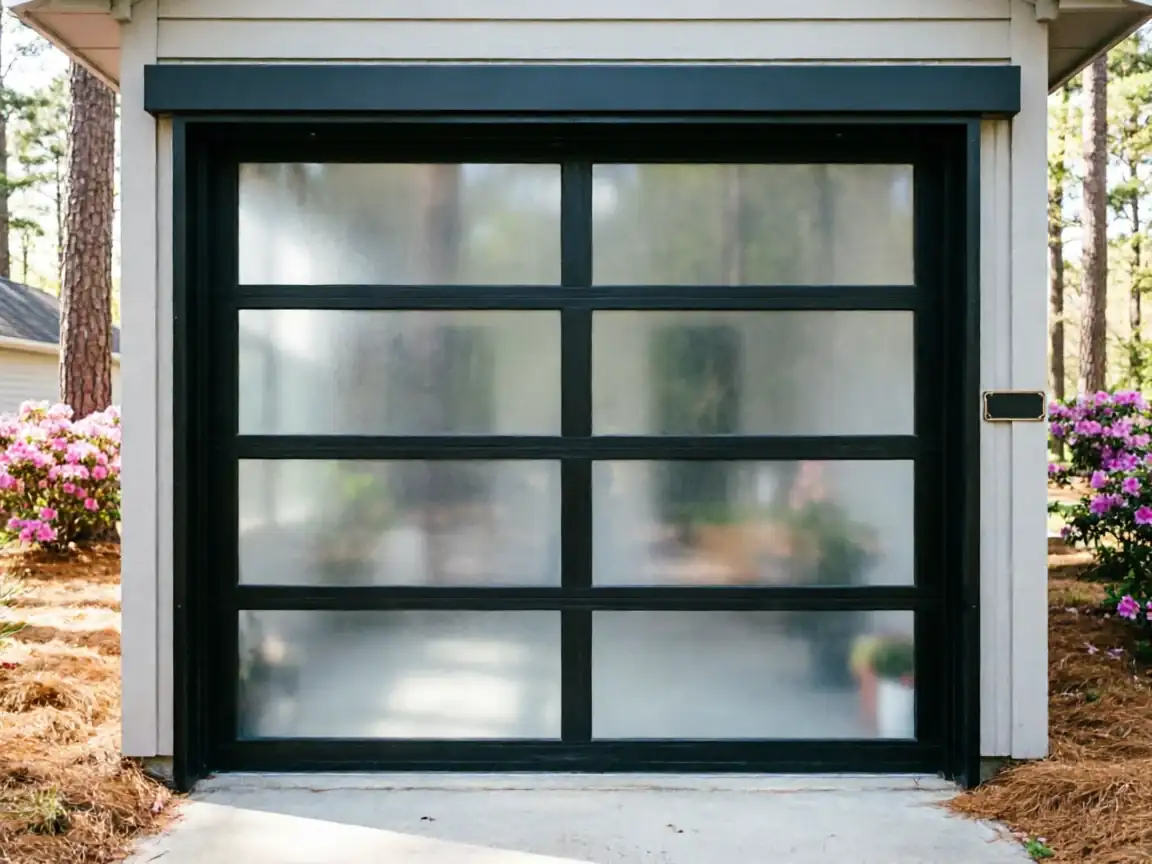
If you're after a specific insulated R-value, a non-standard width, or a color match that isn't a factory standard, that gets ordered in and takes time to arrive - we won't pretend we can swap that on the same visit. For the standard replacement job, though, we're not waiting on parts.
Booking a Visit
We run this job out of Arlington, 11 miles from Wolf Trap, which puts it toward the far end of our regular route rather than a quick hop between closer calls. That distance doesn't change how the install goes, but it does mean we schedule Wolf Trap jobs in blocks instead of squeezing them in as drive-bys.
There's no branch or depot in Wolf Trap itself - every truck comes from Arlington, so booking a visit means picking a window that works for a drive out, not a walk-in appointment. Given the mile count, we'll ask you to confirm rough measurements ahead of time - door width, headroom, track clearance - so the visit covers the full install rather than a second trip for a missing number. It's a small ask that saves both of us a wasted afternoon.
How It Shows Up
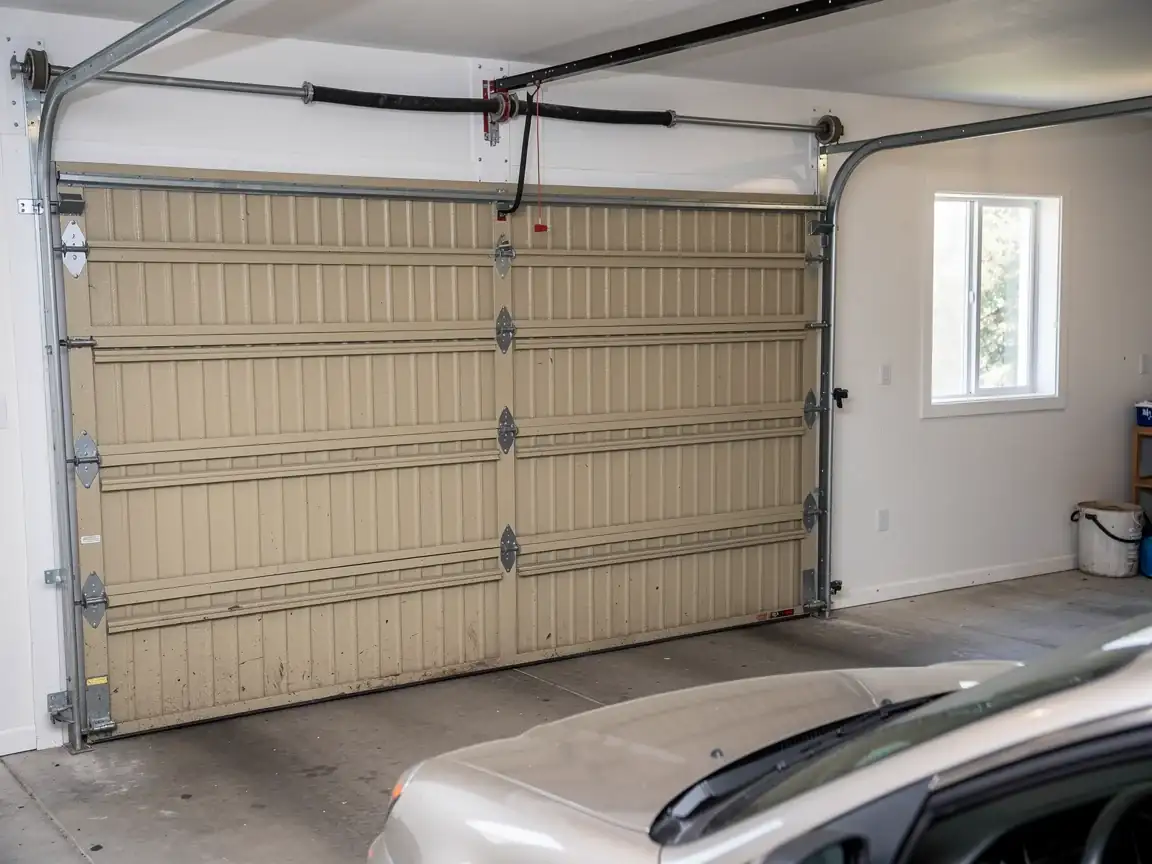
Pair the severe cold winters this area gets with the early-1980s builder doors common to Wolf Trap, and the failure pattern on new-install calls is pretty consistent: foam-core insulation inside the panel has broken down and settled, leaving dead air gaps that do nothing. Thin steel skins from that era dent and oil-can more than current gauge steel, and bottom seals that have hardened in the cold let drafts and condensation into the garage through the coldest stretches of winter.
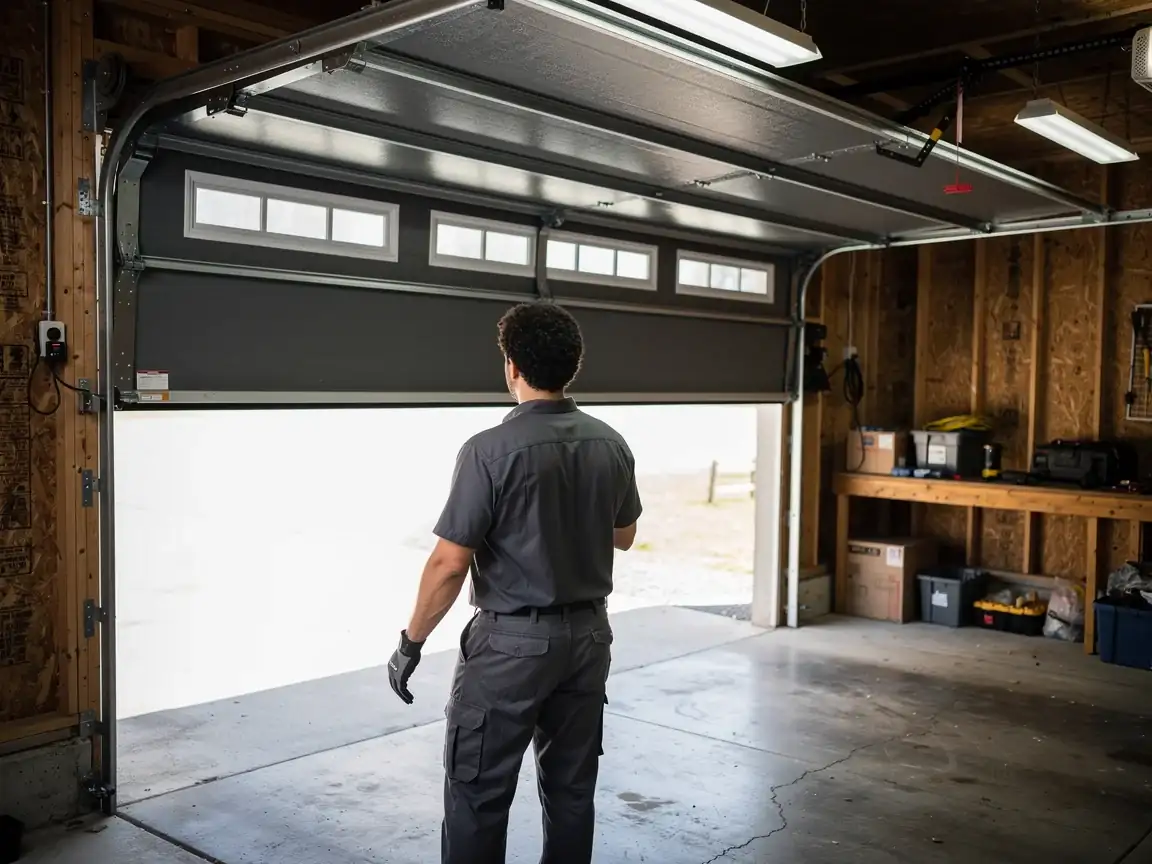
A new door changes that picture - better insulation, tighter seals, heavier gauge panels - without needing to touch the opening itself in most cases, since the framing from that period is still standard sizing. We're not selling you on insulation you don't need, but if your current door is from that original build, you'll feel the difference the first cold snap after we're done.
Can You Do This Yourself
Median household income in Wolf Trap runs around $250,001
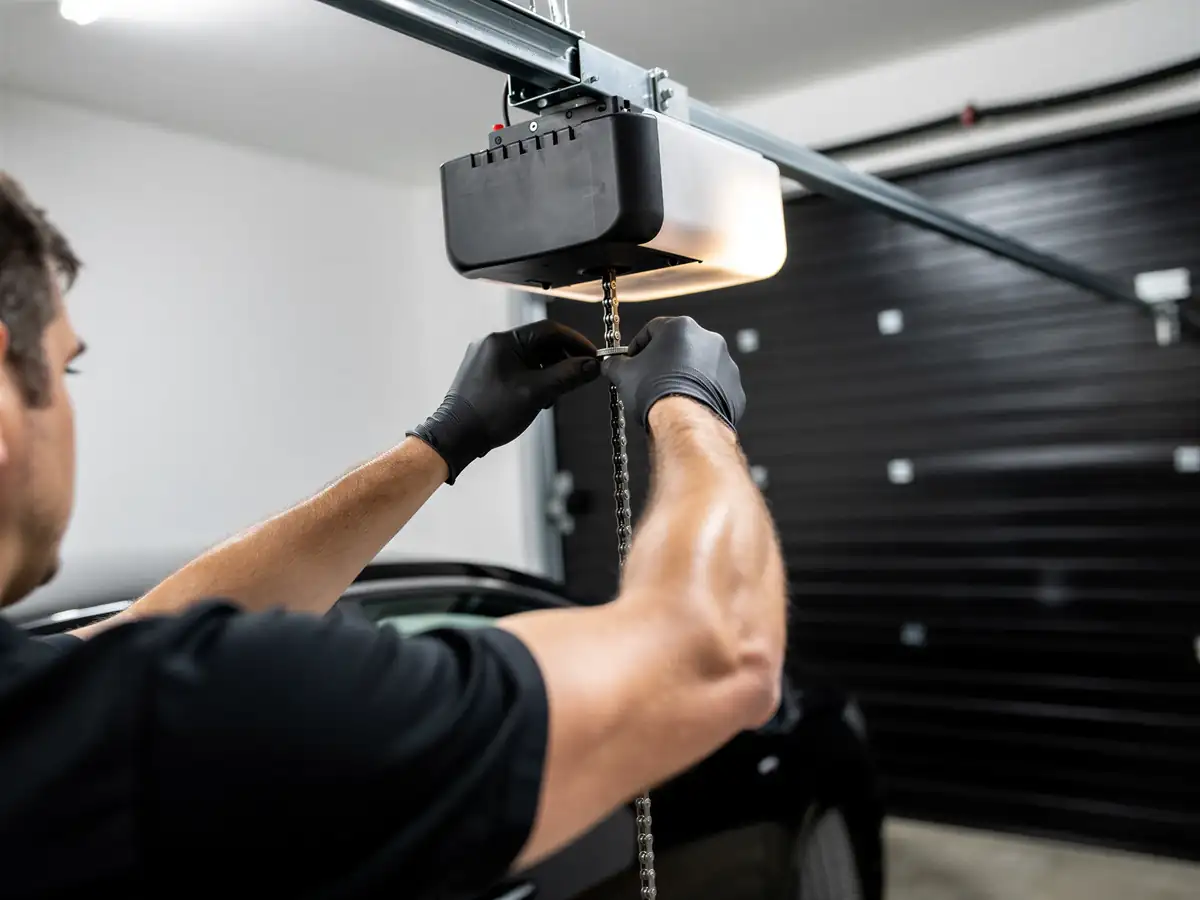
Well above the $137,878 figure for the wider service area, and we mention that only because it tends to mean homeowners here lean toward hiring the job out rather than doing it themselves - which, for a full door swap, is the right call. A torsion spring under tension can break a hand or worse if you don't know what you're doing, and a new install means setting tracks, wiring the opener, and balancing the door correctly, not just hanging panels.
If all you need is a worn weatherstrip or a roller swap on an otherwise sound door
That's reasonable DIY territory with the right tools. A full installation with spring sizing and opener integration isn't - we'd rather tell you that up front than have you call us after something's gone sideways.