Stocked Parts
Wolf Trap sits 11 miles out from our shop in Arlington
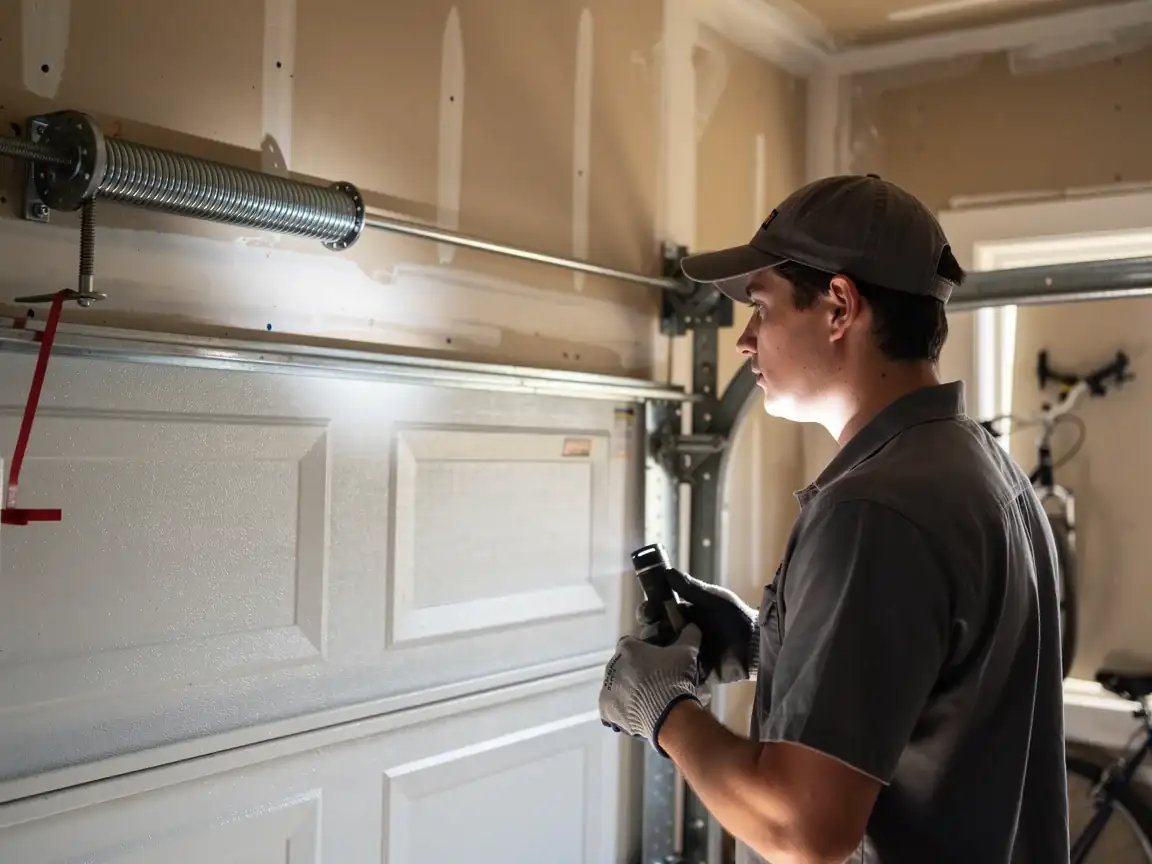
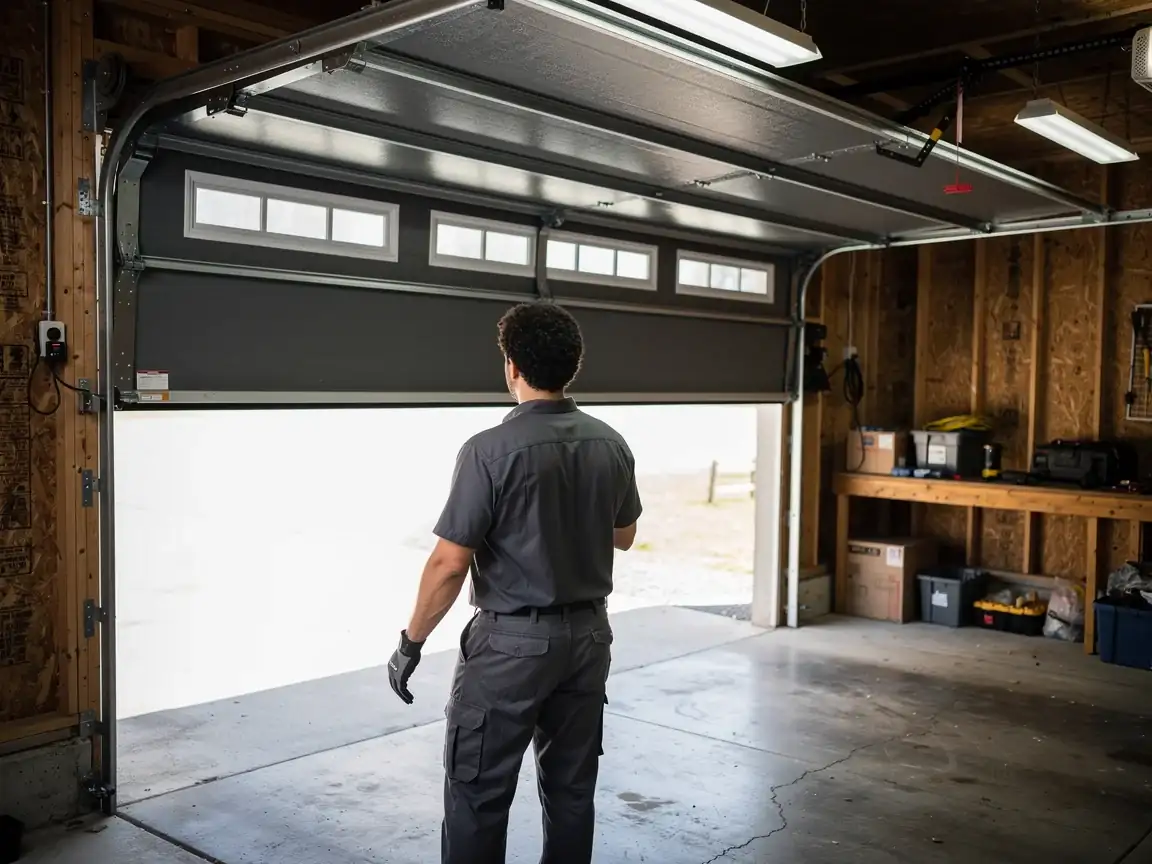
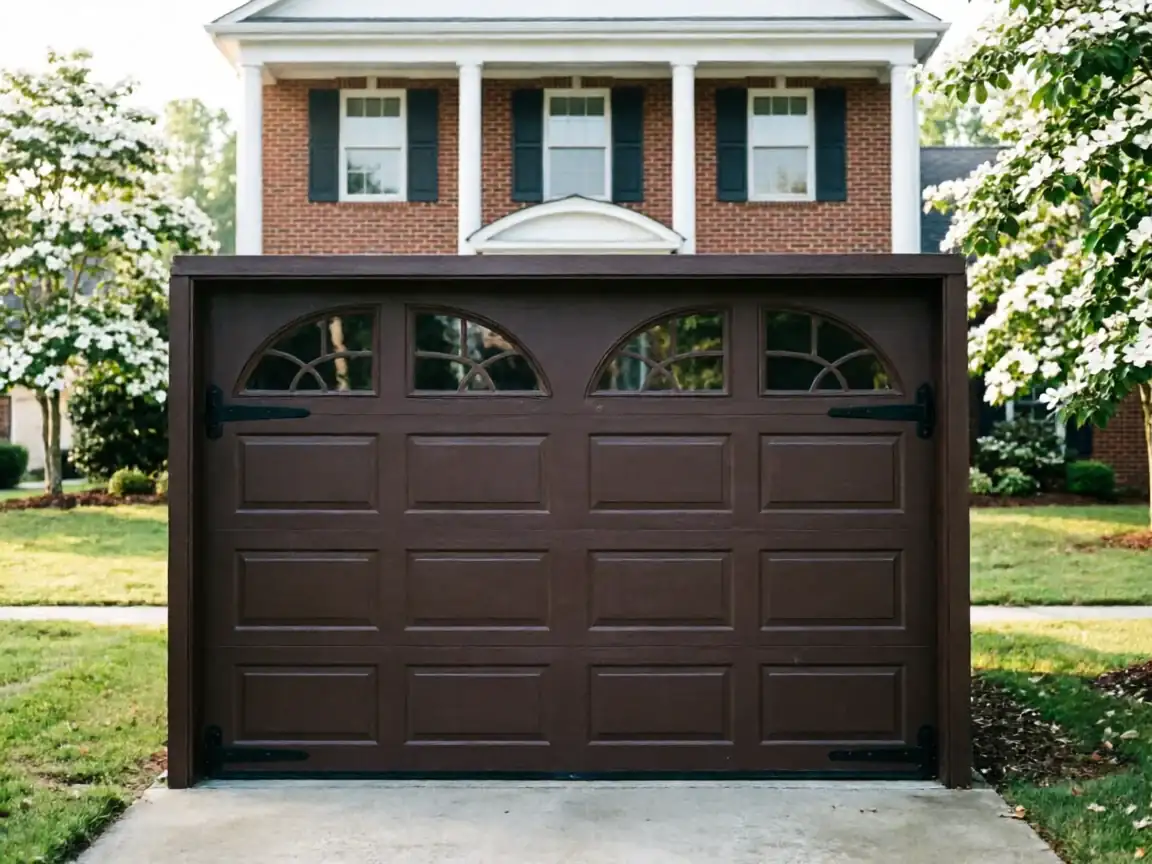
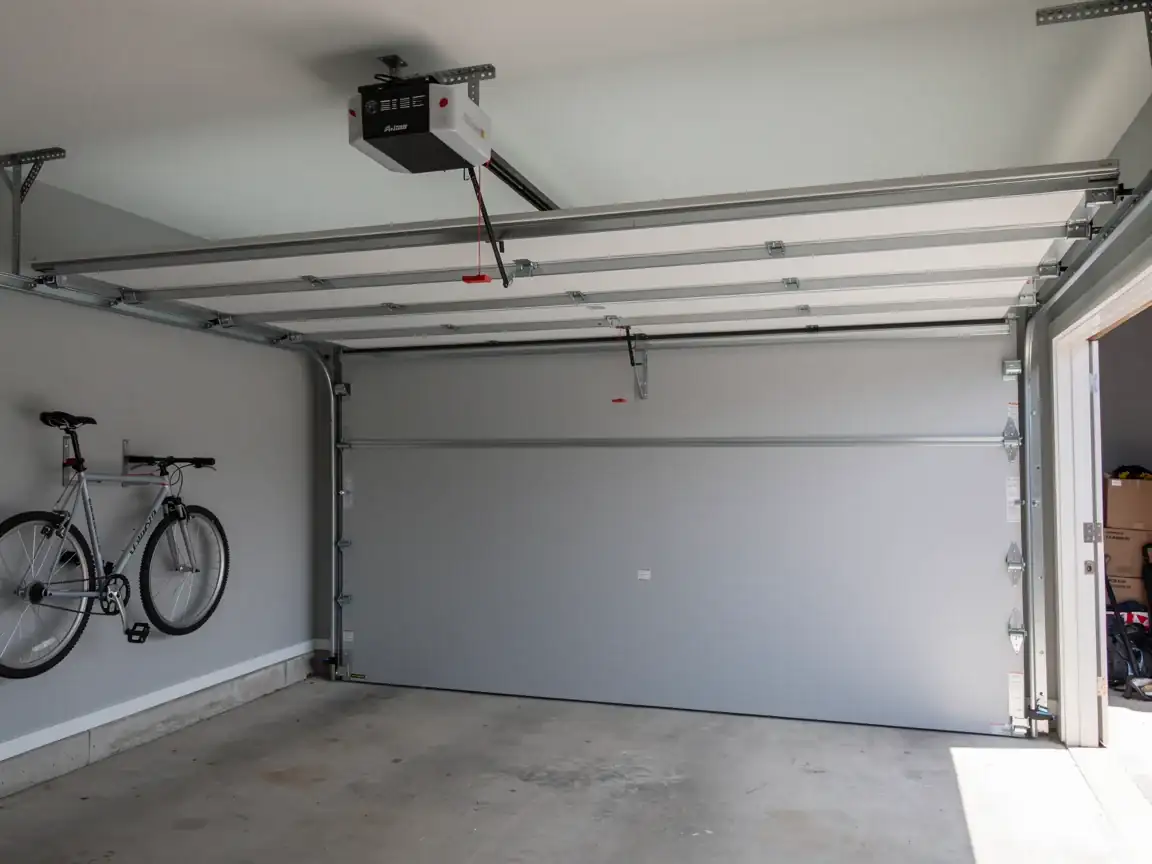
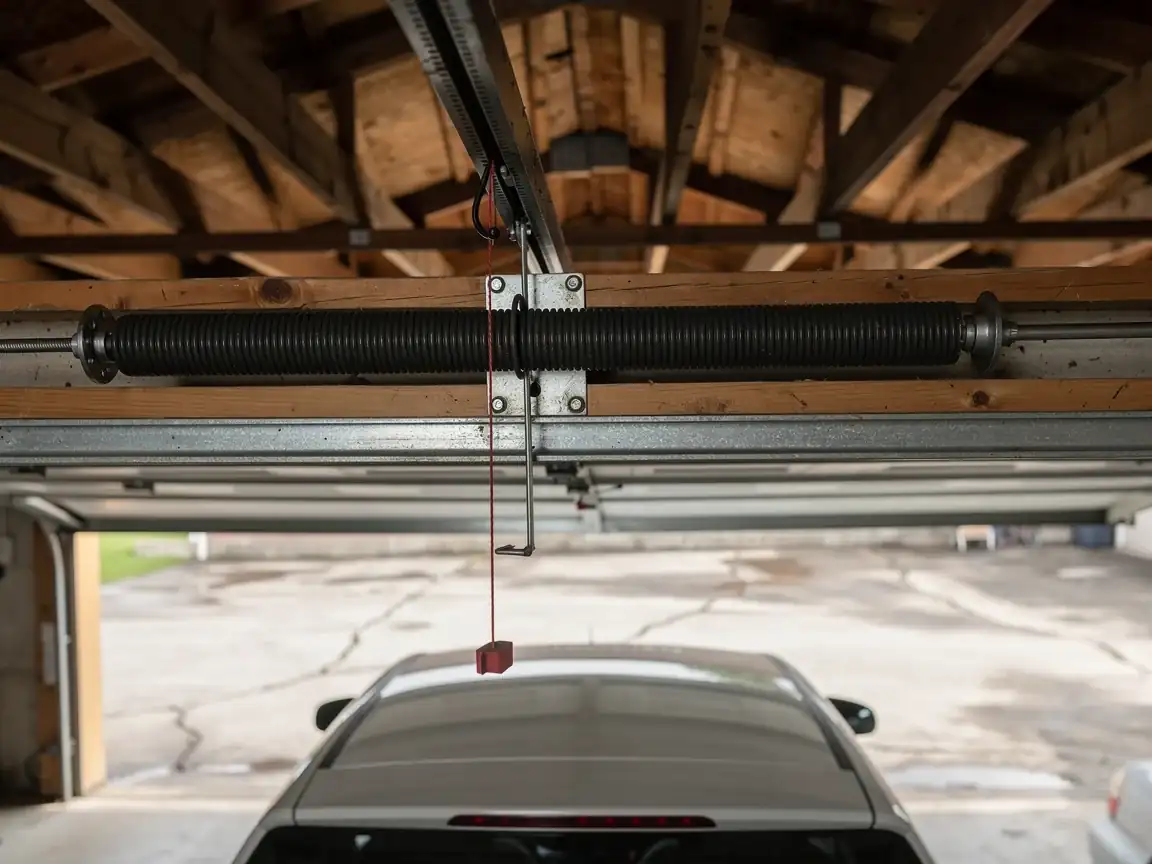
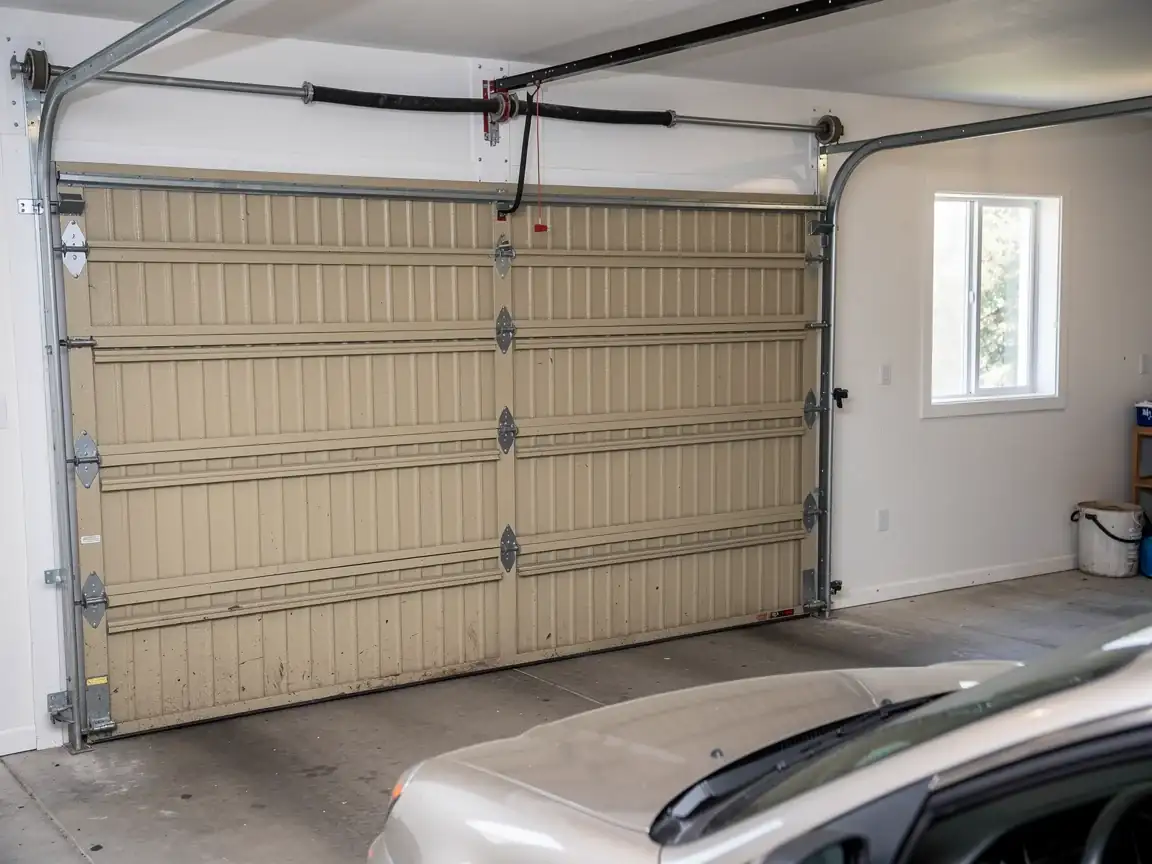
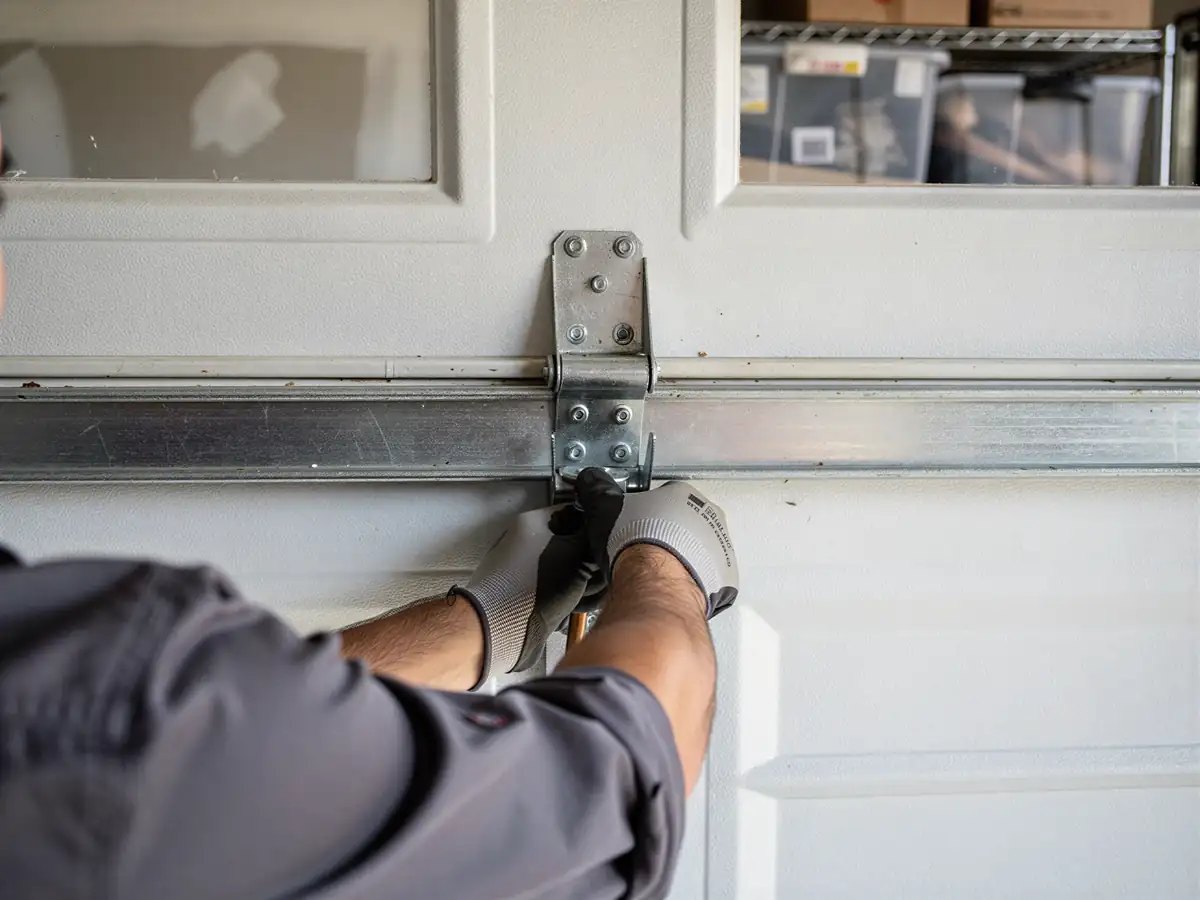
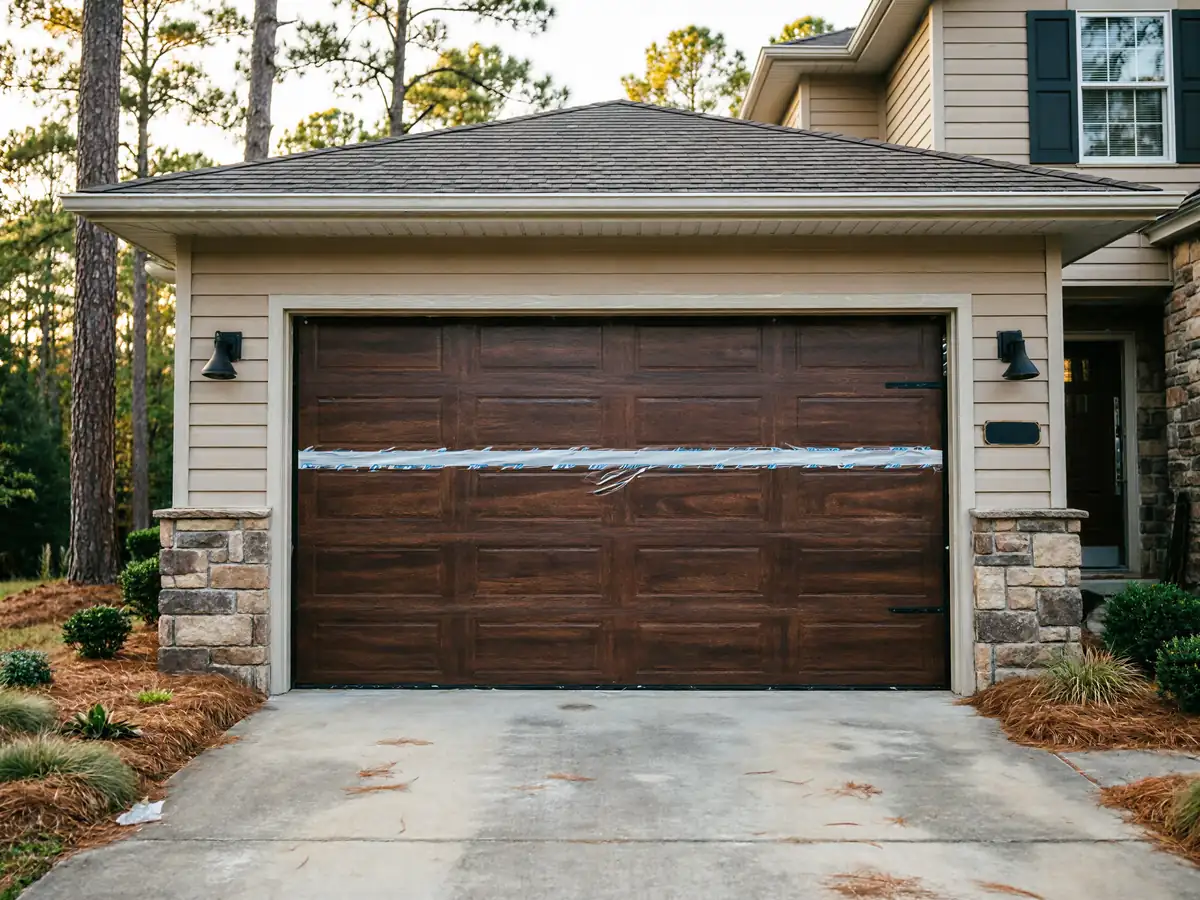
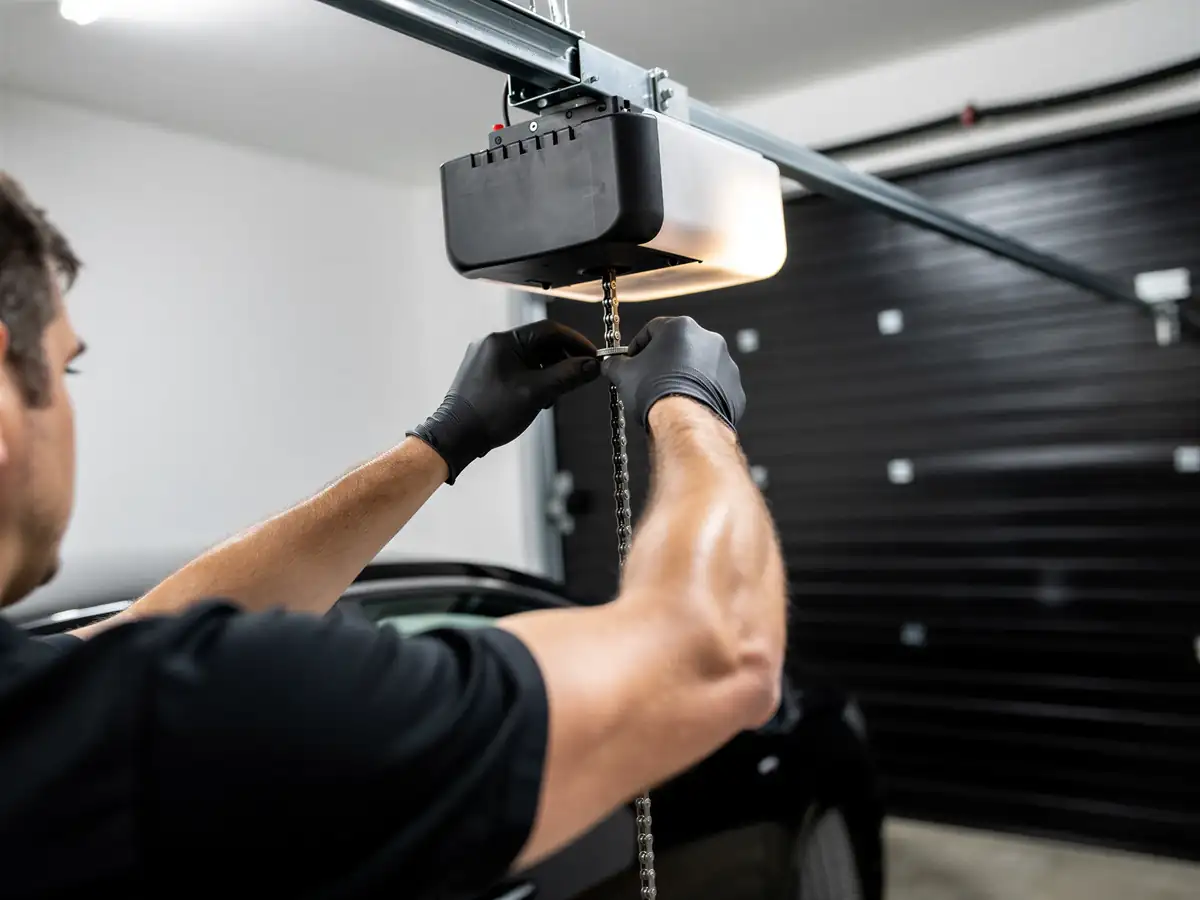
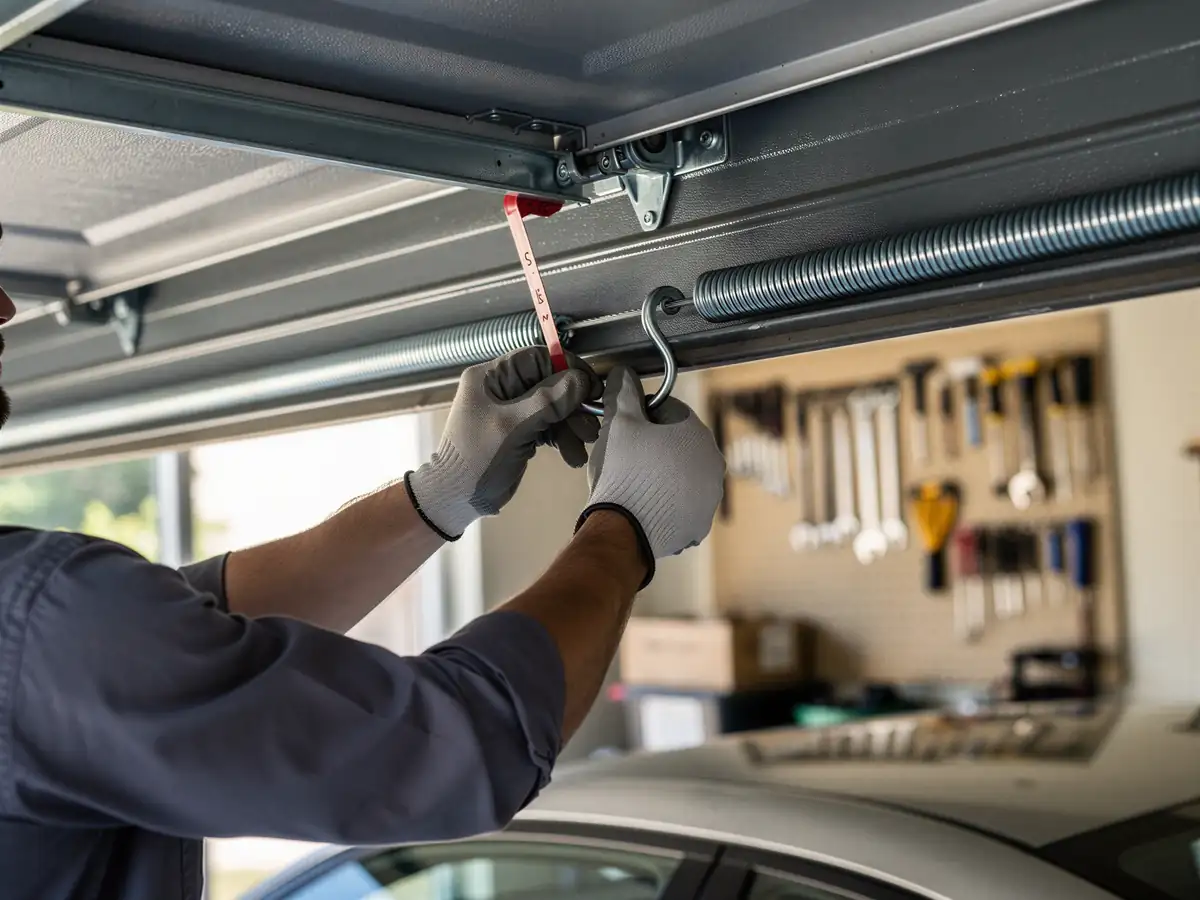
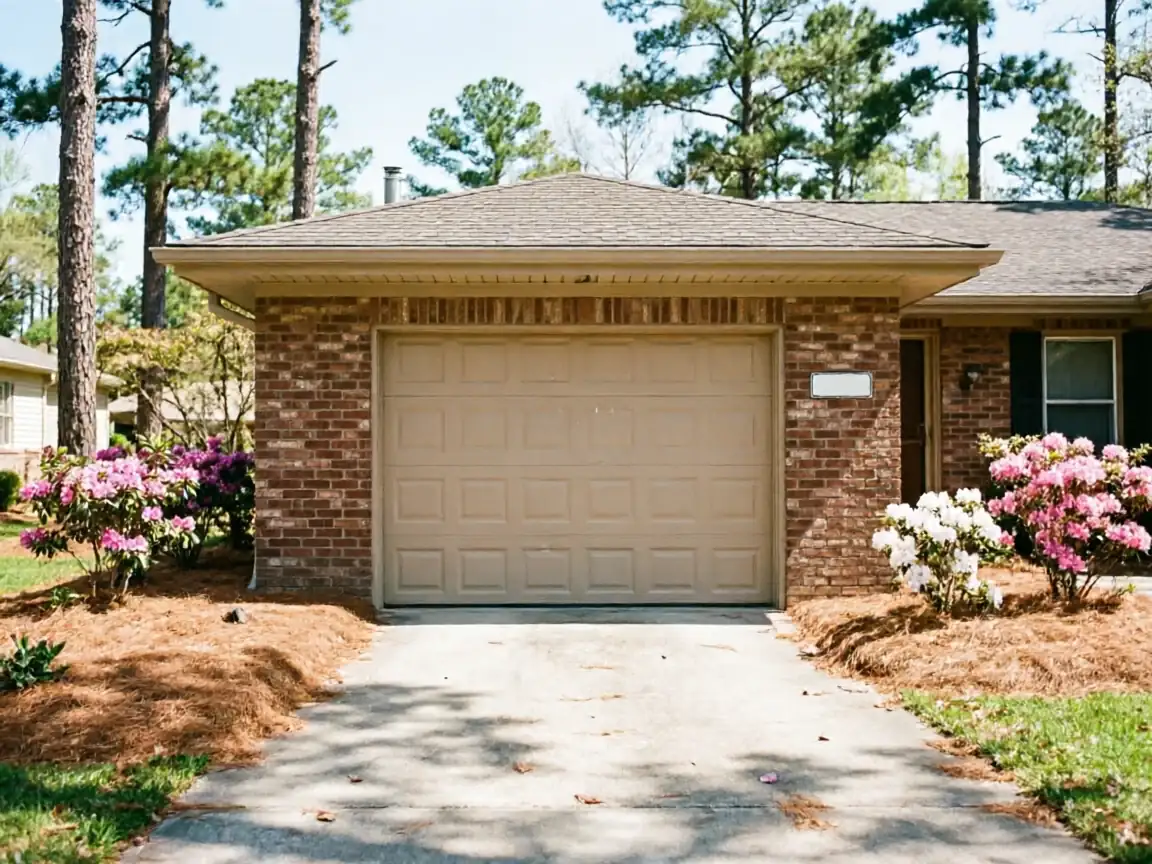
Which is far enough that we don't roll a truck out here on a guess - we load for the job before we leave. Most of the area's housing went up around 1981, newer than the 1960s-70s stock that makes up a lot of the wider service area we cover. That later build date matters for parts: you're less likely to have the old side-mounted torsion hardware we see on pre-1970 doors, and more likely to have a standard torsion spring setup with a chain or belt-drive opener from the 1980s-2000s opener generation. We carry springs sized for both 7-foot and 8-foot double doors, standard-reduction openers, and the steel rollers that wear out fastest. What we don't carry on the truck is anything custom - a few higher-end wood composite doors out this way use panel profiles that have to be special-ordered, and if that's your door, the first visit is a measure-and-order trip, not a same-day fix.
- 11 miles
Because the drive out is a real one-way trip
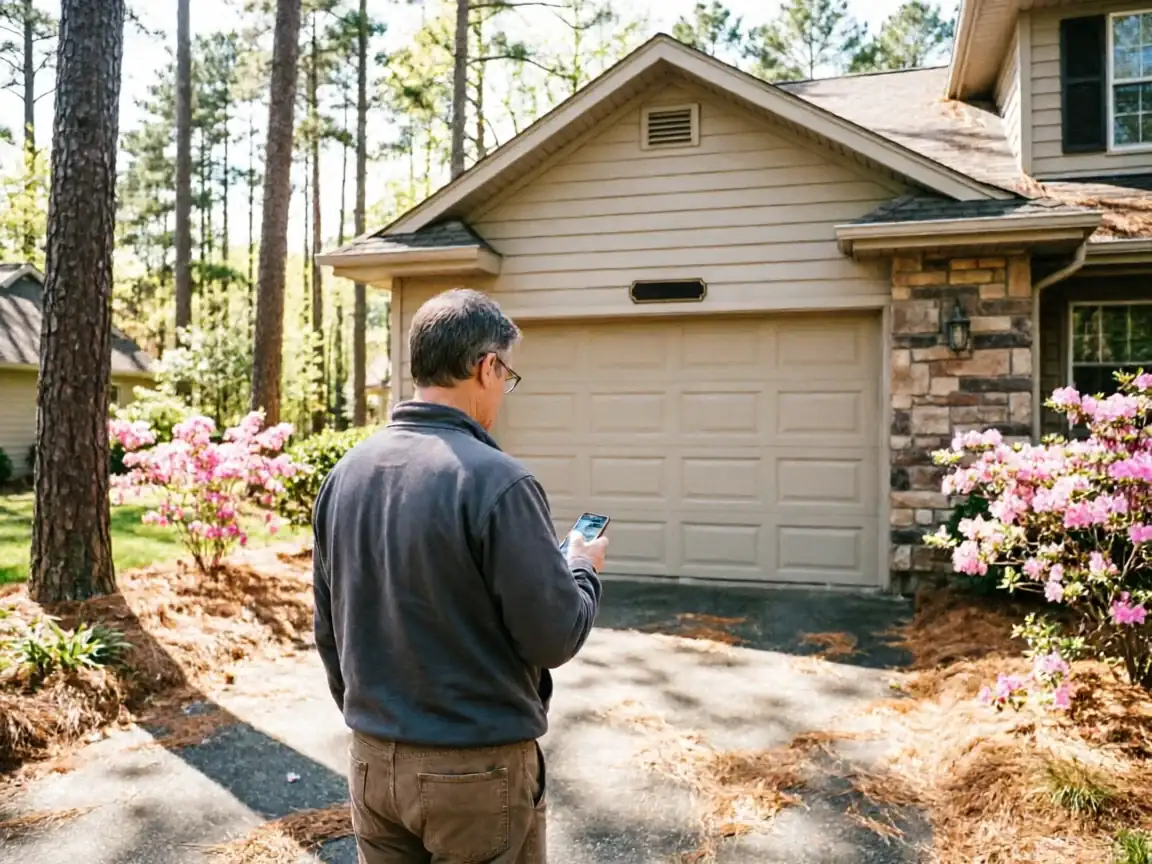
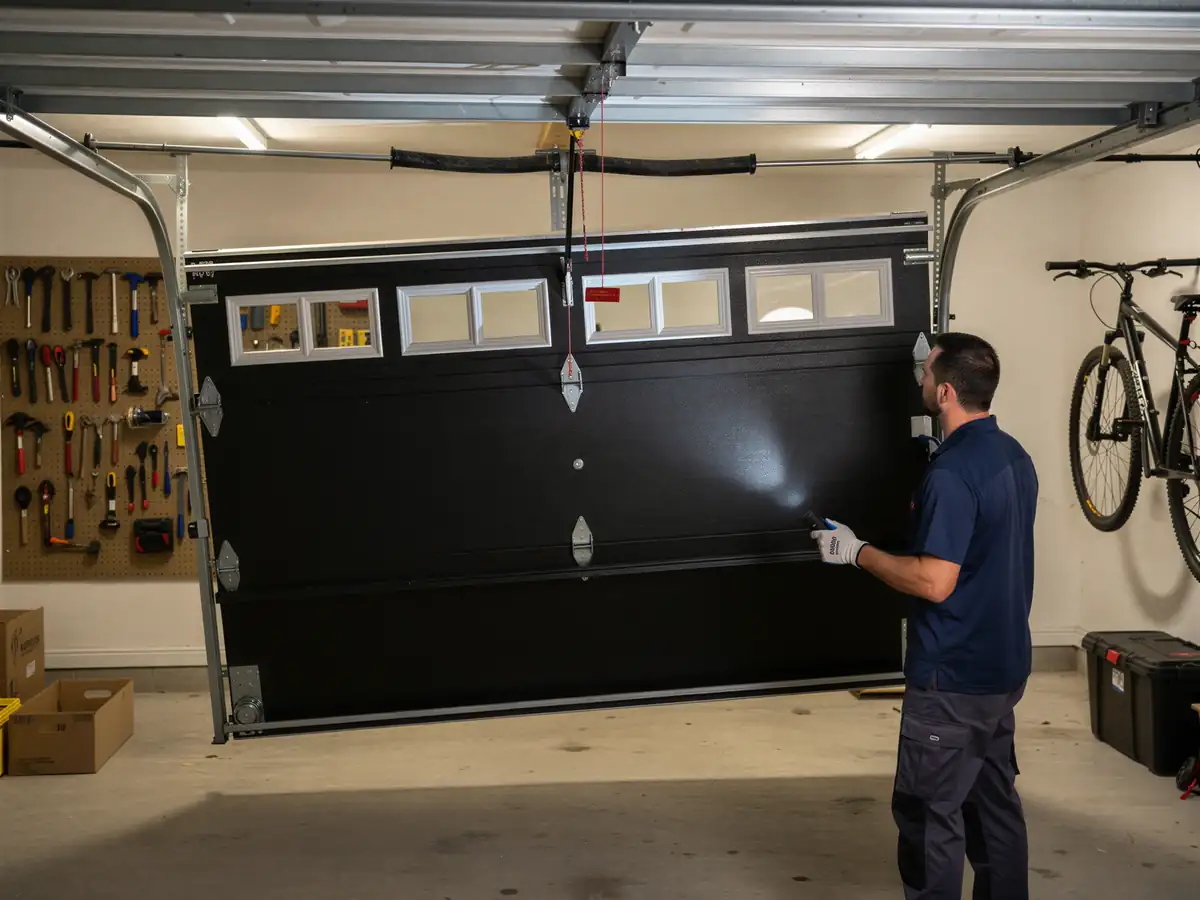
We try to diagnose as much as possible over the phone before we load the truck - tell us if the door is binding, off its track, or just making noise, and we'll bring the right spring tension and hardware the first time instead of a second trip.
Booking a Visit
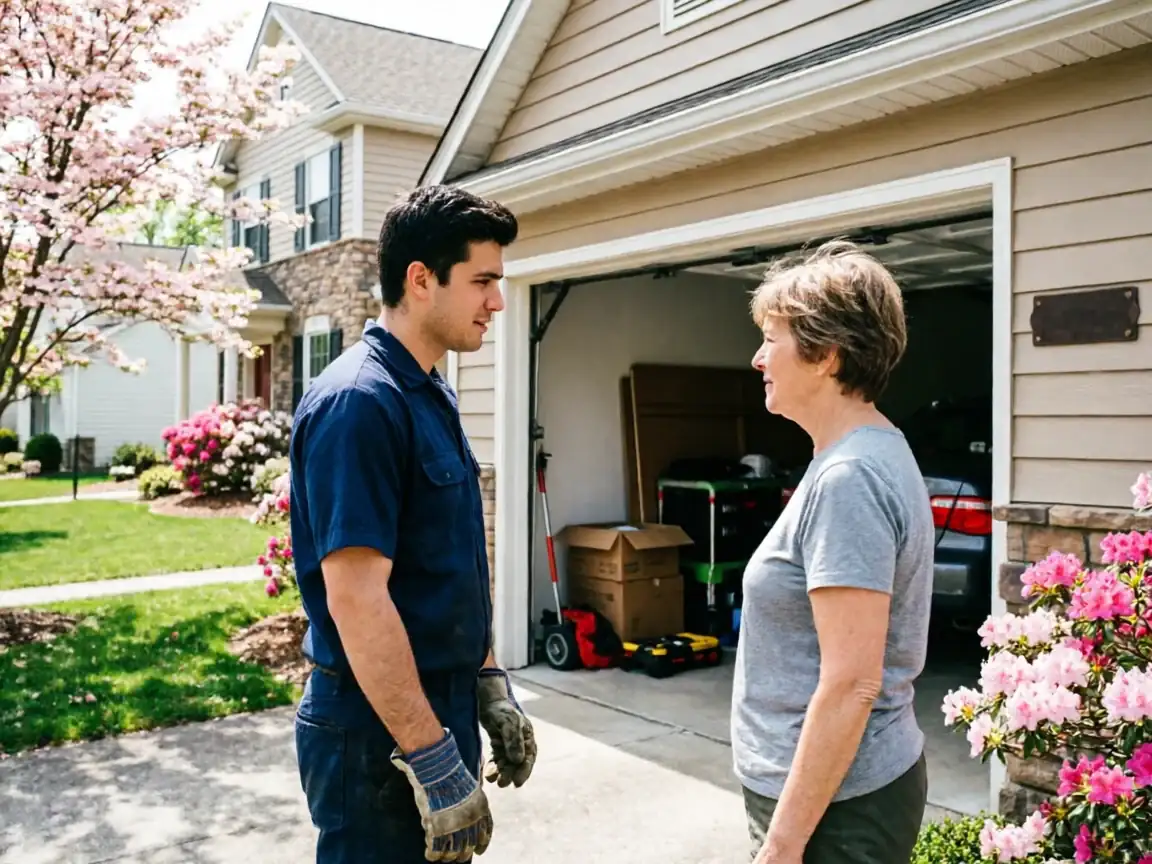
Jobs in Wolf Trap get scheduled as a trip from Arlington, not from a local branch - we don't have one out here, and we're not going to pretend otherwise. What that means in practice: we batch calls in this part of the service area when we can, so a routine tune-up or opener swap in Wolf Trap often gets paired with a job in one of the closer-in neighborhoods along the way. A broken spring or a door stuck shut doesn't wait for that batching, and we'll send a truck out on its own for those. When you call, tell us if the door is a double 16-footer or a single - that changes what spring and what size torsion bar we load, and getting it right before the drive saves a second 11-mile trip for both of us.
How It Shows Up
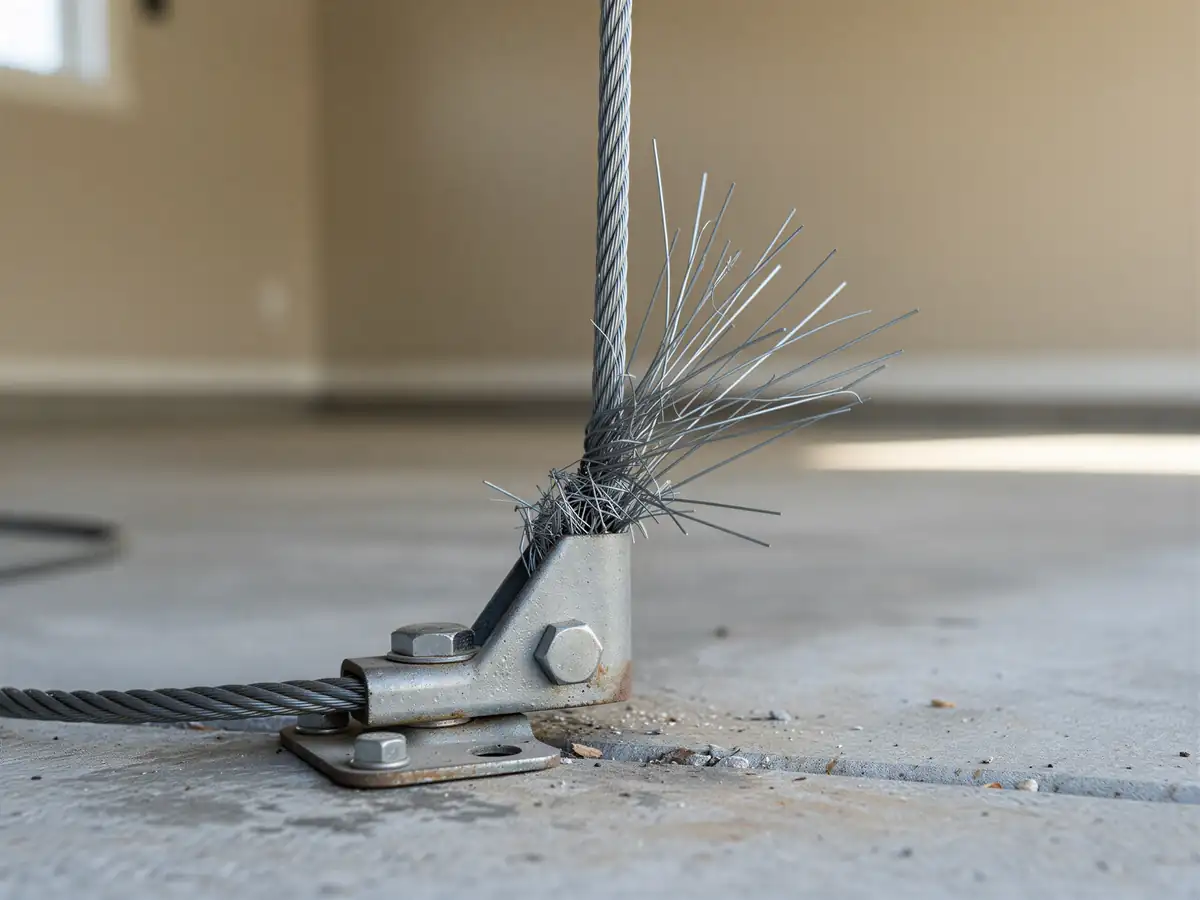
The climate band here is cold and severe enough that winter is when a lot of these calls come in. A torsion spring that's been fine all year will seize or snap on the first hard freeze, especially on doors original to a 1981-era build that haven't had the spring or hinges serviced since. Houses in this part of the service area tend to run larger and newer than the 1960s stock closer to Arlington, and with median household income here well above the area average, a lot of these doors are heavier insulated steel or composite panels - more weight on the spring, which means a worn spring here tends to go all at once rather than slowly losing lift. The other pattern we see: openers from the 1980s and 90s reaching the end of their gear life, grinding instead of running quiet, usually a few years before the owner notices the door itself is fine and it's the motor giving out.