How It Shows Up
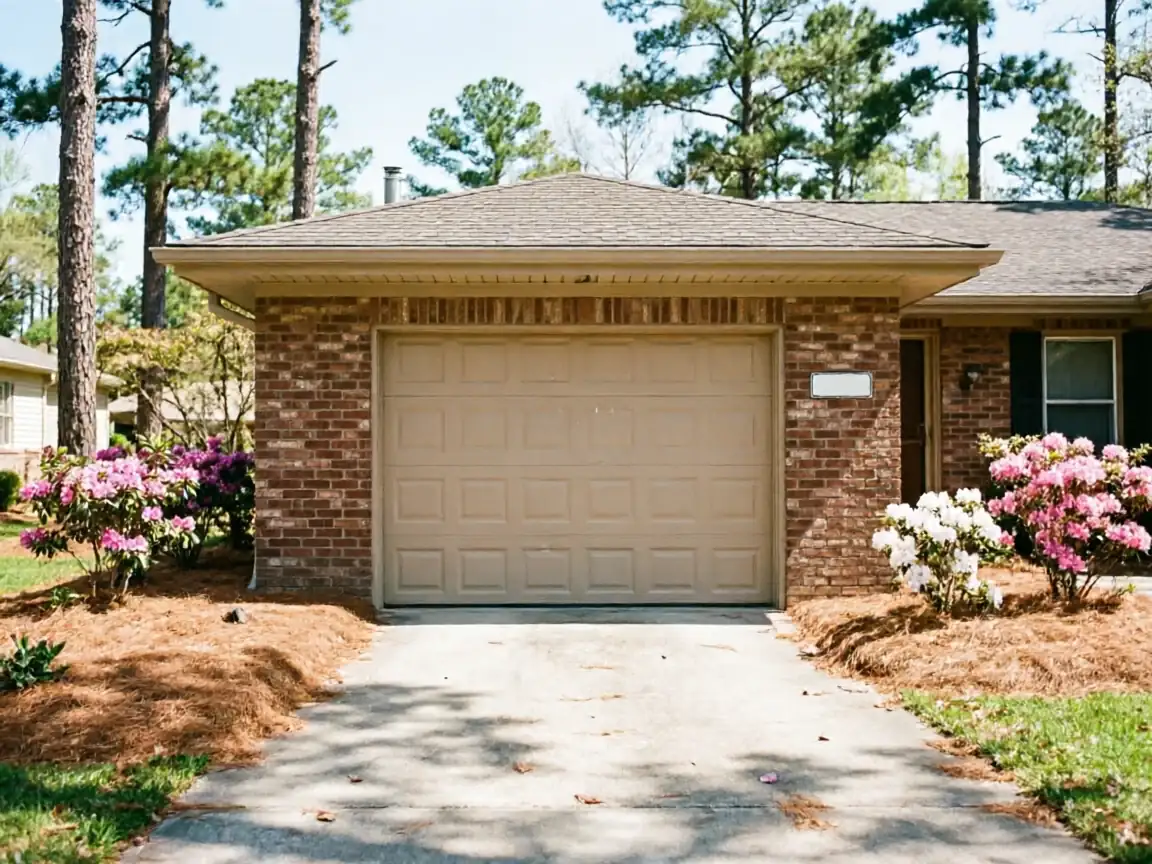
Most houses around Lake Barcroft went up around 1960
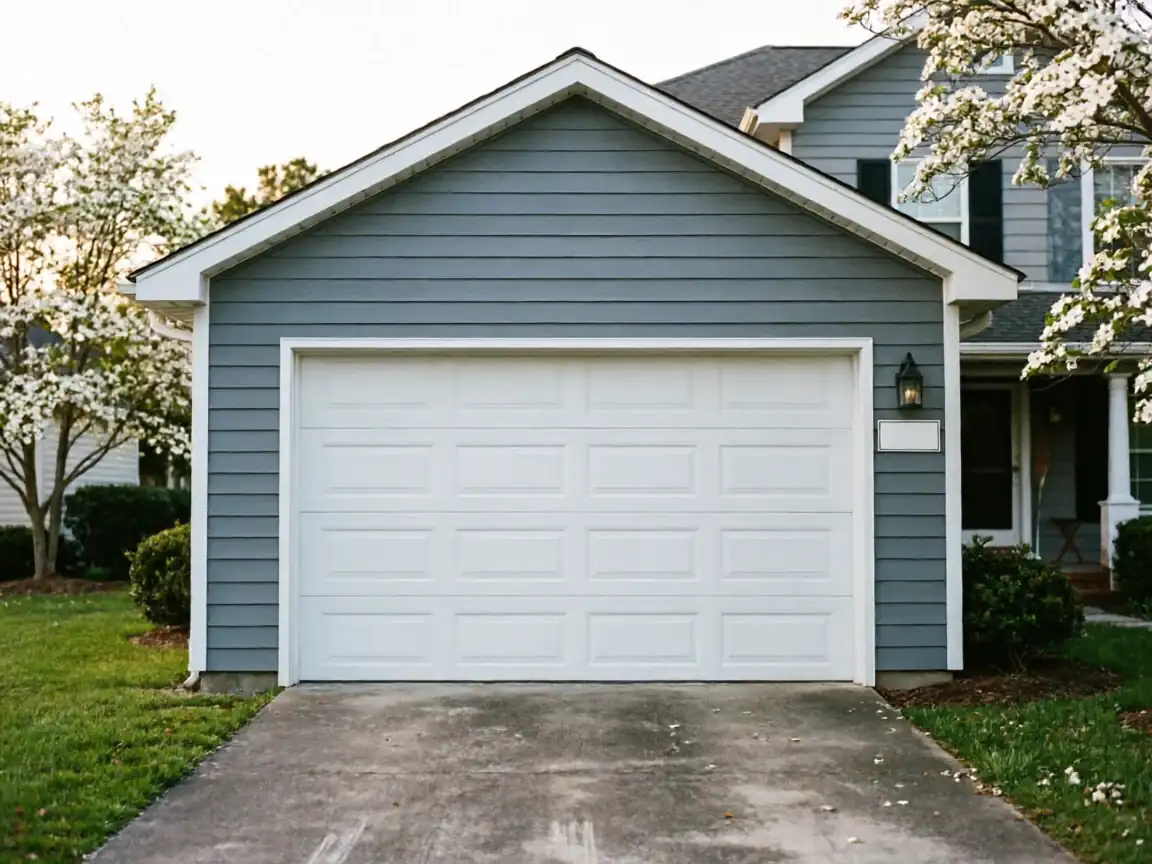
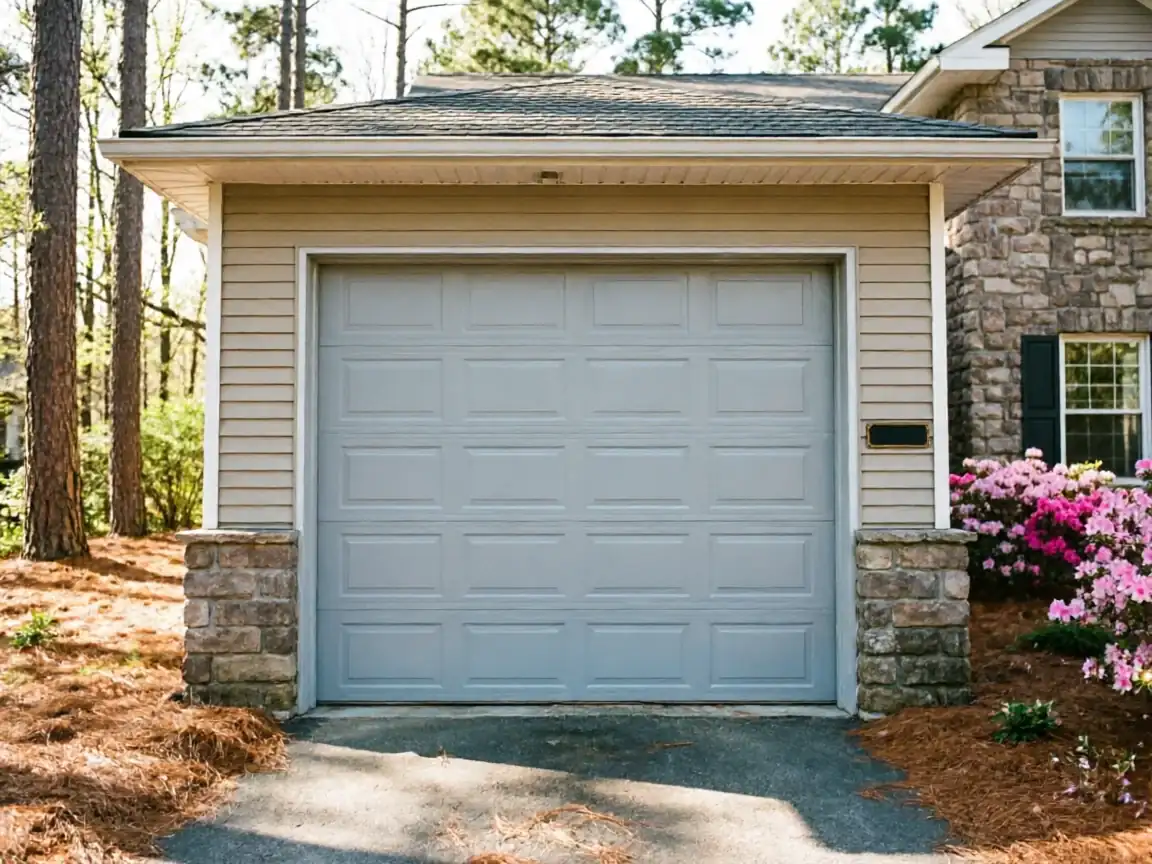
A decade or so ahead of the 1976 median across the wider Arlington service area. That matters before you ever talk about springs or openers, because it tells you what's actually bolted into the opening. These were framed for single-layer steel or wood doors, often one panel, sized light because nobody made an insulated sectional door for a home like this at the time. The track is narrow by today's standard, the header isn't built to carry extra weight, and the hardware on the jamb was never meant to hold a thicker door.
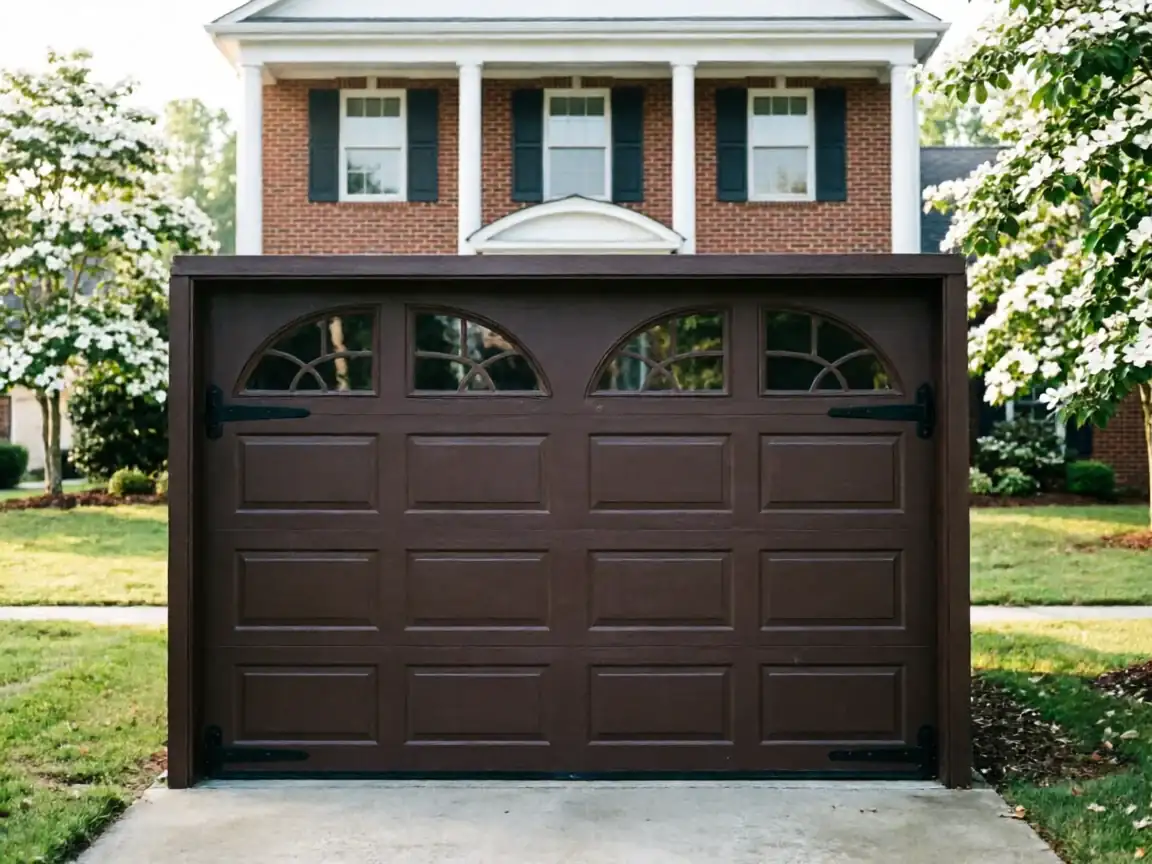
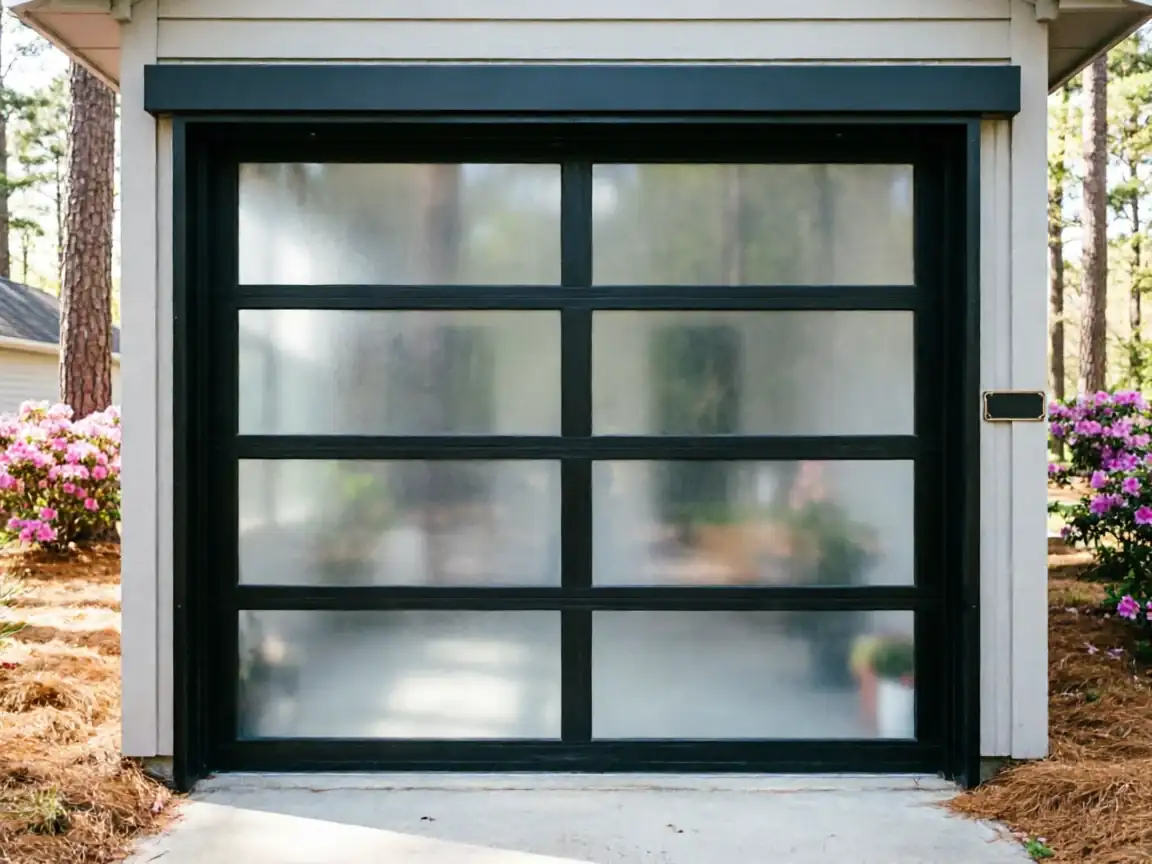
That's the gap that shows up when a homeowner here decides to replace the original door with a modern insulated steel or composite one
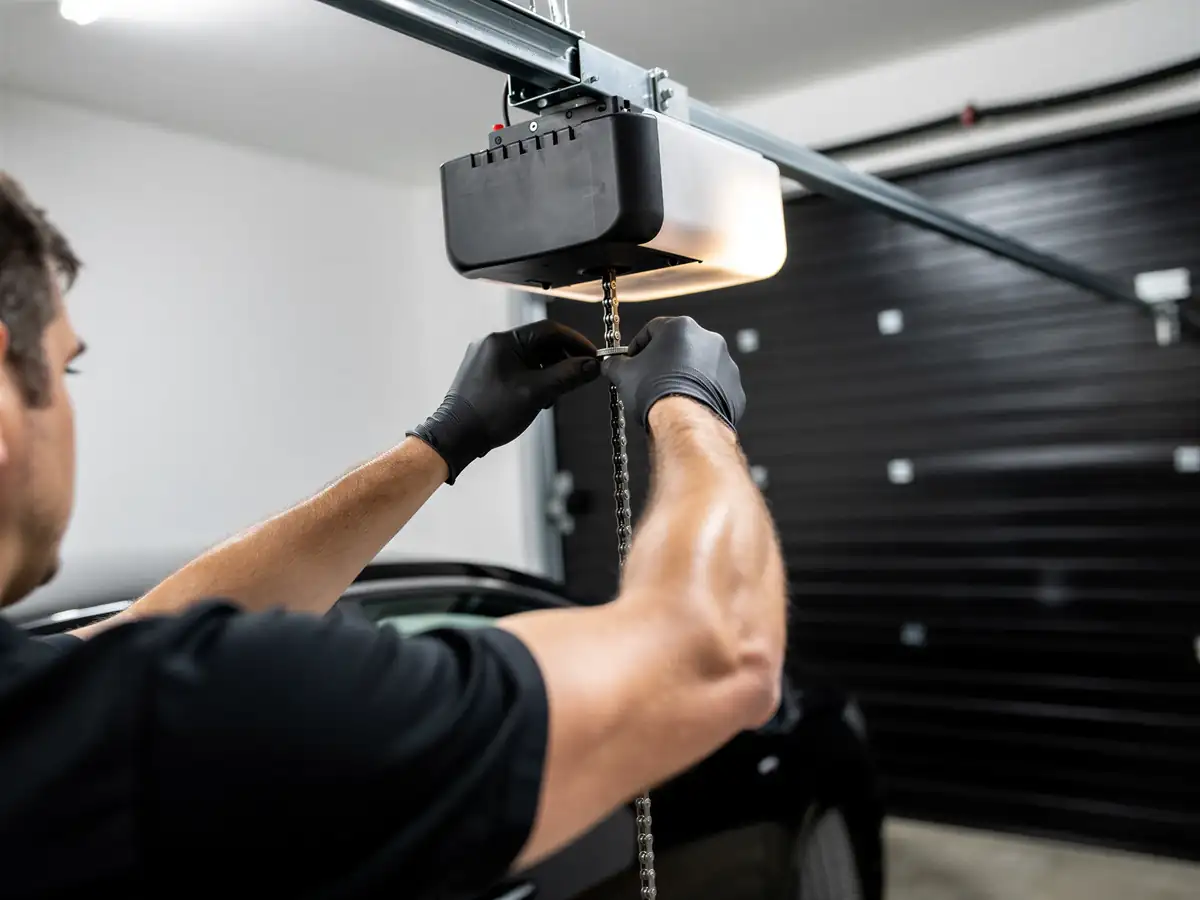
The new door is heavier. The torsion spring sized for the old door won't lift it. The opener, if it's been swapped out once already, may still be geared for the lighter load. None of that is a defect in the new door - it's a mismatch between 1960 construction and a 2024 product, and it's the first thing we look at before quoting anything.
Can You Do This Yourself
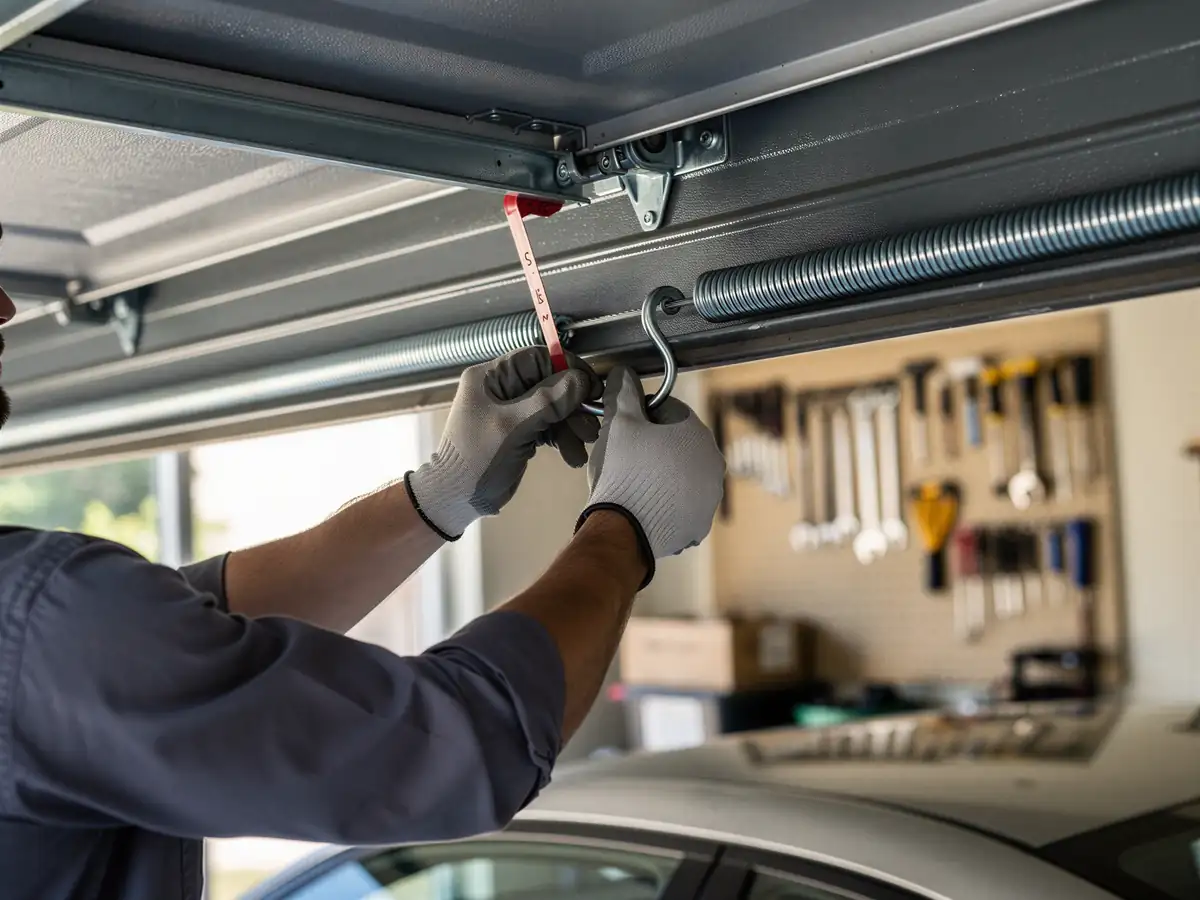
Swapping a door panel is within reach for a handy homeowner. Swapping the whole door and sizing the spring and opener to match a heavier insulated section is not a weekend project, and we'll say that plainly. A torsion spring under tension can break a hand or worse if you don't know how to wind it, and guessing at spring size because "the old one worked fine" is how people end up with a door that won't open past waist height or an opener motor burning out in six months.
Where a header wasn't framed to carry a heavier door - common in houses from this era - reinforcing it before the new door goes in isn't optional, and that's carpentry most people don't have the tools or the experience to do safely on a ladder over a car. If you want to do some of the work yourself, pulling the old door panels and clearing the opening is reasonable. Sizing new torsion hardware and setting the opener's force limits for a heavier door is the part we'd tell you to leave alone.
Booking a Visit
Arlington Garage Door Pros travels about 4 miles from Arlington to reach Lake Barcroft. There's no branch or drop point in the neighborhood itself - the truck comes from Arlington, so we ask for the make and rough age of your current door up front to bring the right spring and track stock on the first trip instead of a second one.
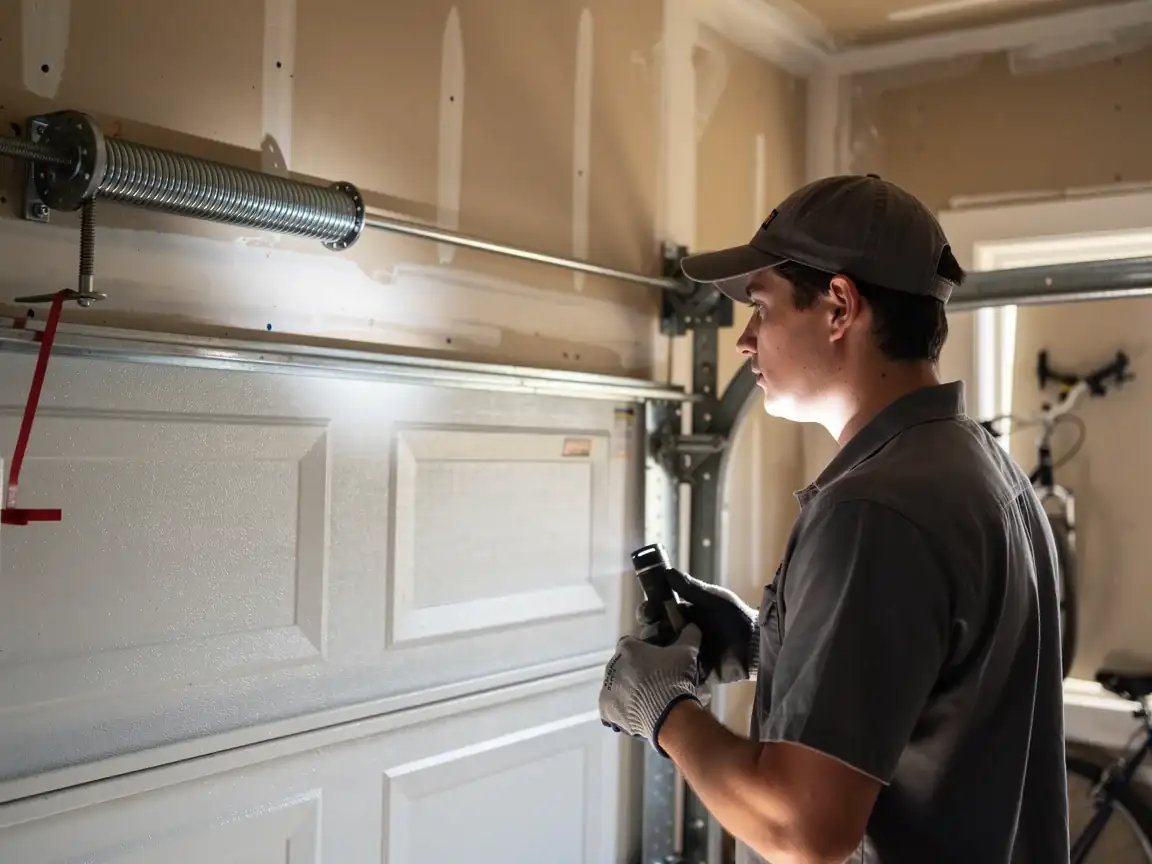
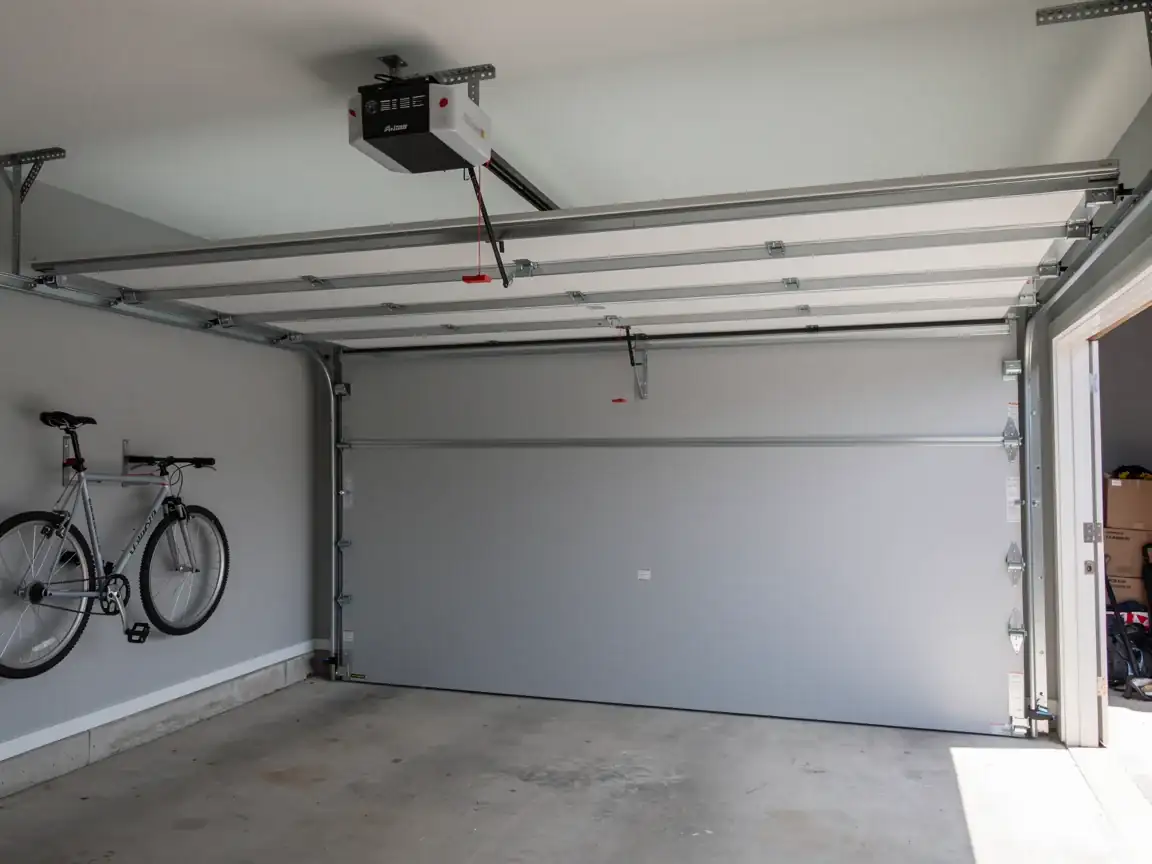
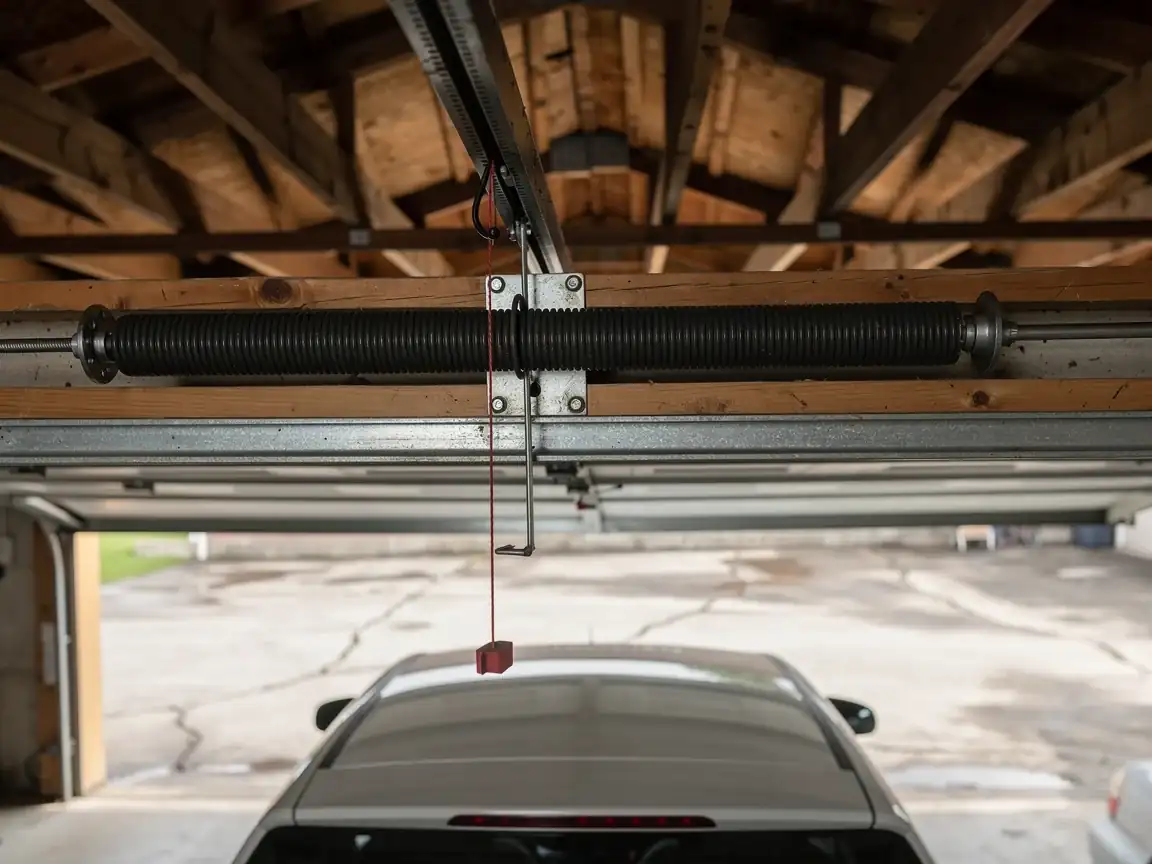
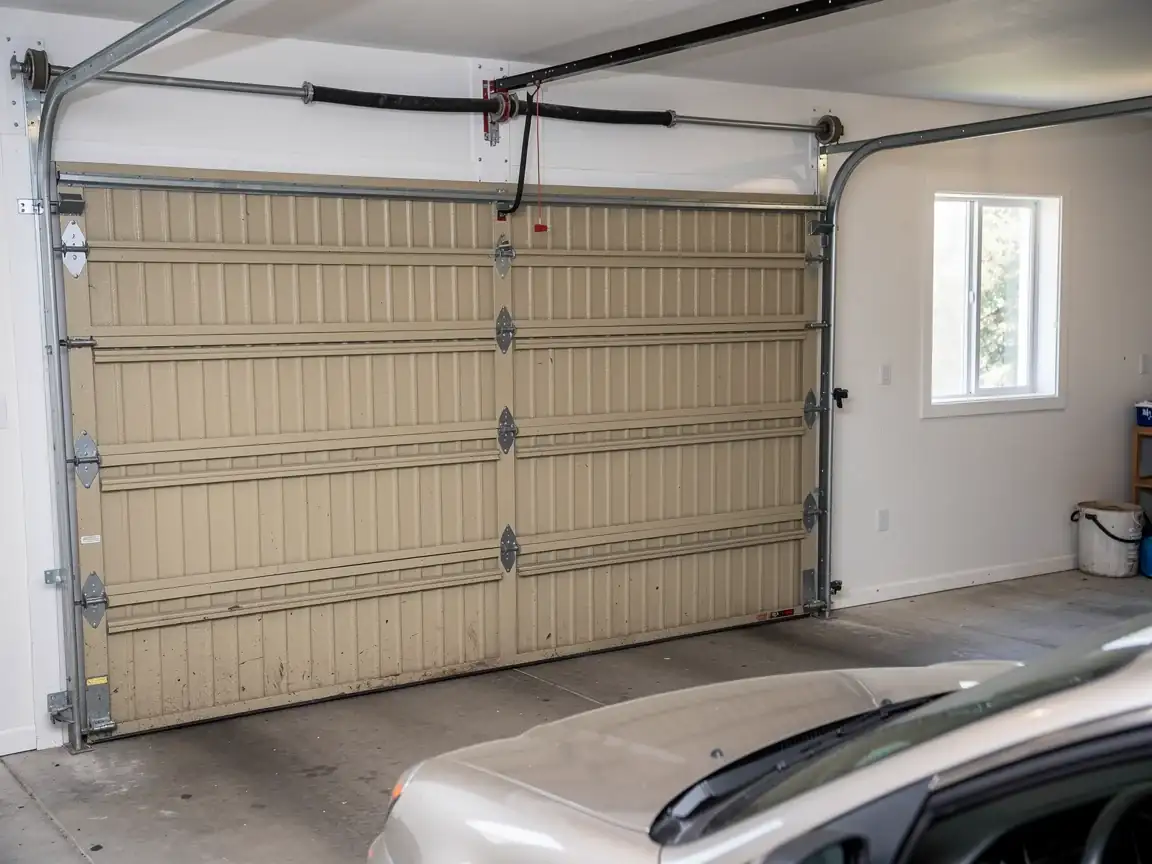
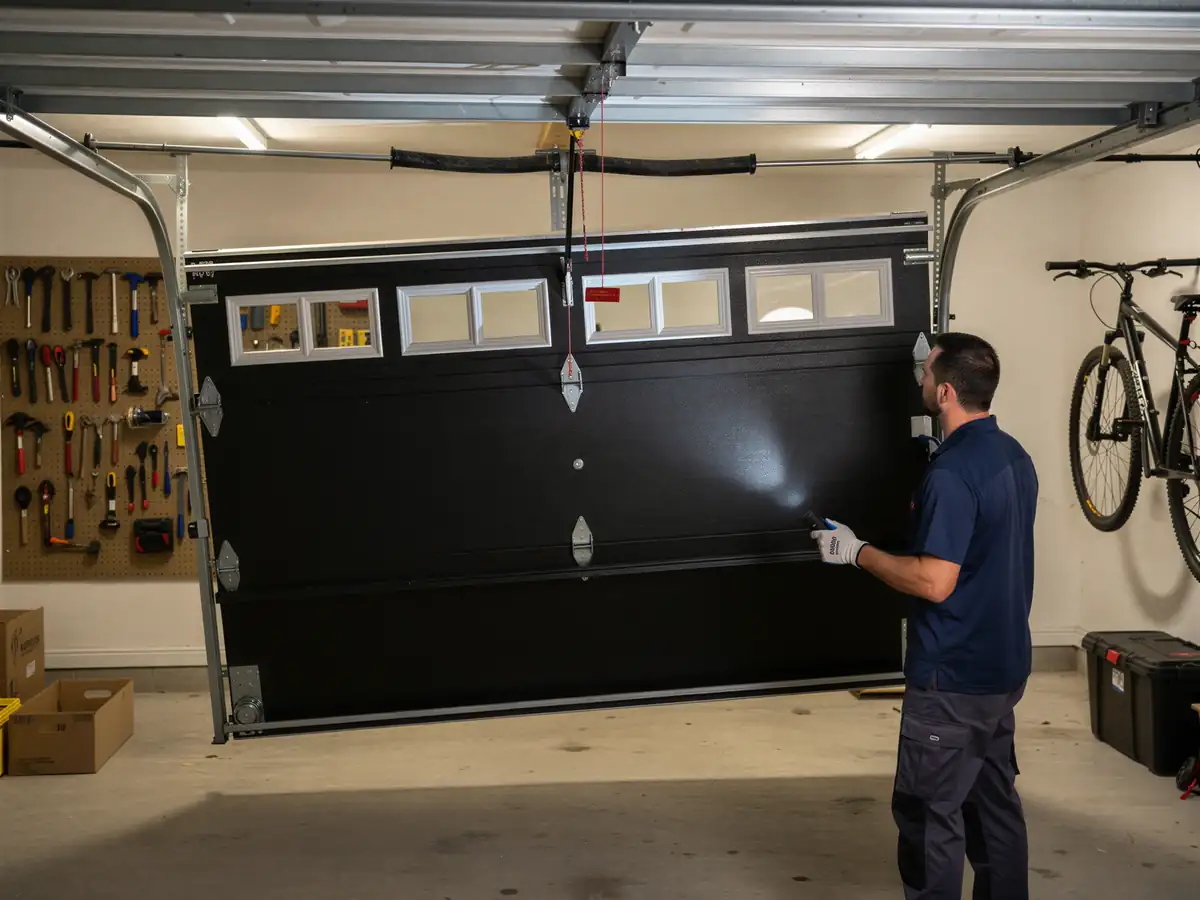
If you're not sure whether your opening needs header work before a new door goes in, a quick look at the photo of the inside of the garage, including where the old torsion bar sits, tells us most of what we need before we're on site. See our coverage near Lake Barcroft or the full rundown of installation work out of Arlington for what else we handle on the same trip.
Stocked Parts
Lake Barcroft sits inside the same cold-winter climate band as the rest of the service area
So a door that isn't sealed tight costs you heat all winter, not just comfort. We carry weatherstripping and bottom seals sized for that, along with insulated sections rated for the cold rather than the thin foam-core doors that were common decades ago.
With roughly 3,925 households in Lake Barcroft
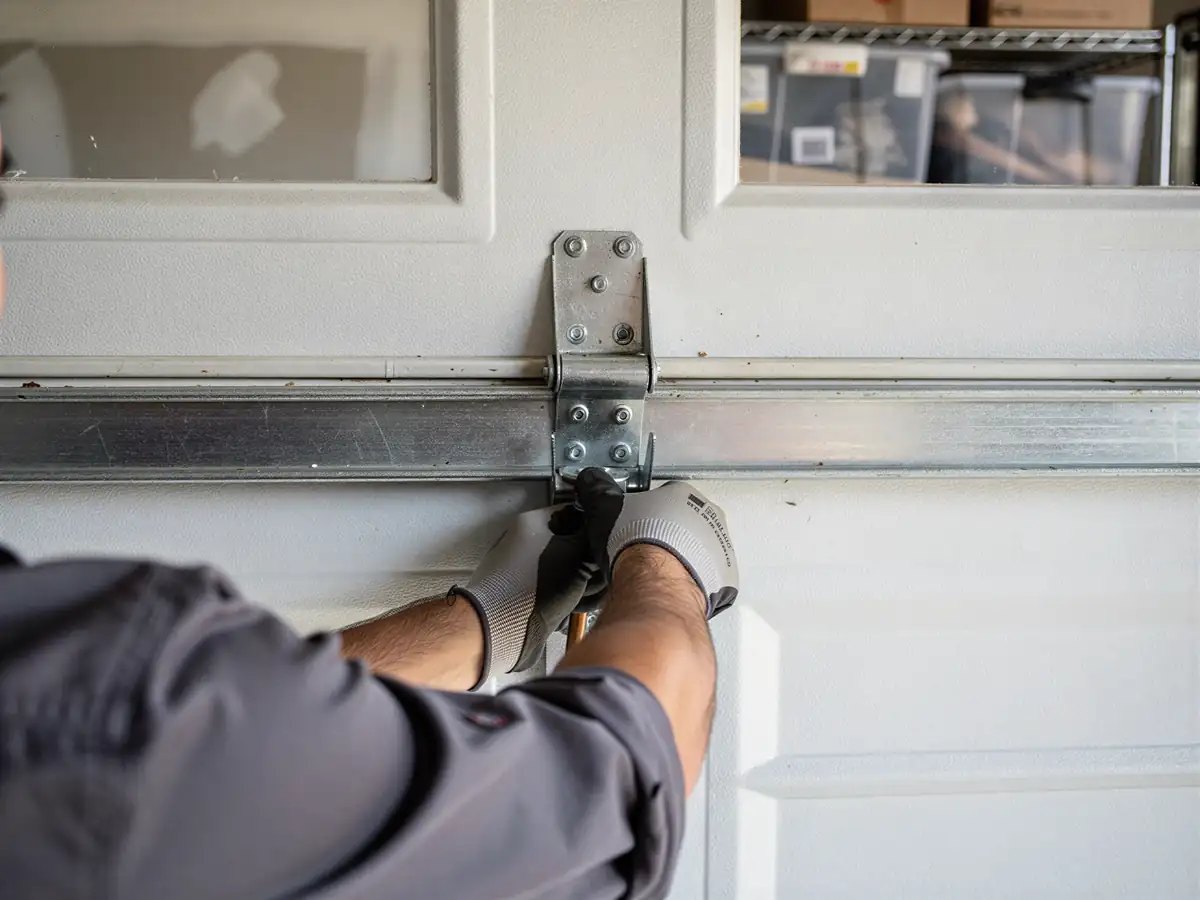
Most still running original torsion hardware sized for a door half as heavy as a modern insulated model, we keep a range of spring weights and longer torsion bars on the truck rather than one standard size. A new insulated door bolted onto 1960 framing without reinforcing the header is a repair nobody should attempt alone, so header brackets and jamb hardware for older openings travel with us too, not just the door itself.
- 3,925 households