How It Shows Up
Lake Barcroft's houses cluster around a 1960 build date
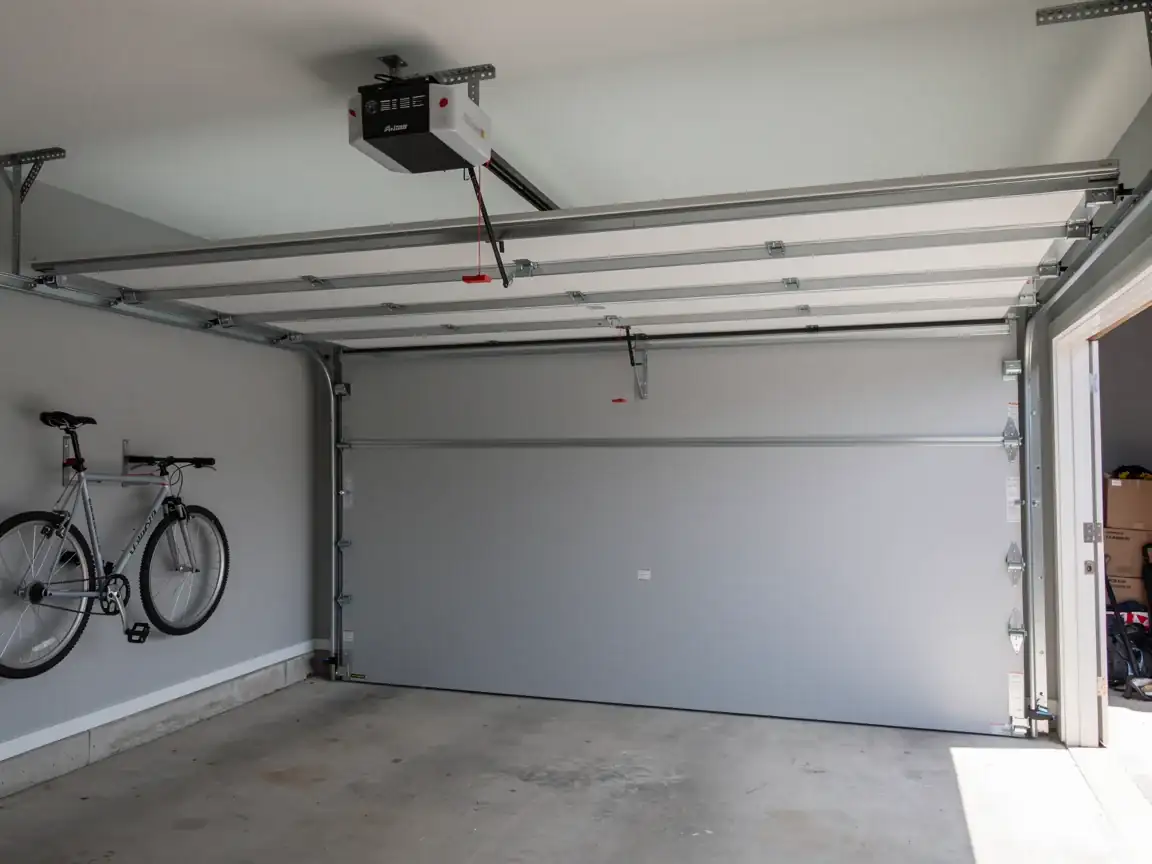
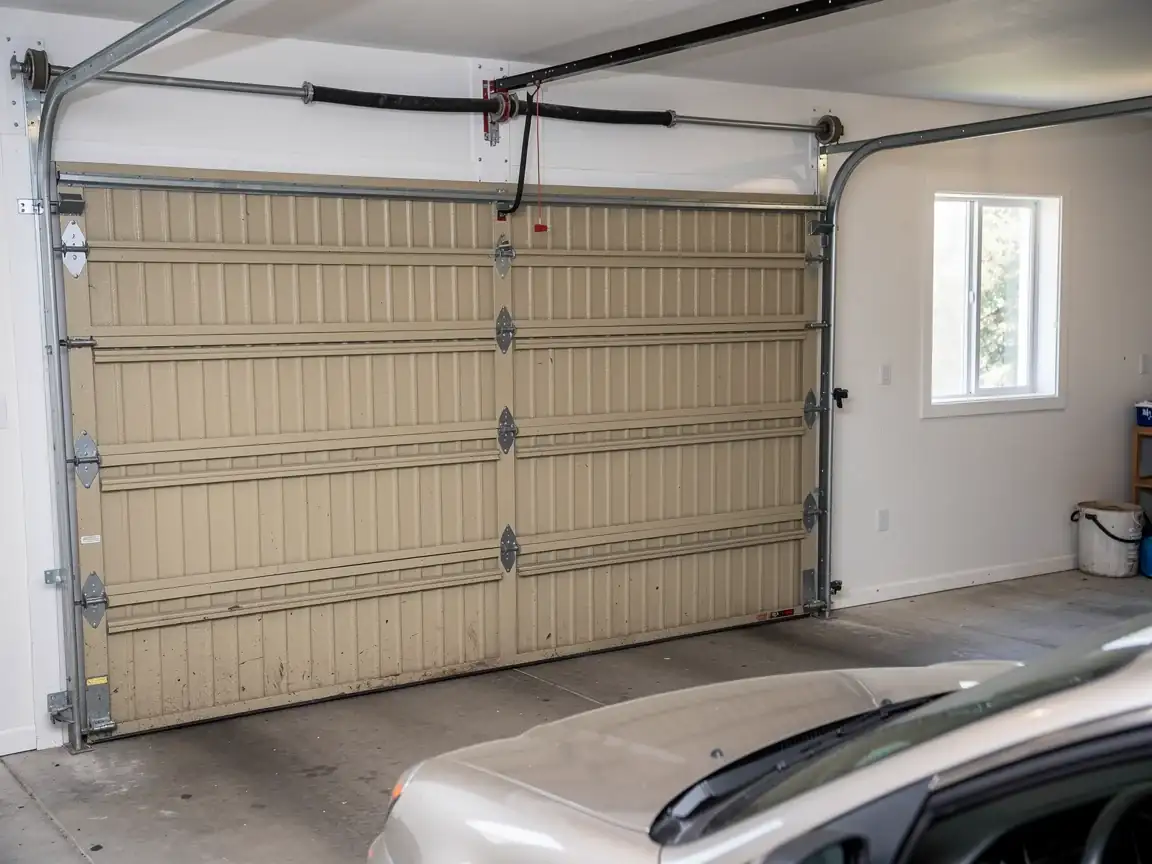
Which puts most of this neighborhood ahead of the broader 1976 median across the service area. That ten-to-fifteen-year head start matters more than it sounds like it should. A door and opener installed when a house was built in 1960 has had a longer run before anyone thought to swap it out, and in a lot of these garages, nobody ever did. We still find the original torsion spring setup, original track brackets, and in some cases the original door panel itself, just worn down by six decades of winters.
The cold is part of the story too
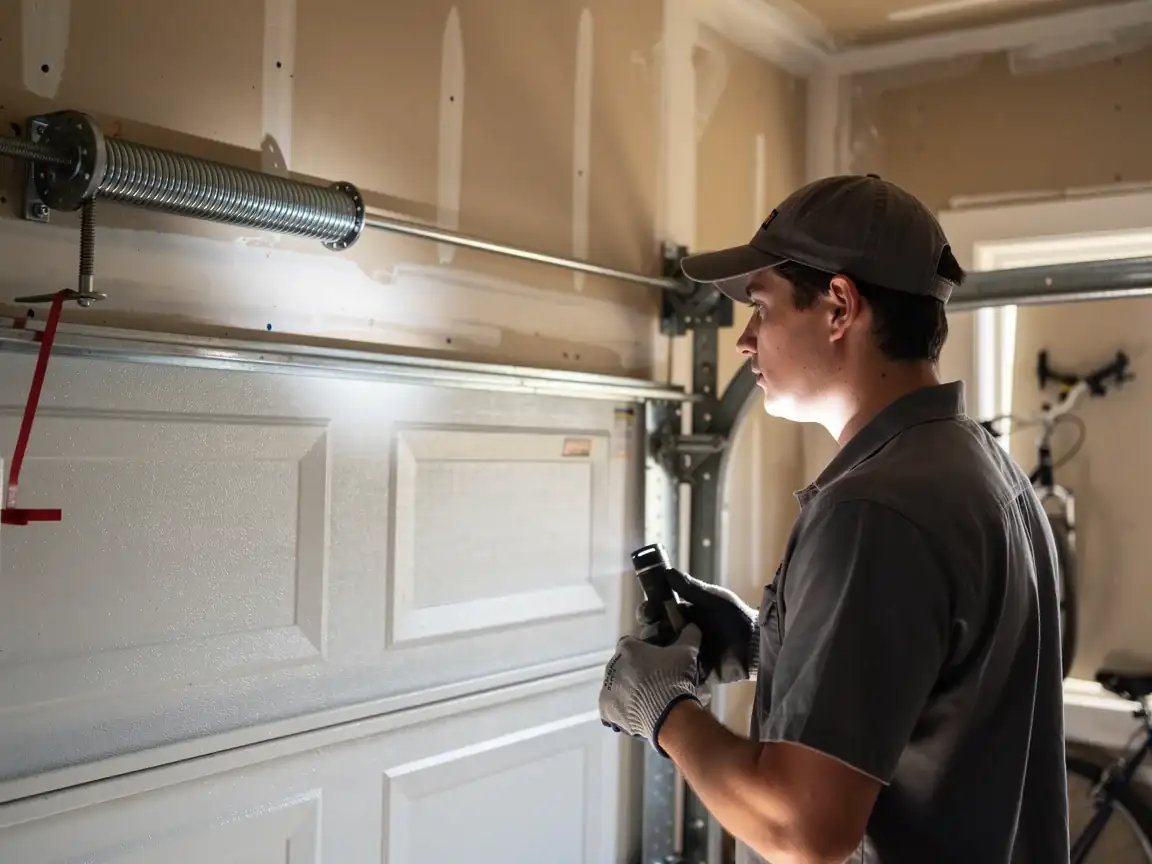
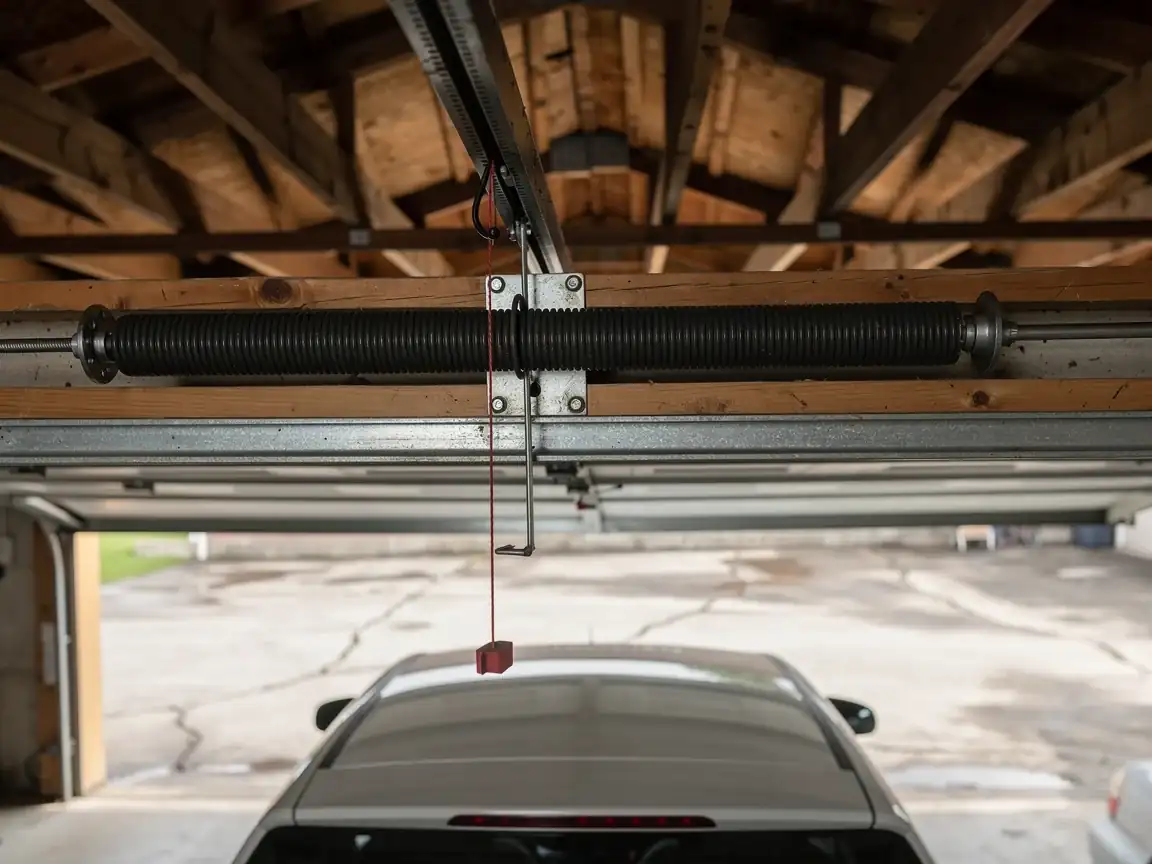
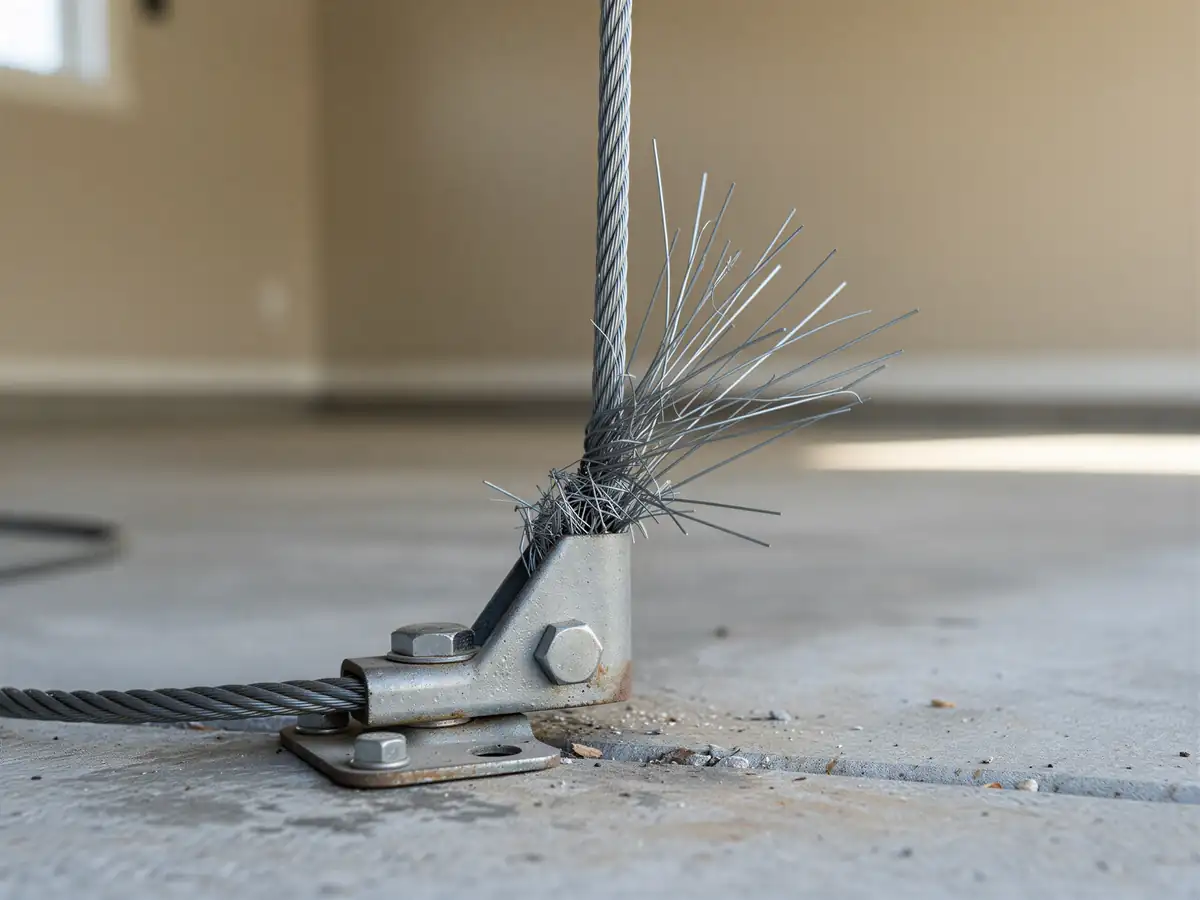
This area sits in a severe cold climate band, and steel springs lose temper faster when they cycle through hard freezes every winter for that long. What shows up on a service call here is usually a spring that's gone soft and starts binding before it breaks outright, or a cable that's frayed at the drum from decades of the same wear point taking the same strain. None of that is dramatic. It's just age plus cold, compounding on hardware nobody's touched since the Kennedy administration.
We're not guessing at this from a brochure
A neighborhood built this early, in this climate band, produces a specific and repeatable set of failures, and that's what we show up expecting.
Can You Do This Yourself
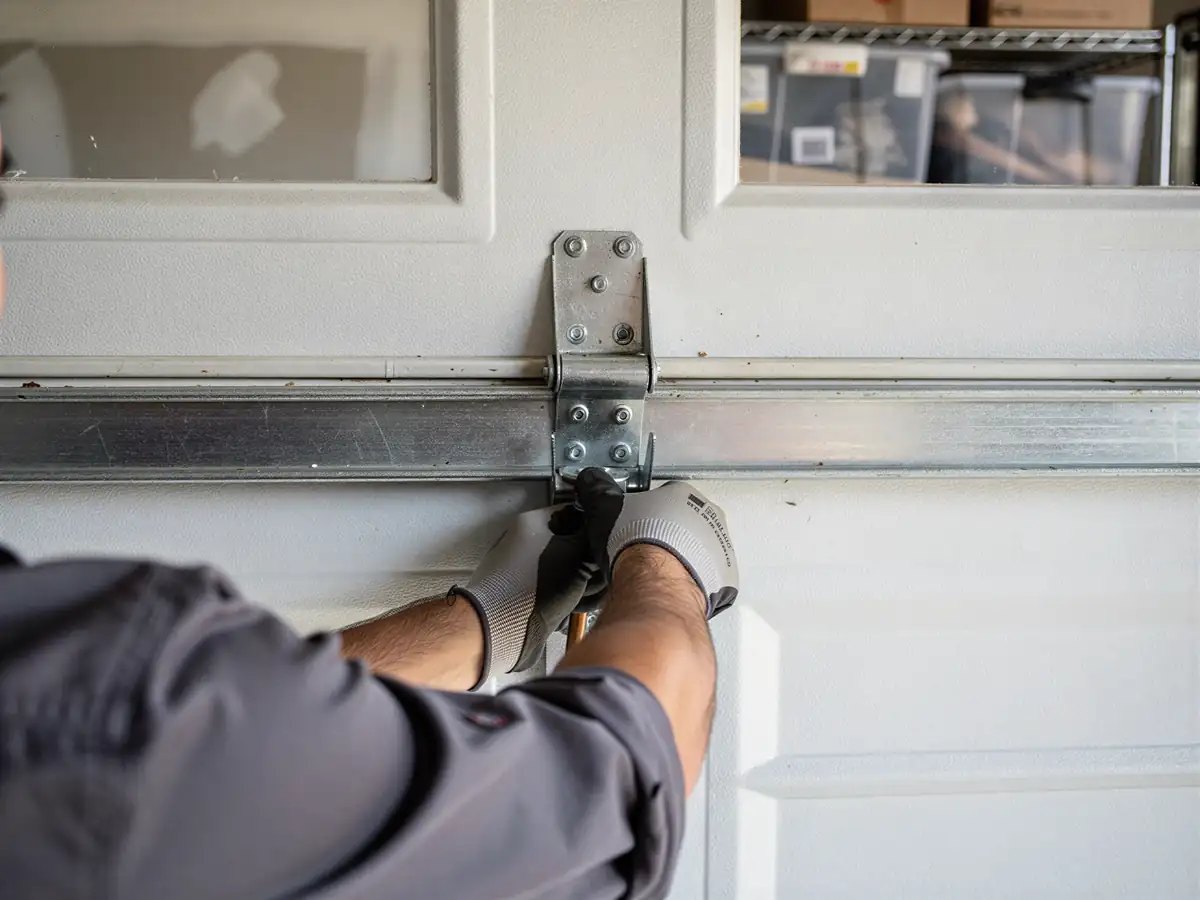
Some of it, yes. Lubricating rollers and hinges, tightening loose bolts on the track, replacing weatherstripping along the bottom of the door - none of that needs a truck. If your opener is from this century, swapping the remote battery or reprogramming it is a five-minute job you don't need us for.
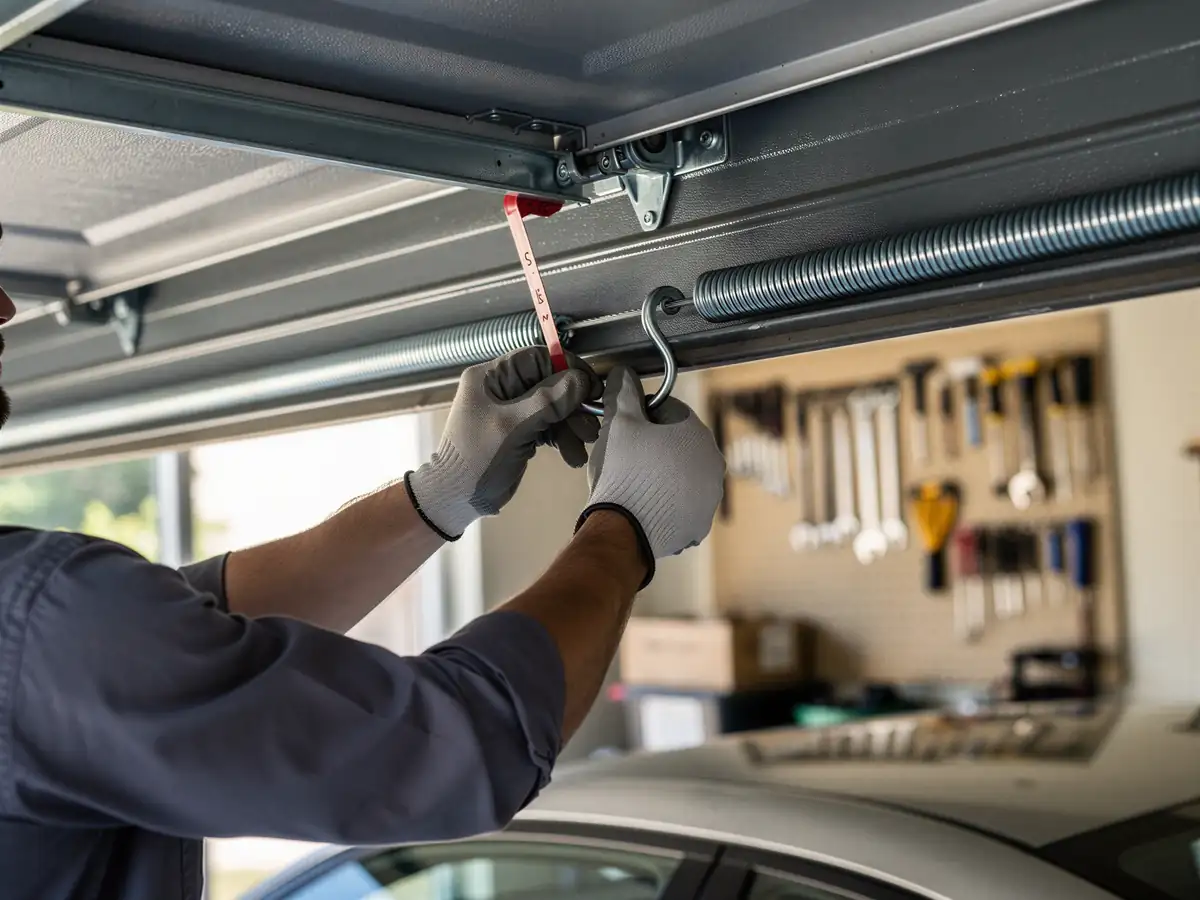
What you shouldn't touch is the torsion spring, especially on original 1960s-era hardware where the mounting and the spring size may not match anything sold today. These springs hold enough tension to break a bone or worse if they let go while you're working on them, and on hardware this old, the wind count and cable routing often aren't labeled the way newer systems are. If a cable has started to fray, or the door drops suddenly when you pull the release cord, that's a call, not a project.
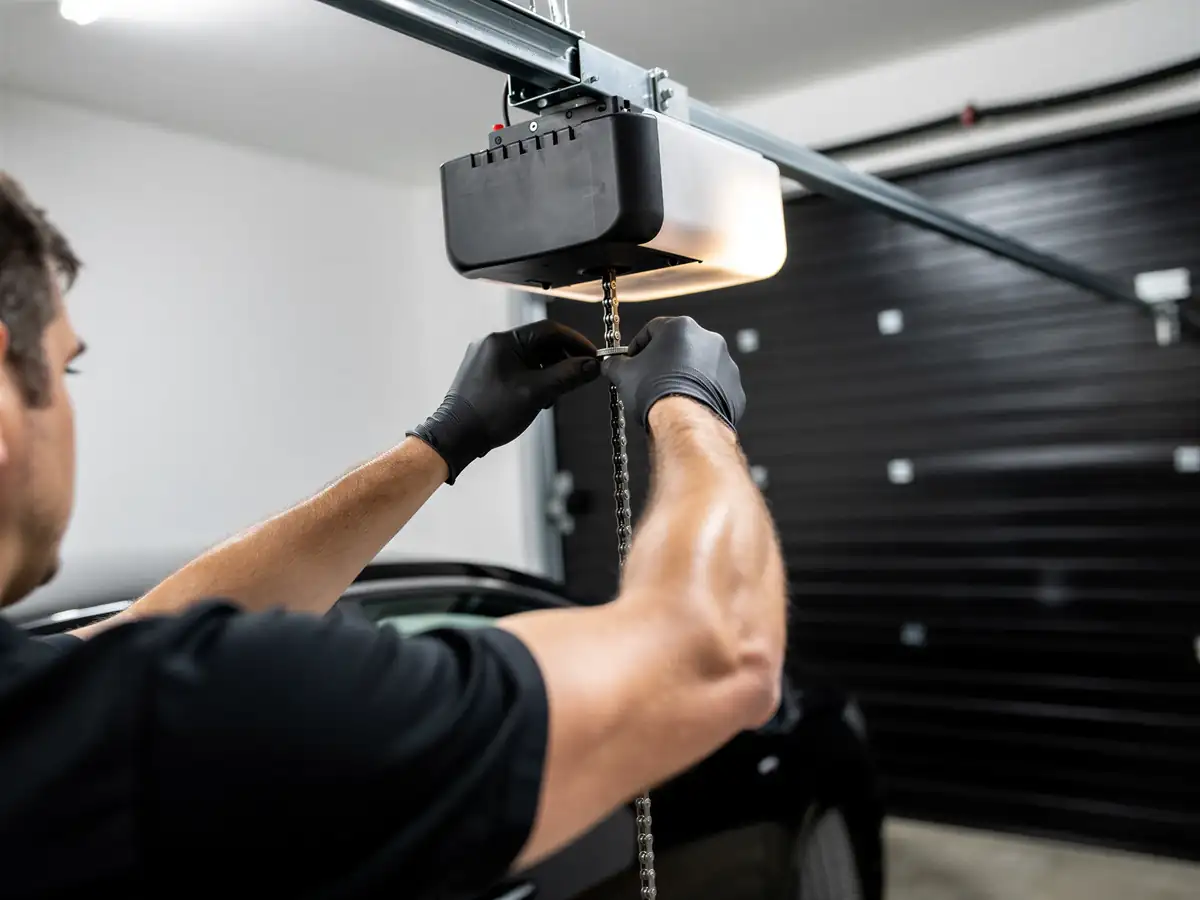
The honest limit here: if your opener is original to a 1960-built house, parts for it may simply not exist anymore. At that point we're not fixing it, we're telling you it's time to replace the unit, and that's a harder conversation than a repair quote but a more useful one.
Booking a Visit
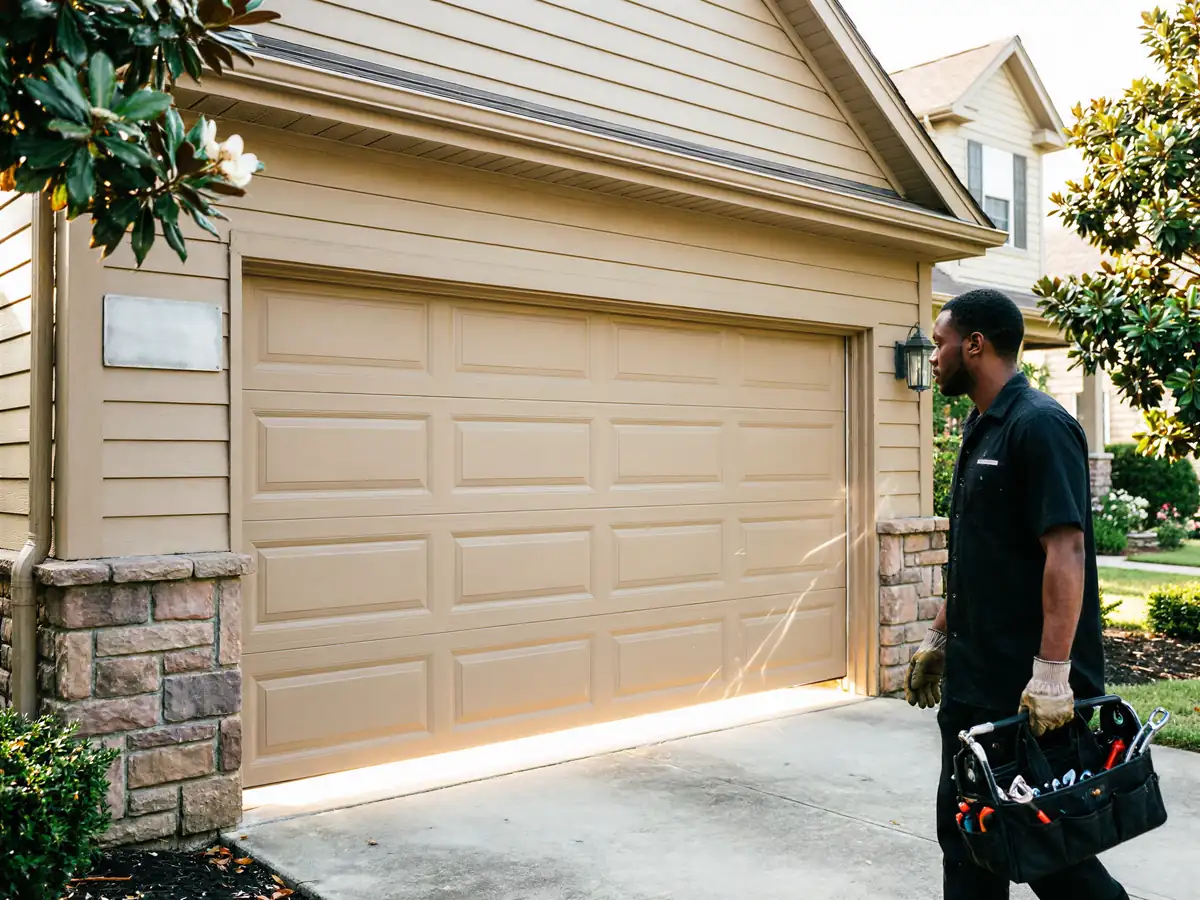
We run out of Arlington, about 4 miles from Lake Barcroft, so a visit here doesn't mean waiting on a dispatch from across the region. When you call, tell us the house's rough age if you know it - for a lot of Lake Barcroft that's going to be right around 1960 - because it changes what we load on the truck before we ever knock on your door. A spring sized for 1960s hardware isn't the same part we'd grab for a 2005 build, and showing up with the wrong one means a second trip nobody wants.
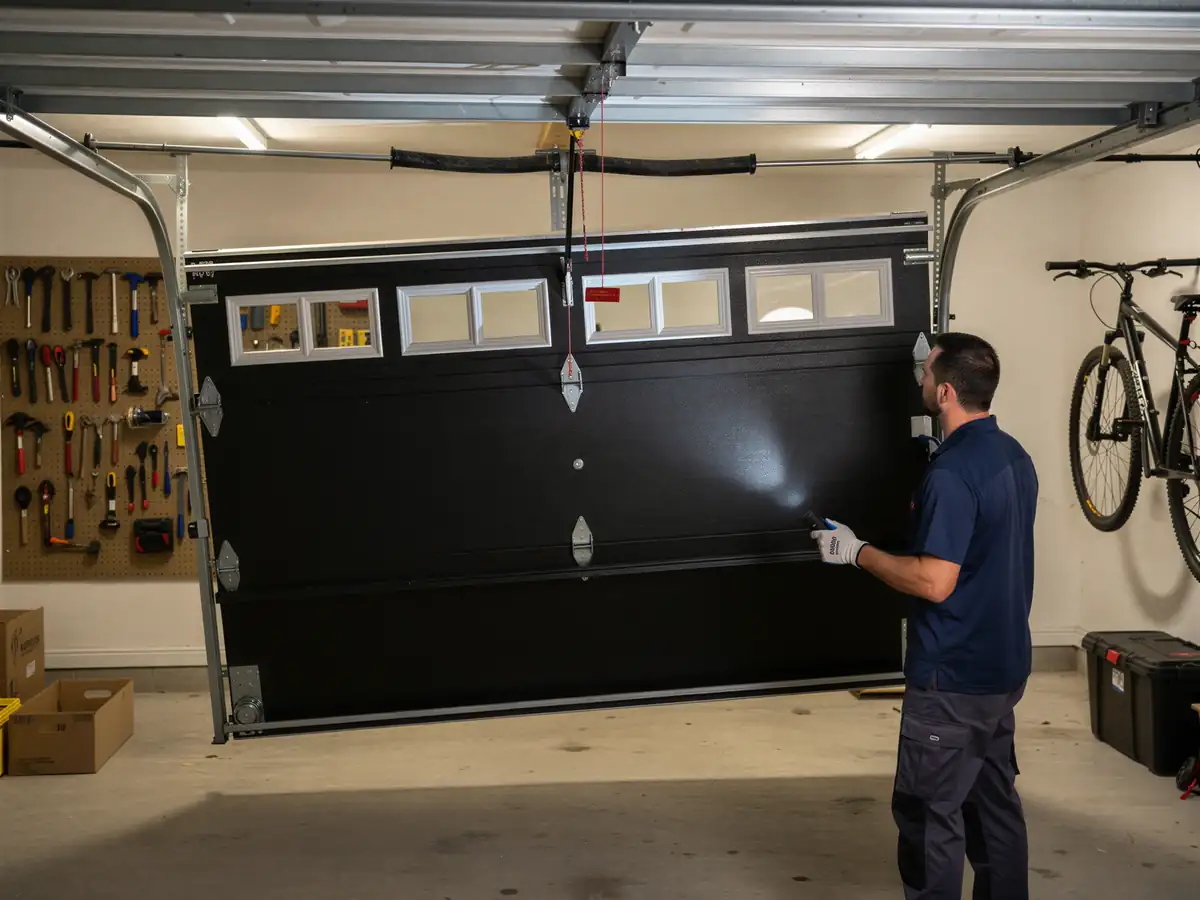
We also ask what the door's doing right now: binding on one side, dropping fast, opener running but door not moving. Those three answers usually tell us more than a model number would, especially on original equipment where the model number wore off the sticker thirty years ago.
Stocked Parts
Given how much of Lake Barcroft's housing stock sits around that 1960 build year
We keep torsion springs and cable sized for mid-century hardware on the truck, not just the parts that fit a 2010 opener. That's a direct response to what we actually run into here, not a generic parts list.
What we don't carry is obsolete opener motors and circuit boards for discontinued 1960s-era units
Those parts simply aren't manufactured anymore, and no stocked inventory changes that. When we hit one of those, the honest answer is opener replacement, not a repair quote that pretends a part exists when it doesn't. We'd rather tell you that on the first visit than string out a search for a board nobody's made in decades.